홈MCP워크벤치Skills
홈워크벤치알림마이페이지
llms.txt · MCP 가이드개인정보처리방침 · 이용약관 · 지원v1.8.0
  1. 홈
  2. /화합물

4-Nitropyridine N-oxide

HCID 14300
새 노트새 반응견적 요청하기
인쇄 미리보기
기본 정보개요이름 및 식별자물성안전 및 규제화학 및 산업관련 반응화합물 노트
부분 구조 검색유사 구조 찾기

기본 정보

CAS
1124-33-0
표준 SMILES
O=[N+]([O-])c1cc[n+]([O-])cc1
InChIKey
RXKNNAKAVAHBNK-UHFFFAOYSA-N
분자식
C5H4N2O3
평균 분자량
140.1 g/mol
단동위원소 질량
140.02219199

개요

Pyridine, 4-nitro-, 1-oxide is a solid. (EPA, 1998)

이름 및 식별자

우선 이름
4-Nitropyridine N-oxide
IUPAC
4-nitro-1-oxidopyridin-1-ium
영어명
4-Nitropyridine N-oxide
분자식
C5H4N2O3
분자량
140.1

이름 및 동의어

4-Nitropyridine N-oxide1124-33-04-Nitropyridine 1-oxidep-Nitropyridine N-oxidePYRIDINE, 4-NITRO-, 1-OXIDE4-Nitropyridine oxideNSC-5079NSC-130895ULB29Z652DAvitrol 100EPA Pesticide Chemical Code 597300AI3-25256
이름 더 보기
NSC 130895AKOS 93467avitrol100caswellno604aa4-Nitropyridine N-ox4-Nitropyridin-N-oxidNITROPYRIDINE-N-OXIDE
RefChem:870693214-395-44-Nitropyridine-N-oxide4-Nitropyridine-1-oxide4-nitropyridin-1-ium-1-olate4-nitro-1-oxidopyridin-1-iumDTXSID90415244-nitropyridin-1-ol

데이터베이스 식별자

CAS
1124-33-0
PubChem CID
14300
DTXSID
DTXSID9041524
ChEMBL
CHEMBL3187617
UNII
ULB29Z652D
EC Number
214-395-4
Nikkaji
J3.660I

물성

구조 계산 물성

XLogP
-0.6
극성 표면적
71.3 Ų
수소 결합 공여자 수
0
수소 결합 수용자 수
3
회전 가능 결합 수
0
무거운 원자 수
10
형식 전하
0
복잡도
125

실험 및 물리화학적 성질

PesticidesPesticides -> Other Insecticides
LogPlog Kow = -0.55
DecompositionWhen heated to decomposition it emits toxic fumes of /nitrogen oxides/.
Melting Point160.5 °C
Vapor Pressure0.000594 [mmHg]
Physical Description · 2건

Pyridine, 4-nitro-, 1-oxide is a solid. (EPA, 1998)

Solid; [CAMEO] Crystalline solid; [MSDSonline]

Collision Cross Section119.2 Ų [M-H]- [CCS Type: DT; Buffer gas: N2; Ionization: ESI-; Dataset: TOXCAST; Source Identifier: DTXSID9041524]

물리화학적 성질

녹는점
159 · 159-162 °C (lit.)
끓는 점
256.56 °C · 256.56°C (rough estimate)
밀도
1.5657 · 1.5657 (rough estimate)
굴절률
1.48 · 1.4800 (estimate)
저장 조건
Inert atmosphere,Room Temperature

안전 및 규제

안전 정보는 참고용이며, 공급업체의 물질안전보건자료(SDS), 관련 법규 및 전문가 평가를 대체하지 않습니다.

GHS 분류

GHS Classification · 4건

Danger

H301 (90%): Toxic if swallowed [Danger Acute toxicity, oral]

P261, P264, P264+P265, P270, P271, P280, P301+P316, P302+P352, P304+P340, P305+P351+P338, P319, P321, P330, P332+P317, P337+P317, P362+P364, P403+P233, P405, and P501 (click each P-code to see the statement)

Aggregated GHS information provided per 50 reports by companies from 9 notifications to the ECHA C&L Inventory. Each notification may be associated with multiple companies.

유해성 정보

DOT LabelPoison
Fire HazardsWhen heated to decomposition, it emits very toxic fumes of nitrogen oxides. Avoid decomposing heat. (EPA, 1998)
Health HazardsHigh toxicity via oral exposure. (EPA, 1998)
Hazards SummaryEffects in high-dose animal studies include tremor and convulsions; Oral LD50 (wild birds) = 8 mg/kg; Tumorigenic in mice by RTECS criteria; [RTECS]
Reactive GroupAmines, Phosphines, and Pyridines
Reactivity ProfileAromatic nitro compounds range from slight to strong oxidizing agents. If mixed with reducing agents, including hydrides, sulfides and nitrides, they may begin a vigorous reaction.
Air and Water ReactionsMay be deliquescent.
CERCLA Reportable Quantities · 1건

Releases of CERCLA hazardous substances are subject to the release reporting requirement of CERCLA section 103, codified at 40 CFR part 302, in addition to the requirements of 40 CFR part 355. Pyridine, 4-nitro-, 1-oxide is an extremely hazardous substance (EHS) subject to reporting requirements when stored in amounts in excess of its threshold planning quantity (TPQ) of 500 or 10,000 lbs. Extremely hazardous substances that are solids are subject to either of two threshold planning quantities ... The lower quantity applies only if the solid exists in powdered form and has a particle size less than 100 microns; or is handled in solution or in molten form; or meets the criteria for a National Fire Protection Association (NFPA) rating of 2, 3 or 4 for reactivity. If the solid does not meet any of these criteria, it is subject to the upper ... threshold planning quantity ... .

화학 및 산업

용도 및 제조

Uses · 3건

Not currently registered with the EPA for pesticide use in the US; [HSDB]

Farming (Pesticides) [Category: Industry]

For Pyridine, 4-nitro-, 1-oxide (USEPA/OPP Pesticide Code: 597300) there are 0 labels match. /SRP: Not registered for current use in the U.S., but approved pesticide uses may change periodically and so federal, state and local authorities must be consulted for currently approved uses./

Methods of ManufacturingNitration of pyridine N-oxide
Formulations/Preparations98% min purity grade
General Manufacturing InformationPyridine, 4-nitro-, 1-oxide: ACTIVE

응용 분야

용도The N-oxide derivative of a nitrated pyridine that has been shown to inhibit Na,K-ATPase activity. 4-Nitropyridine N-Oxide is a quorum sensing inhibitor.

일반 설명Solid.

상·하류 제품 정보

상류 원료

2,6-Di-O-methyl-beta-cyclodextrin

하류 제품

4-(Benzyloxy)pyridine N-oxide4-Nitropyridine2-Cyano-4-nitropyridine4-Methoxypyridine N-oxide3-Bromo-4-hydroxypyridine2-Chloro-4-nitropyridine

관련 반응

32건
반응 기록 만들기
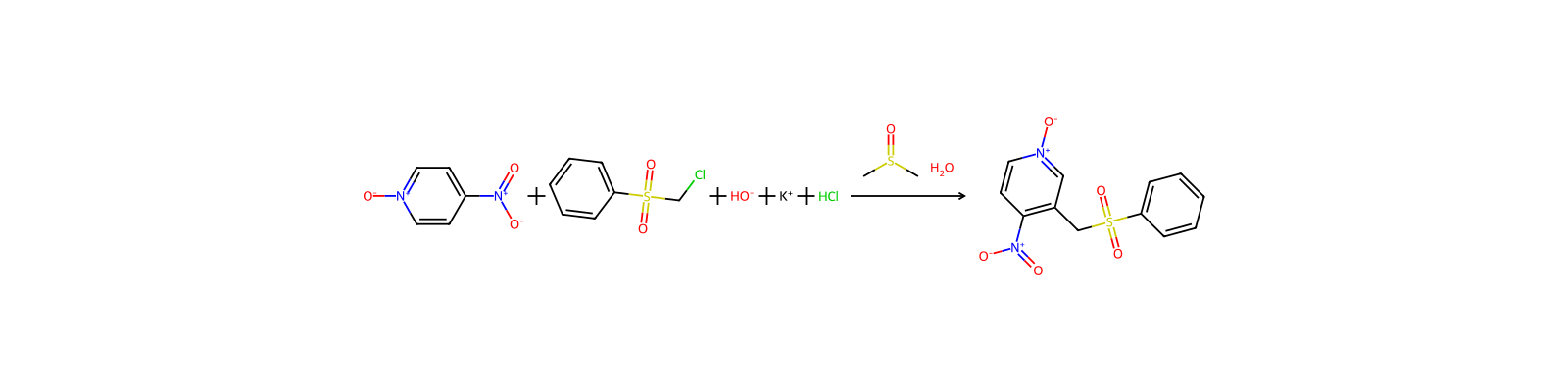
HRID 15029 반응식
HRID 15029반응물로uspto-grants-2010_06
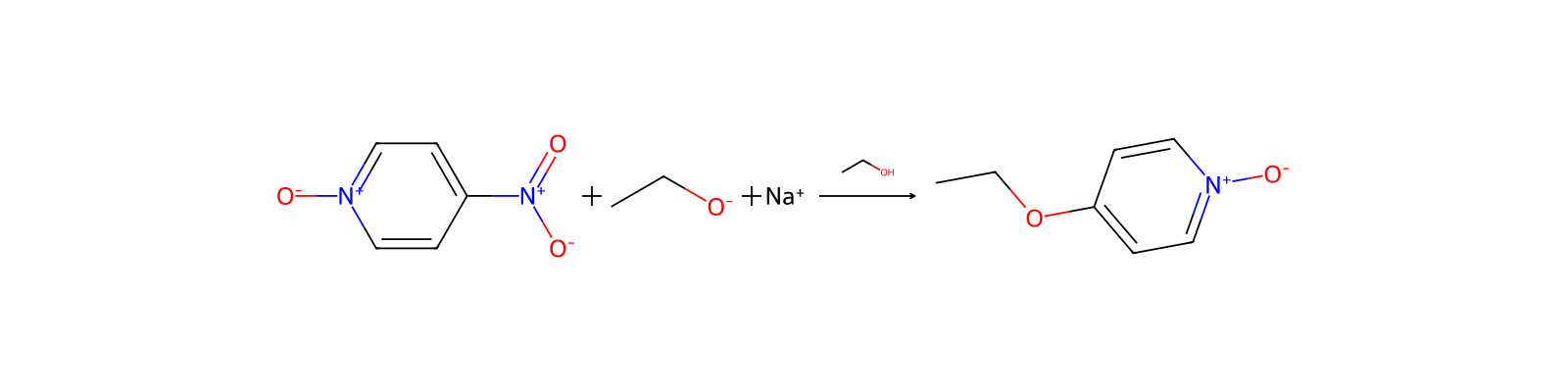
HRID 265635 반응식
HRID 265635반응물로uspto-grants-1997_07
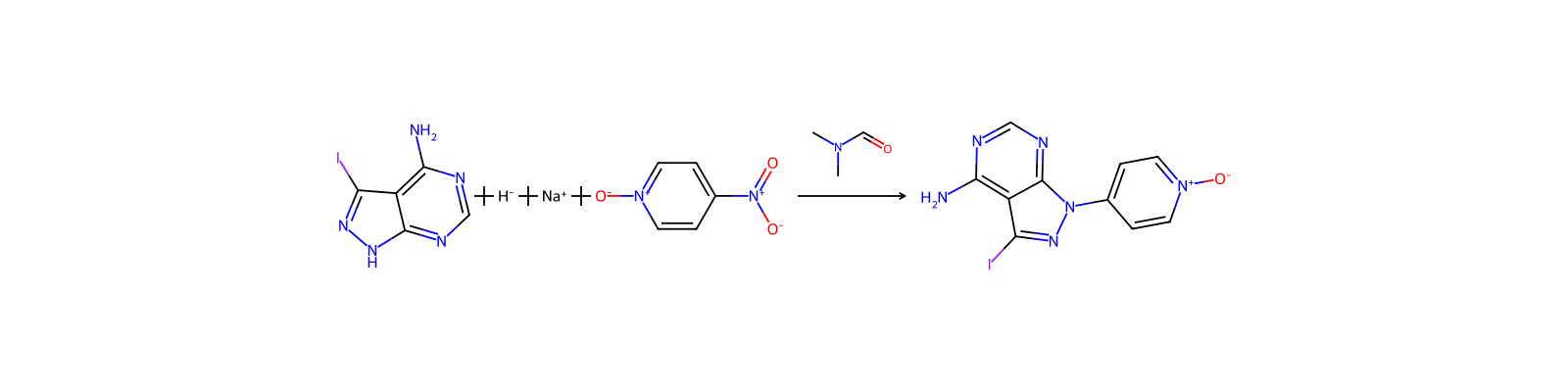
HRID 576148 반응식
HRID 576148반응물로uspto-grants-2015_05
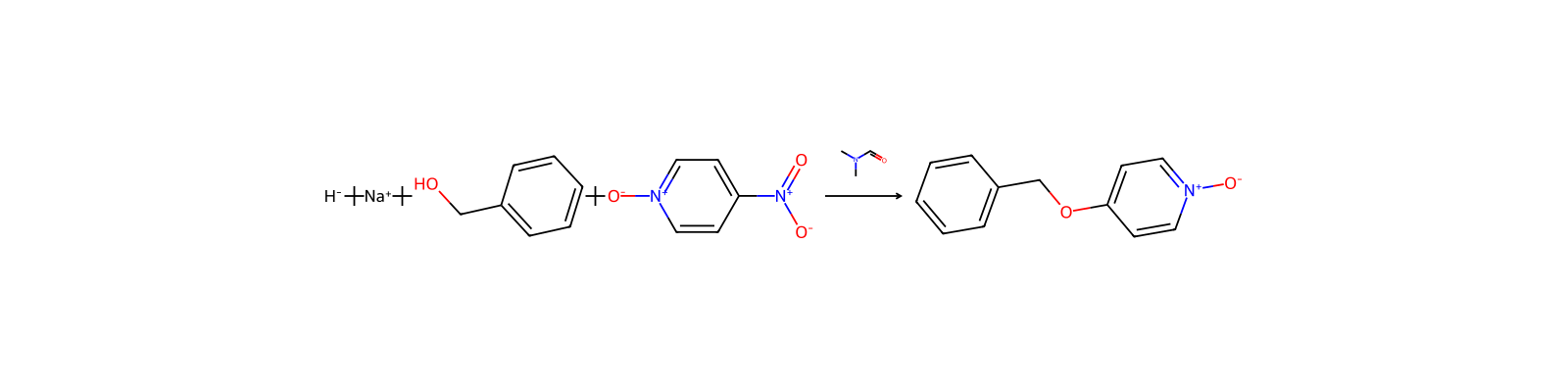
HRID 690061 반응식
HRID 690061반응물로Training data from https://doi.org/10.1039/C8SC04228D (3/10)
HRID 731569 반응식
HRID 731569반응물로uspto-grants-2009_09
HRID 856683 반응식
HRID 856683반응물로uspto-grants-2007_08
HRID 897861 반응식
HRID 897861반응물로uspto-grants-2005_07
HRID 897982 반응식
HRID 897982반응물로uspto-grants-2005_07
1 / 4 페이지

화합물 노트

불러오는 중…

이 페이지에서기본 정보개요이름 및 식별자물성안전 및 규제화학 및 산업관련 반응화합물 노트
더보기
새 노트새 반응견적 요청하기
용해도
DMSO에 용해됨
산도 계수 (pKa)
-1.37 · -1.37±0.10(Predicted)
물리적 상태
결정 또는 분말
색상
노란색에서 갈색으로
수용성
불용성
BRN
124331 · 124331
InChI
InChI=1S/C5H4N2O3/c8-6-3-1-5(2-4-6)7(9)10/h1-4H
InChIKey
RXKNNAKAVAHBNK-UHFFFAOYSA-N
SMILES
C1[N+]([O-])=CC=C([N+]([O-])=O)C=1
NIST
-1 · Pyridine-1-oxide, 4-nitro-(1124-33-0)
EPA
4 · 4-Nitropyridine-1-oxide (1124-33-0)

화학적 성질

white to light yellow crystal

Hazard Classes and CategoriesAcute Tox. 3 (90%)
Explosive Limits and PotentialMixtures with diethyl-1,4-dihydro-2,6-dimethylpyridine-3,5-dicarboxylate explode when heated above 130 °C.
Skin, Eye, and Respiratory IrritationsPyridine and its derivatives cause local irritation on contact with the skin, mucous membranes and cornea. /Pyridine and its derivatives/
Hazardous Reactivities and IncompatibilitiesMixtures with diethyl-1,4-dihydro-2,6-dimethylpyridine-3,5-dicarboxylate explode when heated above 130 °C.

안전 및 보호

Fire FightingExcerpt from ERG Guide 154 [Substances - Toxic and/or Corrosive (Non-Combustible)]:
First AidNote: No cases of human poisoning with pyridine, 4-nitro-, 1-oxide have been described.
Nonfire Spill ResponseExcerpt from ERG Guide 154 [Substances - Toxic and/or Corrosive (Non-Combustible)]:
Disposal Methods · 1건

SRP: At the time of review, criteria for land treatment or burial (sanitary landfill) disposal practices are subject to significant revision. Prior to implementing land disposal of waste residue (including waste sludge), consult with environmental regulatory agencies for guidance on acceptable disposal practices.

Preventive Measures · 1건

SRP: The scientific literature for the use of contact lenses in industry is conflicting. The benefit or detrimental effects of wearing contact lenses depend not only upon the substance, but also on factors including the form of the substance, characteristics and duration of the exposure, the uses of other eye protection equipment, and the hygiene of the lenses. However, there may be individual substances whose irritating or corrosive properties are such that the wearing of contact lenses would be harmful to the eye. In those specific cases, contact lenses should not be worn. In any event, the usual eye protection equipment should be worn even when contact lenses are in place.

Isolation and EvacuationExcerpt from ERG Guide 154 [Substances - Toxic and/or Corrosive (Non-Combustible)]:
Protective Action Criteria (PAC) · 3건

0.32 [mg/m3]

3.5 [mg/m3]

21 [mg/m3]

Personal Protective Equipment (PPE) · 4건

For emergency situations, wear a positive pressure, pressure-demand, full facepiece self-contained breathing apparatus (SCBA) or pressure- demand supplied air respirator with escape SCBA and a fully-encapsulating, chemical resistant suit. (EPA, 1998)

... WORKERS SHOULD BE PROVIDED WITH PERSONAL PROTECTIVE EQUIPMENT. A CHARCOAL GAS-MASK CANISTER RESPIRATOR HAS BEEN ... EFFECTIVE ... . /PYRIDINE/

RUBBER & PLASTIC GLOVES SHOULD NOT BE RELIED UPON TO PREVENT SKIN CONTACT BECAUSE ... MANY ... . /PYRIDINE/ DERIV PENETRATE THESE MATERIALS. /PYRIDINE/

Depending on the extent of possible contact, workers should be provided with personal protective equipment. A charcoal gas mask canister respirator has been found to be effective against a 2% pyridine concentration at 30 l/min for 1 hr. Rubber and plastic gloves should not be relied upon to prevent skin contact because pyridine and many of its derivatives penetrate these materials ... . /Pyridine, homologues, and derivatives/

독성 정보

Adverse EffectsNeurotoxin - Other CNS neurotoxin
Antidote and Emergency Treatment · 2건

/SRP:/ Basic treatment: Establish a patent airway. Suction if necessary. Watch for signs of respiratory insufficiency and assist ventilations if needed. Administer oxygen by nonrebreather mask at 10 to 15 L/min. Monitor for pulmonary edema and treat if necessary ... . Monitor for shock and treat if necessary ... . Anticipate seizures and treat if necessary ... . For eye contamination, flush eyes immediately with water. Irrigate each eye continuously with normal saline during transport ... . Do not use emetics. For ingestion, rinse mouth and administer 5 ml/kg up to 200 ml of water for dilution if the patient can swallow, has a strong gag reflex, and does not drool ... . Cover skin burns with dry sterile dressings after decontamination ... . /Poison A and B/

/SRP:/ Advanced treatment: Consider orotracheal or nasotracheal intubation for airway control in the patient who is unconscious, has severe pulmonary edema, or is in respiratory arrest. Positive pressure ventilation techniques with a bag valve mask device may be beneficial. Monitor cardiac rhythm and treat arrhythmias as necessary ... . Start an IV with D5W /SRP: "To keep open", minimal flow rate/. Use lactated Ringer's if signs of hypovolemia are present. Watch for signs of fluid overload. Consider drug therapy for pulmonary edema ... . For hypotension with signs of hypovolemia, administer fluid cautiously. Watch for signs of fluid overload ... . Treat seizures with diazepam (Valium) ... . Use proparacaine hydrochloride to assist eye irrigation ... . /Poison A and B/

Non-Human Toxicity ValuesLD50 Rat oral 107 mg/kg

규제 정보

CERCLA Reportable Quantities · 1건

Releases of CERCLA hazardous substances are subject to the release reporting requirement of CERCLA section 103, codified at 40 CFR part 302, in addition to the requirements of 40 CFR part 355. Pyridine, 4-nitro-, 1-oxide is an extremely hazardous substance (EHS) subject to reporting requirements when stored in amounts in excess of its threshold planning quantity (TPQ) of 500 or 10,000 lbs. Extremely hazardous substances that are solids are subject to either of two threshold planning quantities ... The lower quantity applies only if the solid exists in powdered form and has a particle size less than 100 microns; or is handled in solution or in molten form; or meets the criteria for a National Fire Protection Association (NFPA) rating of 2, 3 or 4 for reactivity. If the solid does not meet any of these criteria, it is subject to the upper ... threshold planning quantity ... .

안전 데이터

wgk
3
tsca
TSCA listed
rtecs
UT6380000
ridadr
UN 2811 6.1/PG 3
독성
LD50 orl-rat: 107 mg/kg JWMAA9 29,830,65
HS 번호
29333999
risk_code
25-36/37/38-40-23/24/25
hazard_code
T
safety_code
26-45-37/39-28A-36-22
포장분류
III
위험 등급
6.1
유해 물질 데이터
1124-33-0(Hazardous Substances Data)
4-Nitropicolinic acid
4-Chloro-pyridine-2-carbonitrile