

기본 정보
- 표준 SMILES
[Na+].[Na+].[S-2]- InChIKey
GRVFOGOEDUUMBP-UHFFFAOYSA-N- 분자식
- Na2S
- 평균 분자량
- 78.05 g/mol
- 단동위원소 질량
- 77.95160956
개요
Sodium sulfide, anhydrous is a yellow to brick red crystalline mass or fused solid with an odor of rotten eggs. If exposed to moist air it is liable to spontaneous heating and may cause ignition of nearby combustible material. It absorbs moisture from the air.
이름 및 식별자
- 우선 이름
- Sodium Sulfide
- IUPAC
- disodium;sulfide
- 현지명
- 황화나트륨
- 영어명
- Sodium sulfide
- 분자식
- Na2S
- 분자량
- 78.04
이름 및 동의어
Sodium sulphideSodium sulfuretsodium sulfide anhydroussodium monosulphideanh. sodium sulfideNa2Ssodium sulfide (anh.)anhydrous sodium sulfidesodium sulphide anhydrousNSC-41874YGR27ZW0Y7CHEBI:76208
이름 더 보기
황화나트륨,무수황화나트륨*황화소다테트라브로모비페닐에테르황화나트륨소듐설파이드황화나트륨,무수황화 나트륨Disodium sulfidedisodium sulphidesodiumsulfuretsodiumsulfide(na2s)Sodium sulfide solidsodiumsulphide,anhydroussodiumsulfide(anhydrous)sodiumsulfide(non-specificname)Na2-S
Sodium SufideRefChem:56040Ingrown Toenail Pain Relief KitSODIUM SULPHIDE, ANHYDROUSSODIUM SULFIDE, (ANHYDROUS)Scholls Wellness Company LLCIngrown ToenailSODIUM SULFIDE, WITH LESS THAN 30% WATER OF CRYSTALLIZATIONSODIUM SULPHIDE, WITH LESS THAN 30% WATER OF CRYSTALLIZATION
데이터베이스 식별자
- CAS
1313-82-2- PubChem CID
- 14804
- DTXSID
DTXSID0029636- ChEMBL
CHEMBL2107611- ChEBI
CHEBI:76208- UNII
- YGR27ZW0Y7
물성
구조 계산 물성
- 극성 표면적
- 1 Ų
- 수소 결합 공여자 수
- 0
- 수소 결합 수용자 수
- 1
- 회전 가능 결합 수
- 0
- 무거운 원자 수
- 3
- 형식 전하
- 0
- 복잡도
- 0
실험 및 물리화학적 성질
Chemical Classes
Other Classes -> Sulfur Compounds
Corrosives
pHAQ SOLN ARE STRONGLY ALKALINE
SpringerMaterials Propertiesenthalpy
LogP-3.5
OdorRotten eggs
Food AdditivesUse unspecified -> FDA Substance added to food
Density
1.856 at 68 °F (USCG, 1999) - Denser than water; will sink
1.856 @ 14 °C/4 °C
1.86 g/cm³
1.856 @25 °C
Color/Form
CLEAR CRYSTALS; YELLOW OR BRICK-RED LUMPS OR FLAKES
CUBIC CRYSTALS OR GRANULES
AMORPHOUS, YELLOW-PINK OR WHITE CRYSTALS
Yellow or brick-red lumps or flakes or deliquescent crystals.
White to pink, crystalline solid.
Solubility
Slightly soluble in alcohol; insoluble in ether.
Solubility in water (g/100 g water): 8.1 (-9.0 °C); 12.4 (0 °C); 18.6 (20 °C); 29.0 (40 °C); 35.7 (48 °C); 39.0 (50 °C).
Boiling PointVery high (USCG, 1999)
Decomposition
When heated to decomp ... emits toxic fumes of /sulfur oxides and disodium oxide/.
920-950 °C
Melting Point
1180 °C (IN VACUO)
1172 °C
물리화학적 성질
- 녹는점
- 950 °C · 950 °C(lit.)
- 밀도
- 1.86 g/mL · 1.86 g/mL at 25 °C(lit.)
- 저장 조건
- Refrigerator (+4°C)
- 용해도
- 2 O: · H2O: 0.1 g/mL, 투명, 무색
- 물리적 상태
- 플레이크
- 색상
- 노란색
- Specific Gravity
- 1.856 · 1.856
- 냄새
- Rotten egg odor
- 수용성
- 186 g/L · 186g/L(20℃)
- Merck
- 14 · 14,8681
- Dielectric constant
- 5 · 5.0(Ambient)
- 안정성
- 자연적으로 인화성. 산, 금속, 산화제와 호환되지 않습니다. 산과 접촉하면 독성 가스가 방출됩니다. 미세 먼지/공기 혼합물은 폭발성이 있습니다. 흡습성.
- 화장품 원료 기능
- 제모제
- InChI
- 1S/2Na.S
- InChIKey
- CXPWOVUZRAFMDA-UHFFFAOYSA-N
- SMILES
- [Na]S[Na]
- NIST
- Sodium sulfide(1313-82-2)
- EPA
- Sodium sulfide (1313-82-2)
화학적 성질
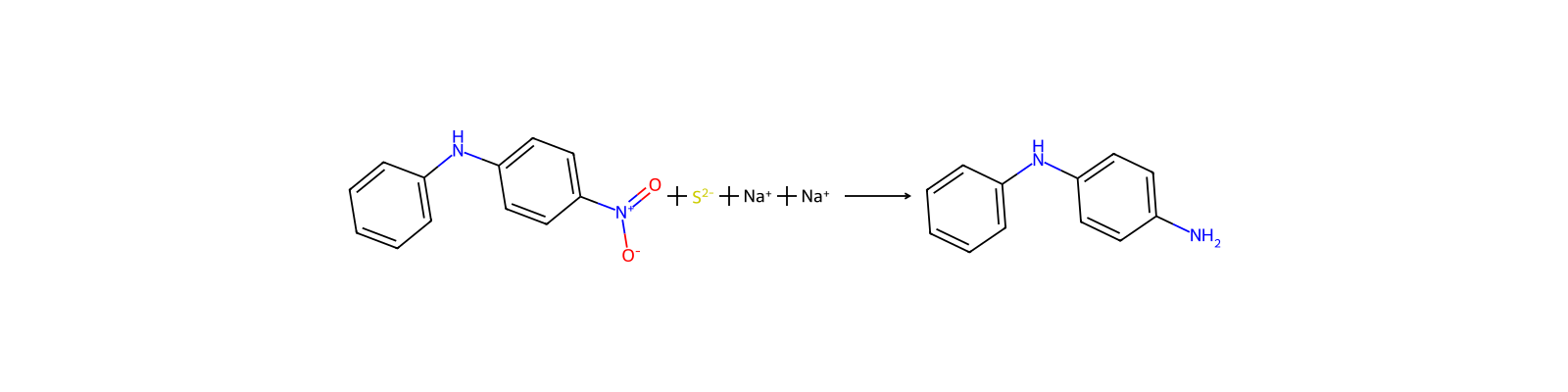
Sodium sulfide,Na2S, also known as sodium sulfuret,is an irritating, water-soluble, yellowish to reddish, deliquescent powder that melts at 1180°C (2156 °F). Sodium sulfide is used as a chemical intermediate and solvent,in conversion of wood into paper pulp, as a photographic and analytical reagent,as a source of sulfide,as a reducing agent,in organic reactions, as a depilatory, and in sheep dips.
안전 및 규제
GHS 분류
GHS Classification
Danger
H302: Harmful if swallowed [Warning Acute toxicity, oral]
P260, P262, P264, P270, P273, P280, P301+P317, P301+P330+P331, P302+P352, P302+P361+P354, P304+P340, P305+P354+P338, P316, P321, P330, P361+P364, P363, P391, P405, and P501 (click each P-code to see the statement)
유해성 정보
Regulatory InformationThe New Jersey Worker and Community Right to Know Act requires public and private employers to provide information about hazardous substances at their workplaces. (N.J.S.A. 34:5A-1 et. seq.)
DOT LabelSpontaneously Combustible
Fire Hazards
Special Hazards of Combustion Products: Irritating sulfur dioxide is produced in fire. (USCG, 1999)
· Combustible material: may burn but does not ignite readily.
· Flammable/combustible material.
Combustible. Gives off irritating or toxic fumes (or gases) in a fire.
Fire Potential
MOIST SODIUM SULFIDE IS SPONTANEOUSLY FLAMMABLE UPON DRYING IN AIR.
Combustible solid.
Health Hazards
Caustic action on skin and eyes. If ingested may liberate hydrogen sulfide in stomach. (USCG, 1999)
· TOXIC and/or CORROSIVE; inhalation, ingestion or skin contact with material may cause severe injury or death.
· Fire will produce irritating, corrosive and/or toxic gases.
Hazards Summary
Hydrogen sulfide released slowly when exposed to moist air and rapidly when exposed to acids; Sulfur oxides and hydrogen sulfide may be generated during a fire; Corrosive to the eyes and skin; [CHEMINFO] Corrosive; Inhalation of high concentration can cause chemical pneumonitis; [MSDSonline] See Hydrogen sulfide.
DOT ID and Guide
1849 153
1385 135
Reactive GroupSulfides, Inorganic
EC ClassificationSymbol: C, N; R: 31-34-50; S: (1/2)-26-45-61
UN ClassificationUN Hazard Class: 4.2; UN Pack Group: II
Reactivity AlertsStrong Reducing Agent
Reactivity Profile
SODIUM SULFIDE is a white to yellow crystalline material, flammable. Can explode on rapid heating or when shocked. Violent reaction with carbon, charcoal, diazonium salts, N,N-dichloromethylamine, strong oxidizers, water. On contact with acids it liberates highly toxic and flammable hydrogen sulfide gas. When heated to decomposition it emits toxic fumes of sodium oxide, and oxides of sulfur [Bretherick, 5th ed., 1995, p. 1729].
안전 및 보호
Fire Fighting
Excerpt from ERG Guide 135 [Substances - Spontaneously Combustible]:
Use water in large amounts, water spray, foam, dry powder.
First Aid Measures
Fresh air, rest. Refer for medical attention.
First rinse with plenty of water for at least 15 minutes, then remove contaminated clothes and rinse again. Refer for medical attention .
First rinse with plenty of water for several minutes (remove contact lenses if easily possible), then refer for medical attention.
Do NOT induce vomiting. Give one or two glasses of water to drink. Refer for medical attention .
Accidental Release Measures
· CALL 911. Then call emergency response telephone number on shipping paper. If shipping paper not available or no answer, refer to appropriate telephone number listed on the inside back cover.
· ELIMINATE all ignition sources (no smoking, flares, sparks or flames) from immediate area.
· CALL 911. Then call emergency response telephone number on shipping paper. If shipping paper not available or no answer, refer to appropriate telephone number listed on the inside back cover.
· ELIMINATE all ignition sources (no smoking, flares, sparks or flames) from immediate area.
First Aid
INGESTION: give water; induce vomiting; call a doctor.
General First Aid:
General First Aid:
Safe StorageSeparated from acids and oxidants. Keep in a well-ventilated room. Dry.
Exposure Control and Personal Protection
· Wear positive pressure self-contained breathing apparatus (SCBA).
· Wear positive pressure self-contained breathing apparatus (SCBA).
Fire Fighting Procedures
Approach fire from upwind to avoid hazardous vapors & toxic decomp products. Use flooding quantities of water. Do not use carbon dioxide.
Flood with water. /sodium sulfide, anhydrous or sodium sulfide; sodium sulfide, hydrated with not less than 30% water/
Extinguish fire using agent suitable for type of surrounding fire. Material itself does not burn or burns with difficulty. Use dry chemical, dry sand, or carbon dioxide. If large quantities of combustibles are involved, use water in flooding quantities as spray and fog. Use water spray to knock-down vapors. Keep run-off water out of sewers and water sources./sodium sulfide solutions containing sodium hydrosulfide; sodium sulfide solutions containing sodium hydroxide/
Storage ConditionsStore in a cool, dry, well-ventilated location. Separate from water, acids, & carbon dioxide. Outside or detached storage is preferred. Immediately remove & properly dispose of any spilled material.
Cleanup Methods
Approach release from upwind. Keep water away from release. Prompt cleanup & removal are necessary. Shovel dry material into suitable dry container. Control runoff & isolate discharged material for proper disposal.
The catalyst activities for Na2S oxidation in aqueous soln were examined for various materials such as activated C, C black, ferric salts, hydroquinone, 1,4-naphthoquinone-2-sulfonic acid sodium salt, 1,4-naphthoquinone and their mixed systems. These catalyst systems are all active and, applied to wastewater and sludge treatments, gave good results.
Nonfire Spill ResponseExcerpt from ERG Guide 135 [Substances - Spontaneously Combustible]:
Disposal Methods
SRP: At the time of review, criteria for land treatment or burial (sanitary landfill) disposal practices are subject to significant revision. Prior to implementing land disposal of waste residue (including waste sludge), consult with environmental regulatory agencies for guidance on acceptable disposal practices.
Spillage Disposal
Remove all ignition sources. Cover the spilled material with dry earth or sand. Sweep spilled substance into covered containers. Carefully collect remainder. Then store and dispose of according to local regulations. Do NOT let this chemical enter the environment. Personal protection: chemical protection suit including self-contained breathing apparatus.
독성 정보
Adverse EffectsOther Poison - Chemical Asphyxiant
Exposure RoutesThe substance can be absorbed into the body by inhalation, through the skin and by ingestion.
Signs and Symptoms
Cough. Burning sensation. Laboured breathing. Shortness of breath. Sore throat.
Redness. Pain. Skin burns. Blisters.
Redness. Pain. Blurred vision. Severe deep burns.
Abdominal pain. Burning sensation. Shock or collapse.
ICSC Environmental DataThis substance may be hazardous to the environment. Special attention should be given to aquatic organisms.
Human Toxicity Excerpts
...SODIUM SULFIDE MAY PRODUCE CAUSTIC BURNS...
CONTACT OF SODIUM SULFIDE WITH WORKMEN'S EYES HAS BEEN NOTED TO CAUSE BURNS WHICH MAY BE SLOW HEALING, OWING PRESUMABLY TO STRONG ALKALINITY.
IF FREE GASTRIC ACIDITY IS HIGH, INGESTION...MAY RESULT IN...DECOMP TO HYDROGEN SULFIDE IN STOMACH, WITH SUBSEQUENT SYSTEMIC POISONING. IN ANY CASE ALKALINE SULFIDES ARE STRONG LOCAL IRRITANTS TO MUCOUS MEMBRANE (& SKIN). /SULFIDE SALTS/
SOME OF SYMPTOMS ASSOC WITH SODIUM SULFIDE INTOXICATION MAY BE ATTRIBUTABLE TO HYDROGEN SULFIDE RELEASED IN STOMACH.
For more Human Toxicity Excerpts (Complete) data for SODIUM SULFIDE (6 total), please visit the HSDB record page.
Artificial Pollution SourcesNa2S is a waste gas from black liquor pyrolysis.
Non-Human Toxicity Excerpts25-27% SODIUM SULFIDE CAUSED SKIN CORROSION IN RABBITS IN A 4-HR PATCH TEST.
Antidote and Emergency Treatment
For advanced treatment: Consider orotracheal or nasotracheal intubation for airway control in the patient who is unconscious or in respiratory arrest. Positive-pressure ventilation techniques with a bag-valve-mask device may be beneficial. Monitor cardiac rhythm and treat arrhythmias if necessary ... . Start an IV with D5W TKO /SRP: To keep open, "minimal flow rate"/. Use lactated Ringer's if signs of hypovolemia are present. Watch for signs of fluid overload. Consider drug therapy for pulmonary edema ... . For hypotension with signs of hypovolemia, administer fluid cautiously. Watch for signs of pulmonary edema. Consider vasopressors to treat hypotension without signs of hypovolemia ... . Treat seizures with diazepam (Valium) ... . In severe cases use amyl nitrite and sodium nitrite ... as described for cyanide poisoning; omit the sodium thiosulfate injection. Early administration will be the most effective. DIRECT PHYSICIAN ORDER ONLY ... . Use proparacaine hydrochloride to assist eye irrigation ... . For basic treatment: Establish a patent airway. Suction if necessary. Watch for signs of respiratory insufficiency and assist ventilations if necessary. Administer oxygen by nonrebreather mask at 10 to 15 L/min. Monitor for pulmonary edema and treat if necessary ... . Monitor for shock and treat if necessary ... . Anticipate seizures and treat if necessary ... . For eye contamination, flush eyes immediately with water. Irrigate each eye continuously with normal saline during transport ... . Treat with rapid rewarming techniques ... if frostbite occurs. /Hydrogen sulfide and related compounds/
Non-Human Toxicity Values
LD50 Rat oral 208 mg/kg
LD50 Rat ipr 147 mg/kg
LD50 Mouse oral 205 mg/kg
안전 데이터
- wgk
- 2
- tsca
- TSCA listed
- rtecs
- WE1905000
- ridadr
- UN 1849 8/PG II (SODIUM SULPHIDE, HYDRATED with not less than 30 % water)
- HS 번호
- 28301010
- risk_code
- 31-34-50-22
- hazard_code
- C,N,Xn
- safety_code
- 26-45-61-36/37/39
- 포장분류
- II
- 위험 등급
- 4.2
- 기존화학 물질
- KE-12378
- F 고인화성물질
- 3-8-9-23
- Hazard Classifications
- Acute Tox. 3 DermalAcute Tox. 3 OralAquatic Acute 1Eye Dam. 1Met. Corr. 1Self-heat. 1Skin Corr. 1B
- 스토리지 클래스
- 4.2 - Pyrophoric and self-heating hazardous materials
- 유해 물질 데이터
- 1313-82-2(Hazardous Substances Data)
화학 및 산업
약리 정보
Mechanism of Action
The iv admin of Na2S at doses comparable to those absorbed during balneotherapy causes a significant reduction of bile flow in the anesthetized rat. The effect, different from that caused by acetylcholine, is completely inhibited and reverted by papaverine and not by atropine. Na2S possesses myotropic properties and the reduction of bile flow may be due to a spasmodic effect on the smooth muscle of biliary canaliculi.
Metabolism/Metabolites
NEITHER H2S2 NOR ANY VOLATILE SULFUR METABOLITES WERE FOUND IN EXPIRED BREATH OF MICE GIVEN SODIUM SULFIDE IP IN DOSES UP TO LD50. DETECTION SYSTEM WAS SENSITIVE TO LESS THAN 0.1% OF SULFUR IN GIVEN DOSES.
SODIUM...SOL SULFIDES ARE PROMPTLY & COMPLETELY HYDROLYZED IN BODY FLUIDS... /SULFIDE/
Heparinized rat blood containing sodium (35)S-sulfide was perfused through isolated rat lungs, kidney or liver. The rate and extent of sulfide oxidation varied from one organ to another. In the isolated perfused lung system, (35)S-sulfide was oxidized slowly to (35)S-thiosulfate; only small amounts of (35)S-sulfate were detectable, possibly due to the absence of sulfide oxidase. In the isolated perfused kidney system, (35)S-sulfide was oxidized to (35)S-sulfate with (35)S-thiosulfate as a possible intermediate. In liver perfusion expt, (35)S-sulfide was oxidized rapidly and almost exclusively to (35)S-sulfate. The addition of unlabeled thiosulfate inhibited the formation of (35)S-sulfate and caused the release of (35)S-thiosulfate from the isolated liver. Thiosulfate is an intermediate in sulfide oxidation to sulfate. A mechanism for the rapid oxidation of sulfide to thiosulfate was present in rat liver mitochondria and, in the presence of glutathione, the thiosulfate was oxiized to sulfate.
Absorption, Distribution and Excretion
ALKALI SULFIDES ARE RAPIDLY ABSORBED FROM INTESTINE. IT IS DOUBTFUL WHETHER SKIN ABSORBS ENOUGH TO CAUSE SYSTEMIC POISONING. /SULFIDES/
THE SULFIDE RADICAL IS IN PART EXCRETED BY LUNGS AND KIDNEYS AND AS METALLIC SULFIDES...BY THE BOWEL, AND IN PART OXIDIZED TO SULFATE AND THIOSULFATE AND EXCRETED BY THE KIDNEYS. /SULFIDES/
용도 및 제조
Uses
Used to make pulp and paper, to dehair hides, to treat ores (flotation agent), to precipitate metals from wastewater and sludge, to remove nitrogen oxides from gas streams, to polymerize styrene-butadiene, and to manufacture other chemical products; Used in engraving, lithography, cotton printing, and photography; [CHEMINFO]
Pulp and Paper Processing [Category: Industry]
Lithography printing [Category: Hobbies]
In prodn of heavy water for nuclear reactors
MEDICATION (VET)
In dehairing hides and wool pulling; desulfurizing viscose rayon; in the manufacture of rubber, sulfur dyes; in ore flotation, metal refining, engraving, cotton printing, as chemical intermediate, as laboratory reagent; in paper-pulping process.
U.S. Imports
(1972) NEGLIGIBLE
(1975) NEGLIGIBLE
U.S. Production(1991) 25X10+3 tons; (1974) 64X10+3 tons; (1972) 80X10+3 tons; (1970) 68X10+3 tons; (1965) 39X10+3 tons.
Consumption Patterns
23% IS USED AS A DEPILATORY AGENT IN THE LEATHER INDUST; 21% AS AN INT FOR COLORS AND DYES; 16% AS AN INT FOR MISC CHEMS; 16% FOR THE PREPN OF RAYON AND CELLOPHANE FILM; 15% AS A FLOTATION AGENT IN ORE TREATMENT; AND 8% IN THE PREPN OF PULP AND PAPER (1968)
About 65% of 1990 U.S. sodium sulfide usage was in the leather industry for dehairing hides before tanning; 25% of 1990 U.S. sodium sulfide usage was in the production of miscellaneous chemicals.
Methods of Manufacturing
BY HEATING SODIUM ACID SULFATE WITH SALT & COAL TO ABOVE 950 °C, EXTRACTION WITH WATER, & CRYSTALLIZATION.
Sodium carbonate + barium sulfide (reaction); sodium sulfate + coal (reduction); sodium amalgam + sulfur (reaction); gasoline, catalytic-cracker (alkali extraction/acidification; coproduced with cresylic acid).
Best prepared from the elements in liquid ammonia, also obtained by dehydration of the nonahydrate: Courtois, Compt Rend 207, 1220 (1938); Klemm et al, Z Anorg Allgem Chem 241, 281 (1939); Feher in Handbook of Preparative Inorganic Chemistry, vol 1, G. Brauer, Ed. (Academic Press, New York, 2nd ed , 1963) pp 358-60.
Formulations/Preparations
GRADES: FLAKE; FUSED; CHIP SULFIDE (60% NA2S), 60% FUSED & BROKEN; 30% CRYSTALS; LIQUID.
Available commercially as fused, hydrated crystals containing 30-34% sodium sulfide or as flakes containing 60-62% sodium sulfide.
응용 분야
용도주로 VAT 염색, 인쇄 및 스트리핑, 감소 세척, 실크, 양모, 나일론 및 기타 섬유 표백 기계 펄프, 열 기계 펄프, 탈색 펄프, 설탕, 꿀, 젤라틴과 같은 카올린 표백제 표백제와 같은 섬유 물질 침출에 사용됩니다. 유기 합성 및 의약품 용 환원제.
용도펄프 및 종이 만들기, 가죽 숨기기, 광석 (부유 제) 처리, 폐수 및 슬러지로부터 금속 침전, 가스 흐름에서 질소 산화물 제거, 스티렌 - 부타디엔 중합 및 기타 화학 제품 제조에 사용됩니다. 조각, 석판 인쇄,면 인쇄 및 사진 촬영에 사용됩니다.
용도그 이상의 온도에서는 6수화물 5.5수화물 등이 정출된다. 무수화물은 충분한 수소를 공급하면서 가열·탈수하여 만든다. 황화염료의 원료 및 중간물, 가죽 무두질용 탈모제, 레이온 및 셀로판의 탈황, 크라프트펄프용 증해제, 부유선광제 등에 쓰인다.
용도공업적으로는 수산화나트륨 수용액에 석유화학공업에서 얻어진 폐가스의 황화수소를 포화시켜 황화수소나트륨 수용액으로 만들고, 여기에 같은 양의 수산화나트륨을 가하여 48℃ 이하에서 농축하면 9수화물을 얻을 수 있다.
용도These yellow flakes were made by fusing sodium carbonate with sulfur. Soluble in water but less so in alcohol, sodium sulfide was lovingly called “stink” by those who used it for toning prints or intensifying negatives because of its sulfurous smell.
일반 설명Sodium sulfide is a yellow to brick red crystalline mass or fused solid with an odor of rotten eggs. If exposed to moist air Sodium sulfide is liable to spontaneous heating and may cause ignition of nearby combustible material. Sodium sulfide absorbs moisture from the air.
제조 방법
Sodium sulfide is prepared by heating sodium bisulfate with sodium chloride and coal above 950°C. The product mixture is extracted with water and the hydrated sulfide is obtained from the solution by crystallization: NaHSO4 + NaCl + 2C → Na2S + 2CO2↑ + HCl↑Sodium sulfide also is produced from its elements in liquid ammonia: Na + 2S → Na2S.
상·하류 제품 정보
상류 원료
하류 제품
공급사50 곳
国药集团化学试剂有限公司86-21-63210123 · [email protected]
上海阿拉丁生化科技股份有限公司400-6206333 13167063860 · [email protected]
Shandong chuangyingchemical Co., Ltd.18853181302 · [email protected]
南通润丰石油化工有限公司66017690 19952660367 · [email protected]
合肥翰刚医药科技有限公司+8618062405514 · [email protected]
上海光铧科技有限公司13801626616 · [email protected]
河北创海生物科技有限公司+86-86-13131129325 · [email protected]
武汉问津化学科技有限公司13517196568 · [email protected]
山东前元高分子材料有限公司18678041314 18765609661 · [email protected]
武汉绿景丰华生物科技有限公司19972070065 · [email protected]
上海迈瑞尔生化科技有限公司4006356688 18621169109 · [email protected]
江苏普乐司生物科技有限公司0513-66017706 18551496367 · [email protected]
天津中信凯泰化工有限公司022-66880623 · [email protected]
山东宇硕化工有限公司18866159232 18866159232 · [email protected]
阿法埃莎(中国)化学有限公司400-6106006 · [email protected]
安耐吉化学&3A(安徽泽升科技股份有限公司)400-0056266 · [email protected]
广东云星生物技术有限公司0751-18902340975/189023400307 18902340307 · [email protected]
中化蒙联化工有限公司131-10056998 13110056998 · [email protected]
上海景颜化工科技有限公司13817811078 · [email protected]
上海忆嵘生物科技有限公司18049974220 · [email protected]
佛山宝诺生物科技有限公司0757-85921206 18520245316 · [email protected]
山东艺鸿化工有限公司15253143303 15269100373
玛雅试剂+86 (573) 82222445 (0)18006601000 452520369 · [email protected]
HONG KONG IPURE BIOLOGY CO.,LIMITED86 18062405514 18062405514 · [email protected]
Hebei Qige Biological Technology Co. Ltd+86 +8618733132031
艾科试剂4008-755-333 18080918076 · [email protected]
赛默飞世尔科技(中国)有限公司800-810-5118 · [email protected]
北京伊诺凯科技有限公司400-810-7969 010-59572699 · [email protected]
江苏艾康生物医药研发有限公司025-66113011 13913916777 · [email protected]
TOKYO CHEMICAL INDUSTRY CO., LTD.03-36680489 · [email protected]
北京环宇世纪化学科技有限公司hysj_bj.com
安徽科迪达化工有限公司0554-2106669 · [email protected]
HBCChem, Inc.+1-510-219-6317 · [email protected]
成都零六生物科技有限公司400-1166-196 13458535857 · [email protected]
雷丁试剂0510-85629785 18013409632 · [email protected]
天津普西唐生物医药科技有限公司010-60605840 · [email protected]
上海御略医药科技有限公司021-60345187 13671753212 · [email protected]
上海麦克林生化科技股份有限公司15221275939 15221275939 · [email protected]
杭州杰恒化工有限公司0571-87396432 · [email protected]
池州凯隆进出口贸易有限公司[email protected]
Sigma-Aldrich西格玛奥德里奇(上海)贸易有限公司021-61415566 800-8193336 · [email protected]
九鼎化学(上海)科技有限公司4009209199 · [email protected]
尤尼威尔化学品(上海)有限公司021-61932772 13012862996 · [email protected]
杭州鼎燕化工有限公司0571-87157530-8003 18267553885 · [email protected]
广州和为医药科技有限公司17612033329 17612033329
上海玻尔化学试剂有限公司19102157732 · [email protected]
sgtlifesciences pvt ltd+91-8790379245 · [email protected]
陕西缔都医药化工有限公司029-029-81120477 17792793610 · [email protected]
成都润泽本土化工有限公司028-88469284 18000562381 · [email protected]
上海岚克医药科技发展有限公司0086-21-58956006
추가 설명
정의ChEBI: A sulfide salt with formula Na2S. The pentahydrate and (particularly) the nonahydrate are also known. In gel form, sodium sulfide is used to soften toenails to assist in trimming (and so relive pain) of ingrowing toenails.
관련 반응
260건


연결된 노트
불러오는 중…