
기본 정보
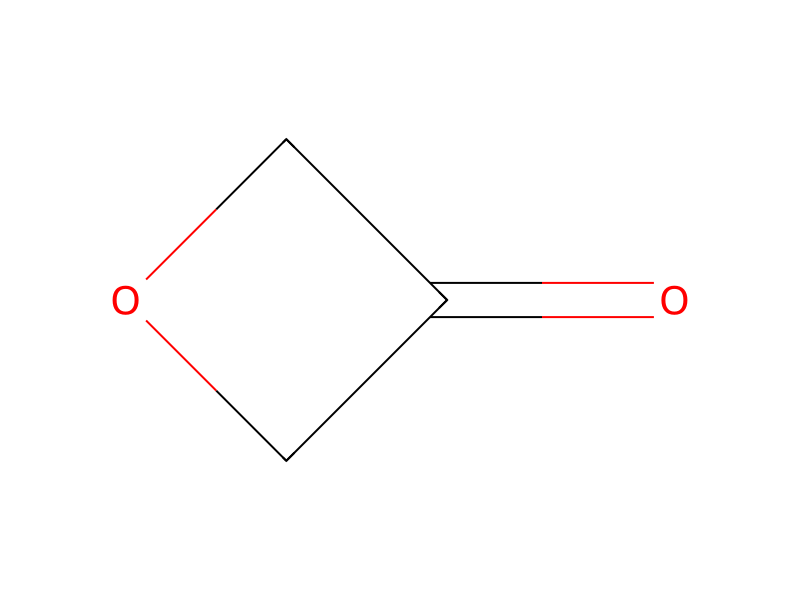
- 표준 SMILES
O=C1COC1- InChIKey
ROADCYAOHVSOLQ-UHFFFAOYSA-N- 분자식
- C3H4O2
- 평균 분자량
- 72.06 g/mol
- 단동위원소 질량
- 72.02112937
이름 및 식별자
- 우선 이름
- 3-Oxetanone
- IUPAC
- oxetan-3-one
- 영어명
- 3-Oxetanone
- 분자식
- C3H4O2
- 분자량
- 72.06
이름 및 동의어
3-oxetanoneOxetan-3-one6704-31-0TGB3B74HZPDTXSID80567101RefChem:95204DTXCID50517875664-396-21,3-Epoxy-2-propanoneMFCD09263255oxentan-3-onC3H4O2
이름 더 보기
3-Oxooxetane, 1,3-Epoxypropan-2-oneEOS-603803-oxetanonOxetan-3-one 95%3-Oxetanone, 98%+3-Oxocyclobutanone
2-Propanone, 1,3-epoxy-CHEMBL47796603-oxooxetaneoxetane-3-one1,3-epoxypropanone1,3-epoxy-2-propan-2-oneoxetan-3-onUNII-TGB3B74HZP
데이터베이스 식별자
- CAS
6704-31-0- PubChem CID
- 15024254
- DTXSID
DTXSID80567101- ChEMBL
CHEMBL4779660- UNII
- TGB3B74HZP
- EC Number
- 664-396-2
- Nikkaji
- J247.749A
물성
구조 계산 물성
- XLogP
- -0.3
- 극성 표면적
- 26.3 Ų
- 수소 결합 공여자 수
- 0
- 수소 결합 수용자 수
- 2
- 회전 가능 결합 수
- 0
- 무거운 원자 수
- 5
- 형식 전하
- 0
- 복잡도
- 51
물리화학적 성질
- 끓는 점
- 140 °C · 140 °C
- 밀도
- 1.231 · 1.231
- 인화점
- 53 °C · 53 °C
- 굴절률
- 1.426 · 1.426
- 저장 조건
- -20 °C · -20°C
- 용해도
- 테트라히드로푸란과 혼합 가능.
- 물리적 상태
- 투명한 액체
- 색상
- Colorless to Red to Green
- InChI
- InChI=1S/C3H4O2/c4-3-1-5-2-3/h1-2H2
- InChIKey
- ROADCYAOHVSOLQ-UHFFFAOYSA-N
- SMILES
- O1CC(=O)C1
화학적 성질
Colorless liquid
안전 및 규제
GHS 분류
GHS Classification
This chemical does not meet GHS hazard criteria for 2% (1 of 49) of reports.
Danger
H226 (98%): Flammable liquid and vapor [Warning Flammable liquids];H302 (89.8%): Harmful if swallowed [Warning Acute toxicity, oral];H315 (93.9%): Causes skin irritation [Warning Skin corrosion/irritation];H317 (89.8%): May cause an allergic skin reaction [Warning Sensitization, Skin];H318 (89.8%): Causes serious eye damage [Danger Serious eye damage/eye irritation];H335 (91.8%): May cause respiratory irritation [Warning Specific target organ toxicity, single exposure; Respiratory tract irritation]
P210, P233, P240, P241, P242, P243, P261, P264, P264+P265, P270, P271, P272, P280, P301+P317, P302+P352, P303+P361+P353, P304+P340, P305+P354+P338, P317, P319, P321, P330, P332+P317, P333+P317, P362+P364, P370+P378, P403+P233, P403+P235, P405, and P501 (click each P-code to see the statement)
Aggregated GHS information provided per 49 reports by companies from 10 notifications to the ECHA C&L Inventory. Each notification may be associated with multiple companies.;Reported as not meeting GHS hazard criteria per 1 of 49 reports by companies.;There are 9 notifications provided by 48 of 49 reports by companies with hazard statement code(s).;Information may vary between notifications depending on impurities, additives, and other factors. The percentage value in parenthesis indicates the notified classification ratio from companies that provide hazard codes. Only hazard codes with percentage values above 10% are shown. For more detailed information, please visit ECHA C&L website.
유해성 정보
Regulatory InformationStatus: Active Update: 09-04-2019 https://echa.europa.eu/registration-dossier/-/registered-dossier/28174
Hazard Classes and CategoriesFlam. Liq. 3 (98%);Acute Tox. 4 (89.8%);Skin Irrit. 2 (93.9%);Skin Sens. 1 (89.8%);Eye Dam. 1 (89.8%);STOT SE 3 (91.8%)
규제 정보
Regulatory InformationStatus: Active Update: 09-04-2019 https://echa.europa.eu/registration-dossier/-/registered-dossier/28174
안전 데이터
- wgk
- 3
- ridadr
- 1993
- HS 번호
- 29329990
- risk_code
- 10-22-37/38-41-43
- hazard_code
- Xn
- safety_code
- 16-26-36/37/39
- 포장분류
- Ⅲ
- 위험 등급
- IRRITANT
- Hazard Classifications
- Acute Tox. 4 OralEye Dam. 1Flam. Liq. 3Skin Irrit. 2Skin Sens. 1STOT SE 3
- 스토리지 클래스
- 3 - Flammable liquids
화학 및 산업
응용 분야
용도3-Oxetanone is used as a starting material for the preparation of other oxetanes compounds, which are of pharmacological interest. It is also considered as an object for theoretical studies.
일반 설명Product may polymerize over time during storage.
상·하류 제품 정보
하류 제품
공급사50 곳
衢州润东化工有限公司0570-8789886 18892685668 · [email protected]
上海阿拉丁生化科技股份有限公司400-6206333 13167063860 · [email protected]
镇江迪艾生物科技有限公司18912101619
中节能万润股份有限公司0535-6101880 · [email protected]
韶远科技(上海)有限公司021-50795510 4000665055 · [email protected]
科瑞迪化学400-821-5857 021-64326257 · [email protected]
上海迈瑞尔生化科技有限公司4006356688 18621169109 · [email protected]
上海波以尔化工有限公司[email protected]
宁波亿诺化学品有限公司86-574-27787657 · [email protected]
阿法埃莎(中国)化学有限公司400-6106006 · [email protected]
江苏弘和药物研发有限公司5108538618 · [email protected]
安耐吉化学&3A(安徽泽升科技股份有限公司)400-0056266 · [email protected]
上海恩诺生物科技有限公司+86 (21) 6435-5022
上海瀚鸿科技股份有限公司021-54306202 13764082696 · [email protected]
上海相辉医药科技有限公司13761987713 · [email protected]
上海景颜化工科技有限公司13817811078 · [email protected]
嘉兴市艾森化工有限公司0573-85285100 18627885956 · [email protected]
上海隆盛化工有限公司58099637 13585536065 · [email protected]
上海瀚香生物科技有限公司177-54423994 17754423994 · [email protected]
上海攀鸿化工科技有限公司021-56491756 13512199871 · [email protected]
武汉丰泰威远科技有限公司027-87465837 19945049750 · [email protected]
上海忆嵘生物科技有限公司18049974220 · [email protected]
杭州东帆化学有限公司86-0571-85151182
玛雅试剂+86 (573) 82222445 (0)18006601000 452520369 · [email protected]
上海楷石化工有限公司021-50273253 13641951838 · [email protected]
南京斯贝源医药科技有限公司+86-25-68710855, +86-25-68710897 · [email protected]
河南多贝化工有限公司0370-2785118 17550508557 · [email protected]
苏州思变化学技术有限公司0512-65617459 18915409046 · [email protected]
上海骏晔化工有限公司021-021-50318666 18516602538 · [email protected]
上海遐瑞医药科技有限公司+86 21 61551611
南京诺利斯医药科技有限公司13901585132 · [email protected]
江苏艾康生物医药研发有限公司025-66113011 13913916777 · [email protected]
上海健超生物科技有限公司150-2103-5486 18017383231 · [email protected]
TCI AMERICA800-4238616 · [email protected]
TOKYO CHEMICAL INDUSTRY CO., LTD.03-36680489 · [email protected]
TCI Europe320-37350700 · [email protected]
Labex Corporation+91-11-26135922 or +91-11-46160359 · [email protected]
常州凯立医药科技有限公司0519-81096292 15312577869 · [email protected]
深圳康特腾科技有限公司86-0755-86635001 · [email protected]
上海睿升化工科技有限公司+86-021-50935922
广州康瑞泰药业有限公司020-82185713,82185709 13418171485 · [email protected]
苏州爱玛特生物科技有限公司0512-56316828 4008675858 · [email protected]
上海虹晶生物科技有限公司434403602 · [email protected]
上海贺康生物技术有限公司17721021104 18939837085 · [email protected]
苏州月朗星稀化学有限公司0512-62857507 · [email protected]
上海将来实业股份有限公司021-61552785 · [email protected]
HBCChem, Inc.+1-510-219-6317 · [email protected]
雷丁试剂0510-85629785 18013409632 · [email protected]
上海卓因生物科技有限公司021-61317773 · [email protected]
湖南华腾制药有限公司400-8592883 · [email protected]
추가 설명
정의3-oxetanone (1,3-epoxy2-propanone, cC3H4O2) is a highly strained molecule functional in ring expansion and addition reactions. This molecule has also been proposed as a decomposition product of acetonylperoxy radical in the atmosphere. 3-oxetanone is suspected in the decomposition of the acetonylperoxy radical, an intermediate formed during the atmospheric processing of acetone. Atmospheric acetone degradation produces the acetonyl radical, CH3C(O)CH2, which reacts with O2 to form the acetonylperoxy radical. Rate constants predicted by a canonical variational theory/small-curvature tunneling method show that the radical isomerising produces 3-oxetanone and hydroxyl radical. These are the dominant products in the 2502000 K range. There is no significant branching to other products below 1200 K. The only published study of the dissociation of 3-oxetanone is a Rice-Ramsperger-KasselMarcus (RRKM) analysis of the unimolecular rate constant for the photolysis of 3-oxetanone, producing ketene and formaldehyde[1-2].
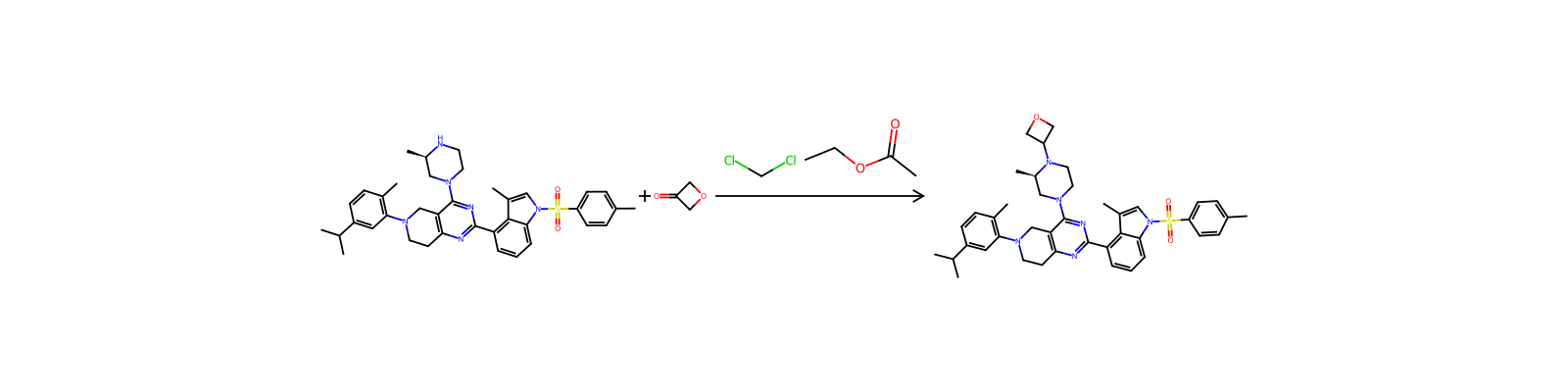
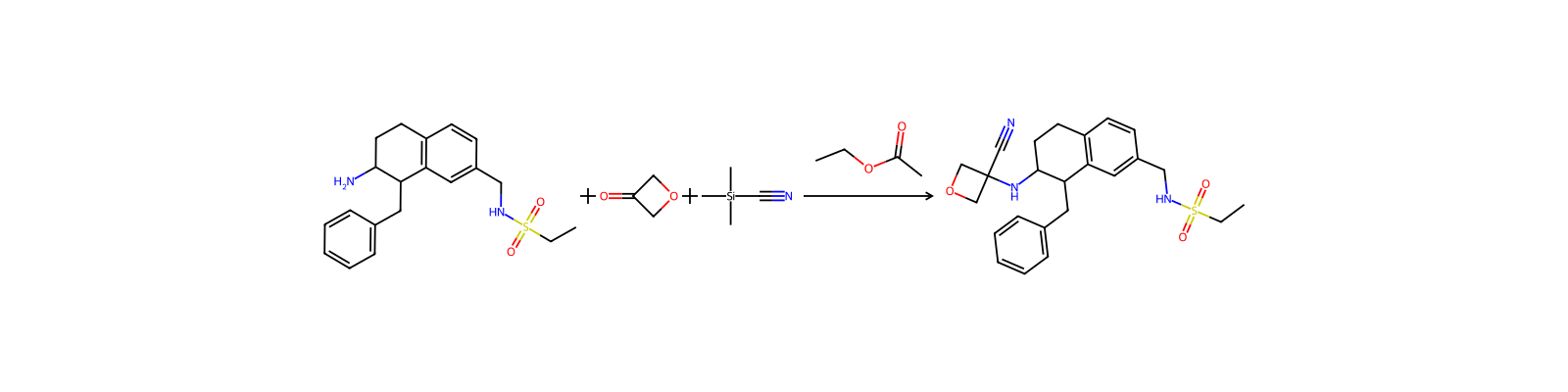
관련 반응
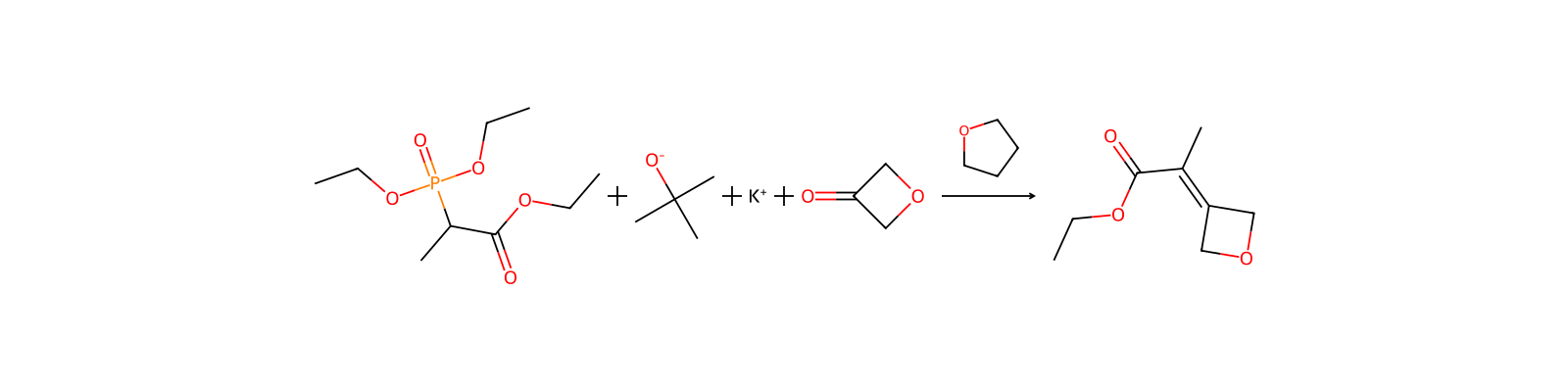
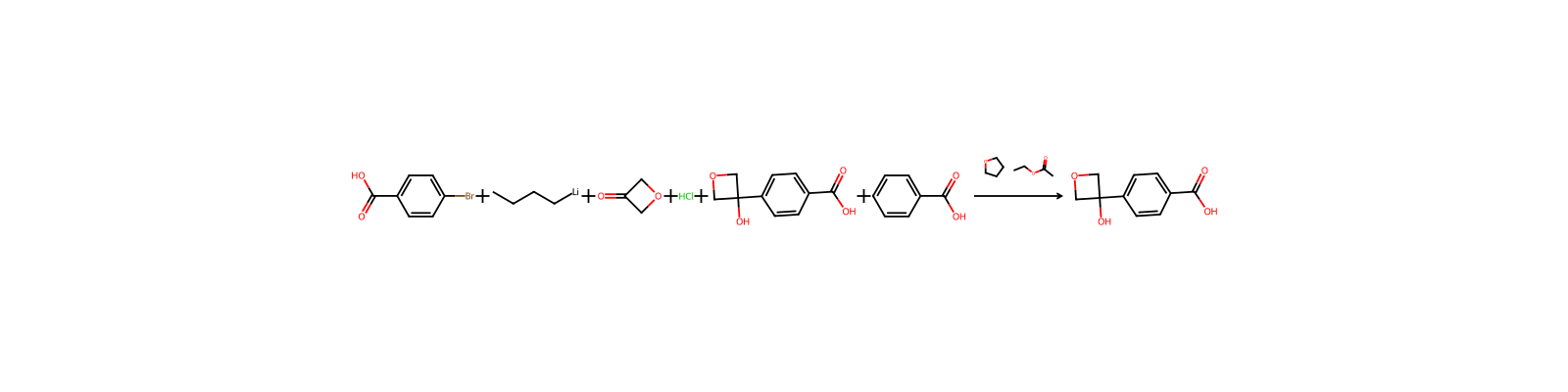
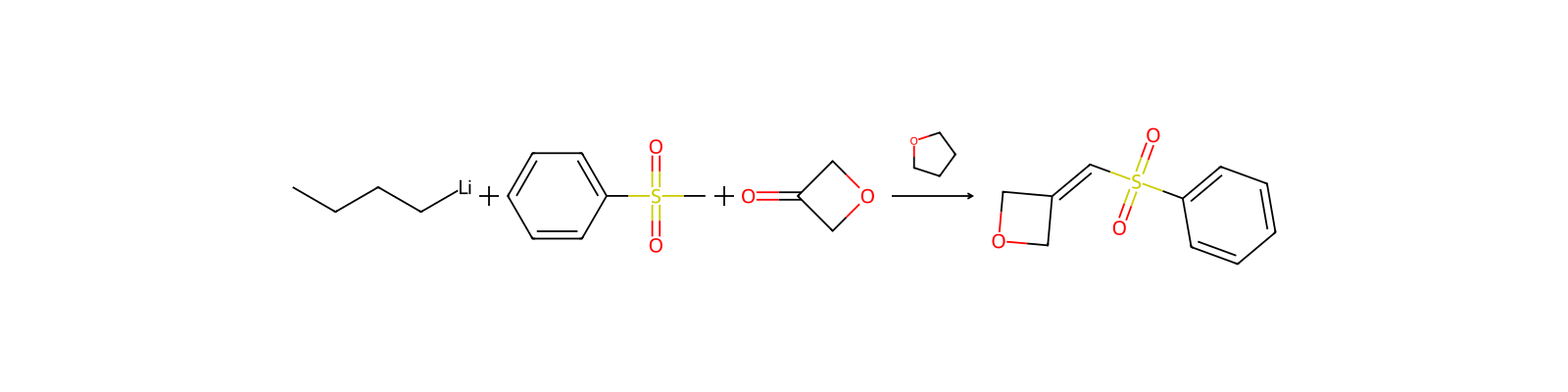
361건


연결된 노트
불러오는 중…