

기본 정보
- 표준 SMILES
CCCCCCCCCC- InChIKey
DIOQZVSQGTUSAI-UHFFFAOYSA-N- 분자식
- C10H22
- 평균 분자량
- 142.28 g/mol
- 단동위원소 질량
- 142.1721507
이름 및 식별자
- 우선 이름
- Decane
- IUPAC
- decane
- 현지명
- 알칸,C10-18
- 영어명
- Alkanes, C10-18
- 분자식
- C10H22
- 분자량
- 142.28168
이름 및 동의어
DECANEn-Decane124-18-5Decyl hydrideDTXSID6024913NK85062OIYNSC-8781SYNTSOL LP 10DTXCID704913CHEBI:41808CACTUS NORMAL PARAFFIN N 10RefChem:585364
이름 더 보기
알칸,C10-18Alkanes, C10-18
204-686-4682-389-2Nonane, methyl-MFCD00008954Decane, analytical standardCAS-124-18-5D10HSDB 63
데이터베이스 식별자
- CAS
124-18-5、63335-87-5、73138-29-1- PubChem CID
- 15600
- DTXSID
DTXSID6024913- ChEMBL
CHEMBL134537- ChEBI
CHEBI:41808- UNII
- NK85062OIY
- EC Number
- 204-686-4、682-389-2
- Nikkaji
- J2.505D
물성
구조 계산 물성
- XLogP
- 5
- 극성 표면적
- 0 Ų
- 수소 결합 공여자 수
- 0
- 수소 결합 수용자 수
- 0
- 회전 가능 결합 수
- 7
- 무거운 원자 수
- 10
- 형식 전하
- 0
- 복잡도
- 40
실험 및 물리화학적 성질
LogP
log Kow = 5.01
5.010
5.98 (estimated)
Density
0.73 at 60 °F (USCG, 1999) - Less dense than water; will float
0.7255 g/cu cm at 25 °C
Relative density (water = 1): 0.7
0.7266 @25 °C
Viscosity2.188 mPa s at -25 °C; 1.277 mPa s at 0 °C; 0.838 mPa s at 25 °C; 0.598 mPa s at 50 °C; 0.453 mPa s at 75 °C; 0.359 mPa s at 100 °C
Color/FormColorless liquid
Solubility
less than 1 mg/mL at 70 °F (NTP, 1992)
In water, 5.20X10⁻² mg/L at 25 °C
In distilled water, 0.009 mg/L at 20 °C; in salt water, 0.087 mg/L at 20 °C
Miscible with ethanol; soluble in ether; slightly soluble in carbon tetrachloride
Solubility in water: none
Flash Point
115 °F (NTP, 1992)
46.0 °C (114.8 °F) - closed cup
115 °F (46 °C)(Closed cup)
46 °C c.c.
Boiling Point
345.4 °F at 760 mmHg (NTP, 1992)
174.1 °C
173.00 to 175.00 °C. @ 760.00 mm Hg
174.2 °C
174.15 °C @760 [mm Hg]
Melting Point
-21.5 °F (NTP, 1992)
-29.7 °C
-31.00 to -28.00 °C. @ 760.00 mm Hg
-29.7 °C
-29.6 °C
Vapor Density
4.9 (NTP, 1992) - Heavier than air; will sink (Relative to Air)
4.90 (Air = 1)
Relative vapor density (air = 1): 4.9
Odor Threshold11 mg/cu m
Vapor Pressure
1 mmHg at 61.7 °F ; 2.7 mmHg at 68 °F; 10 mmHg at 131.7 °F (NTP, 1992)
1.43 [mmHg]
1.43 mm Hg at 25 °C
Vapor pressure, kPa at 25 °C: 0.17
1.43 [mm Hg] @25 °C
Surface Tension24.75 mN/m at 10 °C; 23.37 mN/m at 25 °C; 21.07 mN/m at 50 °C; 18.77 mN/m at 75 °C; 16.47 mN/m at 100 °C
물리화학적 성질
- EPA
- 10 · Alkanes, C10-18 (73138-29-1)
안전 및 규제
GHS 분류
GHS Classification
This chemical does not meet GHS hazard criteria for 0.1% (2 of 1869) of reports.
Danger
H226 (91.6%): Flammable liquid and vapor [Warning Flammable liquids];H304 (92.5%): May be fatal if swallowed and enters airways [Danger Aspiration hazard]
P210, P233, P240, P241, P242, P243, P280, P301+P316, P303+P361+P353, P331, P370+P378, P403+P235, P405, and P501 (click each P-code to see the statement)
Aggregated GHS information provided per 1869 reports by companies from 18 notifications to the ECHA C&L Inventory. Each notification may be associated with multiple companies.;Reported as not meeting GHS hazard criteria per 2 of 1869 reports by companies.;There are 17 notifications provided by 1867 of 1869 reports by companies with hazard statement code(s).;Information may vary between notifications depending on impurities, additives, and other factors. The percentage value in parenthesis indicates the notified classification ratio from companies that provide hazard codes. Only hazard codes with percentage values above 10% are shown. For more detailed information, please visit ECHA C&L website.
유해성 정보
Regulatory Information
Chemical: Decane
Decane is listed on the EPA's Chemical Data Reporting (CDR) system. Manufacturers and importers of Decane are required to report information about their production and use of this chemical to the EPA under the Toxic Substances Control Act (TSCA). (40 eCFR Part 711)
Status: Active Update: 07-03-2023 https://echa.europa.eu/registration-dossier/-/registered-dossier/13896
Decane: HSNO Approval: HSR001119 Approved with controls
The New Jersey Worker and Community Right to Know Act requires public and private employers to provide information about hazardous substances at their workplaces. (N.J.S.A. 34:5A-1 et. seq.)
Other Safety InformationIMAP assessments - Decane: Human health tier I assessment
DOT LabelFlammable Liquid
Fire Hazards
Special Hazards of Combustion Products: May produce toxic fumes, including carbon monoxide. (USCG, 1999)
· HIGHLY FLAMMABLE: Will be easily ignited by heat, sparks or flames.;· Vapors may form explosive mixtures with air.;· Vapors may travel to source of ignition and flash back.;· Most vapors are heavier than air. They will spread along the ground and collect in low or confined areas (sewers, basements, tanks, etc.).;· Vapor explosion hazard indoors, outdoors or in sewers.;· Those substances designated with a (P) may polymerize explosively when heated or involved in a fire.;· Runoff to sewer may create fire or explosion hazard.;· Containers may explode when heated.;· Many liquids will float on water.;· Substance may be transported hot.;· For hybrid vehicles, GUIDE 147 (lithium ion or sodium ion batteries) or GUIDE 138 (sodium batteries) should also be consulted.;· If molten aluminum is involved, refer to GUIDE 169.
Flammable. Above 46 °C explosive vapour/air mixtures may be formed.
Fire PotentialFlammable liquid when exposeed to heat or flame.
Health Hazards
Contact with eyes may produce mild irritation. Contact with skin may cause defatting, redness, scaling, and hair loss. Ingestion may cause diarrhea, slight central nervous system depression, difficulty in breathing and fatigue. Inhalation of high concentrations may cause rapid breathing, fatigue, headache, dizziness, and other CNS effects. (USCG, 1999)
CAUTION: Petroleum crude oil (UN1267) may contain TOXIC hydrogen sulphide gas.;· Inhalation or contact with material may irritate or burn skin and eyes.;· Fire may produce irritating, corrosive and/or toxic gases.;· Vapors may cause dizziness or asphyxiation, especially when in closed or confined areas.;· Runoff from fire control or dilution water may cause environmental contamination.
Hazards Summary
Defats the skin; [ICSC] May cause mild eye irritation; Defats the skin; Inhalation of high concentrations can cause CNS effects; [CAMEO] A moderate to severe skin and eye irritant based on animal studies; Inhalation of high concentrations can cause CNS depression; [CHEMINFO] An irritant; [MSDSonline]
DOT ID and Guide2247 128
Reactive GroupHydrocarbons, Aliphatic Saturated
UN ClassificationUN Hazard Class: 3; UN Pack Group: III
Reactivity AlertsHighly Flammable
Reactivity ProfileN-DECANE is incompatible with oxidizing agents. (NTP, 1992)
안전 및 보호
Fire Fighting
Excerpt from ERG Guide 128 [Flammable Liquids (Water-Immiscible)]:;CAUTION: The majority of these products have a very low flash point. Use of water spray when fighting fire may be inefficient. CAUTION: For mixtures containing alcohol or polar solvent, alcohol-resistant foam may be more effective.;SMALL FIRE: Dry chemical, CO2, water spray or regular foam. If regular foam is ineffective or unavailable, use alcohol-resistant foam.;LARGE FIRE: Water spray, fog or regular foam. If regular foam is ineffective or unavailable, use alcohol-resistant foam. Avoid aiming straight or solid streams directly onto the product. If it can be done safely, move undamaged containers away from the area around the fire.;FIRE INVOLVING TANKS, RAIL TANK CARS OR HIGHWAY TANKS: Fight fire from maximum distance or use unmanned master stream devices or monitor nozzles. Cool containers with flooding quantities of water until well after fire is out. For petroleum crude oil, do not spray water directly into a breached tank car. This can lead to a dangerous boil over. Withdraw immediately in case of rising sound from venting safety devices or discoloration of tank. ALWAYS stay away from tanks in direct contact with flames. For massive fire, use unmanned master stream devices or monitor nozzles; if this is impossible, withdraw from area and let fire burn. (ERG, 2024)
Use powder, AFFF, foam, carbon dioxide. In case of fire: keep drums, etc., cool by spraying with water.
First Aid Measures
Fresh air, rest. Half-upright position.
Remove contaminated clothes. Rinse skin with plenty of water or shower.
First rinse with plenty of water for several minutes (remove contact lenses if easily possible), then refer for medical attention.
Rinse mouth. Do NOT induce vomiting. Rest. Refer for medical attention .
Accidental Release Measures
· CALL 911. Then call emergency response telephone number on shipping paper. If shipping paper not available or no answer, refer to appropriate telephone number listed on the inside back cover.;· Keep unauthorized personnel away.;· Stay upwind, uphill and/or upstream.;· Ventilate closed spaces before entering, but only if properly trained and equipped.
· ELIMINATE all ignition sources (no smoking, flares, sparks or flames) from immediate area.;· All equipment used when handling the product must be grounded.;· Do not touch or walk through spilled material.;· Stop leak if you can do it without risk.;· Prevent entry into waterways, sewers, basements or confined areas.;· A vapor-suppressing foam may be used to reduce vapors.;· Absorb or cover with dry earth, sand or other non-combustible material and transfer to containers.;· Use clean, non-sparking tools to collect absorbed material.;Large Spill;· Dike far ahead of liquid spill for later disposal.;· Water spray may reduce vapor, but may not prevent ignition in closed spaces.
First Aid
EYES: First check the victim for contact lenses and remove if present. Flush victim's eyes with water or normal saline solution for 20 to 30 minutes while simultaneously calling a hospital or poison control center. Do not put any ointments, oils, or medication in the victim's eyes without specific instructions from a physician. IMMEDIATELY transport the victim after flushing eyes to a hospital even if no symptoms (such as redness or irritation) develop.;SKIN: IMMEDIATELY flood affected skin with water while removing and isolating all contaminated clothing. Gently wash all affected skin areas thoroughly with soap and water. If symptoms such as redness or irritation develop, IMMEDIATELY call a physician and be prepared to transport the victim to a hospital for treatment.;INHALATION: IMMEDIATELY leave the contaminated area; take deep breaths of fresh air. If symptoms (such as wheezing, coughing, shortness of breath, or burning in the mouth, throat, or chest) develop, call a physician and be prepared to transport the victim to a hospital. Provide proper respiratory protection to rescuers entering an unknown atmosphere. Whenever possible, Self-Contained Breathing Apparatus (SCBA) should be used; if not available, use a level of protection greater than or equal to that advised under Protective Clothing.;INGESTION: DO NOT INDUCE VOMITING. If the victim is conscious and not convulsing, give 1 or 2 glasses of water to dilute the chemical and IMMEDIATELY call a hospital or poison control center. Be prepared to transport the victim to a hospital if advised by a physician. If the victim is convulsing or unconscious, do not give anything by mouth, ensure that the victim's airway is open and lay the victim on his/her side with the head lower than the body. DO NOT INDUCE VOMITING. IMMEDIATELY transport the victim to a hospital. (NTP, 1992)
General First Aid:;· Call 911 or emergency medical service.;· Ensure that medical personnel are aware of the material(s) involved, take precautions to protect themselves and avoid contamination.;· Move victim to fresh air if it can be done safely.;· Administer oxygen if breathing is difficult.;· If victim is not breathing:;-- DO NOT perform mouth-to-mouth resuscitation; the victim may have ingested or inhaled the substance.;-- If equipped and pulse detected, wash face and mouth, then give artificial respiration using a proper respiratory medical device (bag-valve mask, pocket mask equipped with a one-way valve or other device).;-- If no pulse detected or no respiratory medical device available, provide continuous compressions. Conduct a pulse check every two minutes or monitor for any signs of spontaneous respirations.;· Remove and isolate contaminated clothing and shoes.;· For minor skin contact, avoid spreading material on unaffected skin.;· In case of contact with substance, remove immediately by flushing skin or eyes with running water for at least 20 minutes.;· For severe burns, immediate medical attention is required.;· Effects of exposure (inhalation, ingestion, or skin contact) to substance may be delayed.;· Keep victim calm and warm.;· Keep victim under observation.;· For further assistance, contact your local Poison Control Center.;· Note: Basic Life Support (BLS) and Advanced Life Support (ALS) should be done by trained professionals.;Specific First Aid:;· Wash skin with soap and water.
Safe StorageFireproof. Cool.
Exposure Control and Personal Protection· Wear positive pressure self-contained breathing apparatus (SCBA).;· Structural firefighters' protective clothing provides thermal protection but only limited chemical protection.
Fire Fighting Procedures
Suitable extinguishing media: Use water spray, alcohol-resistant foam, dry chemical or carbon dioxide.
Advice for firefighters: Wear self-contained breathing apparatus for firefighting if necessary.
Conditions to avoid: Heat, flames and sparks.
To fight fire, use foam, CO2, dry chemical.
If material on fire or involved in fire: Do not extinguish fire unless flow can be stopped. Use water in flooding quantities as fog. Solid streams of water may be ineffective. Cool all affected containers with flooding quantities of water. Apply water from as far a distance as possible. Use foam, dry chemical, or carbon dioxide. Keep run-off water out of sewers and water sources.
Storage ConditionsKeep container tightly closed in a dry and well-ventilated place. Containers which are opened must be carefully resealed and kept upright to prevent leakage. Store under inert gas.
Cleanup Methods
ACCIDENTAL RELEASE MEASURES: Personal precautions, protective equipment and emergency procedures: Use personal protective equipment. Avoid breathing vapors, mist or gas. Ensure adequate ventilation. Remove all sources of ignition. Evacuate personnel to safe areas. Beware of vapors accumulating to form explosive concentrations. Vapors can accumulate in low areas.; Environmental precautions: Prevent further leakage or spillage if safe to do so. Do not let product enter drains.; Methods and materials for containment and cleaning up: Contain spillage, and then collect with an electrically protected vacuum cleaner or by wet-brushing and place in container for disposal according to local regulations.
Nonfire Spill Response
Excerpt from ERG Guide 128 [Flammable Liquids (Water-Immiscible)]:;ELIMINATE all ignition sources (no smoking, flares, sparks or flames) from immediate area. All equipment used when handling the product must be grounded. Do not touch or walk through spilled material. Stop leak if you can do it without risk. Prevent entry into waterways, sewers, basements or confined areas. A vapor-suppressing foam may be used to reduce vapors. Absorb or cover with dry earth, sand or other non-combustible material and transfer to containers. Use clean, non-sparking tools to collect absorbed material.;LARGE SPILL: Dike far ahead of liquid spill for later disposal. Water spray may reduce vapor, but may not prevent ignition in closed spaces. (ERG, 2024)
Disposal Methods
SRP: Recycle any unused portion of the material for its approved use or return it to the manufacturer or supplier. Ultimate disposal of the chemical must consider: the material's impact on air quality; potential migration in air, soil or water; effects on animal, aquatic and plant life; and conformance with environmental and public health regulations. If it is possible or reasonable use an alternative chemical product with less inherent propensity for occupational harm/injury/toxicity or environmental contamination.
Product: Burn in a chemical incinerator equipped with an afterburner and scrubber but exert extra care in igniting as this material is highly flammable. Offer surplus and non-recyclable solutions to a licensed disposal company. Contaminated packaging: Dispose of as unused product.
Spillage DisposalCollect leaking and spilled liquid in sealable metal or glass containers as far as possible. Absorb remaining liquid in sand or inert absorbent. Then store and dispose of according to local regulations.
독성 정보
Body Burden
n-Decane was detected in 7 of 12 samples of mothers' breast milk from the cities of Bayonne NJ, Jersey City NJ, Bridgeville PA and Baton Rouge LA(1). The air expired from humans contained n-decane in 8.5% of the 387 samples collected from 54 subjects(2). The average n-decane concentration of 0.198 ng/L was expressed as the geometric mean with upper and lower limits of 0.893 and 0.044 ng/L, respectively(2).
Interactions
Decane, at low concns (<10 mM), enhanced the mutagenic and recombinogenic effect of triethylene melamine in the Saccharomyces cerevisiae MP1 strain. At higher concns (>10 mM), decane was corecombinogenic and antimutagenic.
Decane, at a concn of 0.12 mM, enhanced the mutagenic effect of methylazoxymethanol by 24% at the ouabain-resistant locus in cultured V79 Chinese hamster cells. No mutagenic activity was observed per se.
...Repeated topical applications to mice of ...n-decane... on the carcinogenic potential of UV light at three wavelength regions: 254 nm, 290-320 nm, and greater than 350 nm /produced/...a cocarcinogenic effect at 254 nm... Radiation at wavelengths longer than 350 nm, generally considered noncarcinogenic, produced tumors on the backs of mice treated with n-decane...
Jet fuels are complex mixtures of aliphatic (ALI) and aromatic (ARO) hydrocarbons that vary significantly in individual cytotoxicity and proinflammatory activities in human epidermal keratinocytes (HEK). In order to elucidate the dermatotoxicity of a complex mixture like jet fuels, structural differences, exposure time and dosage were investigated on HEK toxicity assessed by mortality and IL-8 release. ALI and ARO hydrocarbons were grouped into 4 categories: highly cytotoxic (octane, nonane, decane for aliphatics and cyclohexalbenzene, trimethylbenzene, xylene for aromatics), low cytotoxic (tetradecane, pentadecane, hexadecane for aliphatics and benzene for aromatics), high IL-8 release (decane, undecane, dodecane for aliphatics and dimethylnapthalene, cyclohexylbenzene, ethylbenzene for aromatics) and low IL-8 release (tetradecane, pentadecane, hexadecane for aliphatics and benzene, toluene, xylene for aromatics). The 4 categories of ALI hydrocarbons were mixed with each other, or cross-mixed with each of the 4 categories of ARO hydrocarbons. The resulting cytotoxicity and IL-8 production from HEK were evaluated at 24 hr. The results showed an antagonistic cytotoxic effect between ALI and ARO hydrocarbons in which ALI attenuated the degree of HEK mortality caused by the ARO hydrocarbons. On the other hand, the ARO hydrocarbons reduced the significant increase of IL-8 induced by ALI hydrocarbons. Synergistic effects between low IL-8 inductive and low cytotoxic hydrocarbons were found and the highest cytotoxic and IL-8 inductive responses did not completely correspond to the mixture of highly cytotoxic and highly IL-8 inductive hydrocarbons. This study supports the concept that the ARO dictate the degree of HEK mortality, while the ALI are the major contributor to inciting the proinflammatory response. Mixture effects must be considered when evaluating cytotoxicity to HEK.
For more Interactions (Complete) data for n-Decane (6 total), please visit the HSDB record page.
Ecotoxicity Values
EC50; Species: Thalassiosira pseudonana (Diatom) clone W; Conditions: saltwater, static, 80 °C; Concentration: 16 ug/L for 24 hr; Effect: physiology, decreased photosynthesis
EC50; Species: Daphnia magna (Water Flea) age 4-6 days, length 1.5 mm; Conditions: freshwater, static, 23 °C, pH 6-7, dissolved oxygen 5-9 mg/L; Concentration: 0.2 mmol/cu m for 48 hr (95% confidence interval: 0.1-0.3 mmol/cu m); Effect: intoxication, immobilization /> or =97% purity/
LC50; Species: Daphnia magna (Water Flea) age < or =24 hr; Conditions: freshwater, static, 22 °C, pH 7.4-9.4, dissolved oxygen 6.5-9.1 mg/L; Concentration: 23000 ug/L for 24 hr (95% confidence interval: 18000-31000 ug/L) /> or =80% purity/
LC50; Species: Daphnia magna (Water Flea) age < or =24 hr; Conditions: freshwater, static, 22 °C, pH 7.4-9.4, dissolved oxygen 6.5-9.1 mg/L; Concentration: 18000 ug/L for 48 hr (95% confidence interval: 13000-24000 ug/L) /> or =80% purity/
For more Ecotoxicity Values (Complete) data for n-Decane (8 total), please visit the HSDB record page.
Environmental Fate
TERRESTRIAL FATE: Based on a classification scheme(1), an estimated Koc value of 1500(SRC), determined from a structure estimation method(2), indicates that n-decane is expected to have low mobility in soil(SRC). Volatilization of n-decane from moist soil surfaces is expected to be an important fate process(SRC) given an estimated Henry's Law constant of 5.15 atm-cu m/mole(SRC) derived from its vapor pressure, 1.43 mm Hg(3), and water solubility, 0.052 mg/L(4). n-Decane is expected to volatilize from dry soil surfaces(SRC) based upon its vapor pressure. Biodegradation studies in soil have observed volatilization to be a more important removal process than biodegradation for n-decane(5,6). A 77-85.8% of theoretical biodegradation using activated sludge in several OECD 301F tests indicates n-decane is readily biodegradable(7) and suggests that biodegradation is an important environmental fate process in soil(SRC).
AQUATIC FATE: Based on a classification scheme(1), an estimated Koc value of 1500(SRC), determined from a structure estimation method(2), indicates that n-decane is expected to adsorb to suspended solids and sediment(SRC). Volatilization from water surfaces is expected(3) based upon an estimated Henry's Law constant of 5.15 atm-cu m/mole(SRC), derived from its vapor pressure, 1.43 mm Hg(4), and water solubility, 0.052 mg/L(5). Using this Henry's Law constant and an estimation method(3), volatilization half-lives for a model river and model lake are 3.5 hours and 4.7 days, respectively(SRC). According to a classification scheme(6), an estimated BCF of 40(SRC), from its log Kow of 5.01(7) and a regression-derived equation(2), suggests the potential for bioconcentration in aquatic organisms is moderate(SRC). A 77-85.8% of theoretical biodegradation using activated sludge in several OECD 301F tests indicates n-decane is readily biodegradable(8) and suggests that biodegradation is an important environmental fate process in water(SRC). Die-away tests using sea-water from the Narragansett Bay and radio-labeled decane showed that 71-82% of the radio-labeled n-decane was mineralized to 14CO2 after 2.5 weeks(9); volatilization removed only 6-15% of the hydrocarbon studied(9). n-Decane is not expected to undergo hydrolysis in the environment due to the lack of functional groups that hydrolyze under environmental conditions(3).
ATMOSPHERIC FATE: According to a model of gas/particle partitioning of semivolatile organic compounds in the atmosphere(1), n-decane, which has a vapor pressure of 1.43 mm Hg at 25 °C(2), is expected to exist solely as a vapor in the ambient atmosphere. Vapor-phase n-decane is degraded in the atmosphere by reaction with photochemically-produced hydroxyl radicals(SRC); the half-life for this reaction in air is estimated to be 35 hours(SRC), calculated from its rate constant of 1.1X10⁻¹¹ cu cm/molecule-sec at 25 °C(3). Vapor-phase n-decane is also degraded in the atmosphere by reaction with nitrate radicals(SRC); the half-life for this reaction in air is estimated to be 124 days(SRC), calculated from its rate constant of 2.59X10⁻¹⁶ cu cm/molecule-sec at 25 °C(4). n-Decane has been detected in rain and snow samples(5,6) suggesting that n-decane may be removed from the air by wet deposition(SRC). n-Decane does not contain chromophores that absorb at wavelengths >290 nm(7) and, therefore, is not expected to be susceptible to direct photolysis by sunlight(SRC).
Food Survey Valuesn-Decane was identified as a volatile component of roasted filberts(1), beaufort cheese(2), raw beef(3), and chickpea (Cicer arietinum L.) seed(4). n-Decane was detected in the edible Korean chamchwi plant (Aster scaber Thunb)(5).
Adverse EffectsNeurotoxin - Acute solvent syndrome
Exposure RoutesThe substance can be absorbed into the body by inhalation and by ingestion.
Milk Concentrationsn-Decane was detected in 7 of 12 samples of mothers' breast milk from the cities of Bayonne NJ, Jersey City NJ, Bridgeville PA and Baton Rouge LA(1).
Toxicity Summary
IDENTIFICATION AND USE: Decane is a colorless liquid. It is used in organic synthesis, as a solvent, standardized hydrocarbon, and in jet-fuel research. HUMAN EXPOSURE AND TOXICITY: In tests with human subjects, solutions as strong as 30% produced no irritation when applied to skin and left for 24 hr. Decane is a simple asphyxiant and causes CNS depression in high concentrations. ANIMAL STUDIES: Rats exposed to decane vapor have been examined for lens opacities, but no cataracts were found. Rats exposed to 0.2 mL of decane by inhalation died within 24 hr by pulmonary edema and hemorrhaging. Decane is highly lipid-soluble and causes pulmonary pneumonitis when aspired into lungs. Animals showed signs of dyspnea, tachypnea, and cyanosis. In rats exposed by inhalation decane caused some limited, but statistically significant neurobehavioral effects at 5 g/cu m, with no effects at 1.5 g/cu m. Exposure of rats to 540 ppm of decane 18 hr/day, 7 days/week for 57 days stimulated weight gains and decreased the total white blood count, but no bone marrow changes or other organ changes were noted. Dermal application of undiluted decane to mice (0.1-0.15 g per mouse, 3 times a week for 50 weeks) caused fibrosis of the dermis, pigmentation, and some ulceration. Some animals also showed kidney effects and lung hemorrhaging. Mice treated with decane developed tumors on the backs, after exposure to ultraviolet radiation at wavelengths longer than 350 nm, generally considered noncarcinogenic. In rats no statistically significant treatment-related effects were observed at any dose level in any of the reproductive or developmental parameters. The following genotoxicity studies were negative: Ames assay - with and without metabolic activation - on Salmonella typhimurium; forward mutation on Chinese hamster (V79) lung cells; chromosomal aberrations cytogenetics assay on Chinese hamster (V79) lung cells; cell transformation and cotransformation with benzo(a)pyrene on Syrian hamster embryo
Plant Concentrations
n-Decane was detected in the edible Korean chamchwi plant (Aster scaber Thunb)(1).
n-Decane occurrence in plants(1).[Table#176]
Animal Concentrations
n-Decane concentrations were measured in tissues of 12 wolves (7 male and 5 female) in Galicia, Spain. Mean concentrations were (mg/kg lipid weight): 4.83 (muscle), 2.57 (suprarenal capsule), and not detected in spleen, liver, and kidney. The mean concentrations in adult and subadult wolves were 2.95 and 0.27 mg/kg lipid weight, respectively(1).
Signs and Symptoms
Dry skin. Redness.
Redness. Pain.
규제 정보
Regulatory Information
Chemical: Decane
Decane is listed on the EPA's Chemical Data Reporting (CDR) system. Manufacturers and importers of Decane are required to report information about their production and use of this chemical to the EPA under the Toxic Substances Control Act (TSCA). (40 eCFR Part 711)
Status: Active Update: 07-03-2023 https://echa.europa.eu/registration-dossier/-/registered-dossier/13896
Decane: HSNO Approval: HSR001119 Approved with controls
The New Jersey Worker and Community Right to Know Act requires public and private employers to provide information about hazardous substances at their workplaces. (N.J.S.A. 34:5A-1 et. seq.)
안전 데이터
- tsca
- TSCA listed
- ridadr
- 1268
- 포장분류
- III
- 위험 등급
- 3.2
- 기존화학 물질
- KE-00516
화학 및 산업
약리 정보
Metabolism/Metabolites
Alternative fuels are being considered for civilian and military uses. One of these is S-8, a replacement jet fuel synthesized using the Fischer-Tropsch process, which contains no aromatic compounds and is mainly composed of straight and branched alkanes. Metabolites of S-8 fuel in laboratory animals have not been identified. The goal of this study was to identify metabolic products from exposure to aerosolized S-8 and a designed straight-chain alkane/polyaromatic mixture (decane, undecane, dodecane, tridecane, tetradecane, pentadecane, naphthalene, and 2-methylnaphthalene) in male Fischer 344 rats. Collected blood and tissue samples were analyzed for 70 straight and branched alcohols and ketones ranging from 7 to 15 carbons. No fuel metabolites were observed in the blood, lungs, brain, and fat following S-8 exposure. Metabolites were detected in the liver, urine, and feces. Most of the metabolites were 2- and 3-position alcohols and ketones of prominent hydrocarbons with very few 1- or 4-position metabolites. Following exposure to the alkane mixture, metabolites were observed in the blood, liver, and lungs. Interestingly, heavy metabolites (3-tridecanone, 2-tridecanol, and 2-tetradecanol) were observed only in the lung tissues possibly indicating that metabolism occurred in the lungs. With the exception of these heavy metabolites, the metabolic profiles observed in this study are consistent with previous studies reporting on the metabolism of individual alkanes. Further work is needed to determine the potential metabolic interactions of parent, primary, and secondary metabolites and identify more polar metabolites. Some metabolites may have potential use as biomarkers of exposure to fuels.
Jet propellant 8 (JP-8) jet fuel is a complex mixture of aromatic and aliphatic hydrocarbons. The aim of this study was to determine in vitro metabolic rate constants for semivolatile n-alkanes, nonane (C9), decane (C10), and tetradecane (C14), by rat liver microsomal oxidation. The metabolism was assessed by measuring the disappearance of parent compound by gas chromatography. Various concentrations of n-alkanes were incubated with liver microsomes from adult male F-344 rats. Nonlinear kinetic constants for nonane and decane were V(max) (nmol/mg protein/min) = 7.26 +/- 0.20 and 2.80 +/- 0.35, respectively, and K(M) (micro M) = 294.83 +/- 68.67 and 398.70 +/- 42.70, respectively. Metabolic capacity as assessed by intrinsic clearance (V(max)/K(M)) was approximately four-fold higher for nonane (0.03 +/- 0.005) than for decane (0.007 +/- 0.001). There was no appreciable metabolism of tetradecane even with higher microsomal protein concentration and longer incubation time. These results show a negative correlation between metabolic clearance and chain length of n-alkanes. These metabolic rate constants will be used to update existing physiologically based pharmacokinetic (PBPK) models for nonane and decane as part of developing a PBPK model for JP-8.
Decane is metabolized in rats to hydroxy derivates before being converted to the respective keto form, using a cytochrome P450-microsomal oxidase mixed function. Decane hydroxylation has been observed in liver microsomal fractions obtained from mice, rats, rabbits, cows, pigeons, and chick embryos. In rats, hydroxylation takes place not only in liver, but in other organs and microsomes isolated from the kidney and lungs.
Decane was oxidized by microsomes from livers of mouse, rat, rabbit, beef, pigeon and chick embryo. The oxidation of decane by mouse liver microsomes required NADPH and oxygen. Decanol, decanoic acid and decamethylene glycol were major metabolites of decane oxidation, suggesting that decane oxidation is inititated by hydroxylation of decane to decanol.
For more Metabolism/Metabolites (Complete) data for n-Decane (8 total), please visit the HSDB record page.
Absorption, Distribution and Excretion
Decane, a 10-carbon n-alkane and one of the highest vapor phase constituents of jet propellent-8 (JP-8), was selected to represent the semivolatile fraction for the initial development of a physiologically based pharmacokinetic (PBPK) model for JP-8. Rats were exposed to decane vapors at time-weighted average concentrations of 1200, 781, or 273 ppm in a 32-L Leach chamber for 4 hr. Time-course samples for 1200 ppm and end-of-exposure samples for 781 and 273 ppm decane exposures were collected from blood, brain, liver, fat, bone marrow, lung, skin, and spleen. The pharmacokinetics of decane could not be described by flow-limited assumptions and measured in vitro tissue/air partition coefficients. A refined PBPK model for decane was then developed using flow-limited (liver and lung) and diffusion-limited (brain, bone marrow, fat, skin, and spleen) equations to describe the uptake and clearance of decane in the blood and tissues. Partition coefficient values for blood/air and tissue/blood were estimated by fitting end-of-exposure pharmacokinetic data and assumed to reflect the available decane for rapid exchange with blood. A portion of decane is speculated to be sequestered in "deep" pools in the body, unavailable for rapid exchange with blood. PBPK model predictions were adequate in describing the tissues and blood kinetics. For model validation, the refined PBPK model for decane had mixed successes at predicting tissue and blood concentrations for lower concentrations of decane vapor, suggesting that further improvements in the model may be necessary to extrapolate to lower concentrations.
Rat tissue:air and blood:air partition coefficients (PCs) for octane, nonane, decane, undecane, and dodecane (n-C8 to n-C12 n-alkanes) were determined by vial equilibration. The blood:air PC values for n-C8 to n-C12 were 3.1, 5.8, 8.1, 20.4, and 24.6, respectively. The lipid solubility of n-alkanes increases with carbon length, suggesting that lipid solubility is an important determinant in describing n-alkane blood:air PC values. The muscle:blood, liver: blood, brain:blood, and fat:blood PC values were octane (1.0, 1.9, 1.4, and 247), nonane (0.8, 1.9, 3.8, and 274), decane (0.9, 2.0, 4.8, and 328), undecane (0.7, 1.5, 1.7, and 529), and dodecane (1.2, 1.9, 19.8, and 671), respectively. The tissue:blood PC values were greatest in fat and the least in muscle. The brain:air PC value for undecane was inconsistent with other n-alkane values. Using the measured partition coefficient values of these n-alkanes, linear regression was used to predict tissue (except brain) and blood:air partition coefficient values for larger n-alkanes, tridecane, tetradecane, pentadecane, hexadecane, and heptadecane (n-C13 to n-C17). Good agreement between measured and predicted tissue:air and blood:air partition coefficient values for n-C8 to n-Cl2 offer confidence in the partition coefficient predictions for longer chain n-alkanes.
Dermal absorption of alkanes with more than eight carbons (octane) occurs very slowly. The distribution of the C10-C12 aliphatics would likely follow the same pattern reported for n-octane. /Decane, undecane, and dodecane (C10-C12)/
Absorption of decane occurs mainly by inhalation.
For more Absorption, Distribution and Excretion (Complete) data for n-Decane (6 total), please visit the HSDB record page.
Cellular LocationsMembrane
용도 및 제조
Uses
Used as a solvent, intermediate, and jet engine fuel standard; [HSDB] Used in rubber and paper industries; [CHEMINFO]
Pulp and Paper Processing [Category: Industry]
Organic synthesis, solvent, standardized hydrocarbon, in jet-fuel research.
STANDARDIZATION OF AIRCRAFT ENGINE CARBURETORS; CALIBRATION OF JET ENGINE NOZZLES
Component of engine fuel.
N-Decane is found in common oregano.
U.S. Production
2023: 10,000,000 - <50,000,000 lb;2022: 50,000,000 - <100,000,000 lb;2021: 50,000,000 - <100,000,000 lb;2020: 10,000,000 - <50,000,000 lb
(1972) PROBABLY GREATER THAN 4.54X10+5 G
(1975) PROBABLY GREATER THAN 9.1X10+5 G
Non-confidential 2012 Chemical Data Reporting (CDR) information on the production and use of chemicals manufactured or imported into the United States. Chemical: Decane. National Production Volume: 37,600,000 lb/yr.
Consumer UsesNot Known or Reasonably Ascertainable
Industry UsesOther;Fuel agents;Fuel;Not Known or Reasonably Ascertainable;Intermediate
Methods of Manufacturing
By far the largest amount of saturated hydrocarbons is obtained from the natural sources natural gas and petroleum, either by isolation, e.g., fractional distillation, or by suitable conversion reactions. Additional sources include various products derived from coal processing or biomass conversion reactions, e.g., Fischer-Tropsch synthesis. Saturated hydrocarbons that are unavailable from natural sources or for laboratory purposes are produced by special synthesis or by conversion processes. /Saturated hydrocarbons/
Formulations/PreparationsGrades: Technical, 95%, 99%, research.
Use ClassificationFragrance Ingredients
General Manufacturing Information
All Other Basic Organic Chemical Manufacturing;Other (requires additional information);Not Known or Reasonably Ascertainable;Non-metallic Mineral Product Manufacturing (includes clay, glass, cement, concrete, lime, gypsum, and other non-metallic mineral product manufacturing);Oil and Gas Drilling, Extraction, and Support activities
Decane: ACTIVE
관련 반응
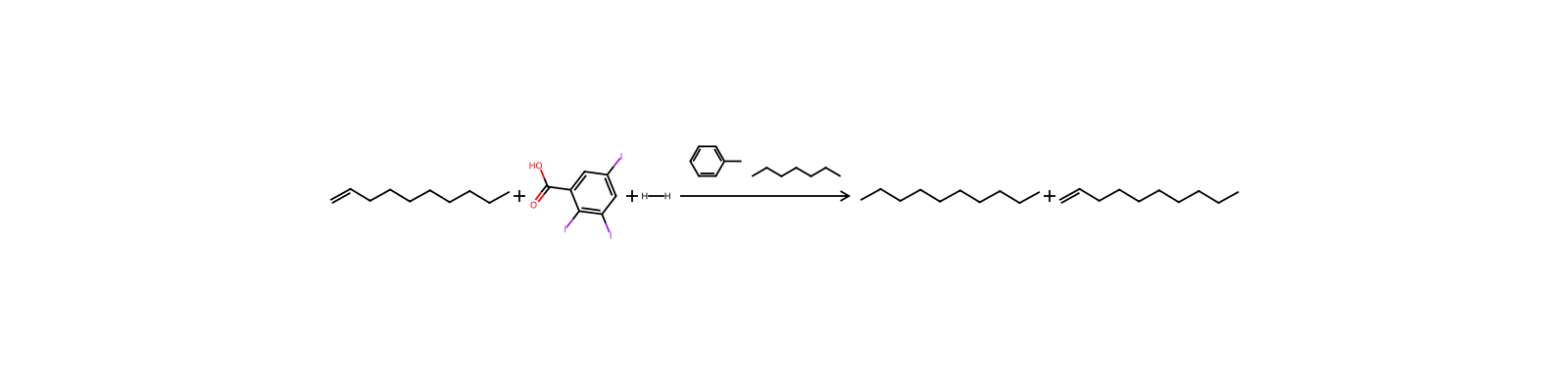
95건


연결된 노트
불러오는 중…