
기본 정보
- CAS
1983-10-4- 표준 SMILES
CCC[CH2][Sn]([F])([CH2]CCC)[CH2]CCC- InChIKey
DFNPRTKVCGZMMC-UHFFFAOYSA-M- 분자식
- C12H27FSn
- 평균 분자량
- 309.05 g/mol
- 단동위원소 질량
- 310.11187378
개요
Tributyltin fluoride appears as a liquid.
이름 및 식별자
- 우선 이름
- Tributyltin fluoride
- IUPAC
- tributyl(fluoro)stannane
- 현지명
- 플루오린화 트라이뷰틸주석, 중합체
- 영어명
- Tributyltin fluoride polymer
- 분자식
- C12H27FSn
- 분자량
- 309.06
이름 및 동의어
Tributyltin fluorideFluorotributyltin1983-10-4Stannane, tributylfluoro-FluorotributylstannaneTributylfluorostannaneTin, tributylfluoro-TRI-N-BUTYLTIN FLUORIDETri-n-butylstannyl fluorideTributylstannane fluoride1L36TLX6O0ACETO TBTF
이름 더 보기
플루오린화트라이뷰틸주석,중합체플루오린화트라이뷰틸주석,중합체Stannane, tributylfluoro-, polymersTRIBUTYLTIN FLUORIDE POLYMER ISO 9001:2015 REACH
NSC-179737NSC-195319DTXSID1032480RefChem:190934DTXCID9012480217-847-9tributyl(fluoro)stannaneStannane, fluorotributyl-
데이터베이스 식별자
- CAS
1983-10-4、27615-98-1- PubChem CID
- 16120
- DTXSID
DTXSID1032480- UNII
- 1L36TLX6O0
- EC Number
- 217-847-9
물성
구조 계산 물성
- 극성 표면적
- 0 Ų
- 수소 결합 공여자 수
- 0
- 수소 결합 수용자 수
- 1
- 회전 가능 결합 수
- 9
- 무거운 원자 수
- 14
- 형식 전하
- 0
- 복잡도
- 104
실험 및 물리화학적 성질
Chemical ClassesMetals -> Tin Compounds, Organic
Vapor Pressure0.00000352 [mmHg]
Physical Description
Tributyltin fluoride appears as a liquid.
White powder with a pungent odor; [Alfa Aesar MSDS]
물리화학적 성질
- 녹는점
- 269 · 269-271 °C(lit.)
- 밀도
- 1.28 · 1.280
- EPA
- Stannane, tributylfluoro-, polymers (27615-98-1)
안전 및 규제
안전 정보는 참고용이며, 공급업체의 물질안전보건자료(SDS), 관련 법규 및 전문가 평가를 대체하지 않습니다.
GHS 분류
GHS Classification
Danger
H301 (100%): Toxic if swallowed [Danger Acute toxicity, oral]
P260, P264, P264+P265, P270, P273, P280, P301+P316, P302+P352, P305+P351+P338, P317, P319, P321, P330, P332+P317, P337+P317, P362+P364, P391, P405, and P501 (click each P-code to see the statement)
Aggregated GHS information provided per 42 reports by companies from 2 notifications to the ECHA C&L Inventory. Each notification may be associated with multiple companies.
Danger
H301: Toxic if swallowed [Danger Acute toxicity, oral]
유해성 정보
Regulatory Information
Hazard Traits - Bioaccumulation; Environmental Persistence
Stannane, tributylfluoro-, polymers: Does not have an individual approval but may be used under an appropriate group standard
Other Safety InformationIMAP assessments - Stannane, tributylfluoro-: Environment tier I assessment
DOT LabelPoison
Fire HazardsExcerpt from ERG Guide 153 [Substances - Toxic and/or Corrosive (Combustible)]:
Health HazardsExcerpt from ERG Guide 153 [Substances - Toxic and/or Corrosive (Combustible)]:
Hazards Summary
Symptoms reported from occupational exposure to tributyltin (TBT) compounds include skin, eye, and respiratory tract irritation, severe dermatitis, and skin and/or eye lesions; TBT compounds inhibit oxidative phosphorylation and alter mitochondrial structure and function. [Reference #1] An irritant; Harmful by skin absorption; Toxic by ingestion; May cause serious adverse health effects from prolonged ingestion and inhalation exposure; [Alfa Aesar MSDS] See Tin, organic compounds. See Bis(tri-n-butyltin)oxide. See Tributyltin maleate.
화학 및 산업
용도 및 제조
Uses
Formerly registered for use as an antimicrobial; [EPA]
Using Disinfectants or Biocides [Category: Clean]
공급사6 곳
常州凯瑞化学科技有限公司+86 (519) 8689-6136 · [email protected]
上海汉尊生物科技有限公司021-50215258
陕西缔都医药化工有限公司+86-29-81139210 +86-17392587031 · [email protected]
XIAMEN AMITY INDUSTRY AND TRADE CO., LTD.+8618950047208 · [email protected]
DAYANG CHEM (HANGZHOU) CO.,LTD+86-88938639 +86-17705817739 · [email protected]
Hefei TNJ Chemical Industry Co.,Ltd.+86-0551-65418671 +86-189 4982 3763 · [email protected]
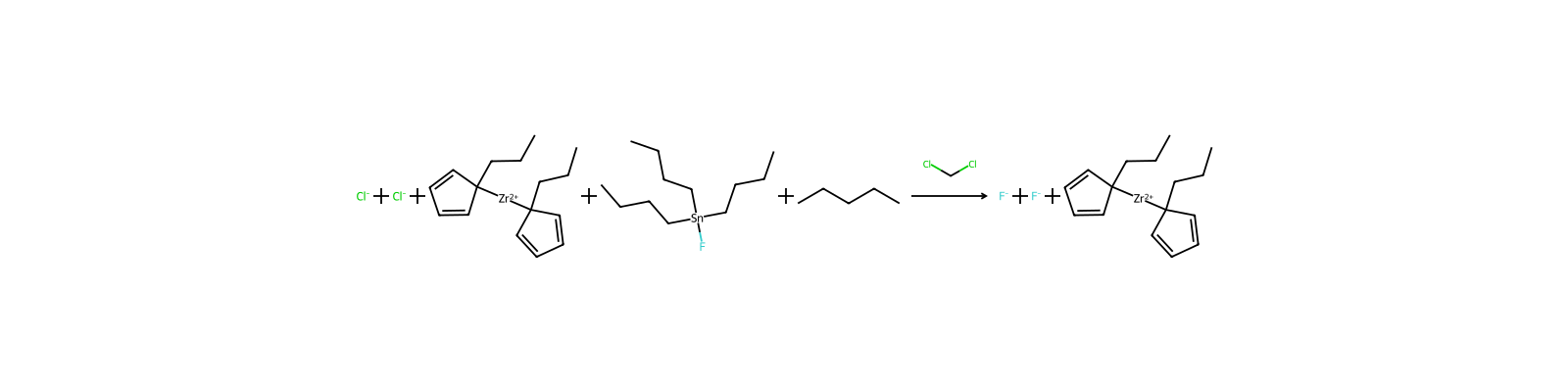
관련 반응
19건


화합물 노트
불러오는 중…