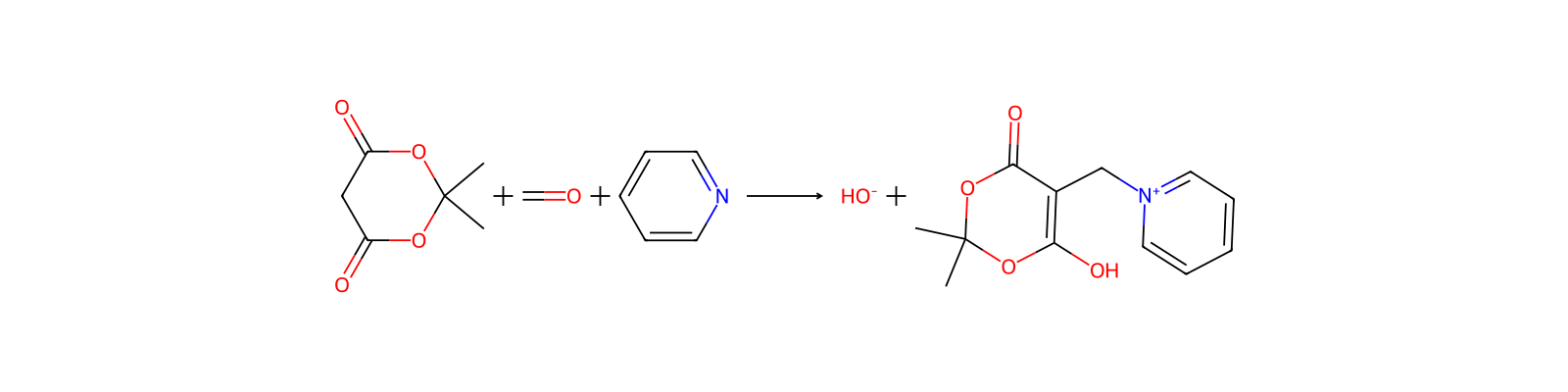

기본 정보
- 표준 SMILES
CC1(C)OC(=O)CC(=O)O1- InChIKey
GXHFUVWIGNLZSC-UHFFFAOYSA-N- 분자식
- C6H8O4
- 평균 분자량
- 144.12 g/mol
- 단동위원소 질량
- 144.04225874
개요
structure given in first source
이름 및 식별자
- 우선 이름
- 2,2-Dimethyl-1,3-dioxane-4,6-dione
- IUPAC
- 2,2-dimethyl-1,3-dioxane-4,6-dione
- 현지명
- 2,2-디메틸-1,3-디옥산-4,6-디온
- 영어명
- 2,2-Dimethyl-1,3-dioxane-4,6-dione
- 분자식
- C6H8O4
- 분자량
- 144.13
이름 및 동의어
2,2-Dimethyl-1,3-dioxane-4,6-dione2033-24-1Meldrum's acid1,3-Dioxane-4,6-dione, 2,2-dimethyl-Isopropylidene malonateCyclic isopropylidene malonateMalonic acid, cyclic isopropylidene ester2,2-Dimethyl-m-dioxane-4,6-dioneDD139RP1SCNSC-71902NSC-688343DTXSID7051846
이름 더 보기
2,2-디메틸-1,3-디옥산-4,6-디온Meldrum’s acidIsopropyl MalonateMie acidNSC 71902Meldrumic acid
RefChem:156318DTXCID5030402217-992-82,2-Dimethyl-1,3-dioxan-4,6-dioneMeldrums acidMFCD00006638Malonic acid cyclic isopropylidene estercycl-Isopropylidene malonate
데이터베이스 식별자
- CAS
2033-24-1- PubChem CID
- 16249
- DTXSID
DTXSID7051846- UNII
- DD139RP1SC
- EC Number
- 217-992-8
- Nikkaji
- J7.852B
물성
구조 계산 물성
- XLogP
- 0.6
- 극성 표면적
- 52.6 Ų
- 수소 결합 공여자 수
- 0
- 수소 결합 수용자 수
- 4
- 회전 가능 결합 수
- 0
- 무거운 원자 수
- 10
- 형식 전하
- 0
- 복잡도
- 164
실험 및 물리화학적 성질
Chemical ClassesOther Classes -> Other Organic Compounds
SpringerMaterials PropertiesChemical shift
Physical DescriptionSolid; [Merck Index] White powder; [Alfa Aesar MSDS]
물리화학적 성질
- 녹는점
- 92 · 92-96 °C(lit.)
- 끓는 점
- 182.71 °C · 182.71°C (rough estimate)
- 밀도
- 1.1311 · 1.1311 (rough estimate)
- 증기압
- 0.044 · 0.044-133Pa at 25℃
- 굴절률
- 1.4434 · 1.4434 (estimate)
- 저장 조건
- 2 · 2-8°C
- 용해도
- 5 %, · 디옥산: 용해성 5%, 투명하거나 매우 약간 흐릿함, 무색 내지 희미한 노란색
- 산도 계수 (pKa)
- 5.1 · 5.1(at 25℃)
- 물리적 상태
- 결정 또는 분말
- 색상
- 갈색을 띤 흰색에서 베이지색 갈색
- 수용성
- 2.5 g/100mL · 2.5g/100mL(20℃)
- Merck
- 14 · 14,5817
- BRN
- 117310 · 117310
- InChI
- 1S/C6H8O4/c1-6(2)9-4(7)3-5(8)10-6/h3H2,1-2H3
- InChIKey
- GXHFUVWIGNLZSC-UHFFFAOYSA-N
- SMILES
- CC1(C)OC(=O)CC(=O)O1
- LogP
- -1.58 · -1.58-4.786 at 25℃
- NIST
- 1 · 1,3-Dioxane-4,6-dione, 2,2-dimethyl-(2033-24-1)
- EPA
- 1 · 1,3-Dioxane-4,6-dione, 2,2-dimethyl- (2033-24-1)
화학적 성질
The compound appears as white to beige crystals. It has a melting point of 94-95℃ (decomposition), is insoluble in water, and is soluble in ethanol and acetone.
안전 및 규제
GHS 분류
GHS Classification
This chemical does not meet GHS hazard criteria for 26.1% (12 of 46) of reports.
Warning
H315 (39.1%): Causes skin irritation [Warning Skin corrosion/irritation]
P261, P264, P264+P265, P271, P273, P280, P302+P352, P304+P340, P305+P351+P338, P319, P321, P332+P317, P337+P317, P362+P364, P391, P403+P233, P405, and P501 (click each P-code to see the statement)
Aggregated GHS information provided per 46 reports by companies from 8 notifications to the ECHA C&L Inventory. Each notification may be associated with multiple companies.
유해성 정보
Regulatory Information
Chemical: 1,3-Dioxane-4,6-dione, 2,2-dimethyl-
Status: Active Update: 09-08-2019 https://echa.europa.eu/registration-dossier/-/registered-dossier/18635
1,3-Dioxane-4,6-dione, 2,2-dimethyl-: Does not have an individual approval but may be used as a component in a product covered by a group standard. It is not approved for use as a chemical in its own right.
Hazards SummaryA skin and strong eye irritant; [Alfa Aesar MSDS] See 1,3-Dioxane.
Hazard Classes and CategoriesSkin Irrit. 2 (39.1%)
안전 데이터
- wgk
- 3
- tsca
- TSCA listed
- rtecs
- JH0800000
- HS 번호
- 29322090
- risk_code
- 36/37/38-45
- hazard_code
- Xi,T
- safety_code
- 37/39-24/25-53-45-36-26
- 위험 등급
- IRRITANT
- 기존화학 물질
- KE-11336
- F 고인화성물질
- 10-21
- 스토리지 클래스
- 11 - Combustible Solids
화학 및 산업
용도 및 제조
UsesUsed in organic synthesis; [Merck Index]
General Manufacturing Information1,3-Dioxane-4,6-dione, 2,2-dimethyl-: ACTIVE
응용 분야
개요Meldrum's acid, also known as 2,2-dimethyl-1,3-dioxane-4,6-dione, is an organic compound with the formula C6H8O4. The compound was first made in 1908 by Andrew Norman Meldrum by a condensation reaction of malonic acid with acetone in acetic anhydride and sulfuric acid. Meldrum misidentified the structure as a β-lactone of β-hydroxyisopropylmalonic acid. Yet Meldrum's acid has a high acidity with a pKa of 4.97, because like ascorbic acid, deprotonation at the methylene next to the carbonyls produces a stable enolate. Because of this property Meldrum's acid like malonic acid is a reactant in Knoevenagel condensations.
용도Meldrum's acid serves as an intermediate in a variety of organic synthesis reactions. It is commonly used as an alternative to acyclic malonic esters and generally acts as a C3O2 synthon in organic synthesis.
일반 설명2,2-Dimethyl-1,3-dioxane-4,6-dione (Meldrum′s acid) is widely used in organic synthesis, especially for multiple C-C bond formations due to its adequate acidity (pKa 4.83) and steric rigidity. Knoevenagel condensation reaction between aldehydes and Meldrum′s acid are accelerated in ionic liquids.
제조 방법
2,2-Dimethyl-1,3-dioxane-4,6-dione (Meldrum's acid)is usually prepared by condensation of malonic acid with acetone in acetic anhydride in the presence of sulfuric acid. Excellent yield of the product was achieved when acetic anhydride was added in a slow, controlled manner to a mixture of acetone, malonic acid and an acid catalyst.
상·하류 제품 정보
상류 원료
하류 제품
공급사50 곳
国药集团化学试剂有限公司86-21-63210123 · [email protected]
梯希爱(上海)化成工业发展有限公司021-67121386 · [email protected]
上海阿拉丁生化科技股份有限公司400-6206333 13167063860 · [email protected]
上海摩睿化学科技有限公司13382110328 15255501563 · [email protected]
南京一化生物科技有限公司13429882898; 13429882898
新乡市巨源生物科技有限公司373-5071400 13937360405 · [email protected]
淄博创谷化工科技有限公司00-15864498288 15864498288 · [email protected]
INTATRADE GmbH+49 3493/605464 · [email protected]
爱斯特(成都)生物制药股份有限公司+86-28-85122536 85324413 · [email protected]
北京安司莫森技术有限公司010-82954736 13391601435 · [email protected]
科瑞迪化学400-821-5857 021-64326257 · [email protected]
上海将来实业股份有限公司400-0066400 13621662912 · [email protected]
Syntechem Co.,Ltd[email protected]
上海迈瑞尔生化科技有限公司4006356688 18621169109 · [email protected]
北京东华力拓科技发展有限公司010-88425576 · [email protected]
阿法埃莎(中国)化学有限公司400-6106006 · [email protected]
太原市瑞和丰科贸有限公司+86 351 7031519 · [email protected]
安耐吉化学&3A(安徽泽升科技股份有限公司)400-0056266 · [email protected]
武汉凯威斯科技有限公司86-027-67849912 · [email protected]
上海瀚鸿科技股份有限公司021-54306202 13764082696 · [email protected]
上海柯维化学技术有限公司021-64609169 18901607656 · [email protected]
上海相辉医药科技有限公司13761987713 · [email protected]
上海景颜化工科技有限公司13817811078 · [email protected]
嘉兴市艾森化工有限公司0573-85285100 18627885956 · [email protected]
武汉丰泰威远科技有限公司027-87465837 19945049750 · [email protected]
杭州东帆化学有限公司86-0571-85151182
苏州施亚生物科技有限公司86(512)5235 8471 17715136450 · [email protected]
山东西亚化学有限公司13355009207 13355009207 · [email protected]
玛雅试剂+86 (573) 82222445 (0)18006601000 452520369 · [email protected]
四川库利南科技有限公司400-1166-196 18981987031 · [email protected]
上海耐士化工科技有限公司400-188-0725 +86 21 34310725 13611771617
天津希恩思生化科技有限公司400 638 7771 · [email protected]
南京维奥化工有限公司Please Send Email 18652950785 · [email protected]
斯百全化学(上海)有限公司021-021-021-67601398-809-809-809 15221380277 · [email protected]
北京泰亚杰科技有限公司021-33690831-8001 13552411790;18616022633 · [email protected]
泰州志诚化工科技有限公司0523-82837785 13914525028 · [email protected]
天津科创医药中间体技术生产力促进有限公司022-60116533 13207668525 · [email protected]
上海思域化工科技有限公司86-21-34053660 · [email protected]
苏州思变化学技术有限公司0512-65617459 18915409046 · [email protected]
赛默飞世尔科技(中国)有限公司800-810-5118 · [email protected]
北京伊诺凯科技有限公司400-810-7969 010-59572699 · [email protected]
上海特伯化学科技有限公司+86-21-60341587 · [email protected]
江苏艾康生物医药研发有限公司025-66113011 13913916777 · [email protected]
TCI AMERICA800-4238616 · [email protected]
TOKYO CHEMICAL INDUSTRY CO., LTD.03-36680489 · [email protected]
TCI Europe320-37350700 · [email protected]
上海贤鼎生物科技有限公司4009209199 · [email protected]
深圳振强药物研发有限公司0755-66853366 13670046396 · [email protected]
深圳康特腾科技有限公司86-0755-86635001 · [email protected]
越林试剂021-62960152 · [email protected]
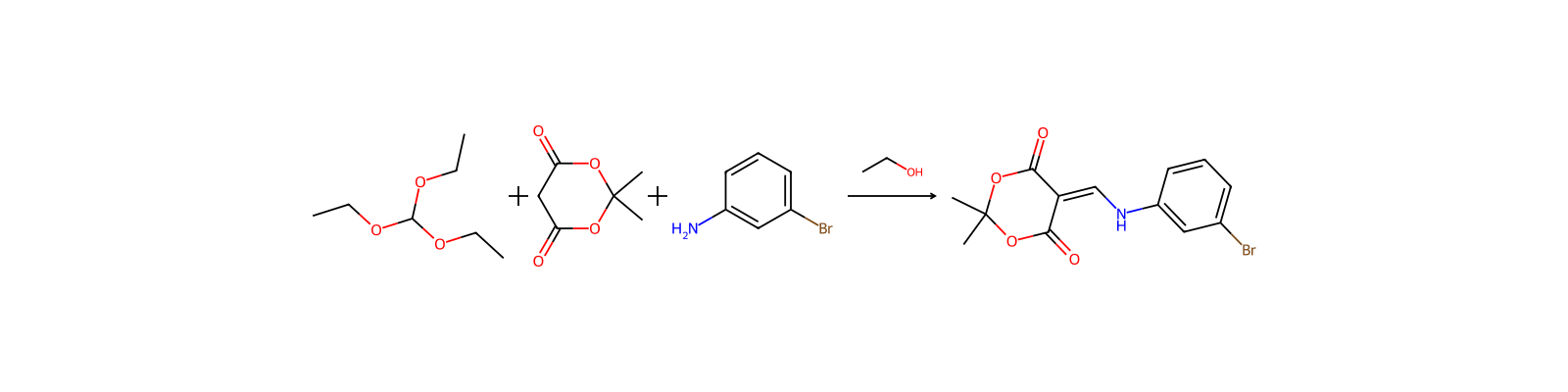
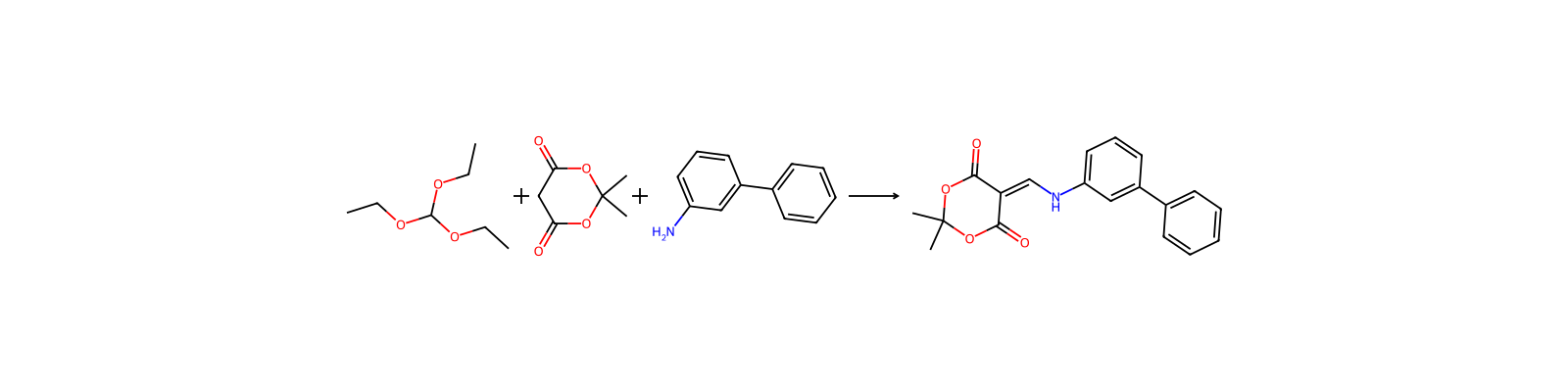
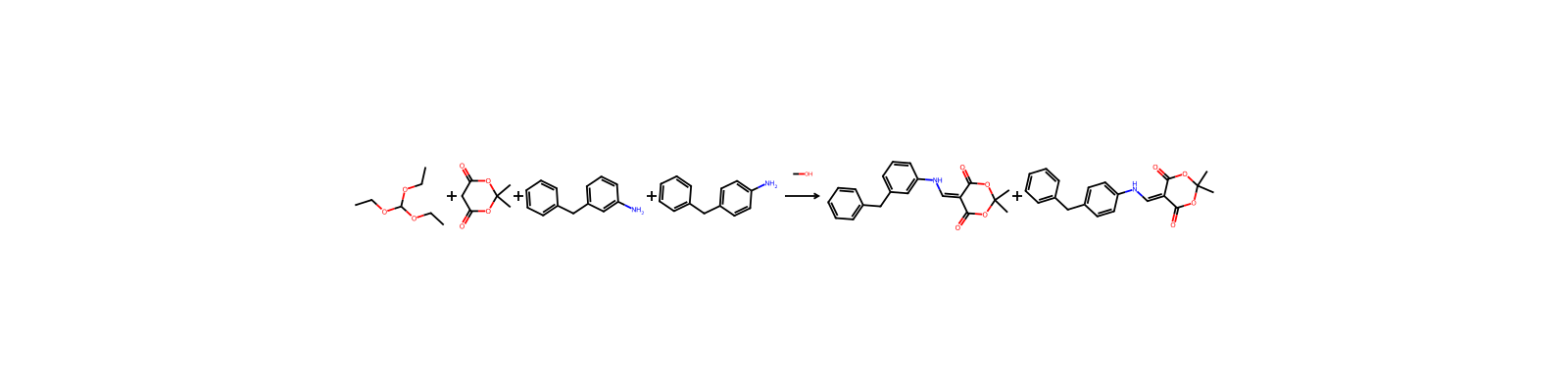
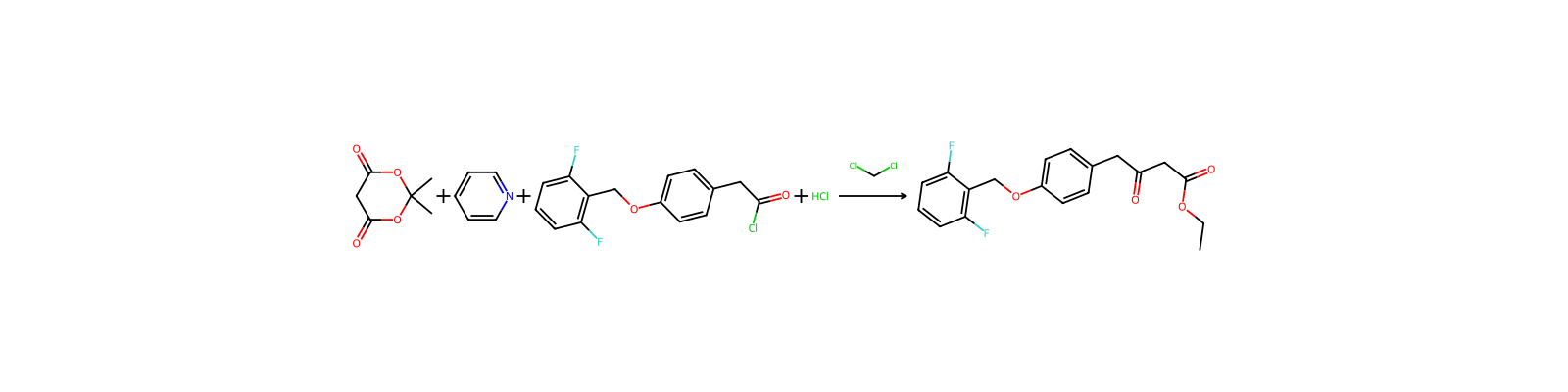
관련 반응
709건



연결된 노트
불러오는 중…