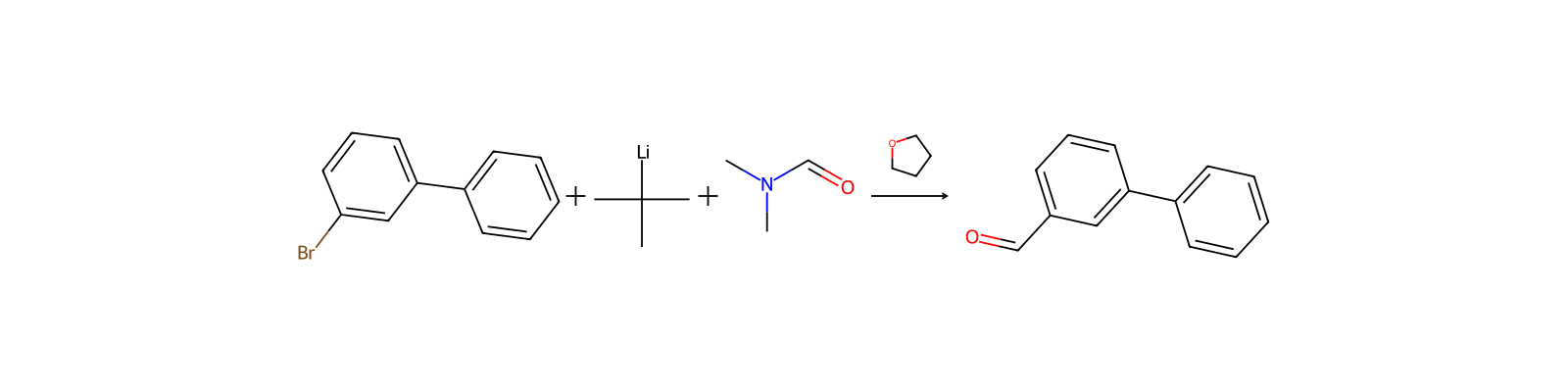
3-Bromobiphenyl
데이터를 보충하는 중입니다. 잠시 후 페이지를 새로 고치면 최신 내용을 볼 수 있습니다
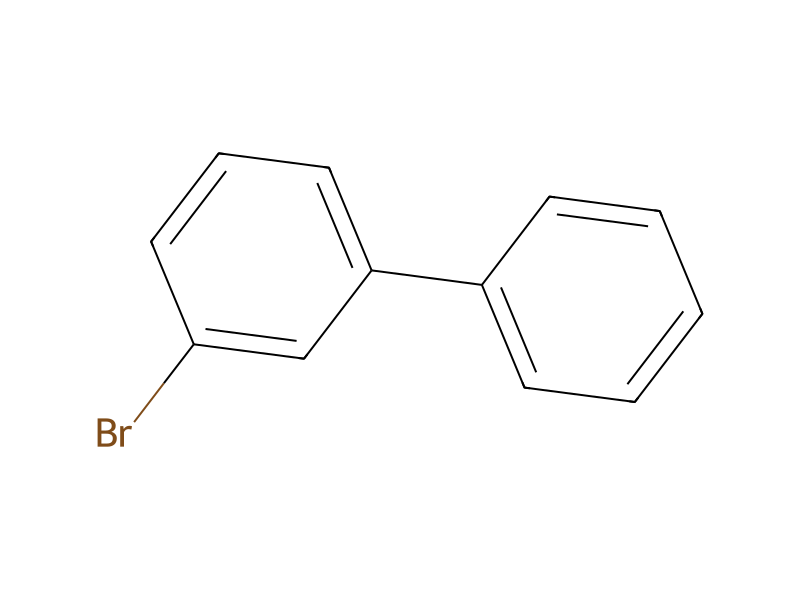
기본 정보
- CAS
2113-57-7- 표준 SMILES
Brc1cccc(-c2ccccc2)c1- InChIKey
USYQKCQEVBFJRP-UHFFFAOYSA-N- 분자식
- C12H9Br
- 평균 분자량
- 233.1 g/mol
- 단동위원소 질량
- 231.98876239
개요
3-bromobiphenyl is a clear yellow viscous liquid. Insoluble in water. (NTP, 1992)
이름 및 식별자
- 우선 이름
- 3-Bromobiphenyl
- IUPAC
- 1-bromo-3-phenylbenzene
- 영어명
- 3-Bromobiphenyl
- 분자식
- C12H9Br
- 분자량
- 233.1
이름 및 동의어
3-BROMOBIPHENYL3-Bromo-1,1'-biphenyl1,1'-Biphenyl, 3-bromo-Biphenyl, 3-bromo-3-BromodiphenylDTXSID5024639CCRIS 5889O7I53K56S8EINECS 218-304-9WLN: ER CRBROMOBIPHENYL, 3-NSC 407775
이름 더 보기
PBB NO 2218-304-93-BROMOBIPHNYL3-bromo-biphenym-Bromobiphenyl3-Xenyl bromide
NSC-407775PBB 2UNII-O7I53K56S8AI3-11169DTXCID104639(1,1'-BIPHENYL)-3-YL BROMIDE[1,1'-BIPHENYL]-3-YL BROMIDE3-Monobromobiphenyl
데이터베이스 식별자
- CAS
2113-57-7- PubChem CID
- 16449
- DTXSID
DTXSID5024639- ChEMBL
CHEMBL1899525- UNII
- O7I53K56S8
- EC Number
- 218-304-9
- Nikkaji
- J41.832C
물성
구조 계산 물성보충 중
- XLogP
- 4.6
- 극성 표면적
- 0 Ų
- 수소 결합 공여자 수
- 0
- 수소 결합 수용자 수
- 0
- 회전 가능 결합 수
- 1
- 무거운 원자 수
- 13
- 형식 전하
- 0
- 복잡도
- 149
실험 및 물리화학적 성질
SpringerMaterials Properties13C nuclear magnetic resonance spectrum
LogP4.85
SolubilityInsoluble (NTP, 1992)
Boiling Point570 to 574 °F at 760 mmHg (NTP, 1992)
Physical Description3-bromobiphenyl is a clear yellow viscous liquid. Insoluble in water. (NTP, 1992)
물리화학적 성질
- 녹는점
- 93 · 93-94 °C
- 끓는 점
- 300 °C · 300 °C
- 밀도
- 1.398 g/mL · 1.398 g/mL at 25 °C(lit.)
- 굴절률
- 1.637 · 1.637-1.641
- 인화점
- 110 °C · 110 °C
- 저장 조건
- Keep in dark place,Sealed in dry,Room Temperature
- 용해도
- 클로로포름(에 용해됨), DMSO(약간 용해됨)
- 물리적 상태
- 액체
- 색상
- 연한 노란색에서 회색 베이지까지
- 수용성
- 불용성
안전 및 규제
안전 정보는 참고용이며, 공급업체의 물질안전보건자료(SDS), 관련 법규 및 전문가 평가를 대체하지 않습니다.
GHS 분류
GHS Classification
Warning
H315 (100%): Causes skin irritation [Warning Skin corrosion/irritation]
P261, P264, P264+P265, P271, P280, P302+P352, P304+P340, P305+P351+P338, P319, P321, P332+P317, P337+P317, P362+P364, P403+P233, P405, and P501 (click each P-code to see the statement)
Aggregated GHS information provided per 40 reports by companies from 3 notifications to the ECHA C&L Inventory. Each notification may be associated with multiple companies.
유해성 정보
Regulatory Information
S - indicates a substance that is identified in a final Significant New Use Rule.
Restricted substance: 3-bromobiphenyl
Fire HazardsFlash point data for this chemical are not available. It is probably combustible. (NTP, 1992)
Reactive GroupAryl Halides
Reactivity Profile3-BROMOBIPHENYL may be sensitive to light. This compound may react with oxidizing materials. (NTP, 1992)
Air and Water ReactionsInsoluble in water.
Hazard Classes and CategoriesSkin Irrit. 2 (100%)
안전 및 보호
Fire FightingFires involving this material can be controlled with a dry chemical, carbon dioxide or Halon extinguisher. (NTP, 1992)
First Aid
EYES: First check the victim for contact lenses and remove if present. Flush victim's eyes with water or normal saline solution for 20 to 30 minutes while simultaneously calling a hospital or poison control center. Do not put any ointments, oils, or medication in the victim's eyes without specific instructions from a physician. IMMEDIATELY transport the victim after flushing eyes to a hospital even if no symptoms (such as redness or irritation) develop.
화학 및 산업
약리 정보
Metabolism/Metabolites
PBBs can be absorbed via oral, inhalation, and dermal routes. Due to their lipophilic nature, PBBs, especially the highly brominated congeners, tend to accumulate in lipid-rich tissues such as the liver, adipose, skin, and breast milk. Certain PBB compounds are metabolized by the microsomal monooxygenase system catalyzed by cytochrome P-450 of the type induced by phenobarbital. The rate of metabolism may depends on the bromine substitution pattern. PBB congeners of low bromine content are transformed into hydroxylated derivatives that are predominately eliminated in the urine. Highly brominated congeners are either retained or excreted unchanged in the feces. (L628)
용도 및 제조
Uses
PBBs can be used as flame retardants and may be added to the plastics used to make products like computer monitors, televisions, textiles, and plastic foams to make them difficult to burn. However, the use of PBBs is banned or restricted in most areas due to their toxicity and persistence in the environment. (L628, L629)
General Manufacturing Information1,1'-Biphenyl, 3-bromo-: ACTIVE
응용 분야
용도3-Bromobiphenyl is utilized as an electrochemical immunosensor based on poly(dopamine) coated gold nanocluster for brominated flame retardants.
일반 설명Clear yellow viscous liquid. Insoluble in water.
상·하류 제품 정보
하류 제품
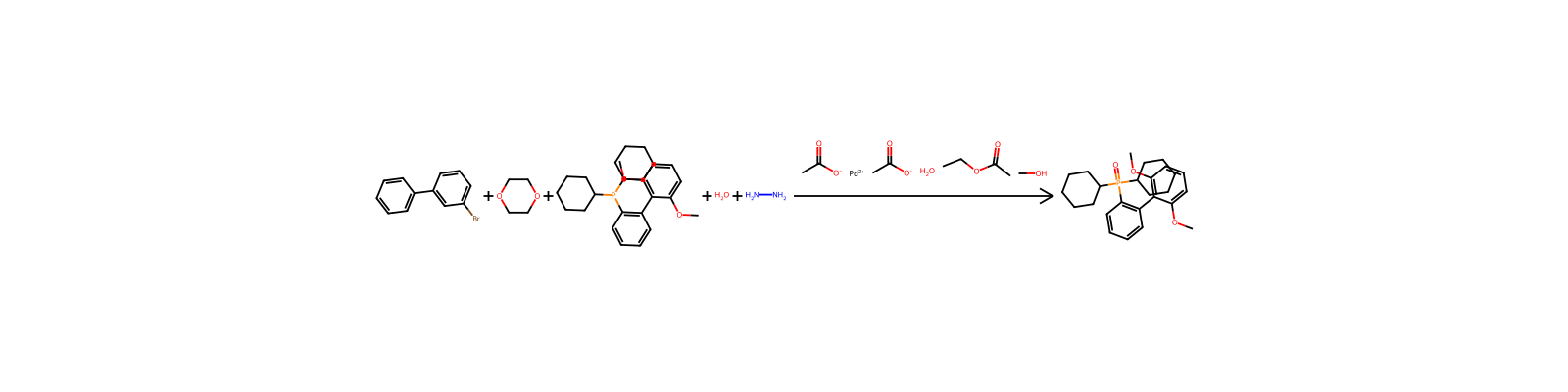
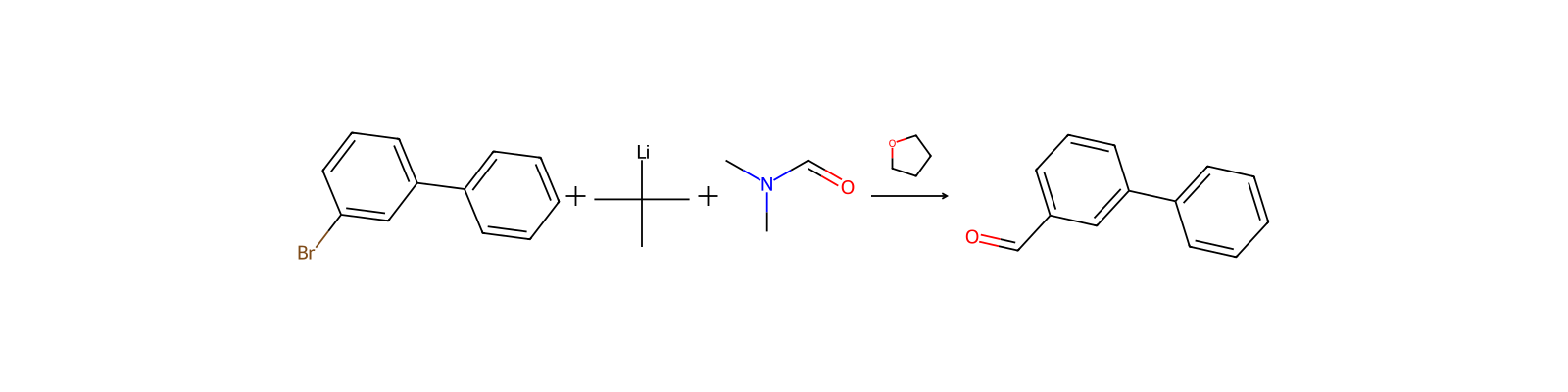
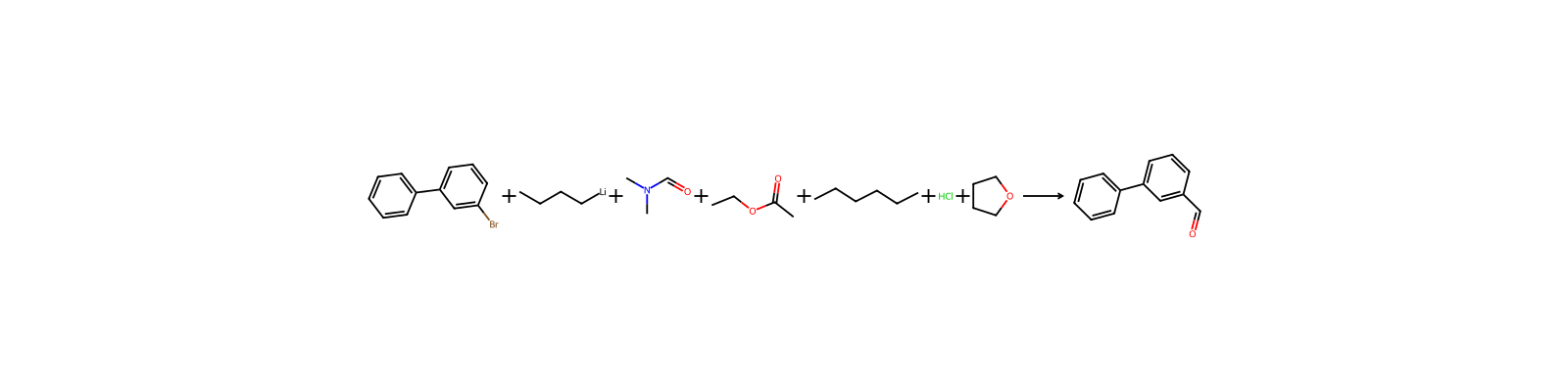
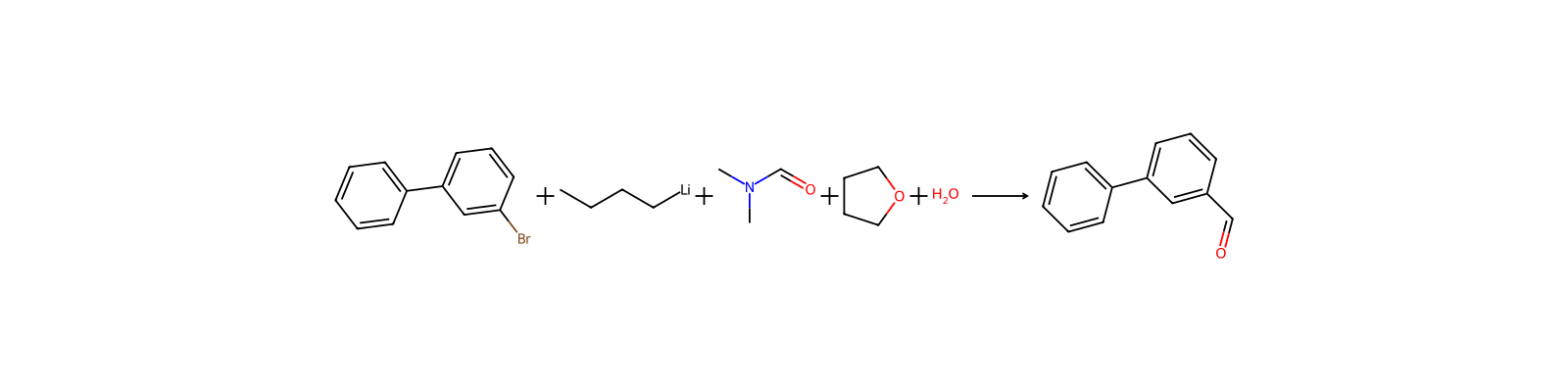
관련 반응
78건



화합물 노트
불러오는 중…