
기본 정보
- 표준 SMILES
NC(=O)c1cccc(N)c1- InChIKey
GSCPDZHWVNUUFI-UHFFFAOYSA-N- 분자식
- C7H8N2O
- 평균 분자량
- 136.15 g/mol
- 단동위원소 질량
- 136.06366288
개요
3-aminobenzamide is a substituted aniline that is benzamide in which one of the meta- hydrogens is replaced by an amino group. It has a role as an EC 2.4.2.30 (NAD(+) ADP-ribosyltransferase) inhibitor. It is a member of benzamides and a substituted aniline.
이름 및 식별자
- 우선 이름
- 3-Aminobenzamide
- IUPAC
- 3-aminobenzamide
- 영어명
- 3-Aminobenzamide
- 분자식
- C7H8N2O
- 분자량
- 136.15
이름 및 동의어
3-aminobenzamide3544-24-9m-AminobenzamideBenzamide, 3-amino-Benzamide, m-amino-meta-aminobenzamide8J365YF1YHNSC-36962CHEBI:64042DTXSID90188922RefChem:92958DTXCID50111413
이름 더 보기
INO-1001PARP-IN-13-AB, 3-ABA3-amino-benzamidm-amino-benzamid
222-586-93-Amino-benzamide3-ABAMFCD000079893-ABaniline-3-carboxamideCCRIS 39253-aminobenzoic acid amide
데이터베이스 식별자
- CAS
3544-24-9- PubChem CID
- 1645
- DTXSID
DTXSID90188922- ChEMBL
CHEMBL81977- ChEBI
CHEBI:64042- UNII
- 8J365YF1YH
- EC Number
- 222-586-9
- Nikkaji
- J68.030C
물성
구조 계산 물성
- XLogP
- -0.5
- 극성 표면적
- 69.1 Ų
- 수소 결합 공여자 수
- 2
- 수소 결합 수용자 수
- 2
- 회전 가능 결합 수
- 1
- 무거운 원자 수
- 10
- 형식 전하
- 0
- 복잡도
- 136
실험 및 물리화학적 성질
LogP
log Kow = -0.33
-0.33
DecompositionWhen heated to decomposition it emits toxic fumes of /Nitrogen oxide/.
Melting Point115-116 °C
물리화학적 성질
- 녹는점
- 115 · 115-116 °C (lit.)
- 끓는 점
- 250.42 °C · 250.42°C (rough estimate)
- 밀도
- 1.1778 · 1.1778 (rough estimate)
- 굴절률
- 1.5769 · 1.5769 (estimate)
- 저장 조건
- room temp
- 용해도
- 50 mg/mL, · 에탄올: 50mg/mL, 투명하고 희미한 노란색
- 물리적 상태
- 가루
- 산도 계수 (pKa)
- 16.26 · 16.26±0.50(Predicted)
- 색상
- 흰색에서 황백색까지
- 수용성
- 디메틸포름아미드(~30 mg/ml), 디메틸 설폭사이드(~30 mg/ml), 인산염 완충 식염수(pH7.2)(~2 mg/ml), 물(25 mg/ml) 및 에탄올(25 mg)에 용해됩니다. /ml).
- BRN
- 2802373 · 2802373
- 안정성
- 1 · 제공된 대로 구매일로부터 1년 동안 안정적입니다. DMSO 또는 에탄올 용액은 -20°C에서 최대 1개월 동안 보관할 수 있습니다.
- InChI
- 1S/C7H8N2O/c8-6-3-1-2-5(4-6)7(9)10/h1-4H,8H2,(H2,9,10)
- InChIKey
- GSCPDZHWVNUUFI-UHFFFAOYSA-N
- SMILES
- NC(=O)c1cccc(N)c1
- LogP
- -0.33 · -0.330
- NIST
- 3 · 3-NH2-C6H4CONH2(3544-24-9)
화학적 성질
beige powder
안전 및 규제
GHS 분류
GHS Classification
Warning
H302 (87%): Harmful if swallowed [Warning Acute toxicity, oral]
P261, P264, P264+P265, P270, P271, P280, P301+P317, P302+P352, P304+P340, P305+P351+P338, P319, P321, P330, P332+P317, P337+P317, P362+P364, P403+P233, P405, and P501 (click each P-code to see the statement)
Aggregated GHS information provided per 46 reports by companies from 6 notifications to the ECHA C&L Inventory. Each notification may be associated with multiple companies.
유해성 정보
Hazard Classes and CategoriesAcute Tox. 4 (87%)
안전 및 보호
Disposal Methods
SRP: At the time of review, criteria for land treatment or burial (sanitary landfill) disposal practices are subject to significant revision. Prior to implementing land disposal of waste residue (including waste sludge), consult with environmental regulatory agencies for guidance on acceptable disposal practices.
독성 정보
Interactions
Chronic irradiation (three times a week) with ultraviolet B light of the skin of hairless mouse Uscd (Hr) strains resulted in the induction of skin tumors after 25 to 41 weeks. Topical applications of 3-aminobenzamide (3AB; 0.1 or 1 M) after each irradiation significantly shortened the earliest time of onset of tumors to 13 to 25 weeks and increased the number of animals that developed tumors over 41 weeks from 67% without 3AB to 73% and 81% with 0.1 and 1 M 3AB, respectively. ...
The poly(ADP-ribosyl)transferase inhibitor, 3-aminobenzamide (3-ABA), reduced morphological evidence of 1,2-dibromo-3-chloropropane (DBCP)-induced DNA damage determined by alkaline elution. The DBCP plasma, kidney, and testis tissue doses determined between 1 and 8 hr after a single intraperitoneal injection were somewhat higher with than without 3-ABA pretreatment. Furthermore, the amount of DBCP metabolites covalently bound to macromolecules was reduced to about 20-30 percent of control, indicating that 3-ABA may have an effect on the formation/detoxication of reactive DBCP metabolites. ...
... 3-aminobenzamide (3AB) combined with X-rays was used to evaluate the micronucleus dose-response relationship in /in vitro-irradiated lymphocytes/ blood from 14 individuals. While it is known that 3AB inhibits poly(ADP-ribose) polymerase activity in vitro, ... it also increases the X-ray-induced micronucleus yields. The resulting dose-response relationship varies from subject to subject. ...
Gene expression of human immunodeficiency virus type 1 (HIV-1) is induced not only by trans activation mediated through a gene product (tat) encoded by the virus but also by treatment of virus-carrying cells with DNA-damaging agents such as UV light. Employing an artificially constructed DNA in which the chloramphenicol acetyltransferase gene was placed under the control of the HIV-1 long terminal repeat, ... the induction process in HeLa cells /was analyzed/ and ... inhibitors of poly(ADP-ribose) polymerase /including 3-aminobenzamide/ suppressed UV-induced HIV-1 gene expression but not tat-mediated expression. ... Suppression occurs at the posttranscriptional level. These results indicate that HIV-1 gene expression is activated by at least two different mechanisms, one of which involves poly-ADP ribosylation. ...
Synergistically enhanced sister chromatid exchange (SCE) frequency by cyclophosphamide (CP) was observed when L1210 lymphoid tumor cells were exposed in vivo to a non-toxic concentration of 3-aminobenzamide (3-AB). Additive effects in SCE induction in vivo were observed when either Ehrlich ascites tumor (EAT) cells or P388 lymphocytic leukemia cells treated with CP were exposed to 3-AB in vivo. 3-AB enhanced the survival time of L1210 tumor bearing BDF1 mice treated with CP. However, the combined CP plus 3-AB treatment did not increase the survival of either EAT BALB/c- or P388 BDF1-tumor bearing mice compared with the effect on survival by CP alone. Therefore the in vivo differential antitumor effect, by CP in conjunction with 3-AB, appears to correlate well with the in vivo differential effect on cytogenetic damage caused by the combined CP plus 3-AB treatment. In the Salmonella typhimurium/mammalian microsome test CP appears to have a dose dependent ability to induce base-pair substitutions in strains TA 100 and TA 1535 and frameshift mutations in strains TA 98 and TA 1537. Both types of mutation were synergistically increased in the presence of 3-AB.
Human Toxicity Excerpts
/ALTERNATIVE and IN VITRO TESTS/ A /human fibroblast/ cell line deficient in DNA ligase I and sensitive to poly(ADP-ribose) inhibitors, 46BR, was used to examine the relationship between DNA ligation and a large stimulation of repair replication that is seen in cells grown in a poly(ADP-ribose) polymerase inhibitor, 3-aminobenzamide (3AB), after exposure to alkylating agents. Repair replication was stimulated at least 10-fold by 3AB in both normal and ligase-deficient cells. Despite increased 3AB toxicity, repair replication in ligase I-deficient cells was unchanged from that in normal cells. This evidence is consistent with previous observations that the enhancement of repair replication by 3AB is not a direct function of DNA break frequencies. The stimulation may instead result from alkylation damage to other cellular organelles that release nucleases that cause additional damage to DNA, which cells attempt to repair.
/GENOTOXICITY/ ... The effect of 3-aminobenzamide (3AB) in gamma-irradiation induced damage and the subsequent repair of DNA along with the corresponding changes in poly (ADP-ribose) polymerase activity in lymphocytes of patients with cancer of breast and uterine cervix /was studied/. The presence or absence of 3AB prior to gamma-irradiation did not influence the extent of DNA damage. On the other hand, single strand break rejoining in breast cancer cases was found to be slower as compared to that of cervical cancer cases and normal individuals. The relative ADP-ribosylation in the presence of 3AB was much lower in the breast cancer cases as compared to normal but there was no significant change in the cervical cancer cases. Overall the maximum relative ADP-ribosylation was slower in the presence of 3AB. This suggests that the lower activity of poly (ADP-ribose) polymerase in breast cancer cases might delay the first phase of single strand breaks (SSBs) rejoining.
/GENOTOXICITY/ Effects of 5-hydroxymethyl-2'-deoxyuridine (HmdUrd, a thymidine analog) and 3-aminobenzamide (3AB) on chromosome aberrations in cultured human lymphocytes were studied. The results show that HmdUrd is an effective clastogen in human peripheral lymphocytes. When cells were treated with HmdUrd and 3AB, a synergistic effect on chromatid gaps, breaks and exchanges was found. These findings support the hypotheses that 5-hydroxymethyluracil (HmUra) residues in DNA are formed and then removed by the action of 5-HmUra-DNA glycosylase ... and that 3AB interferes with the completion of DNA repair following HmUra excision.
Non-Human Toxicity Excerpts
/LABORATORY ANIMALS: Acute Exposure/ There have been no previous studies of the effects of poly(ADP-ribose) polymerase (PARP) inhibitors on N-methyl-N-nitrosourea (MNU)-induced cataractogenesis in rats. A single intraperitoneal injection of 70 mg/kg MNU was administered to 15-day-old male and female Sprague-Dawley rats. In Experiment 1, rats were then subcutaneously injected with 1000 mg/kg nicotinamide either once or 3 times at 1-week intervals. In Experiment 2, rats were subcutaneously injected once with 50 mg/kg 3-aminobenzamide. For comparison, the following age-matched controls were included: MNU-untreated nicotinamide-injected rats, MNU-untreated 3-aminobenzamide-injected rats, and MNU-untreated PARP-inhibitor-untreated rats. Rats were examined for lens opacity. At 28 days after MNU injection, 10 to 20 rats per group were sacrificed. In Experiment 1, at 3 days after MNU injection, 10 rats per group were sacrificed for apoptosis and cell proliferation detection. MNU caused lens epithelial cell apoptosis in the germinative zone, as indicated by TUNEL staining. However, regardless of MNU treatment lens epithelial cell proliferation was consistently seen in the germinative zone and sporadically seen in the central zone. At 28 days after MNU, mature cataracts were observed. Nicotinamide significantly accelerated lens opacity and cataractogenesis, as indicated by a cataract index. 3-Aminobenzamide significantly accelerated the development of lens opacity and tended to accelerate cataractogenesis. The PARP inhibitors nicotinamide and 3-aminobenzamide accelerated MNU-induced cataractogenesis.
/LABORATORY ANIMALS: Chronic Exposure or Carcinogenicity/ Effects of 3-aminobenzamide (ABA) on pancreatic carcinogenesis after initiation by N-nitrosobis(2-oxopropyl)amine (BOP) were investigated in Syrian hamsters. Animals were given BOP at a dose of 70 mg/kg body weight by sc injection and following a 2-week recovery period, were administered basal diet or basal diet containing 0.5, 0.75 and 1.5% ABA for 30 weeks. While the incidences of resultant pancreatic lesions, including hyperplasia, atypical hyperplasia and carcinoma, induced by BOP were not significantly influenced by ABA treatment, the mean numbers of those pancreatic lesions were significantly decreased in a dose-dependent way. The results therefore suggested the possible involvement of poly(ADP-ribosyl)ation in the post-initiation phase of pancreatic carcinogenesis in hamsters.
/LABORATORY ANIMALS: Chronic Exposure or Carcinogenicity/ The effects of inhibitors of poly(ADP-ribose)polymerase, 3-aminobenzamide (ABA), luminol and 3-methoxybenzamide (MBA) on the rat liver tumor promotion activity of phenobarbital (PB) were assessed. Fischer 344 male rats were initiated with N-nitrosodiethylamine (200 mg/kg) and placed on either basal diet, diet containing 0.05% PB, diet containing various doses of the inhibitors alone or diet containing 0.05% PB plus various doses of inhibitors for 10 weeks, and then killed. Quantitation of the development of glutathione S-transferase placental form-positive foci revealed that ABA at doses of 2 and 1.5, but not 1%, significantly inhibited the PB promotion activity. Luminol dose-dependently reduced PB promotion at doses of 3 and 6% but exerted no effects at the 1 and 2% levels. MBA also demonstrated a dose-dependent inhibitory influence at doses of 1 and 2%.
/ALTERNATIVE and IN VITRO TESTS/ Damage of 3T3 fibroblasts as induced by short-term co-cultivation with O2(-)-producing granulocytes, stimulated by 12-O-tetradecanoyl-phorbol-13-acetate (TPA), was compared with that induced by treatment with enzymically generated O2- and with the alkylating agent dimethyl sulfate. ... 3-Aminobenzamide, the most widely used inhibitor of ADP-ribosylation, partially protected target cells from the cytotoxic effects of TPA-stimulated granulocytes, while it enhanced alkylation-induced and O2(-)-induced cytotoxicity. Protection by 3-aminobenzamide in the granulocyte system was apparently not mediated by an inhibition of nuclear poly(ADP-ribosyl)ation. ... The unique effect of 3-aminobenzamide in this system appeared to relate to TPA-induced adhesion of the neutrophils to surfaces. In the presence of 1 mM 3-aminobenzamide, but not of benzamide, the adhesion of stimulated granulocytes to 3T3 monolayer cultures was markedly reduced or even abolished. This effect was also seen in granulocyte preparations depleted of monocytes. Since 3-aminobenzamide at the doses applied does not inhibit TPA-induced superoxide production in isolated granulocytes, its specific anticytotoxic effect appears to result from a dilution of granulocyte-derived damaging agents into the medium. ... Prevention of granulocyte adhesion is likely to reduce tissue damage and carcinogenesis in areas of chronic inflammation.
/GENOTOXICITY/ In SVM cells, an SV40-transformed line of Indian muntjac fibroblasts, levels of sister-chromatid exchanges are known to be abnormally high after UV-irradiation or alkylation. The SVM line is also known to have a defect in the processing of DNA-strand breaks. Sister-chromatid exchange in other cells is known to be stimulated by the poly(ADP-ribose) transferase inhibitor, 3-aminobenzamide, which also retards DNA-break sealing. Sister-chromatid exchanges in SVM cells are found to be hypersensitive to 3-aminobenzamide, or to nicotinamide deprivation which similarly inhibits poly(ADP-ribosyl)ation; DNA-strand breaks are likewise induced by 3-aminobenzamide. Bromodeoxyuridine, needed to detect sister-chromatid exchanges, is more toxic to SVM cells and itself induces sister-chromatid exchanges to a greater extent than it does in normal muntjac cells. ... The mechanism by which BrdU exerts its effects can largely be explained in terms of familiar effects on deoxyribonucleotide pools and DNA integrity. 3-Aminobenzamide, however, induces sister-chromatid exchanges in SVM cells by another mechanism.
안전 데이터
- wgk
- 3
- rtecs
- CU8992000
- ridadr
- 3077
- HS 번호
- 29242990
- risk_code
- 36/37/38
- hazard_code
- Xi
- safety_code
- 26-36-37/39
- 스토리지 클래스
- 11 - Combustible Solids
- 유해 물질 데이터
- 3544-24-9(Hazardous Substances Data)
화학 및 산업
약리 정보
Mechanism of Action
Poly(ADP-ribosyl)transferase inhibitor
A 3 hr exposure to 1 mM H2O2 followed by 6 hr post-challenge growth in peroxide-free medium induces necrosis in U937 cells. Addition of the poly(ADP-ribose)polymerase inhibitor 3-aminobenzamide during recovery prevents necrosis and triggers apoptosis, as shown by the appearance of apoptotic bodies, extensive blebbing and formation of multimeric DNA fragments as well as 50 kb double stranded DNA fragments. Thus, the same initial damage can be a triggering event for both apoptotic and necrotic cell death. Furthermore, necrosis does not appear to be a passive response to overwhelming damage.
Treatment with 3-aminobenzamide, known as an inhibitor of poly(ADP-ribose)polymerease, decreased the toxicity and covalent binding of the herbicide dichlobenil (2,6-dichlorobenzonitrile; 12 mg/kg; i.p.) in the mouse olfactory mucosa. In vitro studies showed that 3-aminobenzamide markedly reduced the NADPH-dependent covalent binding of [14C]dichlobenil and the hydroxylation of p-nitrophenol which have previously been suggested to be mediated by a common form of cytochrome P450 (P450) in rat olfactory microsomes ... . Furthermore, 3-aminobenzamide markedly reduced the P450-dependent metabolic activation of [3H]NNK (4-(N-methyl-N-nitrosamino)-1-(3-pyridyl)-1-butanone) in rat olfactory microsomes and slightly decreased the P450 2B1-dependent pentoxyresorufindealkylase activity in liver microsomes of phenobarbital-treated rats. The present results suggest that 3-aminobenzamide is also an inhibitor of P450 and that the lack of toxicity of dichlobenil in the olfactory mucosa of 3-aminobenzamide-treated mice is related to a decreased metabolic activation of dichlobenil at this site... .
... Cll lines deficient in poly(ADP-ribose) synthesis due to deficiency in the enzyme poly(ADP-ribose) polymerase (PADPRP) or depletion of its substrate NAD+ overexpress GRP78. Furthermore, this overexpression of GRP78 is associated with the acquisition of resistance to topoisomerase II-directed drugs such as etoposide (VP-16) ... Thus, /the/ studies suggest that interference with NAD+-PADPRP metabolism could provide an important approach to (a) define pathways of GRP78 induction, (b) study the effect of GRP78 on other cellular processes, (c) elucidate the mechanism of GRP78-dependent resistance to topoisomerase II targeted drugs, and (d) modulate responses to chemotherapy in normal and tumor tissues. However, in the in vivo situation, it is impractical to interfere with NAD+-PADPRP metabolism by mutational inactivation of PADPRP or by depletion of its substrate NAD+. Therefore, ... several inhibitors of NAD+-PADPRP metabolism including 3-aminobenzamide, PD128763, and 6-aminonicotinamide /were examined/ for their ability to reproduce the results obtained with cell lines deficient in NAD+-PADPRP metabolism relative to the induction of GRP78 and subsequent development of resistance to VP-16. ... 6-aminoicotinamide treatment is highly effective in the induction of GRP78 and subsequent development of resistance to VP-16, whereas treatment with 3-aminobenzamide or PD128763 does not induce GRP78 and thus does not result in VP-16 resistance.
For more Mechanism of Action (Complete) data for 3-AMINOBENZAMIDE (7 total), please visit the HSDB record page.
Metabolism/Metabolites
3-Aminobenzamide (3-ABA) is a potent radiosensitizer that inhibits the repair of DNA strand breaks. The aim of this study was to monitor the biodistribution and pharmacokinetics of a fluorinated 3-ABA derivative in tumor-bearing rats by magnetic resonance imaging (MRI). To this end, 3-ABA was labeled with fluorine-19 by trifluoroethylation [3-amino-N-2,2,2-trifluoroethylbenzamide (3-ABA-TFE)], which only slightly increased the cytotoxicity of the compound as demonstrated by colony-forming assays. After intraperitoneal injection of 400 mg/kg BW 3-ABA-TFE to nine Copenhagen rats with Dunning prostate adenocarcinoma, (19)F MR images were acquired at a whole-body MR system with a spatial sampling of 10 x 10 x 15 mm(3). While 3-ABA-TFE was observed in all major organs and the muscular system, only a small and heterogeneous signal could be detected in the adenocarcinoma. Serial MR measurements yielded maximum tissue signals about 2 days after 3-ABA-TFE administration. At this time point, the mean muscle-to-liver and tumor-to-liver signal ratio was 0.31+/-0.07 and 0.11+/-0.04, respectively. Application of the (19)F MRI strategy makes it possible to measure the biodistribution and pharmacokinetics of 3-ABA-TFE in individual animals in a longitudinal manner. The results obtained for the prostate adenocarcinoma indicate that delivery of 3-ABA-TFE to solid tumors may be seriously hampered by tumor-specific factors and that the intratumoral uptake of the substance may be lower than in normal tissues. Therefore, the development of effective carrier systems is mandatory to improve tumor-selective delivery.
MeSH Pharmacological Classification
Chemicals and drugs that inhibit the action of POLY(ADP-RIBOSE)POLYMERASES.
Drugs used to potentiate the effectiveness of radiation therapy in destroying unwanted cells.
Drugs intended to prevent damage to the brain or spinal cord from ischemia, stroke, convulsions, or trauma. Some must be administered before the event, but others may be effective for some time after. They act by a variety of mechanisms, but often directly or indirectly minimize the damage produced by endogenous excitatory amino acids.
용도 및 제조
UsesPoly(ADP-ribose) polymerase inhibitor, useful in treating ischemia-reperfusion injury.
응용 분야
개요The poly(ADP-ribose) polymerases (PARPs) comprise a family of enzymes which post-translationally modify proteins by poly(ADP-ribosyl)ation. Since some PARPs are activated by DNA strand breaks, PARP signaling has roles in DNA repair, apoptosis, inflammation, and other cellular responses. 3-amino Benzamide is an inhibitor of PARPs (Ki = 1.8 μM). Through its effects on PARPs, 3-amino benzamide causes telomere shortening and stimulates angiogenesis. It has PARP-mediated actions in such diverse diseases as atherosclerosis, neurogenesis, and cancer.
용도3-Aminobenzamide is used as an endogenous poly-ADP-ribosyltransferase inhibitor. Through its effects on PARPs, 3-amino benzamide causes telomere shortening and stimulates angiogenesis. It displays neuroprotective, anti-necrotic effects.
상·하류 제품 정보
상류 원료
하류 제품
공급사50 곳
国药集团化学试剂有限公司86-21-63210123 · [email protected]
北京华美互利生物化工010-56205725 · [email protected]
梯希爱(上海)化成工业发展有限公司021-67121386 · [email protected]
上海阿拉丁生化科技股份有限公司400-6206333 13167063860 · [email protected]
温州共赢化学有限公司+86-0086-577-64498589 +86-15355981851 · [email protected]
河北创海生物科技有限公司+86-86-13131129325 · [email protected]
爱斯特(成都)生物制药股份有限公司+86-28-85122536 85324413 · [email protected]
Dayang Chem (Hangzhou) Co.,Ltd.+86-0571-88938639 17705817739 · [email protected]
科瑞迪化学400-821-5857 021-64326257 · [email protected]
Syntechem Co.,Ltd[email protected]
北京华威锐科化工有限公司0757-86329057 18934348241 · [email protected]
武汉易泰科技有限公司上海分公司18930552037 · [email protected]
阿法埃莎(中国)化学有限公司400-6106006 · [email protected]
安耐吉化学&3A(安徽泽升科技股份有限公司)400-0056266 · [email protected]
武汉凯威斯科技有限公司86-027-67849912 · [email protected]
常州安轩化工有限公司13912302692 · [email protected]
北京亿思研科技开发中心010-56645598 13366904824 · [email protected]
上海瀚鸿科技股份有限公司021-54306202 13764082696 · [email protected]
Zhejiang J&C Biological Technology Co.,Limited+1-2135480471 · [email protected]
山东西亚化学有限公司13355009207 13355009207 · [email protected]
四川库利南科技有限公司400-1166-196 18981987031 · [email protected]
艾科试剂4008-755-333 18080918076 · [email protected]
上海思域化工科技有限公司86-21-34053660 · [email protected]
赛默飞世尔科技(中国)有限公司800-810-5118 · [email protected]
北京伊诺凯科技有限公司400-810-7969 010-59572699 · [email protected]
AdooQ BioScience, LLC+1 (866) 930-6790 · [email protected]
Wuhan NCE Biomedical Co.,Ltd.4000-027-021 |24 +86-13986109188 | +86-15623472865 | +81-08033611988
江苏艾康生物医药研发有限公司025-66113011 13913916777 · [email protected]
上海健超生物科技有限公司150-2103-5486 18017383231 · [email protected]
TCI AMERICA800-4238616 · [email protected]
TOKYO CHEMICAL INDUSTRY CO., LTD.03-36680489 · [email protected]
TCI Europe320-37350700 · [email protected]
ApexBio Technology LLC+1-832-696-8203 · [email protected]
苏州爱玛特生物科技有限公司0512-56316828 4008675858 · [email protected]
上海湄水化工科技有限公司021-60549325 18616193163
上海将来实业股份有限公司021-61552785 · [email protected]
安徽科迪达化工有限公司0554-2106669 · [email protected]
HBCChem, Inc.+1-510-219-6317 · [email protected]
上海毕得医药科技股份有限公司400-164-7117 18317119277 · [email protected]
雷丁试剂0510-85629785 18013409632 · [email protected]
陕西缔都医药化工有限公司+86-029-81138252 +86-173 9270 1263 · [email protected]
上海御略医药科技有限公司021-60345187 13671753212 · [email protected]
天津安浩生物科技有限公司[email protected]
上海纳谦化学科技有限公司13598610367 13598610367 · [email protected]
南京百鑫德诺生物科技有限公司025-58849295 · [email protected]
湖北巨胜科技有限公司027-59599241 18871490274 · [email protected]
Sigma-Aldrich西格玛奥德里奇(上海)贸易有限公司021-61415566 800-8193336 · [email protected]
TargetMol中国(陶术生物)021-021-33632979 15002134094 · [email protected]
上海陶术生物科技股份有限公司+1-781-999-5354; +1-00000000000 · [email protected]
斯派螺(武汉)药物研发有限公司[email protected]
추가 설명
정의ChEBI: A substituted aniline that is benzamide in which one of the meta- hydrogens is replaced by an amino group.
관련 반응
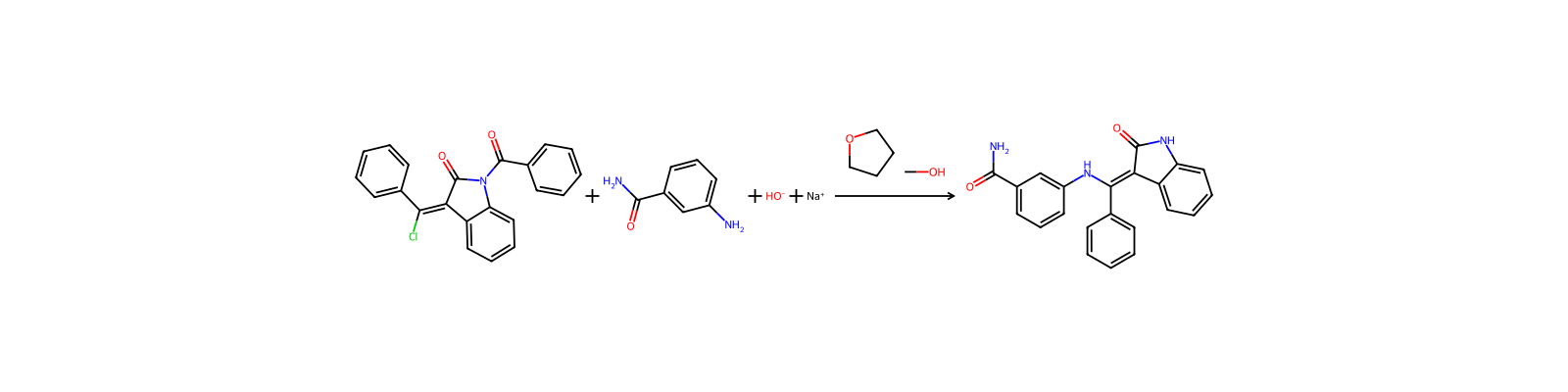
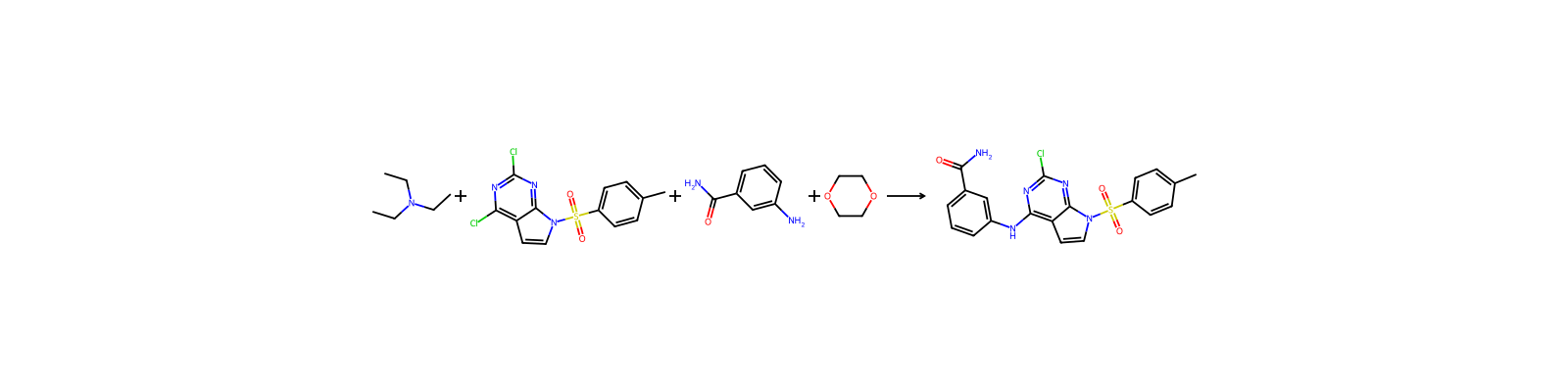
108건





연결된 노트
불러오는 중…