

기본 정보
- 표준 SMILES
CC1CC(=O)O1- InChIKey
GSCLMSFRWBPUSK-UHFFFAOYSA-N- 분자식
- C4H6O2
- 평균 분자량
- 86.09 g/mol
- 단동위원소 질량
- 86.03677943
개요
beta-Butyrolactone can cause cancer according to an independent committee of scientific and health experts.
이름 및 식별자
- 우선 이름
- beta-BUTYROLACTONE
- IUPAC
- 4-methyloxetan-2-one
- 현지명
- 부틸로락톤
- 영어명
- BETA-BUTYROLACTONE
- 분자식
- C4H6O2
- 분자량
- 86.09
이름 및 동의어
beta-Butyrolactone3068-88-02-Oxetanone, 4-methyl-4-METHYL-2-OXETANONEHydroxybutyric acid lactoneDTXSID10202238BB68V31MTDTXCID50223RefChem:119217DL-BETA-BUTYROLACTONE221-330-3253-093-7
이름 더 보기
베타-뷰티로락톤부틸로락톤β-BUTYROLACTONE4-methyl-2-oxetanonb-Methyl-b-propiolactone3-BUTANOLIDE3-ButyrolactoneSS-BUTYROLACTONEbeta-Butyrolakton
4-Methyloxetan-2-one(+/-)-b-Butyrolactoneb-Butyrolactone.beta.-Butyrolactone36536-46-6beta-MethylpropiolactoneDL-.beta.-ButyrolactoneMFCD00005170
데이터베이스 식별자
- CAS
3068-88-0、36536-46-6- PubChem CID
- 18303
- DTXSID
DTXSID1020223- ChEMBL
CHEMBL1361205- ChEBI
CHEBI:82296- UNII
- 8BB68V31MT
- EC Number
- 221-330-3、253-093-7
- Nikkaji
- J10.579A、J3.731.997J
물성
구조 계산 물성
- XLogP
- 0.3
- 극성 표면적
- 26.3 Ų
- 수소 결합 공여자 수
- 0
- 수소 결합 수용자 수
- 2
- 회전 가능 결합 수
- 0
- 무거운 원자 수
- 6
- 형식 전하
- 0
- 복잡도
- 77.6
실험 및 물리화학적 성질
Chemical Classes
Other Classes -> Lactones
Carcinogens
Density1.0555 at 68 °F (NTP, 1992) - Denser than water; will sink
Solubilitygreater than or equal to 100 mg/mL at 73 °F (NTP, 1992)
Flash Point140 °F (NTP, 1992)
Boiling Point160 to 163 °F at 29 mmHg (NTP, 1992)
Melting Point-46.3 °F (NTP, 1992)
Vapor Pressure
0.5 mmHg at 108 °F ; 5.5 mmHg at 124 °F; 18.5 mmHg at 163 °F (NTP, 1992)
1.65 [mmHg]
Physical Description
Beta-butyrolactone is a clear colorless liquid with an acetone-like odor. (NTP, 1992)
Clear colorless liquid with an odor like acetone; [CAMEO]
물리화학적 성질
- 녹는점
- 43.5 °C · −43.5 °C(lit.)
- 끓는 점
- 71 · 71-73 °C29 mm Hg(lit.)
- 밀도
- 1.056 g/mL · 1.056 g/mL at 25 °C(lit.)
- 굴절률
- 20 · n20/D 1.411(lit.)
- 인화점
- 140 °F · 140 °F
- 저장 조건
- 2 · Storage temp. 2-8°C
- 색상
- 무색 내지 거의 무색
- 수용성
- 132.7 g/L · 132.7g/L(18℃)
- 안정성
- 안정적인. 강염기, 강산화제와 호환되지 않습니다. 가연성.
- 주요 응용
- 청소용품화장품향료 및 향음식 및 음료개인 위생 관리
- InChI
- InChI=1S/C4H6O2/c1-3-2-4(5)6-3/h3H,2H2,1H3
- InChIKey
- GSCLMSFRWBPUSK-UHFFFAOYSA-N
- SMILES
- O1C(C)CC1=O
- EPA
- .beta.-Butyrolactone (3068-88-0)
화학적 성질
colourless liquid
안전 및 규제
GHS 분류
GHS Classification
Warning
H226 (100%): Flammable liquid and vapor [Warning Flammable liquids]
P203, P210, P233, P240, P241, P242, P243, P264, P264+P265, P280, P302+P352, P303+P361+P353, P305+P351+P338, P318, P321, P332+P317, P337+P317, P362+P364, P370+P378, P403+P235, P405, and P501 (click each P-code to see the statement)
Aggregated GHS information provided per 41 reports by companies from 3 notifications to the ECHA C&L Inventory. Each notification may be associated with multiple companies.
Warning
H226 (100%): Flammable liquid and vapor [Warning Flammable liquids]
유해성 정보
Regulatory Information
Chemical: 2-Oxetanone, 4-methyl-
Hazard Traits - Carcinogenicity
2-Oxetanone, 4-methyl-: Does not have an individual approval but may be used under an appropriate group standard
The New Jersey Worker and Community Right to Know Act requires public and private employers to provide information about hazardous substances at their workplaces. (N.J.S.A. 34:5A-1 et. seq.)
Other Safety InformationIMAP assessments - 2-Oxetanone, 4-methyl-: Human health tier II assessment
DOT LabelFlammable Liquid
Fire HazardsThis chemical is combustible. (NTP, 1992)
Health HazardsSYMPTOMS: Symptoms of exposure to this compound include irritation of the skin, eyes, mucous membranes and upper respiratory tract.
Hazards Summary
Highly flammable; A skin, eye, mucous membrane, and upper respiratory tract irritant; Harmful by ingestion, inhalation, and skin absorption; [CAMEO] A moderate skin irritant; [RTECS] A skin and strong eye irritant; Suspected carcinogen; [Sigma-Aldrich MSDS] See Butyrolactone.
Reactive GroupEsters, Sulfate Esters, Phosphate Esters, Thiophosphate Esters, and Borate Esters
Reactivity AlertsHighly Flammable
Reactivity ProfileBETA-BUTYROLACTONE is incompatible with strong oxidizers and strong bases. It is hydrolyzed by water and aqueous alkali. (NTP, 1992)
Air and Water ReactionsHighly flammable. Water soluble
Hazard Classes and Categories
Flam. Liq. 3 (100%)
Flam. Liq. 3 (100%)
Carcinogenicity - category 2
Skin corrosion/irritation - Category 2
Carcinogenicity - Category 1B
Skin corrosion/irritation - Category 2
안전 및 보호
Fire FightingFires involving this material can be controlled with a dry chemical, carbon dioxide or Halon extinguisher. A water spray may also be used. (NTP, 1992)
First Aid
EYES: First check the victim for contact lenses and remove if present. Flush victim's eyes with water or normal saline solution for 20 to 30 minutes while simultaneously calling a hospital or poison control center. Do not put any ointments, oils, or medication in the victim's eyes without specific instructions from a physician. IMMEDIATELY transport the victim after flushing eyes to a hospital even if no symptoms (such as redness or irritation) develop.
Nonfire Spill Response
SMALL SPILLS AND LEAKAGE: If you should spill this chemical, use absorbent paper to pick up all liquid spill material. Seal the absorbent paper, as well as any of your clothing which may be contaminated, in a vapor-tight plastic bag for eventual disposal. Wash any surfaces you may have contaminated with a soap and water solution. Do not reenter the contaminated area until the Safety Officer (or other responsible person) has verified that the area has been properly cleaned.
Isolation and EvacuationExcerpt from ERG Guide 128 [Flammable Liquids (Water-Immiscible)]:
Personal Protective Equipment (PPE)MINIMUM PROTECTIVE CLOTHING: If Tyvek-type disposable protective clothing is not worn during handling of this chemical, wear disposable Tyvek-type sleeves taped to your gloves.
독성 정보
Adverse EffectsNeurotoxin - Acute solvent syndrome
Carcinogen Classification
beta-Butyrolactone
Group 2B: Possibly carcinogenic to humans
Volume 11: (1976) Cadmium, Nickel, Some Epoxides, Miscellaneous Industrial Chemicals and General Considerations on Volatile Anaesthetics
1999
1998
RAIS Toxicity Values
0.00029
CALEPA
1
CALEPA
안전 데이터
- wgk
- 3
- tsca
- TSCA listed
- rtecs
- RQ8050000
- ridadr
- UN 1993 3/PG 3
- HS 번호
- 2932.20.5050
- risk_code
- 36/38-40
- hazard_code
- Xn
- safety_code
- 26-36
- 포장분류
- III
- 위험 등급
- 3.2
- Hazard Classifications
- Carc. 2Eye Irrit. 2Flam. Liq. 3Skin Irrit. 2
- 스토리지 클래스
- 3 - Flammable liquids
화학 및 산업
용도 및 제조
General Manufacturing Information2-Oxetanone, 4-methyl-: ACTIVE
응용 분야
용도β-Butyrolactone was used in the preparation of (3- O -[oligo-(3-hydroxybutyrate ester)] fluorescein, fluorescein derivative of poly(3-hydroxybutyrate) via anionic polymerization.
일반 설명Clear colorless liquid with an acetone-like odor.
상·하류 제품 정보
상류 원료
공급사1 곳
DAYANG CHEM (HANGZHOU) CO.,LTD+86-88938639 +86-17705817739 · [email protected]
관련 반응
27건

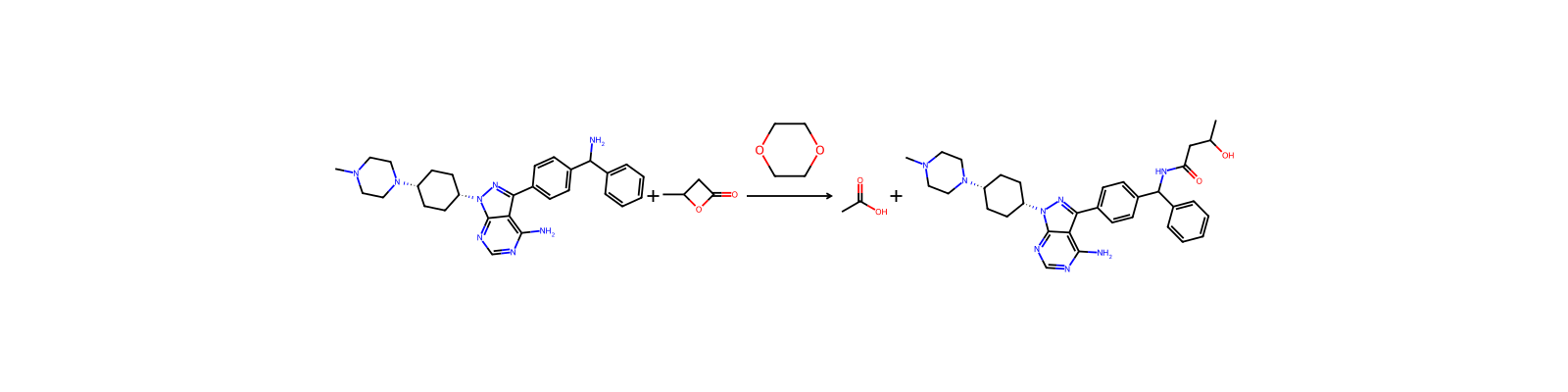

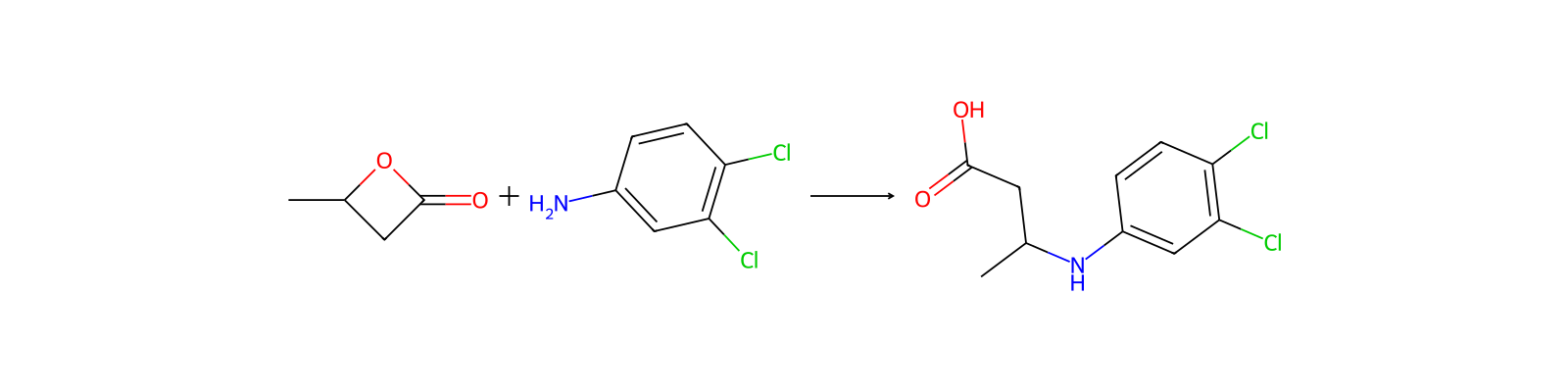


연결된 노트
불러오는 중…