
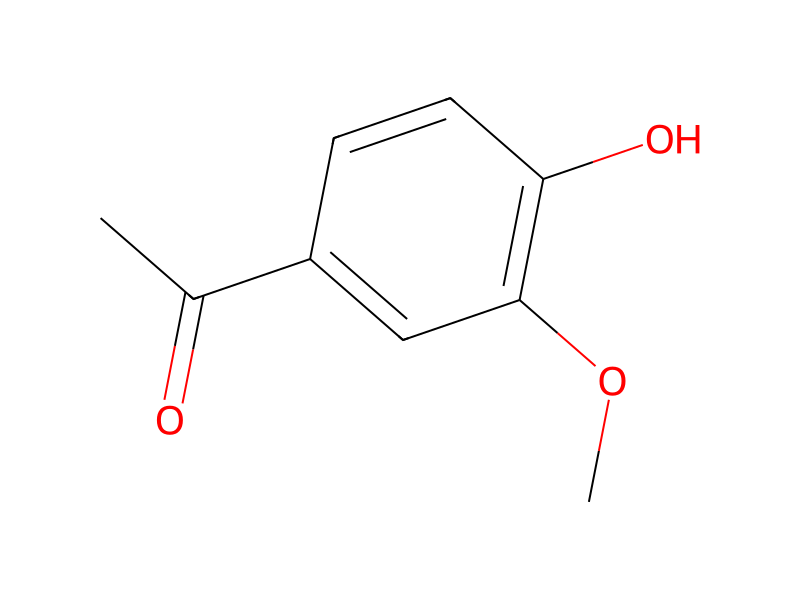
기본 정보
- 표준 SMILES
COc1cc(C(C)=O)ccc1O- InChIKey
DFYRUELUNQRZTB-UHFFFAOYSA-N- 분자식
- C9H10O3
- 평균 분자량
- 166.17 g/mol
- 단동위원소 질량
- 166.06299418
이름 및 식별자
- 우선 이름
- Acetovanillone
- IUPAC
- 1-(4-hydroxy-3-methoxyphenyl)ethanone
- 현지명
- 아세토바닐론
- 영어명
- Acetovanillone
- 분자식
- C9H10O3
- 분자량
- 166.17
이름 및 동의어
Acetovanilloneapocynin498-02-24'-Hydroxy-3'-methoxyacetophenone1-(4-Hydroxy-3-methoxyphenyl)ethanoneAcetoguaiaconeApocynine4-Acetyl-2-methoxyphenolAcetoguaiacon1-(4-hydroxy-3-methoxyphenyl)ethan-1-oneEthanone, 1-(4-hydroxy-3-methoxyphenyl)-4-Hydroxy-3-methoxyphenyl methyl ketone
이름 더 보기
4'-히드록시-3'메톡시아세토페논아세토바닐론ACETOVANILLONAcetovaniloneApocynin (Acetovanillone)3'-METHOXY-4'-HYDROXYACETOPHENONE
B6J7B9UDTRNSC-209524DTXSID7060097CHEBI:2781RefChem:552432DTXCID1040740207-854-54-HYDROXY-3-METHOXYACETOPHENONE
데이터베이스 식별자
- CAS
498-02-2- PubChem CID
- 2214
- DTXSID
DTXSID7060097- ChEMBL
CHEMBL346919- ChEBI
CHEBI:2781- UNII
- B6J7B9UDTR
- EC Number
- 207-854-5
- Nikkaji
- J13.670K
물성
구조 계산 물성
- XLogP
- 0.5
- 극성 표면적
- 46.5 Ų
- 수소 결합 공여자 수
- 1
- 수소 결합 수용자 수
- 3
- 회전 가능 결합 수
- 2
- 무거운 원자 수
- 12
- 형식 전하
- 0
- 복잡도
- 167
실험 및 물리화학적 성질
Kovats Retention Index
1447;1503;1461;1448.3
1496;1491;1498.7;1480;1497;1539;1485;1498;1487;1539;1490;1491;1483;1484.1;1486.5;1482;1478.6;1484;1494
2676;2667;2606;2620;2620;2667;2664;2664;2623;2664;2640;2651.5;2637;2626;2638;2640;2640;2640.1
물리화학적 성질
- 녹는점
- 112 · 112-115 °C (lit.)
- 끓는 점
- 263 · 263-265 °C/17 mmHg (lit.)
- 밀도
- 1.1708 · 1.1708 (rough estimate)
- 굴절률
- 1.5101 · 1.5101 (estimate)
- 인화점
- 230 °F · >230 °F
- 저장 조건
- Sealed in dry,Room Temperature
- 용해도
- 아세토니트릴(약간 용해됨), 클로로포름(약간 용해됨), 에틸아세테이트(약간 용해됨), 메탄
- 산도 계수 (pKa)
- 8.18 · 8.18±0.18(Predicted)
- 물리적 상태
- 고체
- 색상
- 노란색에서 갈색으로
- 냄새
- 100 %에서 · 100.00%에서. 희미하고 달콤한 바닐린
- 냄새 유형
- 바닐라
- 생물학적 소스
- synthetic
- 수용성
- 뜨거운 물에 용해됨
- Merck
- 14 · 14,741
- BRN
- 637373 · 637373
- Henry's Law Constant
- 6.3 · 6.3×103 mol/(m3Pa) at 25℃, McFall et al. (2020)
- 화장품 원료 기능
- 피부 컨디셔닝 - 기타
- InChI
- 1S/C9H10O3/c1-6(10)7-3-4-8(11)9(5-7)12-2/h3-5,11H,1-2H3
- InChIKey
- DFYRUELUNQRZTB-UHFFFAOYSA-N
- SMILES
- COc1cc(ccc1O)C(C)=O
- LogP
- 1.389 · 1.389 (est)
- NIST
- 1 · Ethanone, 1-(4-hydroxy-3-methoxyphenyl)-(498-02-2)
- EPA
- Acetovanillone (498-02-2)
화학적 성질
Acetovanillone is a yellowish to brown powder, soluble in alcohol, essential oils, and perfume chemicals. It is slightly soluble in water at room temperature but readily dissolves in hot water. It has a very faint, sweet odor, faintly reminiscent of vanillin, but with less spiciness and somewhat fresher notes. It occurs widely in nature, including in Orris root distillate.
안전 및 규제
GHS 분류
GHS Classification
This chemical does not meet GHS hazard criteria for 65.7% (94 of 143) of all reports.
Warning
H315 (34.3%): Causes skin irritation [Warning Skin corrosion/irritation];H319 (34.3%): Causes serious eye irritation [Warning Serious eye damage/eye irritation];H335 (33.6%): May cause respiratory irritation [Warning Specific target organ toxicity, single exposure; Respiratory tract irritation]
P261, P264, P264+P265, P271, P280, P302+P352, P304+P340, P305+P351+P338, P319, P321, P332+P317, P337+P317, P362+P364, P403+P233, P405, and P501 (click each P-code to see the statement)
Aggregated GHS information provided per 143 reports by companies from 8 notifications to the ECHA C&L Inventory. Each notification may be associated with multiple companies.;Reported as not meeting GHS hazard criteria per 94 of 143 reports by companies.;There are 7 notifications provided by 49 of 143 reports by companies with hazard statement code(s).;Information may vary between notifications depending on impurities, additives, and other factors. The percentage value in parenthesis indicates the notified classification ratio from companies that provide hazard codes. Only hazard codes with percentage values above 10% are shown. For more detailed information, please visit ECHA C&L website.
유해성 정보
Regulatory Information
Chemical: Ethanone, 1-(4-hydroxy-3-methoxyphenyl)-
Commission Regulation (EC) No 1565/2000 (Repealed by Com. Implementing Reg. (EU) No 872/2012)
Ethanone, 1-(4-hydroxy-3-methoxyphenyl)-: Does not have an individual approval but may be used under an appropriate group standard
Hazard Classes and CategoriesSkin Irrit. 2 (34.3%);Eye Irrit. 2 (34.3%);STOT SE 3 (33.6%)
규제 정보
Regulatory Information
Chemical: Ethanone, 1-(4-hydroxy-3-methoxyphenyl)-
Commission Regulation (EC) No 1565/2000 (Repealed by Com. Implementing Reg. (EU) No 872/2012)
Ethanone, 1-(4-hydroxy-3-methoxyphenyl)-: Does not have an individual approval but may be used under an appropriate group standard
안전 데이터
- wgk
- 2
- tsca
- TSCA listed
- rtecs
- AM8800000
- HS 번호
- 29145000
- risk_code
- 36/37/38
- hazard_code
- Xi
- safety_code
- 26-36
- 기존화학 물질
- KE-20625
- Hazard Classifications
- Eye Irrit. 2Skin Irrit. 2STOT SE 3
- 스토리지 클래스
- 11 - Combustible Solids
화학 및 산업
약리 정보
MeSH Pharmacological Classification
Anti-inflammatory agents that are non-steroidal in nature. In addition to anti-inflammatory actions, they have analgesic, antipyretic, and platelet-inhibitory actions. They act by blocking the synthesis of prostaglandins by inhibiting cyclooxygenase, which converts arachidonic acid to cyclic endoperoxides, precursors of prostaglandins. Inhibition of prostaglandin synthesis accounts for their analgesic, antipyretic, and platelet-inhibitory actions; other mechanisms may contribute to their anti-inflammatory effects.
Naturally occurring or synthetic substances that inhibit or retard oxidation reactions. They counteract the damaging effects of oxidation in animal tissues.
Compounds or agents that combine with an enzyme in such a manner as to prevent the normal substrate-enzyme combination and the catalytic reaction.
용도 및 제조
Use ClassificationFragrance Ingredients
General Manufacturing InformationEthanone, 1-(4-hydroxy-3-methoxyphenyl)-: ACTIVE
응용 분야
용도Acetovanillone is an inhibitor of NADPH oxidase (an enzyme responsible for reactive oxygen species production) and is useful in the treatment of various inflammatory diseases.
일반 설명Acetovanillone is an aromatic plant ketone, which is a selective inhibitor of NADPH oxidase. It is mainly secreted in the urine of mammals as the corresponding glucuronide conjugate.
제조 방법
Synthetically by methylation of 3,4-Dihydroxyacetophenone. It can also be obtained by Fries rearrangement of guaiacol acetate in the presence of zinc chloride. It can be isolated from the extract of the roots of Indian hemp, Apocynum cannabinum L.
생산 방법Synthetically by methylation of 3,4- Dihydroxy acetophenone. Also from Guaiacol acetate with Zinc chloride and Acetic anhydride. Can be isolated from the extract of the roots of Indian hemp, Apocynum cannabinum L.
상·하류 제품 정보
상류 원료
하류 제품
공급사50 곳
国药集团化学试剂有限公司86-21-63210123 · [email protected]
梯希爱(上海)化成工业发展有限公司021-67121386 · [email protected]
成都普瑞法科技开发有限公司+86-028-82633397 18982077548 · [email protected]
上海阿拉丁生化科技股份有限公司400-6206333 13167063860 · [email protected]
韶远科技(上海)有限公司021-50795510 4000665055 · [email protected]
Syntechem Co.,Ltd[email protected]
上海迈瑞尔生化科技有限公司4006356688 18621169109 · [email protected]
北京华威锐科化工有限公司0757-86329057 18934348241 · [email protected]
南部县诚信科技有限公司0838-5675166 15883665058 · [email protected]
大连美仑生物技术有限公司0411-62910999 13889544652 · [email protected]
阿法埃莎(中国)化学有限公司400-6106006 · [email protected]
太原市瑞和丰科贸有限公司+86 351 7031519 · [email protected]
安耐吉化学&3A(安徽泽升科技股份有限公司)400-0056266 · [email protected]
上海瀚鸿科技股份有限公司021-54306202 13764082696 · [email protected]
南京欣丰康生物科技有限公司025-84683399 13952017251 · [email protected]
上海相辉医药科技有限公司13761987713 · [email protected]
上海融禾医药科技发展有限公司17301719108 13341702378 · [email protected]
上海景颜化工科技有限公司13817811078 · [email protected]
嘉兴市艾森化工有限公司0573-85285100 18627885956 · [email protected]
Pure Chemistry Scientific Inc.001-857-928-2050 or 1-888-588-9418 · [email protected]
上海攀鸿化工科技有限公司021-56491756 13512199871 · [email protected]
武汉丰泰威远科技有限公司027-87465837 19945049750 · [email protected]
云南西力生物技术股份有限公司0871-65217109 · [email protected]
山东西亚化学有限公司13355009207 13355009207 · [email protected]
玛雅试剂+86 (573) 82222445 (0)18006601000 452520369 · [email protected]
四川库利南科技有限公司400-1166-196 18981987031 · [email protected]
深圳菲斯生物科技有限公司0755-83725681-603
赛默飞世尔科技(中国)有限公司800-810-5118 · [email protected]
北京伊诺凯科技有限公司400-810-7969 010-59572699 · [email protected]
上海特伯化学科技有限公司+86-21-60341587 · [email protected]
AdooQ BioScience, LLC+1 (866) 930-6790 · [email protected]
上海翱承生物科技有限公司19512299079,021-31371965,15000810423 19512299079;15000810423
TCI AMERICA800-4238616 · [email protected]
TOKYO CHEMICAL INDUSTRY CO., LTD.03-36680489 · [email protected]
TCI Europe320-37350700 · [email protected]
随州市红旗化工有限公司0722-3257376 13026100080;13235518175 · [email protected]
上海睿升化工科技有限公司+86-021-50935922
无锡中坤生化科技有限公司+86 0510-85629785
上海将来实业股份有限公司021-61552785 · [email protected]
南京克迪特贸易有限公司025-52164950 · [email protected]
HBCChem, Inc.+1-510-219-6317 · [email protected]
郑州鸿晟医药科技有限公司0371-0371-13526885213 15637198702 · [email protected]
四川省维克奇生物科技有限公司028-81700200 18116577057 · [email protected]
雷丁试剂0510-85629785 18013409632 · [email protected]
湖南华腾制药有限公司400-8592883 · [email protected]
嘉兴诺华化工有限公司18957373295
上海御略医药科技有限公司021-60345187 13671753212 · [email protected]
上海鑫圭生物科技有限公司15121041756 · [email protected]
杭州杰恒化工有限公司0571-87396432 · [email protected]
上海寰川实业有限公司021-61478794 · [email protected]
추가 설명
정의ChEBI: Apocynin is an aromatic ketone that is 1-phenylethanone substituted by a hydroxy group at position 4 and a methoxy group at position 3. It has a role as a non-narcotic analgesic, a non-steroidal anti-inflammatory drug, an antirheumatic drug, a peripheral nervous system drug, an EC 1.6.3.1. [NAD(P)H oxidase (H2O2-forming)] inhibitor and a plant metabolite. It is a member of acetophenones, a methyl ketone and an aromatic ketone.
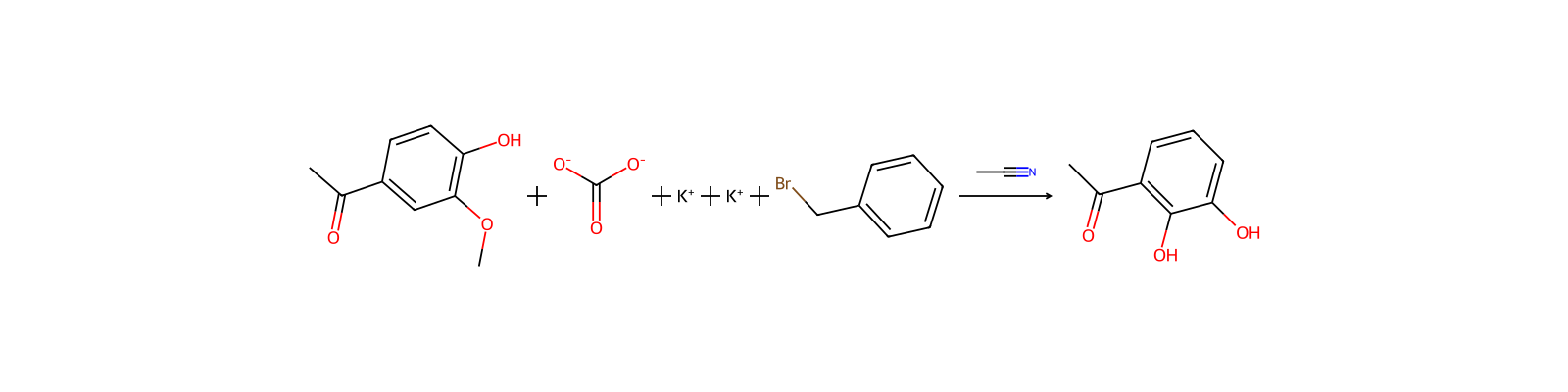
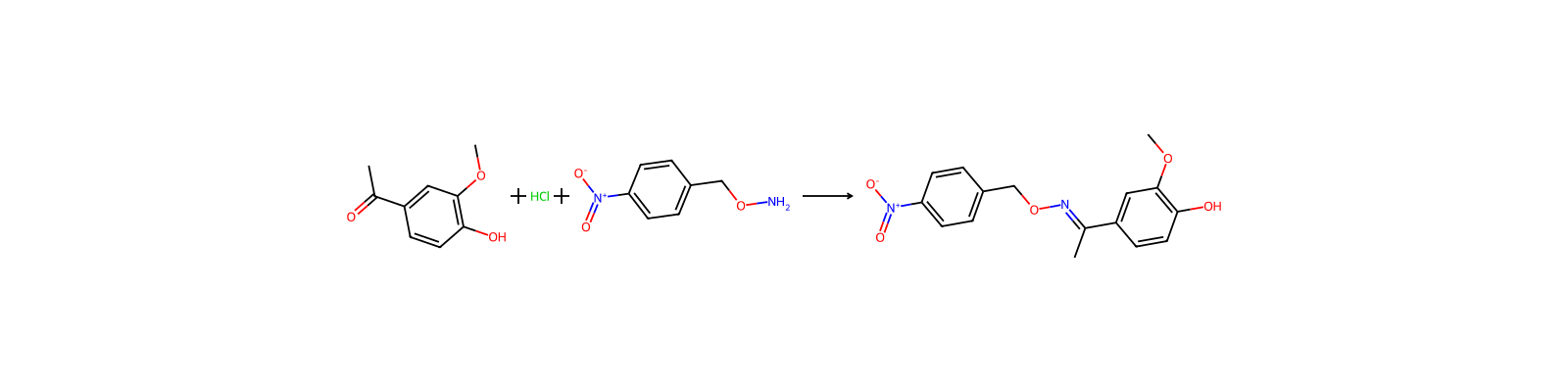
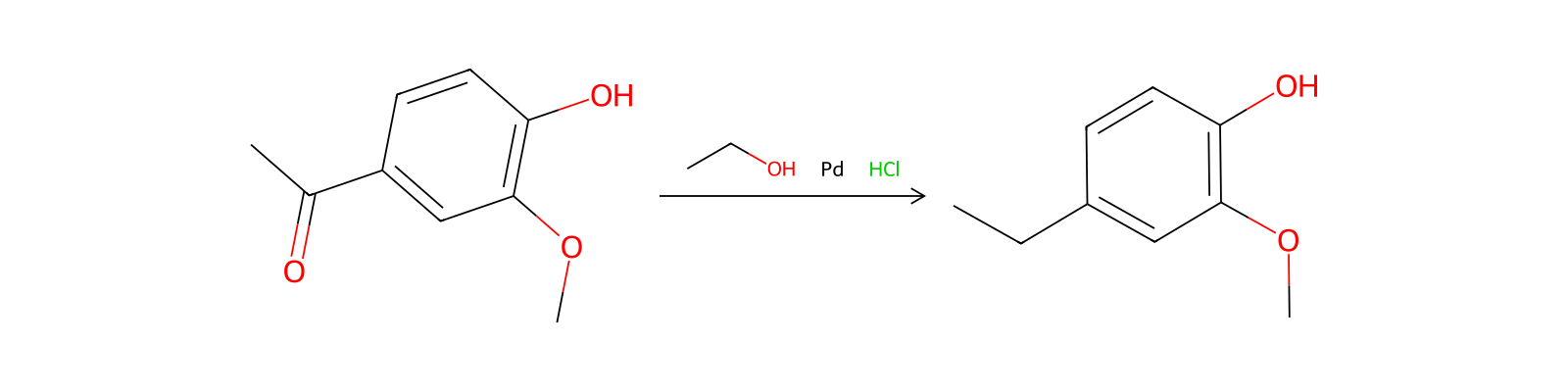
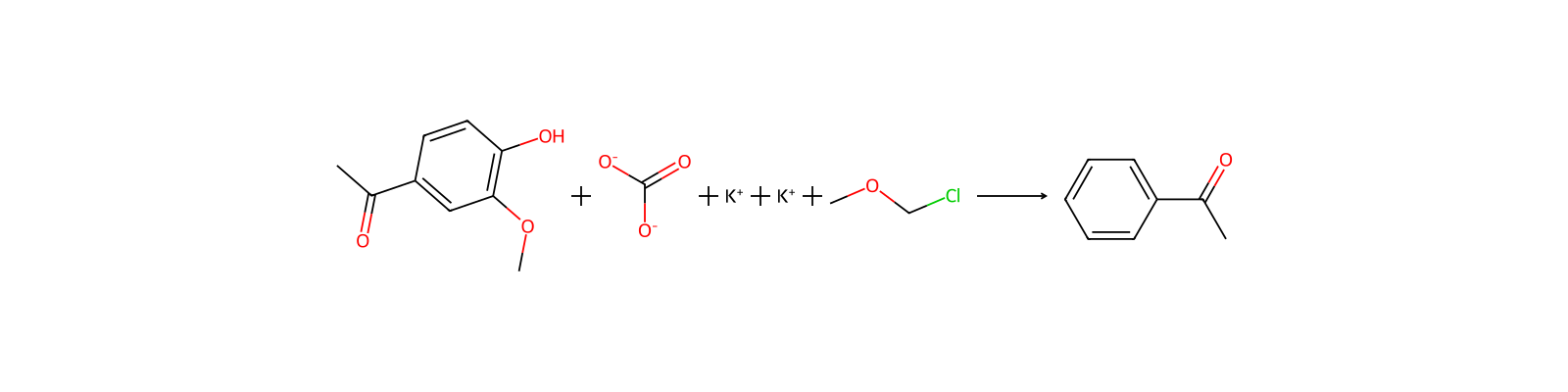
관련 반응
225건



연결된 노트
불러오는 중…