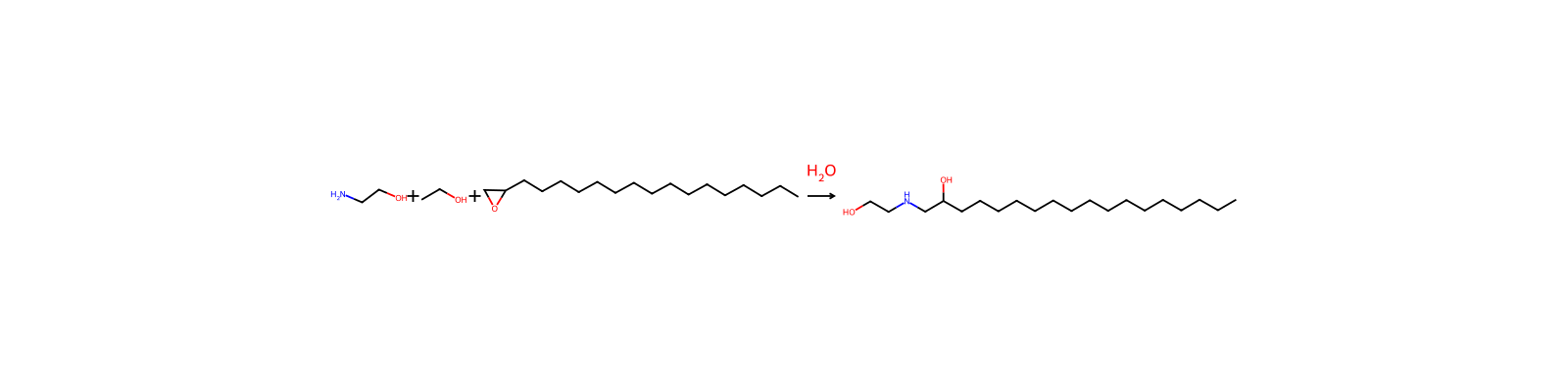
1,2-Epoxyoctadecane

기본 정보
- CAS
7390-81-0- 표준 SMILES
CCCCCCCCCCCCCCCCC1CO1- InChIKey
QBJWYMFTMJFGOL-UHFFFAOYSA-N- 분자식
- C18H36O
- 평균 분자량
- 268.5 g/mol
- 단동위원소 질량
- 268.27661577
개요
1,2-epoxyoctadecane appears as white waxy or chunky solid. (NTP, 1992)
이름 및 식별자
- 우선 이름
- 1,2-Epoxyoctadecane
- IUPAC
- 2-hexadecyloxirane
- 영어명
- 1,2-Epoxyoctadecane
- 분자식
- C18H36O
- 분자량
- 268.48
이름 및 동의어
1,2-EPOXYOCTADECANE7390-81-02-HexadecyloxiraneHexadecyloxiraneOxirane, hexadecyl-1,2-Octadecylene OxideOxirane, 2-hexadecyl-octadecylene oxideO8GK4E0CVL1,2-OCTADECENE EPOXIDEOCTADECANE, 1,2-EPOXY-J91.342A
이름 더 보기
hexadecyl-oxiranhexadecyl-OxiraneOxirane,hexadecyl-1-Octadecene oxide1,2-Octadecane oxide
DTXSID4025246RefChem:72061OCTADECENE EPOXIDEVIKOLOX 18DTXCID505246230-977-0MFCD00005152CCRIS 2619
데이터베이스 식별자
- CAS
7390-81-0- PubChem CID
- 23872
- DTXSID
DTXSID4025246- UNII
- O8GK4E0CVL
- EC Number
- 230-977-0
- Nikkaji
- J91.342A
물성
구조 계산 물성
- XLogP
- 8.4
- 극성 표면적
- 12.5 Ų
- 수소 결합 공여자 수
- 0
- 수소 결합 수용자 수
- 1
- 회전 가능 결합 수
- 15
- 무거운 원자 수
- 19
- 형식 전하
- 0
- 복잡도
- 179
실험 및 물리화학적 성질
PolymersPlastics & Rubber -> Epoxides
Density0.83 at 68 °F (NTP, 1992) - Less dense than water; will float
Solubilityless than 1 mg/mL at 70 °F (NTP, 1992)
Endocrine DisruptorsPotential endocrine disrupting compound
Boiling Point279 °F at 0.5 mmHg (NTP, 1992)
Melting Point79 °F (NTP, 1992)
Physical Description
1,2-epoxyoctadecane appears as white waxy or chunky solid. (NTP, 1992)
White solid; mp = 26 deg C; [CAMEO] White solid; mp = 30-35 deg C; [Alfa Aesar MSDS]
물리화학적 성질
- 녹는점
- 33 · 33-35°C
- 끓는 점
- 146 · 146-148°C 1mm
- 밀도
- 0.9227 · 0.9227 (rough estimate)
- 굴절률
- 1.45 · 1.4500 (estimate)
- 인화점
- 176 °C · 176°C
안전 및 규제
안전 정보는 참고용이며, 공급업체의 물질안전보건자료(SDS), 관련 법규 및 전문가 평가를 대체하지 않습니다.
GHS 분류
GHS Classification
This chemical does not meet GHS hazard criteria for 8.3% (4 of 48) of reports.
Warning
H315 (91.7%): Causes skin irritation [Warning Skin corrosion/irritation]
P261, P264, P264+P265, P271, P280, P302+P352, P304+P340, P305+P351+P338, P319, P321, P332+P317, P337+P317, P362+P364, P403+P233, P405, and P501 (click each P-code to see the statement)
Aggregated GHS information provided per 48 reports by companies from 5 notifications to the ECHA C&L Inventory. Each notification may be associated with multiple companies.
Warning
유해성 정보
Regulatory InformationChemical: Oxirane, hexadecyl-
Other Safety InformationIMAP assessments - Long-chain alkyl oxiranes: Human health tier II assessment
Fire HazardsFlash point data for this chemical are not available, but it is probably combustible. (NTP, 1992)
Health HazardsACUTE/CHRONIC HAZARDS: This compound is a local irritant. (NTP, 1992)
Hazards SummaryMay violently polymerize; [CAMEO] A local irritant; [NTP] A skin and strong eye irritant; [Alfa Aesar MSDS]
Reactive GroupEpoxides
Reactivity AlertsPolymerizable
Reactivity Profile
1,2-EPOXYOCTADECANE, an epoxide, is sensitive to exposure to moisture. This compound is incompatible with strong acids, caustics and peroxides. (NTP, 1992). Epoxides are highly reactive. They polymerize in the presence of catalysts or when heated. These polymerization reactions can be violent. Compounds in this group react with acids, bases, and oxidizing and reducing agents. They react, possibly violently with water in the presence of acid and other catalysts.
화학 및 산업
용도 및 제조
General Manufacturing InformationOxirane, 2-hexadecyl-: ACTIVE
응용 분야
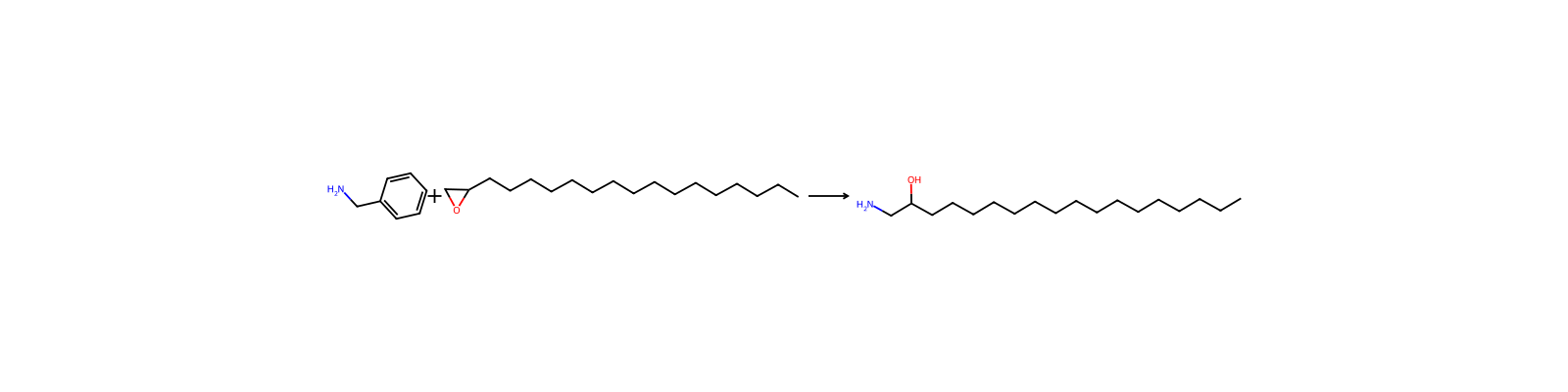
용도1,2-Epoxyoctadecane can be used to produce octadecane-1,2-diol at heating. It is used in agrochemical, pharmaceutical and dyestuff field .
일반 설명White waxy or chunky solid.
상·하류 제품 정보
상류 원료
관련 반응
9건



화합물 노트
불러오는 중…