기본 정보
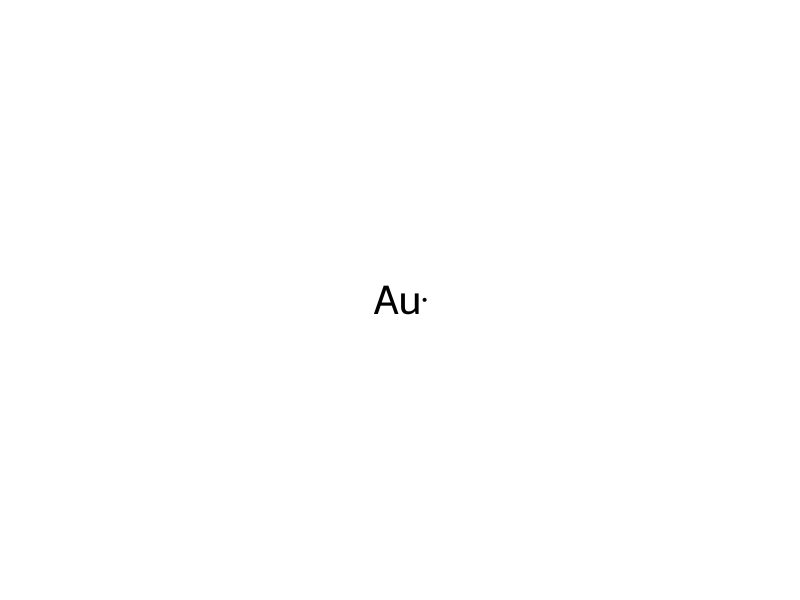
- 표준 SMILES
[Au]- InChIKey
PCHJSUWPFVWCPO-UHFFFAOYSA-N- 분자식
- Au
- 평균 분자량
- 196.9666 g/mol
- 단동위원소 질량
- 196.9665687
개요
Gold(0) is an elemental gold.
이름 및 식별자
- 우선 이름
- Gold
- IUPAC
- gold
이름 및 동의어
GOLD7440-57-5Gold powderColloidal goldGold flakeGold leafGold, colloidalGold, elementalShell GoldBurnish goldMagnesium gold purpleAurum Metallicum
이름 더 보기
CI 7748079Y1949PYOC.I. 77480AUGold (e 175)INS NO.175CHEBI:29287CHEBI:30050
데이터베이스 식별자
- CAS
15456-07-2、59597-42-1、7440-57-5- PubChem CID
- 23985
- DTXSID
DTXSID3064697- ChEMBL
CHEMBL3137693- ChEBI
CHEBI:30050- UNII
- 79Y1949PYO
- EC Number
- 231-165-9
- Nikkaji
- J283.050G、J293.433G、J3.734F
물성
구조 계산 물성
- 극성 표면적
- 0 Ų
- 수소 결합 공여자 수
- 0
- 수소 결합 수용자 수
- 0
- 회전 가능 결합 수
- 0
- 무거운 원자 수
- 1
- 형식 전하
- 0
- 복잡도
- 0
실험 및 물리화학적 성질
Chemical ClassesMetals -> Metals, Inorganic Compounds
CosmeticsCosmetic colorant
SpringerMaterials Propertieselectron density of states
OdorNo odor
Density
19.3
19.3 @25 °C
Color/Form
Soft, yellow metal
Cubic, yellow, ductile, metallic crystals; forms red, blue, or violet colloidal suspensions.
Yellow, ductile metal, relatively soft
Yellow, soft metal, face-centered cubic structure
For more Color/Form (Complete) data for GOLD, ELEMENTAL (6 total), please visit the HSDB record page.
Solubility
INSOL IN WATER, ACID; SOL IN POTASSIUM CYANIDE, HOT SULFURIC ACID
Soluble in aqua regia, insoluble in acids
Dissolves readily in 3:1 hydrochloric-nitric acid to form HAuCl4; dissolves in cyanide solutions in the presence of air or hydrogen peroxide to form Au(CN)2
Boiling Point
2700 deg C
2856 °C @760 [mm Hg]
Melting Point
1064.76 deg C
1064.76 °C
Vapor Pressure
VP: 1 Pa @ 1373 °C; 10 Pa @ 1541 °C; 100 Pa at 1748 °C; 1 kPa @ 2008 °C; 10 kPa @ 2347 °C; 100 kPa @ 2805 °C
1 [mm Hg] @1869 °C
Heat of Vaporization324 kJ/mol
Physical Description
CBI; Other Solid; Dry Powder
Gold-coloured powder or tiny sheets
Yellow, ductile metal, relatively soft; [HSDB]
안전 및 규제
GHS 분류
GHS Classification
This chemical does not meet GHS hazard criteria for 99.2% (502 of 506) of all reports.
Not Classified
Aggregated GHS information provided per 506 reports by companies from 6 notifications to the ECHA C&L Inventory.
유해성 정보
Regulatory Information
Chemical: Gold
Regulation (EC) No 1333/2008 (amended)
Gold is listed on the EPA's Chemical Data Reporting (CDR) system. Manufacturers and importers of Gold are required to report information about their production and use of this chemical to the EPA under the Toxic Substances Control Act (TSCA). (40 eCFR Part 711)
Status: Active Update: 13-03-2023 https://echa.europa.eu/registration-dossier/-/registered-dossier/17082
Gold: Does not have an individual approval but may be used as a component in a product covered by a group standard. It is not approved for use as a chemical in its own right.
Other Safety InformationIMAP assessments - Gold: Human health tier I assessment
Hazards Summary
Allergic contact dermatitis reported in electroplaters, photographers, guilders, machinists, dental technicians, and jewelers; [Kanerva, p. 516] Gold is a hepatotoxic agent. [Zimmerman, p. 4] Adverse effects of organic gold salts used to treat rheumatoid arthritis include hematuria and nephrotic syndrome. This effect has not been reported in industry. [Rosenstock, p. 574] Danger of skin sensitization--soluble compounds only; [MAK] Most metal compounds of nitrates, acetates, chlorides, bromides, iodides, and sulfates are soluble, while most hydroxide, carbonate, and phosphate metal compounds are insoluble. [Nordberg, p. 19] Gold nanoparticles coated with hyaluronic acid were found to be weakly embryotoxic (less embryotoxic than gold salts); [PMID 20566333] High doses of gold were embryotoxic and induced teratogenic effects in rats and rabbits. Rats inhaling gold nanoparticles showed mild lung inflammation. Patients receiving gold therapy may have dermatitis, stomatitis, proteinuria, nephrosis, leukopenia, and rarely, thrombocytopenia, aplastic anemia, and injury to CNS, liver, and lungs. Thrombocytopenia may be the first sign of fatal aplastic anemia. [Nordberg, p. 817-29]
FDA Requirements
Gold-based alloys and precious metal alloys for clinical use are mixtures of metals, the major components of which are gold, silver, or palladium. They also may contain a small quantity of copper or platinum. The device is intended to fabricate dental appliances, such as crowns and bridges, for patients.
A preformed anchor is a device made of austenitic alloys or alloys containing 75 percent or greater gold or metals of the platinum group intended to be incorporated into a dental appliance, such as a denture, to help stabilize the appliance in the patient's mouth.
A precision attachment or preformed bar is a device made of austenitic alloys or alloys containing 75 percent or greater gold and metals of the platinum group intended for use in prosthetic dentistry in conjunction with removable partial dentures. Various forms of the device are intended to connect a lower partial denture with another lower partial denture, to connect an upper partial denture with another upper partial denture, to connect either an upper or lower partial denture to a tooth or a crown, or to connect a fixed bridge to a partial denture.
A preformed clasp or a preformed wire clasp is a prefabricated device made of austenitic alloys or alloys containing 75 percent or greater gold and metals of the platinum group intended to be incorporated into a dental appliance, such as a partial denture, to help stabilize the appliance in the patient's mouth by fastening the appliance to an adjacent tooth.
For more FDA Requirements (Complete) data for GOLD, ELEMENTAL (13 total), please visit the HSDB record page.
Special ReportsWHO; Environmental Health Criteria 119: Principles and Methods for the Assessment of Nephrotoxicity Associated with Exposure to Chemicals (1991)
CERCLA Reportable Quantities
Persons in charge of vessels or facilities are required to notify the National Response Center (NRC) immediately, when there is a release of this designated hazardous substance, in an amount equal to or greater than its reportable quantity: gold-193: 100 curie (3.7X10+12 becquerel); gold-194: 10 curie (3.7X10+11 becquerel); gold-195: 100 curie (3.7X10+12 becquerel); gold-198m: 10 curie (3.7X10+11 becquerel); gold-198: 100 curie (3.7X10+12 becquerel); gold-199: 100 curie (3.7X10+12 becquerel); gold-200m: 10 curie (3.7X10+11 becquerel); gold-200: 1000 curie (3.7X10+13 becquerel); and gold-201: 1000 curie (3.7X10+13 becquerel). The toll free number of the NRC is (800) 424-8802; In the Washington D.C. metropolitan area (202) 426-2675. The rule for determining when notification is required is stated in 40 CFR 302.4 (section IV. D.3.b).
Hazard Classes and CategoriesNot Classified
Hazardous Reactivities and Incompatibilities
Incompatible with mixtures containing chlorides, bromides and iodides (if they can generate nascent halogens), some oxidizing materials (especially those containing halogens), alkali cyanides, thiocyanate solutions and double cyanides.
Gold does react with various oxidizing agents at ambient temps provided a good ligand is present to lower the redox potential below that of water.
Gold does... dissolve readily in 3:1 hydrochloric-nitric acid to form /chlorauric acid/, and in alkaline cyanide solns in the presence of air or hydrogen peroxide to form AuCN2, and these chemical reactions are important to the extraction and refining of the metal. Gold reacts with halogens, particularly in the presence of moisture, and at low (< or =200 °C) temps, chlorine is adsorbed on the gold surface to form surface chlorides.
The reaction between ammonia and gold, ... produces fulminate-like compounds of variable and uncertain composition that explode when dried. Severe accidents have occurred.
For more Hazardous Reactivities and Incompatibilities (Complete) data for GOLD, ELEMENTAL (6 total), please visit the HSDB record page.
안전 및 보호
Firefighting HazardsCan form explosive compounds with ammonia, ammoniun hydroxide plus aqua regina, and peroxide.
Disposal Methods
SRP: The most favorable course of action is to use an alternative chemical product with less inherent propensity for occupational exposure or environmental contamination. Recycle any unused portion of the material for its approved use or return it to the manufacturer or supplier. Ultimate disposal of the chemical must consider: the material's impact on air quality; potential migration in soil or water; effects on animal, aquatic, and plant life; and conformance with environmental and public health regulations.
Preventive Measures
Ventilation control: sulfuric acid and hydrochloric acid in concentration from 10-30% are used in order to break down zinc chips in processing of gold slime and may give off hydrogen cyanide and arsine. These operations must be performed in specially equipped premises...with exhaust hoods.
Smoking should be prohibited and workers should not be allowed to eat or drink in workplace. First-aid equipment should be available and should contain material for immediately removing any cyanide solution that comes in contact with workers' bodies.
Protective Action Criteria (PAC)
0.46 [mg/m3]
5.1 [mg/m3]
30 [mg/m3]
Personal Protective Equipment (PPE)Workers must be supplied with personal protective clothing impervious to cyanide compounds.
독성 정보
Body Burden
Hair samples of individuals (837 male, 965 female) in non-industrial native population in unpolluted areas from 17 ethnic and territorial groups in the former USSR were analyzed for various metals(1). Gold concentrations ranged from 0.008 to 0.028 ppm dry weight in men and 0.010 to 0.060 ppm dry weight in women(1). Gold concentrations in ear wax of two people were 7.2 and 6.0 ug/g dry weight(2). Nine selected adipose tissue sample from the FY82 National Human Adipose Tissue Survey (NHATS) repository were analyzed for metals and gold was reported as not detected in 7 of the nine samples; gold concentrations were reported for 2 samples as 0.0030 and 0.0006 ug/g(3). The estimated limit of detection for these samples ranged from 0.0012 to 0.0042 ug/g(3). Mean gold concentrations in cerebrospinal fluid from patients in Saudi Arabia with various cancers ranged from 16.0 to 50.5 ug/L(4). The mean concentration in controls (non-neoplasmic diseases) was 38.5 ug/L(4). Mean gold concentrations in hair samples from 8 year old school children living in an Amsterdam suburb ranged from 4 to 8 ug/kg(4). Gold concentration in fetal liver was reported to be 2.5 ng/g (5). Gold levels in the blood of man are reported as 0.35 ng/ml(5). Organ gold concentrations are variable, with median values for adult liver and kidney under 10 ug/g ash(5). Gold concentrations in thumbnails are often greater in women (0.1-6.4; 2.6 ug/g average) than in men (0.1-0.7; 0.4 ug/g average)(5).
Post mortem lung samples from 21 workers from northern Sweden (group 1) that were previously employed between 10 and 30 years in refining and smelting non-ferrous concentrates in the production of metals, including gold, were found to contain 0.0019 ug/g wet weight of gold(1). A control group (n=8) that lived 50 km from the refinery had gold concentration of 0.00062 ug/g wet weight in lung tissue(1). Mean gold concentrations in hair of pottery workers form Tlaquepaque and Tonala, Mexico and controls from Tucson, AZ were 0.06 ppm (0.01-0.62 ppm) and 0.09 ppm (0.04-0.21 ppm)(2).
Gold concentrations from two skin biopsy samples taken from under gold rings were 90 and 70 ug/g(1).
Adult human body contains less than 10 mg Au, about 50% of which is concentration in bones.
... The distribution of numerous elements in the kidney, liver, and lungs of smelter workers /were evaluated, then/ compared them to controls, and /it was/ reported that only in the lung were gold concns greater than in control persons. There were no differences in gold concns in the kidney and liver among smelter workers compared to unexposed controls and in general, gold levels, if detectable were well below those of other metals.
Food Survey Values
SMALL AMT, 0.03-1 MG%, HAVE BEEN REPORTED IN MANY FOODS.
Mean gold concentrations in potatoes at three levels of nitrogen fertilization (1, 60, and 120 kg N/ha) using pig slurry were 0.82, 0.70, and 1.59 ug/kg fresh weight, respectively(1). Mean gold concentrations in potatoes at three levels of nitrogen fertilization (1, 60, and 120 kg N/ha) using calcium ammonium nitrate were 1.26, 0.71, and 1.66 ug/kg fresh weight, respectively(1). Gold concentration in peas (Pisum sativaum Ping Pong) collected from 10 background areas in Denmark with intesive cultivation with use of fertilizer and pesticides were 0.71 (mean), 0.66 (median), 0.119 (min), and 3.0 (max) ug/kg fresh weight(2). Onion (Allium cepa Hysam) samples (n=110) from 11 Danish sites uncontaminated by human activities other than normal agricultural practices were collected and analyzed for various elements(3). Gold concentration were 1.35 (mean), 0.82 (median), 0.196 (min), and 11.7 (max) ug/kg fresh weight(3).
Adverse EffectsOccupational hepatotoxin - Secondary hepatotoxins: the potential for toxic effect in the occupational setting is based on cases of poisoning by human ingestion or animal experimentation.
Plant Concentrations
GOLD IS NOT NORMALLY PRESENT IN PLANT TISSUES, & IT IS NOT ESSENTIAL NUTRIENT.
Elements were analyzed in standardized poplar leaf samples from 100 sampling sites in Bulgaria where direct impact of heavy anthropogenic pollution was not expected(1). Gold concentrations ranged from <0.002 to 0.0085 ug/g dry weight with concentrations below the detection limit for >50% of the samples(1).
Animal ConcentrationsGold concentrations in hair samples of brown hare (Lepus europaeus) and common vole (Microtis arvalis) from Czechoslovakia were 0.008 and 0.012 ppm(1).
Effluent Concentrations
Concentrations of gold in sewage sludge from 23 US cities was found to range from 0.15 ppm dry weight in Duluth, MN to 11.0 ppm dry weight in Salt Lake City, UT(1). Fly ashes, bottom ashes, or mixtures of fly and bottom ashes were collected form 18 municipal solid waste incinerators in 1987(2). Gold concentrations (ppm dry weight) ranged from not detected to 0.62 (fly ash), not detected to 0.42 (bottom ash), and not detected to 1.4 (combined fly and bottom ash)(2). Ashes from a refuse incinerator were sampled at monthly intervals and analyzed(3). Gold concentrations (ppm dry weight) for December 19, 1989, Jan 31, 1990, and Feb 28, 1990 were 0.01, 0.02, and 0.02 (fly ash) and 0.04, 0.01, and 0.01 (bottom ash), respectively(3).
Natural Pollution Sources
OCCURRENCE IN EARTH'S CRUST: 0.005 PPM
GOLD GENERALLY OCCURS IN THE FREE STATE AS VEINS IN QUARTZ, & IN RIVER SANDS WHICH HAVE RESULTED FROM DISINTEGRATION OF GOLD-BEARING ROCK. IT IS ALSO FOUND IN SMALL AMT OF MANY PYRITIC & OTHER SULFIDE & TELLURIDE ORES.
OCCURS IN NATURE IN ITS NATIVE FORM & IN MINUTE QUANTITIES IN ALMOST ALL ROCKS & IN SEAWATER. GOLD ORES INCL CALAVARITE (AUTE2), SYLVANITE [(AG,AU)TE2], PETZITE [(AG,AU)2TE].
SOUTH AFRICA, USSR, NORTHWEST CANADA, US (SOUTH DAKOTA, NEVADA, UTAH, ALASKA, CALIFORNIA), AUSTRALIA. OCEANS ARE ESTIMATED TO CONTAIN 70 MILLION TONS IN SOLN, WITH 10 BILLION ADDNL TONS ON OCEAN FLOOR. THERE IS NO PRESENT METHOD OF EXPLOITING THESE RESOURCES.
Atmospheric Concentrations
RURAL/REMOTE: Samples of atmospheric particulate material were collected at the South Pole for 6 periods between Dec 1974 and Feb 1975 and were found to contain gold concentrations ranging from 0.023 to 0.087 pg/cu m(1).
SOURCE DOMINATED: Gold concentrations in air were determined during gold casting processes where either a oxy-acetylene flame or electric oven was used to heat the metals to a temperature of 900-1000 °C(1). Air in the breathing zone of exposed workers was sampled during 5 8-hour shifts and 4 samples per shift were collected over a period of 2 hours(1). Average concentrations of gold before and during gold investment casting were 0.85 and 35 ug/cu m using an oxy-acetylene flame and 0.60 and 3.8 ug/cu m using an electric oven, respectively(1).
Human Toxicity Excerpts
/CASE REPORTS/ .../A/ case of gold allergy after ingestion of GOLDSCHLAGER, a gold-containing liquor, in a patient with a previous allergy to gold jewelry /is described/. The patient was not aware that genuine gold particles were contained in the schnapps liquor and that ingestion could result in a reaction similar to that experienced by individuals sensitive to gold jewelry. Clinicians should be familiar with the presence of gold particles in GOLDSCHLAGER liquor and the potential for allergic reactions to occur in those so predisposed.
/SIGNS AND SYMPTOMS/ Dermatitis is the most frequently reported toxic reaction to gold and is sometimes accompanied by stomatitis probably involving allergic mechanisms.
/HUMAN EXPOSURE STUDIES/ Owing to its poor absorption, gold dust...not toxic when given orally.
/OTHER TOXICITY INFORMATION/ Various ingredients of dental materials and related compounds were tested for cytotoxicity in two /human/ alveolar epithelial cell lines (L2 and A549 cells). Release of lactate dehydrogenase (LDH) from cells was measured after incubation with the test substances for time intervals up to 48 h and expressed as percentage of total LDH content of lysed cells. Furthermore, the glutathione content of cells was determined in the nonmalignant L2 cells. Additionally, cell viability was assessed by microscopic examination... Gold ... particles < 1.5 micron) did not produce any sign of toxic reactions. A time-dependent increased toxicity in pulmonary cell lines was /not/ found for ... gold ...
For more Human Toxicity Excerpts (Complete) data for GOLD, ELEMENTAL (6 total), please visit the HSDB record page.
Environmental BiodegradationAEROBIC: There is no evidence that living organisms activate gold as they do for elemental mercury(1).
Sediment/Soil Concentrations
SOIL: The mean gold concentration in garden soils in Nagpur City, Central India was 1.81 ug/g(1). Mean gold concentrations in house dust, street dust, and soil in Christchurch, New Zealand were determined to be 0.42 (0.09-0.87), 0.05 (<0.001-0.12), and approximately 0.04 (<0.001-0.06) ug/g, respectively(2).
SEDIMENT: The concentration of gold in the sediment of the Ginsheimer-Altrhine River, a channel of the Rhine River that drains one of the most industrialized regions of western Europe was found to range from 96 to 460 ppb(1). Gold concentrations in coastal anoxic sediments from around the world ranged from <0.1 ppb at Saanich Inlet Washington, Sept 1973 to 920 ppb at Whites Point, Los Angeles, CA, (no date)(2). Gold concentrations in sulfides in the Pacific Ocean hydrothermal deposits ranged from 1.7 to 510 ppb and range from <0.1 to 0.5 ppb in phosphorites from the Peru coast(2). Gold concentrations in Pacific Ocean pelagic sediments range from 0.3 to 6.3 ppb(2).
Non-Human Toxicity Excerpts
/LABORATORY ANIMALS: Acute Exposure/ Metallic gold dust has been tested in rabbit eyes; introduced into corneal stroma, it has persisted for many months but has caused invasion by leukocytes, vascularization, and accumulation of giant cells. In the conjunctiva it is rapidly taken up by leukocytes and removed. In anterior chamber of rabbit eyes...effect depends on size of particles; finest dust is rapidly taken up and removed, but particles too big to be ingested by leukocytes become encapsulated by endothelium and giant cells. In vitreous...gold particles...eventually have caused atrophic changes in retina.
/LABORATORY ANIMALS: Acute Exposure/ Gold metal dust...not toxic to mammals via oral admin...
/LABORATORY ANIMALS: Chronic Exposure or Carcinogenicity/ ...Metals such as gold can induce subcutaneous sarcoma following injection, but the relevance of this observation in terms of human occupational risk is discounted.
/LABORATORY ANIMALS: Chronic Exposure or Carcinogenicity/ Powdered gold...is not oncogenic in rats, while implanted small sheets of gold...induced tumors.
/ALTERNATIVE IN VITRO TESTS/ ...5 types of casting alloys commonly used in prosthodontics: Au-Pt, Au-Pd, Pd-Cu-Ga, Ni-Cr-Be, and Ni-Cr (no Be) alloys were brushed for 48 hours in a tooth brushing machine at 90 strokes/minute and 200g force. Alloys were brushed with either saline at pH 7, saline at pH 4 (acidified with sodium lactate), or saline with 1:7 (wt/wt) toothpaste. After the brushing regimen, the cytotoxicity of the alloys was assessed in a standard in vitro test... Brushing at pH 7 significantly increased the toxicity of the Pd-Cu-Ga alloy (15% to 20% over unbrushed specimens). Brushing at pH 4 increased the toxicity of the Au-Pt and Au-Pd alloys by 30% and the Pd-Cu-Ga alloy by >40%. The Ni-based alloys were not affected by acid. After being brushed with toothpaste, both Ni-based alloys were significantly more toxic, but Ni-Cr-Be was the worst, increasing more than 60% in toxicity over the controls. The toxicity of the Au-Pd alloy also increased significantly (15%)... /Gold alloys/
규제 정보
FDA Requirements
Gold-based alloys and precious metal alloys for clinical use are mixtures of metals, the major components of which are gold, silver, or palladium. They also may contain a small quantity of copper or platinum. The device is intended to fabricate dental appliances, such as crowns and bridges, for patients.
A preformed anchor is a device made of austenitic alloys or alloys containing 75 percent or greater gold or metals of the platinum group intended to be incorporated into a dental appliance, such as a denture, to help stabilize the appliance in the patient's mouth.
A precision attachment or preformed bar is a device made of austenitic alloys or alloys containing 75 percent or greater gold and metals of the platinum group intended for use in prosthetic dentistry in conjunction with removable partial dentures. Various forms of the device are intended to connect a lower partial denture with another lower partial denture, to connect an upper partial denture with another upper partial denture, to connect either an upper or lower partial denture to a tooth or a crown, or to connect a fixed bridge to a partial denture.
A preformed clasp or a preformed wire clasp is a prefabricated device made of austenitic alloys or alloys containing 75 percent or greater gold and metals of the platinum group intended to be incorporated into a dental appliance, such as a partial denture, to help stabilize the appliance in the patient's mouth by fastening the appliance to an adjacent tooth.
For more FDA Requirements (Complete) data for GOLD, ELEMENTAL (13 total), please visit the HSDB record page.
CERCLA Reportable Quantities
Persons in charge of vessels or facilities are required to notify the National Response Center (NRC) immediately, when there is a release of this designated hazardous substance, in an amount equal to or greater than its reportable quantity: gold-193: 100 curie (3.7X10+12 becquerel); gold-194: 10 curie (3.7X10+11 becquerel); gold-195: 100 curie (3.7X10+12 becquerel); gold-198m: 10 curie (3.7X10+11 becquerel); gold-198: 100 curie (3.7X10+12 becquerel); gold-199: 100 curie (3.7X10+12 becquerel); gold-200m: 10 curie (3.7X10+11 becquerel); gold-200: 1000 curie (3.7X10+13 becquerel); and gold-201: 1000 curie (3.7X10+13 becquerel). The toll free number of the NRC is (800) 424-8802; In the Washington D.C. metropolitan area (202) 426-2675. The rule for determining when notification is required is stated in 40 CFR 302.4 (section IV. D.3.b).
화학 및 산업
약리 정보
FDA Pharmacological Classification
79Y1949PYO
GOLD
Established Pharmacologic Class [EPC] - Standardized Chemical Allergen
Physiologic Effects [PE] - Increased Histamine Release
Physiologic Effects [PE] - Cell-mediated Immunity
Chemical Structure [CS] - Allergens
Absorption, Distribution and Excretion
Adult human body contains less than 10 mg Au, about 50% of which is concentration in bones.
... The relative tissue distributions of trace elements in nonoccupationally exposed individuals following death /was assessed/ and ...for gold, there was no consistent pattern among tissues or organs. Gold was observed with the greatest frequency in the adrenal and aorta and in the highest concn in the aorta.
용도 및 제조
Uses
Used in photography and medicine--treatment of rheumatoid arthritis; used in alloyed or plated jewelry and dental crowns; also used to color glass, enamel, and porcelain and to guild or electroplate in art and electronics; [Kanerva, p. 512] Gold chloride used as a toner in photography; [www.ci.tucson.az.us/arthazards/medium.html] Gold nanoparticle applications include catalysts, drug delivery, solar cells, printable inks on electronic chips, detection of biomarkers of disease, probes in electron microscopy, and removal of mercury from water; [HSDB]
Electroplating [Category: Plate]
Jewelry making [Category: Hobbies]
In manufacture of jewelry; in gold plating other metals; as a standard of currency; most frequently alloyed with silver and copper.
Used in alloy with platinum, in photography
Infrared reflectors; electrical contact alloys; brazing alloys; polarographic electrodes; Spinnerets; laboratory ware; in electronics; colloidal dispersions used in coloring glass, as Nucleating agent, and for specialized medical treatments; gold leaf is used in surgery
U.S. Exports
(1972) 4.58X10+7 G
(1975) 1.09X10+8 G
(1985) 1.18X10+11 g
(1998) 522 metric tons (refined bullion, dore, ores, concentrated, and precipitates)
For more U.S. Exports (Complete) data for GOLD, ELEMENTAL (8 total), please visit the HSDB record page.
U.S. Imports
(1972) 1.91X10+8 G (NOT INCL COINS)
(1975) 1.35X10+8 G (INCL COINS)
(1985) 2.64X10+11 g
(1998) 278 metric tons (refined bullion, dore, ores, concentrated, and precipitates)
For more U.S. Imports (Complete) data for GOLD, ELEMENTAL (8 total), please visit the HSDB record page.
U.S. Production
2023: 250,000 - <400,000 lb
(1972) 4.6X10+7 G (REFINERY PRODN)
(1975) 3.4X10+7 G (REFINERY PRODN)
(1985) 1.77X10+11 g /Including: mine, primary, and secondary refinery production/
(1998) 366 metric tons (mine); 277 metric tons (refinery, primary); 163 metric tons (refinery, secondary (new and old scrap))
For more U.S. Production (Complete) data for GOLD, ELEMENTAL (8 total), please visit the HSDB record page.
Consumption PatternsJewelry and Arts, 52%; Industrial (mainly electronic), 35%; Dental, 12%;and small bars, etc, mainly for investment, about 1% (1985)
Consumer UsesIntermediate
Industry UsesOther
Methods of Manufacturing
Ore is treated with cyanide solution; dissolved gold cyanate is recovered by precipitation with zinc dust, aluminum, or by hydrolysis. Placer methods are also used.
In internal amalgamation, gold is separated inside crushing apparatus at same time ore is crushed. Amalgam removed from apparatus is washed free of any admixtures with water in special bowls. ...remaining mercury is pressed out of amalgam.
Crushing of ore and extraction (mechanical, amalgamation, or cyanidation) followed by electrolytic refining or chemical refining (use of chlorine or treatment with either hot nitric or sulfuric acid
Obtained as a by-product in the electrolytic refining of copper and nickel
Formulations/Preparations
INGOTS, SHEET, WIRE, TUBING, POWDER, LEAF; ALLOYS WITH COPPER OR OTHER METALS, GOLD CONTENT BEING EXPRESSED IN CARATS (NUMBER OF PARTS OF GOLD IN 24 PARTS OF ALLOY). SINGLE CRYSTALS & AQ COLLOIDAL SUSPENSIONS. LEAF MAY BE MADE IN NEAR-COLLOIDAL THICKNESS; 1 TROY OZ COVERS 68 SQ FT (0.0001 INCH).
Use Classification
Food additives
Food Additives -> COLOUR -> JECFA Functional Classes
Cosmetics -> Cosmetic colorant
General Manufacturing Information
Computer and Electronic Product Manufacturing
Gold: ACTIVE
Purple of cassius is delicate test for auric gold. ...gold, like other precious metals, is measured in troy weight; when alloyed with other metals, term karat is used to express amount of gold present, 24 karats being pure gold.
관련 반응
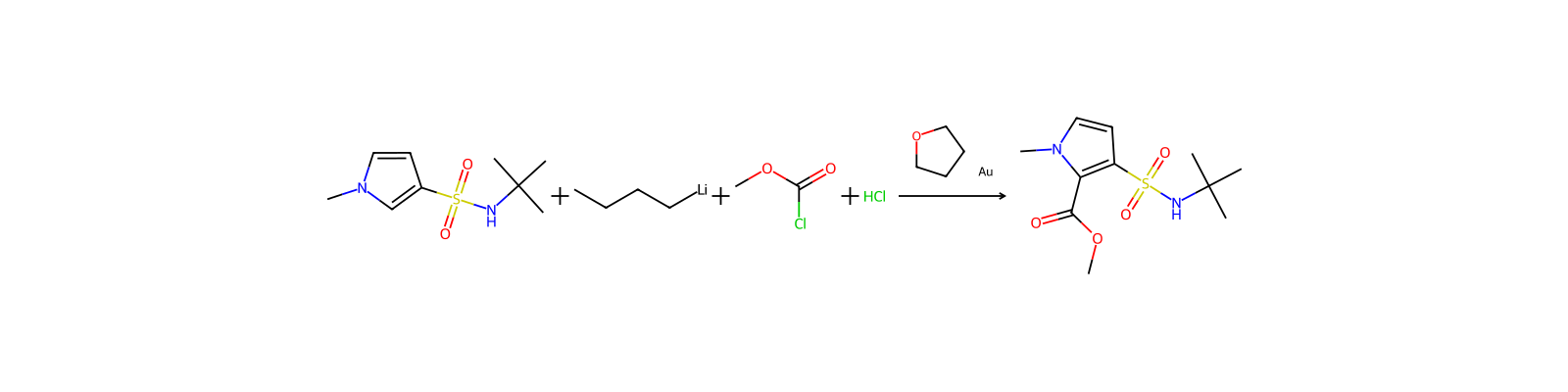
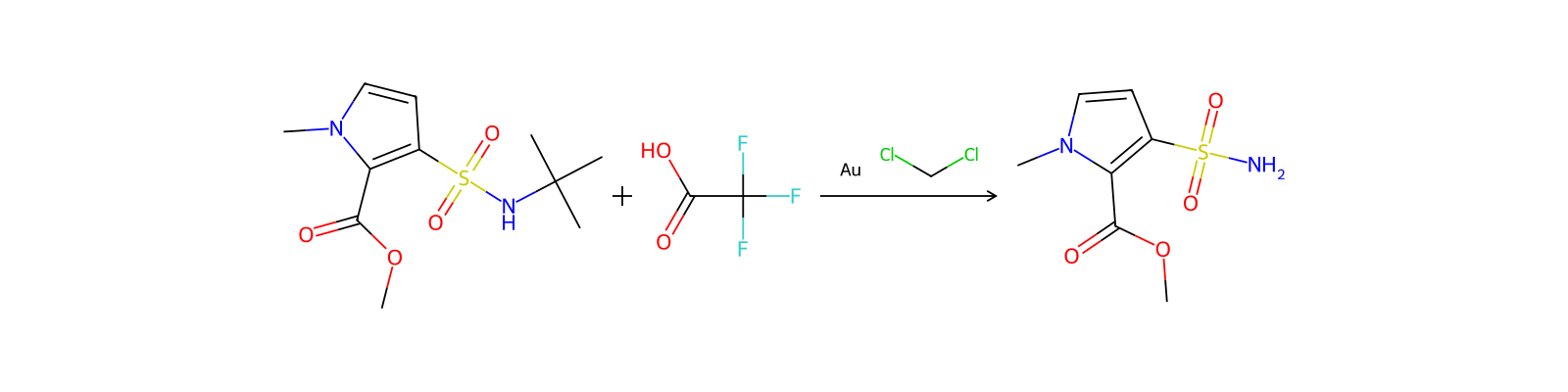
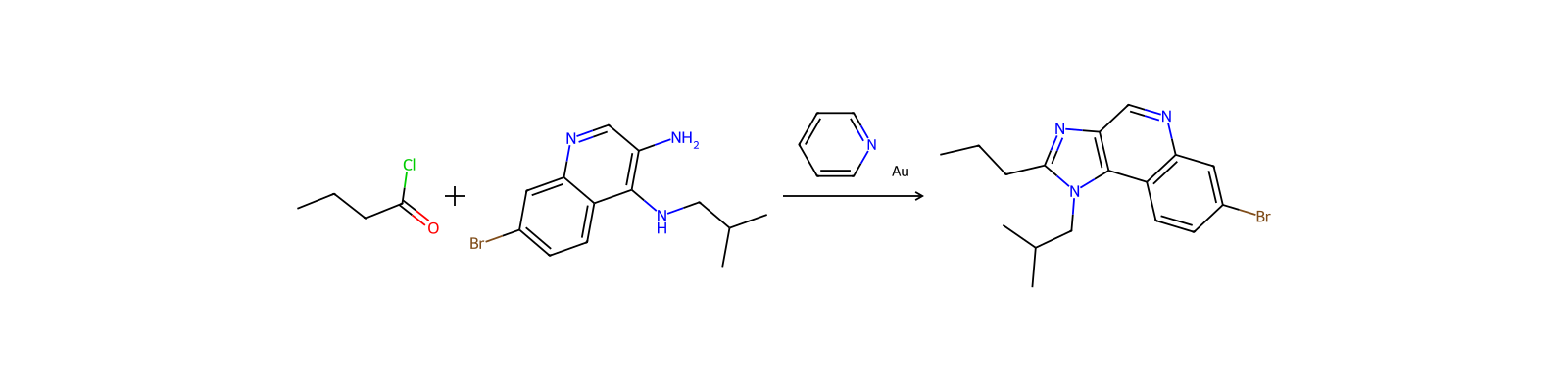
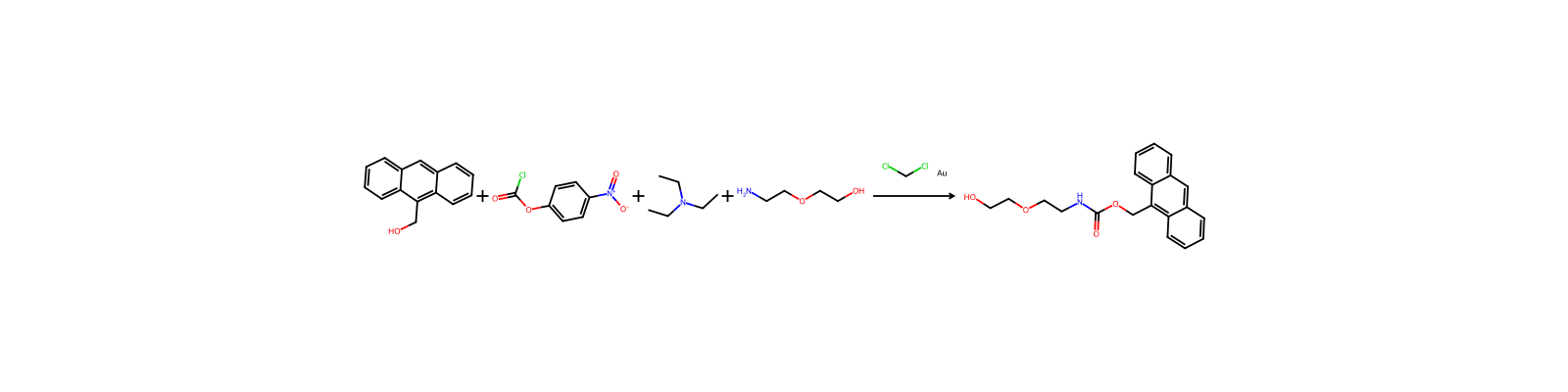
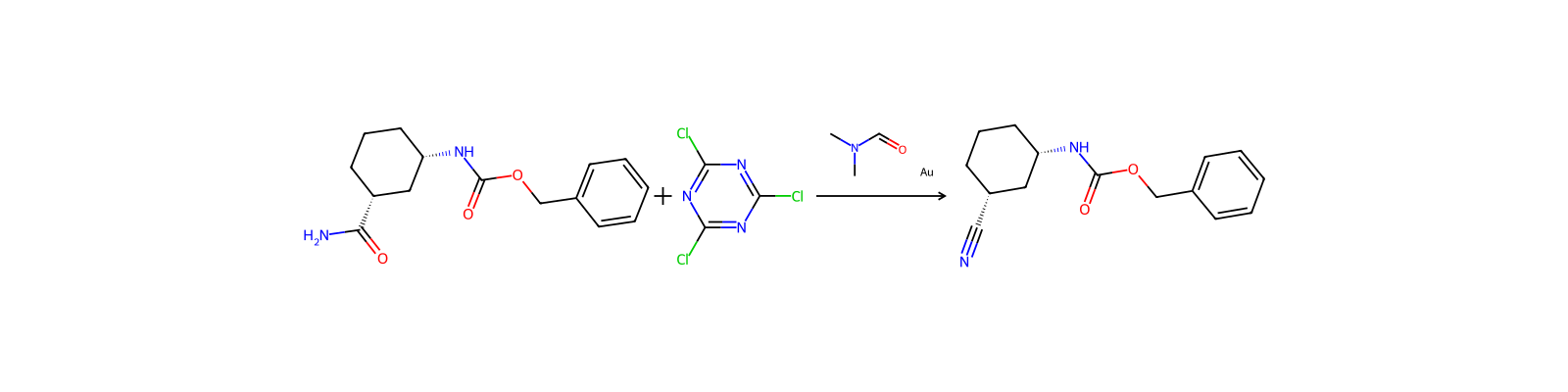
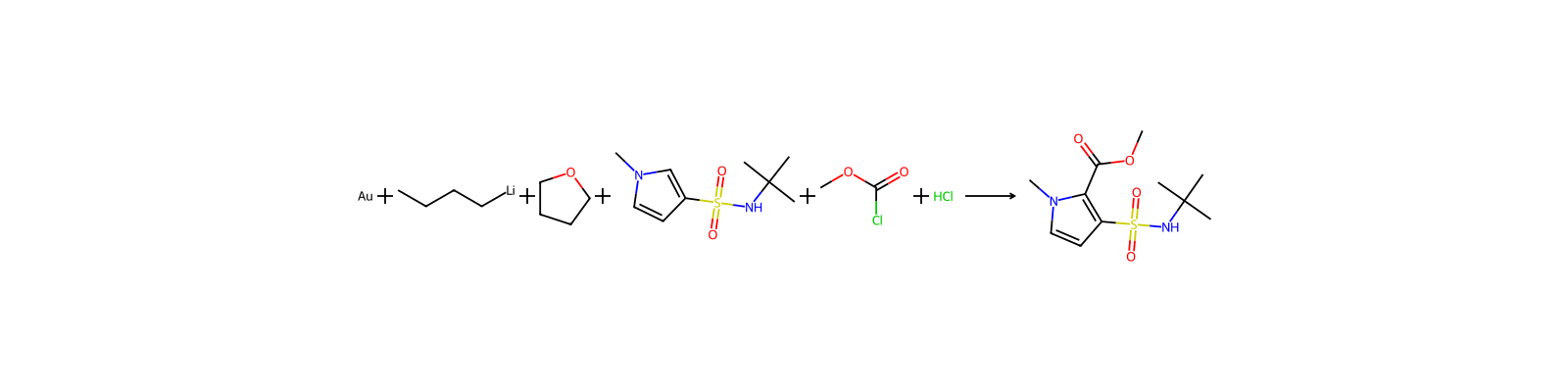
115건

연결된 노트
불러오는 중…