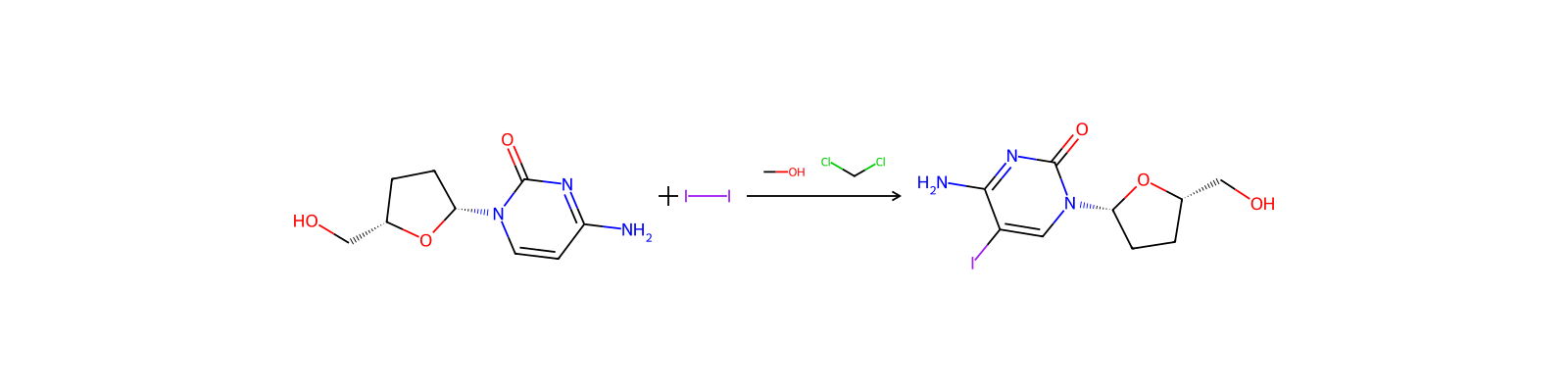
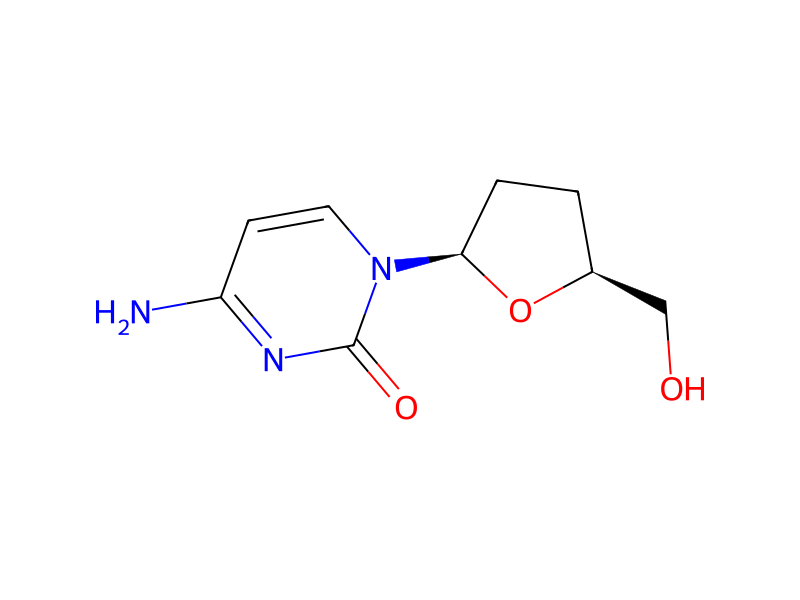
기본 정보
- 표준 SMILES
Nc1ccn([C@H]2CC[C@@H](CO)O2)c(=O)n1- InChIKey
WREGKURFCTUGRC-POYBYMJQSA-N- 분자식
- C9H13N3O3
- 평균 분자량
- 211.22 g/mol
- 단동위원소 질량
- 211.09569128
개요
Zalcitabine can cause cancer according to California Labor Code.
이름 및 식별자
- 우선 이름
- Dideoxycytidine
- IUPAC
- 4-amino-1-[(2R,5S)-5-(hydroxymethyl)oxolan-2-yl]pyrimidin-2-one
이름 및 동의어
zalcitabineDideoxycytidine7481-89-22',3'-DIDEOXYCYTIDINEddCydCytidine, 2',3'-dideoxy-4-Amino-1-((2R,5S)-5-(hydroxymethyl)tetrahydrofuran-2-yl)pyrimidin-2(1H)-oneDTXSID0023747NSC 606170Ro 24-2027/000Ro-24-2027/000zalcitabina
이름 더 보기
6L3XT8CB3INSC6061704-amino-1-[(2R,5S)-5-(hydroxymethyl)oxolan-2-yl]pyrimidin-2-one4-amino-1-[(2R,5S)-5-(hydroxymethyl)tetrahydrofuran-2-yl]pyrimidin-2(1H)-oneRo-242027000DTXCID703747Ro-24-2027000CHEBI:10101
데이터베이스 식별자
- CAS
7481-89-2- PubChem CID
- 24066
- DTXSID
DTXSID0023747- ChEMBL
CHEMBL853- ChEBI
CHEBI:10101- UNII
- 6L3XT8CB3I
- EC Number
- 620-762-3
- Nikkaji
- J277.119E
물성
구조 계산 물성
- XLogP
- -1.3
- 극성 표면적
- 88.2 Ų
- 수소 결합 공여자 수
- 2
- 수소 결합 수용자 수
- 3
- 회전 가능 결합 수
- 2
- 무거운 원자 수
- 15
- 형식 전하
- 0
- 복잡도
- 327
실험 및 물리화학적 성질
DrugsPharmaceuticals -> Listed in ZINC15
LogP
log Kow = -1.30
-1.3
-1.1
Color/Form
Crystals from ethanol and benzene
White to off-white powder
Solubility
50 to 100 mg/mL at 66 °F (NTP, 1992)
In water, 76,400 mg/l @ 25 °C
7.05e+00 g/L
H2O (warm) 80 -90 (mg/mL)
Acetate buffer, pH 4 > 50 (mg/mL)
Human Drugs
FDA approved drugs -> Active ingredient
FDA approved drugs -> Active ingredient
Melting Point
410 to 417 °F (NTP, 1992)
217-218 °C
215-217 °C; also reported as 209-210 °C
210 - 214 °C
Vapor Pressure5.8X10-8 mm Hg @ 25 °C /Estimated/
Optical Rotation( c = 1, H2O) [a]25D >= +70°
Henry's Law ConstantHenry's Law constant = 1.2X10⁻¹⁶ atm-cu m/mol @ 25 °C /Estimated/
Physical Description
2',3'-dideoxycytidine is a white crystalline powder. Odorless. (NTP, 1992)
Solid
Stability/Shelf LifeBulk: Dideoxycytidine is stable in bulk form through 90 days at room temperature and at 50 °C under both light and dark conditions.
Solution: Dideoxycytidine was stable in distilled water through 72 hrs.
Collision Cross Section209.9 Ų [M+H]+ [CCS Type: DT; Buffer gas: N2; Ionization: ESI+; Dataset: TOXCAST; Source Identifier: DTXSID0023747]
안전 및 규제
GHS 분류
GHS Classification
Warning
H351 (95.7%): Suspected of causing cancer [Warning Carcinogenicity]
P203, P280, P318, P405, and P501 (click each P-code to see the statement)
Aggregated GHS information provided per 47 reports by companies from 5 notifications to the ECHA C&L Inventory. Each notification may be associated with multiple companies.
Danger
H341: Suspected of causing genetic defects [Warning Germ cell mutagenicity]
유해성 정보
Regulatory InformationHazard Traits - Carcinogenicity
Fire HazardsFlash point data for this chemical are not available; however, it is probably combustible. (NTP, 1992)
Health Hazards
SYMPTOMS: Symptoms of exposure to this compound may include cutaneous eruptions, fever, mouth sores, thrombocytopenia, neutropenia and reversible peripheral neuropathy. Other symptoms may include gastrointestinal distress, headache, nausea and vomiting.
FDA Requirements
The Approved Drug Products with Therapeutic Equivalence Evaluations List identifies currently marketed prescription drug products, incl zalcitabine, approved on the basis of safety and effectiveness by FDA under sections 505 of the Federal Food, Drug, and Cosmetic Act.
Reactive GroupAlcohols and Polyols
Reactivity Profile2',3'-DIDEOXYCYTIDINE may be sensitive to prolonged exposure to light.
Air and Water ReactionsWater soluble.
Hazard Classes and Categories
Carc. 2 (95.7%)
Germ cell mutagenicity - Category 2
Shipment Methods and Regulations
PRECAUTIONS FOR "CARCINOGENS": Procurement ... of unduly large amt ... should be avoided. To avoid spilling, carcinogens should be transported in securely sealed glass bottles or ampoules, which should themselves be placed inside strong screw-cap or snap-top container that will not open when dropped & will resist attack from the carcinogen. Both bottle & the outside container should be appropriately labelled. ... National post offices, railway companies, road haulage companies & airlines have regulations governing transport of hazardous materials. These authorities should be consulted before ... material is shipped. /Chemical Carcinogens/
PRECAUTIONS FOR "CARCINOGENS": When no regulations exist, the following procedure must be adopted. The carcinogen should be enclosed in a securely sealed, watertight container (primary container), which should be enclosed in a second, unbreakable, leakproof container that will withstand chem attack from the carcinogen (secondary container). The space between primary & secondary container should be filled with absorbent material, which would withstand chem attack from the carcinogen & is sufficient to absorb the entire contents of the primary container in the event of breakage or leakage. Each secondary container should then be enclosed in a strong outer box. The space between the secondary container & the outer box should be filled with an appropriate quantity of shock-absorbent material. Sender should use fastest & most secure form of transport & notify recipient of its departure. If parcel is not received when expected, carrier should be informed so that immediate effort can be made to find it. Traffic schedules should be consulted to avoid ... arrival on weekend or holiday ... /Chemical Carcinogens/
안전 및 보호
Fire FightingFires involving this material can be controlled with a dry chemical, carbon dioxide or Halon extinguisher. A water spray may also be used. (NTP, 1992)
First Aid
EYES: First check the victim for contact lenses and remove if present. Flush victim's eyes with water or normal saline solution for 20 to 30 minutes while simultaneously calling a hospital or poison control center. Do not put any ointments, oils, or medication in the victim's eyes without specific instructions from a physician. IMMEDIATELY transport the victim after flushing eyes to a hospital even if no symptoms (such as redness or irritation) develop.
Storage Conditions
PRECAUTIONS FOR "CARCINOGENS": Storage site should be as close as practical to lab in which carcinogens are to be used, so that only small quantities required for ... expt need to be carried. Carcinogens should be kept in only one section of cupboard, an explosion-proof refrigerator or freezer (depending on chemicophysical properties ...) that bears appropriate label. An inventory ... should be kept, showing quantity of carcinogen & date it was acquired ... Facilities for dispensing ... should be contiguous to storage area. /Chemical Carcinogens/
Zalcitabine tablets should be stored in tight containers at 15-30 °C.
Cleanup Methods
PRECAUTIONS FOR "CARCINOGENS": A high-efficiency particulate arrestor (HEPA) or charcoal filters can be used to minimize amt of carcinogen in exhausted air ventilated safety cabinets, lab hoods, glove boxes or animal rooms ... Filter housing that is designed so that used filters can be transferred into plastic bag without contaminating maintenance staff is avail commercially. Filters should be placed in plastic bags immediately after removal ... The plastic bag should be sealed immediately ... The sealed bag should be labelled properly ... Waste liquids ... should be placed or collected in proper containers for disposal. The lid should be secured & the bottles properly labelled. Once filled, bottles should be placed in plastic bag, so that outer surface ... is not contaminated ... The plastic bag should also be sealed & labelled. ... Broken glassware ... should be decontaminated by solvent extraction, by chemical destruction, or in specially designed incinerators. /Chemical Carcinogens/
Nonfire Spill Response
SMALL SPILLS AND LEAKAGE: If you spill this chemical, you should dampen the solid spill material with water, then transfer the dampened material to a suitable container. Use absorbent paper dampened with water to pick up any remaining material. Seal your contaminated clothing and the absorbent paper in a vapor-tight plastic bag for eventual disposal. Wash all contaminated surfaces with a soap and water solution. Do not reenter the contaminated area until the Safety Officer (or other responsible person) has verified that the area has been properly cleaned.
Disposal Methods
SRP: The most favorable course of action is to use an alternative chemical product with less inherent propensity for occupational exposure or environmental contamination. Recycle any unused portion of the material for its approved use or return it to the manufacturer or supplier. Ultimate disposal of the chemical must consider: the material's impact on air quality; potential migration in soil or water; effects on animal, aquatic, and plant life; and conformance with environmental and public health regulations.
PRECAUTIONS FOR "CARCINOGENS": There is no universal method of disposal that has been proved satisfactory for all carcinogenic compounds & specific methods of chem destruction ... published have not been tested on all kinds of carcinogen-containing waste. ... summary of avail methods & recommendations ... /given/ must be treated as guide only. /Chemical Carcinogens/
PRECAUTIONS FOR "CARCINOGENS": ... Incineration may be only feasible method for disposal of contaminated laboratory waste from biological expt. However, not all incinerators are suitable for this purpose. The most efficient type ... is probably the gas-fired type, in which a first-stage combustion with a less than stoichiometric air:fuel ratio is followed by a second stage with excess air. Some ... are designed to accept ... aqueous & organic-solvent solutions, otherwise it is necessary ... to absorb soln onto suitable combustible material, such as sawdust. Alternatively, chem destruction may be used, esp when small quantities ... are to be destroyed in laboratory. /Chemical Carcinogens/
PRECAUTIONS FOR "CARCINOGENS": HEPA (high-efficiency particulate arrestor) filters ... can be disposed of by incineration. For spent charcoal filters, the adsorbed material can be stripped off at high temp & carcinogenic wastes generated by this treatment conducted to & burned in an incinerator. ... LIQUID WASTE: ... Disposal should be carried out by incineration at temp that ... ensure complete combustion. SOLID WASTE: Carcasses of lab animals, cage litter & misc solid wastes ... should be disposed of by incineration at temp high enough to ensure destruction of chem carcinogens or their metabolites. /Chemical Carcinogens/
For more Disposal Methods (Complete) data for ZALCITABINE (6 total), please visit the HSDB record page.
Preventive Measures
PRECAUTIONS FOR "CARCINOGENS": Smoking, drinking, eating, storage of food or of food & beverage containers or utensils, & the application of cosmetics should be prohibited in any laboratory. All personnel should remove gloves, if worn, after completion of procedures in which carcinogens have been used. They should ... wash ... hands, preferably using dispensers of liq detergent, & rinse ... thoroughly. Consideration should be given to appropriate methods for cleaning the skin, depending on nature of the contaminant. No standard procedure can be recommended, but the use of organic solvents should be avoided. Safety pipettes should be used for all pipetting. /Chemical Carcinogens/
PRECAUTIONS FOR "CARCINOGENS": In animal laboratory, personnel should remove their outdoor clothes & wear protective suits (preferably disposable, one-piece & close-fitting at ankles & wrists), gloves, hair covering & overshoes. ... Clothing should be changed daily but ... discarded immediately if obvious contamination occurs ... /also,/ workers should shower immediately. In chemical laboratory, gloves & gowns should always be worn ... however, gloves should not be assumed to provide full protection. Carefully fitted masks or respirators may be necessary when working with particulates or gases, & disposable plastic aprons might provide addnl protection. If gowns are of distinctive color, this is a reminder that they should not be worn outside of lab. /Chemical Carcinogens/
PRECAUTIONS FOR "CARCINOGENS": ... Operations connected with synth & purification ... should be carried out under well-ventilated hood. Analytical procedures ... should be carried out with care & vapors evolved during ... procedures should be removed. ... Expert advice should be obtained before existing fume cupboards are used ... & when new fume cupboards are installed. It is desirable that there be means for decreasing the rate of air extraction, so that carcinogenic powders can be handled without ... powder being blown around the hood. Glove boxes should be kept under negative air pressure. Air changes should be adequate, so that concn of vapors of volatile carcinogens will not occur. /Chemical Carcinogens/
PRECAUTIONS FOR "CARCINOGENS": Vertical laminar-flow biological safety cabinets may be used for containment of in vitro procedures ... provided that the exhaust air flow is sufficient to provide an inward air flow at the face opening of the cabinet, & contaminated air plenums that are under positive pressure are leak-tight. Horizontal laminar-flow hoods or safety cabinets, where filtered air is blown across the working area towards the operator, should never be used ... Each cabinet or fume cupboard to be used ... should be tested before work is begun (eg, with fume bomb) & label fixed to it, giving date of test & avg air-flow measured. This test should be repeated periodically & after any structural changes. /Chemical Carcinogens/
For more Preventive Measures (Complete) data for ZALCITABINE (9 total), please visit the HSDB record page.
Personal Protective Equipment (PPE)
RECOMMENDED RESPIRATOR: Where the neat test chemical is weighed and diluted, wear a NIOSH-approved half face respirator equipped with an organic vapor/acid gas cartridge (specific for organic vapors, HCl, acid gas and SO2) with a dust/mist filter.
PRECAUTIONS FOR "CARCINOGENS": ... Dispensers of liq detergent /should be available./ ... Safety pipettes should be used for all pipetting. ... In animal laboratory, personnel should ... wear protective suits (preferably disposable, one-piece & close-fitting at ankles & wrists), gloves, hair covering & overshoes. ... In chemical laboratory, gloves & gowns should always be worn ... however, gloves should not be assumed to provide full protection. Carefully fitted masks or respirators may be necessary when working with particulates or gases, & disposable plastic aprons might provide addnl protection. ... Gowns ... /should be/ of distinctive color, this is a reminder that they are not to be worn outside the laboratory. /Chemical Carcinogens/
독성 정보
Interactions
At least one fatality secondary to fulminant pancreatitis possibly related to concomitant use of zalcitabine and IV pentamidine has been reported. If parenteral pentamidine is required to treat Pneumocystis carinii pneumonia in a patient receiving zalcitabine, zalcitabine therapy should be discontinued temporarily. Because parenteral pentamidine has a long elimination half-life, zalcitabine therapy should not be reinitiated until 1-2 weeks after parenteral pentamidine therapy has been completed.
Concurrent use of nitrofurantoin with zalcitabine may increase the risk of pancreatitis and peripheral neuropathy; if concurrent use is necessary, patients should be monitored for signs of toxicity and the dose of zalcitabine may need to be reduced.
Medications associated with the development of pancreatitis /alcohol, asparaginase, azathioprine, estrogens, furosemide, methyldopa, intravenous pentamidine, sulfonamides, sulindac, tetracyclines, thiazide diuretics, valproic acid or other drugs associated with pancreatitis/ should be avoided during zalcitabine therapy or, if concurrent use is necessary, used with caution since zalcitabine may cause pancreatitis, which on rare occasion, has been fatal.
These medications /parenteral aminoglycosides, amphotericin B, foscarnet/ may increase the toxicity of zalcitabine by interfering with its renal clearance.
For more Interactions (Complete) data for ZALCITABINE (9 total), please visit the HSDB record page.
Exposure RoutesBioavailability is over 80% following oral administration.
Toxicity Summary
Zalcitabine is a nucleoside reverse transcriptase inhibitor (NRTI) with activity against Human Immunodeficiency Virus Type 1 (HIV-1). Within cells, zalcitabine is converted to its active metabolite, dideoxycytidine 5'-triphosphate (ddCTP), by the sequential action of cellular enzymes. ddCTP interferes with viral RNA-directed DNA polymerase (reverse transcriptase) by competing for utilization of the natural substrate deoxycytidine 5'-triphosphate (dCTP), as well as incorpating into viral DNA. Due to it's lack of a 3'-OH group, the formation of a 5' to 3' phosphodiester linkage that is necessary for DNA chain elongation is inhibited, thus leading to the termination of viral DNA growth.
Ongoing Test Status
The following link will take the user to the National Toxicology Program (NTP) Test Agent Search Results page, which tabulates all of the "Standard Toxicology & Carcinogenesis Studies", "Developmental Studies", and "Genetic Toxicity Studies" performed with this chemical. Clicking on the "Testing Status" link will take the user to the status (i.e., in review, in progress, in preparation, on test, completed, etc.) and results of all the studies that the NTP has done on this chemical. [http://ntp-apps.niehs.nih.gov/ntp_tox/index.cfm?fuseaction=ntpsearch.searchresults&searchterm=7481-89-2]
Medical Surveillance
PRECAUTIONS FOR "CARCINOGENS": Whenever medical surveillance is indicated, in particular when exposure to a carcinogen has occurred, ad hoc decisions should be taken concerning ... /cytogenetic and/or other/ tests that might become useful or mandatory. /Chemical Carcinogens/
Human Toxicity Excerpts
/HUMAN EXPOSURE STUDIES/ Medications associated with the development of pancreatitis /alcohol, asparaginase, azathioprine, estrogens, furosemide, methyldopa, intravenous pentamidine, sulfonamides, sulindac, tetracyclines, thiazide diuretics, valproic acid or other drugs associated with pancreatitis/ should be avoided during zalcitabine therapy or, if concurrent use is necessary, used with caution since zalcitabine may cause pancreatitis, which on rare occasion, has been fatal.
/HUMAN EXPOSURE STUDIES/ At least one fatality secondary to fulminant pancreatitis possibly related to concomitant use of zalcitabine and IV pentamidine has been reported. If parenteral pentamidine is required to treat Pneumocystis carinii pneumonia in a patient receiving zalcitabine, zalcitabine therapy should be discontinued temporarily.Because parenteral pentamidine has a long elimination half-life, zalcitabine therapy should not be reinitiated until 1-2 weeks after parenteral pentamidine therapy has been completed.
/HUMAN EXPOSURE STUDIES/ Non-Hodgkins lymphoma has been reported in patients with symptomatic HIV infection who received long-term therapy with an alternating regimen of zidovudine and zalcitabine. Non-Hodgkins lymphoma is a complication of HIV infection and it has been suggested that prolonged survival secondary to antiretroviral and other therapy in the setting of profound immunodeficiency, rather than a direct carcinogenic effect of the antiretroviral agents, is more likely responsible for the development of these tumors. Although lymphoma in HIV-infected patients most likely represents a consequence of prolonged immunosuppression, an association between the occurrence of lymphoma and antiretroviral therapy cannot be excluded.
/HUMAN EXPOSURE STUDIES/ Because use of zalcitabine has been associated with potentially fatal pancreatitis, the drug should be used with caution in patients with a history of pancreatitis, a history of elevated serum amylase concentrations, or any known risk factor for the development of pancreatitis.
/SPECIAL STUDIES/ Human peripheral blood cells exposed to zalcitabine with and without exogenous metabolic activation showed increased frequencies of chromosomal aberrations at doses >/= 1.5 ug/ml.
Carcinogen Classification
Zalcitabine
Group 2B: Possibly carcinogenic to humans
Volume 76: (2000) Some Antiviral and Antineoplastic Drugs, and Other Pharmaceutical Agents
2000
1999
2B, possibly carcinogenic to humans. (L135)
Drug Induced Liver Injury
Benchmark Dataset for the Liver Toxicity Knowledge Base (LTKB)
zalcitabine
Hivid
Antivirals
8
most-DILI-concern
Non-Human Toxicity Excerpts
/LABORATORY ANIMALS: Acute Exposure/ Various classes of bone-marrow cells from mice given seven daily doses of 10 mg/kg body weight zalcitabine were examined for 15 days after the initial exposure. By day 5, severe neutropenia was observed. The effect was greatest in committed progenitor cells of both erythroid and granulocyte-macrophage lineages and was reversible upon discontinuation of the drug.
/LABORATORY ANIMALS: Subchronic or Prechronic Exposure/ Groups of 50 male and 50 female B6C3F1 mice, six weeks of age, were treated with zalcitabine (purity > 99%) in a 0.5% methylcellulose and water suspension by gavage twice a day 6 hours apart at a dose of 0 (control), 500 or 1000 mg/kg body weight per day for six months. An additional group at the high dose was treated for three months and killed six months after the start of the experiment (recovery group). There were no treatment-associated deaths among male mice, but marked treatment-associated and lymphoma-associated mortality was seen in female mice receiving the high dose and in the recovery group. By the end of the experiment, the mortality rates in female mice were 0% in controls, 0% at the low dose, 6% at the high dose and 12% in the recovery group. The incidences of thymic lymphoma were 0%, 14%, 20% and 12% in males and 0%, 2%, 44% and 39% in females in these groups (effective numbers not reported for either sex), respectively. The thymic lymphomas involved other lymphoid organs, such as spleen and lymph nodes. Thymic atrophy was the commonest non-neoplastic lesion in treated mice, the incidences being 0%, 2% 18% and 0% in males in the control, low-dose, high-dose and recovery groups and 0%, 12%, 20% and 0% in females in these groups, respectively. The recovery group had a lower incidence of thymic atrophy than mice at the high dose, indicating that cessation of treatment resulted in reversal of thymic atrophy.
/LABORATORY ANIMALS: Subchronic or Prechronic Exposure/ Groups of 50 male and 50 female NIH Swiss mice, six weeks of age, were treated with zalcitabine (purity > 99%) in a 0.5% methylcellulose and water suspension by gavage twice a day 6 hours apart at a dose of 0 (control), 500 or 1000 mg/kg body weight per day for six months. An additional group at the high dose (recovery group) was treated for three months. All animals were killed six months after the start of the experiment. A treatment-related increase in mortality rate was seen in both males and females, with rates of 2%, 10%, 24% and 4% in males in the control, low-dose, high-dose and recovery groups and 0%, 14%, 50% and 46% in females in the control, low-dose, high-dose and recovery groups, respectively. The deaths were due to thymic lymphomas in the females, whereas the male mice died from toxic effects of zalcitabine, such as anemia. The incidences of thymic lymphoma were 0%, 15%, 55% and 47% in males in the control, low-dose, high-dose and recovery groups and 0%, 44% 87% and 90% (effective numbers not reported for either sex) for females in these groups, respectively. Thymic atrophy was the commonest non-neoplastic lesion in treated mice, with incidences of 4%, 19%, 26% and 6% in males in the control, low-dose, high-dose and recovery groups and 0%, 2% 10% and 2% in females in these groups, respectively. Both males and females in the recovery group had a lower incidence of thymic atrophy than those given the high dose continuously, indicating that cessation of treatment resulted in reversal of thymic atrophy.
/LABORATORY ANIMALS: Subchronic or Prechronic Exposure/ Rabbits treated daily for 13-18 weeks by intubation with 10-250 mg/kg body weight zalcitabine per day showed persistent lymphopenia with decreased red and white blood cell counts, hematocrit and hemoglobin concentration. Most animals had non-regenerative macrocytic anemia of bone-marrow origin and a progressive loss of lymphocytes until death.
For more Non-Human Toxicity Excerpts (Complete) data for ZALCITABINE (12 total), please visit the HSDB record page.
Evidence for Carcinogenicity
Evaluation: There is inadequate evidence in humans for the carcinogenicity of zalcitabine. There is sufficient evidence in experimental animals for the carcinogenicity of zalcitabine. Overall evaluation: Zalcitabine is possibly carcinogenic to humans (Group 2B).
Antidote and Emergency Treatment
Basic treatment: Establish a patent airway. Suction if necessary. Watch for signs of respiratory insufficiency and assist ventilations if needed. Administer oxygen by nonrebreather mask at 10 to 15 L/min. Monitor for pulmonary edema and treat if necessary ... . Monitor for shock and treat if necessary ... . Anticipate seizures and treat if necessary ... . For eye contamination, flush eyes immediately with water. Irrigate each eye continuously with normal saline during transport ... . Do not use emetics. For ingestion, rinse mouth and administer 5 ml/kg up to 200 ml of water for dilution if the patient can swallow, has a strong gag reflex, and does not drool ... . Cover skin burns with dry sterile dressings after decontamination ... . /Poison A and B/
Advanced treatment: Consider orotracheal or nasotracheal intubation for airway control in the patient who is unconscious, has severe pulmonary edema, or is in respiratory arrest. Positive pressure ventilation techniques with a bag valve mask device may be beneficial. Monitor cardiac rhythm and treat arrhythmias as necessary ... . Start an IV with D5W /SRP: "To keep open", minimal flow rate/. Use lactated Ringer's if signs of hypovolemia are present. Watch for signs of fluid overload. Consider drug therapy for pulmonary edema ... . For hypotension with signs of hypovolemia, administer fluid cautiously. Watch for signs of fluid overload ... . Treat seizures with diazepam (Valium) ... . Use proparacaine hydrochloride to assist eye irrigation ... . /Poison A and B/
Treatment of overdose: To decrease absorption: Patients may benefit from treatment with activated charcoal. Monitoring: Patient's vital signs should be monitored. Supportive care: Patients in whom intentional overdose is confirmed or suspected should be referred for psychiatric consultation.
Maintain an open airway and assist ventilation if needed. Treat coma, seizures, hypotension or anaphylaxis if they occur. replace fluid losses resulting from gastroenteritis with intravenous crystalloids. Maintain steady urine flow with intravenous fluids to alleviate crystalluria and reverse renal dysfunction. Treat lactic acidosis with judicious doses of sodium bicarbonate and by withdrawal of the offending drug. There are no specific antidotes for these agents. Administer activated charcoal.
Toxicity Data
Acute overdose: Inadvertent pediatric overdoses have occurred with doses up to 1.5 mg/kg zalcitabine. Chronic overdose: in an initial dose-finding study in which zalcitabine was administered at doses 25 times (0.25 mg/kg every 8 hours) the currently recommended dose, one patient discontinued zalcitabine after 1.5 weeks of treatment subsequent to the development of a rash and fever.
규제 정보
FDA Requirements
The Approved Drug Products with Therapeutic Equivalence Evaluations List identifies currently marketed prescription drug products, incl zalcitabine, approved on the basis of safety and effectiveness by FDA under sections 505 of the Federal Food, Drug, and Cosmetic Act.
화학 및 산업
약리 정보
ATC Code
J - Antiinfectives for systemic use
QJ - Antiinfectives for systemic use
Protein BindingLess than 4%
Pharmacodynamics
Zalcitabine is an analog of 2'-deoxycytidine that is pharmacologically related to but structurally different from other nucleotide reverse transcriptase inhibitors (NRTIs). Zalcitabine inhibits the activity of HIV-1 reverse transcriptase (RT) both by competing with the natural substrate dGTP and by its incorporation into viral DNA.
Mechanism of Action
Zalcitabine is a nucleoside reverse transcriptase inhibitor (NRTI) with activity against Human Immunodeficiency Virus Type 1 (HIV-1). Within cells, zalcitabine is converted to its active metabolite, dideoxycytidine 5'-triphosphate (ddCTP), by the sequential action of cellular enzymes. ddCTP interferes with viral RNA-directed DNA polymerase (reverse transcriptase) by competing for utilization of the natural substrate deoxycytidine 5'-triphosphate (dCTP), as well as incorpating into viral DNA. Due to it's lack of a 3'-OH group, the formation of a 5' to 3' phosphodiester linkage that is necessary for DNA chain elongation is inhibited, thus leading to the termination of viral DNA growth.
Zalcitabine enters the cell through carrier-mediated and non-carrier-mediated mechanisms. It is first phosphorylated by deoxycytidine kinase and further by cellular kinases to its active metabolite, dideoxycytidine 5'-triphosphate. Unlike other nucleoside analogs, zalcitabine is most efficiently triphosphorylated in resting peripheral blood mononuclear cells. The triphosphate terminates viral DNA elongation. Zalcitabine decrease the intracellular pool of deoxycytidine triphosphate and binds somewhat to host beta and gamma DNA polymerases.
Biological Half-Life
2 hours
Mean elimination half-life was 1.4 hr (range, 1.0-3.5) /in 23 mildly symptomatic human immunodeficiency virus-infected children (mean age, 4.2 years)/.
... The plasma half-time is reported to be 1-2.7 hours.
Metabolism/Metabolites
Zalcitabine is not reported to undergo significant hepatic metabolism; it is mainly phosphorylated intracellularly to zalcitabine triphosphate, the active substrate for HIV-reverse transcriptase. The concentration of zalcitabine triphosphate remains low for quantitative detection and measurement in the plasma following administration of therapeutic doses.
The metabolic fate of zalcitabine has not been fully evaluated in humans. Dideoxyuridine (ddU) is the principal metabolite that has been identified for zalcitabine. In both urine and feces, ddU accounts for less than 15% of an oral dose of zalcitabine. Zalcitabine is not metabolized substantially in the liver and is relatively resistant to human cytidine deaminase, a catabolic enzyme that degrades many cytidine derivatives. Because zalcitabine is relatively resistant to degradation by cytidine deaminase, the drug is stable in plasma and resistant to first-pass metabolism in the liver.
Hepatic metabolites have not been observed. The antiviral action of zalcitabine, like that of zidovudine and didanosine, is dependent on phosphorylation and incorporation into DNA. The first step is the formation of zalcitabine monophosphate by the enzyme 2'-deoxycytidine kinase, which is followed by formation of the diphosphate and triphosphate metabolites through the action of the cytosine monophosphate kinase and nucleotide diphosphate kinase enzymes, respectively.
Hepatic. Route of Elimination: Renal excretion of unchanged drug appears to be the primary route of elimination, accounting for approximately 80% of an intravenous dose and 60% of an orally administered dose within 24 hours after dosing (n=19). Renal clearance exceeds glomerular filtration rate suggesting renal tubular secretion contributes to the elimination of zalcitabine by the kidneys. Half Life: 2 hours
MeSH Pharmacological Classification
Drugs that are chemically similar to naturally occurring metabolites, but differ enough to interfere with normal metabolic pathways. (From AMA Drug Evaluations Annual, 1994, p2033)
Inhibitors of reverse transcriptase (RNA-DIRECTED DNA POLYMERASE), an enzyme that synthesizes DNA on an RNA template.
Agents used to treat AIDS and/or stop the spread of the HIV infection. These do not include drugs used to treat symptoms or opportunistic infections associated with AIDS.
Absorption, Distribution and Excretion
Bioavailability is over 80% following oral administration.
Renal excretion of unchanged drug appears to be the primary route of elimination, accounting for approximately 80% of an intravenous dose and 60% of an orally administered dose within 24 hours after dosing (n=19). Renal clearance exceeds glomerular filtration rate suggesting renal tubular secretion contributes to the elimination of zalcitabine by the kidneys.
0.304 to 0.734 L/kg
285 mL/min [HIV-infected patients receiving 1.5 mg IV infusion for 1 hour]
Zalcitabine is eliminated principally in urine. Approximately 60-70% of an oral dose or 75-80% of an IV dose of the drug is eliminated unchanged in urine within 24 hours; approximately 10% of an orally administered dose is eliminated in feces as unchanged drug and ddU.
Only limited information is available on the pharmacokinetics of zalcitabine in children; however, oral bioavailability of the drug appears to be lower in children than in adults. In a study in children 6 months to 13 years of age with symptomatic HIV infection, oral bioavailability of zalcitabine averaged 54% (range: 29-100%). Following oral administration of 0.03- or 0.04-mg/kg doses of zalcitabine every 6 hours in these children, peak plasma concentrations were 23.1-52.5 or 31.5-63 ng/mL, respectively. Following IV administration over 1 hour of 0.03- or 0.04-mg/kg doses of zalcitabine every 6 hours in these children, peak plasma concentrations were 39.9-44.1 or 79.8-165.9 ng/mL, respectively.
Cellular LocationsCytoplasm
Metabolite PathwaysZalcitabine Action Pathway
용도 및 제조
Uses
MEDICATION
Antiviral
For the treatment of Human immunovirus (HIV) infections in conjunction with other antivirals.
Formulations/PreparationsOral: Tablets, film-coated: 0.375 mg, HIVID, Roche, 0.75 mg, HIVID, Roche
관련 반응
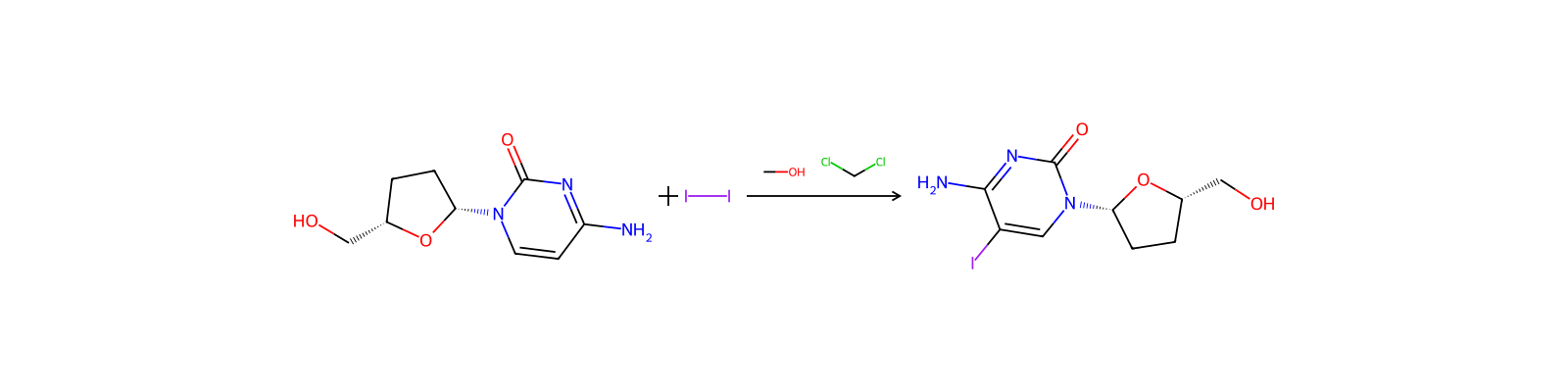
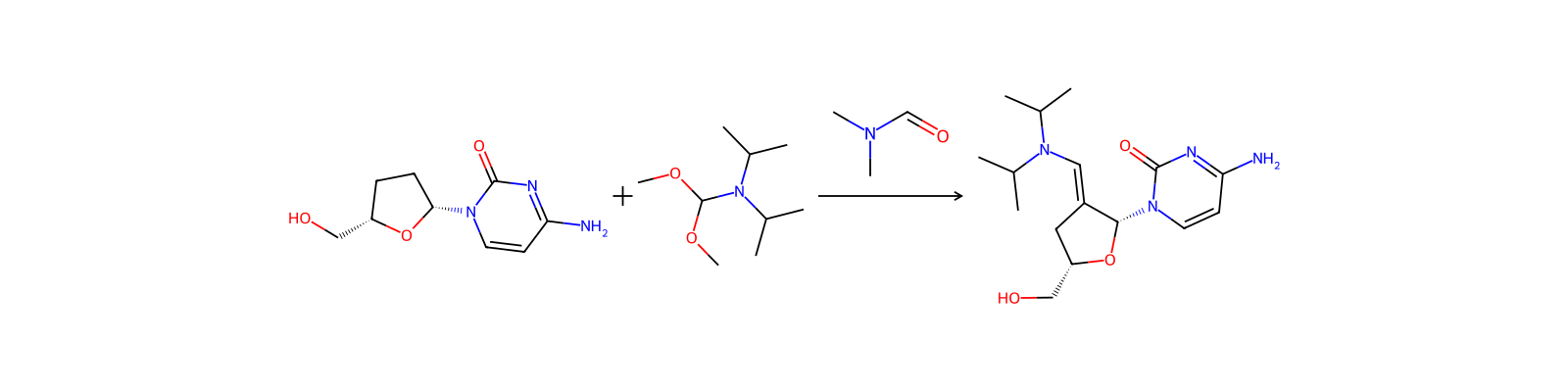
14건
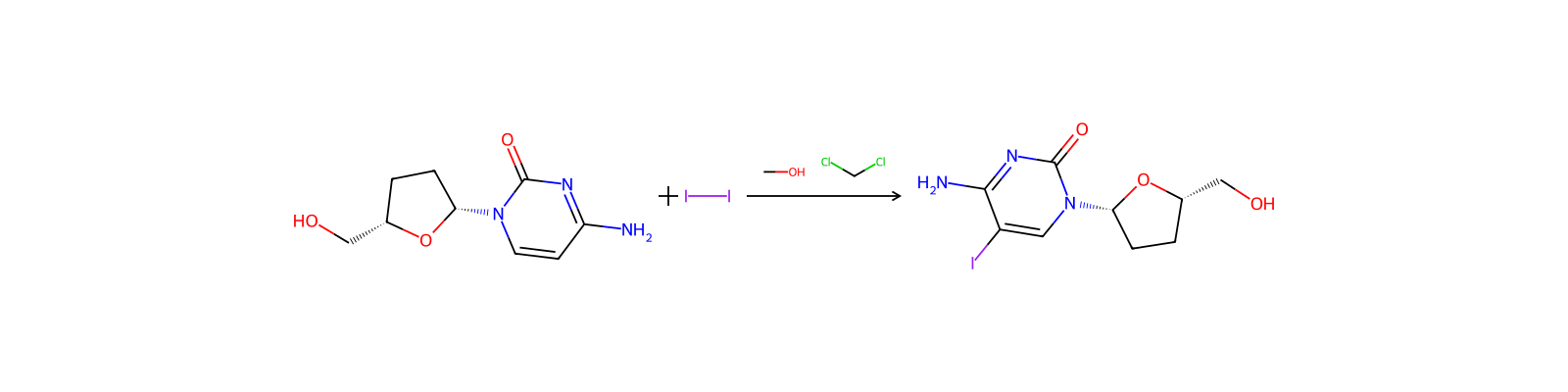
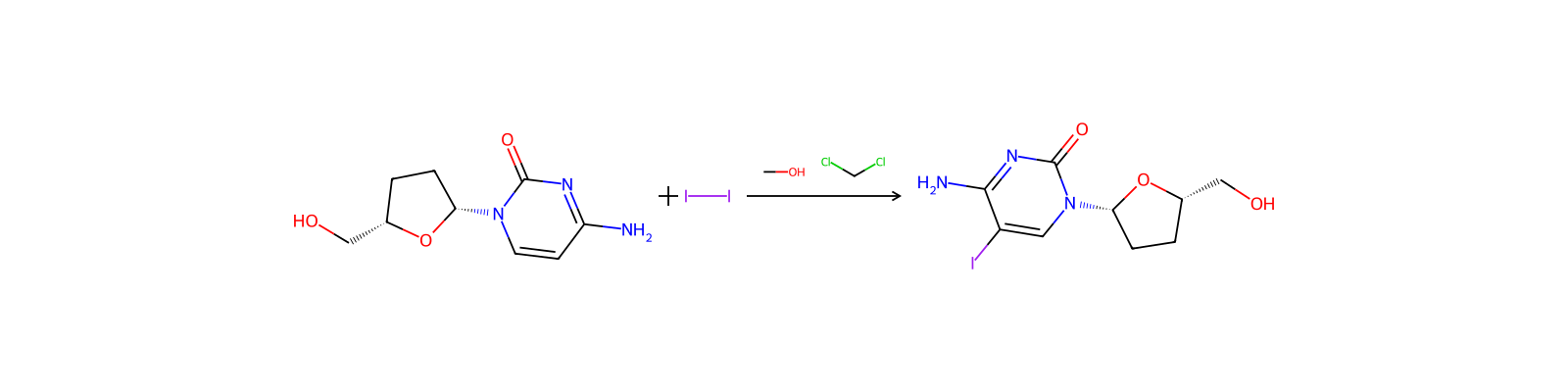
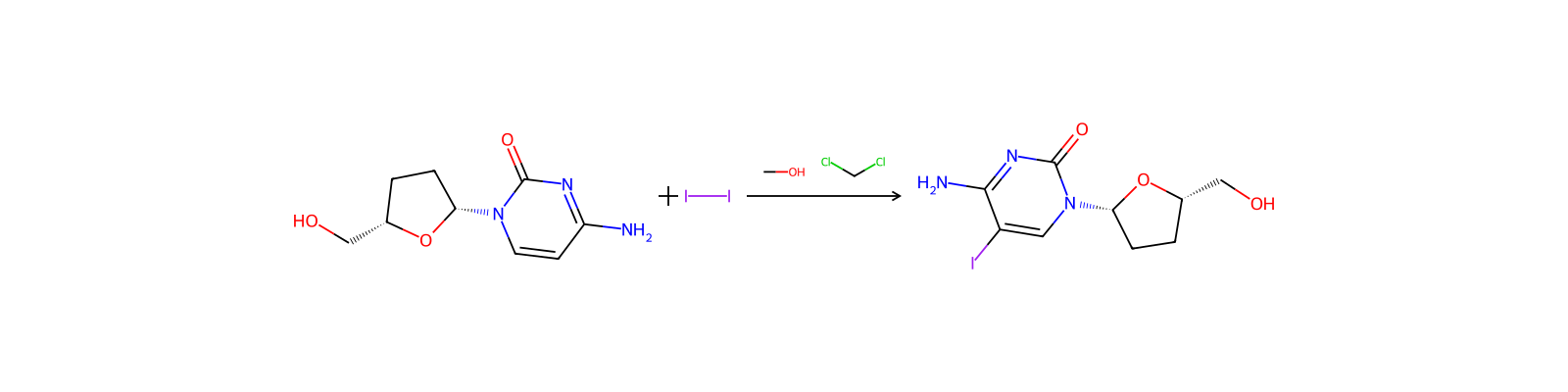
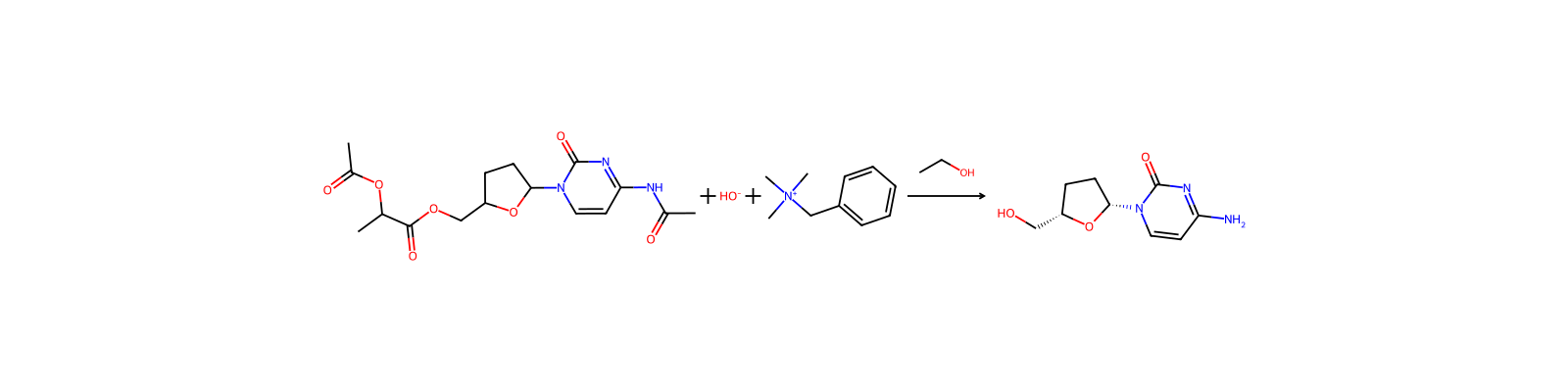
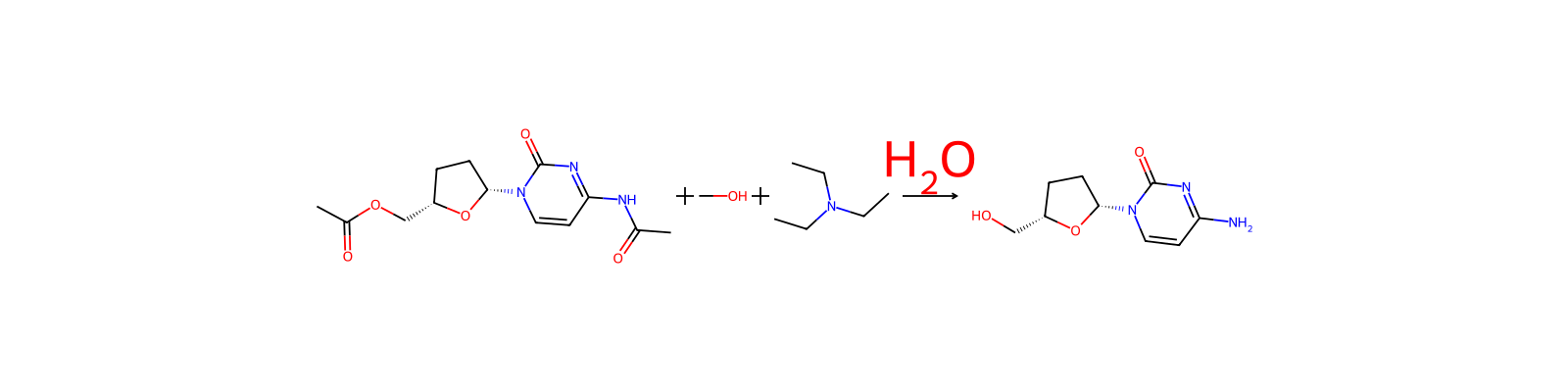
연결된 노트
불러오는 중…