
HRID 991996반응물로

7699-31-2CCNNCC.Cl.ClNMTDWUVFGOBBAX-UHFFFAOYSA-N1,2-diethylhydrazine dihydrochloride is a white powder. (NTP, 1992)
7699-31-2DTXSID2025056CHEMBL12037691,2-diethylhydrazine dihydrochloride is a white powder. (NTP, 1992)
White solid; [CAMEO] White odorless crystalline powder; [Alfa Aesar MSDS]
안전 정보는 참고용이며, 공급업체의 물질안전보건자료(SDS), 관련 법규 및 전문가 평가를 대체하지 않습니다.
Danger
H302 (100%): Harmful if swallowed [Warning Acute toxicity, oral]
P203, P261, P264, P264+P265, P270, P271, P280, P301+P317, P302+P352, P304+P340, P305+P351+P338, P317, P318, P319, P321, P330, P332+P317, P337+P317, P362+P364, P403+P233, P405, and P501 (click each P-code to see the statement)
Aggregated GHS information provided per 43 reports by companies from 3 notifications to the ECHA C&L Inventory. Each notification may be associated with multiple companies.
A strong reducing agent; [CAMEO] A severe irritant that may cause corrosive injuries at high concentrations; Harmful by ingestion, inhalation, and skin absorption; [NTP] A skin and strong eye irritant; Toxic by ingestion and skin absorption; [Alfa Aesar MSDS]
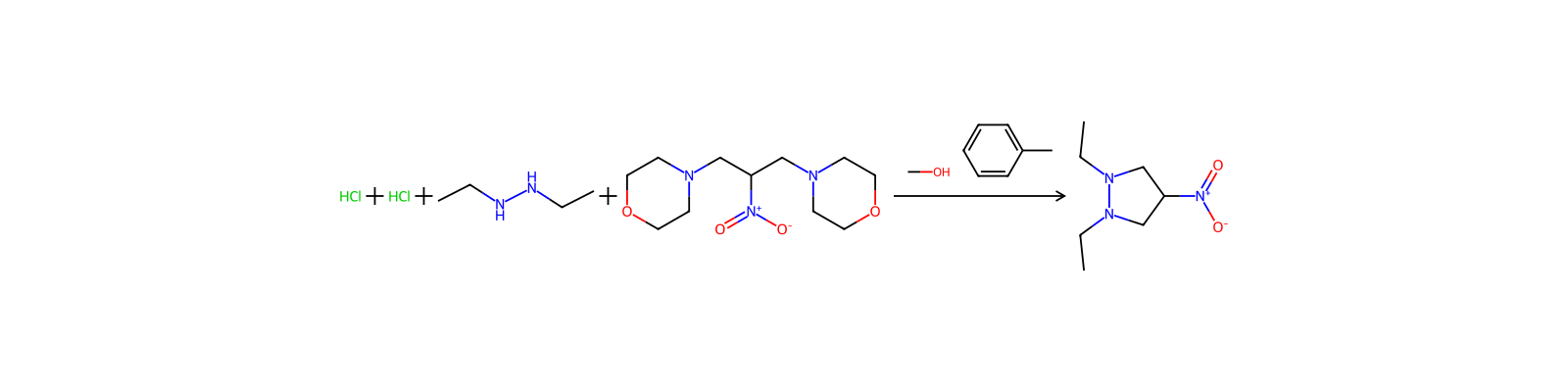
용도Reactant involved in:• ;Bromopyridazinedione-mediated protein and peptide bioconjugation1• ;Synthesis of human neutrophil proteinase 3 inhibitors2• ;Three-component cascade processes for sythesis of aminoisoindolones and phthalazones3• ;Stereoselective heterocyclization for synthesis of substituted hexahydropyrazolodiazepinecarboxylates4• ;Synthesis of azacycloalkanes, isoindoles, pyrazole, pyrazolidine, and phthalazine derivatives5
일반 설명White powder.




EYES: First check the victim for contact lenses and remove if present. Flush victim's eyes with water or normal saline solution for 20 to 30 minutes while simultaneously calling a hospital or poison control center. Do not put any ointments, oils, or medication in the victim's eyes without specific instructions from a physician. IMMEDIATELY transport the victim after flushing eyes to a hospital even if no symptoms (such as redness or irritation) develop.
SMALL SPILLS AND LEAKAGE: If you spill this chemical, you should dampen the solid spill material with water, then transfer the dampened material to a suitable container. Use absorbent paper dampened with water to pick up any remaining material. Seal your contaminated clothing and the absorbent paper in a vapor-tight plastic bag for eventual disposal. Wash all contaminated surfaces with a soap and water solution. Do not reenter the contaminated area until the Safety Officer (or other responsible person) has verified that the area has been properly cleaned.