폴리인산나트륨
Disodium Pyrophosphate
HCID 24451
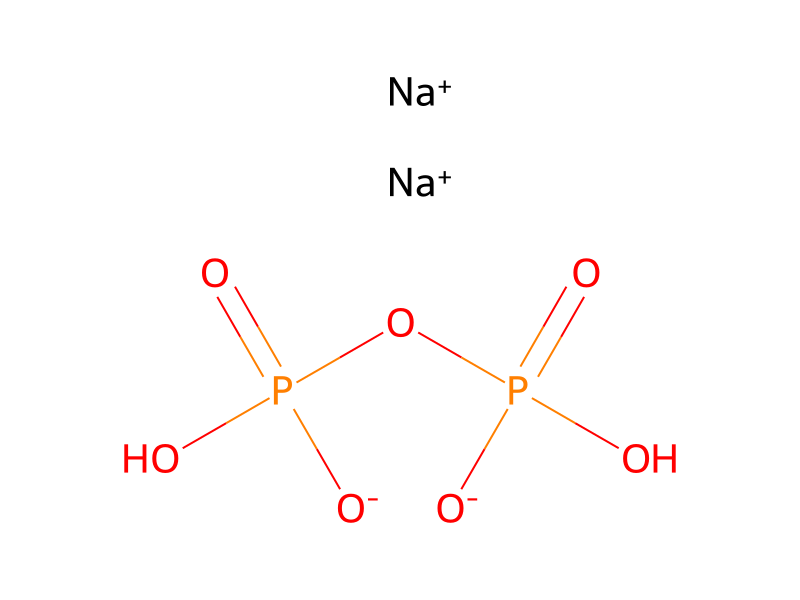
기본 정보
- CAS
68915-31-1- 표준 SMILES
O=P([O-])(O)OP(=O)([O-])O.[Na+].[Na+]- InChIKey
GYQBBRRVRKFJRG-UHFFFAOYSA-L- 분자식
- Na2H2P2O7
- 평균 분자량
- 221.94 g/mol
- 단동위원소 질량
- 221.90711422
개요
The CIR Expert Panel concluded that the following 31 ingredients are safe in the present practices of use and concentration in cosmetics as described in this safety assessment, when formulated to be non-irritating...Disodium Pyrophosphate...
이름 및 식별자
- 우선 이름
- Disodium Pyrophosphate
- IUPAC
- disodium;[hydroxy(oxido)phosphoryl] hydrogen phosphate
- 현지명
- 폴리인산나트륨
- 영어명
- Sodium polyphosphate
- 분자식
- Na3O10P3X2
- 분자량
- 321.88
이름 및 동의어
7758-16-9Sodium acid pyrophosphateDisodium dihydrogen pyrophosphateDISODIUM PYROPHOSPHATEDinatriumpyrophosphatDisodium dihydrogen diphosphateSAPPDisodium acid pyrophosphateDiphosphoric acid, disodium saltPyrophosphoric acid, disodium saltH5WVD9LZUDRefChem:135083
이름 더 보기
나트륨폴리인산염폴리인산나트륨폴리인산소다나트륨폴리인산염(SODIUMPOLYPHOSPHATE)소듐폴리포스페이트Sodium hexametaphosphateHy-PhosJACS-68915-31-1SODIUM POLYPHOSPHATESodiumtyipolyphosphateodium hexametaphosphateSodium Hexa meta phophatePolyphosphate sodium saltSodillm hexametaplhospllateGlassy sodium metaphosphate
231-835-0Sodium pyrophosphate (Na2H2P2O7)Dinatriumpyrophosphat [German]Disodium dihydrogenpyrophosphateHSDB 377UNII-H5WVD9LZUDEINECS 231-835-0Diphosphoric acid, sodium salt (1:2)
데이터베이스 식별자
물성
구조 계산 물성
- 극성 표면적
- 130 Ų
- 수소 결합 공여자 수
- 2
- 수소 결합 수용자 수
- 7
- 회전 가능 결합 수
- 2
- 무거운 원자 수
- 11
- 형식 전하
- 0
- 복잡도
- 143
실험 및 물리화학적 성질
Chemical ClassesOther Uses -> Food Additives
Cosmetics
Cosmetic ingredients (Disodium Pyrophosphate) -> CIR (Cosmetic Ingredient Review)
Chelating; Buffering
pHBetween 3,7 and 5,0 (1 % solution)
Food Additives
COLOR OR COLORING ADJUNCT, DOUGH STRENGTHENER, EMULSIFIER OR EMULSIFIER SALT, FLAVORING AGENT OR ADJUVANT, FLOUR TREATING AGENT, FORMULATION AID, LEAVENING AGENT, OXIDIZING OR REDUCING AGENT, SEQUESTRANT -> FDA Substance added to food
Density
Density: 1.86 /Hexahydrate/
1.862 @25 °C
Color/FormWhite crystalline powder
Solubility
Soluble in water
Sol in water
DecompositionWHEN HEATED TO DECOMPISITION IT EMITS TOXIC FUMES OF PHOSPHORUS OXIDES AND Na2O.
Physical Description
Large Crystals; CBI; Dry Powder; Other Solid; Liquid
White powder or grains
White solid; [Merck Index] White odorless powder; [MSDSonline]
안전 및 규제
안전 정보는 참고용이며, 공급업체의 물질안전보건자료(SDS), 관련 법규 및 전문가 평가를 대체하지 않습니다.
GHS 분류
GHS Classification
This chemical does not meet GHS hazard criteria for 14.5% (71 of 490) of reports.
Warning
H302 (25.5%): Harmful if swallowed [Warning Acute toxicity, oral]
P264, P264+P265, P270, P280, P301+P317, P305+P351+P338, P330, P337+P317, and P501 (click each P-code to see the statement)
Aggregated GHS information provided per 490 reports by companies from 8 notifications to the ECHA C&L Inventory. Each notification may be associated with multiple companies.
유해성 정보
Regulatory Information
Chemical: Diphosphoric acid, disodium salt
Regulation (EC) No 1935/2004 (amended)
Diphosphoric acid, sodium salt (1:2) is listed on the EPA's Chemical Data Reporting (CDR) system. Manufacturers and importers of Diphosphoric acid, sodium salt (1:2) are required to report information about their production and use of this chemical to the EPA under the Toxic Substances Control Act (TSCA). (40 eCFR Part 711)
REACH registered substance: Disodium dihydrogenpyrophosphate (EC: 231-835-0)
Diphosphoric acid, disodium salt: Does not have an individual approval but may be used under an appropriate group standard
Other Safety InformationIMAP assessments - Diphosphoric acid, disodium salt: Human health tier I assessment
Hazards Summary
A skin, eye, and mucous membrane irritant; [SAX] Generally regarded as safe (GRAS) for use in foods; Ingestion of high doses may cause GI irritation; Absorption of sufficient phosphate can induce hyperphosphatemia, hypocalcemia, and/or hypomagnesemia and lead to cardiac arrest; Oral LD50 (mouse) = 2650 mg/kg; Intravenous LD50 (mouse) = 59 mg/kg; [HSDB] An eye and respiratory tract irritant; [MSDSonline]
FDA Requirements
Sodium acid pyrophosphate used as a general purpose food additive in animal drugs, feeds, and related products is generally recognized as safe when used in accordance with good manufacturing or feeding practice.
화학 및 산업
용도 및 제조
Uses
CIR ingredient: Disodium Pyrophosphate
Used in baking powders and as food acidulant; Hexahydrate: Used in electroplating, metal cleaning and phosphatizing, and drilling muds; [HSDB]
Acid and Alkali Cleaning of Metals [Category: Clean]
FOOD ACIDULANT
Electroplating; metal cleaning & phosphatizing; drilling muds buffer; sesquestrent peptizing agent in cheese & meat products; frozen desserts /Hexahydrate/
Chiefly in baking powders.
U.S. Production
2023: 100,000,000 - <500,000,000 lb
(1972) 2.48X10+10 GRAMS
(1975) 2.14X10+10 GRAMS
Consumption Patterns52-56% AS A LEAVENING AGENT IN BAKING POWDERS & PREPARED MIXES (FOOD GRADE); 33-37% IN OIL WELL DRILLING MUDS (TECHNICAL GRADE); 7-11% IN DETERGENT BUILDERS & WATER TREATMENT(1973)
Consumer UsesSoil amendments (fertilizers)
Industry UsesDispersing agent
Methods of Manufacturing
REACTION OF SODIUM CARBONATE WITH PHOSPHORIC ACID, FOLLOWED BY HEATING OF THE RESULTING MONOSODIUM PHOSPHATE TO 220 DEGREES C
Incomplete decomp of monobasic sodium phosphate. /Hexahydrate/
Formulations/PreparationsGRADES: Technical; Food; FCC. /Hexahydrate/
Household ProductsInformation on 133 consumer products that contain Disodium pyrophosphate in the following categories is provided:
Use Classification
EPA Safer Chemical Functional Use Classes -> Oxidants and Oxidant Stabilizers
Safer Chemical Classes -> Yellow triangle - The chemical has met Safer Choice Criteria for its functional ingredient-class, but has some hazard profile issues
관련 반응
0건
아직 관련 반응이 없습니다