

기본 정보
- 표준 SMILES
O.O.O.O.O.O=S(=O)([O-])[O-].[Cu+2]- InChIKey
JZCCFEFSEZPSOG-UHFFFAOYSA-L- 분자식
- CuSO4.5H2O
- 평균 분자량
- 249.69 g/mol
- 단동위원소 질량
- 248.9341504
개요
Copper sulfate pentahydrate appears as blue crystalline granules or powder. Melting point 110 °C (with decomposition). Non-combustible. Nauseating metallic taste. Odorless. White when dehydrated. (NTP, 1992)
이름 및 식별자
- 우선 이름
- Copper sulfate pentahydrate
- IUPAC
- copper;sulfate;pentahydrate
- 현지명
- 황산동
- 영어명
- Copper(II) sulfate pentahydrate
- 분자식
- CuH10O9S
- 분자량
- 249.68
이름 및 동의어
Copper(II) sulfate pentahydrateCopper sulfate pentahydrate7758-99-8Copper(II) sulfate, pentahydrateCuSO4.5H2OCuSO4(H2O)5copper sulphate(5.H2O)copper (2+) sulfate pentahydratecopper(2+) sulfate--water (1/5)COPPERFINE-ZINCRefChem:6632NATURAL CHALCANTHITE
이름 더 보기
구리황산염구리(2+)황산염(1:1)펜타수화물(COPPER구리(2+)황산염,펜타수화물블루비트리올구리황산염펜타수화물구리(II)황산염펜타수화물구리(II)황산염,펜타수화물구리(II)황산염,펜타수화물(1:1:5)(COPPER로만비트리올블루코퍼라스블루스톤살츠부르그비트리올황산구리(2+)염(1:1),펜타수화물(SULFURICACIDCOPPER황산구리(II),오수화물황산제II구리황산제II구리오수화물황산동황산구리(Ⅱ)오수화물황산구리(II),오수화물copper(ll) sulfate pentahydrateCOPPER SULPHATE PENTAHYDRATEmalachiteCopper (II) sulfatecspCopper(Ⅱ) sulfate pentahydrateBLUE VITRIOLCopper (II) sulfate pentahydrate (as Cu)COPPER(II) SULPHATE PENTAHYDRATECopric sulfate
SULFURIC ACID, COPPER (2+) SALT, PENTAHYDRATESULFURIC ACID, COPPER (2+) SALT (1:1), PENTAHYDRATECupric sulfate pentahydrateCalcanthiteBluestoneTriangleVencedorBlue Vicking
데이터베이스 식별자
- CAS
7758-99-8- PubChem CID
- 24463
- DTXSID
DTXSID9031066- ChEBI
CHEBI:31440- UNII
- LRX7AJ16DT
- EC Number
- 616-477-9、913-732-9
물성
구조 계산 물성
- 극성 표면적
- 93.6 Ų
- 수소 결합 공여자 수
- 5
- 수소 결합 수용자 수
- 9
- 회전 가능 결합 수
- 0
- 무거운 원자 수
- 11
- 형식 전하
- 0
- 복잡도
- 62.2
실험 및 물리화학적 성질
pHpH of 0.2 molar aq soln: 4.0
OdorOdorless
TasteNauseous, metallic taste
Density
2.284 (NTP, 1992) - Denser than water; will sink
2.286 @ 15.6 °C/4 °C
2.3 g/cm³
2.29 @ 15.6°C
Color/FormLarge, blue or ultramarine, triclinic crystals or blue granules or light-blue powder
Solubility
greater than or equal to 100 mg/mL at 70 °F (NTP, 1992)
31.6 g/100 cc water @ 0 °C, 203.3 g/100 cc @ 100 °C
1 g in about 500 ml alcohol
In water: 148 g/kg @ 0 °C; 230.5 gkg @ 25 °C; 335 g/kg @ 50 °C; 736 g/kg @ 100 °C
Practically insol in most organic solvents.
For more Solubility (Complete) data for COPPER(II) SULFATE, PENTAHYDRATE (8 total), please visit the HSDB record page.
CorrosivityVery corrosive to plain steel.
Boiling Point
1207 °F at 760 mmHg (decomposes) (NTP, 1992)
DECOMP ABOVE 150 °C WITH -5H2O
Decomposition
DECOMP ABOVE 150 °C (BOILING POINT) WITH -5H2O /SPR: TO ANHYDROUS SALT/
DECOMP ABOVE 110 °C (MELTING POINT) WITH -4H2O /SRP: TO MONOHYDRATE SALT/
When heated to decomposition it emits toxic fumes of /sulfur oxides/.
110 °C
Melting Point
297 °F (dehydrates) (NTP, 1992)
Decomp above 110 °C
Refractive IndexINDICES OF REFRACTION: 1.514, 1.537, 1.543
Physical Description
Copper sulfate pentahydrate appears as blue crystalline granules or powder. Melting point 110 °C (with decomposition). Non-combustible. Nauseating metallic taste. Odorless. White when dehydrated. (NTP, 1992)
Dry Powder; CBI; Liquid; Liquid; Other Solid
BLUE SOLID IN VARIOUS FORMS.
물리화학적 성질
- 녹는점
- 110 °C · 110 °C (dec.)(lit.)
- 밀도
- 2.284 · 2.284
- 증기압
- 7.3 mm · 7.3 mm Hg ( 25 °C)
- 굴절률
- 1.537 · 1.537
- 저장 조건
- 5 °C · Store at +5°C to +30°C.
- 용해도
- 320 g/L · 320g/L(20°C)
- 물리적 상태
- 고체
- Specific Gravity
- 2.284 · 2.284
- 색상
- 파인 블루 크리스털
- 수소이온지수(pH)
- 3.5 · 3.5-4.5 (25℃, 50mg/mL in H2O)
- 냄새
- 청색 결정, 과립 또는 분말, 무취
- 수용성
- 320 g/L · 320 g/L (20 ºC)
- Merck
- 14 · 14,2653
- InChI
- 1S/Cu.H2O4S.5H2O/c;1-5(2,3)4;;;;;/h;(H2,1,2,3,4);5*1H2/q+2;;;;;;/p-2
- InChIKey
- JZCCFEFSEZPSOG-UHFFFAOYSA-L
- SMILES
- O.O.O.O.O.[Cu++].[O-]S([O-])(=O)=O
- EPA
- Copper sulfate pentahydrate (7758-99-8)
화학적 성질
Copper sulfate is a greenish-white crystalline solid; the pentahydrate is Blue powder or granules, or ultramarine crystalline solid.
안전 및 규제
GHS 분류
GHS Classification
Danger
H302: Harmful if swallowed [Warning Acute toxicity, oral]
P264, P264+P265, P270, P273, P280, P301+P317, P305+P354+P338, P317, P330, P391, and P501 (click each P-code to see the statement)
This chemical does not meet GHS hazard criteria for 80.5% (2009 of 2497) of all reports.
Warning
H302 (18%): Harmful if swallowed [Warning Acute toxicity, oral]
유해성 정보
Regulatory Information
Chemical: Sulfuric acid, copper(2+) salt (1:1), pentahydrate
Sulfuric acid copper(2+) salt (1:1), pentahydrate is listed on the EPA's Chemical Data Reporting (CDR) system. Manufacturers and importers of Sulfuric acid copper(2+) salt (1:1), pentahydrate are required to report information about their production and use of this chemical to the EPA under the Toxic Substances Control Act (TSCA). (40 eCFR Part 711)
Copper sulphate, pentahydrate: Does not have an individual approval but may be used under an appropriate group standard
Other Safety InformationIMAP assessments - Sulfuric acid, copper(2+) salt (1:1), pentahydrate: Human health tier I assessment
DOT LabelPoison
Fire Hazards
Literature sources indicate that this compound is nonflammable. (NTP, 1992)
Not combustible. Gives off irritating or toxic fumes (or gases) in a fire. Many reactions may cause fire or explosion. See Chemical dangers
Fire PotentialNonflammable
Health Hazards
SYMPTOMS: Symptoms of exposure to this compound may include irritation of the skin, eyes, respiratory tract and gastrointestinal tract. Ingestion can cause severe gastroenteric distress (vomiting, pain, localized corrosion, and hemorrhages), prostration, anuria, hematuria, anemia, increased number of white blood cells, icterus, coma, respiratory difficulty and circulatory failure. It can also cause nausea, metallic taste, sweating, headache, burning sensation in the esophagus and stomach, abdominal pain, hemorrhagic gastritis, weak pulse, melena, conjunctivitis, corneal ulceration, hypotension and turbidity. Other symptoms may include watery and bloody stools, burning in the mouth and throat, liver damage with jaundice, hemolysis, tenesmus, retching, collapse and convulsions. Uremia, shock and renal failure have been reported. Skin contact can cause smarting and first degree burns on short exposure. Prolonged exposure can result in second degree burns. Persons with preexisting Wilson's disease may be more susceptible to these effects.
FDA Requirements
Trace minerals added to animal feeds. These substances added to animal feeds as nutritional dietary supplements are generally recognized as safe when added are levels consistent with good feeding practice. Element: Copper; Source compound: copper sulfate. (All substances listed may be in anhydrous or hydrated form.)
Reactive GroupSalts, Acidic
Special ReportsDHHS/NTP; Technical report on toxicity Studies of Cupric Sulfate Administered in Drinking Water and Feed to F344/N Rats and B6C3F1 Mice. toxicity Rpt Series No. 29 NIH publication No. 93-3352 (1993)
FIFRA RequirementsWhen applied to growing crops, in accordance with good agricultural practice, copper sulfate pentahydrate is exempt from the requirement of a tolerance.
Reactivity Profile
COPPER SULFATE PENTAHYDRATE can be dehydrated by heating. Serves as a weak oxidizing agent. Causes hydroxylamine to ignite. Gains water readily. The hydrated salt is vigorously reduced by hydroxylamine [Mellor 8:292(1946-1947)]. Both forms are incompatible with finely powdered metals. Both are incompatible with magnesium, corrode steel and iron, may react with alkalis, phosphates, acetylene gas, hydrazine, or nitromethane, and may react with beta-naphthol, propylene glycol, sulphathiazole and triethanolamine if the pH exceeds 7 (NTP, 1992). Both act as acidic salts, corrode metals and irritate tissues.
Chemical Dangers
The solution in water is a weak acid. Decomposes on heating. This produces toxic fumes of sulfur oxides (see ICSC 0074). Reacts violently with hydroxylamine. This generates fire hazard. Reacts with acetylene and potassium chlorate. This generates explosion hazard. Reacts with magnesium powder. This produces flammable/explosive gas (hydrogen - see ICSC 0001). Attacks some metals in the presence of water.
안전 및 보호
Fire Fighting
Fires involving this material can be controlled with a dry chemical, carbon dioxide or Halon extinguisher. (NTP, 1992)
In case of fire in the surroundings, use appropriate extinguishing media.
First Aid Measures
Fresh air, rest.
Rinse with plenty of water for several minutes (remove contact lenses if easily possible). Refer immediately for medical attention.
Do NOT induce vomiting. Give one or two glasses of water to drink. Refer for medical attention .
First Aid
EYES: First check the victim for contact lenses and remove if present. Flush victim's eyes with water or normal saline solution for 20 to 30 minutes while simultaneously calling a hospital or poison control center. Do not put any ointments, oils, or medication in the victim's eyes without specific instructions from a physician. IMMEDIATELY transport the victim after flushing eyes to a hospital even if no symptoms (such as redness or irritation) develop.
Safe StorageWell closed. Store only in original container. Store in an area without drain or sewer access.
Fire Fighting ProceduresIf material involved in fire: Extinguish fire using agent suitable for type of surrounding fire (Material itself does not burn or burns with difficulty). /Cupric sulfate/
Storage Conditions... /Keep/ dry.
Cleanup Methods
Environmental concerns - land spill: Dig a pit, lagoon, or holding area to contain liquid or solid material. /SRP: If time permits, pits, ponds, lagoons, soak holes, or holding areas should be sealed with an impermeable flexible membrane liner./ Cover solids with a plastic sheet to prevent dissolving in rain or fire fighting water. /Cupric sulfate/
Environmental concerns - water spill: Neutralize with agricultural lime (CaO), crushed limestone (CaCO3), or sodium bicarbonate (NaHCO3). Adjust pH to neutral (pH= 7). Use mechanical dredges or lifts to remove immobilized masses of pollutants and precipitates. /Cupric sulfate/
Add slowly to a large container of water. Stir in slight excess of soda ash. Let stand for 24 hr. Decant or siphon into another container & neutralize with 6 molar hydrochloric acid before washing down drain with large excess of water. The sludge may be added to landfill.
Nonfire Spill Response
SMALL SPILLS AND LEAKAGE: If you spill this chemical, you should dampen the solid spill material with water, then transfer the dampened material to a suitable container. Use absorbent paper dampened with water to pick up any remaining material. Seal your contaminated clothing and the absorbent paper in a vapor-tight plastic bag for eventual disposal. Wash all contaminated surfaces with a soap and water solution. Do not reenter the contaminated area until the Safety Officer (or other responsible person) has verified that the area has been properly cleaned.
Disposal Methods
SRP: At the time of review, criteria for land treatment or burial (sanitary landfill) disposal practices are subject to significant revision. Prior to implementing land disposal of waste residue (including waste sludge), consult with environmental regulatory agencies for guidance on acceptable disposal practices.
Add slowly to a large container of water. Stir in slight excess of soda ash. Let stand for 24 hr. Decant or siphon into another container and neutralize with 6 M HCl before washing down drain with large excess of water. The sludge may be added to landfill. Recommendable methods: Precipitation, solidification, & landfill. Peer-review: Precipitate with calcium hydroxide. Dilute supernatant and discharge to sewer. Copper can be recovered by cation exchange. (Peer-review conclusions of an IRPTC expert consultation (May 1985))
Spillage Disposal
Personal protection: particulate filter respirator adapted to the airborne concentration of the substance, protective gloves, protective clothing and safety goggles. Do NOT let this chemical enter the environment. Sweep spilled substance into covered containers. If appropriate, moisten first to prevent dusting. Then store and dispose of according to local regulations.
Preventive Measures
Personnel protection: Keep upwind. ... Avoid breathing vapors or dusts. Wash away any material which may have contacted the body with copious amounts of water or soap and water. /Cupric sulfate/
If material not involved in fire: Keep material out of water sources & sewers. Build dikes to contain flow as necessary. /Cupric sulfate/
SRP: The scientific literature for the use of contact lenses in industry is conflicting. The benefit or detrimental effects of wearing contact lenses depend not only upon the substance, but also on factors including the form of the substance, characteristics and duration of the exposure, the uses of other eye protection equipment, and the hygiene of the lenses. However, there may be individual substances whose irritating or corrosive properties are such that the wearing of contact lenses would be harmful to the eye. In those specific cases, contact lenses should not be worn. In any event, the usual eye protection equipment should be worn even when contact lenses are in place.
SRP: Local exhaust ventilation should be applied wherever there is an incidence of point source emissions or dispersion of regulated contaminants in the work area. Ventilation control of the contaminant as close to its point of generation is both the most economical and safest method to minimize personnel exposure to airborne contaminants.
Isolation and EvacuationExcerpt from ERG Guide 151 [Substances - Toxic (Non-Combustible)]:
독성 정보
Body Burden
The milk of female vineyard workers, who were exposed to copper sulfate and a variety of other pesticides, contained 6.2 times as much copper as the milk of milkmaids who did equally hard work but not exposed to pesticides. Placentas from the vineyard workers contained 4.7 times more copper than those from milkmaids. ... Copper ... occurs in all tissues. ... The concn in blood, muscle, and most of the viscera range from 0.85 to 1.90 ppm. Values for plasma lie in the narrow range of 1.16 to 1.42 ppm. The concn in the brain (2.2 to 6.8 ppm), liver (7.1 ppm in adults and 24 ppm in infants), and bone (3.7 to 4.7 ppm in rib and 6.8 ppm in long bones) are higher.
Interactions
MAY CAUSE DRAMATIC INCR IN MORTALITY OF TURKEYS GIVEN BLACKHEAD CONTROL DRUGS CONTAINING ARSENIC & EXPOSED TO BLACKHEAD.
COPPER SULFATE POTENTIATED IRRITANT RESPONSE TO SULFUR DIOXIDE IN GUINEA PIGS EXPOSED 1 HR TO AEROSOL.
IP INJECTION OF 5-10 MG/KG COPPER SULFATE PENTAHYDRATE & 25-90 MG/KG ETHYLNITROSOUREA INTO RATS CAUSED LOCAL ASCITES SARCOMAS AFTER 190 DAYS. INJECTION OF THE LATTER ALONE OR METAL SALTS ALONE HAD NO CARCINOGENIC EFFECT. SC ADMIN OF 10 MG/KG/WK ETHYLNITROSOUREA WITH 1 MG/KG COPPER SULFATE PENTAHYDRATE INDUCED LOCAL SARCOMAS IN 4 OF 24 ANIMALS TESTED.
Ecotoxicity Values
LC50 LEPOMIS MACHOCHIRUS (BLUEGILL), WT 1.5 G, 884 UG/L @ 18 °C, STATIC BIOASSAY (95% CONFIDENCE LIMIT 707-1,100 UG/L) /TECHNICAL MATERIAL, 100% (ABOUT 25% ELEMENTAL COPPER)/
LC50 LEPOMIS CYANELLUS (GREEN SUNFISH), WT 1.1 G, 3,510 UG/L @ 18 °C, STATIC BIOASSAY (95% CONFIDENCE LIMIT 2,570-4,800 UG/L) /TECHNICAL MATERIAL, 100% (ABOUT 25% ELEMENTAL COPPER)/
LC50 PIMEPHALES PROMELAS (FATHEAD MINNOW), WT 1.2 G, 838 UG/L @ 18 °C (272 PPM CACO3), STATIC BIOASSAY (95% CONFIDENCE LIMIT 623-1,000 UG/L) /TECHNICAL MATERIAL, 100% (ABOUT 25% ELEMENTAL COPPER)/
LC50 CARASSIUS AURATUS (GOLDFISH), WT 0.9 G, 1,380 UG/L @ 18 °C (272 PPM CACO3), STATIC BIOASSAY (95% CONFIDENCE LIMIT 989-1,930 UG/L) /TECHNICAL MATERIAL, 100% (ABOUT 25% ELEMENTAL COPPER)/
For more Ecotoxicity Values (Complete) data for COPPER(II) SULFATE, PENTAHYDRATE (11 total), please visit the HSDB record page.
Environmental FateTerrestrial Fate: In soil, copper sulfate is partly washed down to lower levels, partly bound by soil components, and partly oxidatively transformed.
Exposure RoutesThe substance can be absorbed into the body by inhalation of its aerosol and by ingestion.
Milk ConcentrationsThe milk of female vineyard workers, who were exposed to copper sulfate and a variety of other pesticides, contained 6.2 times as much copper as the milk of milkmaids who did equally hard work but not exposed to pesticides.
Plant Concentrations
IT IS MORE PROBABLE THAT CONTAMINATION PERSISTS FOR LONGER THAN IS GENERALLY THOUGHT POSSIBLE; AFTER 5 MO, GRASS, WHICH HAD BEEN SPRAYED WITH COPPER SULFATE AS A MOLLUSCICIDE IN LIVER FLUKE CONTROL, STILL CONTAINED 200 PPM OF COPPER.
Absorbed by alga. Low foliar absorption on other vegetation. ... Both foliar & soil absorbed copper ions are translocated throughout the plant. Plant roots exclude the absorption of excess copper levels.
Signs and Symptoms
Cough. Sore throat.
Redness. Pain. Blurred vision. Burns.
Abdominal pain. Burning sensation. Nausea. Vomiting. Diarrhoea. Shock or collapse.
Ongoing Test Status
The following link will take the user to the National Toxicology Program (NTP) Test Agent Search Results page, which tabulates all of the "Standard Toxicology & Carcinogenesis Studies", "Developmental Studies", and "Genetic Toxicity Studies" performed with this chemical. Clicking on the "Testing Status" link will take the user to the status (i.e., in review, in progress, in preparation, on test, completed, etc.) and results of all the studies that the NTP has done on this chemical. [http://ntp-apps.niehs.nih.gov/ntp_tox/index.cfm?fuseaction=ntpsearch.searchresults&searchterm=7758-99-8]
ICSC Environmental Data
The substance is very toxic to aquatic organisms. The substance may cause long-term effects in the aquatic environment. Bioaccumulation of this chemical may occur along the food chain, for example in fish. It is strongly advised not to let the chemical enter into the environment.
Natural Pollution SourcesOccurs in nature as mineral chalcanthite.
Human Toxicity Excerpts
A report of 11 patients who had ingested an estimated 1 to 50 g of copper sulfate: they suffered nausea & vomiting, with epigastric pain in 5, diarrhea in 5, hypotension in 2, hematemesis or melena in 10, pallor in 10, jaundice in 8, delirium in 3, & coma in 2. All had intravascular hemolysis & developed oliguria or anuria. Five patients died despite gastric lavage, intravenous fluids, mannitol, diuretics, and dialysis. /Copper sulfate/
... COPPER SULFATE, KNOWN AS BLUESTONE OR BLUE VITRIOL, /WHEN USED WITH MISGUIDED OR SUICIDAL INTENT/ IS GENERALLY INGESTED IN GRAM QUANTITIES. NAUSEA, VOMITING, DIARRHEA, SWEATING, RARELY CONVULSIONS, COMA, & DEATH MAY RESULT.
A ... NUMBER OF CASES OF ACUTE POISONING IN MAN FROM INGESTING COPPER SULFATE, SOME OF THEM FATAL, HAVE BEEN REPORTED ... FROM NEW DELHI ... THE REPORT CONCERNS 48 HOSPITALIZED PATIENTS & 5 AUTOPSY CASES, 2/3 MALE, MOSTLY BETWEEN THE AGES OF 16 & 25 YR. DOSAGE ESTIMATES RANGED FROM 1 TO 12 G ... SWALLOWED IN WATER. SYMPTOMS ... WERE ... METALLIC TASTE, BURNING IN EPIGASTRIUM, & REPEATED VOMITING. IN MORE SEVERE CASES, DIARRHEA (14 PATIENTS) APPEARED ON THE FIRST OR SECOND DAY & LASTED 24 HR; 20 ... SHOWED BLOOD IN GI TRACT FROM INJURY TO GASTRIC MUCOSA, LEADING TO ULCERATION IN SEVERE CASES. SUPPRESSION OF URINE FOLLOWED JAUNDICE ... LIVER BIOPSY SHOWED CENTRILOBULAR NECROSIS & BILIARY STASIS. HYPERTENSION LEADING TO SHOCK ... CONSIDERED A BAD PROGNOSTIC SIGN: 3 OF 4 DIED. COMA DEVELOPED IN 4, PRESUMABLY DUE TO UREMIA FROM RENAL INJURY, & DEATHS OCCURRED IN 7 (14.6%). /COPPER SULFATE/
A CHILD, IN WHOM COPPER SULFATE CRYSTALS WERE APPLIED THERAPEUTICALLY TO SEVERELY BURNED SKIN SEVEN TIMES DURING NINE WK, DEVELOPED SEVERE ANEMIA. AFTER LAST TREATMENT, HEMOLYTIC CRISIS WITH ICTERUS TOOK PLACE. HIGH LEVELS OF COPPER IN SERUM & URINE ... INDICATED THAT ABSORPTION ... FROM THE WOUND DRESSING WAS RESPONSIBLE. /COPPER SULFATE/
For more Human Toxicity Excerpts (Complete) data for COPPER(II) SULFATE, PENTAHYDRATE (6 total), please visit the HSDB record page.
규제 정보
FDA Requirements
Trace minerals added to animal feeds. These substances added to animal feeds as nutritional dietary supplements are generally recognized as safe when added are levels consistent with good feeding practice. Element: Copper; Source compound: copper sulfate. (All substances listed may be in anhydrous or hydrated form.)
FIFRA RequirementsWhen applied to growing crops, in accordance with good agricultural practice, copper sulfate pentahydrate is exempt from the requirement of a tolerance.
Clean Water Act RequirementsToxic pollutant designated pursuant to section 307(a)(1) of the Federal Water Pollution Control Act and is subject to effluent limitations. /Copper and cmpd/
State Drinking Water Guidelines(AZ) ARIZONA 1300 ug/l /Copper/
Federal Drinking Water StandardsEPA 1300 ug/l (Action Level) /Copper/
Federal Drinking Water GuidelinesEPA 1000 ug/l /Copper/
안전 데이터
- wgk
- 2
- tsca
- Yes
- rtecs
- GL8900000
- ridadr
- UN 3288 6.1/PG 3
- 독성
- LD50 orally in rats: 960 mg/kg (Smyth)
- HS 번호
- 28332500
- risk_code
- 22-36/38-50/53-52/53-36-36/37/38-20/21/22-51/53
- hazard_code
- Xn,N,Xi
- safety_code
- 22-60-61-26-36
- 포장분류
- III
- 위험 등급
- 6.1
- Hazard Classifications
- Acute Tox. 4 OralAquatic Acute 1Aquatic Chronic 1Eye Dam. 1
- 스토리지 클래스
- 13 - Non Combustible Solids
- 유해 물질 데이터
- 7758-99-8(Hazardous Substances Data)
화학 및 산업
약리 정보
Mechanism of Action
HUMAN RBC INCUBATED WITH COPPER SULFATE WERE TESTED FOR OSMOTIC FRAGILITY, DEFORMABILITY, & ELECTROPHORETIC PROPERTIES OF MEMBRANE PROTEINS. COPPER TREATMENT OXIDIZED THE -SH OF THE MEMBRANE PROTEINS TO FORM INTERMOLECULAR DISULFIDE BONDS, CAUSING A REDUCTION IN MEMBRANE FLEXIBILITY. /COPPER SULFATE/
COPPER SULFATE INJECTED IP AT 2 MG COPPER/KG INTO VITAMIN E & SELENIUM DEFICIENT RATS CAUSED A 6 FOLD INCREASE IN THE FORMATION OF THE LIPID PEROXIDATION PRODUCT ETHANE, & CAUSED ACUTE MORTALITY IN 4/5 RATS. SELENIUM SUPPLEMENTATION OF THE DIET AT 0.5 PPM SELENIUM PREVENTED THE INCREASE IN ETHANE PRODUCTION CAUSED BY COPPER INJECTION & REDUCED MORTALITY TO 1/5 RATS. THE CORRELATION OF INCREASED PRODUCTION OF ETHANE WITH INCREASED MORTALITY SUGGESTED THAT LIPID PEROXIDATION MAY BE IMPORTANT IN THE INCREASED TOXICITY OF COPPER IN VITAMIN E & SELENIUM DEFICIENT RATS. /COPPER SULFATE/
Absorption, Distribution and ExcretionAFTER ADMIN COPPER(II) SULFATE, PENTAHYDRATE FOR 7 DAYS IP, COPPER ACCUMULATED IN MITOCHONDRIAL & LYSOSOMAL FRACTIONS OF RAT LIVER, MAINLY IN LYSOSOMES.
용도 및 제조
Uses
For Copper(II) sulfate, pentahydrate (USEPA/OPP Pesticide Code: 024401) ACTIVE products with label matches. /SRP: Registered for use in the U.S. but approved pesticide uses may change periodically and so federal, state and local authorities must be consulted for currently approved uses./
COMPONENT OF FEHLING'S SOLN, TO EST REDUCING SUGAR IN URINE.
As agricultural fungicide, algicide, bactericide, herbicide; food and fertilizer additive; in insecticide mixtures; in the manufacture of other copper salts; as mordant in textile dying; in preparation of azo dyes; in preserving hides; in tanning leather; in preserving wood; in electroplating soln.; as battery electrolyte; in laundry and metal-marking inks; in petroleum refining; as flotation agent; pigment in paints, varnishes and other materials; in mordant baths for intensifying photographic negatives; in pyrotechnic compositions; in water-resistant adhesives for wood; in metal coloring and tinting baths; in antirusting compositions for radiator and heating systems; as reagent toner in photography and photoengraving; etc.
Therap Cat: Antidote to phosphorus; antifungal (topical)
For more Uses (Complete) data for COPPER(II) SULFATE, PENTAHYDRATE (15 total), please visit the HSDB record page.
U.S. Imports
(1978) 3.4X10+9 G
(1982) 1.5X10+9 G
U.S. Production
2023: 100,000 - <250,000 lb
(1978) 3.2X10+10 G
(1982) 3.2X10+10 G
Production (1998): 44,000 metric tons /Copper sulfate/
Consumer UsesNot Known or Reasonably Ascertainable
Industry UsesSoil amendments (fertilizers)
Methods of Manufacturing
Action of dilute sulfuric acid on copper or copper oxide (often as oxide ores) in large quantities, with evaporation and crystallization.
Commercial prepn of pentahydrate: Faith et al, Industrial Chemicals (John Wiley, NY, 3rd ed, 1965) p288; other prepn: Gmelin's Copper (8th ed) 60B: 491-560 (1958).
Copper + sulphuric acid (salt formation); byproduct of copper electrolysis and etching process (product is generally only suitable for agricultural purposes)
Prepared most easily by the reaction of basic copper(II) compound with a sulfuric acid solution (100-200 g/l sulfuric acid); and copper metal, sulfuric acid and air the most common starting materials for the production of copper sulfate pentahydrate.
Copper(II) sulfate can be prepared by dissolution of oxides, carbonates, or hydroxides in sulfuric acid solutions. Whereas copper metal does not displace hydrogen from acid solution, aeration or oxygenation of hot dilute aqueous sulfuric acid in the presence of copper metal is a commonly used commercial method for copper sulfate preparation.
Formulations/Preparations
USEPA/OPP Pesticide Code 024401; Trade Names: Blue copperas; Blue vitriol; triangle; Hi-chel; Roman vitrol; and Blue copper AS.
FOR MOST PURPOSES GRANULATED PRODUCT, SO-CALLED "SNOW" BLUESTONE ... PREFERRED. MOST STD REQUIRE A CONTENT OF 98% COPPER(II) SULFATE, PENTAHYDRATE.
Grades: Technical; CP; NF; also sold as monohydrate. Available in crystals or powder
Formulation types: Crystals; WP; SC. Mixtures (copper sulfate+) cymoxanil; cymoxanil+mancozeb; folpet; mancozeb; maneb; sulfur; zineb; copper oxychloride + cymoxanil + mancozeb; copper oxychloride + folpet + oxadixyl; copper oxychloride + mancozeb + oxadixyl; copper carbonate (basic) + copper oxychloride+mancozeb.
For more Formulations/Preparations (Complete) data for COPPER(II) SULFATE, PENTAHYDRATE (9 total), please visit the HSDB record page.
Household ProductsInformation on 25 consumer products that contain Copper sulfate, pentahydrate in the following categories is provided:
General Manufacturing Information
Pesticide, Fertilizer, and Other Agricultural Chemical Manufacturing
INCOMPATIBILITIES: COPPER ION IS PRECIPITATED AS COPPER HYDROXIDE BY ALKALI HYDROXIDES. PRECIPITATE IS RETARDED BY ... CITRATES, TARTRATES, SALICYLATES, GLYCERIN, & SUGAR. AMMONIUM HYDROXIDE GIVES PRECIPITATE ... ALKALI CARBONATES, PHOSPHATES, BORAX, & TANNIC ACID CAUSE PRECIPITATION. SOL IODIDES REDUCE CUPRIC ION TO CUPROUS.
POSSIBLE INCOMPATIBILITIES: EFFECTIVENESS DECR AS WATER HARDNESS INCR. SIGNIFICANT REDUCTION IN EFFECTIVENESS OCCURS WHEN BICARBONATE ALKALINITY EXCEEDS 150 PPM AS CALCIUM CARBONATE. CONVERSELY, TOXICITY TO FISH DECR AS ALKALINITY INCREASES.
FDA ... REJECTED FEED COMPANY'S APPLICATION TO INCL DRUG IN SWINE FEEDS AT 250 PPM LEVEL ... BECAUSE ITS FULL IMPACT ON ENVIRONMENT OVER PERIOD OF TIME BY WAY OF FECAL WASTES, RECYCLING, ETC HAS NOT BEEN DETERMINED. ... AVOID MANURE APPLICATION TO FROZEN GROUND WHERE RUNOFF COULD BE SERIOUS POLLUTION POTENTIAL TO STREAMS.
IN CAPSULES LESS TOXIC THAN IN WATER DRENCH FOR CATTLE.
For more General Manufacturing Information (Complete) data for COPPER(II) SULFATE, PENTAHYDRATE (7 total), please visit the HSDB record page.
응용 분야
개요Copper(II) sulfate pentahydrate is known as blue vitriol. It is an odorless blue crystal that readily dissolves in water. It is also soluble in methanol, glycerol and slightly soluble in ethanol. The highly toxic, non-combustible has a nauseating metallic taste and turns white when dehydrated. Structurally, in the pentahydrate molecule, each copper(II) ions is surrounded by four water molecules in the corners and the fifth water molecule is attached by hydrogen bonding. Copper (II) sulfate has many applications including preparation of Bordeaux mixture, a fungicide preparation. Electroplating, timber preservation and textile industry use copper (II) sulfate.
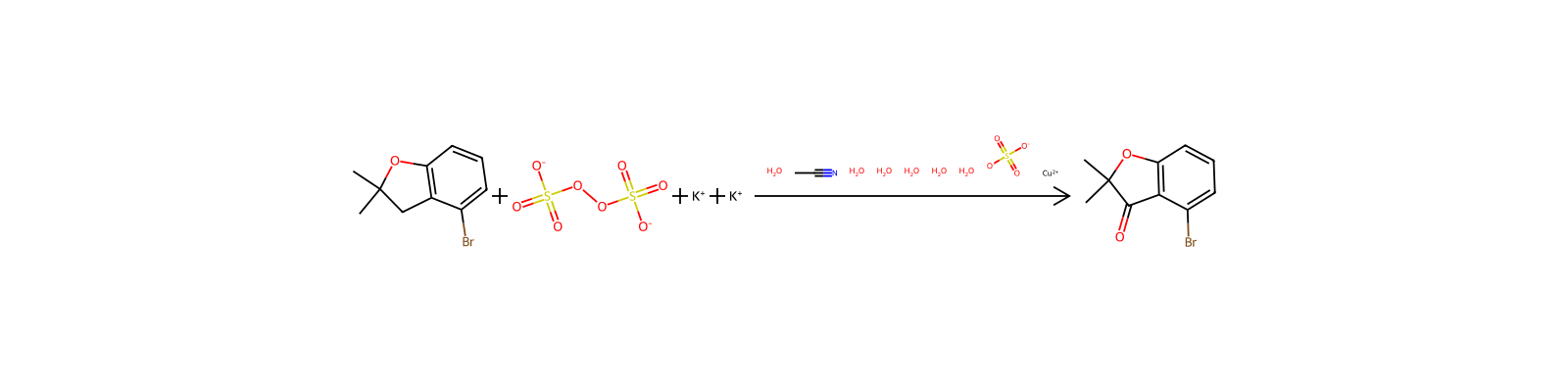
용도Copper (II) sulfate pentahydrate salt may be used for the fabrication of copper nanoparticles by chemical reduction. The pentahydrate salt of copper may be used as a catalyst for the conversion of aromatic aldehydes to primary amides via aldoximes. Reduced graphene oxide-supported copper nanoparticles (rGO/Cu NPs) may be prepared by copper (II) sulfate pentahydrate and graphitic precursors. An aqueous electrolytic bath containing CuSO4.5H2O as one of the constituents was used for the preparation of Cu2ZnSnS4 (CZTS) thin film solar cell. Ferric chloride hexahydrate (FeCl3.6H2O) and copper(II) sulfate pentahydrate (CuSO4.5H2O) may be used to fabricate Fe-Cu binary oxide sorbents for arsenic removal applications.
일반 설명Blue crystalline granules or powder. Melting point 110°C (with decomposition). Non-combustible. Nauseating metallic taste. Odorless. White when dehydrated.
상·하류 제품 정보
상류 원료
하류 제품
공급사50 곳
国药集团化学试剂有限公司86-21-63210123 · [email protected]
北京华美互利生物化工010-56205725 · [email protected]
上海阿拉丁生化科技股份有限公司400-6206333 13167063860 · [email protected]
合肥翰刚医药科技有限公司+8618062405514 · [email protected]
Hangzhou Go Top Peptide Biotech0571-88211921 · [email protected]
河北创海生物科技有限公司+86-86-13131129325 · [email protected]
Baoji Guokang Healthchem co.,ltd+8615604608665 15604608665 · [email protected]
Hebei Henghe Import and Export Trading Co. LTD+8618032935937 18032916000 · [email protected]
山东信恒化工有限公司15269160602 15269160602
上海迈瑞尔生化科技有限公司4006356688 18621169109 · [email protected]
天津中信凯泰化工有限公司022-66880623 · [email protected]
大连美仑生物技术有限公司0411-62910999 13889544652 · [email protected]
山东宇硕化工有限公司18866159232 18866159232 · [email protected]
阿法埃莎(中国)化学有限公司400-6106006 · [email protected]
安耐吉化学&3A(安徽泽升科技股份有限公司)400-0056266 · [email protected]
上海瀚鸿科技股份有限公司021-54306202 13764082696 · [email protected]
山东洛克化工有限公司17653113209 13065062079 · [email protected]
上海钰康生物科技有限公司+86-18930848214 +86-021-56762820 · [email protected]
上海景颜化工科技有限公司13817811078 · [email protected]
上海泰坦科技股份有限公司400-6009262 15618770481 · [email protected]
合肥天健化工有限公司551-65418679 15856988503;15837135945 · [email protected]
山东信恒化工有限公司152-15269160605-0605 15269160605 · [email protected]
天津金汇太亚化学试剂有限公司022-59582624 18622766592 · [email protected]
孝感深远化工有限公司15527621225; 15527621225 · [email protected]
山东西亚化学有限公司13355009207 13355009207 · [email protected]
玛雅试剂+86 (573) 82222445 (0)18006601000 452520369 · [email protected]
四川库利南科技有限公司400-1166-196 18981987031 · [email protected]
南京维奥化工有限公司Please Send Email 18652950785 · [email protected]
斯百全化学(上海)有限公司021-021-021-67601398-809-809-809 15221380277 · [email protected]
艾科试剂4008-755-333 18080918076 · [email protected]
赛默飞世尔科技(中国)有限公司800-810-5118 · [email protected]
纽卜特贸易(上海)有限公司021-61630391 · [email protected]
北京伊诺凯科技有限公司400-810-7969 010-59572699 · [email protected]
Wuhan NCE Biomedical Co.,Ltd.4000-027-021 |24 +86-13986109188 | +86-15623472865 | +81-08033611988
上海遐瑞医药科技有限公司+86 21 61551611
南京杜莱生物技术有限公司025-84699383-8003;025-846993838003-8003 18013301590 · [email protected]
北京环宇世纪化学科技有限公司hysj_bj.com
成都零六生物科技有限公司400-1166-196 13458535857 · [email protected]
上海麦克林生化科技股份有限公司15221275939 15221275939 · [email protected]
成都润泽本土化工有限公司13096311329 028-88469284 616445927 · [email protected]
湖北巨胜科技有限公司027-59599241 18871490274 · [email protected]
池州凯隆进出口贸易有限公司[email protected]
Sigma-Aldrich西格玛奥德里奇(上海)贸易有限公司021-61415566 800-8193336 · [email protected]
九鼎化学(上海)科技有限公司4009209199 · [email protected]
山东智尚新材料有限公司+8617653113209 · [email protected]
Alfa Chemistry+1-5166625404 · [email protected]
北京华威锐科化工科技有限公司89508211 18501085097 · [email protected]
艾万拓威达优尔国际贸易(上海)有限公司400-821-8006 · [email protected]
上海西陇生化科技有限公司021-52907766-8042
上海源叶生物科技有限公司13636370518 · [email protected]
추가 설명
순도시험(1) 용상 : 이 품목 1g을 물 20mL에 녹일 때, 그 탁도는 거의 징명하여야 한다. (2) 유리산 : 이 품목 1g을 물 20mL에 녹이고 메틸오렌지시액 2방울을 가할 때, 녹색을 나타내어야 한다. (3) 비소 : 이 품목을 비소시험법에 따라 시험할 때, 그 양은 4.0ppm 이하이어야 한다. (4) 납 : 이 품목 5.0g을 취하여 원자흡광광도법 또는 유도결합플라즈마발광광도법에 따라 시험할 때, 그 양은 10.0ppm 이하이어야 한다. (5) 알칼리금속 및 알칼리토금속 : 이 품목 6g을 물 약 150mL에 녹이고 황산 3mL를 가하여 약 70℃로 가온하면서 황화수소를 통하여 포화하고 식힌 다음 물을 가하여 약 280mL로 하고 여과하여 여액에 물을 가하여 300mL로 한다. 그 중 100mL를 취하여 수욕상에서 증발건고 한 다음 450~550℃에서 항량이 될 때까지 강열할 때, 그 잔류물은 4mg 이하이어야 한다.
확인시험이 품목은 확인시험법 중 제이동염 및 황산염의 반응을 나타낸다.
정량법이 품목 약 0.7g을 정밀히 달아 공전플라스크에 넣고 물 약 100mL를 가하여 녹인 다음 초산 2mL 및 요오드칼륨 5g을 가하여 녹이고 즉시 밀전하여 어두운 곳에 5분간 방치한다. 이 액을 0.1N 치오황산나트륨용액으로 엷은 황색이 될 때까지 적정하고, 치오시안산암모늄 2g을 가하여 녹이고 이어서 전분시액 3mL를 가해주고 다시 0.1N 치오황산나트륨용액으로 유백색을 나타낼 때까지 적정한다. 따로 같은 방법으로 공시험을 한다.0.1N 치오황산나트륨용액 1mL = 24.97mg CuSO4•5H2O
정의ChEBI: Copper(II) sulfate pentahydrate is the pentahydrate of copper(2+) sulfate. A bright blue crystalline solid. It is a hydrate and a metal sulfate. It contains a copper(II) sulfate.
관련 반응
225건


연결된 노트
불러오는 중…