
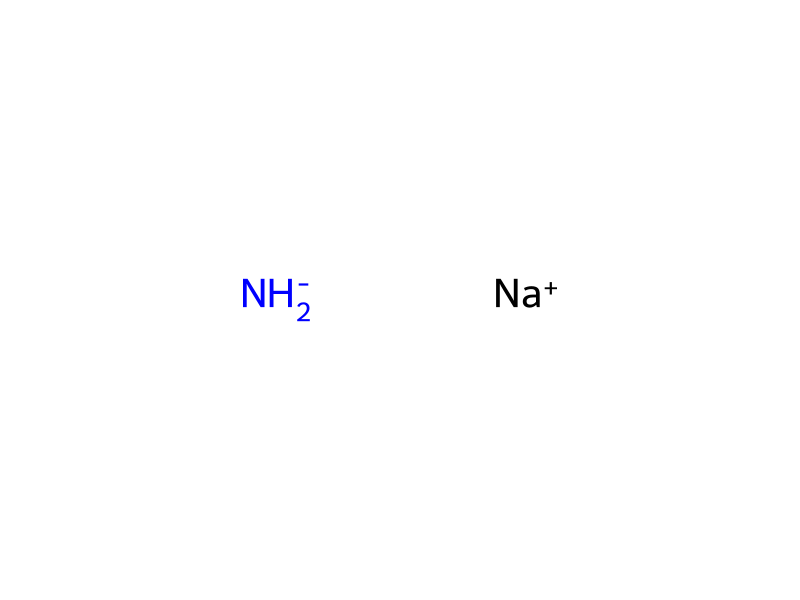
기본 정보
- 표준 SMILES
[NH2-].[Na+]- InChIKey
ODZPKZBBUMBTMG-UHFFFAOYSA-N- 분자식
- H2NNa
- 평균 분자량
- 39.013 g/mol
- 단동위원소 질량
- 39.00849334
개요
Sodium amide is an odorless colorless solid. Denser than water.
이름 및 식별자
- 우선 이름
- Sodium amide
- IUPAC
- sodium azanide
- 현지명
- 나트륨아미드
- 영어명
- Sodium amide
- 분자식
- H2NNa
- 분자량
- 39.01
이름 및 동의어
SODIUM AMIDE7782-92-5Sodamidesodium azanideSodium amide (Na(NH2))5DB3G6PX9DHSDB 692EINECS 231-971-0NaNH2EC 231-971-0SODIUM AMIDE [MI]SODIUM AMIDE [HSDB]
이름 더 보기
나트륨아마이드나트륨아미드소다미드나트륨아마이드나트륨 아마이드m amideNatriumamidAminosodiumSodium aminoSodiumamide,94%SODIUM AMIDE 95%Sodium amide (8CI)
DTXSID2064816CHEBI:176791RefChem:887257DTXCID9048017UN1390231-971-0sodium;azanideUNII-5DB3G6PX9D
데이터베이스 식별자
- CAS
7782-92-5- PubChem CID
- 24533
- DTXSID
DTXSID2064816- ChEBI
CHEBI:176791- UNII
- 5DB3G6PX9D
- EC Number
- 231-971-0
- Nikkaji
- J1.296C
물성
구조 계산 물성
- 극성 표면적
- 1 Ų
- 수소 결합 공여자 수
- 1
- 수소 결합 수용자 수
- 1
- 회전 가능 결합 수
- 0
- 무거운 원자 수
- 2
- 형식 전하
- 0
- 복잡도
- 2
실험 및 물리화학적 성질
Chemical ClassesNitrogen Compounds -> Other Nitrogen Compounds
OdorAMMONIA ODOR
Density
1.39 at 68 °F (USCG, 1999) - Denser than water; will sink
1.39 @ 20 °C
Color/FormWHITE CRYSTALLINE POWDER
Solubility
SOLUBILITY IN LIQ AMMONIA AT 20 °C= ABOUT 0.1%
Soluble in water; insoluble in alcohol.
Boiling Point
752 °F at 760 mmHg (USCG, 1999)
400 °C
Melting Point
410 °F (USCG, 1999)
210 °C
Physical Description
Sodium amide is an odorless colorless solid. Denser than water.
Solid; Commercial form is white to olive-green; Quickly absorbs water and carbon dioxide from atmosphere; [Merck Index] White solid with an odor of ammonia; [Hawley] Grey powder or granules with an ammoniacal odor; [Alfa Aesar MSDS]
Other Experimental Properties
BEGINS TO VOLATILIZE @ 400 °C & DECOMP INTO ITS ELEMENTS BETWEEN 500 & 600 °C; HEAT OF FORMATION (FOR SOLID) @ 18 °C & 1 ATM: -32.26 KCAL/MOLE; HEAT OF SOLN: -31.06 KCAL/MOLE @ 21 °C. ... FUSED NaNH2 DISSOLVES METALLIC MAGNESIUM, ZINC, MOLYBDENUM, TUNGSTEN, QUARTZ, GLASS, SILICATES & OTHER SUBSTANCES.
DECOMP IN WATER & ALCOHOL
WHITE TO OLIVE-GREEN SOLID WITH SEA-SHELL FRACTURE /COMMERCIAL PRODUCT/
물리화학적 성질
- 녹는점
- 210 °C · 210 °C (lit.)
- 끓는 점
- 400 °C · 400 °C (lit.)
- 밀도
- 1.39 g/cm3 · 1.39 g/cm3 (25℃)
- 인화점
- 85 °F · 85 °F
- 저장 조건
- 30 °C · Store below +30°C.
- 용해도
- 2 O · reacts with H2O
- 물리적 상태
- 수정 같은
- 색상
- 회백색 분말
- 냄새
- 암모니아 같은
- 수용성
- 매우 폭력적으로, 심지어 폭발적으로 반응함
- 비열
- 1.7 J/ · Cp(crystal): 1.7 J/(g·K), at 25℃
- Merck
- 14 · 14,8576
- 안정성
- Stability Flammable. Reacts violently with water producing very toxic fumes. In case of fire do not use water, but instead smother with soda ash. May form explosive peroxides if heated, or if stored for extended periods in contact with air or oxygen. Incompatible with water and aqueous solutions, carbon dioxide, halogenated hydrocarbo
- InChI
- 1S/H2N.Na/h1H2;/q-1;+1
- InChIKey
- ODZPKZBBUMBTMG-UHFFFAOYSA-N
- SMILES
- N[Na]
- EPA
- Sodium amide (Na(NH2)) (7782-92-5)
화학적 성질
grey powder
안전 및 규제
GHS 분류
GHS Classification
Danger
H260 (42.1%): In contact with water releases flammable gases which may ignite spontaneously [Danger Substances and mixtures which in contact with water, emit flammable gases]
P223, P231+P232, P260, P264, P264+P265, P273, P280, P301+P330+P331, P302+P335+P334, P302+P361+P354, P304+P340, P305+P354+P338, P316, P317, P321, P363, P370+P378, P391, P402+P404, P405, and P501 (click each P-code to see the statement)
Aggregated GHS information provided per 297 reports by companies from 17 notifications to the ECHA C&L Inventory. Each notification may be associated with multiple companies.
유해성 정보
Regulatory Information
Chemical: Sodium amide (Na(NH2))
Status: Active Update: 25-10-2022 https://echa.europa.eu/registration-dossier/-/registered-dossier/11165
Sodium amide: HSNO Approval: HSR004679 Approved with controls
DOT LabelDangerous When Wet
Fire HazardsSpecial Hazards of Combustion Products: Toxic and irritating ammonia gas may be formed. (USCG, 1999)
Fire Potential
FLAMMABLE, DANGEROUS FIRE RISK.
The reduction with 1,1-diethoxy-2-chloroethane in the presence of ammonia produces sodium ethoxyacetylide, which is extremely pyrophoric. Sodium amide reacts violently with water and frequently bursts into flame.
Health HazardsAmmonia gas formed by reaction of solid with moisture irritates eyes and skin. Solid causes caustic burns of eyes and skin. Ingestion burns mouth and stomach in same way as caustic soda and may cause perforation of tissue. (USCG, 1999)
Hazards Summary
Emergency treatment: Corrosives- alkaline; [HSDB] Reacts violently with water producing sodium hydroxide and ammonia; Oxidation products after air exposure may be highly explosive; A severe skin, eye, and mucous membrane irritant; [Merck Index] A strong reducing agent; An explosive peroxide may be produced on storage; May cause caustic burns to skin and eyes; [CAMEO] Reacts violently with water evolving highly flammable gases; Explosive on contact with oxidizing substances; A highly corrosive substance that can cause injury to the skin, eyes, and respiratory tract; Inhalation may cause chemical pneumonitis; [Alfa Aesar MSDS]
Reactive GroupBases, Strong
Reactivity AlertsHighly Flammable
Reactivity Profile
SODIUM AMIDE is a powerful reducing agent. Reacts violently with oxidizing agents. Reacts violently with steam and water to form caustic NaOH and NH3 vapors [Bergstrom et al., Chem. Reviews, 12:6 1932]. May form explosive compounds in the presence of water and carbon dioxide [Handling Chemicals Safely 1980 p 826]. Liable to deflagration upon heating and friction. Forms an explosive peroxide on storage. When sodium amide and chromic anhydride are mixed together a vigorous reaction results; the same occurs with other oxidizing agents including dinitrogen tetraoxide, potassium chlorate, sodium nitrite. [Mellor 11:234 1946-47]. Reaction with 1,1-diethoxy-2- chloroethane produces sodium ethoxyacetylide, which is extremely pyrophoric [Rutledge 1968 p. 35]. Reactions with halogenated hydrocarbons may be violently explosive. Sodium amide forms toxic and flammable H2S gas with CS2. (714).
Air and Water ReactionsHighly flammable. Reacts violently with water and bursts into flame.
Peroxide Forming Chemical
Sodium amide
A: Compounds that form explosive levels of peroxides without concentration
Clark
Hazard Classes and CategoriesWater-react. 1 (42.1%)
안전 및 보호
Fire FightingFire Extinguishing Agents Not to Be Used: Water
First AidINGESTION: give water or milk followed by dilute vinegar or fruit juice; do NOT induce vomiting; call a doctor.
Fire Fighting ProceduresDRY SODA ASH, GRAPHITE, SALT, OR OTHER RECOMMENDED DRY POWDER, SUCH AS DRY LIMESTONE.
Storage Conditions
SEALED CONTAINERS MUST BE STORED IN WELL-VENTILATED AREA.
SHOULD BE STORED IN SEALED CONTAINERS WHICH PREVENT ALL CONTACT WITH AIR DURING STORAGE ...
Nonfire Spill ResponseNeutralizing Agents for Acids and Caustics: Caustic solution formed by reaction with water can be diluted with water and/or neutralized by acetic acid. (USCG, 1999)
Isolation and EvacuationExcerpt from ERG Guide 139 [Substances - Water-Reactive (Emitting Flammable and Toxic Gases)]:
Personal Protective Equipment (PPE)
Goggles or face shield; dust respirator; rubber gloves and shoes. (USCG, 1999)
GOGGLES OR FACE SHIELD; DUST RESPIRATOR; RUBBER GLOVES AND SHOES.
독성 정보
Adverse EffectsDermatotoxin - Skin burns.
안전 데이터
- wgk
- 2
- tsca
- TSCA listed
- ridadr
- UN 3129 4.3/PG 2
- HS 번호
- 2853 90 90
- risk_code
- 14/15-19-34-20/21-10-67-65-63-48/20-11-36/37-15/29-14-50-29
- hazard_code
- F,C,Xi,N
- safety_code
- 26-43-45-62-7/8-43D-36/37/39-27-16-61
- 포장분류
- II
- 위험 등급
- 4.3
- 기존화학 물질
- KE-31348
- F 고인화성물질
- 3-10-23
- 자연 발화 온도
- 450 °C
- Hazard Classifications
- Aquatic Chronic 3Eye Dam. 1Skin Corr. 1BWater-react 2
- 스토리지 클래스
- 4.3 - Hazardous materials which set free flammable gases upon contact with water
- 유해 물질 데이터
- 7782-92-5(Hazardous Substances Data)
화학 및 산업
용도 및 제조
Uses
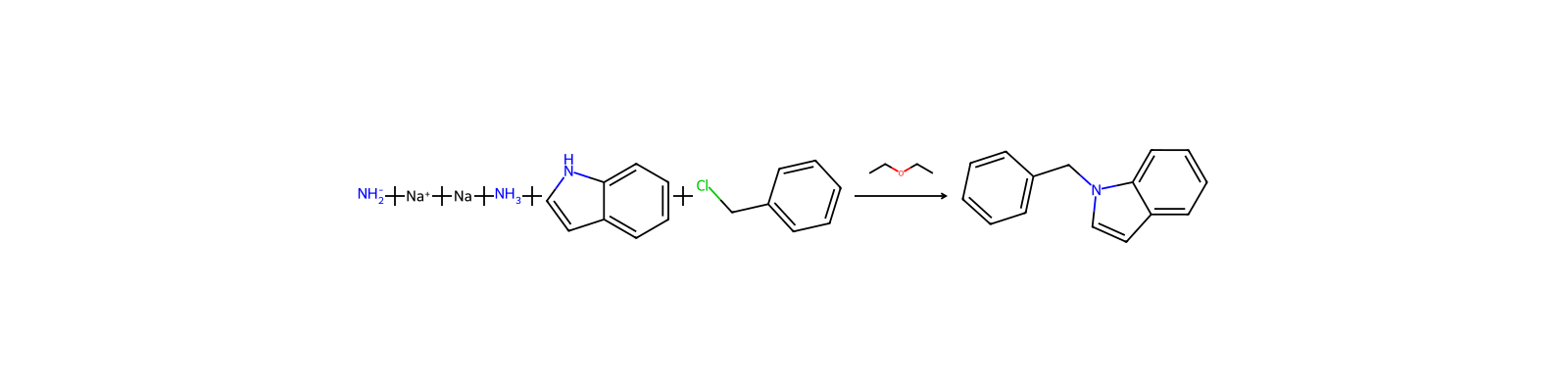
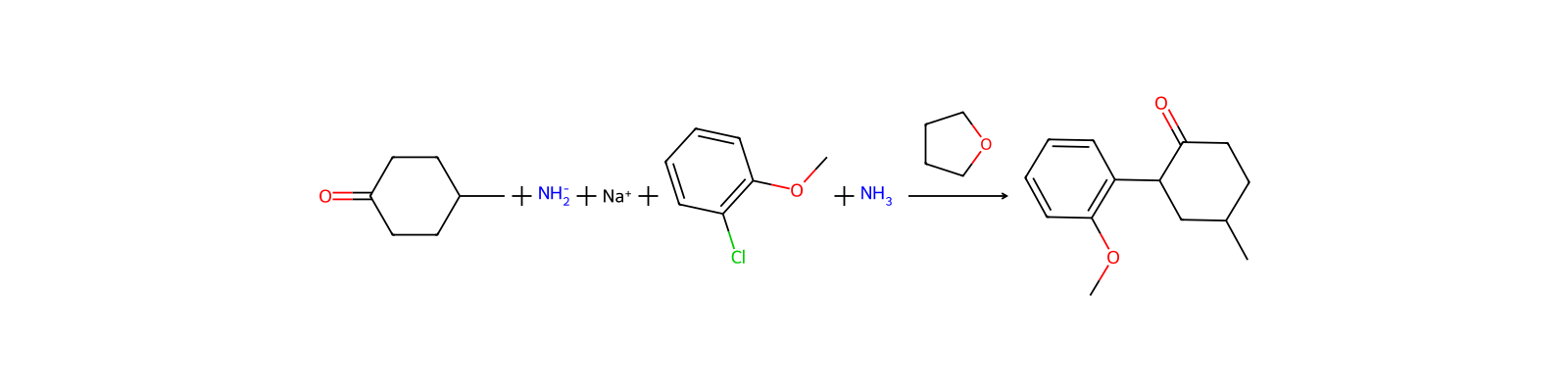
Used as a dehydrating agent, in ammonolysis reactions, in Claisen condensations, and for alkylation of nitriles and ketones; Also used to make indigo, hydrazine, ethynyl compounds, acetylenic carbinols, and sodium cyanide; [Merck Index]
DEHYDRATING AGENT; PRODN OF INDIGO & HYDRAZINE; INTERMEDIATE IN PREPN OF SODIUM CYANIDE; IN AMMONOLYSIS REACTIONS; IN CLAISEN CONDENSATIONS, ALKYLATION OF NITRILES & KETONES, SYNTH OF ETHYNYL CMPD, ACETYLENIC CARBINOLS
Methods of Manufacturing
PREPARED FROM SODIUM METAL & GASEOUS AMMONIA (OR LIQ AMMONIA WITH FERRIC NITRATE CATALYST): DENNIS, BROWNE, INORG SYN 1, 74 (1939); GREENLEE, HENNE, INORG SYN 2, 128 (1946). ...ALTERNATE METHOD: BERGSTROM, ORG SYN, COLL VOL III, 778 (1955).
DRY AMMONIA GAS IS PASSED OVER METALLIC SODIUM @ 350 °C.
Formulations/PreparationsGRADES OR PURITY: PURE; TECHNICAL
General Manufacturing InformationSodium amide (Na(NH2)): ACTIVE
응용 분야
용도Sodium Amide is widely used in organic chemical synthesis as a strong base in reactions such as in the preparation of phenylacetylene from 1,2-dibromophenylethane. Also used in the synthesis of 2,6-diamination of substituted pyridines as initiator of heterogeneous chichibabin reaction.
일반 설명Odorless colorless solid. Denser than water.
제조 방법
Sodium amide is prepared by passing dry ammonia gas over sodium metal at 350°C: 2Na + 2NH3 → 2NaNH2 + H2Also, it may be prepared by reacting sodium metal with liquid ammonia in the presence of a catalyst such as iron(III) nitrate. The compound must be stored in well-sealed containers free from air or moisture.
상·하류 제품 정보
상류 원료
하류 제품
공급사50 곳
国药集团化学试剂有限公司86-21-63210123 · [email protected]
艾斯提克(山东)生物医药有限公司21-58999881 15623240527 · [email protected]
上海阿拉丁生化科技股份有限公司400-6206333 13167063860 · [email protected]
Shandong chuangyingchemical Co., Ltd.18853181302 · [email protected]
河北展药生物科技有限公司15369953316 +8615369953316 · [email protected]
T&W GROUP021-61551611 13296011611 · [email protected]
Baoji Guokang Healthchem co.,ltd+8615604608665 15604608665 · [email protected]
Syntechem Co.,Ltd[email protected]
上海迈瑞尔生化科技有限公司4006356688 18621169109 · [email protected]
江苏普乐司生物科技有限公司0513-66017706 18551496367 · [email protected]
上海晶抗生物工程有限公司021-54721350 13524668266 · [email protected]
安耐吉化学&3A(安徽泽升科技股份有限公司)400-0056266 · [email protected]
武汉卡诺斯科技有限公司027-83238443 15327105076 · [email protected]
上海瀚鸿科技股份有限公司021-54306202 13764082696 · [email protected]
上海景颜化工科技有限公司13817811078 · [email protected]
武汉泰易成生化药业有限公司027-88320699 · [email protected]
合肥天健化工有限公司551-65418679 15856988503;15837135945 · [email protected]
上海忆嵘生物科技有限公司18049974220 · [email protected]
山东西亚化学有限公司13355009207 13355009207 · [email protected]
玛雅试剂+86 (573) 82222445 (0)18006601000 452520369 · [email protected]
四川库利南科技有限公司400-1166-196 18981987031 · [email protected]
天津希恩思生化科技有限公司400 638 7771 · [email protected]
南京维奥化工有限公司Please Send Email 18652950785 · [email protected]
武汉吉业升化工有限公司027-13545242311 13545242311 · [email protected]
斯百全化学(上海)有限公司021-021-021-67601398-809-809-809 15221380277 · [email protected]
艾科试剂4008-755-333 18080918076 · [email protected]
赛默飞世尔科技(中国)有限公司800-810-5118 · [email protected]
北京伊诺凯科技有限公司400-810-7969 010-59572699 · [email protected]
上海健超生物科技有限公司150-2103-5486 18017383231 · [email protected]
Hubei Datong Bio-Chemical Technology Co.,Ltd027-87666700 · [email protected]
北京环宇世纪化学科技有限公司hysj_bj.com
HBCChem, Inc.+1-510-219-6317 · [email protected]
日照力德士化工有限公司010-51268198 · [email protected]
郑州阿尔法化工有限公司0371-53732842 15981811963 · [email protected]
上海爱蝶实业有限公司021-58957966 18930537195 · [email protected]
成都零六生物科技有限公司400-1166-196 13458535857 · [email protected]
广拓化学(上海)有限公司021-60899189-8001 18918189673 · [email protected]
上海御略医药科技有限公司021-60345187 13671753212 · [email protected]
上海德榜化工有限公司021-61531158 · [email protected]
上海麦克林生化科技股份有限公司15221275939 15221275939 · [email protected]
杭州杰恒化工有限公司0571-87396432 · [email protected]
成都润泽本土化工有限公司13096311329 028-88469284 616445927 · [email protected]
湖北巨胜科技有限公司027-59599241 18871490274 · [email protected]
池州凯隆进出口贸易有限公司[email protected]
Sigma-Aldrich西格玛奥德里奇(上海)贸易有限公司021-61415566 800-8193336 · [email protected]
潍坊市前进精细化工有限公司18753684562 · [email protected]
九鼎化学(上海)科技有限公司4009209199 · [email protected]
杭州鼎燕化工有限公司0571-87157530-8003 18267553885 · [email protected]
厦门志信化学有限公司+86-5922680277 +86-13806087780 · [email protected]
sgtlifesciences pvt ltd+91-8790379245 · [email protected]
추가 설명
정의A white ionic solid formed by passing dry ammonia over sodium at 300–400°C. The compound reacts with water to give sodium hydroxide and ammonia. It reacts with red-hot carbon to form sodium cyanide and with nitrogen(I) oxide to form sodium azide. Sodamide is used in the Castner process and in the explosives industry.
관련 반응
478건





연결된 노트
불러오는 중…