홈MCP워크벤치Skills
홈워크벤치알림마이페이지
llms.txt · MCP 가이드개인정보처리방침 · 이용약관 · 지원v1.8.0
  1. 홈
  2. /화합물

삼브롬화인

Phosphorus tribromide

HCID 24614
새 노트새 반응견적 요청하기
인쇄 미리보기

데이터를 보충하는 중입니다. 잠시 후 페이지를 새로 고치면 최신 내용을 볼 수 있습니다
기본 정보개요이름 및 식별자물성안전 및 규제화학 및 산업관련 반응화합물 노트
부분 구조 검색유사 구조 찾기

기본 정보

CAS
7789-60-8
표준 SMILES
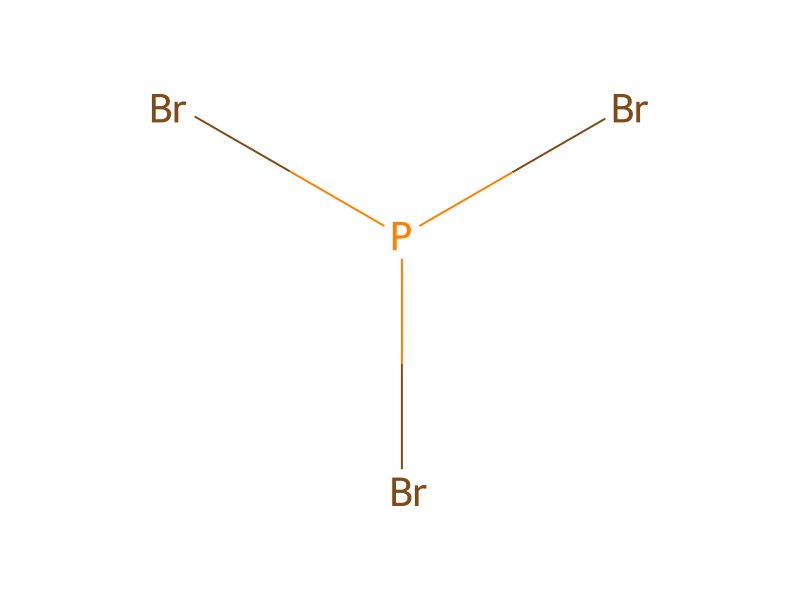
BrP(Br)Br
InChIKey
IPNPIHIZVLFAFP-UHFFFAOYSA-N
분자식
Br3P
평균 분자량
270.69 g/mol
단동위원소 질량
267.72877293

개요

Phosphorus tribromide appears as a colorless fuming liquid with a pungent odor. Corrosive to metals and tissue. Boiling point 347 °F (175 °C). Freezing point -40 °F (-40 °C).

이름 및 식별자

우선 이름
Phosphorus tribromide
IUPAC
tribromophosphane
현지명
삼브롬화인
영어명
Phosphorus tribromide
분자식
Br3P
분자량
270.69

이름 및 동의어

PHOSPHORUS TRIBROMIDEPhosphorus(III) bromidePhosphorous tribromideTribromophosphinePhosphorous bromidetribromophosphanePhosphorus bromidePhosphorus bromide (PBr3)HSDB 1217EINECS 232-178-2UN1808UNII-58R3866PUA
이름 더 보기
삼브롬화인포스포로우수트리브롬화물포스포로우수트리브롬화물(PHOSPHOROUSTRIBROMIDE)PBr3Phosphorus tribroMidPhosphorus(Ⅲ)bromideextrema[qr]Phosphortribromid
Extrema58R3866PUAphosphorus (III) bromideDTXSID7064869PHOSPHORUS TRIBROMIDE [MI]PHOSPHORUS TRIBROMIDE [HSDB]UN 1808PHOSPHORUS BROMIDE [PBR3]

데이터베이스 식별자

CAS
7789-60-8
PubChem CID
24614
DTXSID
DTXSID7064869
UNII
58R3866PUA
EC Number
232-178-2
Nikkaji
J95.136F

물성

구조 계산 물성보충 중

XLogP
2.8
극성 표면적
0 Ų
수소 결합 공여자 수
0
수소 결합 수용자 수
0
회전 가능 결합 수
0
무거운 원자 수
4
형식 전하
0
복잡도
8

실험 및 물리화학적 성질

Chemical Classes · 2건

Other Classes -> Phosphorus Compounds

Corrosives

SpringerMaterials PropertiesGibbs energy
OdorPenetrating odor
Density · 2건

2.862 at 86 °F (USCG, 1999) - Denser than water; will sink

2.852 at 15 °C

Color/Form · 2건

Fuming colorless liquid

PALE YELLOW LIQUID

Solubility · 2건

Reacts with water, ethanol; soluble in acetone, carbon disulfide

Soluble in acetone, alcohol, carbon disulfide, hydrogen sulfide, water (decomposes)

CorrosivityIN PRESENCE OF MOISTURE, HIGHLY CORROSIVE TO MOST METALS EXCEPT LEAD & NICKEL
Boiling Point · 2건

343 °F at 760 mmHg (USCG, 1999)

173.2 °C

Decomposition · 2건

... If involved in a fire, /phosphorus tribromide/ decomposes to produce hydrogen bromide, phosphoric acid, phosphine.

When heated to decomposition it emits toxic fumes of /hydrogen bromide and phosphorous oxides/.

안전 및 규제

안전 정보는 참고용이며, 공급업체의 물질안전보건자료(SDS), 관련 법규 및 전문가 평가를 대체하지 않습니다.

GHS 분류

GHS Classification · 6건

Danger

H314: Causes severe skin burns and eye damage [Danger Skin corrosion/irritation]

P260, P261, P264, P271, P280, P301+P330+P331, P302+P361+P354, P304+P340, P305+P354+P338, P316, P319, P321, P363, P403+P233, P405, and P501 (click each P-code to see the statement)

This chemical does not meet GHS hazard criteria for 10.4% (11 of 106) of reports.

Danger

H314 (89.6%): Causes severe skin burns and eye damage [Danger Skin corrosion/irritation]

유해성 정보

Hazards IdentificationWater-reactive material (WR)
Regulatory Information · 4건

Chemical: Phosphorous tribromide

Status: Cease Manufacture Update: 03-10-2018 https://echa.europa.eu/registration-dossier/-/registered-dossier/19307

Phosphorus tribromide: Does not have an individual approval but may be used under an appropriate group standard

The New Jersey Worker and Community Right to Know Act requires public and private employers to provide information about hazardous substances at their workplaces. (N.J.S.A. 34:5A-1 et. seq.)

DOT LabelCorrosive
Fire Hazards · 2건

Special Hazards of Combustion Products: Irritating hydrogen bromide and phosphoric acid vapors may form in fire.

· EXCEPT FOR ACETIC ANHYDRIDE (UN1715), THAT IS FLAMMABLE, some of these materials may burn, but none ignite readily.

Fire PotentialNot combustible, but if involved in a fire decomposes to produce hydrogen bromide, phosphoric acid, phosphine.
Health Hazards · 2건

Inhalation causes severe irritation of nose, throat, and lungs. Ingestion causes burns of mouth and stomach. Contact with eyes or skin causes severe burns. (USCG, 1999)

화학 및 산업

약리 정보

Metabolism/Metabolites · 2건

Compounds containing direct phosphorus to halogen bonds hydrolyze readily, forming injurious phosphorus-containing acids and halogen halides. For example, phosphorus tribromide will hydrolyze to give H2PO3 and HBr.

Bromine is mainly absorbed via inhalation, but may also enter the body through dermal contact. Bromine salts can be ingested. Due to its reactivity, bromine quickly forms bromide and may be deposited in the tissues, displacing other halogens. (L626)

용도 및 제조

Uses · 5건

Used as a catalyst and in chemical analysis and synthesis; [HSDB]

Semiconductor Manufacturing [Category: Industry]

Phosphorus tribromide is mainly used as a brominating agent in organic chemistry.

Analysis (testing for sugar & oxygen); catalyst; synthesis

Phosphorus halides including phosphorus trichloride and phosphorus tribromide have been considered as potential replacements for Halon 1301 as fire suppressants. There has been one report of PBr3 effectiveness on real-scale flames, indicating an effectiveness two orders of magnitude better than Halon 1301.

Methods of ManufacturingAll methods of preparation start from the elements. The reaction with white phosphorus is very violent, and the phosphorus is therefore dissolved in carbon disulfide or submerged in benzene.
General Manufacturing Information · 2건

Phosphorous tribromide: ACTIVE

PURITY: PURIFIED, 88.55%.

응용 분야 · 2건

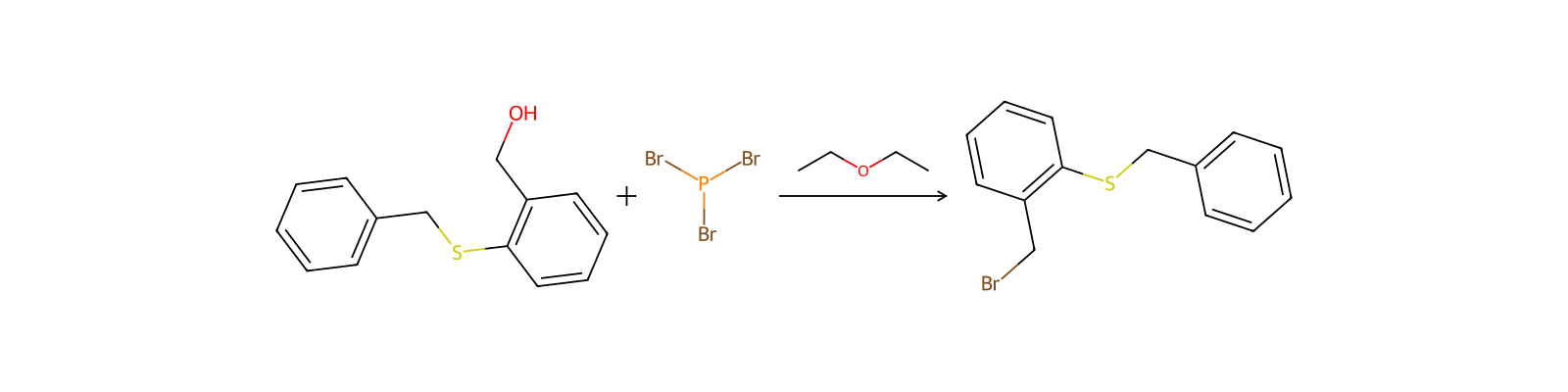
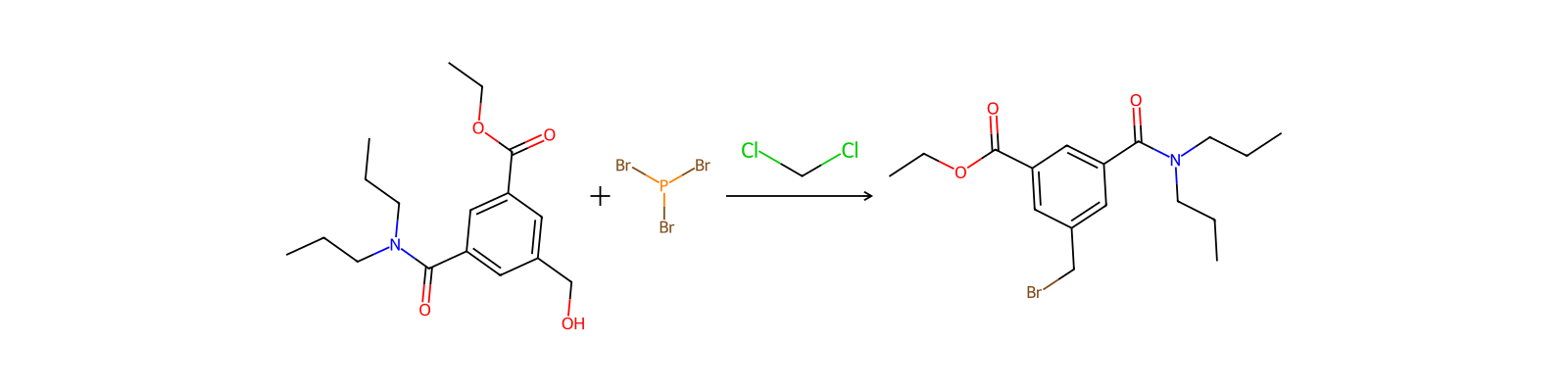
용도Phosphorus tribromide is used mainly for the conversion of alcohols to alkyl bromides and it is used in tests for skin corrosivity. It is used for alkene preparation and it act as a lewis base and a lewis acid. Phosphorus tribromide is used in the manufacture of pharmaceuticals such as alprazolam, methohexital and fenoprofen. Phosphorus tribromide may be used as a reagent: In a novel protocol for synthesizing 7-ethoxy-1-(p-ethylphenoxy)-3,7-dimethyl-2-octene, a synthetic juvenile hormone mimic of trans,trans,cis-10,11-epoxy-7-ethyl-3,11-dimethyltrideca-2,6-dienoate. To synthesize 1,2,3-diazaphosphinane, 1,2,3-thiazaphosphinine and 1,2-azaphosphole bearing a chromone ring. To synthesize 1-Bromoundec-1-ene from 10-undecen-1-ol.

관련 반응

2,425건
반응 기록 만들기
HRID 4673 반응식
HRID 4673반응물로uspto-grants-1988_02
HRID 4677 반응식
HRID 4677반응물로uspto-grants-1988_02
HRID 6580 반응식
HRID 6580반응물로uspto-grants-2006_08
HRID 11311 반응식
HRID 11311반응물로uspto-grants-2006_08
HRID 11748 반응식
HRID 11748반응물로uspto-grants-2006_08
HRID 14022 반응식
HRID 14022반응물로uspto-grants-2010_06
HRID 14107 반응식
HRID 14107반응물로uspto-grants-2010_06
HRID 15122 반응식
HRID 15122반응물로uspto-grants-2010_06
1 / 304 페이지

화합물 노트

불러오는 중…

이 페이지에서기본 정보개요이름 및 식별자물성안전 및 규제화학 및 산업관련 반응화합물 노트
더보기
새 노트새 반응견적 요청하기
Melting Point · 2건

-42.9 °F (USCG, 1999)

-41.5 °C

Vapor Pressure10 mm Hg at 47.8 °C
Surface Tension45.8 DYNES/CM= 0.0458 N/M AT 24 °C

물리화학적 성질

녹는점
-41.5 °C · -41.5 °C (lit.)
끓는 점
175 °C · 175 °C (lit.)
밀도
2.88 g/mL · 2.88 g/mL at 20 °C (lit.)
증기 밀도
9.3 · 9.3 (vs air)
증기압
0.27 psi · 0.27 psi ( 54 °C)
굴절률
20 · n20/D 1.697(lit.)
인화점
172.9 °C · 172.9°C
저장 조건
30 °C · Store below +30°C.
용해도
soluble in Ether,Acetone,Chloroform
물리적 상태
액체
Specific Gravity
2.88 · 2.88
색상
투명하거나 약간 흐릿함 무색 내지 노란색 또는 연한 갈색
냄새
자극적인 냄새
수용성
물과 반응
비열
0.28 J/ · Cp(gas): 0.28 J/(g·K), at 25℃
Merck
14 · 14,7357
BRN
3903060 · 3903060
Dielectric constant
3.9 · 3.9(20℃)
안정성
안정적이지만 물과 격렬하게 반응합니다. 습기, 강염기, 강산화제, 반응성 금속, 산, 알코올과 호환되지 않습니다.
InChI
1S/Br3P/c1-4(2)3
InChIKey
IPNPIHIZVLFAFP-UHFFFAOYSA-N
SMILES
BrP(Br)Br
LogP
2.394 · 2.394 (est)
NIST
Phosphorus tribromide(7789-60-8)
EPA
Phosphorus tribromide (7789-60-8)
화학적 성질 · 1건

Phosphorus tribromide is a colourless liquid(possibly hazy) with the formula PBr3. It fumes in air due to hydrolysis and has a penetrating odour. It is widely used in the laboratory for the conversion of alcohols toalkyl bromides. Phosphorus tribromide (PBr3) is commonly used in Hell-Volhard-Zelinsky halogenation for the α-bromination of carboxylic acids to form the corresponding acyl bromide. It is also useful for the conversion of primary and secondary alcohols to alkyl bromides.

· CORROSIVE and/or TOXIC; inhalation, ingestion or contact (skin, eyes) with vapors, dusts or substance may cause severe injury, burns or death.

Hazards Summary · 1건

Corrosive to skin; [Quick CPC] Inhalation can cause severe irritation of lungs; [CAMEO] Reacts with moisture in the air forming phosphonic acid and hydrogen bromide gas; Causes severe burns; Inhalation may cause chemical pneumonitis and pulmonary edema; [HSDB] Reacts violently with water producing white fumes of hydrogen bromide; Causes burns; Inhalation causes severe irritation of nose, throat, and lungs; [CHRIS] Causes somnolence, muscle weakness, and dyspnea in oral lethal-dose studies of rats; [RTECS]

DOT ID and Guide1808 137
Reactive GroupAcids, Strong Non-oxidizing
Reactivity AlertsWater-Reactive
Reactivity Profile · 1건

PHOSPHORUS TRIBROMIDE reacts with oxidizing agents to generate heat and products that may be flammable, combustible, or otherwise reactive; the reactions may be violent. Forms complexes with potassium or sodium metal that explode when shocked. Dropwise addition to 3-phenylpropanol caused an explosion when stirring of the mixture was discontinued [Chem. Brit., 1974, 10, 101-102].

DOT Emergency Guidelines · 5건

If ... THERE IS NO FIRE, go directly to the Table of Initial Isolation and Protective Action Distances /(see table below)/ ... to obtain initial isolation and protective action distances. IF THERE IS A FIRE, or IF A FIRE IS INVOLVED, go directly to the appropriate guide /(see guide(s) below)/ and use the evacuation information shown under PUBLIC SAFETY.

Table of Water-Reactive Materials Which Produce Toxic Gases. Phosphorus tribromide

/GUIDE 137: SUBSTANCES - WATER-REACTIVE - CORROSIVE/ Fire or Explosion: EXCEPT FOR ACETIC ANHYDRIDE (UN1715), THAT IS FLAMMABLE, some of these materials may burn, but none ignite readily. May ignite combustibles (wood, paper, oil, clothing, etc.). Substance will react with water (some violently), releasing corrosive and/or toxic gases and runoff. Flammable/toxic gases may accumulate in confined areas (basement, tanks, hopper/tank cars, etc.). Contact with metals may evolve flammable hydrogen gas. Containers may explode when heated or if contaminated with water. Substance may be transported in a molten form.

/GUIDE 137: SUBSTANCES - WATER-REACTIVE - CORROSIVE/ Health: CORROSIVE and/or TOXIC; inhalation, ingestion or contact (skin, eyes) with vapors, dusts or substance may cause severe injury, burns or death. Fire will produce irritating, corrosive and/or toxic gases. Reaction with water may generate much heat that will increase the concentration of fumes in the air. Contact with molten substance may cause severe burns to skin and eyes. Runoff from fire control or dilution water may cause pollution.

For more DOT Emergency Guidelines (Complete) data for PHOSPHORUS TRIBROMIDE (10 total), please visit the HSDB record page.

안전 및 보호

Fire FightingExcerpt from ERG Guide 137 [Substances - Water-Reactive - Corrosive]:
Accidental Release Measures · 2건

· CALL 911. Then call emergency response telephone number on shipping paper. If shipping paper not available or no answer, refer to appropriate telephone number listed on the inside back cover.

· Do not touch damaged containers or spilled material unless wearing appropriate protective clothing.

First Aid · 2건

INHALATION: remove victim to clear air; if necessary, apply artificial respiration and/or administer oxygen.

General First Aid:

Firefighting Hazards · 2건

Serious health hazard. May be harmful if inhaled ... Corrosive ...

Do not use water on adjacent fires. Acids formed by reaction with water will attack metals and generate flammable hydrogen gas, which may form explosive mixtures in enclosed spaces.

Exposure Control and Personal Protection · 2건

· Wear positive pressure self-contained breathing apparatus (SCBA).

TIH (Toxic Inhalation Hazard) - Term used to describe gases and volatile liquids that are toxic when inhaled. Some are TIH materials themselves, e.g., chlorine, and some release TIH gases when spilled in water, e.g., chlorosilanes. [ERG 2016].

Fire Fighting Procedures · 2건

... Use water spray to knock down acid vapors.

If material involved in fire: Use dry chemical, dry sand, or carbon dioxide. Do not use water on material itself. If large quantities of combustibles are involved, use water in flooding quantities as spray and fog. Use water spray to knock-down vapors. Cool all affected containers with flooding quantities of water. Apply water from as far a distance as possible.

Storage Conditions · 2건

Store in a cool, dry, well-ventilated location. Separate from acids, alkalies, organics, alkali metals.

KEEP TIGHTLY CLOSED.

Cleanup MethodsIsolate the area until the release is under full control. Use water spray to cool and disperse vapors and protect personnel.
Nonfire Spill ResponseExcerpt from ERG Guide 137 [Substances - Water-Reactive - Corrosive]:
Disposal Methods · 1건

SRP: The most favorable course of action is to use an alternative chemical product with less inherent propensity for occupational exposure or environmental contamination. Recycle any unused portion of the material for its approved use or return it to the manufacturer or supplier. Ultimate disposal of the chemical must consider: the material's impact on air quality; potential migration in soil or water; effects on animal, aquatic, and plant life; and conformance with environmental and public health regulations.

Preventive Measures · 4건

In case of contact with eyes, rinse immediately with plenty of water and seek medical advice. In case of accident or if you feel unwell, seek medical advice immediately (show label where possible).

SRP: The scientific literature for the use of contact lenses in industry is conflicting. The benefit or detrimental effects of wearing contact lenses depend not only upon the substance, but also on factors including the form of the substance, characteristics and duration of the exposure, the uses of other eye protection equipment, and the hygiene of the lenses. However, there may be individual substances whose irritating or corrosive properties are such that the wearing of contact lenses would be harmful to the eye. In those specific cases, contact lenses should not be worn. In any event, the usual eye protection equipment should be worn even when contact lenses are in place.

Personnel protection: Avoid breathing vapors. Keep upwind. ... Avoid bodily contact with the material. ... Do not handle broken packages unless earing appropriate personal protective equipment. Wash away any material which may have contacted the body with copious amounts of water or soap and water. If contact with the material anticipated, wear appropriate chemical protect clothing.

If material not involved in fire: Keep material out of water sources and sewers. Build dikes to contain flow an necessary. Use water spray to knock-down vapors. Do not use water on material itself. Neutralize spilled material with crushed limestone, soda ash, or lime.

Isolation and Evacuation · 4건

Excerpt from ERG Guide 137 [Substances - Water-Reactive - Corrosive]:

Immediate precautionary measure

When spilled in water

When spilled in water

독성 정보

Treatment · 1건

EYES: irrigate opened eyes for several minutes under running water. INGESTION: do not induce vomiting. Rinse mouth with water (never give anything by mouth to an unconscious person). Seek immediate medical advice. SKIN: should be treated immediately by rinsing the affected parts in cold running water for at least 15 minutes, followed by thorough washing with soap and water. If necessary, the person should shower and change contaminated clothing and shoes, and then must seek medical attention. INHALATION: supply fresh air. If required provide artificial respiration.

Health Effects · 1건

Bromine vapour causes irritation and direct damage to the mucous membranes. Elemental bromine also burns the skin. The bromide ion is a central nervous system depressant and chronic exposure produces neuronal effects. This is called bromism and can result in central reactions reaching from somnolence to coma, cachexia, exicosis, loss of reflexes or pathologic reflexes, clonic seizures, tremor, ataxia, loss of neural sensitivity, paresis, papillar edema of the eyes, abnormal speech, cerebral edema, delirium, aggressiveness, and psychoses. (L625, L626, L627)

Ecotoxicity ValuesEC50 Daphnia magna at 22.6 mg/L (6.25 mg/L NOEC) for 48 hr.
Adverse EffectsDermatotoxin - Skin burns.
Exposure RoutesOral (L626) ; inhalation (L626) ; dermal (L626)
Toxicity Summary · 1건

Bromine is a powerful oxidizing agent and is able to release oxygen free radicals from the water in mucous membranes. These free radicals are also potent oxidizers and produce tissue damage. In additon, the formation of hydrobromic and bromic acids will result in secondary irritation. The bromide ion is also known to affect the central nervous system, causing bromism. This is believed to be a result of bromide ions substituting for chloride ions in the in actions of neurotransmitters and transport systems, thus affecting numerous synaptic processes. (L626, L627, A543)

Signs and Symptoms · 1건

Bromine vapour causes irritation and direct damage to the mucous membranes. Symptoms include lacrimation, rhinorrhoea, eye irritation with mucous secretions from the oropharyngeal and upper airways, coughing, dyspnoea, choking, wheezing, epistaxis, and headache. The bromide ion is a central nervous system depressant producing ataxia, slurred speech, tremor, nausea, vomiting, lethargy, dizziness, visual disturbances, unsteadiness, headaches, impaired memory and concentration, disorientation and hallucinations. This is called bromism. (L626, L627)

Human Toxicity Excerpts · 4건

/SIGNS AND SYMPTOMS/ Symptomatology (...ingestion or skin contact): 1. Corrosion of mucous membranes of mouth, throat and esophagus, with immediate pain and dysphagia. Necrotic areas...grayish white but soon acquire a blackish discoloration (yellow in case of nitric acid) & sometimes shrunken or wrinkled texture... 2. Epigastric pain...may be assoc with nausea & vomiting... at times, gastric hemorrhage may be intense, and vomitus then contains fresh blood. Profound thirst. 3. Ulceration of all membranes and tissues with which the acid comes in contact. After the ingestion of concn mineral acid, this corrosion may lead within a few hr or a few days to gastric perforation and peritonitis. 4. Circulatory collapse with clammy skin, weak & rapid pulse, shallow resp, and scanty urine. Circulatory shock is often immediate cause of death. ... symptomatology.../ingestion/: 6. Late esophageal, gastric & pyloric strictures & stenoses, which may require major surgical repair, should be anticipated. Signs of obstruction commonly appear within a few wk but may be delayed for months and even years. Permanent scars may also appear in the cornea, skin and oropharynx. 7. Uncorrected circulatory collapse of several hr...may lead to renal failure & ischemic lesions in liver & heart. /Acids/[Gosselin, R.E., R.P. Smith, H.C. Hodge. Clinical Toxicology of Commercial Products. 5th ed. Baltimore: Williams and Wilkins, 1984., p. III-10]

/CASE REPORTS/ A 60-year-old laboratory technician developed pulmonary infiltrates consistent with chemical pneumonitis following accidental exposure to a mixture of hydrogen bromide and phosphorus tribromide. A protracted clinical course ensued consistent with bronchiolitis obliterans. These problems may have been avoided if the potential for subsequent damage had been realized at the time of the initial exposure. Health personnel must be aware of the potentially delayed effects of accidental exposures to respiratory irritants.[Kraut A, Lilis R; Chest 94 (1): 208-10 (1988)]

/OTHER TOXICITY INFORMATION/ Corrosive to skin & tissue.[Lewis, R.J. Sr.; Hawley's Condensed Chemical Dictionary 14th Edition. John Wiley & Sons, Inc. New York, NY 2001., p. 873]

/OTHER TOXICITY INFORMATION/ Extremely destructive to tissue of the mucous membranes and upper respiratory tract. Inhalation may be fatal as a result of spasm, inflammation and edema of the larynx and bronchi, chemical pneumonitis and pulmonary edema.[Gangolli, S. (2005). Dictionary of Substances and Their Effects (DOSE, 3rd Electronic Edition). Royal Society of Chemistry . Online version Available from, as of NOvember 17, 2006: http://www.knovel.com/knovel2/Toc.jsp?BookID=527&VerticalID=0]

Carcinogen ClassificationNo indication of carcinogenicity to humans (not listed by IARC).
Non-Human Toxicity Excerpts · 4건

/LABORATORY ANIMALS: Acute Exposure/ Application of 10 or 50 uL neat PBr3 to intact skin of an anesthetized NZW rabbit caused edema and necrosis of the treated skin within 10 minutes of dosing. Microscopic examination confirmed necrosis of the skin and underlying areas, including the skeletal muscle of the subcutis.[Wolfe RE et al; Acute and Subchronic Toxicity Evaluations of the Halon Replacement Candidate Phosphorus Tribromide MAN TECH/GEO-CENTERS JOINT VENTURE TOXIC HAZARDS RESEARCH. DOD Report No A683923. (1997) Available from, as of November 17, 2006: http://www.stormingmedia.us/83/8308/A830823.html]

/LABORATORY ANIMALS: Acute Exposure/ Toxicity was not observed in rats exposed for 4 hr to 0.4 mg/L in an inhalation exposure. Male rats (5/group) were exposed to PBr3 vapor, 4 hr/d for 5 d, at 0, 0.06, 0.16 and 0.51 mg/L PBr3; 0.06 mg/L was the NOAEL.[Mattle DR et al; Risk Assessment for Phosphorus Tribromide. MANTECH-GEOCENTERS JOINT VENTURE DAYTON OH. Report number A296483 (1998) Available from, as of November 17, 2006: http://www.stormingmedia.us/29/2964/A296483.html]

/LABORATORY ANIMALS: Subchronic or Prechronic Exposure/ Rats (10/sex/group) were exposed to PBr3 vapor, 4 hr/d, 5 d/ wk, for 4 wk at 0, 0.03, 0.01 and 0.3 mg/L; the NOAEL was 0.1 mg/L.[Mattle DR et al; Risk Assessment for Phosphorus Tribromide. MANTECH-GEOCENTERS JOINT VENTURE DAYTON OH. Report number A296483 (1998) Available from, as of November 17, 2006: http://www.stormingmedia.us/29/2964/A296483.html]

/GENOTOXICITY/ Results of genotoxicity testing using bacterial Salmonella strains indicated PBr3 is not a mutagen for either frame shift or base-pair substitution tester strains in both buffered and unbuffered solutions.[Mattle DR et al; Risk Assessment for Phosphorus Tribromide. MANTECH-GEOCENTERS JOINT VENTURE DAYTON OH. Report number A296483 (1998) Available from, as of November 17, 2006: http://www.stormingmedia.us/29/2964/A296483.html]

Probable Routes of Human Exposure · 1건

Phosphorus tribromide reacts with moisture in the air to produce phosphonic acid and hydrogen bromide gas (HBr). A 10 cc cartridge of PBr3, tested as fire suppressant, would react to form an estimate 25 g of HBr. If uniformly distributed in a room 10X10X5 m in size, the maximum HBr concentration would be 0.05 mg/L (50 mg/cu inch); if in a 61.5X46.2X14.8 m /airplane/ hanger, it would be 5.9X10⁻⁴ mg/ L (0.59 mg/cu inch). Since the exposure limit for HBr is 10 mg/cu m, the maximal hanger concentration would be below the action level, indicating that an acceptable exposure level during usage on aircraft is possible based on the physical characteristics of PBr3 and the small amount necessary for fire suppression.

Antidote and Emergency Treatment · 4건

Basic treatment: Establish a patent airway (oropharyngeal or nasopharyngeal airway, if needed). Suction if necessary. Watch for signs of respiratory insufficiency and assist ventilations if necessary. Administer oxygen by nonrebreather mask at 10 to 15 L/min. Monitor for pulmonary edema and treat if necessary ... . Monitor for shock and treat if necessary ... . Anticipate seizures and treat if necessary ... . For eye contamination, flush eyes immediately with water. Irrigate each eye continuously with 0.9% saline (NS) during transport ... . Do not use emetics. For ingestion, rinse mouth and administer 5 ml/kg up to 200 ml of water for dilution if the patient can swallow, has a strong gag reflex, and does not drool. Administer activated charcoal ... . Cover skin burns with dry sterile dressings after decontamination ... . /Bromine, methyl bromide, and related compounds/

Advanced treatment: Consider orotracheal or nasotracheal intubation for airway control in the patient who is unconscious, has severe pulmonary edema, or is in severe respiratory distress. Positive-pressure ventilation techniques with a bag valve mask device may be beneficial. Consider drug therapy for pulmonary edema ... . Consider administering a beta agonist such as albuterol for severe bronchospasm ... . Monitor cardiac rhythm and treat arrhythmias if necessary ... . Start IV administration of D5W /SRP: "To keep open", minimal flow rate/. Use 0.9% saline (NS) or lactated Ringer's (LR) if signs of hypovolemia are present. For hypotension with signs of hypovolemia, administer fluid cautiously. Consider vasopressors if patient is hypotensive with a normal fluid volume. Watch for signs of fluid overload ... . Treat seizures with diazepam or lorazepam ... . Use proparacaine hydrochloride to assist eye irrigation ... . /Bromine, methyl bromide, and related compounds/

Basic treatment: Establish a patent airway (oropharyngeal or nasopharyngeal airway, if needed). Suction if necessary. Watch for signs of respiratory insufficiency and assist ventilations if necessary. Administer oxygen by nonrebreather mask at 10 to 15 L/min. Monitor for pulmonary edema and treat if necessary ... . Monitor for shock and treat if necessary ... . Anticipate seizures and treat if necessary ... . For eye contamination, flush eyes immediately with water. Irrigate each eye continuously with 0.9% saline (NS) during transport ... . Do not use emetics. For ingestion, rinse mouth and administer 5 ml/kg up to 200 ml of water for dilution if the patient can swallow, has a strong gag reflex, and does not drool ... . Administer activated charcoal ... . If product was ingested, protect yourself from contact with vomitus as it may cause burns. /Phosphorus and related compounds/

Advanced treatment: Consider orotracheal or nasotracheal intubation for airway control in the patient who is unconscious, has severe pulmonary edema, or is in severe respiratory distress. Positive-pressure ventilation techniques with a bag valve mask device may be beneficial. Consider drug therapy for pulmonary edema ... . Monitor cardiac rhythm and treat arrhythmias if necessary ... . Start IV administration of D5W /SRP: "To keep open", minimal flow rate/. Use 0.9% saline (NS) or lactated Ringer's (LR) if signs of hypovolemia are present. For hypotension with signs of hypovolemia, administer fluid cautiously. Watch for signs of fluid overload ... . Treat seizures with diazepam or lorazepam ... . Monitor for signs of hypoglycemia (decreased LOC, tachycardia, pallor, dilated pupils, diaphoresis, and/or dextrose stick or glucometer readings below 50 mg/dl) and administer 50% dextrose if necessary. Draw blood sample before administration ... . Use proparacaine hydrochloride to assist eye irrigation ... . /Phosphorus and related compounds/

안전 데이터

wgk
2
tsca
TSCA listed
rtecs
TH4460000
ridadr
UN 1808
HS 번호
2812 90 00
risk_code
34-37-40-14-67
hazard_code
C
safety_code
26-45-36/37-36/37/39
포장분류
II
위험 등급
8
기존화학 물질
KE-28722
F 고인화성물질
21
Hazard Classifications
Eye Dam. 1Skin Corr. 1BSTOT SE 3
스토리지 클래스
8A - Combustible corrosive hazardous materials
유해 물질 데이터
7789-60-8(Hazardous Substances Data)

일반 설명A colorless fuming liquid with a pungent odor. Corrosive to metals and tissue. Boiling point 347°F (175°C). Freezing point -40°F (-40°C).

제조 방법 · 1건

Phosphorus tribromide, PBr3, is most conveniently prepared by reaction between liquid bromine and a solution of white phosphorus in PBr3. In most of its reactions, the tribromide resembles the trichloride although the former has been much less studied and in some cases the products seem to be more complex.

상·하류 제품 정보

상류 원료

브롬인

하류 제품

3-(3-Hydroxyphenyl)-DL-alanine6-플루오로-4-(트리플루오로메틸)퀴놀린-2-아민4-Bromo-tetrahydropyran4-tert-Butylcyclohexanecarboxylic acid2-(2-Fluoro-phenyl)-ethanesulfonyl chloride3-브로모-사이클로펜트-2-에놀Tetrahydropyranyl-4-acetic acid3,3,3-Trifluoropropionic acid4-Bromo-6-(trifluoromethyl)pyrimidineTetrahydro-2H-pyran-4-ylacetyl chloride1-(2-에톡시에틸)피페라진사이클로헥실아민 히드로브롬화물3,5-Dimethoxyphenylacetonitrile1-브로모-2-플로로에탄Guanethidine sulfate3,5-Dimethoxybenzyl bromide2-(4-FLUORO-페닐)-에탄술포닐염화물N-(2-Bromo-3-pyridinyl)acetamide(4-Fluoro-benzyl)-methyl-amine4-(Trifluoromethyl)quinoline-2-carbohydrazide ,97%(6-Fluoro-4-(trifluoromethyl)quinolin-2-yl)methanol ,97%Ethyl 6-fluoro-4-(trifluoromethyl)quinoline-2-carboxylate ,97%1-(2-Methoxyethyl)hydrazine2-브로모-6-플루오로-4-(트리플루오로메틸)퀴놀린2-하이드록시-5-니트로벤질브로마이드2-(4-Chloro-phenyl)-ethanesulfonyl chloride5-Acetamido-2-bromopyridine2-Methoxy-5-(2'-ethylhexyloxy)benzene-1&2-(1,5-Dimethyl-1H-pyrazol-3-yl)acetonitrile ,97%(4-(트리플루오로메틸)퀴놀린-2-일)메탄올2-Bromo-3-nitropyridine2-(2-클로로-페닐)-에탄설포닐클로라이드2-Bromo-4-(trifluoromethyl)pyrimidine4-(트리플루오로메틸)퀴놀린-2-아민5-Bromomethyl-1,3-dimethyl-1H-pyrazole ,97%2-브로모-4-(트리플루오로메틸)퀴놀린브로모메틸시클로핵산(2-FLUOROBENZYL)메틸아민4-Trifluoromethyl-quinoline-2-carboxylic acid2-브로모에틸에틸에테르