

기본 정보
- 표준 SMILES
NN.O- InChIKey
IKDUDTNKRLTJSI-UHFFFAOYSA-N- 분자식
- H4N2.H2O
- 평균 분자량
- 50.061 g/mol
- 단동위원소 질량
- 50.04801281
개요
Hydrazine hydrate is a hydrate. It contains a hydrazine.
이름 및 식별자
- 우선 이름
- Hydrazine hydrate (1:1)
- IUPAC
- hydrazine;hydrate
- 현지명
- 하이드라진, 모노수화물
- 영어명
- Hydrazine hydrate
- 분자식
- H4N2.H2O
- 분자량
- 50.06
이름 및 동의어
Hydrazine hydrate7803-57-8Hydrazine hydroxideHYDRAZINE, MONOHYDRATEIdrazina idrataKYD297831PHydrazine hydrate (1:1)DTXSID9037240CHEBI:35511Hydrazine, hydrate (6CI,7CI)RefChem:5889DTXCID7017240
이름 더 보기
하이드라진수화물히드라진수산화물HYDRAZINEHYDRATE,HYDRAZINEHYDROXIDE,IDRAZINAIDRATA,수화물하이드라진,모노수화물하이드라진,모노수화물(히드라진,모노수화물)히드라지늄수산화물히드라진,수화물히드라진모노하이드레이트하이드라이진하이드라진하이드레이트하이드라진,모노수화물(히드라진,모노수화물)(HYDRAZINE,MONOHYDRATE)하이드라진 모노하이드레이트하이드라진 수화물하이드라진 하이드록사이드하이드라진, 1수화물하이드라진이움 하이드록사이드Diamid hydrateHydrazine, hydrate (1:1)DiamideHydrateDiamineHydrateidrazinaidrataJACS-7803-57-8HYDRAZINE1-HYDRATEhydrazinehydroxide
DTXSID901014833Hydrazinium hydroxideHydrazine monohydrate10217-52-4hydrazine;hydrateHydrazine, hydratehydraziniumhydroxideMFCD00149931
데이터베이스 식별자
- CAS
10217-52-4、7803-57-8- PubChem CID
- 24654
- DTXSID
DTXSID9037240- ChEBI
CHEBI:35511- UNII
- KYD297831P
- EC Number
- 600-285-7、616-584-0
물성
구조 계산 물성
- 극성 표면적
- 53 Ų
- 수소 결합 공여자 수
- 3
- 수소 결합 수용자 수
- 3
- 회전 가능 결합 수
- 0
- 무거운 원자 수
- 3
- 형식 전하
- 0
- 복잡도
- 0
실험 및 물리화학적 성질
Chemical Classes
Nitrogen Compounds -> Hydrazines
Corrosives
Density1.03 @ 21°C
Boiling Point119 °C @760 [mm Hg]
Melting Point-51.7 °C
Physical Description
Liquid; Other Solid; Liquid
A colorless fuming liquid with a faint ammonia-like odor; Corresponds to a 64% aqueous solution of hydrazine in water; [CAMEO]
물리화학적 성질
- 녹는점
- 51.7 °C · −51.7 °C(lit.)
- 끓는 점
- 120.1 °C · 120.1 °C(lit.)
- 밀도
- 1.03 g/mL · 1.03 g/mL at 20 °C
- 증기 밀도
- 1 · >1 (vs air)
- 증기압
- 5 mm · 5 mm Hg ( 25 °C)
- 굴절률
- 20 · n20/D 1.428(lit.)
- 인화점
- 204 °F · 204 °F
- 저장 조건
- 0 · 0-6°C
- 용해도
- Acetonitrile (Sparingly), DMSO (Sparingly), Methanol (Slightly), Water (Sparingly)
- 산도 계수 (pKa)
- 8.2 · 8.20
- 물리적 상태
- 발연 액체
- Specific Gravity
- 1.032 · 1.032
- 색상
- 연기가 나는 액체
- 수소이온지수(pH)
- 10 · 10-11 (10g/l, H2O, 20℃)
- 폭발한계
- 3.4 · >3.4-99%(V)
- 수용성
- 에 용해됨클로로포름, DMSO, 메탄올에 용해됩니다. 물에 약간 용해됩니다.
- Merck
- 14 · 14,4771
- BRN
- 878137 · 878137
- 안정성
- Stability Incompatible with a wide variety of materials, including oxidizing agents, heavy metal oxides, dehydrating agents, alkali metals, rust, silver salts. Combustible. Contact with many materials may cause fire or explosive decomposition. May react explosively with a variety of materials, including dehydrating agents, heavy metal ox
- InChI
- 1S/H4N2.H2O/c1-2;/h1-2H2;1H2
- InChIKey
- IKDUDTNKRLTJSI-UHFFFAOYSA-N
- SMILES
- O.NN
- EPA
- Hydrazine monohydrate (7803-57-8)
화학적 성질
colourless fuming liquid
안전 및 규제
GHS 분류
GHS Classification
This chemical does not meet GHS hazard criteria for 0.5% (1 of 214) of reports.
Danger
H226 (95.3%): Flammable liquid and vapor [Warning Flammable liquids]
P203, P210, P233, P240, P241, P242, P243, P260, P261, P262, P264, P264+P265, P270, P271, P272, P273, P280, P284, P301+P316, P301+P330+P331, P302+P352, P302+P361+P354, P303+P361+P353, P304+P340, P305+P354+P338, P316, P317, P318, P320, P321, P330, P333+P317, P361+P364, P362+P364, P363, P370+P378, P391, P403+P233, P403+P235, P405, and P501 (click each P-code to see the statement)
Aggregated GHS information provided per 214 reports by companies from 14 notifications to the ECHA C&L Inventory. Each notification may be associated with multiple companies.
This chemical does not meet GHS hazard criteria for 11.1% (1 of 9) of reports.
유해성 정보
Regulatory Information
Chemical: Hydrazine, monohydrate
Hydrazine, monohydrate is listed on the EPA's Chemical Data Reporting (CDR) system. Manufacturers and importers of Hydrazine, monohydrate are required to report information about their production and use of this chemical to the EPA under the Toxic Substances Control Act (TSCA). (40 eCFR Part 711)
Hydrazine, monohydrate: HSNO Approval: HSR007167 Approved with controls
Hydrazine, monohydrate: Does not have an individual approval but may be used under an appropriate group standard
The New Jersey Worker and Community Right to Know Act requires public and private employers to provide information about hazardous substances at their workplaces. (N.J.S.A. 34:5A-1 et. seq.)
Other Safety InformationIMAP assessments - Hydrazine: Human health tier II assessment
Hazards Summary
Corrosive to skin; [Quick CPC] Highly toxic by inhalation, ingestion, or skin absorption; [CAMEO] A very strong reducing agent and violent poison; May cause delayed eye irritation; [Merck Index] Causes methemoglobinemia and liver injury in 28-day oral study of rats at 30 mg/kg/day; [JECDB] Causes excitement and muscle contraction or spasticity in oral lethal-dose studies of guinea pigs, mice, rabbits, and rats; [RTECS] Causes burns; Inhalation may cause corrosive injuries to upper respiratory tract and lungs; May cause skin sensitization; Toxic by ingestion, inhalation, and skin absorption; [Alfa Aesar MSDS] See Hydrazine.
Hazard Classes and Categories
Flam. Liq. 3 (44.4%)
Flam. Liq. 3 (95.3%)
Acute toxicity - category 3
Flammable liquids - Category 4
Carcinogenicity - Category 1B
Flammable liquids - Category 4
안전 및 보호
Protective Action Criteria (PAC)
0.10 [ppm]
13 [ppm]
35 [ppm]
독성 정보
Adverse EffectsNeurotoxin - Other CNS neurotoxin
안전 데이터
- wgk
- 3
- tsca
- Yes
- rtecs
- MV8050000
- ridadr
- UN 2030 8/PG I/II/III (HYDRAZINE AQUEOUS SOLUTION with more than 37 % hydrazine, by mass)
- 독성
- LD50 orally in Rabbit: 169 mg/kg
- HS 번호
- 28251000
- risk_code
- 45-20/21/22-34-43-51/53-50/53-23/24/25-10
- hazard_code
- T,N
- safety_code
- 53-45-60-61-36/37/39-26
- 포장분류
- II
- 위험 등급
- 8
- 기존화학 물질
- KE-05-0709
- F 고인화성물질
- 23
- 자연 발화 온도
- 280 °C
- Hazard Classifications
- Acute Tox. 2 InhalationAcute Tox. 3 DermalAcute Tox. 3 OralAquatic Acute 1Aquatic Chronic 1Carc. 1BEye Dam. 1Flam. Liq. 3Skin Corr. 1BSkin Sens. 1
- 스토리지 클래스
- 3 - Flammable liquids
- 함량 및 규제정보
- 물질구분: 유독물질; 혼합물(제품)함량정보: 히드라진 수화물 및 이를 25% 이상 함유한 혼합물
- 유해화학물질 필터링
- 97-1-410
- 중점관리물질 필터링
- 별표1-140
- 암, 돌연변이성물질 필터링
- 353
화학 및 산업
약리 정보
MeSH Pharmacological Classification
Substances that inhibit or prevent the proliferation of NEOPLASMS.
Substances that increase the risk of NEOPLASMS in humans or animals. Both genotoxic chemicals, which affect DNA directly, and nongenotoxic chemicals, which induce neoplasms by other mechanism, are included.
용도 및 제조
UsesUsed as a reducing agent and solvent for organic materials; Also used to make Helman catalyst (80% hydrazine hydrate that is used in V-2 type rockets) and mixed with methanol for rocket engine propulsion; [Merck Index]
U.S. Production2023: 75,000 - <500,000 lb
Consumer UsesIntermediate
Industry UsesIntermediate
General Manufacturing InformationPesticide, Fertilizer, and Other Agricultural Chemical Manufacturing
응용 분야
용도제품의 권고 용도와 사용상의 제한 본 제품은 실험실 및 연구용 시약 외의 용도로는 사용할 수 없음.
용도사용상의 제한 실험연구용 시약, 합성 및 공정약품 외 사용금지.
용도Hydrazine hydrate is used as a reducing agent in synthetic and analytical reactions and as a solvent for many inorganic compounds. It also is used with methanol as a propellant for rocket engines. Another application is catalytic decomposition of hydrogen peroxide.
일반 설명A colorless fuming liquid with a faint ammonia-like odor. Corresponds to a 64% aqueous solution of hydrazine in water. Combustible but may require some effort to ignite. Contact with oxidizing materials may cause spontaneous ignition. Toxic by inhalation and by skin absorption. Corrosive to tissue. Produces toxics oxides of nitrogen during combustion.
제조 방법
Hydrazine hydrate is prepared by treating hydrazine sulfate, N2H4•H2SO4 with sodium hydroxide. The product is collected by distillation under nitrogen. It also is obtained as a by-product in the Bayer Ketazine process for producing hydrazine in which hydrazine solution is hydrolysed under pressure in a ketazine column.
상·하류 제품 정보
상류 원료
하류 제품
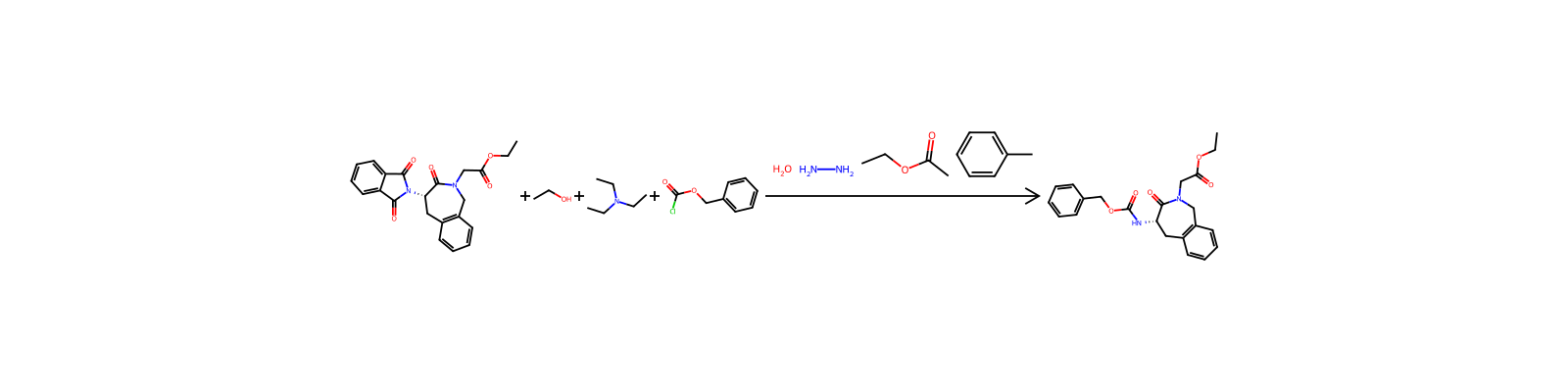
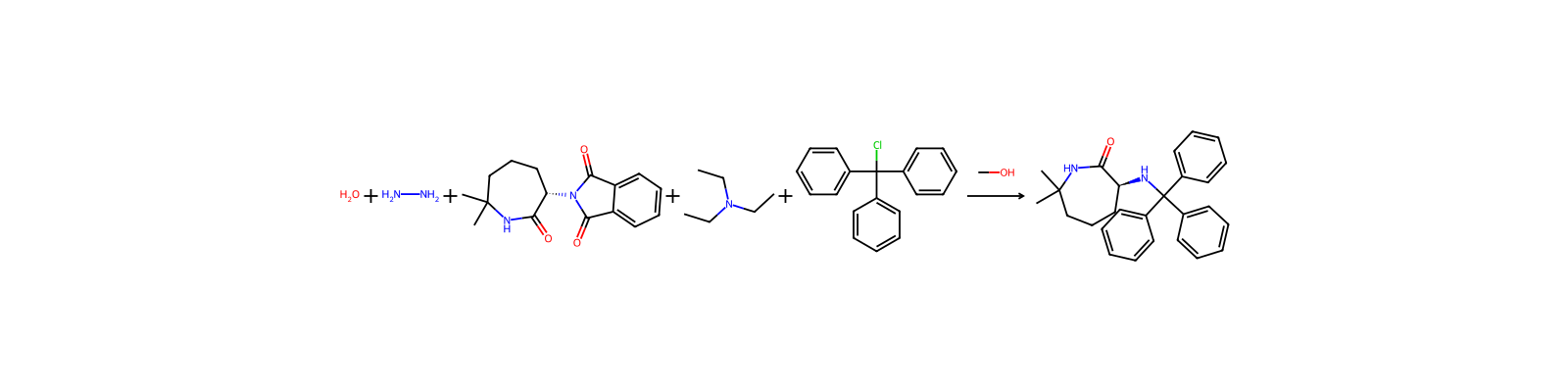
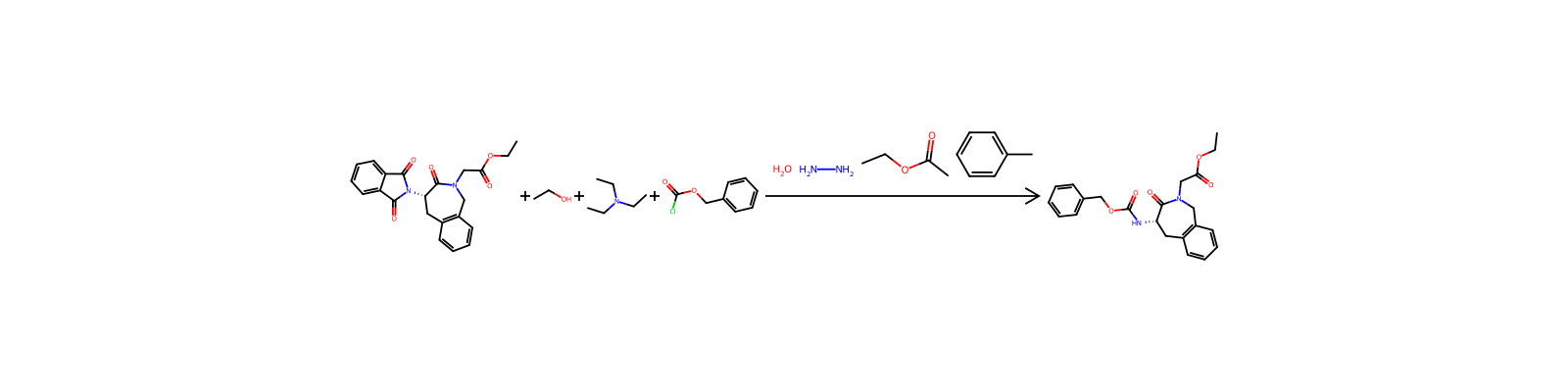
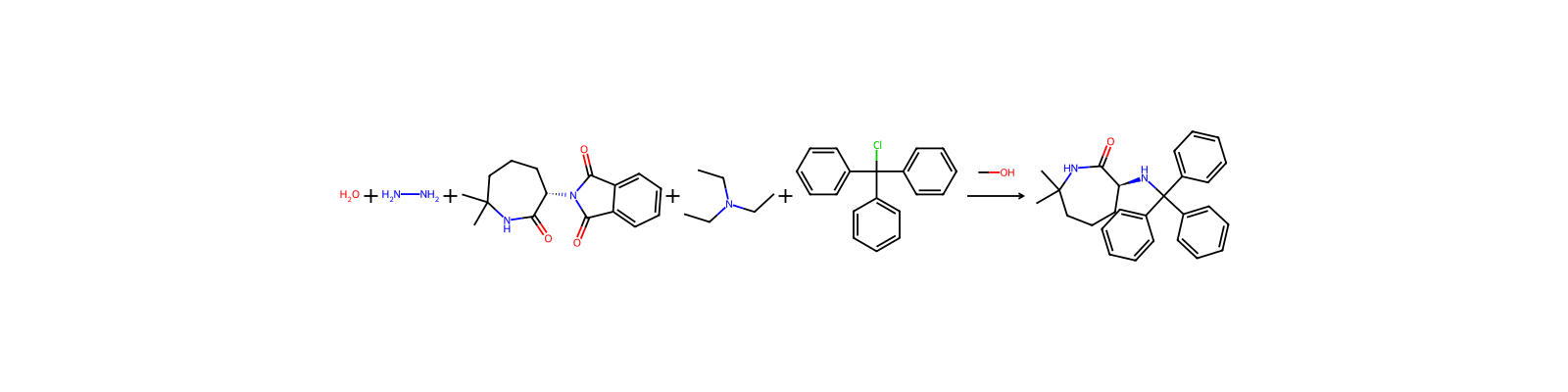
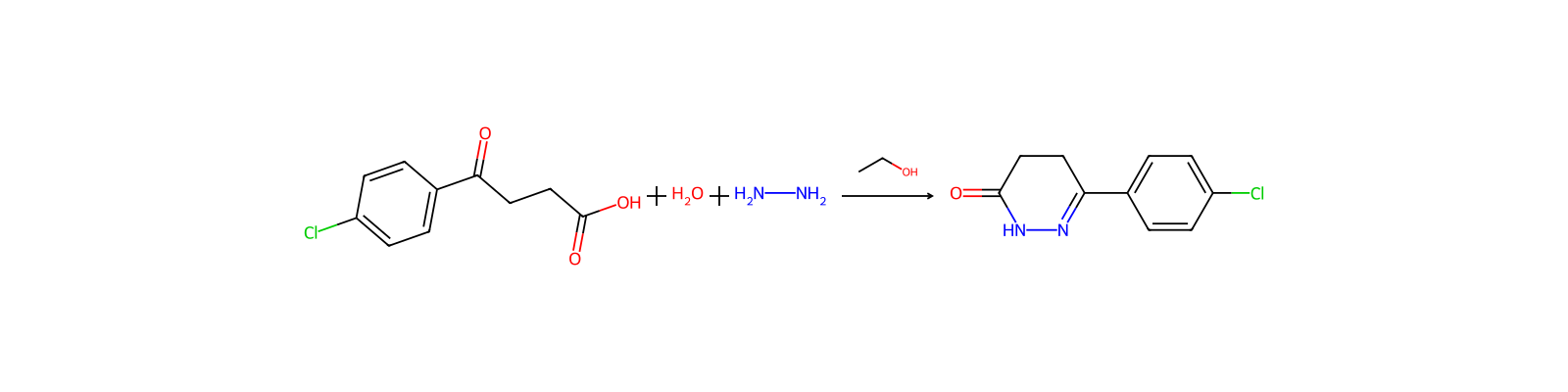
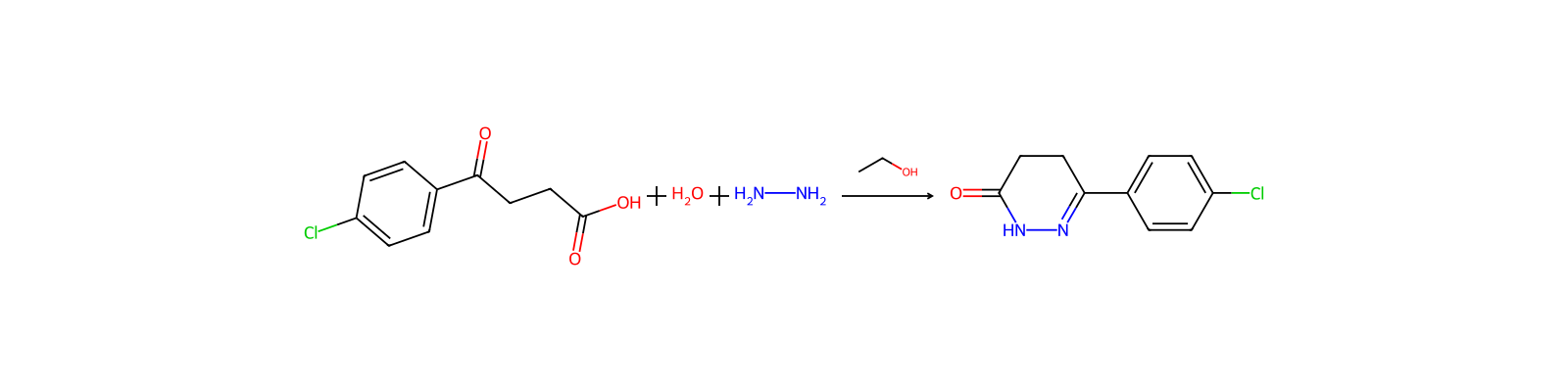
관련 반응
9,961건

연결된 노트
불러오는 중…