이리듐 사염화물
Iridium tetrachloride
데이터를 보충하는 중입니다. 잠시 후 페이지를 새로 고치면 최신 내용을 볼 수 있습니다
기본 정보
- CAS
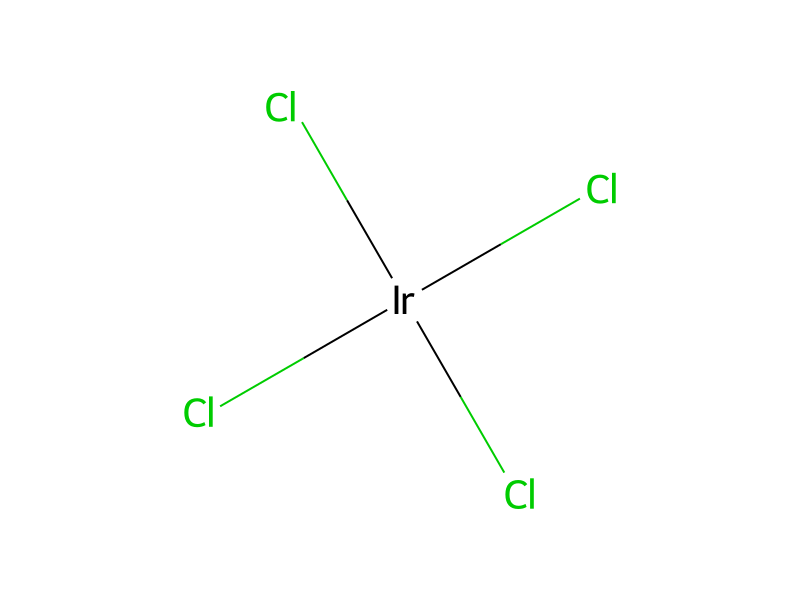
10025-97-5- 표준 SMILES
[Cl][Ir]([Cl])([Cl])[Cl]- InChIKey
CALMYRPSSNRCFD-UHFFFAOYSA-J- 분자식
- Cl4Ir
- 평균 분자량
- 334 g/mol
- 단동위원소 질량
- 332.83833712
이름 및 식별자
- 우선 이름
- Iridium tetrachloride
- IUPAC
- tetrachloroiridium
- 현지명
- 이리듐 사염화물
- 영어명
- Iridium tetrachloride
- 분자식
- Cl4Ir
- 분자량
- 334.02
이름 및 동의어
Iridium(IV) chlorideIRIDIUM TETRACHLORIDEIridium chloride (IrCl4)Iridic ChlorideHSDB 6342UNII-PCG7KVC21IPCG7KVC21IEINECS 233-048-8DTXSID10893602IRIDIUM(IV) CHLORIDE [HSDB]Iridium chloride [IrCl4]RefChem:148712
이름 더 보기
이리듐사염화물이리듐사염화물(IRIDIUMTETRACHLORIDE)IRIDIUM CHLORIDEiridicchloride[qr]iridiumchloride(ircl4)iridium(iv)chloride[qr]Iridium(IV) tetrachlorideiridiumchloride[ircl4][qr]IridiuM(IV) chloride liquidIridiuM chloride(IV) hydrate
DTXCID001323629233-048-810025-97-5tetrachloroiridiumMFCD00016155Iridium(IV)chlorideIridium(IV) chloride, PremionIridium IV chloride
데이터베이스 식별자
- CAS
10025-97-5- PubChem CID
- 24815
- DTXSID
DTXSID10893602- UNII
- PCG7KVC21I
- EC Number
- 233-048-8
물성
구조 계산 물성보충 중
- 극성 표면적
- 0 Ų
- 수소 결합 공여자 수
- 0
- 수소 결합 수용자 수
- 0
- 회전 가능 결합 수
- 0
- 무거운 원자 수
- 5
- 형식 전하
- 0
- 복잡도
- 19.1
실험 및 물리화학적 성질
Chemical ClassesMetals -> Metals, Inorganic Compounds
Color/FormBrownish-black mass
Solubility
Soluble in water, alcohol, and dilute hydrochloric acid.
Insoluble in water, acids, alkalies. /Iridium trichloride alpha-form/
Decomposition
When heated to decomposition it emits toxic fumes of /hydrogen chloride/.
Decomposes at 763 °C. /Iridium Trichloride alpha-form/
Physical DescriptionBrownish-black solid; Soluble in water; [Hawley]
Other Experimental Properties
/The chloride of iridium(IV) ion most likely does not exist as IrCl4./ Iridium(IV) ion tends to be six-cooridinate with octahedral geometry.
Hygroscopic
물리화학적 성질
- 저장 조건
- Inert atmosphere,Room Temperature
- 용해도
- 2 O, · soluble in H2O, ethanol
- 물리적 상태
- 유리질 무정형 조각/분말
- 색상
- 짙은 갈색에서 검정색까지
- 수용성
- 물, 알코올 및 묽은 염산에 용해됩니다.
안전 및 규제
안전 정보는 참고용이며, 공급업체의 물질안전보건자료(SDS), 관련 법규 및 전문가 평가를 대체하지 않습니다.
GHS 분류
GHS Classification
Warning
H302 (100%): Harmful if swallowed [Warning Acute toxicity, oral]
P261, P264, P264+P265, P270, P271, P280, P301+P317, P302+P352, P304+P340, P305+P351+P338, P319, P321, P330, P332+P317, P337+P317, P362+P364, P403+P233, P405, and P501 (click each P-code to see the statement)
Aggregated GHS information provided per 6 reports by companies from 3 notifications to the ECHA C&L Inventory. Each notification may be associated with multiple companies.
유해성 정보
Hazards SummaryA skin and eye irritant; Toxic by ingestion; Oral LD50 (rat) = 1560 mg/kg; [RTECS] An irritant; [MSDSonline] See Iridium.
Hazard Classes and CategoriesAcute Tox. 4 (100%)
안전 및 보호
Disposal Methods
SRP: At the time of review, criteria for land treatment or burial (sanitary landfill) disposal practices are subject to significant revision. Prior to implementing land disposal of waste residue (including waste sludge), consult with environmental regulatory agencies for guidance on acceptable disposal practices.
독성 정보
Human Toxicity Excerpts
/HUMAN EXPOSURE STUDIES/ The chlorides are poison or moderately toxic by ingestion and are eye and skin irritants. /Iridium chlorides/
/CASE REPORTS/ This paper presents the case of a non-smoking and non-atopic male, exposed to iridium chloride at work, who developed respiratory tract symptoms and contact urticaria. Application of iridium salt to normal skin caused contact urticaria. An iridium chloride prick test showed a positive reaction and a scratch test produced anaphylactoid reactions. Platinum salt allergy was excluded through prick testing with hexachloroplatinate solution. There is no previous report describing a case where an individual has a positive prick test reaction to iridium salts and simultaneously a negative one to platinum salts. The results are interpreted as immediate-type hypersensitivity (Type I allergy?) to iridium salt. The route of sensitization was probably through the airways. Further testing showed that iridium salt allergy could persist for at least 18 months after exposure ceases. 14 employees at the same factory were prick tested with iridium and platinum salts with negative results. /Chloride/
화학 및 산업
용도 및 제조
Uses
Used in chemical analysis (testing for nitric acid in the presence of nitrous acid), microscopy, and plating solutions; [HSDB]
Electroplating [Category: Plate]
Analysis (testing for nitric acid in the presence of nitrous acid), microscopy, plating solution.
Catalyst for chlorination and polymerization reactions. /Iridium trichloride/
Methods of ManufacturingDerivation: Action of chlorine or aqua regia on the ammonium salt, (NH4)2IrCl6.
General Manufacturing Information
Iridium chloride (IrCl4): ACTIVE
Hexachloroiridic(IV) acid (H2[IrCl6]) (CAS No. 16941-92-7) and ammonium hexachloroiridate(IV) ((NH4)2[IrCl6]) (CAS No. 16940-92-4) are two industrial important iridium(IV) chloride salts. Hexachloroiridic(IV) acid is by far the most important iridium compound. Ammonium hexachloroiridate(IV) is important in the separtation process of platinum group metals (ruthenium, osmium, rhodium, iridium, palladium and platinum). The best method for producing powder metal iridium is to reduce ammonium hexachloroiridate(IV) in an hydrogen atmosphere at 800 °C and strong heating in air gives an oxide material.
응용 분야
용도Analysis (testing for nitric acid in the presence of nitrous acid), microscopy, plating solution.
관련 반응
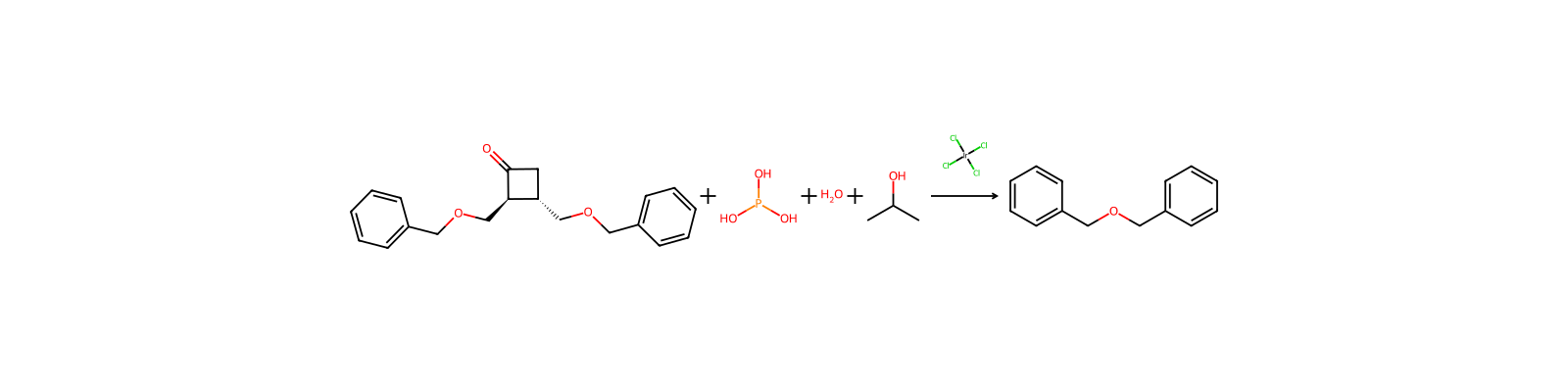
2건

화합물 노트
불러오는 중…