

기본 정보
- 표준 SMILES
Cl[Si](Cl)(Cl)Cl- InChIKey
FDNAPBUWERUEDA-UHFFFAOYSA-N- 분자식
- Cl4Si
- 평균 분자량
- 169.9 g/mol
- 단동위원소 질량
- 167.852337
이름 및 식별자
- 우선 이름
- Silicon tetrachloride
- IUPAC
- tetrachlorosilane
- 영어명
- Silicon tetrachloride
- 분자식
- CL4Si
- 분자량
- 169.8975
이름 및 동의어
TetrachlorosilaneSILICON TETRACHLORIDE10026-04-7Silane, tetrachloro-Silicon chlorideTetrachlorosiliconChlorid kremicitySilicio(tetracloruro di)SiliciumtetrachloridSiliciumtetrachlorideSilicon chloride (SiCl4)Tetrachlorure de silicium
이름 더 보기
Silicium(tetrachlorure de)96L75U0BM3DTXSID0029711Silicium MuriaticumRefChem:6221DTXCID009711233-054-0Silicon(IV) chloride
데이터베이스 식별자
- CAS
10026-04-7- PubChem CID
- 24816
- DTXSID
DTXSID0029711- UNII
- 96L75U0BM3
- EC Number
- 233-054-0
- Nikkaji
- J95.221D
물성
구조 계산 물성
- 극성 표면적
- 0 Ų
- 수소 결합 공여자 수
- 0
- 수소 결합 수용자 수
- 0
- 회전 가능 결합 수
- 0
- 무거운 원자 수
- 5
- 형식 전하
- 0
- 복잡도
- 19
실험 및 물리화학적 성질
OdorSuffocating odor
Density
1.48 at 68 °F (USCG, 1999) - Denser than water; will sink
1.52 @ 0 °C/4 °C
Density: 1.90 @ -97 °C; Liq: 1.483 @ 20 °C; Decomp in alcohol
Relative density (water = 1): 1.48
1.482 @25 °C
Color/FormColorless, clear, mobile, fuming liquid
Solubility
Miscible with benzene, ether, chloroform, petroleum ether
Miscible in all proportions with carbon tetrachloride, tin tetrachloride, titanium chloride, sulfur mono- & dichlorides
Solubility in water: reaction
CorrosivityCorrosive to most metals when water is present
Boiling Point
135.7 °F at 760 mmHg (USCG, 1999)
135.7 °F
59 °C
57 °C
57.57 °C @760 [mm Hg]
DecompositionWhen heated to decomp, it emits toxic fumes of /hydrogen chloride./
Melting Point
-94 °F (USCG, 1999)
-70 °C
-68 °C
-70 °C
Vapor Density
7.59 g/l
Relative vapor density (air = 1): 5.9
PolymerizationPolymerizes easily
Vapor Pressure
236.0 [mmHg]
236 mm Hg @ 25 °C /Calculated from experimentally derived coefficients/
Vapor pressure, kPa at 20 °C: 26
Surface Tension19.6 DYNES/CM= 0.0196 N/M AT 20 °C
물리화학적 성질
- 녹는점
- -70 °C · -70 °C
- 끓는 점
- 59 °C · 59 °C
- 밀도
- 1.52 g/cm3 · 1.52 g/cm3(Temp: 0 °C)
안전 및 규제
GHS 분류
GHS Classification
Warning
H315: Causes skin irritation [Warning Skin corrosion/irritation];H319: Causes serious eye irritation [Warning Serious eye damage/eye irritation];H335: May cause respiratory irritation [Warning Specific target organ toxicity, single exposure; Respiratory tract irritation]
P261, P264, P264+P265, P271, P280, P302+P352, P304+P340, P305+P351+P338, P319, P321, P332+P317, P337+P317, P362+P364, P403+P233, P405, and P501 (click each P-code to see the statement)
This chemical does not meet GHS hazard criteria for 0.2% (1 of 440) of reports.
유해성 정보
Hazards IdentificationWater-reactive material (WR)
Regulatory Information
Chemical: Silane, tetrachloro-
Silane, tetrachloro- is listed on the EPA's Chemical Data Reporting (CDR) system. Manufacturers and importers of Silane, tetrachloro- are required to report information about their production and use of this chemical to the EPA under the Toxic Substances Control Act (TSCA). (40 eCFR Part 711)
Status: Active Update: 18-10-2021 https://echa.europa.eu/registration-dossier/-/registered-dossier/15172
Silane, tetrachloro-: Does not have an individual approval but may be used under an appropriate group standard
The New Jersey Worker and Community Right to Know Act requires public and private employers to provide information about hazardous substances at their workplaces. (N.J.S.A. 34:5A-1 et. seq.)
DOT LabelCorrosive
Fire Hazards
Behavior in Fire: Contact with water in foam applied to adjacent fires will produce irritating fumes of hydrogen chloride. (USCG, 1999)
· Non-combustible, substance itself does not burn but may decompose upon heating to produce corrosive and/or toxic fumes.;· UN1802, UN2032, UN3084, UN3093, UN1796 (above 50%), UN1826 (above 50%), and UN2031 (above 65%) may act as oxidizers. Also consult GUIDE 140.;· Vapors may accumulate in confined areas (basement, tanks, hopper/tank cars, etc.).;· Substance may react with water (some violently), releasing corrosive and/or toxic gases and runoff.;· Corrosives in contact with metals may evolve flammable hydrogen gas.;· Containers may explode when heated or if contaminated with water.
Not combustible. Gives off irritating or toxic fumes (or gases) in a fire.
Fire Potential
NOT FLAMMABLE
CERTAIN STRONG CORROSIVES MAY, ON CONTACT WITH ORGANIC MATTER OR OTHER CHEMICALS, CAUSE FIRE... /CORROSIVE SUBSTANCES/
Health Hazards
Inhalation causes severe irritation of upper respiratory tract resulting in coughing, choking, and a feeling of suffocation; continued inhalation may produce ulceration of the nose, throat, and larynx; if inhaled deeply, edema of the lungs may occur. Contact of liquid with eyes causes severe irritation and painful burns; may cause permanent visual impairment. Liquid may cause severe burns of skin. Repeated skin contact with dilute solutions or exposure to concentrated vapors may cause dermatitis. Ingestion causes severe internal injury with pain in the throat and stomach, intense thirst, difficulty in swallowing, nausea, vomiting, and diarrhea; in severe cases, collapse and unconsciousness may result. (USCG, 1999)
· TOXIC and/or CORROSIVE; inhalation, ingestion or contact (skin, eyes) with vapors, dusts or substance may cause severe injury, burns or death.;· Reaction with water or moist air may release toxic, corrosive or flammable gases.;· Reaction with water may generate much heat that will increase the concentration of fumes in the air.;· Fire will produce irritating, corrosive and/or toxic gases.;· Runoff from fire control or dilution water may be corrosive and/or toxic and cause environmental contamination.
Hazards Summary
Decomposes in water to release hydrochloric acid; [Merck Index # 8500] Contact can cause severe burns to skin and eyes; Inhalation can cause pulmonary edema; [CAMEO] Silicon tetrachloride is a skin irritant. [Quick CPC] Corrosive to rabbit skin when applied undiluted; In a spill accident, several people were treated for burning of the eyes and respiratory tract; in most cases, symptoms cleared within 24 hours; [AIHA]
DOT ID and Guide1818 157
Reactive GroupChlorosilanes
EC ClassificationSymbol: Xi; R: 14-36/37/38; S: (2)-7/8-26
UN ClassificationUN Hazard Class: 8; UN Pack Group: II
Reactivity AlertsWater-Reactive;Air-Reactive
안전 및 보호
Fire Fighting
Excerpt from ERG Guide 157 [Substances - Toxic and/or Corrosive (Non-Combustible / Water-Sensitive)]:;Note: Some foams will react with the material and release corrosive/toxic gases.;SMALL FIRE: CO2 (except for Cyanides), dry chemical, dry sand, alcohol-resistant foam.;LARGE FIRE: Water spray, fog or alcohol-resistant foam. If it can be done safely, move undamaged containers away from the area around the fire. Avoid aiming straight or solid streams directly onto the product. Dike runoff from fire control for later disposal.;FIRE INVOLVING TANKS, RAIL TANK CARS OR HIGHWAY TANKS: Fight fire from maximum distance or use unmanned master stream devices or monitor nozzles. Do not get water inside containers. Cool containers with flooding quantities of water until well after fire is out. Withdraw immediately in case of rising sound from venting safety devices or discoloration of tank. ALWAYS stay away from tanks in direct contact with flames. (ERG, 2024)
NO water. In case of fire in the surroundings, use appropriate extinguishing media. In case of fire: keep drums, etc., cool by spraying with water. NO direct contact with water.
First Aid Measures
Fresh air, rest. Half-upright position. Artificial respiration may be needed. Refer for medical attention.
Remove contaminated clothes. Rinse skin with plenty of water or shower. Refer for medical attention . Wear protective gloves when administering first aid.
First rinse with plenty of water for several minutes (remove contact lenses if easily possible), then refer for medical attention.
Rinse mouth. Do NOT induce vomiting. Give nothing to drink. Refer for medical attention .
Accidental Release Measures
· CALL 911. Then call emergency response telephone number on shipping paper. If shipping paper not available or no answer, refer to appropriate telephone number listed on the inside back cover.;· Keep unauthorized personnel away.;· Stay upwind, uphill and/or upstream.;· Ventilate closed spaces before entering, but only if properly trained and equipped.
· ELIMINATE all ignition sources (no smoking, flares, sparks or flames) from immediate area.;· All equipment used when handling the product must be grounded.;· Do not touch damaged containers or spilled material unless wearing appropriate protective clothing.;· Stop leak if you can do it without risk.;· A vapor-suppressing foam may be used to reduce vapors.;· DO NOT GET WATER INSIDE CONTAINERS.;· Use water spray to reduce vapors or divert vapor cloud drift. Avoid allowing water runoff to contact spilled material.;· Prevent entry into waterways, sewers, basements or confined areas.;Small Spill;· Cover with DRY earth, DRY sand or other non-combustible material followed with plastic sheet to minimize spreading or contact with rain.;· Use clean, non-sparking tools to collect material and place it into loosely covered plastic containers for later disposal.
First Aid
Get medical attention at once following any exposure to this compound.;INHALATION: remove victim from contaminated atmosphere; if breathing has ceased, start mouth-to-mouth resuscitation; oxygen should only be administered by an experienced person when authorized by a physician; keep patient warm and comfortable.;EYES: immediately flush with large quantities of running water for a minimum of 15 min.; continue irrigation for an additional 15 min. if physician is (USCG, 1999)
General First Aid:;· Call 911 or emergency medical service.;· Ensure that medical personnel are aware of the material(s) involved, take precautions to protect themselves and avoid contamination.;· Move victim to fresh air if it can be done safely.;· Administer oxygen if breathing is difficult.;· If victim is not breathing:;-- DO NOT perform mouth-to-mouth resuscitation; the victim may have ingested or inhaled the substance.;-- If equipped and pulse detected, wash face and mouth, then give artificial respiration using a proper respiratory medical device (bag-valve mask, pocket mask equipped with a one-way valve or other device).;-- If no pulse detected or no respiratory medical device available, provide continuous compressions. Conduct a pulse check every two minutes or monitor for any signs of spontaneous respirations.;· Remove and isolate contaminated clothing and shoes.;· For minor skin contact, avoid spreading material on unaffected skin.;· In case of contact with substance, remove immediately by flushing skin or eyes with running water for at least 20 minutes.;· For severe burns, immediate medical attention is required.;· Effects of exposure (inhalation, ingestion, or skin contact) to substance may be delayed.;· Keep victim calm and warm.;· Keep victim under observation.;· For further assistance, contact your local Poison Control Center.;· Note: Basic Life Support (BLS) and Advanced Life Support (ALS) should be done by trained professionals.;Specific First Aid:;· For corrosives, in case of contact, immediately flush skin or eyes with running water for at least 30 minutes. Additional flushing may be required.
Safe StorageKeep under inert gas. Separated from food and feedstuffs and incompatible materials. See Chemical Dangers. Dry. Well closed. Keep in a well-ventilated room.
Firefighting HazardsContact with water in foam applied to adjacent fires will produce irritating fumes of hydrogen chloride.
Exposure Control and Personal Protection
· Wear positive pressure self-contained breathing apparatus (SCBA).;· Wear chemical protective clothing that is specifically recommended by the manufacturer when there is NO RISK OF FIRE.;· Structural firefighters' protective clothing provides thermal protection but only limited chemical protection.
TIH (Toxic Inhalation Hazard) - Term used to describe gases and volatile liquids that are toxic when inhaled. Some are TIH materials themselves, e.g., chlorine, and some release TIH gases when spilled in water, e.g., chlorosilanes. [ERG 2016].
Fire Fighting Procedures
DO NOT USE WATER OR FOAM ON ADJACENT FIRES.
Materials and methods used for the field testing of foams on silicon tetrachloride are described. Two foams were tested incl a high water retention foam with stability over a wide pH range & an ammoniated foam that converts the chlorine portion of the foams to ammonium chloride rather than hydrogen chloride. Results show the application of foam significantly reduced the vapor hazard from spilled silicon tetrachloride.
Storage Conditions
Storage temperature: ambient.
IN THE ABSENCE OF WATER IT HAS PRACTICALLY NO ACTION ON IRON, STEEL, OR THE COMMON METALS AND ALLOYS, AND CAN BE STORED AND HANDLED IN METAL EQUIPMENT WITHOUT DANGER.
ALL CONTAINERS, PIPES, APPARATUS, INSTALLATIONS & STRUCTURES USED FOR MFR, STORAGE, TRANSPORT OR USE OF THESE SUBSTANCES MUST BE OF MATERIAL RESISTANT TO CORROSIVE SUBSTANCES OR BE PROTECTED BY SUITABLE COATINGS... ALL CONTAINERS OR RECEPTACLES SHOULD BE CLEARLY LABELLED TO INDICATE THEIR CONTENTS & SHOULD BEAR DANGER SYMBOL FOR CORROSIVES. /CORROSIVE SUBSTANCES/
Cleanup MethodsSpills can be rendered harmless by anhydrous soda.
Nonfire Spill Response
Excerpt from ERG Guide 157 [Substances - Toxic and/or Corrosive (Non-Combustible / Water-Sensitive)]:;ELIMINATE all ignition sources (no smoking, flares, sparks or flames) from immediate area. All equipment used when handling the product must be grounded. Do not touch damaged containers or spilled material unless wearing appropriate protective clothing. Stop leak if you can do it without risk. A vapor-suppressing foam may be used to reduce vapors. DO NOT GET WATER INSIDE CONTAINERS. Use water spray to reduce vapors or divert vapor cloud drift. Avoid allowing water runoff to contact spilled material. Prevent entry into waterways, sewers, basements or confined areas.;SMALL SPILL: Cover with DRY earth, DRY sand or other non-combustible material followed with plastic sheet to minimize spreading or contact with rain. Use clean, non-sparking tools to collect material and place it into loosely covered plastic containers for later disposal. (ERG, 2024)
Disposal Methods
SRP: At the time of review, criteria for land treatment or burial (sanitary landfill) disposal practices are subject to significant revision. Prior to implementing land disposal of waste residue (including waste sludge), consult with environmental regulatory agencies for guidance on acceptable disposal practices.
/LABORATORY QUANTITIES/: Chemical treatment: Transfer into an evaporating dish containing sodium bicarbonate. Spray with ammonia (6m-NH4OH) /6 M-ammonium hydroxide/ while stirring and then spread with crushed ice. Continue spraying with ammonia until the smoke of ammonium chloride partly subsides and add iced water while stirring. Neutralize and slowly transfer the mixture into a drain with running water.
독성 정보
Adverse EffectsDermatotoxin - Skin burns.;Toxic Pneumonitis - Inflammation of the lungs induced by inhalation of metal fumes or toxic gases and vapors.
Exposure RoutesThe substance can be absorbed into the body by inhalation of its vapour and by ingestion.
Signs and Symptoms
Cough. Sore throat. Burning sensation. Laboured breathing. Shortness of breath. Symptoms may be delayed.
Redness. Pain. Blisters. Skin burns.
Redness. Pain. Severe deep burns.
Burning sensation. Abdominal pain. Shock or collapse.
Human Toxicity Excerpts
MAY BE IRRITATING TO EYES ...
A spill of silicon tetrachloride caused the evacuation of several thousand people from an industrial park; 28 persons sought medical attention. Five of the workers experienced recurrent headaches, and two complained of pedal dysesthesias after the accident. Although temporal relationship between the exposure and onset of these symptoms is notable, no definite etiologic relationship could be established.
.../CHLOROSILANES/ CONSIDERED NON-CORROSIVE IN THEIR NATURAL, DRY STATE MAY BECOME CORROSIVE WHEN IN CONTACT WITH WATER OR MOISTURE OF SKIN & MUCOUS MEMBRANES. ...DURING...HYDROLYSIS, CORROSIVE HALOGEN COMPOUNDS ARE RELEASED. /CORROSIVE SUBSTANCES/
THERE IS...NO EVIDENCE OF SILICOSIS-TYPE LESIONS IN PERSONS HANDLING CHLOROSILANES. /CORROSIVE SUBSTANCES/
For more Human Toxicity Excerpts (Complete) data for SILICON TETRACHLORIDE (7 total), please visit the HSDB record page.
Non-Human Toxicity Excerpts
VAPOR IS IRRITATING TO EYES & RESP TRACT, & A SMALL DROP OF ... /TETRACHLOROSILANE/ ON RABBIT EYES CAUSES SEVERE DAMAGE.
/WHEN INSTILLED/...INTO EYE OF RABBIT ALL THESE COMPD /METHYL & ETHYL CHLOROSILANES/, EVEN @ VERY LOW DOSES (0.05 ML), CAUSED SEVERE BURNS OF CORNEA & EYELIDS. .../WHEN APPLIED/ TO SKIN OF RABBIT THE REGION ATTACKED BY CHLOROSILANES BLANCHES & BLISTERS APPEAR; ACTION IS MORE MARKED THE DAMPER SURFACE OF SKIN. /CHLOROSILANES/
/VIA INHALATION/ THEY HAVE A CORROSIVE ACTION WHEN BROUGHT INTO CONTACT WITH MUCOUS MEMBRANES. /CHLOROSILANES/
Antidote and Emergency Treatment
Basic treatment: Establish a patent airway. Suction if necessary. Watch for signs of respiratory insufficiency and assist ventilations if necessary. Administer oxygen by nonrebreather mask at 10 to 15 L/min. Monitor for pulmonary edema and treat if necessary ... . Monitor for shock and treat if necessary ... . For eye contamination, flush eyes immediately with water. Irrigate each eye continuously with normal saline during transport ... . Do not use emetics. For ingestion, rinse mouth and administer 5 mL/kg up to 200 mL of water for dilution if the patent can swallow, has a strong gag reflex, and does not drool ... . Cover skin burns with dry sterile dressings after decontamination ... . /Chlorine and related compounds/
Advanced treatment: Consider orotracheal or nasotracheal intubation for airway control in the patient who is unconscious or in respiratory arrest. Positive-pressure ventilation techniques with a bag-valve-mask device may be beneficial. Monitor cardiac rhythm and treat arrhythmias if necessary ... . Start an IV with D5W TKO /SRP: "To keep open", minimal flow rate/. Use lactated Ringer's to support vital signs if signs of hypovolemia are present. Watch for signs of fluid overload. Consider drug therapy for pulmonary edema ... . Consider vasopressors to treat hypotension without signs of hypovolemia ... . Use proparacaine hydrochloride to assist eye irrigation ... . /Chlorine and related compounds/
Toxicity DataLC50 (rat) = 8,000 ppm/4H
규제 정보
Regulatory Information
Chemical: Silane, tetrachloro-
Silane, tetrachloro- is listed on the EPA's Chemical Data Reporting (CDR) system. Manufacturers and importers of Silane, tetrachloro- are required to report information about their production and use of this chemical to the EPA under the Toxic Substances Control Act (TSCA). (40 eCFR Part 711)
Status: Active Update: 18-10-2021 https://echa.europa.eu/registration-dossier/-/registered-dossier/15172
Silane, tetrachloro-: Does not have an individual approval but may be used under an appropriate group standard
The New Jersey Worker and Community Right to Know Act requires public and private employers to provide information about hazardous substances at their workplaces. (N.J.S.A. 34:5A-1 et. seq.)
DHS Chemicals of Interest (COI)
Silicon tetrachloride
A Commercial Grade
A Placarded Amount
Chemical or material that can be mixed with readily available materials.
안전 데이터
- ridadr
- UN 1818
- 포장분류
- II
- 위험 등급
- 8
화학 및 산업
용도 및 제조
Uses
Used to produce military smokescreens; Used to manufacture silicones, fused silica glass, fumed silica, silica fiber optic waveguides, transistors, and other chemical products; [HSDB]
Semiconductor Manufacturing [Category: Industry];Toxic Gas from Spilling Chemical in Water [Category: Other];Glass Manufacturing [Category: Industry]
PRODUCING SMOKESCREENS IN WARFARE
IN MFR OF TRANSISTORS
MFR OF ETHYL SILICATE & SIMILAR COMPD; PRODUCTION OF SILICONES, MFR OF HIGH-PURITY SILICA & FUSED SILICA GLASS; SOURCE OF SILICA & HYDROGEN CHLORIDE; LABORATORY REAGENT
The overwhelming use for tetrachlorosilane is in the production of fumed silica. Also utilized in the production of tetraalkoxysilanes and silica fiber optic waveguides.
Impurities
Grades: Technical; 99.5%; CP (99.8%); semiconductor
Low purity tetrachlorosilane used as a raw material in the production of fumed silica contains some trichlorosilane as well as methyltrichlorosilane.
U.S. Production2023: 1,000,000,000 - <5,000,000,000 lb;2022: 500,000,000 - <1,000,000,000 lb;2021: 500,000,000 - <1,000,000,000 lb;2020: 1,000,000,000 - <5,000,000,000 lb
Industry UsesHardener;Intermediate;Semiconductor and photovoltaic agent
Methods of Manufacturing
PREPARED FROM THE ELEMENTS.
HEATING SILICON DIOXIDE AND COKE IN A STREAM OF CHLORINE.
Can be manufactured directly by the reaction of chlorine on silicon metal or ferrosilicon at 500 °C or silicon carbide.
Industrial tetrachlorosilane derives from two processes associated with trichlorosilane, the direct reaction of hydrogen chloride on silicon primarily produced as an intermediate for fumed silica production, and as a byproduct in the disproportionation reaction of trichlorosilane to silane utilized in microelectronics.
Byproduct in the production of zirconium tetrachloride.
General Manufacturing Information
All Other Basic Inorganic Chemical Manufacturing;Electrical Equipment, Appliance, and Component Manufacturing;Primary Metal Manufacturing
Silane, tetrachloro-: ACTIVE
The production of tetrachlorosilane directly by the reaction of chlorine on silicon was abandoned worldwide in the early 1980s.
The production of tetrachlorosilane as a byproduct of zirconium tetrachloride has decreased in the 1990s owing to reduction in demand for zirconium in nuclear facilities. Previously substantial quantites were produced by this route.
공급사50 곳
北京华美互利生物化工010-56205725 · [email protected]
梯希爱(上海)化成工业发展有限公司021-67121386 · [email protected]
上海阿拉丁生化科技股份有限公司400-6206333 13167063860 · [email protected]
南通润丰石油化工有限公司66017690 19952660367 · [email protected]
Career Henan Chemica Co+86-0371-86658258 +86-13203830695 · [email protected]
安徽旺山旺水特种气体有限公司15906197626 · [email protected]
上海比阳实业有限公司+86-21-52699951; +8613917686115 · [email protected]
合肥翰刚医药科技有限公司+8618062405514 · [email protected]
常州市紫东联化进出口有限公司0519-85560282 13656141470 · [email protected]
T&W GROUP021-61551611 13296011611 · [email protected]
爱斯特(成都)生物制药股份有限公司+86-28-85122536 85324413 · [email protected]
Baoji Guokang Healthchem co.,ltd+8615604608665 15604608665 · [email protected]
Dayang Chem (Hangzhou) Co.,Ltd.+86-0571-88938639 17705817739 · [email protected]
衢州明锋化工有限公司0570-3062502 13819002126;13819008176 · [email protected]
上海迈瑞尔生化科技有限公司4006356688 18621169109 · [email protected]
阿法埃莎(中国)化学有限公司400-6106006 · [email protected]
安耐吉化学&3A(安徽泽升科技股份有限公司)400-0056266 · [email protected]
上海瀚鸿科技股份有限公司021-54306202 13764082696 · [email protected]
山东昱轩化工产品有限公司15315790065 15315790065 · [email protected]
池州捷峰生物科技有限公司0566-8928158 · [email protected]
上海比阳实业有限公司+86-15021878111 · [email protected]
上海忆嵘生物科技有限公司18049974220 · [email protected]
上海瀚扬化工产品有限公司13356258271
山东洛恒化工产品有限公司17306359933
山东西亚化学有限公司13355009207 13355009207 · [email protected]
玛雅试剂+86 (573) 82222445 (0)18006601000 452520369 · [email protected]
HONG KONG IPURE BIOLOGY CO.,LIMITED86 18062405514 18062405514 · [email protected]
四川库利南科技有限公司400-1166-196 18981987031 · [email protected]
Xiamen AmoyChem Co., Ltd+86-86-5926051114 · [email protected]
斯百全化学(上海)有限公司021-021-021-67601398-809-809-809 15221380277 · [email protected]
艾科试剂4008-755-333 18080918076 · [email protected]
上海思域化工科技有限公司86-21-34053660 · [email protected]
赛默飞世尔科技(中国)有限公司800-810-5118 · [email protected]
北京伊诺凯科技有限公司400-810-7969 010-59572699 · [email protected]
QINGDAO KAIENSI INTERNATIONAL TRADE CO.,LTD.+86-0532-8699-9256 +86-18518128472 · [email protected]
上海遐瑞医药科技有限公司+86 21 61551611
TOKYO CHEMICAL INDUSTRY CO., LTD.03-36680489 · [email protected]
北京环宇世纪化学科技有限公司hysj_bj.com
安徽科迪达化工有限公司0554-2106669 · [email protected]
上海探圭新材料科技有限公司18516111942 · [email protected]
上海石洋化工有限公司021-56795766 · [email protected]
成都零六生物科技有限公司400-1166-196 13458535857 · [email protected]
雷丁试剂0510-85629785 18013409632 · [email protected]
上海麦克林生化科技股份有限公司15221275939 15221275939 · [email protected]
上海兴鲁化工科技有限公司02120970332 · [email protected]
成都润泽本土化工有限公司13096311329 028-88469284 616445927 · [email protected]
池州凯隆进出口贸易有限公司[email protected]
Sigma-Aldrich西格玛奥德里奇(上海)贸易有限公司021-61415566 800-8193336 · [email protected]
康迪斯化工(湖北)有限公司13343438265 · [email protected]
郑州科豫隆化工产品有限公司17319789407 17319789407 · [email protected]
관련 반응
162건


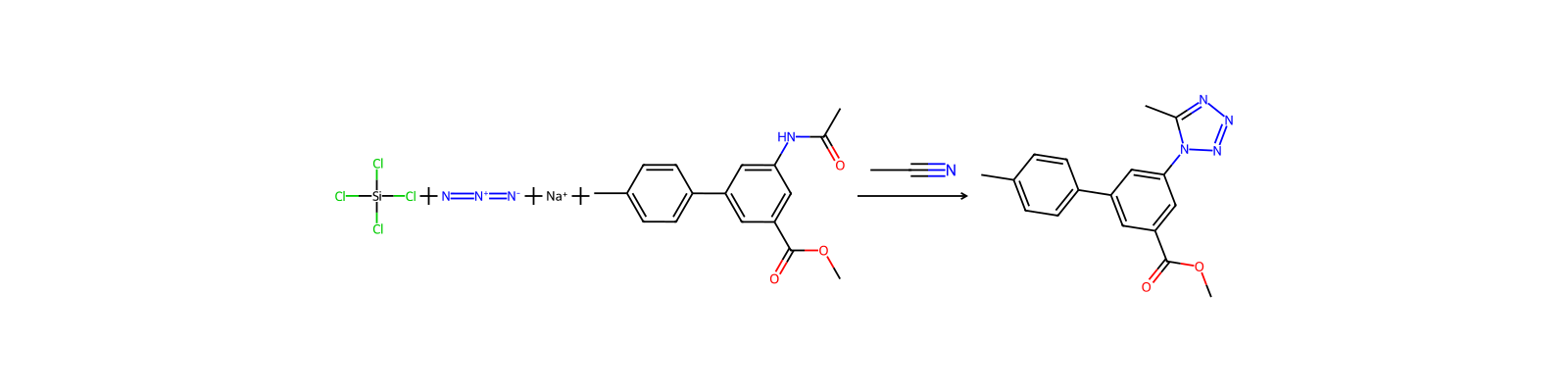

연결된 노트
불러오는 중…