
HRID 2000209시약으로
Zirconium chloride

10026-11-6[Cl][Zr]([Cl])([Cl])[Cl]DUNKXUFBGCUVQW-UHFFFAOYSA-JZirconium tetrachloride is a white lustrous crystalline solid. Used as a source of pure zirconium, as a tanning agent, in analytical chemistry and in treating textiles. Zirconium tetrachloride is decomposed by water. Corrosive to metals in the presence of moisture and to tissue.
10026-11-6DTXSID1044142CHEBI:77566Metals -> Metals, Inorganic Compounds
Corrosives
2.083 at 59 °F (USCG, 1999) - Denser than water; will sink
2.80 g/cu cm
2.8 @25 °C
Lustrous monoclinic crystals
White monoclinic crystals; hygroscopic
Decomposed by water to form ZrOCl2 and HCl
Reacts with water
Soluble in alcohol, ether
Sublimes 627.8 °F (USCG, 1999)
331 °C
331 °C @760 [mm Hg]
Hazardous decomposition products: Reacts with water to form hydrochloric acid.
When heated to decomposition it emits toxic fumes of /hydrogen chloride/.
None, except under pressure, since it sublimes. (USCG, 1999)
437 °C (triple point)
안전 정보는 참고용이며, 공급업체의 물질안전보건자료(SDS), 관련 법규 및 전문가 평가를 대체하지 않습니다.
Danger
H290 (60.8%): May be corrosive to metals [Warning Corrosive to Metals]
P233, P234, P260, P261, P264, P270, P271, P272, P280, P284, P301+P317, P301+P330+P331, P302+P352, P302+P361+P354, P304+P340, P305+P354+P338, P316, P317, P321, P330, P333+P317, P342+P316, P362+P364, P363, P390, P403, P405, P406, and P501 (click each P-code to see the statement)
Aggregated GHS information provided per 74 reports by companies from 10 notifications to the ECHA C&L Inventory. Each notification may be associated with multiple companies.
Warning
H302: Harmful if swallowed [Warning Acute toxicity, oral]
REACH registered substance: Zirconium tetrachloride (EC: 233-058-2)
The New Jersey Worker and Community Right to Know Act requires public and private employers to provide information about hazardous substances at their workplaces. (N.J.S.A. 34:5A-1 et. seq.)
Behavior in Fire: Will not burn - sublimes above 626 °F (331 °C). May give off HCl fumes. (USCG, 1999)
· EXCEPT FOR ACETIC ANHYDRIDE (UN1715), THAT IS FLAMMABLE, some of these materials may burn, but none ignite readily.
INHALATION: Irritating to upper respiratory tract; presumably caused by liberated HCl. EYES: Irritating. SKIN: Irritating. INGESTION: Burning pain in the mouth and throat, vomiting, watery or bloody diarrhea, retching, collapse, and convulsions. (USCG, 1999)
· CORROSIVE and/or TOXIC; inhalation, ingestion or contact (skin, eyes) with vapors, dusts or substance may cause severe injury, burns or death.
Deposition and retention of zirconium in lung and pulmonary lymph nodes following inhalation of zirconium oxide dust are typical of that of insol substance; however, deposition of sol zirconyl chloride in lung following inhalation of zirconium tetrachloride mist was equally great and showed similar distribution in othertissues....
Tracer studies of oral absorption of zirconium tetrachloride with the stable chloride as carrier, show less than 0.001% of dose passed from GI tract to blood stream.
Used in catalysts and reagents and to make water-repellent textiles, leather, and other zirconium compounds; [HSDB] Used as a chemical reagent and to make high-temperature fuel cells, zirconium nitride coatings, and zirconium organometallic compounds; [Ullmann]
Leather Tanning and Processing [Category: Industry]
Zirconium tetrachloride has been used as a textile water repellent and as a tanning agent.
Friedel-Crafts catalyst. Component of Ziegler-type catalysts in the condensation of ethylene. Starting material in the synthesis of a number of organic derivatives of zirconium, such as alkoxides and zircocene. The alkoxides have been shown to be of value in the curing of silicone plastic films.
Source of pure metal (formed as intermediate in process); analytical chemistry, water repellents for textiles; tanning agent ... .
Zirconium tetrachloride is used to form zirconium nitride coatings, to react electrochemically to form zirconia in high-temperature fuel cells, to react with alcohols to form alkoxides, and to produce zirconium organometallic compounds. Zirconium tetrachloride is reduced by molten alkali and alkaline earth metals, yielding zirconium metal.
Production volume for non-confidential chemicals reported under the 2006 Inventory Update Rule. Chemical: Zirconium chloride (ZrCl4), (T-4)-. Aggregated National Production Volume: 10 to < 50 million pounds.
Non-confidential 2012 Chemical Data Reporting (CDR) information on the production and use of chemicals manufactured or imported into the United States. Chemical: Zirconium chloride (ZrCl4), (T-4)-. National Production Volume: 33,062,075 lb/yr.




Vapor pressure (solid): 1 Pa at 117 °C; 10 Pa at 146 °C; 100 Pa at 181 °C; 1 kPa at 222 °C; 10 kPa at 272 °C; 100 kPa at 336 °C
1 [mm Hg] @190 °C
Zirconium tetrachloride is a white lustrous crystalline solid. Used as a source of pure zirconium, as a tanning agent, in analytical chemistry and in treating textiles. Zirconium tetrachloride is decomposed by water. Corrosive to metals in the presence of moisture and to tissue.
Very hygroscopic lustrous solid; Decomposed by water; [Merck Index] White powder; [MSDSonline]
Stable under recommended storage conditions.
...Forms hydrochloric acid vapor and gives off fumes in moist air.
Zirconium tetrachloride forms lustrous, white, monoclinic crystals that melt at 437 ℃. It is a corrosive powder. It is hygroscopic, and thus soluble in cold water, alcohol, ether, and concentrated hydrochloric acid. It reacts vigorously with water forming hydrogen chloride (irritating vapor) and zirconium oxychloride. When moist, zirconium tetrachloride reacts with common materials to form hydrochloric acid that is corrosive to many metals. Through hydrolysis to HCl, zirconium tetrachloride can irritate the respiratory tract and other superficial surfaces of the body on exposure. Zirconium tetrachloride readily forms coordinate bonds with oxygen and nitrogen in organic molecules.
Produces hydrogen chloride vapor on exposure to moisture; [Merck Index] A skin, eye, and respiratory tract irritant; Inhalation may cause pulmonary edema; Reacts with water evolving heat, hydrogen chloride, and dense white clouds; [HSDB] Corrosive to skin and eyes; [eChemPortal: ERMA] Effects in high-dose animal studies include acute tubular necrosis; [MSDSonline] See Zirconium.
Permissible Exposure Limit: Table Z-1 8-hr Time Weighted Avg: 5 mg/cu m. /Zirconium compounds (as Zr)/
Vacated 1989 OSHA PEL TWA 5 mg/cu m; STEL 10 mg/cu m is still enforced in some states. /Zirconium compounds (as Zr)/
ZIRCONIUM TETRACHLORIDE is corrosive to metals in the presence of moisture and to tissue. Behavior in Fire: Will not burn - sublimes above 626 °F (331 °C). May give off HCl fumes (USCG, 1999). It is incompatible with alcohols (ethanol), lithium metal, and tetrahydrofuran.
· CALL 911. Then call emergency response telephone number on shipping paper. If shipping paper not available or no answer, refer to appropriate telephone number listed on the inside back cover.
· Do not touch damaged containers or spilled material unless wearing appropriate protective clothing.
Call a physician.
General First Aid:
Suitable extinguishing media: Dry powder.
Advice for firefighters: Wear self contained breathing apparatus for fire fighting if necessary.
Dry chemical, "alcohol resistant" foam, or carbon dioxide preferred. Water may cause violent reaction.
If material involved in fire: Use dry chemical, dry sand, or carbon dioxide. ... Do not use water on material itself. ... If large quantities of combustibles are involved, use water in flooding quantities as spray and fog. ... Use water spray to knock-down vapors. ... Cool all affected containers with flooding quantities of water. ... Apply water from as far a distance as possible.
Conditions for safe storage, including any incompatibilities: Keep container tightly closed in a dry and well-ventilated place. Never allow product to get in contact with water during storage. Handle and store under inert gas. Moisture sensitive. Keep in a dry place.
Store in a cool, dry, well ventilated location. Always keep container closed.
Accidental release measures: Personal precautions, protective equipment and emergency procedures: Wear respiratory protection. Avoid dust formation. Avoid breathing vapors, mist or gas. Ensure adequate ventilation. Evacuate personnel to safe areas. Avoid breathing dust.; Environmental precautions: Do not let product enter drains.; Methods and materials for containment and cleaning up: Pick up and arrange disposal without creating dust. Sweep up and shovel. Do not flush with water. Keep in suitable, closed containers for disposal.
Environmental considerations: land spill: Dig a pit, pond, lagoon, holding area to contain liquid or solid material. ... Cover solids with a plastic sheet to prevent dissolving in rain or fire fighting water. /SRP: If time permits, pits, ponds, lagoons, soak holes, or holding areas should be sealed with an impermeable flexible membrane liner./
Environmental considerations: water spill: Neutralize with agricultural lime (CaO), crushed limestone (CaCO3), or sodium bicarbonate (NaHCO3). ... Use mechanical dredges or lifts to remove immobilized masses of pollutants and precipitates.
1. Ventilate area of spill. 2. Collect spilled material in the most convenient and safe manner and deposit in sealed containers for reclamation... . /Zirconium compound (as Zr)/
Product: Offer surplus and non-recyclable solutions to a licensed disposal company. Contact a licensed professional waste disposal service to dispose of this material. Dissolve or mix the material with a combustible solvent and burn in a chemical incinerator equipped with an afterburner and scrubber. Contaminated packaging: Dispose of as unused product.
SRP: Wastewater from contaminant suppression, cleaning of protective clothing/equipment, or contaminated sites should be contained and evaluated for subject chemical or decomposition product concentrations. Concentrations shall be lower than applicable environmental discharge or disposal criteria. Alternatively, pretreatment and/or discharge to a permitted wastewater treatment facility is acceptable only after review by the governing authority and assurance that "pass through" violations will not occur. Due consideration shall be given to remediation worker exposure (inhalation, dermal and ingestion) as well as fate during treatment, transfer and disposal. If it is not practicable to manage the chemical in this fashion, it must be evaluated in accordance with EPA 40 CFR Part 261, specifically Subpart B, in order to determine the appropriate local, state and federal requirements for disposal.
SRP: Recycle any unused portion of the material for its approved use or return it to the manufacturer or supplier. Ultimate disposal of the chemical must consider: the material's impact on air quality; potential migration in air, soil or water; effects on animal, aquatic and plant life; and conformance with environmental and public health regulations. If it is possible or reasonable use an alternative chemical product with less inherent propensity for occupational harm/injury/toxicity or environmental contamination.
Precautions for safe handling: Avoid formation of dust and aerosols. Further processing of solid materials may result in the formation of combustible dusts. The potential for combustible dust formation should be taken into consideration before additional processing occurs. Provide appropriate exhaust ventilation at places where dust is formed.
Appropriate engineering controls: Handle in accordance with good industrial hygiene and safety practice. Wash hands before breaks and at the end of workday.
Gloves must be inspected prior to use. Use proper glove removal technique (without touching glove's outer surface) to avoid skin contact with this product. Dispose of contaminated gloves after use in accordance with applicable laws and good laboratory practices. Wash and dry hands.
SRP: The scientific literature for the use of contact lenses by industrial workers is inconsistent. The benefits or detrimental effects of wearing contact lenses depend not only upon the substance, but also on factors including the form of the substance, characteristics and duration of the exposure, the uses of other eye protection equipment, and the hygiene of the lenses. However, there may be individual substances whose irritating or corrosive properties are such that the wearing of contact lenses would be harmful to the eye. In those specific cases, contact lenses should not be worn. In any event, the usual eye protection equipment should be worn even when contact lenses are in place.
For more Preventive Measures (Complete) data for ZIRCONIUM TETRACHLORIDE (7 total), please visit the HSDB record page.
Excerpt from ERG Guide 137 [Substances - Water-Reactive - Corrosive]:
Immediate precautionary measure
LC50; Species: Oncorhynchus mykiss (Rainbow trout); Conditions: static; Concentration: >20 mg/L for 96 hr /Technical product/
EC50; Species: Selenastrum capricornutum (Green algae); Condtions: static; Concentration: 2.6 mg/L for 96 hr; Effect: general growth /Technical product/
IDENTIFICATION AND USE: Zirconim tetrachloride forms white monoclinic crystals. It is used to form zirconium nitride coatings, to react electrochemically to form zirconia in high-temperature fuel cells, to react with alcohols to form alkoxides, and to produce zirconium organometallic compounds. Zirconium tetrachloride is reduced by molten alkali and alkaline earth metals, yielding zirconium metal. HUMAN EXPOSURE AND TOXICITY: Exposure to zirconium tetrachloride may cause corrosive injury. Common early features of corrosive ingestion include immediate pain in the mouth, pharynx and abdomen, intense thirst, vomiting, hematemesis and diarrhea. Gastric and esophageal perforation and chemical peritonitis may also occur. Late features include antral or pyloric stenosis, jejunal stricture formation, achlorhydria, protein-losing gastroenteropathy and gastric carcinoma. Pulmonary edema has been reported after exposure to zirconium tetrachloride and may be delayed for up to 36 hours. Allergic reactions have been reported in dental patients with crowns or bridges that contain zirconium tetrachloride resulting in eosinophilic gastritis that resolved when artificial dentition was replaced. ANIMAL STUDIES: Inhalation of ZrCl4 mist at an airborne concentration of 6 mg of Zr/cu m was perceptibly toxic after a 2-month exposure, as shown by slight decreases in hemoglobin and erythrocyte count in dogs. There was some increase in mortality over that of controls. Salmonella typhimurium TA 98, TA 100, TA 102, TA 1537, TA 2637 were negative. When tested in combination with 9-aminoacridine, the mutation rate was higher than that for 9-aminoacridine alone (zirconium tetrachloride). ECOTOXICITY STUDIES: The inactivation of phosphorus by zirconium tetrachloride reduced phytoplankton production in the experimental side, as a possible approach to eutrophication control, in a eutrophic farm pond study.
/FIELD STUDIES/ The inactivation of /phosphorus/ (P) by zirconium tetrachloride, as a possible approach to eutrophication control, was studied in a eutrophic farm pond divided into experimental and control sides. Dramatic differences in phytoplankton production between the 2 sides occurred during the 1st summer. An intensive bloom of Anabaena circinalis developed in the control, along with elevated total P. Phytoplankton peaks were over 6 times higher in the control. Benthic macroinvertebrates were not affected. Reduced phytoplankton production in the experimental side seemed to be caused by inhibition of P cycling from the sediments. An absence of pronounced differences in the 2nd year was caused by leakage of Zr from the experimental side into the control.
/OTHER TERRESTRIAL SPECIES/ ... In this study, ...the effects of different TiO2 and Zr materials on the soil oligochaete Enchytraeus crypticus /were investigated/, using exposure via soil, via water, and via soil-water extracts, and studied the effects combined with UV radiation. The results showed that ZrO2 (bulk and nano) were not toxic, while zirconium tetrachloride (ZrCl4) reduced the enchytraeids reproduction in soil (EC50=502 mg/kg). ...
/SIGNS AND SYMPTOMS/ Most zirconium compounds are absorbed poorly from the gastrointestinal tract although some salts such as zirconium tetrachloride may cause corrosive injury. Common early features of corrosive ingestion include immediate pain in the mouth, pharynx and abdomen, intense thirst, vomiting, hematemesis and diarrhea. Gastric and esophageal perforation and chemical peritonitis may also occur. Late features include antral or pyloric stenosis, jejunal stricture formation, achlorhydria, protein-losing gastroenteropathy and gastric carcinoma.
/SIGNS AND SYMPTOMS/ Pulmonary edema has been reported after exposure to zirconium tetrachloride and may be delayed for up to 36 hours.
/CASE REPORTS/ Only a few cases of contact allergic gastritis in patients with nickel allergy have been reported. We report a case of probable contact-allergic gastritis in a 46-year-old woman. Clinical examination revealed lichenoid mucosal lesions of the gums adjacent to bridges and crowns that had been implanted several weeks back. Since implantation, the patient had suffered from gastrointestinal complaints (including stomach pain). Gastroscopy showed eosinophilic gastritis. Patch testing done under the diagnosis of contact allergic stomatitis showed positive reactions to: gold sodium thiosulphate; manganese (II) chloride; nickel (II) sulphate; palladium chloride; vanadium (III) chloride and zirconium (IV) chloride. The crowns and bridge contained gold, palladium and zirconium chloride, hence they were replaced by titan-based dentition. Shortly after replacing the artificial dentition, all gastrointestinal symptoms resolved spontaneously without further treatment. Delayed-type allergy against the components of artificial dentition seemed to be the cause of gastritis.
/LABORATORY ANIMALS: Subchronic or Prechronic Exposure/ Inhalation of ZrCl4 mist at an airborne concentration of 6 mg of Zr/cu m was perceptibly toxic after a 2-month exposure, as shown by slight decreases in hemoglobin and erythrocyte count in dogs. There was some increase in mortality over that of controls.
/LABORATORY ANIMALS: Chronic Exposure or Carcinogenicity/ ... ZrCl4 mist inhaled at respirable particle sizes for 1 year at 3.5 Zr/cu m failed to have any adverse effect on laboratory animals.
/GENOTOXICITY/ Salmonella typhimurium TA 98, TA 100, TA 102, TA 1537, TA 2637 were negative. When tested in combination with 9-aminoacridine, the mutation rate was higher than that for 9-aminoacridine alone (zirconium tetrachloride).
/IMMUNOTOXICITY/ The contact sensitization capacities of... zirconium chloride (ZrCl4), /was/ evaluated using guinea pigs and mice. In guinea pig sensitization tests, an injection concentration of 1% was set up..., and the challenge concentration was changed. ... ZrCl4 did not cause any sensitization responses under experimental conditions. ... In the /sensitive mouse lymph node assay/ (SLNA), ... ZrCl4 caused mild lymph node responses but was classified as a nonsensitizer.
According to the 2012 TSCA Inventory Update Reporting data, 2 reporting facilities estimate the number of persons reasonably likely to be exposed during the manufacturing, processing, or use of zirconium tetrachloride in the United States may be as low as 50 workers and as high as 99 workers; the data may be greatly underestimated due to confidential business information (CBI) or unknown values(1).
Immediate first aid: Ensure that adequate decontamination has been carried out. If patient is not breathing, start artificial respiration, preferably with a demand valve resuscitator, bag-valve-mask device, or pocket mask, as trained. Perform CPR if necessary. Immediately flush contaminated eyes with gently flowing water. Do not induce vomiting. If vomiting occurs, lean patient forward or place on the left side (head-down position, if possible) to maintain an open airway and prevent aspiration. Keep patient quiet and maintain normal body temperature. Obtain medical attention. /Poisons A and B/
Basic treatment: Establish a patent airway (oropharyngeal or nasopharyngeal airway, if needed). Suction if necessary. Watch for signs of respiratory insufficiency and assist ventilations if needed. Administer oxygen by nonrebreather mask at 10 to 15 L/min. Monitor for pulmonary edema and treat if necessary ... . Monitor for shock and treat if necessary ... . Anticipate seizures and treat if necessary ... . For eye contamination, flush eyes immediately with water. Irrigate each eye continuously with 0.9% saline (NS) during transport ... . Do not use emetics. For ingestion, rinse mouth and administer 5 mL/kg up to 200 mL of water for dilution if the patient can swallow, has a strong gag reflex, and does not drool ... . Cover skin burns with dry sterile dressings after decontamination ... . /Poisons A and B/
Advanced treatment: Consider orotracheal or nasotracheal intubation for airway control in the patient who is unconscious, has severe pulmonary edema, or is in severe respiratory distress. Positive-pressure ventilation techniques with a bag valve mask device may be beneficial. Consider drug therapy for pulmonary edema ... . Consider administering a beta agonist such as albuterol for severe bronchospasm ... . Monitor cardiac rhythm and treat arrhythmias as necessary ... . Start IV administration of D5W TKO /SRP: "To keep open", minimal flow rate/. Use 0.9% saline (NS) or lactated Ringer's (LR) if signs of hypovolemia are present. For hypotension with signs of hypovolemia, administer fluid cautiously. Watch for signs of fluid overload ... . Treat seizures with diazepam (Valium) or lorazepam (Ativan) ... . Use proparacaine hydrochloride to assist eye irrigation ... . /Poisons A and B/
Immediate first aid: Ensure that adequate decontamination has been carried out. If patient is not breathing, start artificial respiration, preferably with a demand-valve resuscitator, bag-valve-mask device, or pocket mask, as trained. Perform CPR as necessary. Immediately flush contaminated eyes with gently flowing water. Do not induce vomiting. If vomiting occurs, lean patient forward or place on left side (head-down position, if possible) to maintain an open airway and prevent aspiration. Keep patient quiet and maintain normal body temperature. Obtain medical attention. /Inorganic acids and related compounds/
For more Antidote and Emergency Treatment (Complete) data for ZIRCONIUM TETRACHLORIDE (6 total), please visit the HSDB record page.
LD50 Rat oral 1688 mg/kg
LD50 Mouse oral 489 mg/kg
LD50 Rat oral 1688 mg/kg
Persons in charge of vessels or facilities are required to notify the National Response Center (NRC) immediately, when there is a release of this designated hazardous substance, in an amount equal to or greater than its reportable quantity of 5000 lb or 2270 kg. The toll free number of the NRC is (800) 424-8802. The rule for determining when notification is required is stated in 40 CFR 302.4 (section IV. D.3.b).
Zirconium tetrachloride is designated as a hazardous substance under section 311(b)(2)(A) of the Federal Water Pollution Control Act and further regulated by the Clean Water Act Amendments of 1977 and 1978. These regulations apply to discharges of this substance. This designation includes any isomers and hydrates, as well as any solutions and mixtures containing this substance.
In large scale preparations zirconium oxide is converted to the carbide, which is chlorinated to yield the tetrachloride.
Action of hydrochloric acid on zirconium hydroxide.
Reaction of chlorine or of hydrochloric acid with zirconium metal above 300 °C; or chlorine on an intimate mixture of zirconium oxide & carbon above 700 °C.
... Produced by carbochlorination of zircon or zirconia or by reacting zirconium metal with chlorine or hydrogen chloride. Chlorinated hydrocarbons, particularly carbon tetrachloride, chloroform, or hexachloroethane, are useful laboratory chlorinating agents. Zirconium tetrachloride can be formed by reacting ferrozirconium or silicozirconium with iron(II) chloride at elevated temperature.
Technical
Available in 99.9% purity grade; crude reactor grade and spectrograde.
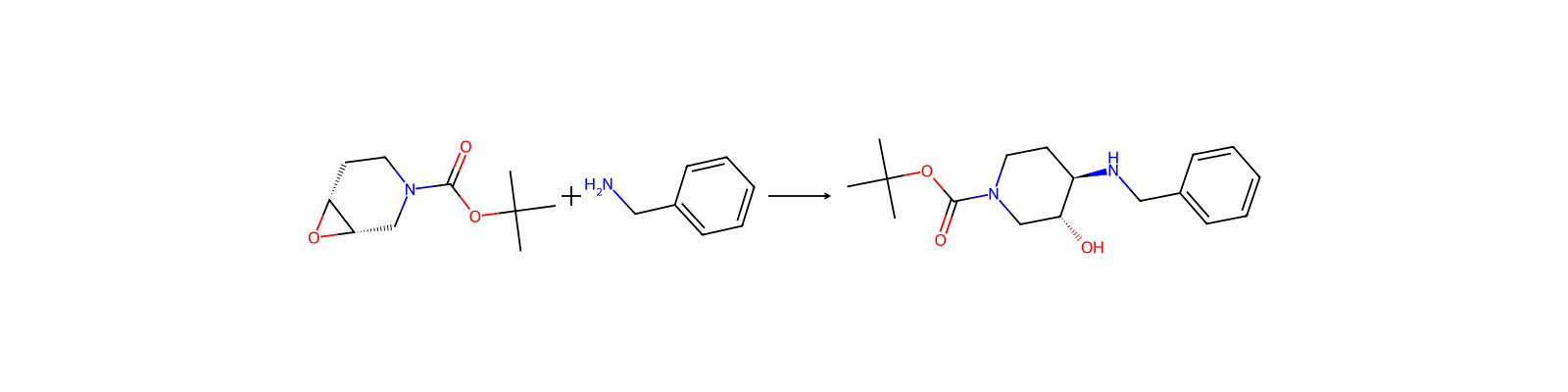
용도Zirconium tetrachloride is commonly utilized as a Lewis acid catalyst in many organic synthesis reactions. It is an important source for organometallic complexes of zirconium. It is practiced in many areas like nuclear industry, metal industry, photography, glass, and ceramic industry.
일반 설명White lustrous crystalline solid. Used as a source of pure zirconium, as a tanning agent, in analytical chemistry and in treating textiles. Zirconium tetrachloride is decomposed by water. Corrosive to metals in the presence of moisture and to tissue.
Zirconium tetrachloride is obtained as an intermediate in recovering zirconium metal from zircon and other minerals (See Zirconium, Recovery). The tetrachloride is obtained by heating a mixture of zirconium hydroxide and car 1004 bon with chlorine gasAlso, tetrachloride can be made by reacting zirconium hydroxide with hydrochloric acid: Zr(OH)4 + 4HCl → ZrCl4 + 4H2O.
정의ChEBI: Zirconium tetrachloride is a zirconium coordination entity comprising four chlorine atoms bound to a central zirconium atom. It has a role as a catalyst. It is a zirconium coordination entity and an inorganic chloride.