
기본 정보
- 표준 SMILES
O=[O+][O-]- InChIKey
CBENFWSGALASAD-UHFFFAOYSA-N- 분자식
- O3
- 평균 분자량
- 47.998 g/mol
- 단동위원소 질량
- 47.98474386
개요
Ozone appears as a colorless to bluish gas that condenses to a dark blue liquid, or blue-black crystals. Has a characteristic odor in concentrations less than 2 ppm. Used as a disinfectant for air and water; used for bleaching waxes, textiles and oils, ozonolysis of unsaturated fatty acids to pelargonic and other acids; manufacture of ink; catalyst; water treatment for taste and odor control; mold and bacteria inhibitor in cold storage; bleaching agent. (EPA, 1998)
이름 및 식별자
- 우선 이름
- Ozone
- IUPAC
- ozone
이름 및 동의어
OZONETriatomic oxygen10028-15-6OzonOzone heavy workozonotrioxygenOxygen, mol (O3)trioxygene66H7ZZK23NDTXSID0021098CHEBI:25812
이름 더 보기
Low Level OzoneLevel Ozone, LowOzone, Low LevelOzone, TroposphericLevel Ozone, GroundOzone, Ground LevelRefChem:6092DTXCID001098
데이터베이스 식별자
- CAS
10028-15-6- PubChem CID
- 24823
- DTXSID
DTXSID0021098- ChEMBL
CHEMBL2447938- ChEBI
CHEBI:25812- UNII
- 66H7ZZK23N
- EC Number
- 233-069-2
- Nikkaji
- J2.505.688D
물성
구조 계산 물성
- XLogP
- -1.7
- 극성 표면적
- 41.1 Ų
- 수소 결합 공여자 수
- 0
- 수소 결합 수용자 수
- 2
- 회전 가능 결합 수
- 0
- 무거운 원자 수
- 3
- 형식 전하
- 0
- 복잡도
- 4.8
실험 및 물리화학적 성질
Chemical Classes
Toxic Gases & Vapors -> Oxidizers
Reactive agents - 3rd degree
SpringerMaterials PropertiesSchoenflies notation
Pesticides
Agrochemicals -> Pesticide active substances
Active substance -> EU Pesticides database: Pending
Odor
CHARACTERISTIC ODOR IN CONCN LESS THAN 2 PPM
Pungent odor
Very pungent odor.
Food AdditivesANTIMICROBIAL AGENT -> FDA Substance added to food
Density
1.614 at -319.7 °F (NTP, 1992) - Denser than water; will sink
GAS: 2.144 G/L @ 0 °C; LIQ: 1.614 G/L @ -195.4 °C
1.614 at -319.7 °F
1.962 @25 °C
1.66(relative gas density)
Color/Form
COLORLESS GAS; DARK BLUE LIQ; BLUE-BLACK CRYSTALS
BLUISH GAS
Colorless to blue gas.
Solubility
3e-05 g/100 g at 68 °F (NTP, 1992)
49 CC/100 CC WATER AT 0 °C; SOL IN ALKALINE SOLVENTS, OILS
Solubility in water: none
(32 °F): 0.001%
Boiling Point
-169.6 °F at 760 mmHg (EPA, 1998)
-111.9 °C
-112 °C
-169 °F
-111.35 °C @760 [mm Hg]
-169 °F
Melting Point
-314 °F (EPA, 1998)
-192.7 + or - 2 °C
-193 °C
-315 °F
-193 °C
-315 °F
Vapor Density
1.7 (EPA, 1998) - Heavier than air; will sink (Relative to Air)
Relative vapor density (air = 1): 1.6
1.66
Odor ThresholdOdor Threshold Low: 0.0076 [ppm]
안전 및 규제
GHS 분류
GHS Classification
Danger
H270 (99.6%): May cause or intensify fire; oxidizer [Danger Oxidizing gases]
P203, P220, P244, P260, P261, P264, P264+P265, P270, P271, P273, P280, P284, P301+P330+P331, P302+P352, P302+P361+P354, P304+P340, P305+P351+P338, P305+P354+P338, P316, P317, P318, P319, P320, P321, P332+P317, P337+P317, P362+P364, P363, P370+P376, P391, P403, P403+P233, P405, and P501 (click each P-code to see the statement)
Aggregated GHS information provided per 262 reports by companies from 10 notifications to the ECHA C&L Inventory. Each notification may be associated with multiple companies.
Danger
H270: May cause or intensify fire; oxidizer [Danger Oxidizing gases]
유해성 정보
Regulatory Information
Hazard Traits - Ocular Toxicity; Respiratory Toxicity
Ozone is listed on the EPA's Chemical Data Reporting (CDR) system. Manufacturers and importers of Ozone are required to report information about their production and use of this chemical to the EPA under the Toxic Substances Control Act (TSCA). (40 eCFR Part 711)
Status: Active Update: 14-12-2021 https://echa.europa.eu/registration-dossier/-/registered-dossier/22480
Ozone: Does not have an individual approval but may be used under an appropriate group standard
The New Jersey Worker and Community Right to Know Act requires public and private employers to provide information about hazardous substances at their workplaces. (N.J.S.A. 34:5A-1 et. seq.)
DOT LabelPoison Gas
Fire Hazards
Severe explosion hazard when shocked, exposed to heat or flame, or by chemical reaction with organic substances, especially reducing agents. Ozone is a powerful oxidizing agent. Incompatible with alkenes; aromatic compounds; benzene, rubber; bromine; dicyanogen; diethyl ether; dinitrogen tetroxide; hydrogen bromide; 4-hydroxy-4-methyl-1,6-heptadiene; nitrogen trichloride; stibine; tetrafluorohydrazine. Avoid contact with organic materials. (EPA, 1998)
Not combustible but enhances combustion of other substances. Many reactions may cause fire or explosion. Risk of fire and explosion on contact with combustible substances.
Fire Potential
POWERFUL OXIDIZING AGENT ... EVOLVES MORE HEAT AND USUALLY STARTS AT A LOWER TEMPERATURE THAN OXIDATION WITH BIATOMIC OXYGEN.
Dangerous fire ... risk in contact with organic materials.
Health Hazards
Ozone is highly toxic via inhalation or by contact of liquid to skin, eyes, or mucous membranes. It is capable of causing acute to chronic lung damage, burns, and death or permanent injury. Ozone can be toxic at a concentration of 100 ppm for 1 minute. Ozone is capable of causing death from pulmonary edema. It increases sensitivity of the lungs to bronchoconstrictors and allergens, increases susceptibility to and severity of lung bacterial and viral infections. (EPA, 1998)
Hazards Summary
Like phosgene and nitrogen dioxide, ozone is classified as less soluble relative to more soluble irritant inhalants like ammonia and chlorine. The less soluble vapors are more likely to cause potentially fatal pulmonary edema without the signs of severe upper respiratory injury. (See Comments for phosgene.) [LaDou, p. 564] Ozone is fibrogenic to the lungs in the context of an acute inhalation exposure complicated by bronchiolitis obliterans.
Reactive GroupOxidizing Agents, Strong
Special Reports
MENZEL DB; METABOLIC EFFECTS OF OZONE EXPOSURE; ADV MOD ENVIRON TOXICOL 5(INT SYMP BIOMED EFFECTS OZONE RELAT PHOTOCHEM OXIDN) 47 (1983). A REVIEW WITH 15 REFERENCES ON METABOLIC EFFECTS OF OZONE EXPOSURE.
CHOW CK; INFLUENCE OF DIETARY VITAMIN E ON SUSCEPTIBILITY TO OZONE EXPOSURE; ADV MOD ENVIRON TOXICOL 5(INT SYMP BIOMED EFFECTS OZONE RELAT PHOTOCHEM OXIDN) 75 (1983). A REVIEW WITH 50 REFERENCES ON THE INFLUENCE OF VITAMIN E ON THE TOXICITY OF OZONE.
FOLINSBEE LJ; EFFECTS OF OZONE EXPOSURE ON LUNG FUNCTION IN MAN: A REVIEW; REV ENVIRON HEALTH 3 (3): 211 (1981). A REVIEW ON THE EFFECTS OF OZONE ON HUMAN LUNG FUNCTION ARE DISCUSSED WITH PARTICULAR ATTENTION TO LEVELS WHICH ARE NEAR THE THRESHOLD OF PRODUCING NO EFFECT.
Menzel DB; Antioxidant Vitamins and Prevention of Lung Disease. Ann N Y Acad Sci669: 141-55 (1992).
For more Special Reports (Complete) data for OZONE (8 total), please visit the HSDB record page.
Reactivity AlertsStrong Oxidizing Agent
OSHA Standards
Permissible Exposure Limit: Table Z-1 8-hr Time Weighted Avg: 0.1 ppm (0.2 mg/cu m).
Vacated 1989 OSHA PEL TWA 0.1 ppm (0.2 mg/cu m); STEL 0.3 ppm (0.6 mg/cu m) is still enforced in some states.
Reactivity Profile
OZONE is a propellant; ignites upon contact with alcohols, amines, ammonia, beryllium alkyls, boranes, dicyanogen, hydrazines, hydrocarbons, hydrogen, nitroalkanes, powdered metals, silanes, or thiols [Bretherick 1979. p.174]. Aniline in a atmosphere of ozone produces a white galatinous explosive ozobenzene [Mellor 1:911. 1946-47]. A mixture of ether and ozone forms aldehyde and acetic acid and a heavy liquid, ethyl peroxide, an explosive [Mellor 1:911. 1946-47]. Severe explosions occur attempting to form tribromic octaoxide from bromine and ozone [Mellor 2, Supp. 1:748. 1956]. Mixtures of ozone and dinitrogen pentaoxide are flammable or explosive [Mellor 8, Supp. 2:276. 1967]. Ozone and ethylene react explosively [Berichte 38:3837]. Nitrogen dioxide and ozone react with the evolution of light, and often explode [J. Chem. Phys. 18:366 1920]. Contact of very cold liquefied gas with water may result in vigorous or violent boiling of the product and extremely rapid vaporization due to the large temperature differences involved. If the water is hot, there is the possibility that a liquid "superheat" explosion may occur. Pressures may build to dangerous levels if liquid gas contacts water in a closed container, [Handling Chemicals Safely 1980].
Chemical DangersDecomposes on warming. This produces oxygen. This generates fire and explosion hazard. Reacts violently with inorganic and organic compounds. This generates fire and explosion hazard. Attacks rubber.
안전 및 보호
Fire Fighting
In case of fire: keep cylinder cool by spraying water. (EPA, 1998)
In case of fire in the surroundings, use appropriate extinguishing media. Combat fire from a sheltered position.
First Aid Measures
Fresh air, rest. Half-upright position. Refer for medical attention.
ON FROSTBITE: rinse with plenty of water, do NOT remove clothes. Refer for medical attention .
First rinse with plenty of water for several minutes (remove contact lenses if easily possible), then refer for medical attention.
First Aid
Warning: Effects may be delayed for 12 to 24 hours. Caution is advised.
(General first aid procedures)
Safe StorageFireproof if in building. Separated from all substances. Cool.
Storage Conditions
CYLINDERS OF DISSOLVED OZONE SHOULD BE STORED IN REFRIGERATED AREAS & AWAY FROM ALL REDUCING AGENTS, FLAMMABLE MATERIALS & SUBSTANCES SUCH AS IRON, COPPER OR CHROMIUM THAT MAY CATALYZE DECOMP.
Store in well-ventilated, cool, dark places. Detached storage is preferred. Avoid storage near combustible materials.
Nonfire Spill ResponseIsolate area and deny entry. Stay upwind; keep out of low areas. Ventilate closed spaces before entering them. Workers handling liquid ozone should wear protective equipment designed for exposure to cryogenic liquid. (EPA, 1998)
Disposal Methods
Evaporation: Provide ventilation to dilute and disperse small amt of ozone into the outside atmosphere.
In the fume hood, wastes to be slowly released to air.
Spillage DisposalEvacuate danger area! Consult an expert! Personal protection: chemical protection suit including self-contained breathing apparatus. Ventilation.
Preventive Measures
PROCESSES EMPLOYING OZONE SHOULD BE TOTALLY ENCLOSED OR SO EQUIPPED WITH EXHAUST VENTILATION. ... ALL ELECTRICAL EQUIPMENT SHOULD BE SUITABLY INSULATED.
SRP: The scientific literature for the use of contact lenses in industry is conflicting. The benefit or detrimental effects of wearing contact lenses depend not only upon the substance, but also on factors including the form of the substance, characteristics and duration of the exposure, the uses of other eye protection equipment, and the hygiene of the lenses. However, there may be individual substances whose irritating or corrosive properties are such that the wearing of contact lenses would be harmful to the eye. In those specific cases, contact lenses should not be worn. In any event, the usual eye protection equipment should be worn even when contact lenses are in place.
Isolation and EvacuationExcerpt from ERG Guide 123 [Gases - Toxic]:
Eye PreventionWear face shield or eye protection in combination with breathing protection.
Fire PreventionNO open flames, NO sparks and NO smoking. NO contact with combustible substances. Closed system, ventilation, explosion-proof electrical equipment and lighting.
독성 정보
Treatment
EYES: Hold eye open and rinse slowly and gently with water for 15-20 minutes. Remove contact lenses, if present, after the first 5 minutes, then continue rinsing eye. Call a poison control center or doctor for treatment advice. INHALATION: Move person to fresh air. If person is not breathing, call 911 or an ambulance, then give artificial respiration, preferably by mouth-to-mouth if possible. Call a poison control center or doctor for further treatment advice.
Interactions
THYROXINE WORSENED RESPONSE TO OZONE & ANIMALS DIED FROM OTHERWISE TOLERATED DOSES. ANTITHYROID DRUGS INCR RESISTANCE TO OZONE. NERVE-BLOCKING AGENTS (PHENOXYBENZAMINE OR ERGOTAMINE) IN THE ADRENALECTOMIZED RAT ALSO INCR RESISTANCE TO OZONE.
INCR RESPIRATORY RESPONSE TO HISTAMINE INJECTED SC IN GUINEA PIGS TWO HR AFTER TWO-HR EXPOSURE TO 1 TO 5 PPM OZONE. INCR MORTALITY FROM HIGHER LEVELS OF HISTAMINE COULD BE PRODUCED BY AS LITTLE AS 0.5 TO 1 PPM OZONE. THE INCR SUSCEPTIBILITY PERSISTED UP TO 12 HR AFTER A TWO HR EXPOSURE TO 5 PPM OZONE.
ACUTE TOXICITY OF OZONE MAY BE LESSENED BY SIMULTANEOUS OR PRIOR INHALATION OR INJECTION OF ... SULFUR-CONTAINING COMPD. TECHNICAL-GRADE HYDROGEN SULFIDE GIVEN SIMULTANEOUSLY IN MOLAR RATIO OF 2:1 REDUCED MORTALITY PRODUCED BY WHAT WOULD HAVE BEEN LC50 CONCN OF OZONE TO 20%. ... MAJOR PROTECTION WAS OBTAINED BY IP INJECTION OF DIMETHYL DISULFIDE OR HYDROGEN POLYSULFIDE (ABOUT 20 MG/KG) PRIOR TO OZONE EXPOSURE.
ELEVEN HEALTHY MALE SUBJECTS AGED 23 TO 38 YR WERE EXPOSED TO PURIFIED AIR, TO NO2, O3, & SO2 ALONE, TO MIXT OF NO2 + SO2, & NO2 + O3 IN MAX ALLOWABLE CONCN, & TO A MIXT OF NO2 + SO2 + O3 IN MAX ALLOWABLE CONCN. RESPIRATORY GAS EXCHANGE FOR O2 DECR & AIRWAY RESISTANCE INCR WAS OBSERVED IN ALL SERIES WITH NO2 IN MAX ALLOWABLE CONCN. THE COMBINATIONS OF NO2 + O3, NO2 + SO2, OR NO2 + SO2 + O3 DID NOT SHOW A STRONGER EFFECT THAN NO2 ALONE.
For more Interactions (Complete) data for OZONE (20 total), please visit the HSDB record page.
Target OrgansEyes, respiratory system
Health Effects
At acute levels, ozone is an irritant and lachrymator. At chronically low doses (~40 nmol/mol) there is a great deal of evidence to show that ground level ozone can harm lung function and irritate the respiratory system. Long-term exposure to ozone and the pollutants that produce it is linked to premature death, asthma, bronchitis, heart attacks and other cardiopulmonary problems. Long-term exposure to ozone has been shown to increase risk of death from respiratory illness. An 18-year study on 450,000 people in the US revealed that those living in cities with high ozone levels such as Houston or Los Angeles had an over 30% increased risk of dying from lung disease. Both acute and chronic exposures to ozone can negatively impact the barrier function of the lung, and these exposures can initiate an inflammatory response from the immune system. This immune response involves the release of biologically active mediators that can have adverse effects on the lung tissue itself. Some effects may include the thickening of the air-blood barrier in the lungs, thus reducing the diffusion of oxygen into the blood. Animals exposed to ozone produce and release high amounts of a sugar known as hyaluronan. Hyaluronan has been shown to be directly responsible for causing lung airways to narrow and become irritated. (A15093)
Environmental Fate
A photochemical model was used to quantify the sensitivity of the tropospheric oxidants ozone (O3) and OH to changes in methane (CH4), carbon monoxide (CO), and NO emissions and to perturbations in climate and stratospheric chemistry. Coefficients of the form delta ln[O3]/delta ln[X] and delta ln[OH]/delta ln[X], where [X]= flux of CH4, CO, NO, stratospheric O3, and H2O have been calculated for a number of chemically coherent regions (e.g. nonpolluted continental, nonpolluted marine, urban) at low and middle latitudes. Sensitivities in O3 and OH vary with regional emissions patterns and are nonlinear within a given region as [X] changes. In most cases incr CH4 an CO emissions will suppress OH (neg coefficients) in incr O3 (pos coefficients) except in areas where NO and O3 influenced by pollution are sufficient to incr OH. Stratospheric O3 depletion will tend to decr O3 (except in high NOx areas) and incr OH through enhanced UV photolysis. Incr levels of water vapor (one possible outcome of a global warming) will also decr O3 and incr OH. In most regions, NO, CO and CH4 emission incr will suppress OH and incr O3, but these trends may be opposed by stratospheric O3 depletion and climate change. A regional survey of OH and O3 levels suggests that the tropics have a pivotal role in determining the earth's future oxidizing capacity.
Ozone concn above 80 ppb are common in the East U.S. in spring and summer, but they are unusual in the West, and ozone shows considerably more day-to-day variability in the East. Variations in ozone levels are highly correlated over distances of several hundred kilometers in the East, indicating that high values are associated with episodes of large spatial scale, > 600,000 sq km. There were 10 and 7 such episodes in 1978 and 1979, respectively, between the mo of Apr and Sept; they persisted for 3-4 days, on avg, with a range of 2-8 days, and were most common in Jun. Daily max ozone values exceeded 90 ppb at over half the sites during these episodes and were often > 120 ppb at one or more sites. An analysis of the meteorology for each episode shows that they occurred preferentially in the presence of weak, slow-moving, and persistent high-pressure systems. Two episodes that occurred outside the summer half of the yr were associated with unseasonably warm weather; only 1 episode, in Mar 1978, appeared to reflect a major stratospheric intrusion. Concn of NOx at rural locations in the East are frequently high enough (> 1 ppb) to permit significant photochemical formation of ozone. It is clear that rural ozone in the East in spring and summer is severely impacted by anthropogenic emissions of NOx and hydrocarbons, and that ozone episodes occur when the weather is particularly conducive to photochemical formation of ozone. Ozone episodes were present on 23% of days in May-Aug in the East in 1978-1979.
Measurements from the eastern north Pacific stratocumulus regime have been used to study components of the regional ozone budget. The surface destruction rate was determined by eddy correlation of ozone and vertical velocity measured during 8 flights of a low flying aircraft. Significant variability (2580 to 6460 s/m) was found in the measured surface resistance; it was partially correlated with friction velocity but appears to have other controlling influences as well. The mean resistance was 4190 + or - 840 s/m, which is higher (slower destruction) than most previous estimates for seawater. Flux and mean measurements throughout the marine boundary layer were used to estimate the net rate of in-situ photochemical production/destruction of ozone. Averaged over the flights, ozone concn was found to be near steady state, and a net photochemical destruction of 0.02 to 0.07 ng/cu m/sec was diagnosed. Ozone vertical distributions above the boundary layer showed a strongly layered structure with very sharp gradients.
The results from a two dimensional model were analyzed to determine the principal modes of balance for ozone (O3) concn in different regions of the stratosphere. The analysis showed that except near the poles, O3 is in photochemical equilibrium above 35 km. In the lower stratosphere, equatorward of 50 degrees, concn of O3 is neither photochemically controlled nor transport controlled, but is set by a balance between transport and chemical processes. The low abundance of O3 in the tropics is a result of the balance between photochemical production and transport out of the region. The seasonal behavior at high latitudes, as evident from the springtime maxima, results from a balance between photochemical removal and transport into the region.
REACTION BETWEEN ATOMIC OXYGEN & MOL OXYGEN RESULTS IN FORMATION OF OZONE, THE PRINCIPAL OXIDIZING AGENT OF PHOTOCHEMICAL SMOG. FURTHER REACTIONS INVOLVE OZONE & REACTIVE HYDROCARBONS (OLEFINS) TO PRODUCE MANY PRODUCTS, NATURE OF WHICH IS NOT YET FULLY KNOWN.
Adverse EffectsToxic Pneumonitis - Inflammation of the lungs induced by inhalation of metal fumes or toxic gases and vapors.
Exposure Routes
The substance can be absorbed into the body by inhalation.
inhalation, skin and/or eye contact
Inhalation
Toxicity Summary
Ozone is a strong oxidant and reacts directly with organic double bonds. When ozone breaks down to dioxygen it gives rise to oxygen free radicals, which are highly reactive and capable of damaging many organic molecules. Moreover, it is believed that the powerful oxidizing properties of ozone may be a contributing factor of inflammation. When inhaled, ozone reacts with compounds lining the lungs to form specific, cholesterol-derived metabolites that are thought to facilitate the build-up and pathogenesis of atherosclerotic plaques. These metabolites have been confirmed as naturally occurring in human atherosclerotic arteries and are categorized into a class of secosterols termed atheronals, generated by ozonolysis of cholesterol's double bond to form a 5,6 secosterol. Ozone has also been shown to form the suspected carcinogen bromate when it is introduced to source water with high bromide concentrations. Studies have also demonstrated an increase in collagen, a structural protein involved in fibrosis, following prolonged ozone exposure. Acute and short-term exposure studies have demonstrated ozone’s effects on lung lipids which include an increase in arachidonic acid (a pro-inflammatory molecule).
Signs and Symptoms
Sore throat. Cough. Headache. Shortness of breath. Laboured breathing.
ON CONTACT WITH LIQUID: FROSTBITE.
Redness. Pain.
irritation eyes, mucous membrane; pulmonary edema; chronic resp disease
Exposure of 0.1 to 1 μmol/mol produces headaches, burning eyes and irritation to the respiratory passages. Exposure to 10 ppm ozone will cause pulmonary edema. Low doses act as a depressant and will induce sleep in certain individuals.
Ongoing Test Status
The following link will take the user to the National Toxicology Program (NTP) Test Agent Search Results page, which tabulates all of the "Standard Toxicology & Carcinogenesis Studies", "Developmental Studies", and "Genetic Toxicity Studies" performed with this chemical. Clicking on the "Testing Status" link will take the user to the status (i.e., in review, in progress, in preparation, on test, completed, etc.) and results of all the studies that the NTP has done on this chemical. [http://ntp-apps.niehs.nih.gov/ntp_tox/index.cfm?fuseaction=ntpsearch.searchresults&searchterm=10028-15-6]
ICSC Environmental DataThis substance may be hazardous to the environment. Special attention should be given to plants.
Natural Pollution Sources
FORMED LOCALLY IN AIR FROM LIGHTNING, IN STRATOSPHERE BY UV RADIATION
FOUND IN ATMOSPHERE IN VARYING PROPORTIONS (ABOUT 0.05 PPM @ SEA LEVEL), SINCE IT IS PRODUCED CONTINUOUSLY INTHE OUTER LAYERS OF THE ATMOSPHERE BY THE ACTION OF SOLAR UV RADIATION ON THE OXYGEN OF THE AIR.
규제 정보
CERCLA Reportable Quantities
Releases of CERCLA hazardous substances are subject to the release reporting requirement of CERCLA section 103, codified at 40 CFR part 302, in addition to the requirements of 40 CFR part 355. Ozone is an extremely hazardous substance (EHS) subject to reporting requirements when stored in amounts in excess of its threshold planning quantity (TPQ) of 100 lbs.
화학 및 산업
약리 정보
Mechanism of Action
THE BIOCHEMICAL MECHANISM OF PULMONARY INJURY PRODUCED BY OZONE MAY BE DUE TO THE FORMATION OF REACTIVE FREE-RADICAL INTERMEDIATES. OZONE-INDUCED FREE RADICALS MAY BE DERIVED FROM INTERACTION WITH SULFHYDRYL GROUPS, FROM OXIDATIVE DECOMP OF UNSATURATED FATTY ACIDS, OR BOTH. SEVERAL LINES OF EVIDENCE INDICATE THAT ONE OF THE BIOLOGICAL ACTIONS OF OZONE IS REACTION WITH UNSATURATED FATTY ACIDS. THE OZONIZATION OF THESE FATTY ACIDS IS ESSENTIALLY EQUIVALENT TO LIPID PEROXIDATION.
OZONE CAUSES DESQUAMATION OF THE EPITHELIUM THROUGHOUT THE CILIATED AIRWAYS & PRODUCES DEGENERATIVE CHANGES IN TYPE-I CELLS & SWELLING OR RUPTURE OF THE CAPILLARY ENDOTHELIUM IN THE ALVEOLI. THE TYPE-I CELLS ARE LATER REPLACED BY TYPE-II CELLS.
EFFECTS OF AMBIENT LEVELS OF OZONE ON CELL SIZE & COMPARTMENTS WERE DETERMINED MORPHOMETRICALLY FOR IN SITU & LAVAGED PULMONARY ALVEOLAR MACROPHAGES FROM RATS EXPOSED TO FILTERED AIR OR TO FILTERED AIR WITH 0.60 PPM OZONE. THE OZONE EXPOSURE WAS 8 HR/DAY FOR 3 DAYS. SIGNIFICANT EXPOSURE-RELATED COMPARTMENTAL VOLUME & DIAMETER CHANGES OF IN SITU CENTRIACINAR MACROPHAGES WERE: DECREASED ENDOPLASM; INCREASED LYSOSOME-LIKE STRUCTURES; DECREASED PRIMARY LYSOSOMES; INCREASED SMALL & LARGE SECONDARY LYSOSOMES; & DECREASED PHAGOSOMES/AUTOPHAGOSOMES.
RABBITS WERE EXPOSED TO 0.4 PPM OZONE, 7 HR/DAY, 5 DAYS/WK FOR 6 WK, 2 WK AFTER PNEUMONECTOMY. EXPOSURE OF CONTROL ANIMALS TO OZONE RESULTED IN A 15% INCREASE IN LUNG VOLUME. LUNG GROWTH ACCOMPANYING PNEUMONECTOMY WAS NOT COMPROMISED UNDER CONDITIONS OF EXPOSURE TO OZONE, & MALES & FEMALES OF THE SAME AGE & BODY WEIGHT GAVE SIMILAR RESPONSES AS MEASURED BY MORPHOMETRIC PARAMETERS.
Biological Half-Life
Oxygen 18 was used as a tracer for inhaled ozone in mice. The amount of ozone derived oxygen in the lung was determined by measuring the amount of oxygen 18 in excess of the natural abundance level which remained covalently bound to organic constituents of lung following exposure to 1 ppm ozone for up to 60 min. The rate of disappearance of ozone derived oxygen from the lung was determined by quantifying the rate of decrease of oxygen 18 in excess of the natural abundance level in lung from mice exposed to 1 ppm ozone 18 for 45 min. With exposure at 1 ppm ozone, ozone derived oxygen accumulated in lung at a rate of 4.38 pmol/mg dry weight/min. Ozone derived oxygen had a half-life in lung of about 6 hr. At least 44 pmol of ozone reacted with lung tissue every minute of exposure to 1 ppm ozone.
Metabolism/Metabolites
THE /SRP: REACTION/ ... OF OZONE IS MAINLY THROUGH THE OXIDATION OF LUNG LIPIDS. /SRP: OXIDATION/ REACTION PRODUCTS THAT MAY BE EXCRETED INCL MALONALDEHYDE, ETHANE, & PENTANE.
Ozone can spontaneously break down to dioxygen. Most inhaled ozone reacts with cellular lipids and forms lipid peroxides which are eventually eliminated in the feces.
MeSH Pharmacological ClassificationCompounds that accept electrons in an oxidation-reduction reaction. The reaction is induced by or accelerated by exposure to electromagnetic radiation in the spectrum of visible or ultraviolet light.
Absorption, Distribution and Excretion
EXPT IN BEAGLE DOGS, RABBITS, & GUINEA PIGS INDICATE THAT MORE THAN HALF THE OZONE INHALED IS TAKEN UP BY THE NASAL & PHARYNGEAL MUCOSA, WITH EXPOSURES TO LESS THAN 2 PPM.
... IN MONKEYS, OZONE APPEARS TO BE ABSORBED ALONG THE ENTIRE RESPIRATORY TRACT,PENETRATING DEEPLY INTO THE PERIPHERAL, NONCILIATED AIRWAYS, & CAUSING ITS MOST CONSPICUOUS LESIONS IN THE RESPIRATORY BRONCHIOLES & ALVEOLAR DUCTS.
Ozone deposition velocity and ozone permeance were determined for a variety of isolated plant cuticles from the adaxial leaf surfaces. Ozone deposition velocity was lower than determined with whole plants kept in darkness. It declined continuously during exposure to the gas and showed a recovery effect after an interruption of the fumigation. It incr with the moisture content of the cuticles and decr when the ozone concn in the surrounding air was raised. The deposition velocity was much higher than cuticular ozone permeance at equiv ozone concn. Due to the ozone decay in the cuticle, ozone permeance was much lower in thick than in thincuticles. Even with the most permeable cuticles, ozone uptake under natural conditions is smaller than the flux through open stomata by a factor of at least 10,000.
Transpiration and ozone uptake rates were measured simultaneously in sunflower (Helianthus annuus leguminosae) leaves at different stomatal openings and various ozone concn (0, 500, 1000 and 1500 nl/l). Ozone uptake rates were proportional to the ozone concn up to 1500 nl/l. During a light-induced incr in transpiration and in carbon dioxide uptake rates, the ozone uptake rate also increased. The leaf gas phase diffusion resistance (stomatal plus boundary layer) to water vapor was calculated and converted to the resistance to ozone multiplying it by the theoretical ratio of diffusion coefficients for water vapor and ozone in air (1.67). The ozone concn in intercellular air spaces calculated from the ozone uptake rate and diffusion resistance to ozone scattered around zero (0.43 to -7.55 umol/cu m). The ozone concn in intercellular air spaces was measured directly by supplying ozone to the leaf from one side and measuring the equilibrium concn above the other side and it was found to be zero. Total leaf resistance to ozone was proportional to the gas phase resistance to water vapor with a coefficient of 1.68.
Transfer of ozone (O3) to forests is restricted by surface and internal resistances of foliage. O3 is efficiently absorbed through stomata. A multi-layer canopy gas and radiation exchange model (Maestro) was modified to calculate air pollutant deposition. Leaf boundary layer resistances, and stomatal resistances in the model were adjusted for gas molecular diffusivity, and leaf surface resistances and internal resistances were added. By using the proper resistances, Maestro may be used to model the deposition of O3.
용도 및 제조
Uses
Occupational exposure from welding fumes; Also used as a disinfectant in water treatment and as a bleaching agent in food, textile, and paper processing; [Levy, p. 409] . . . Gas metal arc and gas tungsten arc welding produce the highest ozone concentrations, especially when aluminum is used as a base metal. [Welding, Brazing and Thermal Cutting. NIOSH Criteria for a Recommended Standard. Publication No. 88-110:33,1988] TWA ozone concentrations exceeded the ACGIH TLV at a pulp and paper plant construction site. The source was the electrostatic precipitators on the operating boiler stacks located upwind from the construction site. [Appl Occup Environ Hyg. 1999 Apr;14(4):203-7]
Welding [Category: Weld]
Ceramics making [Category: Hobbies]
AS DISINFECTANT FOR AIR AND WATER BY VIRTUE OF ITS OXIDIZING POWER. FOR BLEACHING WAXES, TEXTILES, OILS. IN ORGANIC SYNTHESES.
OZONOLYSIS OF UNSATURATED FATTY ACIDS TO PELARGONIC ACID, AZELAIC ACID & TO OTHER ACIDS; OXIDATION OF FURNACE CARBON BLACK FOR INK BLACK MFR; CATALYST IN PRODN OF PEROXYACETIC ACID; WATER TREATMENT FOR TASTE & ODOR CONTROL; MOLD & BACTERIA INHIBITOR IN COLD STORAGE.
Used as an oxidizing agent in the organic chemical industry (eg, production of azelaic acid); as a disinfectant for food in cold storage rooms; ... for bleaching ... flour, paper pulp, starch, and sugar; for aging liquor and wood; for processing certain perfumes, vanillin, and camphor; in treating industrial wastes; in the rapid drying of varnishes and printing inks; and in the deodorizing of feathers.
U.S. Production2023: 30,796 lb
Industry UsesOxidizing agent
Methods of Manufacturing
IN THE LAB OZONE IS PREPD BY PASSING DRY AIR BETWEEN TWO PLATE ELECTRODES CONNECTED TO AN ALTERNATING CURRENT SOURCE OF SEVERAL THOUSAND VOLTS. THE REACTION IS REVERSIBLE, & AFTER A LITTLE OZONE HAS BEEN PRODUCED IT IS DECR AT THE SAME RATE AS IT IS GENERATED. OBTAINED IN PURE FORM BY COOLING OZONIZED AIR TO -180 °C WHEN IT SEPARATES AS A DARK BLUE LIQ.
COMMERCIAL MIXT CONTAINING UP TO 2% OZONE ARE PRODUCED BY ELECTRONIC IRRADIATION OF AIR. IT IS USUALLY MFR ON THE SPOT, AS IT IS TOO EXPENSIVE TO SHIP. TONNAGE QUANTITIES ARE USED.
Ozone is prepared by the heating of silver difluoride in a dilute aqueous acid
General Manufacturing Information
Other (requires additional information)
Ozone: ACTIVE
DETERIORATION OF RUBBER IS ACCELERATED BY TRACES OF OZONE.
OZONE IS A HIGHLY EFFICIENT DISINFECTANT WHICH MAY HAVE SIGNIFICANT ADVANTAGES IN WATER TREATMENT COMPARED TO CHLORINE. IT HAS, HOWEVER, BEEN SHOWN THAT MUTAGENIC & POSSIBLY CARCINOGENIC BY-PRODUCTS MAY BE PRODUCED UNDER CERTAIN CONDITIONS OF OZONATION. LIGHT CHLORINATION FOLLOWING OZONIZATION MAY MEET THE HIGHEST STANDARDS OF WATER DISINFECTION. IN MANY CASES OZONE TREATMENT ALONE MAY SUFFICE.
Contributes to formation of photochemical smog.
The ozone generation rate and particle size dependent (0.01-10 micrometers) filtration efficiency of an in-duct residential electronic air cleaner were measured. Filtration efficiencies were typically 70-90%, showing decreasing efficiency with increasing flowrate. Ozone generation rates were about 3 ug/s. Scans of the aerosol concn on the downwind face of the electronic air cleaner were used to locate, then eliminate, areas of aerosol sneakage. Sneakage was detected along the top and bottom of the electronic air cleaner face, apparently due to incomplete aerosol charging for aerosol passing near the ends of the ionizing wires. Areas away from the top and bottom had near-zero aerosol penetration. Based on these results, the inlet to the electronic air cleaner was masked to eliminate airflow through the sneakage areas. The resultant efficiency of the masked electronic air cleaner was nearly 100% for particles larger than 0.1 micrometer diameter; however, the filtration efficiency for particles smaller than 0.1 um was not significantly affected by masking.
관련 반응
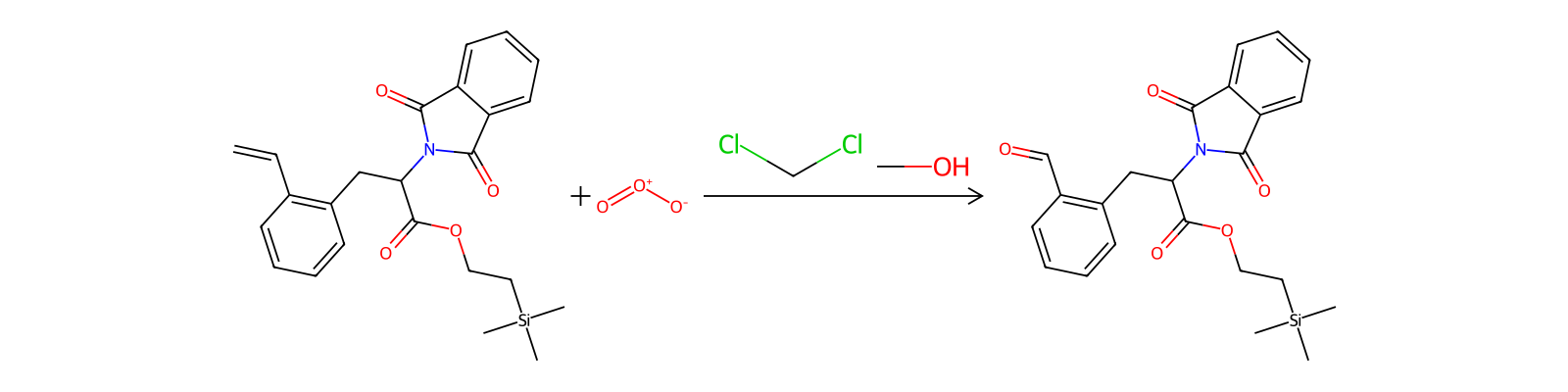
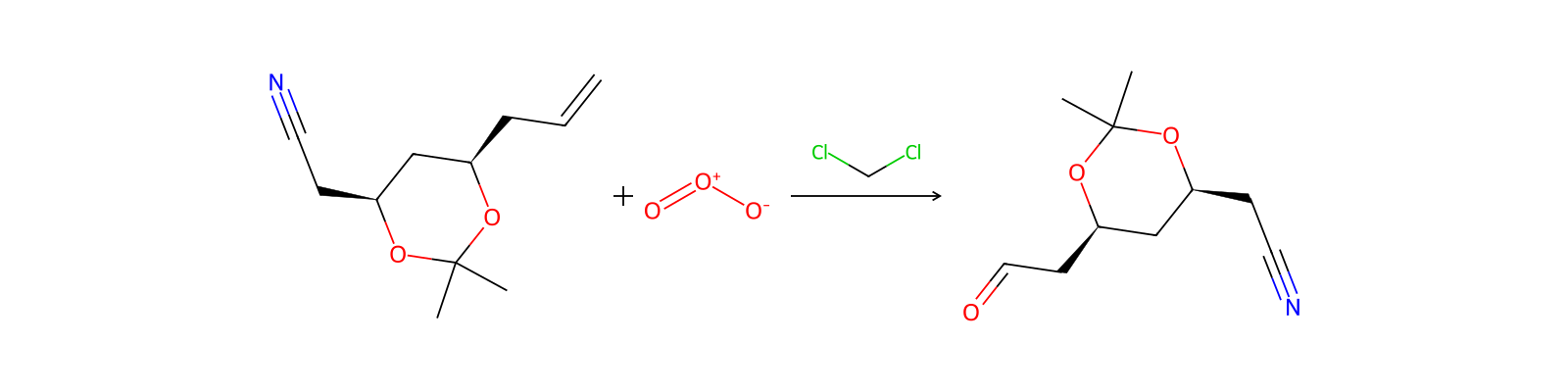
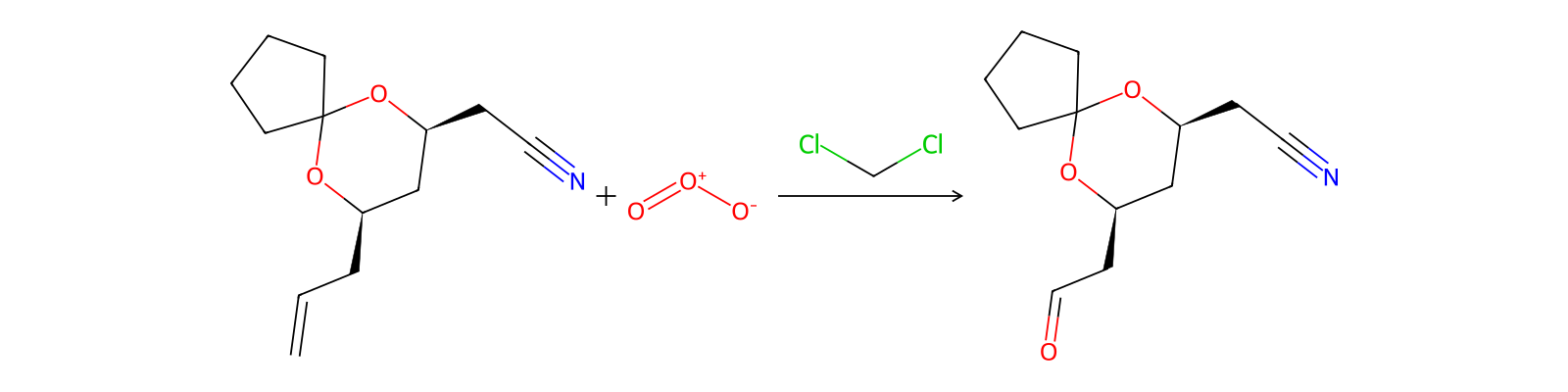
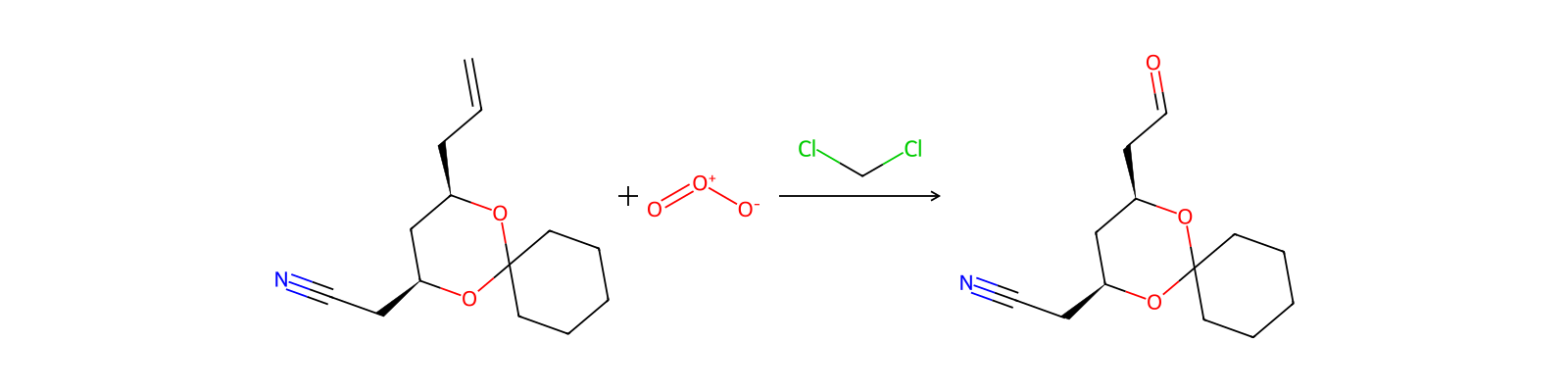
1,049건


연결된 노트
불러오는 중…