홈MCP워크벤치Skills
홈워크벤치알림마이페이지
llms.txt · MCP 가이드개인정보처리방침 · 이용약관 · 지원v1.8.0
  1. 홈
  2. /화합물

붕소 트리염화물

Boron Trichloride

HCID 25135
새 노트새 반응견적 요청하기
인쇄 미리보기

데이터를 보충하는 중입니다. 잠시 후 페이지를 새로 고치면 최신 내용을 볼 수 있습니다

기본 정보개요이름 및 식별자물성안전 및 규제화학 및 산업관련 반응화합물 노트
부분 구조 검색유사 구조 찾기

기본 정보

CAS
10294-34-5
표준 SMILES
ClB(Cl)Cl
InChIKey
FAQYAMRNWDIXMY-UHFFFAOYSA-N
분자식
BCl3
평균 분자량
117.2 g/mol
단동위원소 질량
115.91586344

개요

Boron trichloride appears as a colorless gas with a pungent odor. Fumes irritate the eyes and mucous membranes. Corrosive to metals and tissue and is toxic. Under prolonged exposure to fire or intense heat, the containers may rupture violently and rocket. Used as a catalyst in chemical manufacture, in soldering fluxes, and for many other uses.

이름 및 식별자

우선 이름
Boron Trichloride
IUPAC
trichloroborane
현지명
붕소 트리염화물
영어명
Boron trichloride
분자식
BCl3
분자량
117.17

이름 및 동의어

BORON TRICHLORIDETrichloroborane10294-34-5Borane, trichloro-TrichloroboronBoron chloride (BCl3)Chlorure de boreK748471RAGDTXSID2041676RefChem:5612DTXCID0021676233-658-4
이름 더 보기
붕소트리염화물붕소트리염화물삼염화 붕소삼염화 붕소 (BCl3)삼염화보레인염화 붕소염화 붕소 (BCl3)Boron Trichloridboron trichloride solutionBoron trichLchloruredeboretrichloro-borantrichloro-Boron
Boron chlorideBorontrichlorideBCl3MFCD00011313UN 174175507-65-2Boron Trichloride - 2-Chloroethanol Reagent (5-10%) [for Esterification] (1mL*10)Chlorure de bore (French)

데이터베이스 식별자

CAS
10294-34-5、37226-51-0
PubChem CID
25135
DTXSID
DTXSID2041676
UNII
K748471RAG
EC Number
233-658-4
Nikkaji
J42.058A

물성

구조 계산 물성보충 중

극성 표면적
0 Ų
수소 결합 공여자 수
0
수소 결합 수용자 수
0
회전 가능 결합 수
0
무거운 원자 수
4
형식 전하
0
복잡도
8

실험 및 물리화학적 성질

Chemical Classes · 2건

Toxic Gases & Vapors -> Corrosive Gases

Corrosives

SpringerMaterials Propertiescrystal structure
Odor · 2건

Pungent, irritating odor

Sharp, irritating.

Density · 4건

1.35 at 53.6 °F (EPA, 1998) - Denser than water; will sink

4.789 g/L

Relative density (water = 1): 1.35

1.373 @ 0°C

Viscosity1.032 cP at 50 °F
Color/FormGas at room temperature
SolubilitySolubility in water: reaction
Corrosivity · 3건

It is corrosive to metals

Vigorously attacks elastomers and packing materials

Strong irritant to tissue. Fumes are corrosive and toxic

Boiling Point · 4건

54.5 °F at 760 mmHg (EPA, 1998)

12.5 °C

12.5 °C

12.5 °C @760 [mm Hg]

Decomposition · 3건

안전 및 규제

안전 정보는 참고용이며, 공급업체의 물질안전보건자료(SDS), 관련 법규 및 전문가 평가를 대체하지 않습니다.

GHS 분류

GHS Classification · 6건

Danger

H300: Fatal if swallowed [Danger Acute toxicity, oral]

P260, P264, P270, P271, P280, P284, P301+P316, P301+P330+P331, P302+P361+P354, P304+P340, P305+P354+P338, P316, P320, P321, P330, P363, P403+P233, P405, and P501 (click each P-code to see the statement)

Danger

H280 (92.6%): Contains gas under pressure; may explode if heated [Warning Gases under pressure]

P260, P261, P264, P270, P271, P280, P284, P301+P316, P301+P330+P331, P302+P361+P354, P304+P340, P305+P354+P338, P316, P319, P320, P321, P330, P363, P403+P233, P405, P410+P403, and P501 (click each P-code to see the statement)

유해성 정보

Hazards IdentificationToxic/poison by inhalation (TIH/PIH)
Regulatory Information · 5건

Chemical: Borane, trichloro-

Borane, trichloro- is listed on the EPA's Chemical Data Reporting (CDR) system. Manufacturers and importers of Borane, trichloro- are required to report information about their production and use of this chemical to the EPA under the Toxic Substances Control Act (TSCA). (40 eCFR Part 711)

Status: Active Update: 24-09-2021 https://echa.europa.eu/registration-dossier/-/registered-dossier/5454

Borane, trichloro-: HSNO Approval: HSR001036 Approved with controls

The New Jersey Worker and Community Right to Know Act requires public and private employers to provide information about hazardous substances at their workplaces. (N.J.S.A. 34:5A-1 et. seq.)

DOT LabelPoison Gas Corrosive
Fire Hazards · 3건

When heated to decomposition, it emits toxic fumes of chlorides. It will react with water or steam to produce heat, and toxic and corrosive fumes. In hot water, decomposes to hydrochloric acid and boric acid. Fumes and hydrolyzes in moist air to form hydrochloric acid and oily, irritating corrosives. Avoid aniline, hexafluorisopropylidene amino lithium, nitrogen dioxide, phosphine, grease, organic matter, and oxygen. Nitrogen peroxide, phosphine, fat or grease react energetically with boron trichloride. Oxygen and boron trichloride react vigorously on sparking. Boron trichloride and aniline react violently in the absence of a coolant or diluent. Stable. (EPA, 1998)

화학 및 산업

용도 및 제조

Uses · 6건

Used in semiconductor manufacturing and in boron production; also used as a catalyst, soldering flux, and metal refining agent; [HSDB]

Soldering [Category: Heat or Machine]

One of the most important uses of BCl3 is in the preparation of boron fibers.

... Used as a Lewis acid catalyst in organic synthesis in the polymerization of olefins and phosphazines, as well as in catalysis of other organic reactions. Boron trichloride is also used in plasma etching of aluminum and silicon, in semiconductor manufacturing, and as a source of boron for chemical vapor deposition.

Steel is boronized by contacting it with a reactive mixture of hydrogen, hydrocarbons, and BCl3 at high temperatures.

Manuf and purification of boron; as catalyst for organic reactions; in semiconductors; in bonding of iron, steels; in purification of metal alloys to remove oxides, nitrides and carbides.

ImpuritiesImpurities: phosgene & chlorine; other possible impurities: hydrogen chloride, ferric chloride, silicon tetrachloride, arsenic trichloride, and sulfur dioxide.
U.S. Production · 2건

2023: 367,555 lb

Production volume for non-confidential chemicals reported under the 2006 Inventory Update Rule. Chemical: Borane, trichloro-. Aggregated National Production Volume: 500,000 to < 1 million lbs.

Consumption Patterns96% for boron filament; 4% for catalysts and misc uses (1976)
Methods of Manufacturing · 4건

Commercially, boron trichloride is prepared by the reaction of boron carbide with chlorine in a borate melt. This reaction can also be done with dry B4C in a fluidized-bed reactor using a transition-metal halide as a catalyst. Contamination of BCl3 with COCl2 from the chlorination of carbon oxides is a serious problem in BCl3 manufacturing. Because of similar vapor pressure - temperature curves, BCl3 and COCl2 cannot be separated by fractional distillation. Thermal or photochemical conversion of COCl2 to CO and Cl2 followed by fractional distillation has been used to purify BCl3.

Chlorination of a boron trioxide and carbon mixture.

(1) Heating boric oxide and carbon with chlorine; (2) combining boric oxide with phosphorus pentachloride.

관련 반응

1,080건

반응 기록 만들기
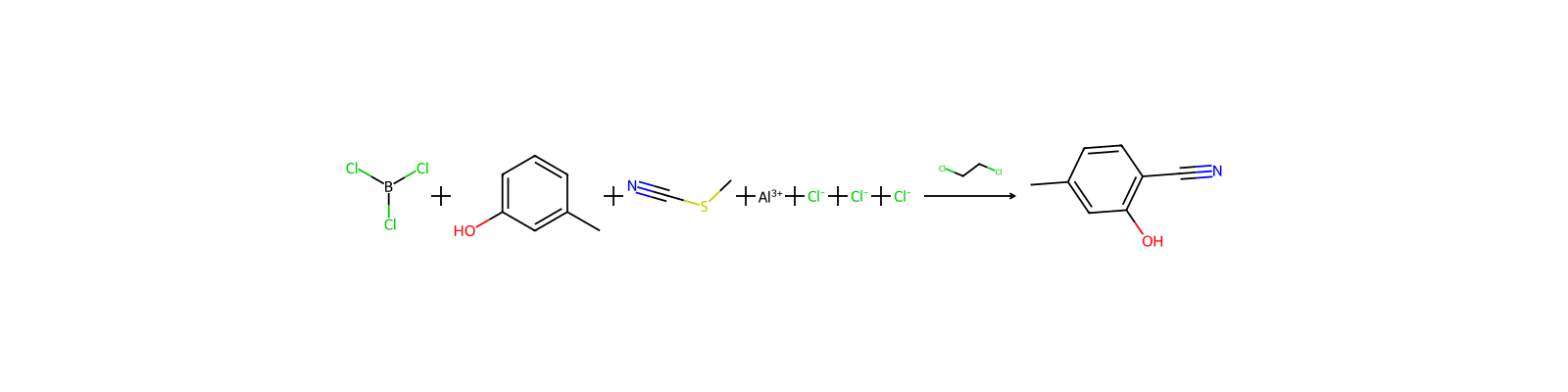
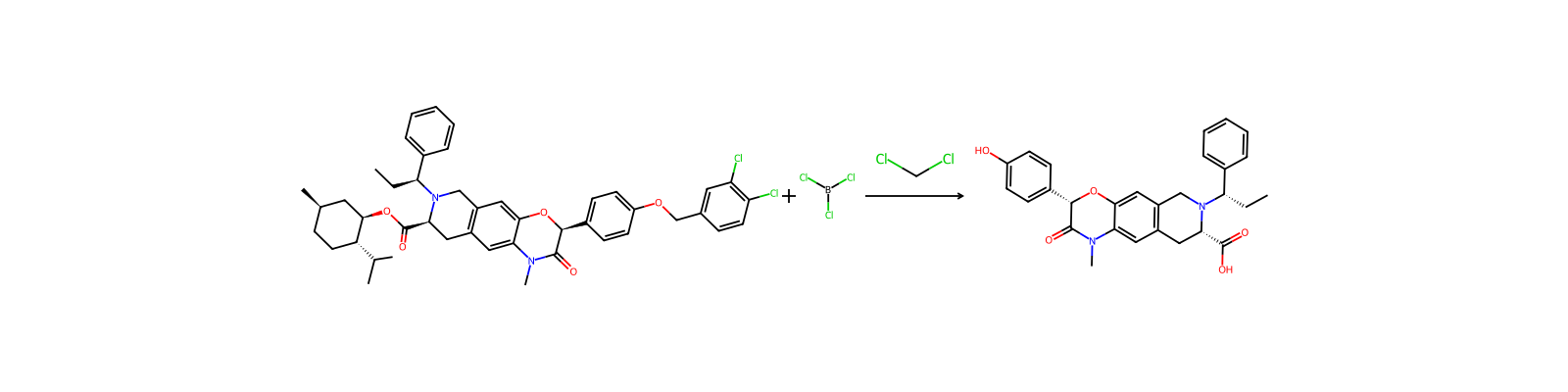
HRID 2784 반응식
HRID 2784반응물로uspto-grants-1998_03
HRID 2785 반응식
HRID 2785반응물로uspto-grants-1998_03
HRID 5291 반응식
HRID 5291반응물로uspto-grants-1993_09
HRID 6347 반응식
HRID 6347반응물로uspto-grants-1993_09
HRID 8915 반응식
HRID 8915반응물로uspto-grants-2006_08
HRID 9307 반응식
HRID 9307반응물로uspto-grants-2006_08
HRID 10076 반응식
HRID 10076반응물로uspto-grants-2006_08
HRID 13583 반응식
HRID 13583반응물로uspto-grants-2010_06
1 / 135 페이지

화합물 노트

불러오는 중…

이 페이지에서기본 정보개요이름 및 식별자물성안전 및 규제화학 및 산업관련 반응화합물 노트
더보기
새 노트새 반응견적 요청하기

When heated to decomposition it emits toxic fumes of /hydrogens of chloride/.

Decomposed by water or alcohol.

The toxic action of the halogenated borons is considerably influenced by their decomposition products (hydrofluoric acid-, fluoboric acid-, hydrochloric acid-). /Halogenated borons/

Melting Point · 4건

-161 °F (EPA, 1998)

-107.3 °C

-107 °C

-107 °C

Vapor Density · 3건

4.03 (EPA, 1998) - Heavier than air; will sink (Relative to Air)

4.03 (Air = 1)

Relative vapor density (air = 1): 4.03

물리화학적 성질

녹는점
107 °C · −107 °C(lit.)
끓는 점
12.5 °C · 12.5 °C(lit.)
밀도
1.326 g/mL · 1.326 g/mL at 25 °C
증기 밀도
4.05 · 4.05 (vs air)
증기압
29.72 psi · 29.72 psi ( 55 °C)
인화점
84 °F · 84 °F
저장 조건
2 · 2-8°C
용해도
디클로로메탄, 에탄올, 사염화탄소, 디에틸 에테르, 디메틸 포름아미드, 방향족 용매, 포화 및 할로겐화 탄화수소와 혼합 가능.
물리적 상태
액체
색상
하얀색
수용성
물에서 분해되다
비열
0.91 J/ · Cp(liquid): 0.91 J/(g·K); Cp(gas): 0.54 J/(g·K), at 25℃
Merck
14 · 14,1348
안정성
불안정한. 금속과 호환되지 않습니다. 물과 격렬하게 반응함. 아닐린, 포스핀, 사산화이질소와 격렬하게 반응함. 습한 공기에 연기가 납니다.
InChI
1S/BCl3/c2-1(3)4
InChIKey
FAQYAMRNWDIXMY-UHFFFAOYSA-N
SMILES
ClB(Cl)Cl
NIST
Borane, trichloro-(10294-34-5)
EPA
Boron trichloride (10294-34-5)
화학적 성질 · 1건

Boron trichloride is a colorless gas with a pungent odor. It reacts violently with water, and on decomposition and hydrolysis yields hydrochloric and boric acid. It has a pungent, highly irritating odor. Occupational exposure to boron and boron compounds can occur in industries that produce special glass, washing powder, soap and cosmetics, leather, cement, etc.

· Some may burn but none ignite readily.

Not combustible. Gives off irritating or toxic fumes (or gases) in a fire.

Fire PotentialNot flammable
Health Hazards · 2건

Strong irritant to tissue. Fumes are corrosive and highly toxic. Boron affects the central nervous system causing depression of circulation as well as shock and coma. May cause severe burns to skin. May result in marked fluid and electrolyte loss and shock. (EPA, 1998)

· TOXIC and/or CORROSIVE; may be fatal if inhaled, ingested or absorbed through skin.

Hazards Summary · 1건

Corrosive to skin; [Quick CPC] A corrosive substance that can cause injury to skin, eyes, and respiratory tract; Rapidly evaporating liquid can cause frostbite; High inhalation exposure can cause pulmonary edema; [ICSC] Reacts violently with water evolving hydrochloric acid and boric acid; Also forms hydrochloric acid on contact with moisture in air and soil; Corrosive and toxic; [CAMEO] Reacts violently with water producing a visible vapor cloud; Short-term exposure causes second- and third-degree skin burns and severe eye injury; Inhalation can cause edema and severe upper respiratory tract irritation; Vapors are intolerable even at low concentrations; [CHRIS]

DOT ID and Guide1741 125
Reactive GroupHalogenating Agents
EC ClassificationSymbol: T+; R: 14-26/28-34; S: (1/2)-9-26-28-36/37/39-45
UN ClassificationUN Hazard Class: 2.3; UN Subsidiary Risks: 8
Special ReportsUSEPA; EPA Chemical Profiles: Boron Trichloride 1-4 (1985)

안전 및 보호

Fire Fighting · 2건

It is not flammable. Use dry chemical, carbon dioxide, or dry sand to extinguish. If large quantities of combustibles are involved, use water in flooding quantities as spray and fog. Use water spray to absorb vapors. For large fires use water spray, fog, or foam. Do not get water on material itself. Cool all affected containers with flooding quantities of water. Apply water from as far a distance as possible. Do not get water inside container. Move container from fire area if you can do so without risk. Stay away from ends of tanks. Spray cooling water on containers that are exposed to flames until well after fire is out. Isolate area until gas has dispersed. (EPA, 1998)

NO water. In case of fire in the surroundings, use appropriate extinguishing media. In case of fire: keep cylinder cool by spraying with water. NO direct contact with water.

First Aid Measures · 3건

Fresh air, rest. Half-upright position. Artificial respiration may be needed. Refer for medical attention.

ON FROSTBITE: rinse with plenty of water, do NOT remove clothes. Refer for medical attention .

First rinse with plenty of water for several minutes (remove contact lenses if easily possible), then refer for medical attention.

Accidental Release Measures · 2건

· CALL 911. Then call emergency response telephone number on shipping paper. If shipping paper not available or no answer, refer to appropriate telephone number listed on the inside back cover.

· Do not touch or walk through spilled material.

First Aid · 2건

Warning: Boron trichloride is extremely corrosive. Caution is advised.

General First Aid:

Safe StorageFireproof if in building. Separated from food and feedstuffs. See Chemical Dangers.
Exposure Control and Personal Protection · 2건

· Wear positive pressure self-contained breathing apparatus (SCBA).

TIH (Toxic Inhalation Hazard) - Term used to describe gases and volatile liquids that are toxic when inhaled. Some are TIH materials themselves, e.g., chlorine, and some release TIH gases when spilled in water, e.g., chlorosilanes. [ERG 2016].

Fire Fighting Procedures · 2건

If material involved in fire: Use dry chemical, dry sand, or carbon dioxide. Do not use water on material itself. If large quantities of combustibles are involved, use water in flooding quantities as spray and fog. Use water spray to knock-down vapors. Cool all affected containers with flooding quantities of water. Apply water from as far a distance as possible.

In case of fire: cool cylinder by spraying with water but avoid contact of the substance with water.

Storage Conditions · 2건

Fireproof if in building. Separated from food and feedstuffs.

Storage temp: Ambient

Cleanup Methods · 2건

Evacuate danger area! Consult an expert! Ventilation. (Extra personal protection: gas-tight chemical protection suit including self-contained breathing apparatus).

Neutralize spilled material with crushed limestone, soda ash, or lime.

Nonfire Spill ResponseExcerpt from ERG Guide 125 [Gases - Toxic and/or Corrosive]:
Disposal Methods · 2건

SRP: The most favorable course of action is to use an alternative chemical product with less inherent propensity for occupational harm/injury/toxicity or environmental contamination. Recycle any unused portion of the material for its approved use or return it to the manufacturer or supplier. Ultimate disposal of the chemical must consider: the material's impact on air quality; potential migration in soil or water; effects on animal and plant life; and conformance with environmental and public health regulations.

Attach an appropriate control valve provided with a trap or check valve and a long piece of flexible hose connected to the control valve outlet. Discharge the gas at a moderate rate into an adequate amount of about 15% aqueous sodium hydroxide or other alkali in a suitable container. When the gas has been discharged, close the valve and transport to neutralization plant for disposal.

Spillage DisposalEvacuate danger area! Consult an expert! Ventilation. Personal protection: gas-tight chemical protection suit including self-contained breathing apparatus.

독성 정보

Environmental FateAQUATIC FATE: Very easily hydrolyzed
Adverse EffectsDermatotoxin - Skin burns.
Exposure RoutesThe substance can be absorbed into the body by inhalation.
Signs and Symptoms · 3건

Sore throat. Cough. Burning sensation. Shortness of breath. Laboured breathing. Symptoms may be delayed.

Pain. Redness. Blisters. Skin burns. ON CONTACT WITH LIQUID: FROSTBITE.

Pain. Redness. Severe deep burns. Loss of vision.

Medical SurveillanceNo specific considerations are needed for boric acid or borates except for general health and liver and kidney function. /Boric acid and borates/
Human Toxicity Excerpts · 5건

/SIGNS AND SYMPTOMS/ Inhalation of boron trichloride vapor results in edema and irritation of upper respiratory tract.

/SIGNS AND SYMPTOMS/ Classified as a corrosive liquid to the skin and mucous surfaces due to its rapid hydrolysis to hydrochloric acid (and boric acid) by moisture.

/SIGNS AND SYMPTOMS/ EFFECTS OF SHORT-TERM EXPOSURE: ...Inhalation of the gas may cause lung edema. Rapid evaporation of the liquid may cause frostbite. Exposure at high levels may result in death. The effects may be delayed. Medical observation is indicated.

/SIGNS AND SYMPTOMS/ /Effects on exposure by/ inhalation /may include/ sore throat, cough, burning sensation, shortness of breath, and labored breathing.

For more Human Toxicity Excerpts (Complete) data for BORON TRICHLORIDE (7 total), please visit the HSDB record page.

Non-Human Toxicity Excerpts/LABORATORY ANIMALS: Subchronic or Prechronic Exposure/ Exposure to 100 ppm has proved fatal to certain laboratory animals; symptoms included pulmonary lesions and irritation of the mucous membranes.
Probable Routes of Human Exposure · 3건

According to the 2006 TSCA Inventory Update Reporting data, the number of persons reasonably likely to be exposed in the industrial manufacturing, processing, and use of boron trichloride is 1 to 99; the data may be greatly underestimated(1).

NIOSH (NOES Survey 1981-1983) has statistically estimated that 1,125 workers (613 of these are female) are potentially exposed to boron trichloride(1). Occupational exposure to boron trichloride may occur through inhalation and dermal contact with this compound at workplaces where boron trichloride is produced or used(SRC).

Industrial exposures ... occur from release ... into the worker atmosphere as well as from production & handling ... /Boron halides/

Environmental Fate/Exposure Summary · 1건

The chemistry of boron is dominated by its tendency to form stable bonds with electronegative atoms, especially oxygen. Reduced boron compounds (halides, hydrides, alkyls and aryls) tend to oxidize and hydrolyze readily, and would be expected to be converted into various boron-oxide compounds in the environment. Inorganic boron compounds are nonvolatile and would not be expected to volatilize from moist or dry soil surfaces. (SRC)

Antidote and Emergency Treatment · 5건

ON FROSTBITE: rinse with plenty of water, do NOT remove clothes. Refer for medical attention.

In acute poisonings, if a large amount has been ingested and the patient is seen within one hour of exposure, gastrointestinal decontamination should be considered ... .It is important to keep in mind that vomiting and diarrhea are common, and severe poisoning may be associated with seizures. Therefore induction of emesis by syrup of ipecac is probably contraindicated in these exposures. Catharsis is not indicated if diarrhea is present. /Boric acid and Borates/

If ingestion of borate has been massive (several grams), or has extended over several days, administer intravenous glucose and electrolyte solutions to sustain urinary excretion of borate. Monitor fluid balance and serum electrolytes (including bicarbonate capacity ) regularly. Monitor cardiac status by ECG. Test the urine for proteins and cells to detect renal injury, and monitor serum concentration of borate. Metabolic acidosis may be treated with sodium bicarbonate. If shock develops, it may be necessary to infuse plasma or whole blood. Administer oxygen continuously. If oliguria (less than 25 to 30 mL urine per hour) occurs, intravenous fluids must be slowed or stopped to avoid overloading the circulation. Such patients should be referred to a center capable of providing intensive care for critically ill patients. /Boric acid and Borates/

If renal failure occurs, hemodialysis may be necessary to maintain fluid balance and normal extracellular fluid composition. Hemodialysis has had limited success in enhancing clearance of borates. Peritoneal dialysis has been performed in borate poisoning and is felt to be as effective as, and safer than, exchange transfusion in removing borate. No large study has been done, but it is still used somewhat less frequently than hemodialysis. /Boric acid and Borates/

For more Antidote and Emergency Treatment (Complete) data for BORON TRICHLORIDE (12 total), please visit the HSDB record page.

Toxicity DataLC50 (rat) = 2,541 ppm/1hr
RAIS Toxicity Values · 6건

0.02

PPRTV Current

0.02

PPRTV Current

2

PPRTV Current

규제 정보

CERCLA Reportable Quantities · 1건

Releases of CERCLA hazardous substances are subject to the release reporting requirement of CERCLA section 103, codified at 40 CFR part 302, in addition to the requirements of 40 CFR part 355. Boron trichloride is an extremely hazardous substance (EHS) subject to reporting requirements when stored in amounts in excess of its threshold planning quantity (TPQ) of 500 lbs.

DHS Chemicals of Interest (COI) · 6건

Boron trichloride

1

5000

84.7

45

Toxic chemical that can be released at a facility.

State Drinking Water Guidelines · 5건

(CA) CALIFORNIA 1000 ug/L /Boron/

(NH) NEW HAMPSHIRE 630 ug/L /Boron/

(ME) MAINE 1,400 ug/L /Boron/

(MN) MINNESOTA 1,000 ug/L /Boron/

(WI) WISCONSIN 960 ug/L /Boron/

Federal Drinking Water GuidelinesEPA 600 ug/L /Boron/

안전 데이터

wgk
3
tsca
TSCA listed
rtecs
ED1925000
ridadr
UN 1741
HS 번호
28121049
risk_code
14-26/28-36/37/38-40-67-65-62-51/53-48/20-34-11-50/53-26/27/28-63-39/23/24/25-24-21-10
hazard_code
T+,T,N,F
safety_code
9-26-28-36/37/39-45-8-61-38-28A-16-1-60-33-23-7/9-62-36/37
위험 등급
2.3
기존화학 물질
KE-03539
DOT ClassificationII
2.3, Hazard Zone C (Gas poisonous by inhalation)
F 고인화성물질
10-21
위험 참고 사항
Very toxic
Hazard Classifications
Acute Tox. 2 OralAcute Tox. 3 InhalationAquatic Acute 1Aquatic Chronic 1Asp. Tox. 1Eye Dam. 1Flam. Liq. 2Repr. 1BSkin Corr. 1BSTOT SE 3
스토리지 클래스
3 - Flammable liquids
유해 물질 데이터
10294-34-5(Hazardous Substances Data)
사고대비 물질 필터링
74

Prepared by chlorinating a mixture of finely divided carbon and boric oxide at 871-982 °C; by heating boric oxide with sodium, potassium or lithium chloride at 800-1000 °C.

Formulations/PreparationsGrades: Technical (99%); CP /chemically pure/ (99.5%)
General Manufacturing Information · 2건

Borane, trichloro-: ACTIVE

Lab preparation: boron trifluoride + aluminum chloride yields boron trichloride and aluminum fluoride

응용 분야 · 3건

개요Boron trichloride is a colorless, acid gas that fumes in the presence of moist air. It is packaged in steel cylinders as a liquid under its own vapor pressure of 19.1 psia (132 kPa, abs) at 70°F (21.1°C). It reacts with water or moist air to produce hydrochloric and boric acid.

용도Boron trichloride is used in the refining of aluminum, copper, magnesium, and zinc to remove oxides, nitrides, and carbides trom the molten metal. Carbon monoxide, hydrogen, and nitrogen can be removed from an aluminum melt by treating with boron trichloride. It also improves the tensile strength of aluminum and will allow remelting without a major change in the grain structure. The electronic industry benefits trom boron trichloride in many applications. It is used in the production of optical fibers, as a p-type dopant for thermal diffusion in silicon, and for ion implantation.

일반 설명Boron trichloride appears as a colorless gas with a pungent odor. Fumes irritate the eyes and mucous membranes. Corrosive to metals and tissue and is toxic. Under prolonged exposure to fire or intense heat, the containers may rupture violently and rocket. Used as a catalyst in chemical manufacture, in soldering fluxes, and for many other uses.

상·하류 제품 정보

상류 원료

붕소이산화탄소삼브롬화붕소

하류 제품

붕소DichlorophenylboraneFludarabine붕소서브프탈로시아닌염화물질화붕소Boranediamine, 1-chloro-N,N,N',N'-tetrakis(1-methylethyl)-Borane, dichloro(pentafluorophenyl)-사염화황Nitrosonium hexafluoroantimonate1-클로로옥탄Trioctyl borateTRIS(2,2,2-TRIFLUOROETHYL)보레이트Phenyl phosphorodichloridite트리메틸아민보란Triphenyl borateBorane-N,N-diethylaniline complexBorane-triethylamine complex