
머큐리(II)
Mercuric cation
데이터를 보충하는 중입니다. 잠시 후 페이지를 새로 고치면 최신 내용을 볼 수 있습니다
기본 정보
- CAS
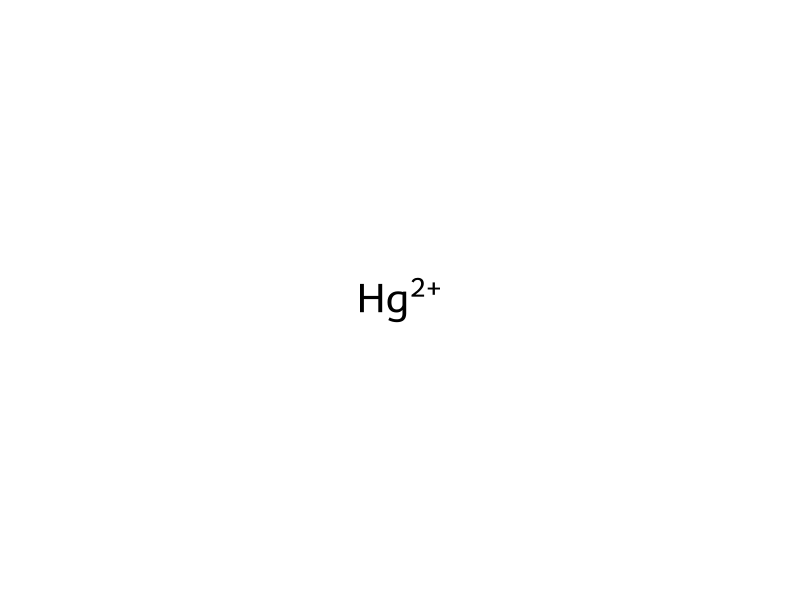
14302-87-5- 표준 SMILES
[Hg+2]- InChIKey
BQPIGGFYSBELGY-UHFFFAOYSA-N- 분자식
- Hg+2
- 평균 분자량
- 200.59 g/mol
- 단동위원소 질량
- 201.970644
개요
Mercury(2+) is a mercury cation, a monoatomic dication and a divalent metal cation. It has a role as an Escherichia coli metabolite.
이름 및 식별자
- 우선 이름
- Mercuric cation
- IUPAC
- mercury(2+)
- 현지명
- 머큐리(II)
- 영어명
- MERCURY(II)
- 분자식
- Hg
- 분자량
- 200.59
이름 및 동의어
Mercuric cationMercuric ionmercury(2+)Mercury, ion (Hg2+)Mercury (II) ion14302-87-5Hg2+Mercury ion (Hg2+)mercury (II)mercury(2+) ionHg++ED30FJ8Y42
이름 더 보기
머큐리(II)MERCURY(II)
Hg(2+)Mercury IIMercury(2+) ionsMercury (2+)Mercury dicationUNII-ED30FJ8Y42mercury ionHgII
데이터베이스 식별자
- CAS
14302-87-5、7439-97-6- PubChem CID
- 26623
- DTXSID
DTXSID9074933- ChEBI
CHEBI:16793- UNII
- ED30FJ8Y42
- Nikkaji
- J2.730.414A
물성
구조 계산 물성보충 중
- 극성 표면적
- 0 Ų
- 수소 결합 공여자 수
- 0
- 수소 결합 수용자 수
- 0
- 회전 가능 결합 수
- 0
- 무거운 원자 수
- 1
- 형식 전하
- 2
- 복잡도
- 0
실험 및 물리화학적 성질
LogP0.62
Solubility6e-05 mg/mL at 25 °C
Melting Point-38.8 °C
Physical DescriptionLiquid
물리화학적 성질
- EPA
- Mercury ion (Hg2+) (14302-87-5)
안전 및 규제
안전 정보는 참고용이며, 공급업체의 물질안전보건자료(SDS), 관련 법규 및 전문가 평가를 대체하지 않습니다.
안전 및 보호
Minimum Risk LevelChronic Inhalation: 0.0002 mg/m3 (L134)
독성 정보
Treatment
Mercury poisoning is treated by immediate decontamination and chelation therapy using DMSA, DMPS, DPCN, or dimercaprol. (A7) Identifying and removing the source of the mercury is crucial. Decontamination requires removal of clothes, washing skin with soap and water, and flushing the eyes with saline solution as needed. Inorganic ingestion such as mercuric chloride should be approached as the ingestion of any other serious caustic. Immediate chelation therapy is the standard of care for a patient showing symptoms of severe mercury poisoning or the laboratory evidence of a large total mercury load. Chelation therapy for acute inorganic mercury poisoning can be done with DMSA (dimercaptosuccinic acid), 2,3-dimercapto-1-propanesulfonic acid (DMPS), D-penicillamine (DPCN), or dimercaprol (BAL). Only DMSA is FDA-approved for use in children for treating mercury poisoning.
Health Effects
Mercury mainly affects the nervous system. Exposure to high levels of metallic, inorganic, or organic mercury can permanently damage the brain, kidneys, and developing fetus. Effects on brain functioning may result in irritability, shyness, tremors, changes in vision or hearing, and memory problems. Acrodynia, a type of mercury poisoning in children, is characterized by pain and pink discoloration of the hands and feet. Mercury poisoning can also cause Hunter-Russell syndrome and Minamata disease. (L7)
Exposure RoutesInhalation (L7) ; oral (L7)
Toxicity Summary
High-affinity binding of the divalent mercuric ion to thiol or sulfhydryl groups of proteins is believed to be the major mechanism for the activity of mercury. Through alterations in intracellular thiol status, mercury can promote oxidative stress, lipid peroxidation, mitochondrial dysfunction, and changes in heme metabolism. Mercury is known to bind to microsomal and mitochondrial enzymes, resulting in cell injury and death. For example, mercury is known to inhibit aquaporins, halting water flow across the cell membrane. It also inhibits the protein LCK, which causes decreased T-cell signalling and immune system depression. Mercury is also believed to inhibit neuronal excitability by acting on the postsynaptic neuronal membrane. It also affects the nervous system by inhibiting protein kinase C and alkaline phosphatase, which impairs brain microvascular formation and function, as well as alters the blood-brain barrier. Organic mercury exerts developmental effects by binding to tubulin, preventing microtubule assembly and causing mitotic inhibition. Mercury also produces an autoimmune response, likely by modification of major histocompatibility complex (MHC) class II molecules, self peptides, T-cell receptors, or cell-surface adhesion molecules. (L7, A8, A25, A26)
화학 및 산업
약리 정보
Metabolism/Metabolites
Mercury is absorbed mainly via ingestion and inhalation, then distributed throughout the body via the bloodstream, where a portion binds to sulfhydryl groups on haemoglobin. Being lipid soluble, mercury vapor readily enters the red blood cells and the central nervous system following inhalation exposure. Once inside the cell, mercury vapor can undergo oxidation to mercuric mercury, which takes place via the catalase–hydrogen peroxide pathway. The mercury atom is able to diffuse down the cleft in the catalase enzyme to reach the active site where the heme ring is located. Oxidation most likely occurs in all tissue, as the catalase hydrogen peroxide pathway is ubiquitous. Following oxidation, mercury tends to accumulate in the kidneys. Organic and elemental mercury can also penetrate the placenta and blood-brain barrier, and thus also accumulate in the brain. Mercury is excreted mainly by exhalation and in the faeces. (A6, L7)
용도 및 제조
UsesMetallic mercury is used to produce chlorine gas and caustic soda. It is also used in thermometers, dental fillings, and batteries. Mercury salts are sometimes used in skin lightening creams and as antiseptic creams and ointments. (L7)
관련 반응
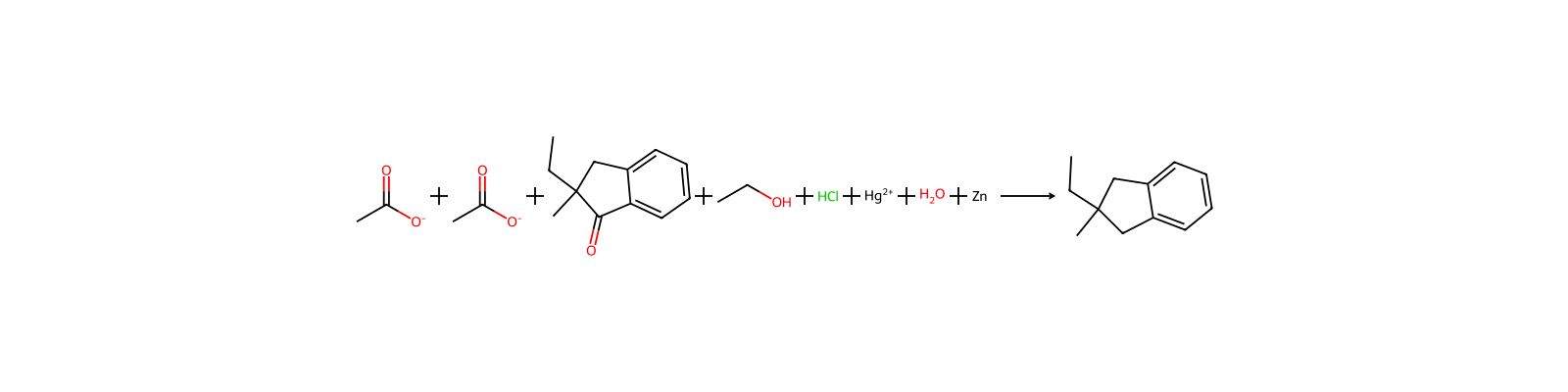
24건





화합물 노트
불러오는 중…