
에틸 크산토겐산 칼륨
Potassium ethylxanthate

기본 정보
- CAS
140-89-6- 표준 SMILES
CCOC(=S)[S-].[K+]- InChIKey
JCBJVAJGLKENNC-UHFFFAOYSA-M- 분자식
- C3H5KOS2
- 평균 분자량
- 160.3 g/mol
- 단동위원소 질량
- 159.94188846
이름 및 식별자
- 우선 이름
- Potassium ethylxanthate
- IUPAC
- potassium ethoxymethanedithioate
- 현지명
- 에틸 크산토겐산 칼륨
- 영어명
- Potassium ethylxanthate
- 분자식
- C3H5KOS2
- 분자량
- 160.3
이름 및 동의어
140-89-6POTASSIUM ETHYLXANTHATEPotassium ethyl xanthateEthylxanthic acid potassium saltPotassium ethyl xanthogenatePotassium xanthogenatePotassium ethylxanthogenatePotassium O-ethyl dithiocarbonateEthyl potassium xanthateZ 3 (Pesticide)Ethyl potassium xanthogenateDTXSID6042315
이름 더 보기
에틸크산토겐산칼륨칼륨에틸산트산염칼륨에틸산트산염칼륨 에틸 크산틴산염KEXPotassium O-ethyl xanthatePotassium ethylxanthogenatpotassium (ethoxymethanethioyl)sulfanide
Potassium ethyl dithiocarbonate1A6K3Y576KDTXCID4022315NSC-4850RefChem:868188205-439-3potassium o-ethyl carbonodithioatePotassium xanthate
데이터베이스 식별자
- CAS
140-89-6- PubChem CID
- 2735045
- DTXSID
DTXSID6042315- ChEMBL
CHEMBL2380738- UNII
- 1A6K3Y576K
- EC Number
- 205-439-3
- Nikkaji
- J2.025G
물성
구조 계산 물성
- 극성 표면적
- 42.3 Ų
- 수소 결합 공여자 수
- 0
- 수소 결합 수용자 수
- 3
- 회전 가능 결합 수
- 2
- 무거운 원자 수
- 7
- 형식 전하
- 0
- 복잡도
- 56.9
실험 및 물리화학적 성질
Chemical ClassesMetals -> Organic Acids, Metal Salts
Physical DescriptionWhite to light yellow solid; [Merck Index] Light yellow powder with an unpleasant odor; [Alfa Aesar MSDS]
물리화학적 성질
- 녹는점
- 209 · 209-214 °C
- 끓는 점
- 462.37 ℃[at · 462.37℃[at 101 325 Pa]
- 밀도
- 1 · 1,558 g/cm3
- 증기압
- 0 Pa · 0Pa at 25℃
- 인화점
- 96 °C · 96°C
- 저장 조건
- 30 °C · Store below +30°C.
- 용해도
- 알코올에 용해됨(lit.)
- 물리적 상태
- 결정성 분말
- 색상
- 노란색
- 수소이온지수(pH)
- 9 · 9-10 (100g/l, H2O, 20℃)
- 수용성
- 물에 용해됩니다.
- Merck
- 14 · 14,7696
- BRN
- 3596974 · 3596974
- 안정성
- 안정적인. 강산, 강염기, 강산화제와 호환되지 않습니다.
- InChI
- 1S/C3H6OS2.K/c1-2-4-3(5)6;/h2H2,1H3,(H,5,6);/q;+1/p-1
안전 및 규제
안전 정보는 참고용이며, 공급업체의 물질안전보건자료(SDS), 관련 법규 및 전문가 평가를 대체하지 않습니다.
GHS 분류
GHS Classification
This chemical does not meet GHS hazard criteria for 2.3% (2 of 88) of reports.
Danger
H228 (52.3%): Flammable solid [Danger Flammable solids]
P210, P240, P241, P261, P264, P264+P265, P270, P271, P280, P301+P317, P302+P352, P304+P340, P305+P351+P338, P317, P319, P321, P330, P332+P317, P337+P317, P362+P364, P370+P378, P403+P233, P405, and P501 (click each P-code to see the statement)
Aggregated GHS information provided per 88 reports by companies from 16 notifications to the ECHA C&L Inventory. Each notification may be associated with multiple companies.
Danger
유해성 정보
Regulatory Information
Chemical: Carbonodithioic acid, O-ethyl ester, potassium salt
Carbonodithioic acid, O-ethyl ester, potassium salt (1:1) is listed on the EPA's Chemical Data Reporting (CDR) system. Manufacturers and importers of Carbonodithioic acid, O-ethyl ester, potassium salt (1:1) are required to report information about their production and use of this chemical to the EPA under the Toxic Substances Control Act (TSCA). (40 eCFR Part 711)
Status: Active Update: 21-08-2018 https://echa.europa.eu/registration-dossier/-/registered-dossier/11851
Other Safety InformationIMAP assessments - Sodium and Potassium xanthate salts: Human health tier II assessment
Hazards Summary
Causes somnolence and respiratory depression in oral lethal-dose studies of mice; Causes excitement and muscle contraction or spasticity in oral lethal-dose studies of rats; Causes changes in erythrocyte counts in 26-week oral studies of rats; [RTECS] A skin and strong eye irritant; Toxic by ingestion; [Alfa Aesar MSDS]
Hazard Classes and Categories
Flam. Sol. 1 (52.3%)
Skin irritation - category 2
화학 및 산업
약리 정보
MeSH Pharmacological ClassificationSubstances that prevent infectious agents or organisms from spreading or kill infectious agents in order to prevent the spread of infection.
용도 및 제조
UsesUsed as a reagent in analytical chemistry; [Merck Index]
U.S. Production2022: 197,000 lb
General Manufacturing InformationCarbonodithioic acid, O-ethyl ester, potassium salt (1:1): ACTIVE
응용 분야
용도As reagent in analytical chemistry.
상·하류 제품 정보
상류 원료
하류 제품
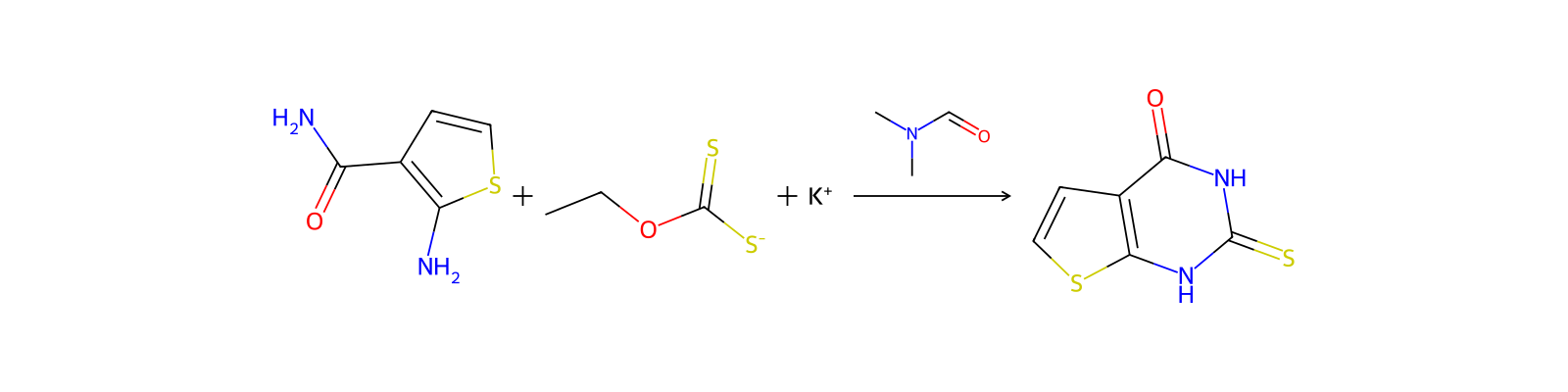
관련 반응
261건





화합물 노트
불러오는 중…