홈MCP워크벤치Skills
홈워크벤치알림마이페이지
llms.txt · MCP 가이드개인정보처리방침 · 이용약관 · 지원v1.8.0
  1. 홈
  2. /화합물

불소

Fluoride Ion

HCID 28179
새 노트새 반응견적 요청하기
인쇄 미리보기
기본 정보개요이름 및 식별자물성안전 및 규제화학 및 산업관련 반응화합물 노트
부분 구조 검색유사 구조 찾기

기본 정보

CAS
16984-48-8
표준 SMILES
[F-]
InChIKey
KRHYYFGTRYWZRS-UHFFFAOYSA-M
분자식
F-
평균 분자량
18.9984 g/mol
단동위원소 질량
18.9989518

개요

Fluoride is a halide anion and a monoatomic fluorine. It is a conjugate base of a hydrogen fluoride.

이름 및 식별자

우선 이름
Fluoride Ion
IUPAC
fluoride
현지명
불소
영어명
FLUORIDE STANDARD
분자식
F-
분자량
19

이름 및 동의어

fluoridefluoride ion16984-48-8Fluoride ion(1-)PerfluorideFluorine ionFluoride(1-)Fluoride ion(F-)Fluorine ion(1-)Drinking water, fluoride treatedF-UNII-Q80VPU408O
이름 더 보기
불소불소표준FluorionF-FLUORIDEGELFluorine, ionfluoride fumeFluorine anion
Q80VPU408OFLURORIDE-IONFLUORINE ION(F1-)DTXSID9049617CHEBI:17051F(-)Fluorine-RefChem:5836

데이터베이스 식별자

CAS
16984-48-8、7782-41-4
PubChem CID
28179
DTXSID
DTXSID9049617
ChEMBL
CHEMBL1232767、CHEMBL1362
ChEBI
CHEBI:17051
UNII
Q80VPU408O
Nikkaji
J231.854G

물성

구조 계산 물성

XLogP
0.6
극성 표면적
0 Ų
수소 결합 공여자 수
0
수소 결합 수용자 수
1
회전 가능 결합 수
0
무거운 원자 수
1
형식 전하
-1
복잡도
0

실험 및 물리화학적 성질

Chemical Classes · 3건

Other Classes -> Fluorides, Inorganic

Other Classes -> Fluorides, Inorganic

Major ion

Solubility0.00169 mg/mL at 25 °C
Dietary IngredientsFluoride
Human DrugsDental medicines and preparations
Melting Point-219.61 °C
Physical Description · 4건

CBI

The main fluoride minerals are fluorspar (CaF2) and cryolite (Na3AlF6). [ACGIH]

Liquid

Varies depending on specific compound

물리화학적 성질

녹는점
135 ℃ · 135℃
밀도
1 g/cm3 · 1.000 g/cm3 (20 °C)
굴절률
1.3358 · 1.3358 (589.3 nm 20℃)
저장 조건
2 · 2-8°C
물리적 상태
액체
수소이온지수(pH)
6 · 6 (H2O, 20°C)
수용성
물과 섞이지 않습니다.

안전 및 규제

안전 정보는 참고용이며, 공급업체의 물질안전보건자료(SDS), 관련 법규 및 전문가 평가를 대체하지 않습니다.

유해성 정보

Regulatory Information · 5건

Hazard Traits - Musculoskeletal Toxicity

Hazard Traits - Musculoskeletal Toxicity; Respiratory Toxicity

Regulation (EC) No 178/2002 (amended)

Fluoride is listed on the EPA's Chemical Data Reporting (CDR) system. Manufacturers and importers of Fluoride are required to report information about their production and use of this chemical to the EPA under the Toxic Substances Control Act (TSCA). (40 eCFR Part 711)

Fluoride: Does not have an individual approval but may be used as a component in a product covered by a group standard. It is not approved for use as a chemical in its own right.

Hazards Summary · 2건

50% of absorbed fluoride is excreted in urine within 24 hours; 99% of the remainder is taken up by bone with a 1/2 life of up to 8 years; tooth mottling is caused by 2-4 mg/day; skeletal changes are rare at 8 mg/day, but can be crippling at 20 to 80 mg/day; [Rosenstock, p. 544] Fluorides (inorganic, used in drinking water) are not classifiable as to carcinogenicity to humans. [IARC] The PEL and IDLH apply to sodium fluoride and other inorganic, solid fluorides. [NIOSH] Abnormal liver enzymes have been reported in cases of sodium fluoride toxicity. In acute poisoning cases, patients may have hyperactive reflexes and tetanic contractures from fluoride-induced hypocalcemia and cardiac arrhythmias from hyperkalemia; Ingestion can cause hemorrhagic gastroenteritis; [HSDB] The TLV applies to inorganic fluorides; [ACGIH] In the US, no skeletal fluorosis observed after exposure to 4 mg/L in drinking water, but uptake of 20 mg/day for more than 20 years can cause skeletal fluorosis; Dental caries are reduced in adults after uptake of up to 4 mg/day; BEIs are not applicable to non-metal fluorides or organic compounds containing fluorine; [ACGIH BEI]

See Fluorine. See FLUORIDES.

안전 및 보호

Exposure Control and Personal Protection · 2건

Biological Exposure Indices (BEI) [ACGIH] - Fluorides in urine = 2 mg/L prior to shift or 3 mg/L at end of shift; (Repeated measurements recommended.) [ACGIH]

화학 및 산업

약리 정보

ATC CodeA01AA01; A01AA04
Biological Half-LifeSerum: 3-7 hours; [TDR, p. 706] 50% of absorbed fluoride is excreted in the urine within 24 hours. Of the remainder, 99% is absorbed in bone with a half-life of up to 8 years. [Rosenstock, p. 544]
Metabolism/Metabolites · 1건

Fluorides may be absorbed following inhalation, oral, or dermal exposure. Once in the body, the fluoride ion is transported in the blood and accumulates in the bones and teeth. Fluoride is believed to replace the hydroxyl ion (OH-) and possibly the bicarbonate ion (HCO3-) associated with hydroxyapatite—a mineral phase during formation of bone. The resultant material is hydroxyfluorapatite. Once absorbed, a portion of the fluoride is deposited in the skeleton, and most of the remainder is excreted in the urine, with smaller amounts in feces, and sweat, and saliva. (L963)

Tissue LocationsBrain
Cellular LocationsCytoplasm

용도 및 제조

Uses · 5건

Used in the primary production of aluminum, smelting operations (flux), welding (welding rods), and water treatment; [Levy, p. 409] Fluorosis was first recognized in the 1930s in factories processing cryolite. Today, occupational fluoride exposure occurs in factories manufacturing aluminum, glass, and fertilizer. Exposure also occurs in workers mining and processing cryolite, fluorspar, and apatite. [Rosenstock, p. 544] Used mainly as hydrogen fluoride to make fluoropolymers and hydrofluorocarbons; Also used as AlF3 to make aluminum, refined petroleum, herbicides, and uranium fluorides; The main sources of fluorides are diet, drinking water, and dentifrices; [ACGIH BEI]

Aluminum Producing [Category: Industry]

Ceramics making [Category: Hobbies]

Inorganic salts of hydrofluoric acid, HF, in which the fluorine atom is in the -1 oxidation state. (McGraw-Hill Dictionary of Scientific and Technical Terms, 4th ed). [ChemIDplus]

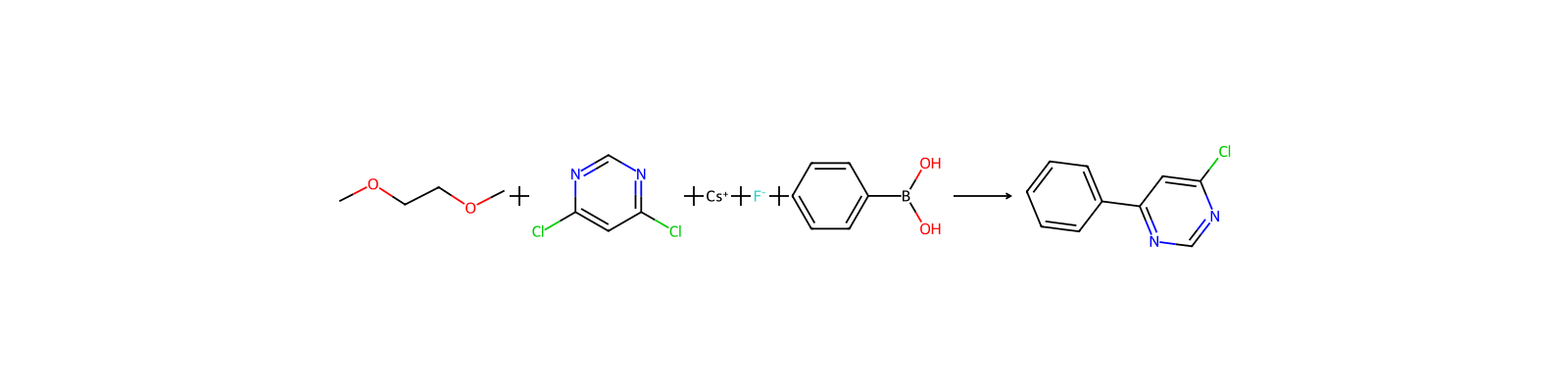
관련 반응

3,334건
반응 기록 만들기
HRID 85849 반응식
HRID 85849반응물로Training data from https://doi.org/10.1039/C8SC04228D (2/10)
HRID 85900 반응식
HRID 85900반응물로Training data from https://doi.org/10.1039/C8SC04228D (2/10)
HRID 85996 반응식
HRID 85996반응물로Training data from https://doi.org/10.1039/C8SC04228D (2/10)
HRID 86152 반응식
HRID 86152반응물로Training data from https://doi.org/10.1039/C8SC04228D (2/10)
HRID 86175 반응식
HRID 86175반응물로Training data from https://doi.org/10.1039/C8SC04228D (2/10)
HRID 86183 반응식
HRID 86183반응물로Training data from https://doi.org/10.1039/C8SC04228D (2/10)
HRID 86280 반응식
HRID 86280반응물로Training data from https://doi.org/10.1039/C8SC04228D (2/10)
HRID 86358 반응식
HRID 86358반응물로Training data from https://doi.org/10.1039/C8SC04228D (2/10)
1 / 417 페이지

화합물 노트

불러오는 중…

이 페이지에서기본 정보개요이름 및 식별자물성안전 및 규제화학 및 산업관련 반응화합물 노트
더보기
새 노트새 반응견적 요청하기
주요 응용
환경음식 및 음료
EPA
Fluoride (16984-48-8)

화학적 성질

Of the general formula FyMx or MxFy, appear ance, odor and properties vary with specific compounds.

1.0 [mg/m3], as F, inhalable fraction[German Research Foundation (DFG)]

Minimum Risk LevelAcute Inhalation: 0.01 ppm (L134)
Threshold Limit Values (TLV) · 2건

2.5 [mg/m3], as F

2.5 mg/m³ [1979]

Permissible Exposure Limit (PEL) · 2건

2.5 [mg/m3], as F

2.5 mg/m³

Protective Action Criteria (PAC) · 3건

7.5 [mg/m3]

83 [mg/m3]

500 [mg/m3]

Recommended Exposure Limit (REL)2.5 mg/m³
Immediately Dangerous to Life or Health (IDLH) · 2건

Excerpts from Documentation for IDLHs: No data on acute inhalation toxicity are available on which to base the IDLH for fluorides. The chosen IDLH, therefore, has been estimated from the human acute lethal dose of 5 grams of sodium fluoride. . . . Skin rashes and complaints of the gastric, intestinal, circulatory, respiratory, and nervous systems have been reported in workers exposed chronically to concentrations ranging from 11 to 24 mg F/m3 [NIOSH]

250 mg/m³

독성 정보

TreatmentOral exposure to fluoride compounds should be treated by giving milk, calcium carbonate, or milk of magnesia to slow absorption. Eye or skin contact should be treated by removing any contaminated clothing and flushing with water. (L969)
Health Effects · 1건

Exposure to high levels of fluoride can result in denser bones. However, if exposure is high enough, these bones may be more fragile and brittle and there may be a greater risk of fracture. Chronic exposure may also cause dental fluorosis, which alters the appearance of children's teeth during tooth development. (L963, L969)

Adverse EffectsOccupational hepatotoxin - Secondary hepatotoxins: the potential for toxic effect in the occupational setting is based on cases of poisoning by human ingestion or animal experimentation.
Exposure RoutesOral (L963) ; inhalation (L963) ; dermal (L963)
Toxicity Summary · 1건

Fluoride ions are incorporated into bone by substituting for hydroxyl groups in the carbonate-apatite structure to produce hydroxyfluorapatite, thus altering the mineral structure of the bone. Alteration in mineralization increases hardness and bone mass, but also decreases mechanical strength. A portion of the circulating inorganic fluoride acts as an enzyme inhibitor because it forms metalfluoride-phosphate complexes that interfere with the activity of those enzymes requiring a metal ion cofactor. In addition, fluoride may interact directly with the enzyme or the substrate. It is a general inhibitor of the energy production system of the cell. Fluorine may bind calcium and decrease its concentration. This is thought to indirectly inhibit amelogeninase activity, resulting in altered crystal growth and subsequently causing dental fluorosis. (L963)

Signs and Symptoms · 1건

Fluorine is very irritating to the skin, eyes, and respiratory tract. Symptoms of fluoride exposure include abdominal pain, diarrhea, dysphagia, hypersalivation, mucosal injury, nausea, vomiting. Electrolyte abnormalities including hyperkalemia, hypocalcemia, hypoglycemia, and hypomagnesemia may occur. Neurological symptoms include headache, muscle weakness, hyperactive reflexes, muscular spasms, paresthesia seizures, tetanic contractions, and tremors. In severe cases, multiorgan failure will occur. Death typically results from cardiac arrest, shock, widening of QRS, and various arrhythmias occur. (L963, L969)

Carcinogen Classification · 6건

Fluorides (inorganic, used in drinking-water)

Group 3: Not classifiable as to its carcinogenicity to humans

Volume 27: (1982) Some Aromatic Amines, Anthraquinones and Nitroso Compounds, and Inorganic Fluorides Used in Drinking-water and Dental Preparations

1987

1987

Inorganic fluorides used in drinking-water are not classifiable as to their carcinogenicity to humans (Group 3). (L135)

RAIS Toxicity Values · 4건

0.013

CALEPA

0.04

CALEPA

USGS Health-Based Screening Levels for Evaluating Water-Quality · 6건

Fluoride

00950

Major ion

4000

Fluorine (soluble)

Smith, C.D. and Nowell, L.H., 2024. Health-Based Screening Levels for evaluating water-quality data (3rd ed.). DOI:10.5066/F71C1TWP

Hazard Quotient Level 0.1 or Cancer Risk Level 1E-06 · 6건

3.10e+03

4.70e+04

1.40e+01

5.70e+01

8.00e+02

4.00e+03

Hazard Quotient Level 3 or Cancer Risk Level 1E-04 · 6건

9.40e+03

1.40e+05

4.10e+01

1.70e+02

2.40e+03

4.00e+03

안전 데이터

wgk
NWG not water endangering
독성
human,LDLo,oral,50mg/kg (50mg/kg),LUNGS, THORAX, OR RESPIRATION: OTHER CHANGESKIDNEY, URETER, AND BLADDER: OTHER CHANGES LIVER: OTHER CHANGES,IARC Monographs on the Evaluation of Carcinogenic Risk of Chemicals to Man. Vol. 27, Pg. 237, 1982.
HS 번호
2826 19 10
Hazard Classifications
Acute Tox. 4 OralEye Dam. 1
스토리지 클래스
12 - Non Combustible Liquids

Fluoride compounds are used in making steel, chemicals, ceramics, lubricants, dyes, plastics, and pesticides. Fluorides are often added to drinking water supplies and to a variety of dental products, including toothpaste and mouth rinses, to prevent dental cavities. (L963)

U.S. Production2023: 50,000 - <250,000 lb
Consumer UsesFiller
Industry UsesFiller
General Manufacturing InformationMachinery Manufacturing

응용 분야

용도Fluoride, Ion chromatography standard solution, Specpure|r, F|- 1000μg/ml is used as a standard solution in analytical chemistry and in ion chromatography. It is used for calibration of ion chromatography and other analytical techniques.

상·하류 제품 정보

하류 제품

동 실리코플루오라이드칼슘 인산염, 디베이직, 이염화물
추가 설명 · 1건

정의Any inorganic salt of hydrofluoric acid in which fluorine has a valence of 1. Fluorides are major environmental pollutants released into the atmosphere from aluminum reduction, steel manufacturing, and coal-fired power plants. Fluoride pollution is assoc