

기본 정보
- 표준 SMILES
CNC=O- InChIKey
ATHHXGZTWNVVOU-UHFFFAOYSA-N- 분자식
- C2H5NO
- 평균 분자량
- 59.07 g/mol
- 단동위원소 질량
- 59.03711378
이름 및 식별자
- 우선 이름
- N-Methylformamide
- IUPAC
- N-methylformamide
- 현지명
- 노르말메틸포름아미드
- 영어명
- N-Methylformamide
- 분자식
- C2H5NO
- 분자량
- 59.07
이름 및 동의어
N-METHYLFORMAMIDE123-39-7MethylformamideFormamide, N-methyl-MonomethylformamideN-Monomethylformamiden-methyl-FormamideNSC 3051EK 7011Formic acid amide, N-methyl-X 188XPE4G7Y986
이름 더 보기
N-메틸폼아마이드N-메틸포르마미드노르말메틸포름아미드N-메틸포름아미드NMFN-MethylmethanamideN-FORMYLMETHYLAMINEx188ek7011
DTXSID0025608NSC3051NSC-3051CHEBI:7438formylmethylamineFormamide, N-methylRefChem:830717DTXCID905608
데이터베이스 식별자
- CAS
123-39-7- PubChem CID
- 31254
- DTXSID
DTXSID0025608- ChEMBL
CHEMBL9240- ChEBI
CHEBI:7438- UNII
- XPE4G7Y986
- EC Number
- 204-624-6
- Nikkaji
- J2.498H
물성
구조 계산 물성
- XLogP
- -1
- 극성 표면적
- 29.1 Ų
- 수소 결합 공여자 수
- 1
- 수소 결합 수용자 수
- 1
- 회전 가능 결합 수
- 0
- 무거운 원자 수
- 4
- 형식 전하
- 0
- 복잡도
- 20
실험 및 물리화학적 성질
LogP
log Kow = -0.97
-0.97
-0.0624
Density
1.011 at 66 °F (NTP, 1992) - Denser than water; will sink
0.9961 g/cu cm @ 25 °C
Density (at 20 °C): 1.003 g/cm³
0.9961 @25 °C
Viscosity1.99 mN/s/m @ 15 °C; 1.65 mN/s/m @ 25 °C
Solubility
greater than or equal to 100 mg/mL at 68 °F (NTP, 1992)
Very soluble in acetone, ethanol.
Miscible in water
1000 mg/mL at 25 °C
Solubility in water: good
Water miscible
Flash Point
208 °F (NTP, 1992)
98 °C
98 °C c.c.
Boiling Point
356 to 365 °F at 760 mmHg (NTP, 1992)
180-185 °C
182.5 °C
DecompositionWhen heated to decomposition it emits toxic fumes of /nitrogen oxides/.
Melting Point
-40 °F (NTP, 1992)
-5.4 °C
-3.8 °C
-3 °C
Vapor DensityRelative vapor density (air = 1): 2.04
Vapor Pressure
0.2 mmHg at 77 °F (NTP, 1992)
0.25 [mmHg]
0.253 mm Hg @ 25 °C
0.253 [mm Hg] @25 °C
Surface Tension37.96 dynes/cm @ 30 °C; 35.02 dynes/cm @ 50 °C
Refractive IndexIndex of refraction: 1.4319 @ 20 °C/D
물리화학적 성질
- 녹는점
- -4 °C · -4 °C (lit.)
- 끓는 점
- 198 · 198-199 °C (lit.)
- 밀도
- 1.011 g/mL · 1.011 g/mL at 25 °C (lit.)
- 증기압
- 20 Pa · 20Pa at 20℃
- 굴절률
- 20 · n20/D 1.432(lit.)
- 인화점
- 230 °F · >230 °F
- 저장 조건
- Sealed in dry,Room Temperature
- 용해도
- 물, 에 용해됨클로로포름, 알코올, 에 용해됨아세톤, 에틸아세테이트에는 용해되지만 디에틸 에테르 및 석유 에테르에는 용해되지 않습니다.
- 산도 계수 (pKa)
- 16.48 · 16.48±0.23(Predicted)
- 물리적 상태
- 액체
- 색상
- 무색의
- 냄새
- 강한 냄새
- 수용성
- 혼용 가능
- 비열
- 2.1 J/ · Cp(liquid): 2.1 J/(g·K), at 25℃
- Merck
- 14 · 14,6076
- BRN
- 1098352 · 1098352
- Henry's Law Constant
- 1.4 · 1.4×103 mol/(m3Pa) at 25℃, Burkholder et al. (2019)
- Dielectric constant
- 171 · 171.0
- InChI
- 1S/C2H5NO/c1-3-2-4/h2H,1H3,(H,3,4)
- InChIKey
- ATHHXGZTWNVVOU-UHFFFAOYSA-N
- SMILES
- [H]C(=O)NC
- LogP
- -0.97 · -0.97
- NIST
- Formamide, N-methyl-(123-39-7)
- EPA
- N-Methylformamide (123-39-7)
화학적 성질
N-methylformamide is a clear colorless liquid with a slight amine odor. It is a water-soluble organic solvent. As an adjuvant antineoplastic agent, N-methylformamide depletes cellular glutathione, a key molecule involved in the antioxidation of reactive oxygen species (ROS) and other free radicals, thereby enhancing ionizing radiation-induced DNA cross-linking in and terminal differentiation of tumor cells. (NCI04)
안전 및 규제
GHS 분류
GHS Classification
Danger
H312: Harmful in contact with skin [Warning Acute toxicity, dermal];H360D ***: May damage the unborn child [Danger Reproductive toxicity]
P203, P280, P302+P352, P317, P318, P321, P362+P364, P405, and P501 (click each P-code to see the statement)
Danger
유해성 정보
Regulatory Information
Chemical: Formamide, N-methyl-
Hazard Traits - Reproductive Toxicity;Authoritative List - EC Annex VI CMRs - Cat. 1B;Report - if used as a fragrance or flavor ingredient
Status: Active Update: 29-10-2012 https://echa.europa.eu/registration-dossier/-/registered-dossier/6092;Status: Active Update: 24-02-2014 https://echa.europa.eu/registration-dossier/-/registered-dossier/12311;Status: Active Update: 11-11-2014 https://echa.europa.eu/registration-dossier/-/registered-dossier/7551
Methylformamide: Does not have an individual approval but may be used under an appropriate group standard
Other Safety InformationIMAP assessments - Formamide, N-methyl-: Environment tier I assessment;IMAP assessments - Formamide, N-methyl-: Human health tier I assessment
Fire Hazards
This chemical is combustible. (NTP, 1992)
Combustible.
Fire PotentialA very dangerous fire hazard when exposed to heat or flame.
Health Hazards
SYMPTOMS: Symptoms of exposure to this compound include irritation of the mucous membranes and upper respiratory tract. Other symptoms include liver damage, eye irritation with discomfort, tearing or blurring of vision, skin irritation with discomfort or rash, abnormalities of liver function with jaundice, temporary nervous system depression with anesthetic effects such as dizziness, headache, confusion, incoordination and loss of consciousness.;ACUTE/CHRONIC HAZARDS: This compound may be absorbed through the skin and cause skin irritation. It may also irritate the eyes, mucous membranes and upper respiratory tract. When heated to decomposition it emits toxic fumes of carbon monoxide, carbon dioxide and nitrogen oxides. (NTP, 1992)
Hazards Summary
An eye irritant; May cause liver injury; [ICSC] TLV Basis: Embryo/fetal injury; teratogenic effects; liver injury; A more recent phase I study using oral administration of NMF found elevated hepatic enzymes, mild myelosuppression and worsening of preexistent toxic peripheral neuropathies at 700 mg/m2 (227 mg/kg); [ACGIH] An eye irritant; May cause liver injury; Peripheral neuropathy has been observed in patients during clinical trials; Teratogenic and embryotoxic; Emergency treatment: Dimethylformamide; [HSDB] An eye, mucous membrane, and upper respiratory tract irritant; Can be absorbed through skin; May cause temporary nervous system depression and liver damage; [CAMEO] Irritating to rabbit eyes; Dramatically reduced body weights and increased liver enzymes in 2-week inhalation study of rats at highest dose (970 mg/m3); In rats fed by gavage, over 50% of fetuses malformed at the highest dose tested (75 mg/kg/day), a maternally toxic dose; Similar results obtained in study of rabbits; [EPA HPV] Causes hepatitis in five-day, intermittent, intravenous study of dogs; [RTECS] Embryotoxic in animals at doses maternally toxic; [REPROTOX] An irritant; [Alfa Aesar MSDS] See Dimethylformamide.
Reactive GroupAmides and Imides
EC ClassificationSymbol: T; R: 61-21; S: 53-45; Note: E
Reactivity Profile
N-METHYLFORMAMIDE is incompatible with benzene sulfonyl chloride. It is also incompatible with strong oxidizing agents, acids, bases and acid chlorides. It may react with chlorine, bromine, nitrates, nitric acid, triethylaluminum, potassium permanganate, chromic acid, chromic anhydride, chromium trioxide, borohydrides, hydrides, thionyl chloride, metallic sodium, phosphorus trioxide, diborane, (octafluoroisobutyrate + sodium nitrite) and (perchloryl fluoride + potassium methyl 4,4-dinitrobutyrate). (NTP, 1992)
Chemical DangersDecomposes on heating and on burning. This produces nitrogen oxides. Reacts with strong oxidants. Attacks some forms of plastic and rubber.
Air and Water ReactionsWater soluble.
Toxic Combustion ProductsWhen heated to decomposition it emits toxic fumes of /nitrogen oxides/.
안전 및 보호
Fire Fighting
Fires involving this material can be controlled with a dry chemical, carbon dioxide or Halon extinguisher. A water spray may also be used. (NTP, 1992)
Use powder, carbon dioxide. In case of fire: keep drums, etc., cool by spraying with water.
First Aid Measures
Fresh air, rest. Refer for medical attention.
Rinse skin with plenty of water or shower.
First rinse with plenty of water for several minutes (remove contact lenses if easily possible), then refer for medical attention.
Rinse mouth. Rest. Refer for medical attention .
First Aid
EYES: First check the victim for contact lenses and remove if present. Flush victim's eyes with water or normal saline solution for 20 to 30 minutes while simultaneously calling a hospital or poison control center. Do not put any ointments, oils, or medication in the victim's eyes without specific instructions from a physician. IMMEDIATELY transport the victim after flushing eyes to a hospital even if no symptoms (such as redness or irritation) develop.;SKIN: IMMEDIATELY flood affected skin with water while removing and isolating all contaminated clothing. Gently wash all affected skin areas thoroughly with soap and water. If symptoms such as redness or irritation develop, IMMEDIATELY call a physician and be prepared to transport the victim to a hospital for treatment.;INHALATION: IMMEDIATELY leave the contaminated area; take deep breaths of fresh air. If symptoms (such as wheezing, coughing, shortness of breath, or burning in the mouth, throat, or chest) develop, call a physician and be prepared to transport the victim to a hospital. Provide proper respiratory protection to rescuers entering an unknown atmosphere. Whenever possible, Self-Contained Breathing Apparatus (SCBA) should be used; if not available, use a level of protection greater than or equal to that advised under Protective Clothing.;INGESTION: DO NOT INDUCE VOMITING. If the victim is conscious and not convulsing, give 1 or 2 glasses of water to dilute the chemical and IMMEDIATELY call a hospital or poison control center. Be prepared to transport the victim to a hospital if advised by a physician. If the victim is convulsing or unconscious, do not give anything by mouth, ensure that the victim's airway is open and lay the victim on his/her side with the head lower than the body. DO NOT INDUCE VOMITING. IMMEDIATELY transport the victim to a hospital. (NTP, 1992)
Safe StorageSeparated from oxidants.
Nonfire Spill Response
SMALL SPILLS AND LEAKAGE: If you should spill this chemical, use absorbent paper to pick up all liquid spill material. Seal the absorbent paper, as well as any of your clothing which may be contaminated, in a vapor-tight plastic bag for eventual disposal. Wash any surfaces you may have contaminated with a soap and water solution. Do not reenter the contaminated area until the Safety Officer (or other responsible person) has verified that the area has been properly cleaned.;STORAGE PRECAUTIONS: You should store this material under ambient temperatures and keep away from oxidizers. (NTP, 1992)
Disposal Methods
SRP: At the time of review, criteria for land treatment or burial (sanitary landfill) disposal practices are subject to significant revision. Prior to implementing land disposal of waste residue (including waste sludge), consult with environmental regulatory agencies for guidance on acceptable disposal practices.
Spillage DisposalPersonal protection: chemical protection suit including self-contained breathing apparatus. Collect leaking liquid in covered containers.
Preventive Measures
SRP: The scientific literature for the use of contact lenses in industry is conflicting. The benefit or detrimental effects of wearing contact lenses depend not only upon the substance, but also on factors including the form of the substance, characteristics and duration of the exposure, the uses of other eye protection equipment, and the hygiene of the lenses. However, there may be individual substances whose irritating or corrosive properties are such that the wearing of contact lenses would be harmful to the eye. In those specific cases, contact lenses should not be worn. In any event, the usual eye protection equipment should be worn even when contact lenses are in place.
Eye PreventionWear safety goggles.
Fire PreventionNO open flames.
Inhalation RiskNo indication can be given about the rate at which a harmful concentration of this substance in the air is reached on evaporation at 20 °C.
Skin PreventionProtective gloves.
독성 정보
Body Burden
The concn of N-methylformamide in urine was 7.7 mg/l and 23.3 mg/l before shift and after shift, respectively, for workers exposed to N,N-dimethylformamide at a synthetic leather factory(1). N-Methylformamide is a metabolite of N,N-dimethylformamide(1).
Interactions
SIMULTANEOUS TREATMENT OF PREGNANT RATS AND MICE WITH SODIUM NITRITE (0.5-0.75% IN DRINKING WATER ON DAYS 11-15 OF GESTATION) AND N-METHYLUREA, N,N'-DIMETHYLUREA OR N,N,N-TRIMETHYLUREA (1000, 1000 OR 500 MG/KG IP, RESPECTIVELY, ON DAY 11 OR 13 OF GESTATION) PRODUCED THE SAME TERATOGENIC EFFECTS AS TREATMENT WITH THE NITROSYLATED HOMOLOGS OF THESE METHYLUREAS. TREATMENT OF RATS WITH SODIUM NITRITE & N-METHYLFORMAMIDE PRODUCED GREATER TERATOGENIC EFFECTS THAN TREATMENT WITH N-ALKYL CARBOXYLIC ACID AMIDE ALONE.
N-METHYLFORMAMIDE (1.8 G/KG IV) DECR HYPERTENSION INDUCED BY INDIRECTLY ACTING AMINES TYRAMINE & EPHEDRINE.
Admin of NMF on 4 consecutive days enhanced the sleeping time caused by pentobarbital in male rats to 565% of controls & reduced to a moderate extent the activities of rat hepatic cytochrome P-450 & cytochrome c reductase.
Like dimethylformamide NMF or its metabolites appear to interact with the metab of ethanol. Admin of 2 or 20 mmol/kg NMF to rats 3 or 18 hr before ethanol (both orally) induced an elevation in blood acetaldehyde levels. In the case of high doses of NMF admin 18 hr before alcohol, the level of ethanol in the blood was also raised significantly over controls.
Environmental Fate
TERRESTRIAL FATE: Based on a classification scheme(1), an estimated Koc value of 7(SRC), determined from a log Kow of -0.97(2) and a regression-derived equation(3), indicates that N-methylformamide is expected to have very high mobility in soil(SRC). Volatilization of N-methylformamide from moist soil surfaces is not expected to be an important fate process(SRC) given an estimated Henry's Law constant of 2.0X10⁻⁸ atm-cu m/mole(SRC), derived from its vapor pressure, 0.25 mm Hg(4), and water solubility, 1.0X10+6 mg/l(5). N- Methylformamide is not expected to volatilize from dry soil surfaces(SRC) based upon a vapor pressure of 0.25 mm Hg(4). N-methylformamide has been shown to biodgrade by microorgansism obtained through soil enrichment(6), suggesting that N-methylformamide may biodegrade in soil(SRC).
AQUATIC FATE: Based on a classification scheme(1), an estimated Koc value of 7(SRC), determined from a log Kow of -0.97(2) and a regression-derived equation(3), indicates that N-methylformamide is not expected to adsorb to suspended solids and sediment(SRC). Volatilization from water surfaces is not expected(3) based upon an estimated Henry's Law constant of 2.0X10⁻⁸ atm-cu m/mole(SRC), derived from its vapor pressure, 0.25 mm Hg(4), and water solubility, 1.0X10+6 mg/l(5). According to a classification scheme(6), an estimated BCF of 3(SRC), from its log Kow(2) and a regression-derived equation(7), suggests the potential for bioconcentration in aquatic organisms is low(SRC). N-Methylformamide, present at 400 mg/l, reached 4%, 98%, and 100% of its theoretical BOD in 3 hrs, 3 days, and 7 days, respectively, using an industrial activated sludge inoculum and the Zahn-Wellens test(8). Using the BOD test, N-methylformamide achieved 2% of its theoretical BOD after 5 days(8), suggesting that N-methylformamide may biodegrade in the aquatic environment(SRC).
ATMOSPHERIC FATE: According to a model of gas/particle partitioning of semivolatile organic compounds in the atmosphere(1), N-methylformamide, which has a vapor pressure of 0.253 mm Hg at 25 °C(2), is expected to exist solely as a vapor in the ambient atmosphere(SRC). Vapor-phase N-methylformamide is degraded in the atmosphere by reaction with photochemically-produced hydroxyl radicals(SRC); the half-life for this reaction in air is estimated to be 57 hours(SRC), calculated from its rate constant of 6.8X10⁻¹² cu cm/molecule-sec at 25 °C(SRC) determined using a structure estimation method(3).
Adverse Effects
Neurotoxin - Acute solvent syndrome;Occupational hepatotoxin - Secondary hepatotoxins: the potential for toxic effect in the occupational setting is based on cases of poisoning by human ingestion or animal experimentation.;Reproductive Toxin - A chemical that is toxic to the reproductive system, including defects in the progeny and injury to male or female reproductive function. Reproductive toxicity includes developmental effects. See Guidelines for Reproductive Toxicity Risk Assessment.
Exposure RoutesThe substance can be absorbed into the body by inhalation, through the skin and by ingestion.
Signs and Symptoms
Cough.
Redness. Pain.
Soil Adsorption/Mobility
The Koc of N-methylformamide is estimated as 7(SRC), using a log Kow of -0.97(1) and a regression-derived equation(2). According to a classification scheme(3), this estimated Koc value suggests that N-methylformamide is expected to have very high mobility in soil(SRC).
Human Toxicity Excerpts
The major potential of NMF is its ability to cause liver damage. NMF is also teratogenic & embryotoxic. It appears to be more toxic than its methyl homologue, dimethylformamide, or its N-desmethyl analogue, formamide.
As NMF is an investigational anticancer drug, a number of clinical trials have been conducted with this chemical. The first clinical evaluation was initiated in 1956. Five patients were treated with NMF; all but one patient received the drug orally. The dose ranged from 0.1-4 g/day for 2-36 days. All patients showed symptoms of toxicity- chiefly anorexia, nausea, & vomiting. Hepatic damage as measured by liver function tests was seen in all patients at total doses between 80-870 mg/kg. The liver damage appeared to be reversible with cessation of treatment. Autopsy exam of the liver of one patient showed irregular lobular disorganization, some large hepatocytes & areas of liver regeneration.
... /NMF was administered/ iv & orally to 19 patients at a starting dose of 300 mg/sq m/day for 5 days. Treatment cycles were repeated every 2 wk & doses were escalated to 1200 mg/sq m/day for 5 days. /In another study/ 35 patients /were treated/ with NMF iv at doses ranging from 125-3125 mg/sq m weekly every 6 wk. The principal toxic effects of NMF were general malaise, nausea, vomiting & anorexia. Biochemical disturbances included reversible elevation of serum levels of transaminases in several patients. The occurrence of raised serum enzyme levels did not seem to be related to the dose. Other toxic symptoms were peripheral neuropathy & alcohol intolerance in a few patients.
/N-methylformamide/ is an eye irritant.
Fish/Seafood ConcentrationsN-Methylformamide has been detected at concns of 0.09 and 4.06 ug/g in two samples of mussel collected at the Oarai Coast in Ibaraki, Japan on July 31, 1985 and July 31, 1986, respectively(1).
Artificial Pollution Sources
N-Methylformamide's production and use as an intermediate in the synthesis of pesticides; as an extraction solvent for aromatic hydrocarbons(1); and in the manufacture of methyl isocyanate(2); may result in its release to the environment through various waste streams(SRC). N-Methylformamide has been detected in cigarette smoke(3). N-Methylformamide may be also released to the atmosphere as a result of the photolysis of dimethylamine or trimethylamine(4), and may occur in water as a result of photolysis of the aquatic herbicide fluridone(5).
Environmental Biodegradation
AEROBIC: N-Methylformamide, present at 400 mg/l, reached 4%, 98%, and 100% of its theoretical BOD in 3 hrs, 3 days, and 7 days, respectively, using an industrial activated sludge inoculum and the Zahn-Wellens test(1). Using the BOD test, N-methylformamide achieved 2% of its theoretical BOD after 5 days(1). N-Methylformamide has also been shown to biodegrade by microorgansism obtained through soil enrichment(2). Therefore, N-methylformamide may biodegrade in the environment(SRC).
Environmental Bioconcentration
An estimated BCF of 3 was calculated for N-methylformamide(SRC), using a log Kow of -0.97(1) and a regression-derived equation(2). According to a classification scheme(3), this BCF suggests the potential for bioconcentration in aquatic organisms is low(SRC).
규제 정보
Regulatory Information
Chemical: Formamide, N-methyl-
Hazard Traits - Reproductive Toxicity;Authoritative List - EC Annex VI CMRs - Cat. 1B;Report - if used as a fragrance or flavor ingredient
Status: Active Update: 29-10-2012 https://echa.europa.eu/registration-dossier/-/registered-dossier/6092;Status: Active Update: 24-02-2014 https://echa.europa.eu/registration-dossier/-/registered-dossier/12311;Status: Active Update: 11-11-2014 https://echa.europa.eu/registration-dossier/-/registered-dossier/7551
Methylformamide: Does not have an individual approval but may be used under an appropriate group standard
안전 데이터
- wgk
- 1
- tsca
- TSCA listed
- rtecs
- LQ3000000
- 독성
- LD50 in mice (mg/kg): 2300 i.p.; 2600 orally; 1580 i.v.; 2700 i.m. (Langdon)
- HS 번호
- 29241990
- risk_code
- 61-21-R61-R21
- hazard_code
- T
- safety_code
- 53-45-S53-S45
- 포장분류
- II
- 기존화학 물질
- KE-24109
- Hazard Classifications
- Acute Tox. 4 DermalRepr. 1B
- 스토리지 클래스
- 6.1C - Combustible acute toxic Cat.3toxic compounds or compounds which causing chronic effects
- 유해 물질 데이터
- 123-39-7(Hazardous Substances Data)
- 함량 및 규제정보
- 물질구분: 유독물질; 혼합물(제품)함량정보: 2019-1-937:N-메틸포름아미드[N-Methylformamide; 123-39-7] 및 이를 0.3% 이상 함유한 혼합물
- 유해화학물질 필터링
- 2019-1-937
화학 및 산업
약리 정보
Mechanism of Action
The mechanism by which NMF causes hepatotoxicity is currently under investigation. Evidence is accumulating which suggests that a reactive metabolite of NMF is involved. In vitro NMF was cytotoxic only at concns in the 0.1 M range whereas the maximum NMF concn in the plasma of animals which showed evidence of hepatotoxicity was below 0.01 M. The hypothesis that a reactive metabolite is formed which might be responsible for NMF-induced hepatotoxicity is supported by the following findings: 1) NMF caused the depletion of hepatic glutathione levels in vivo, & in hepatocytes in vitro; 2) an NMF metabolite (or metabolites) was covalently bound to liver microsomal protein; & 3) pretreatment of mice with cysteine or N-acetylcysteine protected against NMF-induced hepatotoxicity. Liver mitochondria may be a target for the reactive metab, as NMF has been shown to inhibit the ability of mouse liver mitochondria to sequester calcium ions when a hepatotoxic dose was admin ip.
Metabolism/Metabolites
It is known that dimethylformamide is metabolized in man by sequential N-demethylation to methylformamide & formamide, which are largely eliminated in the urine.
In mice, NMF is metabolized mainly to carbon dioxide, which is exhaled with the breath, & to methylamine, which is excreted with the urine. Of the radioactivity injected with [C14]formyl-NMF (400 mg/kg), 39% was exhaled as carbon dioxide. The amount of the drug excreted unchanged in the urine in mice was only 26% & 15% of the dose was metabolized to methylamine. A mercapturate, N-acetyl-S-(N-methylcarbamoyl)cysteine was identified as a major metabolite of NMF in the urine of mice, rats, & patients. Formation of the novel metabolite involves oxidation of the formyl moiety & subsequent conjugation with glutathione. On GLC analysis of the urine of mice which had received NMF, small amounts of formamide were also detected. Some evidence suggests that this metabolite was actually N-hydroxy-methylformamide, the immediate product of N-methyl-C-hydroxylation of NMF, & not formamide. N-Hydroxymethylformamide, like N-hydroxymethyl-N-methylformamide, the principal metabolite of dimethylformamide, is thermally labile & breaks down to give formamide & formaldehyde; but it is stable in aqueous soln. In alkaline soln N-hydroxymethylformamide undergoes facile hydrolysis. Only 14% of the radioactivity injected with [C14]methyl-NMF was exhaled as labeled carbon dioxide. Formate was not a urinary metabolite of NMF in mice.
N-methylformamide has known human metabolites that include Methyl Isocyanate.
MeSH Pharmacological Classification
Substances that inhibit or prevent the proliferation of NEOPLASMS.
Drugs used to potentiate the effectiveness of radiation therapy in destroying unwanted cells.
Absorption, Distribution and Excretion
8 healthy male subjects were exposed to dimethylformamide vapor at a concn of 8.79 + or - 0.33 ppm for 6 hr/day for 5 consecutive days. All urine voided by the subjects was collected from the beginning of the first exposure to 24 hr past the end of the last exposure & each sample was analyzed for monomethylformamide. Monomethylformamide was rapidly eliminated from the body with urine values peaking within a few hr following the end of each exposure period. The mean for the 7 hr (end of exposure) sample was 4.74 ug/ml urine or 736.8 ug.
Dimethylformamide reached an average level of 2.8 mg/l in the blood of subjects exposed to 21 ppm of the vapor for 4 hr, & was undetectable at 4 hr after the exposure; the metabolite, methylformamide, averaged between 1 & 2 mg/l in the blood & this level was maintained for at least 4 hr after exposure. Maximal blood levels of about 14 & 8 mg/l were observed for dimethylformamide & methylformamide, respectively, at 0 & 3 hrs, after a 4 hr exposure to 87 ppm of the vapor. Repeated daily exposures to 21 ppm of dimethylformamide did not result in accumulation of the chemical or its metabolite in blood. /Dimethylformamide and methylformamide/
용도 및 제조
Uses
Used to make pesticides and methyl isocyanate and as an extraction solvent for aromatic hydrocarbons; [HSDB] Photodegradation product of Fluridone (herbicide) and metabolite of dimethylformamide (CAS# 68-12-2); [REPROTOX]
Farming (Pesticides) [Category: Industry]
The substance is used as an intermediate in the synthesis of pesticides; extraction solvent for aromatic hydrocarbons.
In the manufacture of methyl isocyanate.
Methods of Manufacturing
BY HEATING THE METHYLAMINE SALT; OR BY REACTION OF METHYLAMINE WITH METHYL OR ETHYL FORMATE
Methyl formate + methylamine (amide formation)
General Manufacturing InformationFormamide, N-methyl-: ACTIVE
응용 분야
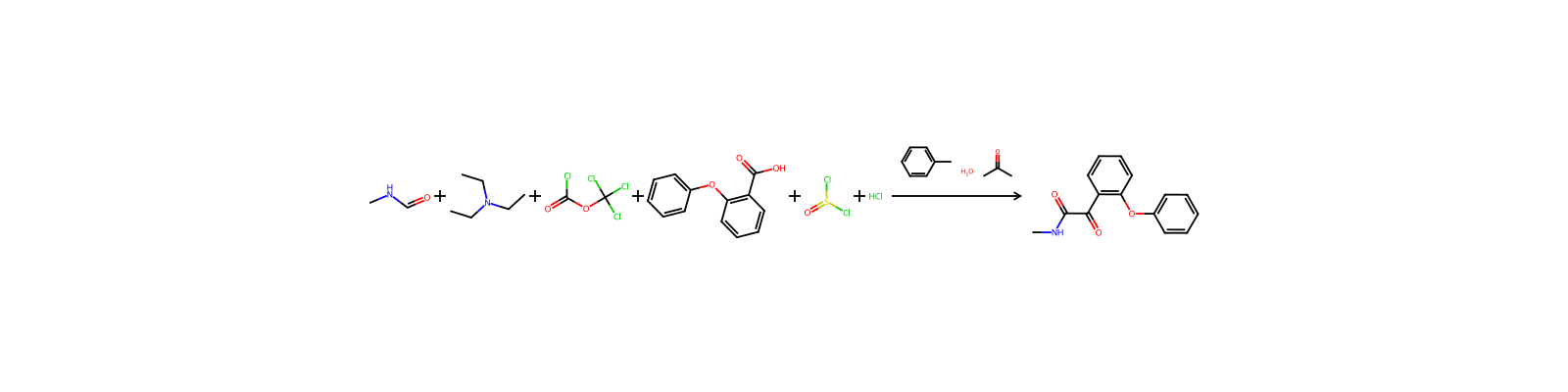
용도N-Methylformamide is used in amidation or transamidation chemical reactions where formamide is insufficient.
일반 설명N-Methylformamide (NMF), a formamide derivative, is widely employed as an organic solvent. NMF molecule contains C=O and N-H groups, so it can act as a proton donor and acceptor. Due to its important physical properties such as high dielectric constant, high solubility, low conductivity and amphiprotic nature, it is suitable for use as a separation medium in capillary electrophoresis studies.NMF is closely related to other formamides, notably formamide and dimethylformamide (DMF). However, industrial use and production of NMF are far less than for either of these other formamides. DMF is favored over NMF as a solvent due to its greater stability. Annual production of NMF can be assumed to be significantly less than the production of either formamide (100,000 tons) or DMF (500,000 tons).
제조 방법
생산 방법N-Methylformamide (NMF) can be synthesized by: (1) reacting methylamine, carbon monoxide, methanol and a small amount of potassium acetate at 250 atm and 160°C; (2) heating methylamine with carbon monoxide and some sodium ethoxide in ethanol at 150 atm; (3) treating methylformate with methylamine and methanol; (4) reacting hexamethylenetetramine with formamide and hydrogen in the presence of Raney nickel at 130-145°C (Beilstein's Handbuch, 1977).
상·하류 제품 정보
상류 원료
하류 제품
공급사50 곳
国药集团化学试剂有限公司86-21-63210123 · [email protected]
梯希爱(上海)化成工业发展有限公司021-67121386 · [email protected]
衢州润东化工有限公司0570-8789886 18892685668 · [email protected]
上海阿拉丁生化科技股份有限公司400-6206333 13167063860 · [email protected]
科瑞迪化学400-821-5857 021-64326257 · [email protected]
Syntechem Co.,Ltd[email protected]
上海迈瑞尔生化科技有限公司4006356688 18621169109 · [email protected]
阿法埃莎(中国)化学有限公司400-6106006 · [email protected]
安耐吉化学&3A(安徽泽升科技股份有限公司)400-0056266 · [email protected]
石家庄斯迪亚诺精细化工有限公司0311-89250318 13582355795 · [email protected]
上海瀚鸿科技股份有限公司021-54306202 13764082696 · [email protected]
上海景颜化工科技有限公司13817811078 · [email protected]
上海隆盛化工有限公司58099637 13585536065 · [email protected]
合肥天健化工有限公司551-65418679 15856988503;15837135945 · [email protected]
山东西亚化学有限公司13355009207 13355009207 · [email protected]
玛雅试剂+86 (573) 82222445 (0)18006601000 452520369 · [email protected]
四川库利南科技有限公司400-1166-196 18981987031 · [email protected]
上海耐士化工科技有限公司400-188-0725 +86 21 34310725 13611771617
天津希恩思生化科技有限公司400 638 7771 · [email protected]
湖南汇百侍生物科技有限公司0731-85526065 13308475853 · [email protected]
艾科试剂4008-755-333 18080918076 · [email protected]
上海思域化工科技有限公司86-21-34053660 · [email protected]
赛默飞世尔科技(中国)有限公司800-810-5118 · [email protected]
北京伊诺凯科技有限公司400-810-7969 010-59572699 · [email protected]
上海遐瑞医药科技有限公司+86 21 61551611
上海健超生物科技有限公司150-2103-5486 18017383231 · [email protected]
TCI AMERICA800-4238616 · [email protected]
TOKYO CHEMICAL INDUSTRY CO., LTD.03-36680489 · [email protected]
TCI Europe320-37350700 · [email protected]
上海贤鼎生物科技有限公司4009209199 · [email protected]
越林试剂021-62960152 · [email protected]
无锡中坤生化科技有限公司+86 0510-85629785
上海湄水化工科技有限公司021-60549325 18616193163
上海将来实业股份有限公司400-0066400 13621662912 · [email protected]
上海将来实业股份有限公司021-61552785 · [email protected]
日照力德士化工有限公司010-51268198 · [email protected]
上海爱蝶实业有限公司021-58957966 18930537195 · [email protected]
成都零六生物科技有限公司400-1166-196 13458535857 · [email protected]
广拓化学(上海)有限公司021-60899189-8001 18918189673 · [email protected]
雷丁试剂0510-85629785 18013409632 · [email protected]
上海御略医药科技有限公司021-60345187 13671753212 · [email protected]
上海麦克林生化科技股份有限公司15221275939 15221275939 · [email protected]
天津霖谊化工科技有限公司022-58788819 13602056505
上海孚一生物科技有限公司+86 (21) 61124340
成都润泽本土化工有限公司13096311329 028-88469284 616445927 · [email protected]
凯试(上海)科技有限公司021-50135380 · [email protected]
池州凯隆进出口贸易有限公司[email protected]
Sigma-Aldrich西格玛奥德里奇(上海)贸易有限公司021-61415566 800-8193336 · [email protected]
潍坊市前进精细化工有限公司18753684562 · [email protected]
成都瑞欧克科技有限公司028-64353063 · [email protected]
추가 설명
정의ChEBI: N-methylformamide is a member of the class of formamides having a N-methyl substituent. It is functionally related to a formamide.
관련 반응
140건




연결된 노트
불러오는 중…