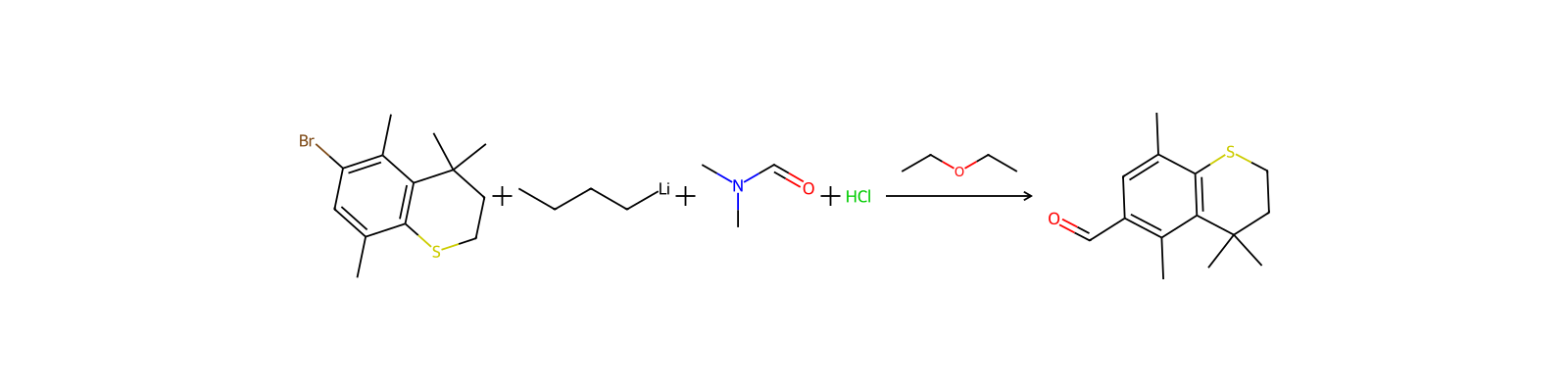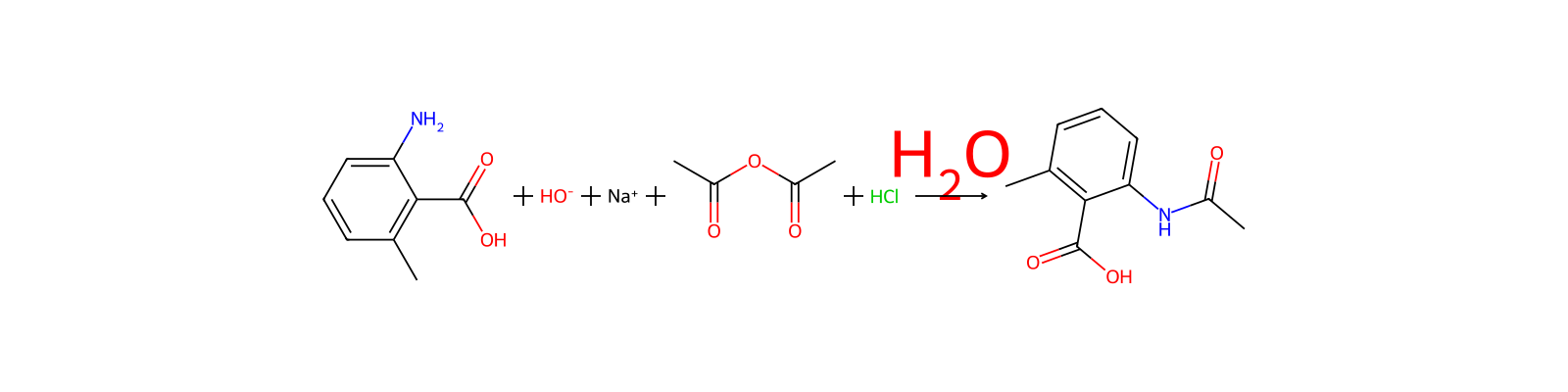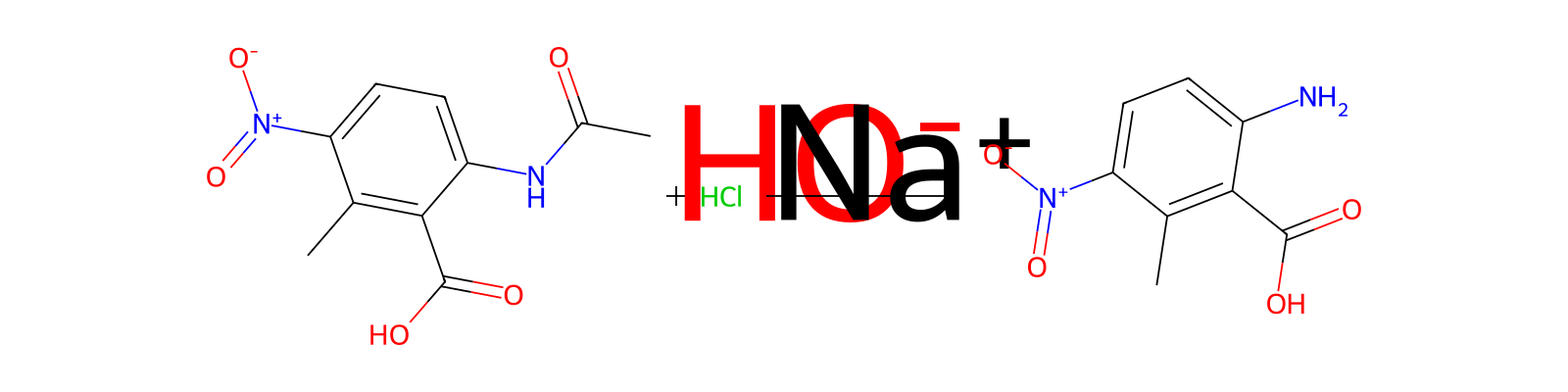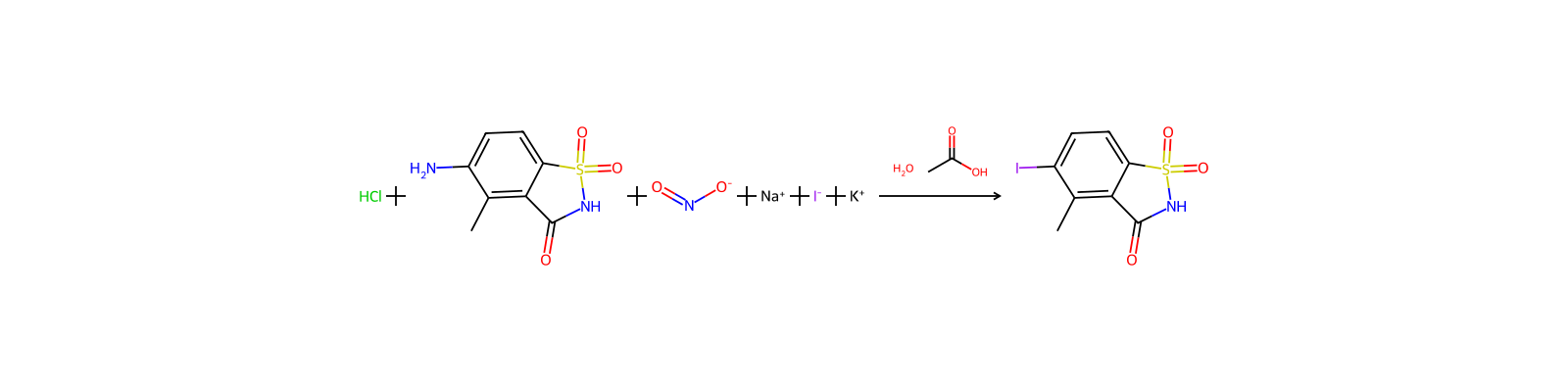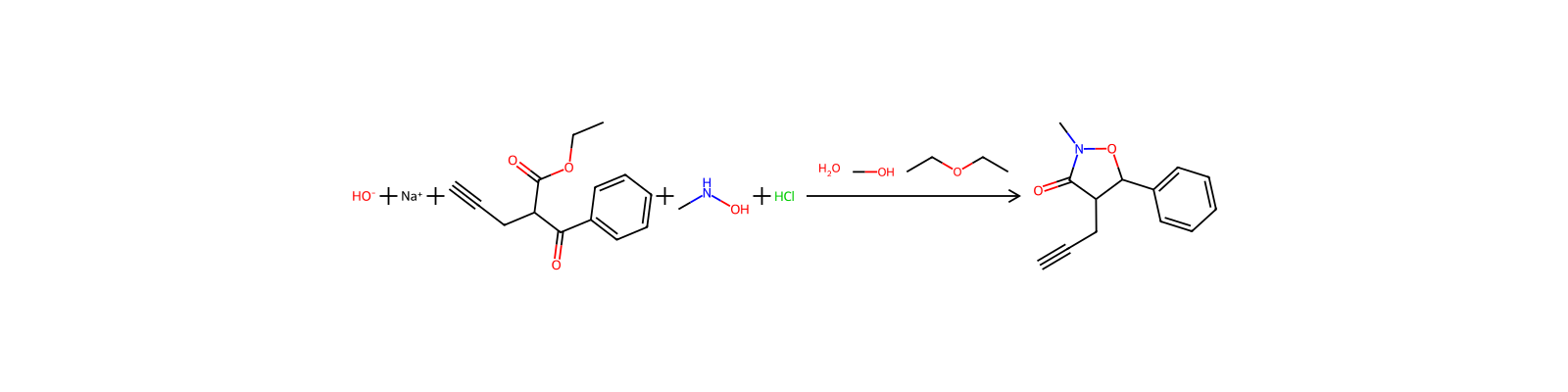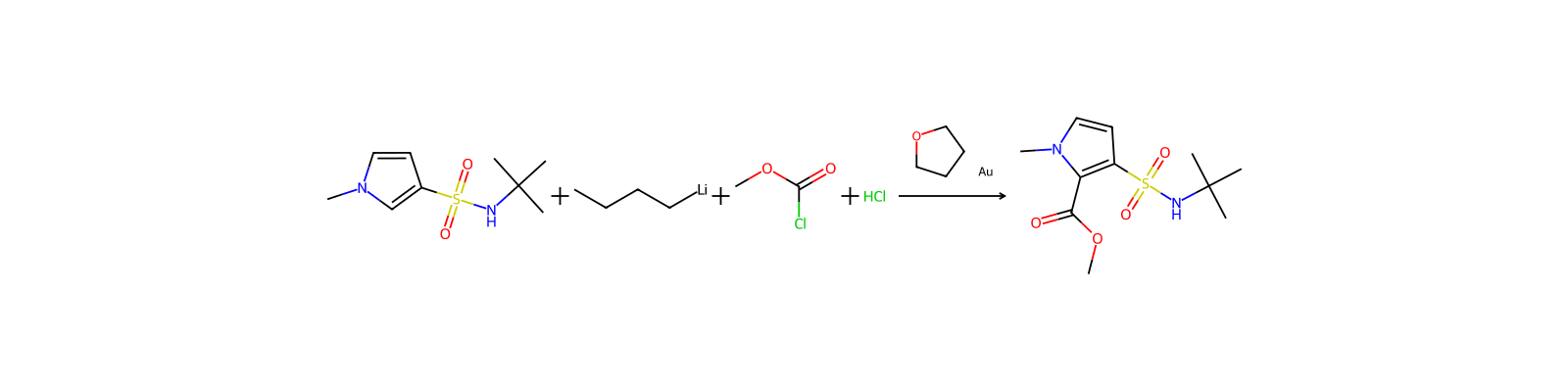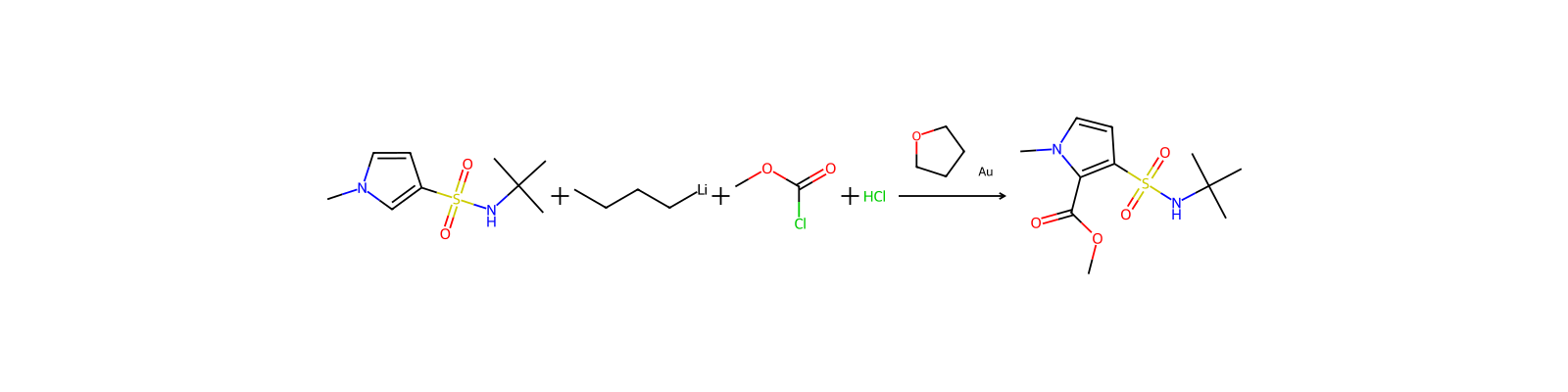
HRID 795반응물로
Hydrochloric Acid

7647-01-0ClVEXZGXHMUGYJMC-UHFFFAOYSA-NAt room temperature, hydrogen chloride is a colorless to slightly yellow, corrosive, nonflammable gas that is heavier than air and has a strong irritating odor. On exposure to air, hydrogen chloride forms dense white corrosive vapors. Hydrogen chloride can be released from volcanoes. Hydrogen chloride has many uses, including cleaning, pickling, electroplating metals, tanning leather, and refining and producing a wide variety of products. Hydrogen chloride can be formed during the burning of many plastics. Upon contact with water, it forms hydrochloric acid. Both hydrogen chloride and hydrochloric acid are corrosive.
Hazardous Air Pollutants (HAPs)
Toxic Gases & Vapors -> Acids, Inorganic
Corrosives
Cosmetics ingredient -> Buffering/pH Adjusting
Buffering
1.05 at 59 °F for 10.17% weight/weight solution (EPA, 1998) - Denser than water; will sink
1.639 g/L
Chemical/Physical Properties for Hydrogen chloride.[Table#1587]
Density (gas): 1.00045 g/l
1.49 @25 °C
1.27(relative gas density)
안전 정보는 참고용이며, 공급업체의 물질안전보건자료(SDS), 관련 법규 및 전문가 평가를 대체하지 않습니다.
Danger
H314: Causes severe skin burns and eye damage [Danger Skin corrosion/irritation]
P260, P261, P264, P271, P280, P301+P330+P331, P302+P361+P354, P304+P340, P305+P354+P338, P316, P321, P363, P403+P233, P405, and P501 (click each P-code to see the statement)
This chemical does not meet GHS hazard criteria for < 0.1% (1 of 5109) of reports.
Danger
H280 (24.3%): Contains gas under pressure; may explode if heated [Warning Gases under pressure]
Toxic/poison by inhalation (TIH/PIH)
Toxic/poison by inhalation (TIH/PIH)
Chemical: Hydrochloric acid
Hazard Traits - Dermatotoxicity; Ocular Toxicity; Respiratory Toxicity
List II Chemical: A chemical, other than a List I chemical, specified by regulation that, in addition to legitimate uses, is used in manufacturing a controlled substance in violation of the Act. (21 eCFR 1310.02)
Regulation (EC) No 1333/2008 (amended)
Hydrochloric acid is listed on the EPA's Chemical Data Reporting (CDR) system. Manufacturers and importers of Hydrochloric acid are required to report information about their production and use of this chemical to the EPA under the Toxic Substances Control Act (TSCA). (40 eCFR Part 711)
REACH registered substance: Hydrogen chloride (EC: 231-595-7)
Corrosive
Poison Gas Corrosive
Poison Gas Corrosive
Special Hazards of Combustion Products: Toxic and irritating vapors are generated when heated. (USCG, 1999)
A - Alimentary tract and metabolism
B - Blood and blood forming organs
QB - Blood and blood forming organs
QA - Alimentary tract and metabolism
The biological activity of hydrogen chloride is associated with its high solubility in water i.e., 23 moles/L at 0 °C. ... The hydrogen chloride in water dissociates almost completely, with the hydrogen ion captured by the water molecules to form the hydronium ion. The hydronium ion becomes a donor of a proton that possesses catalytic properties and thus is capable of reacting with organic molecules. This may explain the ability of hydrogen chloride to induce cellular injury and necrosis.
Following intravenous infusion of 0.15 M hydrochloric acid into rats (50 mL/kg body weight/hour) and dogs (20 mL/kg body weight/hour), urinary excretion of the chloride ion was increased in both species.
Acute metabolic acidosis ... decreased proximal fluid reabsorption and increased the fractional delivery of sodium and calcium to the distal tubules, but not to the final urine. In comparison with normal dogs, dogs with chronic metabolic acidosis showed an increase in proximal fluid reabsorption and a dissociation of calcium from sodium reabsorption more distally, leading to an increase delivery of calcium relative to the sodium at the distal tubule and in the final urine.
The authors encountered a case of hydrochloric acid (HCl) poisoning, thought to be caused by oral ingestion of concentrated HCl. Coagulation of the surface of the tongue and the mucosa of the pharynx, esophagus, and stomach were observed at forensic autopsy. An overabundance of Cl- was found in the gastric contents, corresponding to 8.19 mL of concentrated HCl. This was suggested to be a lethal oral dose of concentrated HCl, and the cause of death was determined to be HCl poisoning. Measuring the pH and concentrations of various ions in body fluids and contents of the alimentary tract enabled postmortem diffusion of HCl to be determined.
7647-01-0、9083-24-3、97704-97-7、99688-46-7DTXSID2020711CHEMBL1231821CHEBI:2311682.3 g/100 g at 32 °F (NTP, 1992)
67 % at 86 °F (NIOSH, 2024)
Soluble in water and in ethanol
Solubility in water, 82.3 g/100 g water at 0 °C; 67.3 g/100 g water at 30 °C; 63.3 g/100 g water at 40 °C; 59.6 g/100 g water at 50 °C; 56.1 g/100 g water at 60 °C
Solubility in methanol: 54.6 g/100 g solution at -10 °C; 51.3 g/100 g solution at 0 °C; 47.0 g/100 g solution at 20 °C; 43.0 g/100 g solution at 30 °C; solubility in ethanol: 45.4 g/100 g solution at 0 °C; 42.7 g/100 g solution at 10 °C; 41.0 g/100 g solution at 20 °C; 38.1 g/100 g solution at 30 °C; solubility in ether: 37.52 g/100 g solution at -10 °C; 35.6 g/100 g solution at 0 °C; 24.9 g/100 g solution at 20 °C; 19.47 g/100 g solution at 30 °C
Solubility in water, g/100ml at 30 °C: 67 (moderate)
Hydrochloric acid, or hydrogen chloride, is either a colorless liquid with a pungent odor, or a colorless to slightly yellow gas that can be shipped as a liquefi ed compressed gas. The acid is used in the production of fertilizers, dyes, dyestuffs, artifi cial silk, and paint pig- ments, and in refi ning edible oils and fats. Hydrochloric acid is also used in electroplating, leather tanning, ore refi ning, soap refi ning, petroleum extraction, and pickling of metals, and is used in the photographic, textile, and rubber industries. In addition, hydrochloric acid is used as an antiseptic in toilet bowls against animal pathogenic bacteria, and in food processing as a starch modifi er.
Fire may produce irritating or poisonous gases. Containers may explode in heat of fire. At high temperatures, it decomposes into hydrogen and chlorine. The following materials should be avoided: Mercuric sulfate -- violent reaction with gaseous hydrochloric acid at 250F. Sodium -- reacts vigorously with gaseous hydrochloric acid. Acetic anhydride, 2-aminoethanol, ammonium hydroxide, chlorosulfonic acid, ethylene diamine, ethyleneimine, oleum, propiolactone, sodium hydroxide, sulfuric acid, and vinyl acetate -- increase in temperature and pressure when mixed with hydrochloric acid. Calcium phosphide -- energetic reaction with hydrochloric acid. Silver perchlorate and carbon tetrachloride -- when mixed in combination with hydrochloric acid forms a compound that detonates at 105F. Formaldehyde -- when mixed with hydrochloric acid forms a human carcinogen. Material reacts violently with bases and is corrosive with the generation of heat. Reacts with base metals, forming combustible gas (hydrogen). Reacts violently with strong oxidants forming toxic gas (chlorine). Avoid heat; at high temperatures it will decompose into hydrogen and chlorine. (EPA, 1998)
Excerpt from ERG Guide 125 [Gases - Toxic and/or Corrosive]:
· Non-combustible, substance itself does not burn but may decompose upon heating to produce corrosive and/or toxic fumes.
· Some may burn but none ignite readily.
· Non-combustible, substance itself does not burn but may decompose upon heating to produce corrosive and/or toxic fumes.
Inhalation of fumes results in coughing and choking sensation, and irritation of nose and lungs. Liquid causes burns. (USCG, 1999)
Gas concentrations of 50 to 100 ppm are tolerable for 1 hour. Concentrations of 1,000 to 2,000 ppm are dangerous, even for brief exposures. More severe exposures will result in serious respiratory distress and prolonged exposures will result in death. Mists of hydrochloric acid are considered less harmful than anhydrous hydrochloric acid, because droplets have no dehydrating action. Individuals with respiratory problems and digestive diseases may be adversely affected by low level exposures to the gas or mist. (EPA, 1998)
Excerpt from ERG Guide 125 [Gases - Toxic and/or Corrosive]:
· TOXIC and/or CORROSIVE; inhalation, ingestion or contact (skin, eyes) with vapors, dusts or substance may cause severe injury, burns or death.
· TOXIC and/or CORROSIVE; may be fatal if inhaled, ingested or absorbed through skin.
· TOXIC and/or CORROSIVE; inhalation, ingestion or contact (skin, eyes) with vapors, dusts or substance may cause severe injury, burns or death.
At room temperature, hydrogen chloride is a colorless to slightly yellow, corrosive, nonflammable gas that is heavier than air and has a strong irritating odor. On exposure to air, hydrogen chloride forms dense white corrosive vapors. Hydrogen chloride can be released from volcanoes. Hydrogen chloride has many uses, including cleaning, pickling, electroplating metals, tanning leather, and refining and producing a wide variety of products. Hydrogen chloride can be formed during the burning of many plastics. Upon contact with water, it forms hydrochloric acid. Both hydrogen chloride and hydrochloric acid are corrosive.
Hydrochloric acid has many uses. It is used in the production of chlorides, fertilizers, and dyes, in electroplating, and in the photographic, textile, and rubber industries. Hydrochloric acid is corrosive to the eyes, skin, and mucous membranes. Acute (short-term) inhalation exposure may cause eye, nose, and respiratory tract irritation and inflammation and pulmonary edema in humans. Acute oral exposure may cause corrosion of the mucous membranes, esophagus, and stomach and dermal contact may produce severe burns, ulceration, and scarring in humans. Chronic (long-term) occupational exposure to hydrochloric acid has been reported to cause gastritis, chronic bronchitis, dermatitis, and photosensitization in workers. Prolonged exposure to low concentrations may also cause dental discoloration and erosion. EPA has not classified hydrochloric acid for carcinogenicity.
Liquid causes second degree burns after contact for a few minutes; [CHRIS] Hydrogen chloride is highly corrosive; Muriatic acid (37% HCl) is highly corrosive; HCl solution < 30% is corrosive; [Quick CPC] Listed as one of major irritant airborne toxicants; [LaDou, p. 563] Possible frostbite from contact with liquid; [NIOSH] The following chemicals can release HCl when spilled in water: Acetyl chloride, Boron trichloride, Chloroacetyl chloride, Chromyl chloride, Dichloroacetyl chloride, Phosphorus trichloride, Phosphorus pentachloride, Phosphorus oxychloride, Titanium tetrachloride, Aluminum chloride, Chlorosulfonic acid, Silicon tetrachloride, CHLOROSILANES, Surfuryl chloride, Thionyl chloride, and metal alkyl and aryl halides. [ERG 2016] See the Process, Toxic Gas from Spilling Chemical in Water. Hydrogen chloride is fibrogenic to the lungs in the context of an acute inhalation exposure complicated by bronchiolitis obliterans.
1789 157
2186 125
1789 157
1050 125
1050 125(anhydrous)
1789 157(solution)
Hydrochloric acid used as a buffer and neutralizing agent in animal drugs, feeds, and related products is generally recognized as safe when used in accordance with good manufacturing or feeding practice.
This substance is generally recognized as safe when used as a buffer and neutralizing agent in accordance with good manufacturing practice.
Drug products containing certain active ingredients offered over-the-counter (OTC) for certain uses. A number of active ingredients have been present in OTC drug products for various uses, as described below. However, based on evidence currently available, there are inadequate data to establish general recognition of the safety and effectiveness of these ingredients for the specified uses: hydrochloric acid is included in digestive aid drug products.
Acids, Strong Non-oxidizing
Acids, Strong Non-oxidizing
Acids, Strong Non-oxidizing
Excerpt from ERG Guide 157 [Substances - Toxic and/or Corrosive (Non-Combustible / Water-Sensitive)]:
Wear self-contained breathing apparatus and full protective clothing. Neutralize with chemically basic substances such as soda ash or slaked lime.
Excerpt from ERG Guide 125 [Gases - Toxic and/or Corrosive]:
In case of fire in the surroundings, use appropriate extinguishing media. In case of fire: keep cylinder cool by spraying with water. Combat fire from a sheltered position.
Fresh air, rest. Half-upright position. Artificial respiration may be needed. Refer immediately for medical attention.
Wear protective gloves when administering first aid. First rinse with plenty of water for at least 15 minutes, then remove contaminated clothes and rinse again. Refer immediately for medical attention.
Rinse with plenty of water for several minutes (remove contact lenses if easily possible). Refer immediately for medical attention.
· CALL 911. Then call emergency response telephone number on shipping paper. If shipping paper not available or no answer, refer to appropriate telephone number listed on the inside back cover.
· ELIMINATE all ignition sources (no smoking, flares, sparks or flames) from immediate area.
· CALL 911. Then call emergency response telephone number on shipping paper. If shipping paper not available or no answer, refer to appropriate telephone number listed on the inside back cover.
· Do not touch or walk through spilled material.
· CALL 911. Then call emergency response telephone number on shipping paper. If shipping paper not available or no answer, refer to appropriate telephone number listed on the inside back cover.
· ELIMINATE all ignition sources (no smoking, flares, sparks or flames) from immediate area.
INHALATION: remove person to fresh air; keep him warm and quiet and get medical attention immediately; start artificial respiration if breathing stops.
Warning: Hydrogen chloride is extremely corrosive. Caution is advised.
Excerpt from NIOSH Pocket Guide for Hydrogen chloride:
General First Aid:
General First Aid:
General First Aid:
Confined fires with high fuel loads of polyvinyl chloride, such as a fire in a vault with a high load of polyvinyl chloride coated electrical wiring, may generate sufficient hydrogen chloride to cause irritation in fire fighters. Rapid combustion of relatively large amt of polymer may yield ... hydrogen chloride ... .
· Wear positive pressure self-contained breathing apparatus (SCBA).
· Wear positive pressure self-contained breathing apparatus (SCBA).
· Wear positive pressure self-contained breathing apparatus (SCBA).
· Wear positive pressure self-contained breathing apparatus (SCBA).
TIH (Toxic Inhalation Hazard) - Term used to describe gases and volatile liquids that are toxic when inhaled. Some are TIH materials themselves, e.g., chlorine, and some release TIH gases when spilled in water, e.g., chlorosilanes. [ERG 2016].
309.0 [ppm]
Suitable extinguishing media: Use water spray, alcohol-resistant foam, dry chemical or carbon dioxide.
Advice for firefighters: Wear self-contained breathing apparatus for firefighting if necessary.
Use water spray to keep fire-exposed containers cool. Extinguish fire using agent suitable for surrounding fire. /Hydrogen chloride, anhydrous hydrogen chloride, refrigerated liquid/
If material involved in fire: Extinguish fire using agent suitable for type of surrounding fire. (Material itself does not burn or burns with difficulty). Use water in flooding quantities as fog. Cool all affected containers with flooding quantities of water. Apply water from as far a distance as possible. /Hydrochloric acid/
For more Fire Fighting Procedures (Complete) data for HYDROGEN CHLORIDE (6 total), please visit the HSDB record page.
Keep container tightly closed in a dry and well-ventilated place. Storage class (TRGS 510): Gases
Store in cool, dry, well-ventilated location. Separate from oxidizing materials, organic materials, and alkalies. /Hydrogen chloride, anhydrous hydrogen chloride, refrigerated liquid/
Store in a dry place no lower in tersperature than 50 °F or higher than 120 °F. /Emulso Germicidal Bowl Cleaner Disinfectant/
The acid should not be stored in the vicinity of flammable or oxidizing substances, eg nitric acid or chlorates, or near metals and metal hydrides that may be attacked by the acid ... Electrical equipment should be flameproof and protected against corrosive action. ... /Hydrochloric acid/
For more Storage Conditions (Complete) data for HYDROGEN CHLORIDE (6 total), please visit the HSDB record page.
Accidental release measures. Personal precautions, protective equipment and emergency procedures: Wear respiratory protection. Avoid breathing vapors, mist or gas. Ensure adequate ventilation. Evacuate personnel to safe areas.; Environmental precautions: Prevent further leakage or spillage if safe to do so. Do not let product enter drains.; Methods and materials for containment and cleaning up: Clean up promptly by sweeping or vacuum.
If hydrogen chloride gas is leaked ... 1. Ventilate area of leak to disperse gas. 2. Stop flow of gas. If source of leak is a cylinder and the leak cannot be stopped in place, remove the leaking cylinder to a safe place in the open air, and repair the leak or allow the cylinder to empty. If soln of hydrogen chloride is spilled ... 1. Collect or confine spilled material in the most convenient and safe manner. 2. If possible, reclaim the spilled material. If this is not possible; 3. Dilute and/or neutralize and dispose of in a secured sanitary landfill. /Hydrogen chloride gas/
Spills in Water: Sodium bicarbonate is recommended as an in situ neutralizing agent. /Hydrochloric acid/
During scrubbing (an air pollution control method), water is used for removing hydrochloric acid.
For more Cleanup Methods (Complete) data for HYDROGEN CHLORIDE (7 total), please visit the HSDB record page.
Excerpt from ERG Guide 157 [Substances - Toxic and/or Corrosive (Non-Combustible / Water-Sensitive)]:
Excerpt from ERG Guide 125 [Gases - Toxic and/or Corrosive]:
Excerpt from ERG Guide 125 [Gases - Toxic and/or Corrosive]:
Generators of waste (equal to or greater than 100 kg/mo) containing this contaminant, EPA hazardous waste number D002, must conform with USEPA regulations in storage, transportation, treatment and disposal of waste.
Product: Contact a licensed professional waste disposal service to dispose of this material. Offer surplus and non-recyclable solutions to a licensed disposal company.
Contaminated packaging: Dispose of as unused product.
Pesticide disposal: Pesticide wastes are acutely hazardous. Improper disposal of excess pesticide, spray mixture, or rinsate is a violation of Federal Law. If these wastes cannot be disposed of by use according to label instructions, contact your State Pesticide or Environmental Control Agency, or the Hazardous Waste representative at the nearest EPA Regional Office for guidance. Container disposal:- Triple rinse (or equivalent). Then offer for recycling or reconditioning, or puncture and dispose of in a sanitary landfill, or incineration, or, if allowed by state and local authorities, by burning. If burned, stay out of smoke. /Emulso Germicidal Bowl Cleaner Disinfectant/
For more Disposal Methods (Complete) data for HYDROGEN CHLORIDE (6 total), please visit the HSDB record page.
The mainstay of treatment of any acid burn is copious irrigation with large amounts of tap water. To be most effective, treatment should be started immediately after exposure, preferably before arrival in the emergency department. Remove any contaminated clothing. Do not attempt to neutralize the burn with weak reciprocal chemicals (i.e. alkali for acid burns), because the heat generated from the chemical reaction may cause severe thermal injury.
Helicobacter pylori is the major causative factor of ulcer but the use of ibuprofen and other non-steroidal anti-inflammatory drugs have also been implicated in development of ulcer. The purpose of the present study was to determine the anti-ulcer effect of glucosamine. The protective effect of glucosamine on ibuprofen-induced peptic ulcer in male albino rats was studied with respect to changes in the volume of gastric juice, acid output, pepsin activity, activities of membrane bound ATPases, protein content, glycoprotein components and histopathology. Oral administration of ibuprofen caused significant increase in the number of lesions in the gastric mucosa, increases in the volume of gastric juice and acidity, and decreased activity of pepsin. The levels of protein content and glycoprotein components (hexose, hexosamine and sialic acid) and ATPase activities were also observed. Oral pretreatment with glucosamine resulted in significant reduction in the number of lesions in the gastric mucosa and decreases in the volume of gastric juice and acidity. The pepsin activity was also maintained at near normalcy. Prior oral administration of glucosamine significantly prevented the ibuprofen-induced depletion of protein and glycoprotein components and maintained the activities of membrane bound ATPases as compared to untreated ulcer induced group of rats. The anti-ulcerogenic activity of glucosamine might be ascribable to its ability to neutralize the hydrochloric acid secreted into the stomach and to its capability to strengthen the mucosal barrier by increasing mucosal glycoprotein synthesis and to its free radical scavenging property. Histopathological investigations of the mucosal tissue also support the anti-ulcerogenic effect of glucosamine.
The mechanism by which nonsteroidal anti-inflammatory drugs (NSAIDs) suppress gastric mucosal blood flow is not fully understood, although the depletion of mucosal prostaglandin E2 has been proposed as one possible explanation. We investigated the role of gastric acid on gastric mucosal blood flow in NSAID-treated rats. A rat stomach was mounted in an ex vivo chamber, and gastric mucosal blood flow was measured sequentially in a 5 cu mm area of the gastric corpus using a scanning laser Doppler perfusion image system. Results showed that diclofenac (5 mg/kg s.c.) and indomethacin (10 mg/kg s.c.) did not affect gastric mucosal blood flow, although both strongly decreased mucosal prostaglandin E2 when saline was instilled into the gastric chamber. On replacement of the saline in the chamber with 100 mM hydrochloric acid, these drugs caused a decrease in gastric mucosal blood flow levels within 30 min. The specific cyclooxygenase (COX)-2 inhibitors celecoxib (50 mg/kg s.c.) and rofecoxib (25 mg/kg s.c.) did not affect mucosal prostaglandin E2 level, nor did they decrease gastric mucosal blood flow, even when hydrochloric acid was added to the chamber. Furthermore, measurement of vasoconstrictive factors present in the mucosa showed that endothelin-1 levels increased after administration of diclofenac s.c. in the presence of intragastric hydrochloric acid. This indicates that the presence of mucosal hydrochloric acid plays an important role in the NSAID-induced decrease in gastric mucosal blood flow, while the COX-1-derived basal prostaglandin E2, which is unlikely to control gastric mucosal blood flow itself, protects microcirculatory systems from mucosal hydrochloric acid.
A large quantity of white gas containing titanium dioxide and hydrogen chloride was generated unexpectedly during an experiment in a chemical laboratory. Fourteen students and staff complained of nausea, dyspnea, or respiratory irritation immediately after inhaling the gas. On arrival at Saint Luke's International Hospital, more than half of the patients presented with low-grade fever. Symptoms spontaneously resolved soon after admission, although the low-grade fever persisted until the following morning. Low-grade fever after inhalation exposure is not explicable byhydrogen chloride inhalation and therefore appeared to be caused by titanium dioxide inhalation, manifesting as metal fume fever. Titanium dioxide is thought to have no remarkable human toxicity and is considered to be safe clinically. To our knowledge, this is the first report of titanium dioxide inhalation as the potential cause of metal fume fever in humans. Correlations between the degree of fever and quantity and concentration of inhaled titanium dioxide remain to be determined.
In one of eight asthmatic volunteers exposed to an aerosol of unbuffered hydrochloric acid at pH 2 for 3 min during tidal breathing, airway resistance was increased by 50%. Bronchoconstriction was increased in all eight subjects after inhalation of a mixture of hydrochloric acid and glycine at pH 2.
Hydrochloric acid, carbon monoxide, and unsaturated carbon cmpd interactions account for the extreme toxicity of gases from polyvinyl chloride and other chloride containing polymers.
Respiratory
Eyes, skin, respiratory system
Hydrogen chloride forms corrosive hydrochloric acid on contact with water found in body tissue. Inhalation of the fumes can cause coughing, choking, inflammation of the nose, throat, and upper respiratory tract, and in severe cases, pulmonary edema, circulatory system failure, and death. Skin contact can cause redness, pain, and severe skin burns. Both hydrogen chloride gas and hydrochloric acid may cause severe burns to the eye and permanent eye damage. Severe and rapid corrosive burns of the mouth, gullet and gastrointestinal tract will result if hydrochloric acid is swallowed. Symptoms include burning, choking, nausea, vomiting and severe pain. Concentrated hydrochloric acid (fuming hydrochloric acid) forms acidic mists. Both the mist and the solution have a corrosive effect on human tissue, with the potential to damage respiratory organs, eyes, skin, and intestines irreversibly. Upon mixing hydrochloric acid with common oxidizing chemicals, such as sodium hypochlorite (bleach, NaClO) or potassium permanganate (KMnO4), the toxic gas chlorine is produced. Chronic exposure to hydrogen chloride can lead to liver damage, bleeding of nose and gums, nasal and oral mucosal ulceration, conjunctivitis, yellowing of teeth and erosion of tooth enamel as well as dermatitis.
LC50; Species: Shrimp; Concentration: 100 to 330 ppm for 48 hr (salt water) /Conditions of bioassay not specified/
LC50; Species: Carcinus maenas (Green or Europeon shore crab) adult; Conditions: saltwater, renewal, 15 °C; Concentration: 240 mg/L for 48 hr
LC50; Species: Crangon crangon (Common shrimp) adult; Conditions: saltwater, renewal, 15 °C; Concentration: 260 mg/L for 48 hr
EC50; Species: Osteichthyes (Bony fish) 6 taxa; Conditions: freshwater, flow through; Concentration: 0.000014 M for < or = 560 min; Effect: chemical avoidance
For more Ecotoxicity Values (Complete) data for HYDROGEN CHLORIDE (15 total), please visit the HSDB record page.
TERRESTRIAL FATE: If released to soil, hydrogen chloride will evaporate from dry soil surfaces and dissociate into chloride and hydronium ions in moist soil(1).
AQUATIC FATE: If released to water, hydrogen chloride dissociates readily in water to chloride and hydronium ions(1). The dissociation results in a decrease of the pH of the water(1). Volatilization from water surfaces is not expected(2) based upon a Henry's Law constant of 4.90X10⁻¹⁰ atm-cu m/mole(3). Hydrogen chloride does not build up in aquatic organisms(4).
ATMOSPHERIC FATE: Anhydrous hydrogen chloride released into the air will be in the vapor form. Once released to the environment it will react with atmospheric moisture and standing water to form hydrochloric acid(1). Hydrogen chloride is removed from air by wet deposition as chloride salts with an atmospheric lifetime of 1-5 days(2).
Serious local effects by all routes of exposure. The substance can be absorbed into the body by inhalation.
inhalation, ingestion (solution), skin and/or eye contact
Inhalation; Ingestion; Dermal; Eyes
IDENTIFICATION AND USE: Hydrogen chloride is a colorless gas with pungent, irritating odor. it is used as tuberculocide, disinfectant (bactericide/germicide/purifier, limited, general or broad-spectrum, hospital or medical), sanitizer, virucide, fungicide/fungistat, and microbicide/microbiostat (slime-forming bacteria). It is also used in the manufacture of pharmaceutical hydrochlorides, vinyl chloride from acetylene, alkyl chlorides from olefins, and arsenious chlorides from arsenious oxide. In the chlorination of rubber. In organic reactions involving isomerization, polymerization, and alkylation. For making chlorine where economical. Hydrochloric acid has been identified as being used in hydraulic fracturing as a pH adjuster. HUMAN EXPOSURE AND TOXICITY: Hydrogen chloride will rapidly dissociate and its effects are thought to be a result of pH change (local deposition of H+) rather than effects of hydrogen chloride/hydrochloric acid. Hydrogen chloride is corrosive to the skin and severe effects can be expected from exposure to the eyes. No skin sensitization has been reported. The irritation of hydrogen chloride to mucous is so severe that workers evacuate from the work place shortly after detecting its odor. In humans, no association between hydrogen chloride exposure and tumor incidence was observed. In one of eight asthmatic volunteers exposed to an aerosol of unbuffered hydrochloric acid at pH 2 for 3 min during tidal breathing, airway resistance was increased by 50%. Short term exposures have been reported to induce transitory obstruction in the respiratory tract, which diminishes with repeated exposure, suggesting adaption. Acclimatized workers can work undisturbed with a hydrogen chloride level of 15 mg/cu m (10 ppm). Exposure to hydrochloric acid can produce burns on the skin and mucous membranes, the severity of which is related to the concentration of the solution. Subsequently, ulceration may occur, followed by keloid and retractile scarring. Contact with the eyes may produce reduced vision or blindness. Frequent contact with aqueous solutions of hydrochloric acid may lead to dermatitis. Dental decay, with changes in tooth structure, yellowing, softening and breaking of teeth, and related digestive diseases are frequent after exposures to hydrochloric acid. ANIMAL STUDIES: For repeated dose toxicity, local irritation effects were observed in the groups of 10 ppm and above in a 90-day inhalation study. For genetic toxicity, a negative result has been shown in the Ames test. A positive result, which is considered to be an artifact due to the low pH, has been obtained in a chromosome aberration test using Hamster ovary cells. For carcinogenicity, no pre-neoplastic or neoplastic nasal lesions were observed in a 128-week inhalation study with male rats at 10 ppm hydrogen chloride gas. No evidence of treatment related carcinogenicity was observed either in other animal studies performed by inhalation, oral or dermal administration. Hydrogen chloride is not expected to have developmental toxicity. In addition, no effects on the gonads were observed in a good 90- day inhalation study up to 50 ppm. ECOTOXICITY STUDIES: The hazard of hydrochloric acid for the environment is caused by the proton (pH effect). For this reason the effect of hydrochloric acid on the organisms depends on the buffer capacity of the aquatic ecosystem. Also the variation in acute toxicity for aquatic organisms can be explained for a significant extent by the variation in buffer capacity of the test medium. For example, LC50 values of acute fish toxicity tests varied from 4.92 to 282 mg/L
/AQUATIC SPECIES/ The hazard of hydrochloric acid for the environment is caused by the proton (pH effect). For this reason the effect of hydrochloric acid on the organisms depends on the buffer capacity of the aquatic ecosystem. Also the variation in acute toxicity for aquatic organisms can be explained for a significant extent by the variation in buffer capacity of the test medium. For example, LC50 values of acute fish toxicity tests varied from 4.92 to 282 mg/L.
/PLANTS/ The concn of hydrochloric acid that was found to be injurious to crops (irrigable) is 350 mg/L.
/PLANTS/ Water that contains hydrogen chloride/hydrochloric acid in a dilution of 1:175,000 or about 6 mg/L inhibits growth of the radical (stem) in plants.
/PLANTS/ Hydrochloric acid (HCl) in air can also be a phytotoxicant. Tomatoes, sugar beets, and /certain/ fruit trees are sensitive to HCl in air.
Hydrochloric acid used as a buffer and neutralizing agent in animal drugs, feeds, and related products is generally recognized as safe when used in accordance with good manufacturing or feeding practice.
This substance is generally recognized as safe when used as a buffer and neutralizing agent in accordance with good manufacturing practice.
Drug products containing certain active ingredients offered over-the-counter (OTC) for certain uses. A number of active ingredients have been present in OTC drug products for various uses, as described below. However, based on evidence currently available, there are inadequate data to establish general recognition of the safety and effectiveness of these ingredients for the specified uses: hydrochloric acid is included in digestive aid drug products.
Residues of hydrochloric acid are exempted from the requirement of a tolerance when used as a solvent, neutralizer in accordance with good agricultural practice as inert (or occasionally active) ingredients in pesticide formulations applied to growing crops or to raw agricultural commodities after harvest.
Based on the reviews of the generic data for the active ingredients mineral acids /including hydrochloric acid/, the Agency has sufficient information on the health effects of mineral acids and on its potential for causing adverse effects in fish and wildlife and the environment. Therefore, the Agency concludes that products, labeled and used as specified in this Reregistration Eligibility Decision, containing mineral acids for all uses except for the use of sulfuric acid on potato vines, are eligible for reregistration.
As the federal pesticide law FIFRA directs, EPA is conducting a comprehensive review of older pesticides to consider their health and environmental effects and make decisions about their continued use. Under this pesticide reregistration program, EPA examines newer health and safety data for pesticide active ingredients initially registered before November 1, 1984, and determines whether the use of the pesticide does not pose unreasonable risk in accordance to newer safety standards, such as those described in the Food Quality Protection Act of 1996. Pesticides for which EPA had not issued Registration Standards prior to the effective date of FIFRA '88 were divided into three lists based upon their potential for human exposure and other factors, with List B containing pesticides of greater concern than those on List C, and with List C containing pesticides of greater concern than those on List D. Hydrogen chloride is found on List D. Case No: 4064; Pesticide type: fungicide, herbicide, antimicrobial; Case Status: RED Approved 02/94; OPP has made a decision that some/all uses of the pesticide are eligible for reregistration, as reflected in a Reregistration Eligibility Decision (RED) document .; Active ingredient (AI): hydrogen chloride; AI Status: OPP has completed a Reregistration Eligibility Decision (RED) document for the case/AI.
Listed as a hazardous air pollutant (HAP) generally known or suspected to cause serious health problems. The Clean Air Act, as amended in 1990, directs EPA to set standards requiring major sources to sharply reduce routine emissions of toxic pollutants. EPA is required to establish and phase in specific performance based standards for all air emission sources that emit one or more of the listed pollutants. Hydrochloric acid is included on this list.
Releases of CERCLA hazardous substances are subject to the release reporting requirement of CERCLA section 103, codified at 40 CFR part 302, in addition to the requirements of 40 CFR part 355. Hydrogen chloride (gas only) is an extremely hazardous substance (EHS) subject to reporting requirements when stored in amounts in excess of its threshold planning quantity (TPQ) of 500 lbs. /Gas form only/
Persons in charge of vessels or facilities are required to notify the National Response Center (NRC) immediately, when there is a release of this designated hazardous substance, in an amount equal to or greater than its reportable quantity of 5000 lb or 2270 kg. The toll free number of the NRC is (800) 424-8802. The rule for determining when notification is required is stated in 40 CFR 302.4 (section IV. D.3.b).
Hydrochloric acid is designated as a hazardous substance under section 311(b)(2)(A) of the Federal Water Pollution Control Act and further regulated by the Clean Water Act Amendments of 1977 and 1978. These regulations apply to discharges of this substance. This designation includes any isomers and hydrates, as well as any solutions and mixtures containing this substance.
Hydrochloric acid (conc.37% or greater)
37.00
15,000
Toxic chemical that can be released at a facility.
Hydrogen chloride(anhydrous)
1.00
Hydrochloric acid is used in the production of chlorides, for refining ore in the production of tin and tantalum, for pickling and cleaning of metal products, in electroplating, in removing scale from boilers, for the neutralization of basic systems, as a laboratory reagent, as a catalyst and solvent in organic syntheses, in the manufacture of fertilizers and dyes, for hydrolyzing starch and proteins in the preparation of various food products, and in the photographic, textile, and rubber industries.
Sold as muriatic acid for a variety of household and construction purposes, e.g., scale remover; used to clean, pickle, and electroplate metal; also used in oil well activation, ore reduction, leather tanning, swimming pool cleaning, and refining of edible oils; [ACGIH] Used as a wet etchant in semiconductor manufacturing at a standard concentration of 36%; [CSH, p. 46]
Acid and Alkali Cleaning of Metals [Category: Clean]
Ceramics making [Category: Hobbies]
For hydrochloric acid (USEPA/OPP Pesticide Code: 045901) ACTIVE products with label matches. /SRP: Registered for use in the U.S. but approved pesticide uses may change periodically and so federal, state and local authorities must be consulted for currently approved uses./
In the production of chlorides; refining ore in the production of tin and tantalum; for the neutralization of basic systems; as laboratory reagent; hydrolyzing of starch and proteins in the preparation of various food products; pickling and cleaning of metal products; as catalyst and solvent in organic syntheses. Also used for oil- and gas-well treatment and in removing scale from boilers and heat-exchange equipment. Trace metal analysis. Titrant; acidification; digestion. Pharmaceutic aid (acidifier). /Hydrochloric acid/
Hydrochloric acid ... contains mainly volatile impurities such as chlorinated hydrocarbons. ... the impurities may be removed from the acid by stripping. Stripping with an inert gas stream, which results in lower energy consumption, is possible, although in most cases heating of the gas is preferable for environmental reasons. Inorganic impurities, in particular iron, are removed by ion exchange.
Max limits as 0.003% ammonia; 0.000001% as 0.0001% free chlorine; 0.0001% heavy metals; 0.00002% iron; 0.0001% sulfate; and 0.0001% sulfite.
(1972) 6.8X10+10 G
(1975) 3.90X10+10 G
(1984) 8.78X10+10 g
2023: 8,500,000,000 - <10,000,000,000 lb
(1972) 2.12X10+12 G
(1975) 1.83X10+12 G
Production capacity in 1993 was about 2.92 million metric tons.
(1984) 2.48X10+12 g
For more U.S. Production (Complete) data for HYDROGEN CHLORIDE (14 total), please visit the HSDB record page.
12% USED IN STEEL PICKLING; 88% IN OTHER MISC APPLICATIONS (1974).
Brine treatment for chloralkali 12%, steel pickling 11%, food, including corn syrup, 11%, calcium chloride 9%, oil well acidulation 8%, chlorine 4%, swimming pools 2%, miscellaneous including metal recovery from used catalysts, pH control, sludge removal, sand and clay purification, and production of inorganics like sodium chlorate, metal chlorides, activated carbon and iron oxide pigments, and organics like polycarbonate resins, bisphenol-A, polyvinyl chloride resins and synthetic glycerine 43%.
Muriatic acid consumption in 1993 was about 1.57 million metric tons (100% basis). /Muriatic acid/
Chemical Profile: Hydrochloric Acid. Demand: 2003: 2.813 million short tons; 2004: 3.574 million tons; 2008: 3.665 million tons, projected. Obtaining accurate supply and demand figures for HCl is problematic. There is confusion in what data to count because of the many different HCl source types, some of which recycle HCl back into the process. About 60 percent of the HCl produced (excluding coproduct from VCM /vinyl chloride monomer/) in recent years has gone to serve the merchant market.
Chemical Profile: Hydrochloric Acid. Uses.
Hydrogen chloride is produced by the direct reaction of hydrogen and chlorine, by reaction of metal chlorides and acids, and as a by-product from many chemical manufacturing processes such as chlorinated hydrocarbons.
Produced industrially by the interaction of sodium chloride and sulfuric acid; from sodium chloride, sulfur dioxide, air and water vapor; by controlled combination of the elements; or as a by-product of the synthesis of chlorinated hydrocarbons. /Hydrogen chloride/
About 90% of hydrochloric acid is a byproduct from the production of chlorinated solvents, fluorocarbons, isocyanates, organics, magnesium, and vinyl chloride monomer.
The simplest method for producing hydrogen chloride is direct synthesis from the elements, which yields a very pure product. ... Industrial production involves the use of a burner; chlorine and hydrogen are fed by separate concentric tubes into the combustion chamber. After ignition, the chlorine burns in the hydrogen with a quiet, very hot flame at greater than 2000 °C. ... A cooling section of appropriate size and shape is connected to the combustion chamber.
For more Methods of Manufacturing (Complete) data for HYDROGEN CHLORIDE (7 total), please visit the HSDB record page.
Grades: United States Pharmacopeia (35-38%); NF dilution (10%); technical (usually 18, 20, 22, 23 deg Be /baume/, corresponding to approx 28, 31, 35, 37% hydrogen chloride), FCC. /Hydrochloric acid/
The commercial "concentrated" or fuming acid contains 38% hydrochloric acid.
Emulsifiable concentrate, soluble concentrate/liquid, liquid-ready to use.
Available commercially as a 31% w/w (22 deg Baume, d: 1.16 kg/L) or 35% w/w (22 deg Baume, d: 1.18 kg/L) solution in water. /Hydrochloric acid/
For more Formulations/Preparations (Complete) data for HYDROGEN CHLORIDE (35 total), please visit the HSDB record page.
Cosmetics product ingredient: Hydrogen chloride
Information on 130 consumer products that contain Hydrochloric acid in the following categories is provided:
Chemical Classes -> Inorganic substances
EPA Safer Chemical Functional Use Classes -> Processing Aids and Additives
Safer Chemical Classes -> Yellow triangle - The chemical has met Safer Choice Criteria for its functional ingredient-class, but has some hazard profile issues
Food additives
Food Additives -> ACID -> JECFA Functional Classes
Food Additives -> ACID -> JECFA Functional Classes
개요A water solution of hydrogen chloride of varied concentrations. It is a clear, colorless or slightly yellowish, corrosive liquid having a pungent odor. It is miscible with water and with alcohol. Concentrations of hydrochloric acid are expressed in percent by weight, or may be expressed in Baume degrees (Be0) from which percentages of hydrochloric acid and specific gravities may readily be derived. The usually available concentrations are 18°, 20°, 22°, and 23° Be. Concentrations above 13° Be (19.6%) fume in moist air, lose hydrogen chloride, and create a corrosive atmosphere. Because of these characteristics, suitable precautions must be observed during sampling and analysis to prevent losses. Note: Hydrochloric acid is produced by various methods that might impart trace amounts of organic compounds as impurities. The manufacturer, vendor, or user is responsible for identifying the specific organic compounds that are present and for meeting the requirements for organic compounds. Methods are provided for their determination. In applying the procedures any necessary standards should be used to quantitate the organic compounds present in each specific product.
역사Hydrochloric acid is a strong, corrosive acid that results when the gas hydrogen chloride dissolves in water.Ancient alchemists prepared hydrochloric acid and Jabbar ibn Hayyan, known in Latin as Geber (721–815), is credited with its discovery around the year 800. The original method of preparation involved reacting salt with sulfuric acid, producing sodium hydrogen sulfate and hydrogen chloride gas. The hydrogen chloride gas is captured and dissolved in water to produce hydrochloric acid. Hydrochloric acid was formerly called muriatic acid. Terms such as muriatic and muriate were used in association with chloride substances before the discovery and nature of chlorine were fully understood. The Latin term muriaticus means pickled from muri, which is the Latin term for brine. Chlorides were naturally associated with seawater salt solutions, as chloride is the principal ion in seawater.
용도Hydrochloric Acid is an acid that is the aqueous solution of hydro- gen chloride of varying concentrations. it is miscible with water and with alcohol. it is used as an acidulant and neutralizing agent.
생산 방법Hydrochloric acid is an aqueous solution of hydrogen chloride gas produced by a number of methods including: the reaction of sodium chloride and sulfuric acid; the constituent elements; as a by-product from the electrolysis of sodium hydroxide; and as a by-product during the chlorination of hydrocarbons.
유기물질류의 산화염소화법 혹은 산화수소염소화법의 부산물로서 생성됨 염화수소는 수소와 염소의 직접적인 반응, 금속 염화물류 및 산류의 반응으로부터 생성되고 염소화 탄화수소와 같이 많은 화학물질 제조로부터 나온 부산물에 의해 생성됨 염화나트륨 혹은 황산의 반응에 의해 산업적으로 생성됨; 염화나트륨, 이산화황, 공기와 수증기; 혹은 염소화 탄화수소 합성의 부산물로서 생성됨 (염화수소 가스) 염화수소 제조의 가장 간단한 방법은 매우 순수한 제품을 산출하는 요소로 부터의 직접적인 합성임 산업 생성물은 연소기 사용을 포함함; 염소와 수소는 분리된 연소실에 있는 분리된 농축관에 의해 비축됨 점화 이후에, 염소는 수소에서 2,000 ℃보다 더 뜨거운 온도에서 조용히 매우 뜨거운 불꽃을 내며 탐 적당한 크기와 모양의 냉각구역이 연소실로 연결됨
순도시험(1) 황산염 : 이 품목 1mL에 물을 가하여 100mL로 하고 그 중 5mL를 취하여 물 20mL를 가한 다음 암모니아시액을 가하여 중화한 것을 시험용액으로 하여 황산염시험법에 따라 시험할 때, 그 양은 0.01N 황산 0.5mL에 대응하는 양 이하이어야 한다. (2) 비소 : 이 품목을 비소시험법에 따라 시험할 때, 그 양은 2.0ppm 이하이어야 한다. (3) 납 : 이 품목 5.0g을 정밀히 달아 물을 가하여 25mL로 한 액을 시험용액으로 하여 원자흡광광도법 또는 유도결합플라즈마발광광도법에 따라 시험할 때, 그 양은 1.0ppm 이하이어야 한다. (4) 수은 : 이 품목을 수은시험법에 따라 시험할 때, 그 양은 1.0ppm 이하이어야 한다. (5) 철 : 이 품목 5.0g을 정밀히 달아 물을 가하여 25mL로 한 액을 시험용액으로 하여 원자흡광광도법 또는 유도결합플라즈마발광광도법에 따라 시험할 때, 그 양은 5.0ppm 이하이어야 한다. (6) 산화성물질 : 이 품목 1mL를 취하여 30mL 시험관에 넣고 새로 끓여 식힌 물 20mL, 요오드칼륨시액 1mL 및 전분시액 1mL를 가하여 마개를 한 후 혼합한 액을 시험용액으로 한다. 따로, 검체 대신 염산 1mL를 넣고 요오드칼륨시액 대신 0.001N 요오드용액 1mL를 사용하여 시험용액과 동일한 방법으로 조제한 액을 대조액으로 한다. 시험용액 및 대조액의 색을 비교할 때, 시험용액의 색은 대조액의 색보다 진하여서는 아니 된다(염소로서 30ppm 이하). (7) 환원성물질 : 염산 1mL를 취하여 30mL 시험관에 넣고 새로 끓여 식힌 물 20mL, 요오드화칼륨시액 1mL, 전분시액 1mL 및 0.001N 요오드용액 2mL를 가한 후 마개를 하여 잘 흔들어 섞어 준다. 이 때 생성되는 청색은 이 품목 1mL를 가할 때, 완전히 사라져서는 아니 된다(이산화황으로서 70ppm 이하). (8) 증발잔류물 : 이 품목 10g을 정밀히 달아 미리 무게를 달아둔 비이커에 넣고 수욕상에서 증발건고시킨 다음 105℃에서 30분간 건조시키고 데시케이터에서 방냉하여 잔류물의 양을 구할 때, 그 양은 50mg 이하이어야 한다(0.5% 이하).
확인시험(1) 이 품목의 수용액(1→100)은 강산성이다. (2) 이 품목은 확인시험법 중 염화물의 반응을 나타낸다.
정량법미리 공전플라스크에 물 20mL를 가하여 무게를 정밀히 달은 다음 이 품목 약 3mL를 가해 주고 다시 무게를 정밀히 단다. 이에 물 25mL를 가해주고 1N 수산화나트륨용액으로 적정한다(지시약 : 브로모티몰블루시액 3~5방울).1N 수산화나트륨용액 1mL = 36.46mg HCl
정의A colorless fuming liquid made by adding hydrogen chloride to water: HCl(g) + H2O1. → H3O+(aq) + Cl-(aq) Dissociation into ions is extensive and hydrochloric acid shows the typical properties of a strong acid. It reacts with carbonates to give carbon dioxide and yields hydrogen when reacted with all but the most unreactive metals. Hydrochloric acid is used in the manufacture of dyes, drugs, and photographic materials. It is also used to pickle metals, i.e. clean the surface prior to electroplating. Hydrochloric acid donates protons with ease and is the strongest of the hydrohalic acids. The concentrated acid is oxidized to chlorine by such agents as potassium manganate(VII) and manganese( IV) oxide.
Both hydrogen chloride gas and hydrochloric acid are highly corrosive. Many strong acids cause tissue burns through the denaturation of proteins and partial hydrolysis of proteins. Most proteins denature at pH values of less than 3-4. The large-scale denaturation of proteins, de-esterification of lipids and subsequent desiccation of tissues leads to chemical burns. Symptoms include itching, bleaching or darkening of skin or tissues, blistering and burning sensations.