홈MCP워크벤치Skills
홈워크벤치알림마이페이지
llms.txt · MCP 가이드개인정보처리방침 · 이용약관 · 지원v1.8.0
  1. 홈
  2. /화합물

테트라히드로티오펜-1,1-이산화물

Sulfolane

HCID 31347
새 노트새 반응견적 요청하기
인쇄 미리보기
기본 정보개요이름 및 식별자물성안전 및 규제화학 및 산업관련 반응화합물 노트
부분 구조 검색유사 구조 찾기

기본 정보

CAS
126-33-0
표준 SMILES
O=S1(=O)CCCC1
InChIKey
HXJUTPCZVOIRIF-UHFFFAOYSA-N
분자식
C4H8O2S
평균 분자량
120.17 g/mol
단동위원소 질량
120.0245005

개요

Sulfolane is a colorless oily liquid with a weak oily odor. Solidifies (freezing point is 79 °F) and sinks on first contact with water, then mixes with water. (USCG, 1999)

이름 및 식별자

우선 이름
Sulfolane
IUPAC
thiolane 1,1-dioxide
현지명
테트라히드로티오펜-1,1-이산화물
영어명
Sulfolane
분자식
C4H8O2S
분자량
120.17

이름 및 동의어

SULFOLANE126-33-0Tetrahydrothiophene 1,1-dioxideTetramethylene sulfoneSulfolan1,1-DioxothiolanSulpholaneThiophene, tetrahydro-, 1,1-dioxidethiolane 1,1-dioxideSulfaloneSulphoxalineDioxothiolan
이름 더 보기
설포레인테트라하이드로싸이오펜-1,1-이산화물테트라히드로티오펜-1,1-이산화물테트라하이드로싸이오펜-1,1-이산화물(TETRAHYDROTHIOPHENE-1,1-DIOXIDE)1,1-다이옥소싸이오란설포란싸이클로테트라메틸렌 설폰싸이클릭 테트라메틸렌 설폰테트라메틸렌 설폰foLSulfoloneTETRAHYDROTHIOPHEN-1,1-DIOXIDESULFOLANE-W
Thiophan sulfoneBondelane ABondolane AThiophane dioxideThiacyclopentane dioxideCyclotetramethylene sulfoneTetrahydrothiophene dioxideDihydrobutadiene sulfone

데이터베이스 식별자

CAS
126-33-0、28452-93-9
PubChem CID
31347
DTXSID
DTXSID3027037
ChEMBL
CHEMBL3186899
ChEBI
CHEBI:74794
UNII
Y5L06AH4G5
EC Number
204-783-1
Nikkaji
J3.792.736H

물성

구조 계산 물성

XLogP
-0.8
극성 표면적
42.5 Ų
수소 결합 공여자 수
0
수소 결합 수용자 수
2
회전 가능 결합 수
0
무거운 원자 수
7
형식 전하
0
복잡도
128

실험 및 물리화학적 성질

Chemical ClassesOther Classes -> Sulfur Compounds
SpringerMaterials PropertiesSchoenflies notation
LogP · 2건

log Kow= -0.77

-0.77

OdorOdorless
TasteSlightly bitter taste
Density · 3건

1.26 at 86 °F (USCG, 1999) - Denser than water; will sink

1.2606 at 30 °C/4 °C

1.261 @25 °C

Viscosity10.34 centipoises at 30 °C
Color/FormWhite or creamy white, crystalline powder
Solubility · 2건

Partially miscible with octanes, olefins, naphthenes; miscible with water, Acetone, toluene at 30 °C

Freely soluble in alcohol, soluble in dilute mineral acids

Flash Point · 2건

330 °F (USCG, 1999)

177 °C (350 °F) (OPEN CUP)

Boiling Point · 3건

안전 및 규제

안전 정보는 참고용이며, 공급업체의 물질안전보건자료(SDS), 관련 법규 및 전문가 평가를 대체하지 않습니다.

GHS 분류

GHS Classification · 6건

Warning

H302: Harmful if swallowed [Warning Acute toxicity, oral]

P264, P270, P301+P317, P330, and P501 (click each P-code to see the statement)

Danger

H302 (100%): Harmful if swallowed [Warning Acute toxicity, oral]

P203, P264, P270, P280, P301+P317, P318, P330, P405, and P501 (click each P-code to see the statement)

유해성 정보

Regulatory Information · 4건

Chemical: Thiophene, tetrahydro-, 1,1-dioxide

Thiophene, tetrahydro-, 1,1-dioxide is listed on the EPA's Chemical Data Reporting (CDR) system. Manufacturers and importers of Thiophene, tetrahydro-, 1,1-dioxide are required to report information about their production and use of this chemical to the EPA under the Toxic Substances Control Act (TSCA). (40 eCFR Part 711)

Status: Active Update: 02-09-2022 https://echa.europa.eu/registration-dossier/-/registered-dossier/13657

Sulpholane: Does not have an individual approval but may be used under an appropriate group standard

DOT LabelClass 9
Fire HazardsSpecial Hazards of Combustion Products: Toxic, irritating gases may be generated in fires. (USCG, 1999)
Fire PotentialCombustible when exposed to heat or flame.
Health HazardsVery mildly irritating to the eyes. (USCG, 1999)
Hazards Summary · 1건

Not irritating or sensitizing to rabbit skin; Mildly irritating to rabbit eyes; All rats convulsed during aerosolized exposure in lethal-concentration study; Convulsions observed in sub-chronic inhalation studies of dogs and monkeys and clonic-tonic convulsions noted in rats exposed by oral and parenteral routes; Intraperitoneal injection causes decreased metabolic rate and hypothermia in mice and rats; No evidence of mutagenicity; [HSDB] A mild eye irritant; [Alfa Aesar MSDS]

화학 및 산업

약리 정보

Biological Half-LifePlasma half-life is between 3 1/2-5 hours.
Metabolism/MetabolitesWhen administered intraperitoneally, sulfolane is excreted both unchanged and as 3-hydroxysulfolane.
MeSH Pharmacological Classification · 2건

Substances that act in the brain stem or spinal cord to produce tonic or clonic convulsions, often by removing normal inhibitory tone. They were formerly used to stimulate respiration or as antidotes to barbiturate overdose. They are now most commonly used as experimental tools.

Drugs used to protect against ionizing radiation. They are usually of interest for use in radiation therapy but have been considered for other purposes, e.g. military.

Absorption, Distribution and Excretion · 2건

Absorbed rapidly and completely by the gastrointestinal tract. Passed easily through the blood-brain barrier. ...Urine and fecal elimination /times/ were 36.5 and 59 hours respectively. ...Sulfolane is rapidly absorbed by the blood and excreted in urine. ...Excreted mainly as 3-hydroxysulfolane, with some unchanged sulfolane, the percentage of the latter increasing with increasing oral doses.

When administered intraperitoneally, sulfolane is excreted both unchanged and as 3-hydroxysulfolane.

용도 및 제조

Uses · 6건

Used as a solvent (aromatics extraction and polymerization), plasticizer, curing agent (epoxy resins) and therapeutic (antibacterial, convulsant, and radiation-protective agent); Also used for acid gas purification, fractionation (wood tars, tall oil, and other fatty acids), and textile finishing; [HSDB] Used in electronic applications, pharmaceutical manufacturing (solvent), jet printing inks (solvent), and medicines (believed to exist only in patent literature); [SIDS UNEP]

Semiconductor Manufacturing [Category: Industry]

Selective solvent for liquid-vapor extractions.

Solvent for aromatics extraction; for acid gas purification.

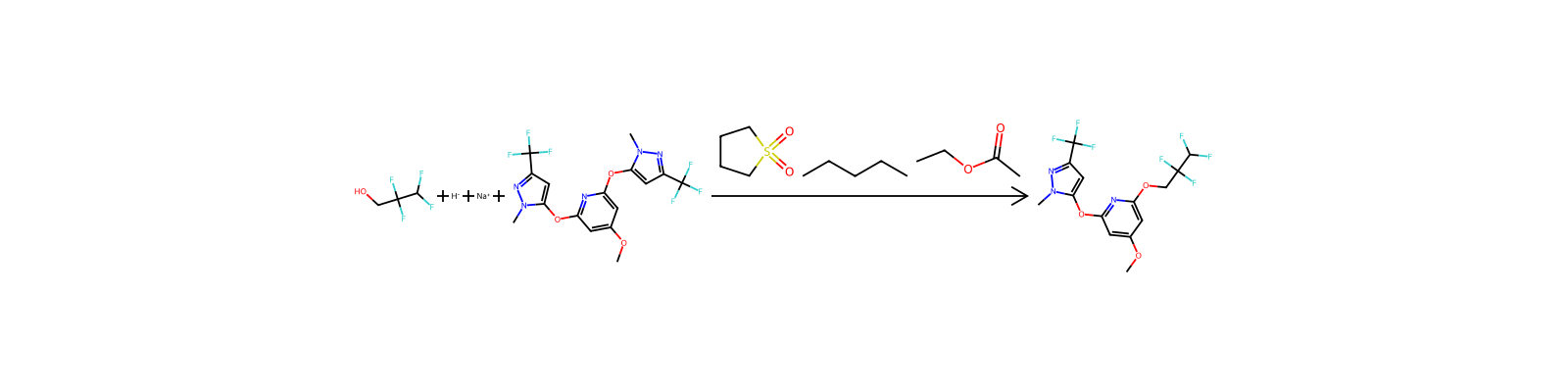
관련 반응

846건

반응 기록 만들기
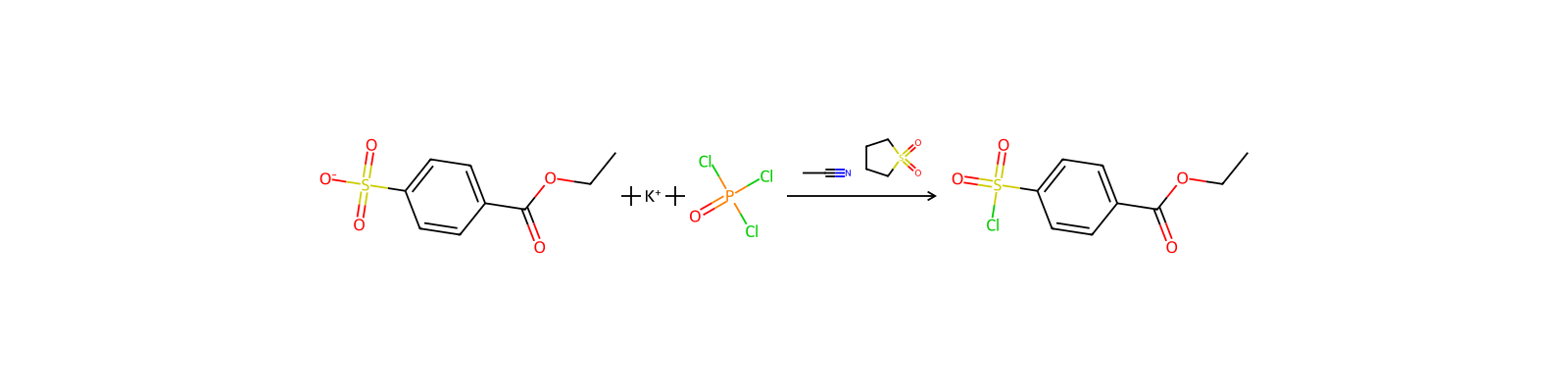
HRID 13565 반응식
HRID 13565반응물로uspto-grants-2010_06
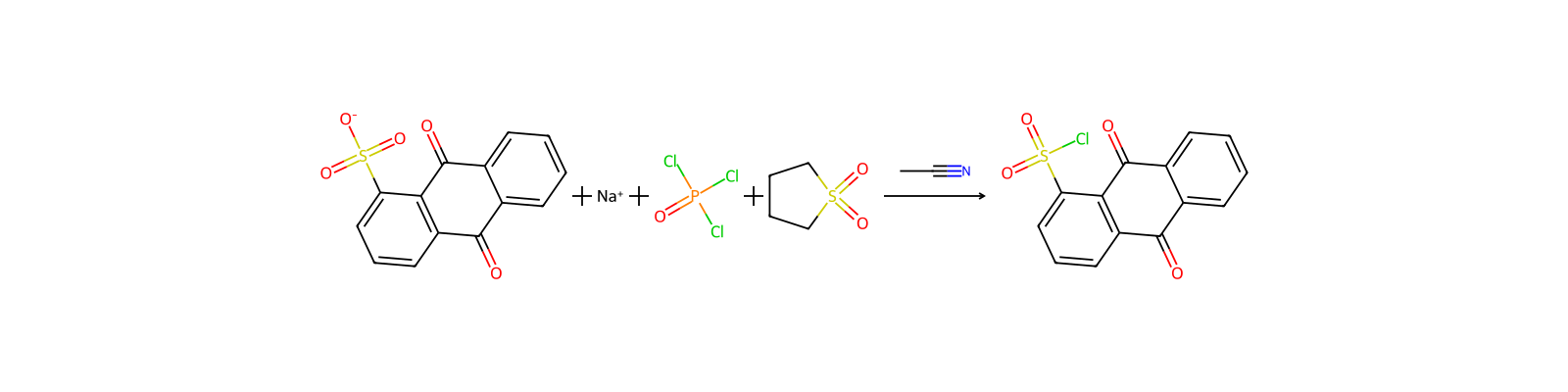
HRID 13567 반응식
HRID 13567반응물로uspto-grants-2010_06
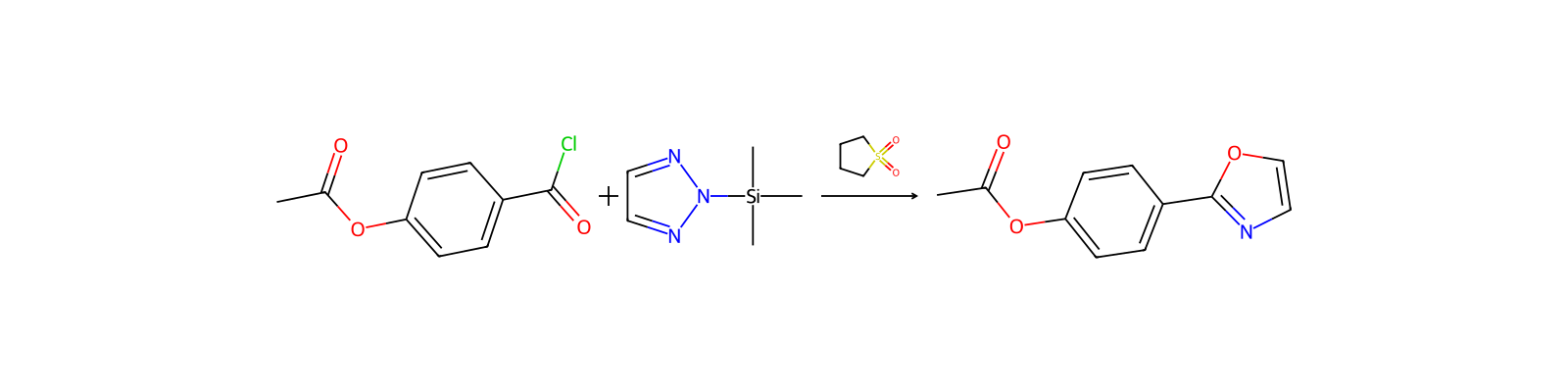
HRID 15610 반응식
HRID 15610용매로uspto-grants-2010_06
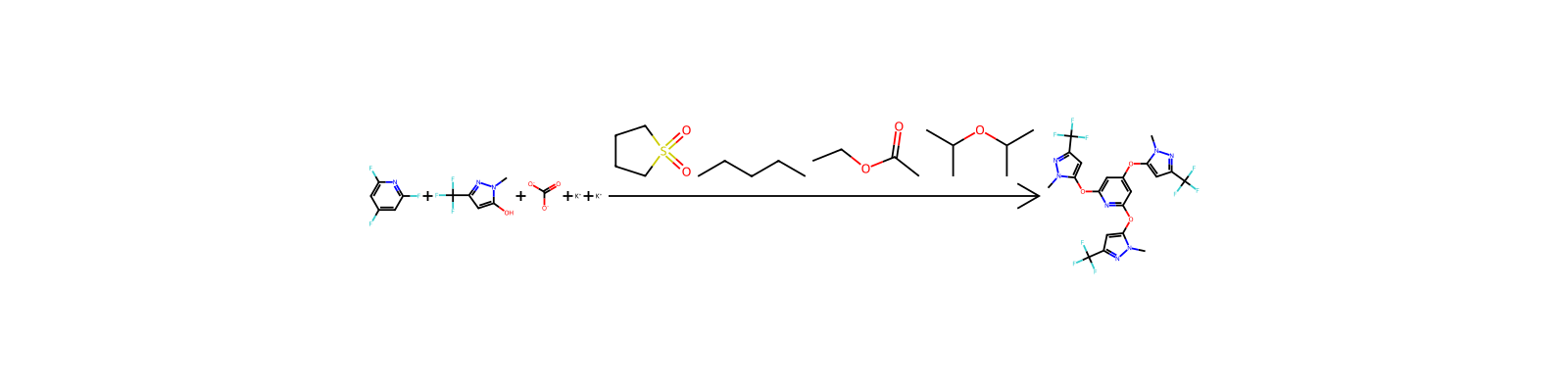
HRID 15611 반응식
HRID 15611반응물로uspto-grants-2010_06
HRID 16472 반응식
HRID 16472용매로uspto-grants-2010_06
HRID 23319 반응식
HRID 23319용매로uspto-grants-2005_02
HRID 23321 반응식
HRID 23321용매로uspto-grants-2005_02
HRID 25916 반응식
HRID 25916반응물로uspto-grants-1979_04
1 / 106 페이지

화합물 노트

불러오는 중…

이 페이지에서기본 정보개요이름 및 식별자물성안전 및 규제화학 및 산업관련 반응화합물 노트
더보기
새 노트새 반응견적 요청하기

545 °F at 760 mmHg (USCG, 1999)

285 °C

285 °C @760 [mm Hg]

DecompositionWhen heated to decomposition it emits toxic fumes of /sulfur oxide/.

물리화학적 성질

녹는점
20 · 20-26 °C (lit.)
끓는 점
104 °C/0.2 · 104 °C/0.2 mmHg (lit.) 285 °C (lit.)
밀도
1.261 g/mL · 1.261 g/mL at 25 °C (lit.)
증기 밀도
4.2 · 4.2 (vs air)
증기압
0.01 mm · 0.01 mm Hg ( 20 °C)
굴절률
20 · n20/D 1.484(lit.)
인화점
330 °F · 330 °F
저장 조건
30 °C · Store below +30°C.
용해도
100 g/l · >=100g/l 가용성
물리적 상태
녹은 후에 액체
색상
맑은 노란색
수용성
녹는
비열
1.5 J/ · Cp(liquid): 1.5 J/(g·K), at 25℃
Merck
14 · 14,8955
BRN
107765 · 107765
Henry's Law Constant
2.1 · 2.1×100 mol/(m3Pa) at 25℃, HSDB (2015)
Dielectric constant
44 · 44.0
안정성
안정적인. 타기 쉬운. 강한 산화제와 호환되지 않습니다.
InChI
1S/C4H8O2S/c5-7(6)3-1-2-4-7/h1-4H2
InChIKey
HXJUTPCZVOIRIF-UHFFFAOYSA-N
SMILES
O=S1(=O)CCCC1
LogP
0 at · 0 at 20℃
표면장력
47.95 mN/m · 47.95 mN/m at 303.15K
NIST
1 · Thiophene, tetrahydro-, 1,1-dioxide(126-33-0)
EPA
Sulfolane (126-33-0)

화학적 성질

Sulfolane is a colorless oily liquid

Reactive GroupSulfonates, Phosphonates, and Thiophosphonates, Organic
Special Reports · 2건

USEPA; Chemical Hazard Information Profile Draft Report: Sulfolane (1984). Available data on the hazards of sulfolane is reviewed.

European Chemicals Bureau; IUCLID Dataset, Tetrahydrothiophene 1,1-dioxide (126-33-0) (2000 CD-ROM edition). Available from the database query page: http://ecb.jrc.it/esis/esis.php as of June 27, 2005.

TSCA Requirements · 2건

Pursuant to section 8(d) of TSCA, EPA promulgated a model Health and Safety Data Reporting Rule. The section 8(d) model rule requires manufacturers, importers, and processors of listed chemical substances and mixtures to submit to EPA copies and lists of unpublished health and safety studies. Sulfolane is included on this list.

Section 8(a) of TSCA requires manufacturers of this chemical substance to report preliminary assessment information concerned with production, exposure, and use to EPA as cited in the preamble in 51 FR 41329.

Reactivity Profile · 1건

Mixing SULFOLANE in equal molar portions with any of the following substances in a closed container caused the temperature and pressure to increase: chlorosulfonic acid and oleum [NFPA 1991]. With nitrating agents (nitronium tetrafluoroborate in sulfolane) very highly exothermic reactions are known to occur [J. Org. Chem., 1978, 43, 4677].

Atmospheric Standards · 1건

This action promulgates standards of performance for equipment leaks of Volatile Organic Compounds (VOC) in the Synthetic Organic Chemical Manufacturing Industry (SOCMI). The intended effect of these standards is to require all newly constructed, modified, and reconstructed SOCMI process units to use the best demonstrated system of continuous emission reduction for equipment leaks of VOC, considering costs, non air quality health and environmental impact and energy requirements. Sulfolane is produced, as an intermediate or a final product, by process units covered under this subpart.

Air and Water ReactionsWater soluble.

안전 및 보호

Fire FightingFire Extinguishing Agents: Water, foam, dry chemicals, or carbon dioxide (USCG, 1999)
First AidINGESTION: induce vomiting.
Firefighting HazardsPoisonous gases are produced in fire.
Fire Fighting Procedures · 2건

Water or foam may cause frothing.

Wear goggles and self-contained breathing apparatus. Extinguish with water, foam, dry chemical, or carbon dioxide.

Nonfire Spill ResponseExcerpt from ERG Guide 171 [Substances (Low to Moderate Hazard)]:
Disposal Methods · 1건

SRP: The most favorable course of action is to use an alternative chemical product with less inherent propensity for occupational exposure or environmental contamination. Recycle any unused portion of the material for its approved use or return it to the manufacturer or supplier. Ultimate disposal of the chemical must consider: the material's impact on air quality; potential migration in soil or water; effects on animal, aquatic, and plant life; and conformance with environmental and public health regulations.

Preventive Measures · 1건

SRP: The scientific literature for the use of contact lenses in industry is conflicting. The benefit or detrimental effects of wearing contact lenses depend not only upon the substance, but also on factors including the form of the substance, characteristics and duration of the exposure, the uses of other eye protection equipment, and the hygiene of the lenses. However, there may be individual substances whose irritating or corrosive properties are such that the wearing of contact lenses would be harmful to the eye. In those specific cases, contact lenses should not be worn. In any event, the usual eye protection equipment should be worn even when contact lenses are in place.

Isolation and EvacuationExcerpt from ERG Guide 171 [Substances (Low to Moderate Hazard)]:
Protective Action Criteria (PAC) · 3건

8.0 [mg/m3]

88 [mg/m3]

530 [mg/m3]

Personal Protective Equipment (PPE)Goggles or face shield; rubber gloves. (USCG, 1999)

독성 정보

Interactions · 2건

After oral or parenteral admin to rodents, analeptic effects of sulfolane were nearly additive with those of metrazol. When injected simultaneously with phenobarbital, it decr phenobarbital sleeping time in mice, but incr time when admin 1 hr before.

Rats receiving sulfolane at 240-300 mg/kg, ip, 20 min before irradiation showed 3 times as many bone marrow karyocytes as did control animals after receiving 300-900 rads gamma-irradiation. Mice receiving 120-240 mg/kg showed twice as many as controls.

Ecotoxicity Values · 5건

LC50 Carassius auratus (Goldfish, 6.2 +/-0.7 cm, approx 3.3 g) 4800 mg/L/24 hr; static, aerated, dissolved oxygen >/= 4 mg/L, pH 6-8, 20 °C

LC50 Gambusia affinis (Mosquitofish) 1930 mg/L/96 hr /Conditions of bioassay not specified in source examined/

EC50 Selenastrum capricornutum (Algae; growth inhibition) >1000 mg/L/96 hr; static, 24 +/- 1 °C, constant illumination

EC50 Crassostrea gigas (Pacific oyster, embryo; embryo larval test) 460 mg/L/24 hr; static, artificial sea water, dissolved oxygen 6.8-7.1 mg/L, pH 7.9, 25 °C

For more Ecotoxicity Values (Complete) data for SULFOLANE (6 total), please visit the HSDB record page.

Environmental Fate · 3건

TERRESTRIAL FATE: Based on a classification scheme(1), Koc values in the range of 4-35 measured in aquifer material from a natural gas plant(2), indicates that sulfolane is expected to have very high mobility in soil(SRC). Volatilization of sulfolane from moist soil surfaces is expected to be an important fate process(SRC) given an estimated Henry's Law constant of 4.8X10⁻⁶ atm-cu m/mole(SRC), using a fragment constant estimation method(3). Sulfolane is not expected to volatilize from dry soil surfaces given a vapor pressure of 0.0062 mm Hg(4). Microcosms constructed of groundwater and sediment obtained from natural gas plants suggest that sulfolane degrades readily under aerobic conditions (half-lives of 2-3 days), but was shown to be recalcitrant under anaerobic conditions(5,6).

AQUATIC FATE: Based on a classification scheme(1), Koc values in the range of 4-35 measured in aquifer material from a natural gas plant(2), indicates that sulfolane is not expected to adsorb to suspended solids and sediment(SRC). Volatilization from water surfaces is expected(3) based upon an estimated Henry's Law constant of 4.8X10⁻⁶ atm-cu m/mole (SRC), developed using a fragment constant estimation method(4). Using this Henry's Law constant and an estimation method(3), volatilization half-lives for a model river and model lake are 6 and 64 days, respectively(SRC). Sulfolane is not expected to undergo hydrolysis in water due to the lack of hydrolyzable functional groups(3). According to a classification scheme(5), BCF values of <13, measured in carp(6) suggest that bioconcentration in aquatic organisms is low(SRC). Sulfolane did not pass the OECD ready biodegradation test(6), suggesting that biodegradation will not be fast. However, aquifer slurries constructed with soil and groundwater from a natural gas plant were shown to be capable of degrading sulfolane under aerobic conditions (half-lives of approximately 2-3 days); no degradation was observed under anaerobic conditions(7,8).

ATMOSPHERIC FATE: According to a model of gas/particle partitioning of semivolatile organic compounds in the atmosphere(1), sulfolane, which has a vapor pressure of 0.0062 mm Hg at 25 °C (2), is expected to exist solely as a vapor in the ambient atmosphere. Vapor-phase sulfolane is degraded in the atmosphere by reaction with photochemically-produced hydroxyl radicals(SRC); the half-life for this reaction in air is estimated to be 29 hours(SRC), calculated from its rate constant of 1.3X10⁻¹¹ cu cm/molecule-sec at 25 °C(SRC) that was derived using a structure estimation method(3).

Adverse EffectsNeurotoxin - Other CNS neurotoxin
Effluent ConcentrationsSulfolane was detected in effluents of advanced waste water treatment plants in Orange county, CA(1). Sulfolane was detected in landfill leachate from municipal waste in Japan at 1200 ug/L(2).
Soil Adsorption/Mobility · 1건

Sulfolane exhibited very high mobility in batch adsorption experiments using aquifer material from 3 natural gas plants in Canada(1). In each experiment, the soil adsorption isotherms were linear and the soil adsorption coefficient (Kd) of sulfolane was very low (Kd < 1). The corresponding Koc values in these low organic (0.2-0.9% organic carbon) materials were in the range of 4-35. The Koc value of sulfolane using a humus rich soil (pH = 6.9, 3.6% organic carbon) was 3(1). According to a classification scheme(2), this range of Koc values suggests that sulfolane is expected to have very high mobility in soil(SRC).

TSCA Test Submissions · 2건

The mutagenicity of sulfolane was evaluated in Salmonella tester strains TA1535, TA1537, TA1538, TA98 and TA100 (Ames Test), Escherichia coli tester strains WP2 and WP2 urvA, and in Saccharomyces cerevisiae tester strain JD1 with and without Aroclor-induced rat liver S9 metabolic activation. Bacterial cultures were tested at concentrations up to 4000 ug/plate using the plate incorporation technique. Yeast liquid suspension cultures were tested at concentrations up to 5.0 mg/mL. Sulfolane did not produce a positive response in any of the bacterial strains with or without metabolic activation. Sulfolane did not produce a consistent increase in the rate of mitotic gene conversion in Saccharomyces with or without metabolic activation.

The ability of sulfolane to cause chromosome aberrations in cultures of rat liver (RL4) cells was evaluated in the absence of added metabolic activation. Monolayer slide cultures of RL4 cells were exposed to 0, the test material at 250, 500 or 1000 ug/mL for 24 hrs and 100 cells/culture were scored for chromosome aberrations. None of the cultures produced frequencies of chromosome aberrations statistically greater than those produced by the controls (sterile distilled water vehicle).

Artificial Pollution Sources · 1건

Sulfolane's use as a solvent for the extraction of benzene, toluene, and xylene from mixtures with aliphatic hydrocarbons and its use in the extraction of acidic components, eg, hydrogen sulfide, carbon dioxide, carbonyl sulfide, carbon dioxide and mercaptans, from sour gas streams(1), may result in its release to the environment through various waste streams(SRC).

Environmental Biodegradation · 2건

AEROBIC: In a 5-day standard BOD test using acclimated or unacclimated sewage as microbial inoculum, no biodegradation of sulfolane was observed(1,2). Sulfolane, present at 100 mg/L, reached 10.1% of its theoretical BOD in 2 weeks using an activated sludge inoculum at 30 mg/L and the Japanese MITI test(3). On the other hand, more than 99% of sulfolane at an initial concn of 100 mg/L biodegraded by activated sludge cultures in 1 day in a batch die-away test(4). In a bench scale aerated lagoon reactor, more than 90% degradation of sulfolane occured at an initial concn 20-80 mg/L biodegraded at hydraulic retention time of 2-2.4 days(4). Inorganic sulfate has been identified as the biodegradation product of sulfolane(4). Aquifer slurries using sediment and groundwater from a sour natural gas plant were shown to be capable of degrading sulfolane at 26 and 8 °C under aerobic conditions(5). Following a 10 day acclimation period, sulfolane added at 20 mg/L to aquifer slurries degraded with half-lives of approximately 2-3 days at 26 °C depending upon whether nitrogen and phosphorous containing nutrients were added(5). At 8 degrees C, sulfolane degradation proceeded at a slower rate, particularly in the absence of nutrients; however, complete degradation was observed within 20 days(5).

ANAEROBIC: Under anaerobic conditions, little or no sulfolane degradation was observed at both 8 and 26 degrees C using aquifer sediments from sour natural gas plants(1).

Environmental Bioconcentration · 1건

BCFs of <1.3 and <13 were measured for sulfolane at concentrations of 2.5 mg/L and 0.25 mg/L, respectively, using carp which were exposed over a 6-week period(1). According to a classification scheme(2), these BCF data suggest that bioconcentration in aquatic organisms is low(SRC).

Volatilization from Water/Soil · 1건

The Henry's Law constant for sulfolane is estimated as 4.8X10⁻⁶ atm-cu m/mole(SRC) using a fragment constant estimation method(1). This Henry's Law constant indicates that sulfolane is expected to volatilize from water surfaces(2). Based on this Henry's Law constant, the volatilization half-life from a model river (1 m deep, flowing 1 m/sec, wind velocity of 3 m/sec)(2) is estimated as 6 days(SRC). The volatilization half-life from a model lake (1 m deep, flowing 0.05 m/sec, wind velocity of 0.5 m/sec)(2) is estimated as 64 days(SRC). Sulfolane's Henry's Law constant indicates that volatilization from moist soil surfaces may occur(SRC). Sulfolane is not expected to volatilize from dry soil surfaces(SRC) based upon a vapor pressure 0.0062 mm Hg(3).

Non-Human Toxicity Excerpts · 5건

/LABORATORY ANIMALS: Acute Exposure/ Death, apparently from anoxia, occurred within 24 hr of oral administration of sulfolane to mice. When applied to skin of rats at 3.8 g/kg for 24 hr under an impermeable cover, it produced no systemic effects. It did not irritate or sensitize skin of rabbits.

/LABORATORY ANIMALS: Acute Exposure/ The mean survival time of rats exposed to 11,000 mg of aerosolized sulfolane/cu m was 19.4 hr and all rats convulsed during exposure. Concentration expected to yield mean survival time of 24 hr was 4700 mg/cu m.

/LABORATORY ANIMALS: Acute Exposure/ After <24 hr of exposure, leukopenia and convulsions were observed in rats (3600 mg/cu m) or squirrel monkeys (Saimiri sciureus) (4850 mg/cu m).

/LABORATORY ANIMALS: Acute Exposure/ ...Tested full strength on rabbit eyes was only mildly irritating, producing conjunctival reaction which lasted only a few hours, and no injury of the cornea.

For more Non-Human Toxicity Excerpts (Complete) data for SULFOLANE (18 total), please visit the HSDB record page.

규제 정보

TSCA Requirements · 2건

Pursuant to section 8(d) of TSCA, EPA promulgated a model Health and Safety Data Reporting Rule. The section 8(d) model rule requires manufacturers, importers, and processors of listed chemical substances and mixtures to submit to EPA copies and lists of unpublished health and safety studies. Sulfolane is included on this list.

Section 8(a) of TSCA requires manufacturers of this chemical substance to report preliminary assessment information concerned with production, exposure, and use to EPA as cited in the preamble in 51 FR 41329.

Atmospheric Standards · 1건

This action promulgates standards of performance for equipment leaks of Volatile Organic Compounds (VOC) in the Synthetic Organic Chemical Manufacturing Industry (SOCMI). The intended effect of these standards is to require all newly constructed, modified, and reconstructed SOCMI process units to use the best demonstrated system of continuous emission reduction for equipment leaks of VOC, considering costs, non air quality health and environmental impact and energy requirements. Sulfolane is produced, as an intermediate or a final product, by process units covered under this subpart.

안전 데이터

wgk
1
tsca
TSCA listed
rtecs
XN0700000
독성
LD50 orally in rats: 1.54 ml/kg (Smyth)
HS 번호
29349990
risk_code
22
hazard_code
Xn
safety_code
23-25
기존화학 물질
KE-33510
Hazard Classifications
Acute Tox. 4 OralRepr. 1B
스토리지 클래스
6.1C - Combustible acute toxic Cat.3toxic compounds or compounds which causing chronic effects
유해 물질 데이터
126-33-0(Hazardous Substances Data)

Extraction of aromatic hydrocarbons from oil refinery streams; polymerization solvent; plasticizer.

Fractionation of wood tars, tall oil, and other fatty acids; component of hydraulic fluid; textile finishing.

U.S. Exports(1972) NEGLIGIBLE
U.S. Imports(1972) NEGLIGIBLE
U.S. Production · 6건

2023: 1,000,000 - <5,000,000 lb

Thiophene, tetrahydro-, 1,1-dioxide is listed as a High Production Volume (HPV) chemical (65FR81686). Chemicals listed as HPV were produced in or imported into the U.S. in >1 million pounds in 1990 and/or 1994. The HPV list is based on the 1990 Inventory Update Rule. (IUR) (40 CFR part 710 subpart B; 51FR21438).

(1986) >1 million - 10 million pounds

(1990) >1 million - 10 million pounds

(1994) >1 million - 10 million pounds

For more U.S. Production (Complete) data for SULFOLANE (7 total), please visit the HSDB record page.

Consumer UsesSolvent
Industry UsesOther
Methods of Manufacturing · 3건

Prepared by catalytic hydrogenation of sulfolene oxides: Mahan, Fauske, US 2578565 (1951 to Phillips Petroleum).

... From butadiene and sulfur dioxide ... Evans, Morris, US 2360859 (1944 to Shell).

Sulfolane ... is made by reacting sulfur dioxide and butadiene to form sulfolene, which is then hydrogenated to give sulfolane

Formulations/Preparations · 3건

Commercially available as anhydrous sulfolane and as sulfolane containing 3% wt deionized water

Grade: Technical

Sulfolane-W (97% 1,1-tetrahydrothiophenedioxide and 3% water)

General Manufacturing Information · 2건

Petrochemical Manufacturing

Thiophene, tetrahydro-, 1,1-dioxide: ACTIVE

응용 분야

용도Sulfolane is used in lithium-ion batteries.

일반 설명Colorless oily liquid with a weak oily odor. Solidifies (freezing point is 79°) and sinks on first contact with water, then mixes with water. F.

상·하류 제품 정보

상류 원료

Methanol solution1,3-부타디엔이산화 2,5-다이하이드로싸이오펜이산화 황하이드로퀴논Methanol solvent테트라히드로티오펜Tetramethylene sulfoxidePotassium peroxymonosulfate다이에틸아민

하류 제품

1-Naphthalenesulfonyl chlorideN,N-DiMethylMethyleneaMMoniuM IodideDesulfurizer,high efficiency헥사플루무론Cefteram4-Amino-2,6-difluoropyrimidine(4-Fluoro-phenyl)-methanesulfonyl chloride(3-Fluoro-phenyl)-methanesulfonyl chloride클로르플루아주론9,10-안트라센카르복스알데하이드4-플로로아닐린2,6-디플루오로벤조니트릴Disperse Yellow 542-Amino-4,6-difluoropyrimidine디플로로니트로벤젠(2,4-)사불화 프탈로 니트릴5-클로로설포닐리사틴3-Benzenediol, 4-[4,6-bis(2,4-dimethylphenyl)-1,3,5-triazin-2-yl]-1