Chloroacetaldehyde
데이터를 보충하는 중입니다. 잠시 후 페이지를 새로 고치면 최신 내용을 볼 수 있습니다
107-20-0O=CCClQSKPIOLLBIHNAC-UHFFFAOYSA-N2-chloroethanal appears as a clear colorless liquid with a pungent odor. Flash point about 190 °F. Corrosive to skin and mucous membranes. It is very toxic by inhalation.
107-20-0DTXSID4020292CHEMBL506976CHEBI:27871Toxic Gases & Vapors -> Other Toxic Gases & Vapors
Flammable agents - 2nd degree
1.19 at 77 °F (USCG, 1999) - Denser than water; will sink
1.19 g/cu cm at 25 °C
Relative density (water = 1): 1.19 (40% solution)
1.19 (40% solution)
1.19 @25 °C
1.19 (40% solution)
greater than or equal to 100 mg/mL at 66 °F (NTP, 1992)
Miscible in all proportions with water
Soluble in ether
Soluble in acetone and methanol
Solubility in water: miscible
Miscible
190 °F (NTP, 1992)
87 °C
190 °F (87.7 °C) CLOSED CUP
88 °C c.c.
190 °F (40% solution)
안전 정보는 참고용이며, 공급업체의 물질안전보건자료(SDS), 관련 법규 및 전문가 평가를 대체하지 않습니다.
Danger
H301: Toxic if swallowed [Danger Acute toxicity, oral]
P203, P260, P262, P264, P270, P271, P273, P280, P284, P301+P316, P301+P330+P331, P302+P352, P302+P361+P354, P304+P340, P305+P354+P338, P316, P318, P320, P321, P330, P361+P364, P363, P391, P403+P233, P405, and P501 (click each P-code to see the statement)
Danger
H226 (69.1%): Flammable liquid and vapor [Warning Flammable liquids]
P203, P210, P233, P240, P241, P242, P243, P260, P262, P264, P270, P271, P273, P280, P284, P301+P316, P301+P330+P331, P302+P352, P302+P361+P354, P303+P361+P353, P304+P340, P305+P354+P338, P316, P318, P320, P321, P330, P361+P364, P363, P370+P378, P391, P403+P233, P403+P235, P405, and P501 (click each P-code to see the statement)
Toxic/poison by inhalation (TIH/PIH)
Chemical: Acetaldehyde, chloro-
REACH registered substance: Chloroacetaldehyde (EC: 203-472-8)
Acetaldehyde, chloro-: Does not have an individual approval but may be used under an appropriate group standard
The New Jersey Worker and Community Right to Know Act requires public and private employers to provide information about hazardous substances at their workplaces. (N.J.S.A. 34:5A-1 et. seq.)
Special Hazards of Combustion Products: Contain poisonous and irritating chloride gases.
· Combustible material: may burn but does not ignite readily.
2-Chloroacetaldehyde a metabolic breakdown product of vinyl-chloride, was reacted with pyrimidine nucleosides in methanol to study adduct formation. After trimethylsilylation, products were analyzed by combined gas chromatography and mass spectrometry (GC/MS). Reaction of 3-methyluridine with 2-chloroacetaldehyde indicated that it can react with both the 3-methyluracil and ribose moieties. Molecular ions suggest that 2-chloroacetaldehyde attaches a 1-hydroxy-2-chloroethyl group to the 3-methyluracil moiety. 2-Chloroacetaldehyde not only formed etheno derivatives and oxoethyl adducts, respectively, but also yielded other types of adducts with nucleic acids. 2-Chloroacetaldehyde reacted with free nucleosides or single stranded nucleic acids to yield cyclic etheno derivatives. Model nucleosides (cytosine or uracil) in which the most nucleophilic site (the N-3 position) was blocked by a methyl group were treated with 2-chloroacetaldehyde to investigate whether these adducts are formed in native DNA. GC/MS analyses suggested that 2-chloroacetaldehyde can add a 2-chlorovinyl group to 3-methylcytosine.
Chloroacetaldehyde can be oxidized to chloroacetatic acid by aldehyde dehydrogenase followed by conjugation with glutathione and finally give rise to the formation of the urinary metabolite thiodiglycolic acid. Chloroacetaldehyde may be also directly conjugated with GSH.
The metabolism of 2-(13)C-chloroacetaldehyde at doses of 1.5, 2, 3 and 4 mg/kg b.w. and that of 2-(13)C-chloroacetaldehyde at a dose of 5.9 mg/kg b.w. were studied in the isolated perfused rabbit heart model using carbon-13 nuclear magnetic resonance. We have shown that, whereas chloroacetaldehyde is cardiotoxic at doses above 2 mg/kg b.w., this toxic effect is not accompanied by an increase in intramyocardial citrate levels. Chloroacetate, its main metabolite, is not cardiotoxic. The metabolism of chloroacetaldehyde is complex and leads, in addition to chloroethanol, glycolic acid, conjugates of glutathione with chloroacetate or chloroethanol (and/or their metabolites, S-(2-carboxymethyl) cysteine, N-acetyl-S-(2-carboxymethyl) cysteine, S-(2-hydroxymethyl)cysteine) and thiodiglycolic acid. Low amounts of chloroacetate are metabolized by isolated perfused rabbit hearts into glycolic acid and glutathione conjugate (and/or its metabolites, S-(2-carboxymethyl) cysteine, N-acetyl-S-(2-carboxymethyl)cysteine). ...
Chloroethylene oxide, a postulated metabolite of vinyl chloride rearranged to 2-chloroacetaldehyde.
불러오는 중…
185 °F at 760 mmHg (NTP, 1992)
85.5 °C
Platelets from water; bp: 85.5 °C with decomposition into water and chloraldehyde; mp 43-50 °C; soluble in water, alcohol, ether /Chloroacetaldehyde hemihydrate/
85-100 °C (40% solution)
186 °F
85.5 °C @760 [mm Hg]
3 °F (USCG, 1999)
-16.3 °C
-16.3 °C
16 °C (40% solution)
3 °F (40% solution)
-16.3 °C
2.7 (40% aqueous solution) (NTP, 1992) - Heavier than air; will sink (Relative to Air)
Relative vapor density (air = 1): 2.7
2.7
Chloroacetaldehyde is a combustible, colorless liquid with a very sharp, irritating odor.
Combustible. Gives off irritating or toxic fumes (or gases) in a fire. Above 88 °C explosive vapour/air mixtures may be formed.
Poisonous; may be fatal if inhaled, swallowed or absorbed through the skin. Overexposure causes intense irritation and edema of the eyes, mucous membranes, respiratory tract, and skin. Prolonged exposure causes tissue destruction, chemical burns and residual scarring. The eyes may experience permanent damage. (USCG, 1999)
· TOXIC and/or CORROSIVE; inhalation, ingestion or skin contact with material may cause severe injury or death.
2232 153
2232 153
2232 153
Excerpt from ERG Guide 153 [Substances - Toxic and/or Corrosive (Combustible)]:
Use water spray, powder, alcohol-resistant foam, carbon dioxide. In case of fire: keep drums, etc., cool by spraying with water.
Fresh air, rest. Half-upright position. Artificial respiration may be needed. Refer for medical attention.
Remove contaminated clothes. Rinse and then wash skin with water and soap. Refer for medical attention .
First rinse with plenty of water for several minutes (remove contact lenses if easily possible), then refer for medical attention.
Rinse mouth. Do NOT induce vomiting. Refer for medical attention .
· CALL 911. Then call emergency response telephone number on shipping paper. If shipping paper not available or no answer, refer to appropriate telephone number listed on the inside back cover.
· ELIMINATE all ignition sources (no smoking, flares, sparks or flames) from immediate area.
· CALL 911. Then call emergency response telephone number on shipping paper. If shipping paper not available or no answer, refer to appropriate telephone number listed on the inside back cover.
· ELIMINATE all ignition sources (no smoking, flares, sparks or flames) from immediate area.
EYES: First check the victim for contact lenses and remove if present. Flush victim's eyes with water or normal saline solution for 20 to 30 minutes while simultaneously calling a hospital or poison control center. Do not put any ointments, oils, or medication in the victim's eyes without specific instructions from a physician. IMMEDIATELY transport the victim after flushing eyes to a hospital even if no symptoms (such as redness or irritation) develop.
General First Aid:
General First Aid:
(General first aid procedures)
· Wear positive pressure self-contained breathing apparatus (SCBA).
TIH (Toxic Inhalation Hazard) - Term used to describe gases and volatile liquids that are toxic when inhaled. Some are TIH materials themselves, e.g., chlorine, and some release TIH gases when spilled in water, e.g., chlorosilanes. [ERG 2016].
Use water spray, powder, alcohol-resistant foam, carbon dioxide. /Chloroacetaldehyde (40% Solution)/
In case of fire: keep drums, etc., cool by spraying with water. /Chloroacetaldehyde (40% Solution)/
In fire fighting conditions use a self-contained breathing apparatus with a full facepiece operated in pressure-demand or positive pressure mode.
Personal protection: complete protective clothing including self-contained breathing apparatus. Ventilation. Collect leaking liquid in sealable containers. Wash away remainder with plenty of water. /Chloroacetaldehyde (40% Solution)/
1. Remove all ignition sources. 2. Ventilate area of spill or leak. 3. For small quantities, absorb on paper towels. Evaporate in a safe place (such as a fume hood). Allow sufficient time for evaporating vapors to completely clear the hood ductwork. Burn the paper in a suitable location away from combustible materials.
SRP: The most favorable course of action is to use an alternative chemical product with less inherent propensity for occupational harm/injury/toxicity or environmental contamination. Recycle any unused portion of the material for its approved use or return it to the manufacturer or supplier. Ultimate disposal of the chemical must consider: the material's impact on air quality; potential migration in soil or water; effects on animal and plant life; and conformance with environmental and public health regulations.
...By atomizing in a suitable combustion chamber equipped with an effluent gas cleaning device.
A potential candidate for rotary kiln incineration at a temperature range of 820 to 1,600 °C and residence times of seconds for liquids and gases, and hours for solids. A potential candidate for fluidized bed incineration at a temperature range of 450 to 980 °C and residence times of seconds for liquids and gases, and longer for solids. A potential candidate for liquid injection incineration at a temperature range of 650 to 1,600 °C and a residence time of 0.1 to 2 seconds.
EC50; Species: Scenedesmus subspicatus (Green Algae) exponential growth phase; Conditions: freshwater, static, 24 °C, pH 8.0-9.3; Concentration: 550 ug/L for 48 hr; Effect: decreased population biomass /50% purity formulation/
EC50; Species: Scenedesmus subspicatus (Green Algae) exponential growth phase; Conditions: freshwater, static, 24 °C, pH 8.0-9.3; Concentration: 2200 ug/L for 48 hr; Effect: general population changes, decreased population /50% purity formulation/
LC50; Species: Nitocra spinipes (Harpacticoid Copepod); Conditions: saltwater, static; Concentration: 1500 ug/L for 96 hr (95% confidence interval: 1200-1800 ug/L) /formulation/
EC50; Species: Daphnia magna (Water Flea) age < or =24 hr; Conditions: freshwater, static, 25 °C, pH > or = 7.0, dissolved oxygen > or =58%; Concentration: 15000 ug/L for 24 hr; Effect: intoxication, immobilization /50% purity formulation/
TERRESTRIAL FATE: Based on a classification scheme(1), an estimated Koc value of 1(SRC), determined from a structure estimation method(2), indicates that chloroacetaldehyde is expected to have very high mobility in soil(SRC). Volatilization of chloroacetaldehyde from moist soil surfaces is expected to be an important fate process(SRC) given an estimated Henry's Law constant of 2.4X10⁻⁵ atm-cu m/mole(SRC), using a fragment constant estimation method(3). Chloroacetaldehyde is expected to volatilize from dry soil surfaces(SRC) based upon a vapor pressure of 64.3 mm Hg at 25 °C(4). Biodegradation of chloroacetaldehyde may be important based on degradation studies of 2-chloroethanol which has been shown to degrade via 2-chloroacetaldehyde and 2-chloroacetate to glycollic acid by Pseudomonas CE1r that was isolated from soil(5).
AQUATIC FATE: Based on a classification scheme(1), an estimated Koc value of 1(SRC), determined from a structure estimation method(2), indicates that chloroacetaldehyde is not expected to adsorb to suspended solids and sediment(SRC). Volatilization from water surfaces is expected(3) based upon an estimated Henry's Law constant of 2.4X10⁻⁵ atm-cu m/mole(SRC), developed using a fragment constant estimation method(4). Using this Henry's Law constant and an estimation method(3), volatilization half-lives for a model river and model lake are 35 hours and 13 days, respectively(SRC). According to a classification scheme(5), an estimated BCF of 3(SRC), from an estimated log Kow of 0.09(2) and a regression-derived equation(2), suggests the potential for bioconcentration in aquatic organisms is low(SRC). Chloroacetaldehyde has a reported hydrolysis rate of 2X10⁻⁶ to 5X10⁻⁶/hour at 37 °C(6). Biodegradation of chloroacetaldehyde may be important based on degradation studies of 2-chloroethanol which has been shown to degrade via 2-chloroacetaldehyde and 2-chloroacetate to glycollic acid by Pseudomonas CE1r that was isolated from soil(7).
ATMOSPHERIC FATE: According to a model of gas/particle partitioning of semivolatile organic compounds in the atmosphere(1), chloroacetaldehyde, which has a vapor pressure of 64.3 mm Hg at 25 °C(2), is expected to exist solely as a vapor in the ambient atmosphere. Vapor-phase chloroacetaldehyde is degraded in the atmosphere by reaction with photochemically-produced hydroxyl radicals(SRC); the half-life for this reaction in air is estimated to be 4.3 days, calculated from its rate constant of 3.1X10⁻¹² cu cm/molecule-sec(3). Chloroacetaldehyde does not contain chromophores that absorb at wavelengths >290 nm(4) and, therefore, is not expected to be susceptible to direct photolysis by sunlight(SRC).
The substance can be absorbed into the body by inhalation of its vapour and by ingestion.
inhalation, skin absorption, ingestion, skin and/or eye contact
Burning sensation. Cough. Laboured breathing. Sore throat. Symptoms may be delayed.
Redness. Serious skin burns. Pain. Blisters.
Redness. Pain. Loss of vision. Severe deep burns.
Abdominal pain. Burning sensation.
irritation skin, eyes, mucous membrane; skin burns; eye damage; pulmonary edema; skin, respiratory system sensitization
This substance may be hazardous to the environment. Special attention should be given to water quality. This substance does enter the environment under normal use. Great care, however, should be taken to avoid any additional release, for example through inappropriate disposal.
1) Initial Medical Screening: Employees should be screened for history of certain medical conditions ... which might place the employee at increased risk from chloroaldehyde exposure. /The medical conditions are/: eye disease ... skin disease ... chronic respiratory disease ... kidney disease ... liver disease ... Periodic Medical Examination: Any employee developing the above-listed conditions should be referred for further medical examination.
Using a structure estimation method based on molecular connectivity indices(1), the Koc of chloroacetaldehyde can be estimated to be 1(SRC). According to a classification scheme(2), this estimated Koc value suggests that chloroacetaldehyde is expected to have very high mobility in soil.
/SIGNS AND SYMPTOMS/ During low exposures, the initial discomfort generally abated after 5 or 10 minutes but recurred if exposure resumed after interruption. Any vapor concentration producing even slight irritation in humans was believed to be potentially injurious on single, prolonged or repeated exposure. Eye contact by a 40% aqueous solution presented a serious hazard of injury, including tissue destruction.
/SIGNS AND SYMPTOMS/ ... The low-molecular-weight aldehydes and the halogenated aldehydes, such as chloroacetaldehyde, were particularly irritating and presented a serious hazard from exposure to the vapors. The mucous membranes of the nasal and oral passages and the upper respiratory tract were affected, producing a burning sensation, an increased ventillation rate, bronchial constriction, choking, and coughing. The eyes teared and a burning sensation was noted on the skin of the face.
/GENOTOXICITY/ Chloroacetaldehyde (CAA) reacts with DNA bases, forming hydroxyethano derivatives of different stability, which are subsequently converted into etheno (epsilon) adducts: epsilon A, epsilon C, epsilon G. DNA polymerase fingerprint analysis was used to study the distribution of CAA-induced modifications in the p53 sequence. A plasmid bearing cDNA containing the human p53 gene was reacted in vitro with CAA, then dehydrated for conversion of hydroxyethano into etheno adducts, and primer extension by T7 DNA polymerase in the presence of four dNTPs was performed. The DNA repair enzymes methylpurine-DNA glycosylase and Escherichia coli exonuclease III were used to convert epsilon A residues in the template into DNA strand breaks, which enabled precise localization of the epsilon A residues within the p53 gene. Hydroxyethano derivatives of adenine and cytosine in a template blocked T7 DNA polymerase and caused premature chain termination opposite adenine or one base before cytosine. After dehydration, both epsilon A and epsilon C were much more easily by-passed by T7 DNA polymerase. Formation of epsilon G was identified as 'stop bands' one base before guanine residues. Modification of cytosine and guanine was additionally recognized by weakening or disappearance of non-specific stops on an undamaged template, probably due to steric hindrance by the tertiary DNA structure for polymerase. Etheno adduction of cytosine and guanine relaxed the compact DNA structure and enabled DNA polymerase to by-pass. In exons 5-8 of p53, 143 out of 500 sites appeared to be damaged by CAA, with four particularly densely modified regions between codons 135-147, 218-222, 234-255 and 284-292. The pattern of modification followed the pattern of p53 mutations found in vinyl chloride-associated liver angiosarcomas in humans and rats, but only in regions that showed 100% homology with the human sequence. ...
/GENOTOXICITY/ Vinyl chloride (VC), a known human and rodent carcinogen, is metabolically activated by cytochrome P450 to chloroethylene oxide (CEO), which can rearrange to chloroacetaldehyde (CAA) or undergo hydrolysis. To further understand the roles of CEO and CAA in VC mutagenesis, the types and frequencies of mutations induced at the hypoxanthine (guanine) phosphoribosyl-transferase (hprt) locus were examined in a human B-lymphoblastoid line constitutively expressing human cytochrome P450 2E1 (H2E1 cells). VC was toxic and mutagenic to H2E1 cells as a function of incubation time; exposure to 7.5% VC in air resulted in 75% survival and an hprt mutant frequency of 42 x 10(-6) after 48 hr, compared to 5.7 +/- 2.7 x 10(-6) for unexposed cells. The exposure of H2E1 cells to 0.8 to 15.0% VC in air produced similar mutant frequencies without a clear dose-response relationship, suggesting saturation of metabolic activation. Both CEO and CAA exhibited dose-dependent increases in cell killing and mutant frequency in H2E1 cells. Treatment with 16 uM CEO for 24 hr resulted in 75% survival and an induced mutant frequency of 23 x 10(-6), while 16 uM CAA produced 5% survival and an induced mutant frequency of 20 x 10(-6). Structural alterations at the hprt locus in independent thioguanine-resistant clones were examined by Southern blot analysis of Pst I-digested DNA with a full-length human hprt cDNA probe. Ten percent (5/50) of VC-induced and 18% (7/38) of CEO-induced mutants showed detectable deletions, compared with 45% (9/20) of CAA-induced mutants. Thus, VC and CEO displayed similar toxicity/mutation profiles and a similar frequency of large deletions, whereas CAA displayed greater toxicity and a larger frequency of deletion mutations. These results suggest that the majority of mutations induced by VC occur through its metabolite, CEO.
Chloroacetaldehyde's production and use in the manufacture of agrochemicals and pharmaceuticals and as a raw material to make dyestuffs(1) may result in its release to the environment through various waste streams(SRC). Chloroacetaldehyde was identified as a contaminate produced during the bleaching process at pulp mills and was detected in the effluent(2).
P023; As stipulated in 40 CFR 261.33, when acetaldehyde, chloro-, as a commercial chemical product or manufacturing chemical intermediate or an off-specification commercial chemical product or a manufacturing chemical intermediate, becomes a waste, it must be managed according to federal and/or state hazardous waste regulations. Also defined as a hazardous waste is any container or inner liner used to hold this waste or any residue, contaminated soil, water, or other debris resulting from the cleanup of a spill, into water or on dry land, of this waste. Generators of small quantities of this waste may qualify for partial exclusion from hazardous waste regulations (40 CFR 261.5(e)).
Section 8(a) of TSCA requires manufacturers of this chemical substance to report preliminary assessment information concerned with production, exposure, and use to EPA as cited in the preamble in 51 FR 41329. Effective date: 9/30/91; Reporting date: 11/27/91.
Pursuant to section 8(d) of TSCA, EPA promulgated a model Health and Safety Data Reporting Rule. The section 8(d) model rule requires manufacturers, importers, and processors of listed chemical substances and mixtures to submit to EPA copies and lists of unpublished health and safety studies. Acetaldehyde, chloro- is included on this list. Effective date: 9/30/91; Sunset date: 6/30/98.
Persons in charge of vessels or facilities are required to notify the National Response Center (NRC) immediately, when there is a release of this designated hazardous substance, in an amount equal to or greater than its reportable quantity of 1000 lb or 454 kg. The toll free number of the NRC is (800) 424-8802. The rule for determining when notification is required is stated in 40 CFR 302.4 (section IV.D.3.b).
Chloroacetaldehyde has been shown to be a urinary metabolite of cyclophosphamide in the rat.
For more Metabolism/Metabolites (Complete) data for CHLOROACETALDEHYDE (6 total), please visit the HSDB record page.
2-chloroacetaldehyde is a known human metabolite of l-cyclophosphamide and l-ifosfamide.
Used to manufacture other organic chemicals; also used as a fungicide and debarking agent; [ACGIH]
Pulp and Paper Processing [Category: Industry]
In manufacture of 2-aminothiazole; to facilitate bark removal from tree trunks.
Intermediate, fungicide
Used as a spinning solution of poly B-alanine.
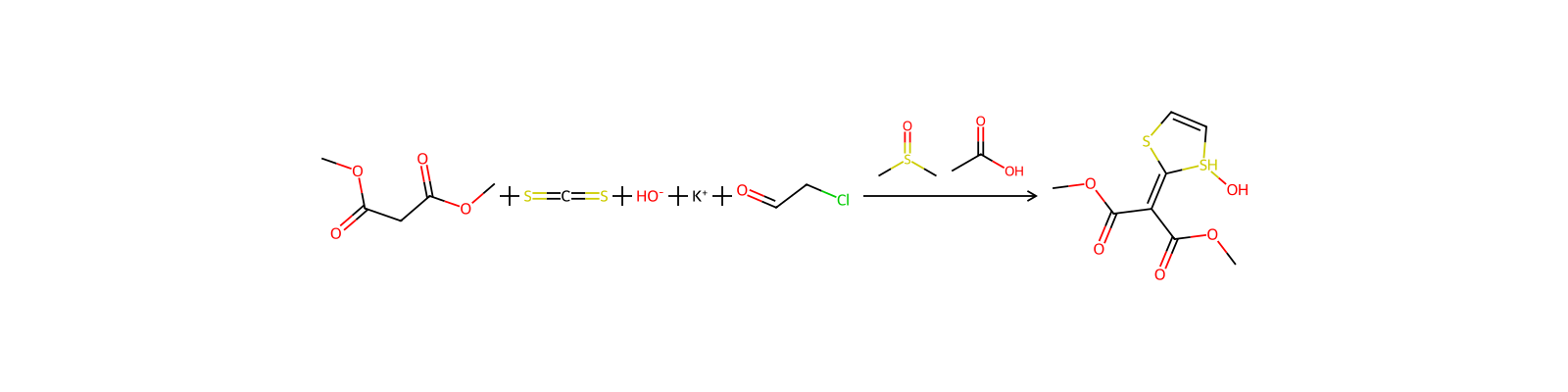
... Manufacture of pharmaceuticals, e.g., as starting material to synthesize statine intermediates. The mercapto derivative of chloroacetaldehyde, 2,5-dihydroxy-1,4-dithiane, is an important building block for drugs against AIDS. ... Raw material to make dyestuffs. Dialkylacetal derivatives of chloroacetaldehyde such as chloroacetaldehyde dimethyl acetal are important starting materials for the manufacture of agrochemicals. The acetals are also used to make fragrances.
(1972) No Data
(1975) No Data
(1986) No Data
(1972) 1.14X10+5 G
(1975) 1.0X10+6 G
(1986) No Data
(1972) LESS THAN 4.54X10+5 G
(1975) LESS THAN 4.5X10+5 G
(1986) No Data
Production volumes for non-confidential chemicals reported under the Inventory Update Rule.[Table#3956]
Simultaneous introduction of vinyl chloride and chlorine into water at ca. 20 °C forms chloroacetaldehyde in a nearly quantitative yield if its concentration in the reaction solution is not allowed to rise above ca. 5 wt %. At a higher concentration, increasing amounts of 1,1,2-trichloroethane are formed. This method yields only a dilute solution of chloroacetaldehyde. Concentrated aqueous solutions of chloroacetaldehyde are obtained in nearly quantitative yields by the reaction of chlorine with vinyl acetate in water at room temperature. As an intermediate 1,2-dichloroethyl acetate is formed, which is quantitatively hydrolyzed at elevated temperatures. The resulting solution is purified by distillation.
Monochloroacetaldehyde is also obtained in high yield by pyrolysis of chloroethylene carbonate in the presence of quaternary ammonium salts.
Direct chlorination of dry acetaldehyde or paraldehyde gives only a low yield of monochloroacetaldehyde. Azeotropic dehydration of the hemihydrate with chloroform, toluene, or carbon tetrachloride followed by distillation over anhydrous calcium chloride gives better yields.
Anhydrous monochloroacetaldehyde is obtained in high yield by the depolymerization of trichloroparaldehyde or polychloroacetaldehyde at 145 °C in the presence of oxalic acid or trichloroacetic acid.
For more Methods of Manufacturing (Complete) data for CHLOROACETALDEHYDE (6 total), please visit the HSDB record page.
용도Chloroacetaldehyde is used in the productionof 2-aminothiazole.
일반 설명A clear colorless liquid with a pungent odor. Flash point about 190°F. Corrosive to skin and mucous membranes. Chloroacetaldehyde is very toxic by inhalation.
정의ChEBI: Chloroacetaldehyde is acetaldehyde substituted at C-2 by chlorine. It derives from an acetaldehyde.
For more Human Toxicity Excerpts (Complete) data for CHLOROACETALDEHYDE (6 total), please visit the HSDB record page.