홈MCP워크벤치Skills
홈워크벤치알림마이페이지
llms.txt · MCP 가이드개인정보처리방침 · 이용약관 · 지원v1.8.0
  1. 홈
  2. /화합물

M-Cresol

HCID 342
새 노트새 반응견적 요청하기
인쇄 미리보기
기본 정보개요이름 및 식별자물성안전 및 규제화학 및 산업관련 반응화합물 노트
부분 구조 검색유사 구조 찾기

기본 정보

CAS
108-39-4
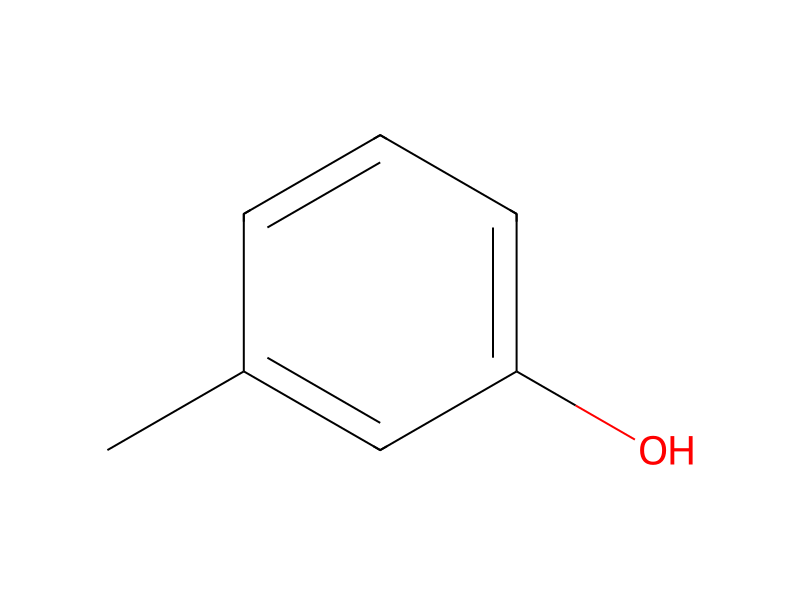
표준 SMILES
Cc1cccc(O)c1
InChIKey
RLSSMJSEOOYNOY-UHFFFAOYSA-N
분자식
C7H8O
평균 분자량
108.14 g/mol
단동위원소 질량
108.05751487

개요

M-cresol is a colorless liquid with a sweet tarry odor. Sinks and mixes slowly with water. (USCG, 1999)

이름 및 식별자

우선 이름
M-Cresol
IUPAC
3-methylphenol
영어명
m-Cresol
분자식
C7H8O
분자량
108.13782

이름 및 동의어

m-cresol3-methylphenol108-39-4Metacresol3-hydroxytoluenePhenol, 3-methyl-m-methylphenolmeta-cresol3-cresolm-kresolm-cresylic acidm-toluol
이름 더 보기
1-hydroxy-3-methylbenzenem-oxytoluenem-HydroxytolueneFranklin CresolisFEMA No. 35301-Methyl-3-hydroxybenzeneRover's Dog Shampoom-Cresole

데이터베이스 식별자

CAS
108-39-4
PubChem CID
342
DTXSID
DTXSID6024200
ChEMBL
CHEMBL298312
ChEBI
CHEBI:17231
UNII
GGO4Y809LO
EC Number
203-577-9
Nikkaji
J1.186J

물성

구조 계산 물성

XLogP
2
극성 표면적
20.2 Ų
수소 결합 공여자 수
1
수소 결합 수용자 수
1
회전 가능 결합 수
0
무거운 원자 수
8
형식 전하
0
복잡도
70.8

실험 및 물리화학적 성질

Chemical Classes · 3건

Other Classes -> Phenols

Carcinogens

Industrial compound

DrugsPharmaceuticals -> Listed in ZINC15
Cosmetics · 3건

Cosmetics ingredient -> Colorant; Fragrance

Cosmetic ingredients (m-Cresol) -> CIR (Cosmetic Ingredient Review)

Antimicrobial

SpringerMaterials Properties13C nuclear magnetic resonance spectrum
FragrancesFragrance Ingredient (m-Cresol) -> IFRA transparency List
PesticidesPesticide -> EPA IRIS
LogP · 4건

log Kow = 1.96

1.96

1.96

2.01

Odor · 4건

Phenolic odor

Odor of coal tar

Sweet, tarry odor

Distinct phenolic odor, with an odor threshold of 5 ppm; sometimes referred to as an empyreumatic odor

TasteTaste threshold: 2.00X10⁻³ ppm
Food Additives

안전 및 규제

안전 정보는 참고용이며, 공급업체의 물질안전보건자료(SDS), 관련 법규 및 전문가 평가를 대체하지 않습니다.

GHS 분류

GHS Classification · 6건

Danger

H301: Toxic if swallowed [Danger Acute toxicity, oral]

P260, P262, P264, P270, P280, P301+P316, P301+P330+P331, P302+P352, P302+P361+P354, P304+P340, P305+P354+P338, P316, P321, P330, P361+P364, P363, P405, and P501 (click each P-code to see the statement)

Danger

H301 (100%): Toxic if swallowed [Danger Acute toxicity, oral]

P260, P262, P264, P270, P273, P280, P301+P316, P301+P330+P331, P302+P352, P302+P361+P354, P304+P340, P305+P354+P338, P316, P321, P330, P361+P364, P363, P405, and P501 (click each P-code to see the statement)

유해성 정보

Regulatory Information · 6건

Chemical: Phenol, 3-methyl-

Hazard Traits - Musculoskeletal Toxicity; Neurotoxicity; Respiratory Toxicity

Commission Regulation (EC) No 1565/2000 (Repealed by Com. Implementing Reg. (EU) No 872/2012)

Phenol, 3-methyl- is listed on the EPA's Chemical Data Reporting (CDR) system. Manufacturers and importers of Phenol, 3-methyl- are required to report information about their production and use of this chemical to the EPA under the Toxic Substances Control Act (TSCA). (40 eCFR Part 711)

REACH registered substance: m-cresol (EC: 203-577-9)

3-Cresol: HSNO Approval: HSR003581 Approved with controls

Other Safety InformationIMAP assessments - Phenol, 3-methyl-: Environment tier I assessment
DOT LabelPoison Corrosive
Fire Hazards · 2건

Special Hazards of Combustion Products: Emits highly toxic fumes.

Combustible. Gives off irritating or toxic fumes (or gases) in a fire. Above 86 °C explosive vapour/air mixtures may be formed.

Fire Potential · 2건

Flammable when exposed to /SRP66: spark/ heat, flames, or oxidants.

화학 및 산업

약리 정보

Metabolism/Metabolites · 6건

m-Cresol yields m-cresyl-beta-d-glucuronide, m-cresyl sulfate, 4-methylcatechol, methylquinol and m-methylanisole in rabbits. m-Cresol yields m-cresyl sulfate & m-methylanisole in rats. m-Cresol yields m-methylanisole in guinea pigs and mice. m-Cresol yields m-cresyl-beta-d-glucuronide in hens.

The ... m-cresols /is/ ... ring-hydroxylated to a small extent ... 2,5-Dihydroxytoluene has been isolated from the urine of rabbits fed ... m-cresols ...

Ten healthy men were exposed to approximately 200 ppm toluene for 4 hr. Urinary m-cresol concentration was 0.570 mg/L at the end of the exposure, 0.599 mg/L 4 hr after exposure, and 0.527 mg/L 20 hr after exposure.

The urinary & biliary excretion of (14)C-labeled m-cresol was investigated in 12 species of freshwater fish when immersed in sublethal concn in the aquarium water for 48 hr. The oxidation product, m-hydroxybenzoic acid & the m-cresol sulfate conjugate were excreted into the aquarium water by all species except the guppy, which did not excrete m-hydroxybenzoic acid. In addition to these two metabolites, the m-cresol glucuronic acid conjugate was found in the bile of all species, except the guppy.

For more Metabolism/Metabolites (Complete) data for m-CRESOL (7 total), please visit the HSDB record page.

Cresols can be absorbed following inhalation, oral, and dermal exposure. Once in the body they can distribute rapidly into many organs and tissues. Cresols undergo oxidative metabolism in the liver and are rapidly eliminated, mostly in the urine, as sulfate or glucuronide conjugates. The activation of cresols by oxidation involves tyrosinase and thyroid peroxidase, forming a reactive quinone methide. Experiments with recombinant P-450s demonstrated cresol metabolism was mediated by several P-450s including CYP2D6, 2C19, 1A2, 1A1, and 2E1. (L528, A197, L529, A198)

Absorption, Distribution and Excretion · 4건

... m-Cresol (in NaHCO2) /was administered/ to rabbits by gavage. Urinary metabolites were evaluated after administration of 500 mg of m-Cresol. Ten percent of the dose was excreted as ethereal sulfate, 60% as ether glucuronide, 1% as the free cresol, about 3% as 2,5-dihydroxytoluene, and a trace amount as 3,4-dihydroxytoluene.

/It has been/ reported that 22% of the sulfate conjugate of m-Cresol (in water) was excreted after 290 mg/kg m-Cresol was administered to rabbits by gavage.

Cresols are slightly more corrosive /to the skin or eyes/ than phenol, but systemic effects may be a little milder because of slower absorption.

관련 반응

368건
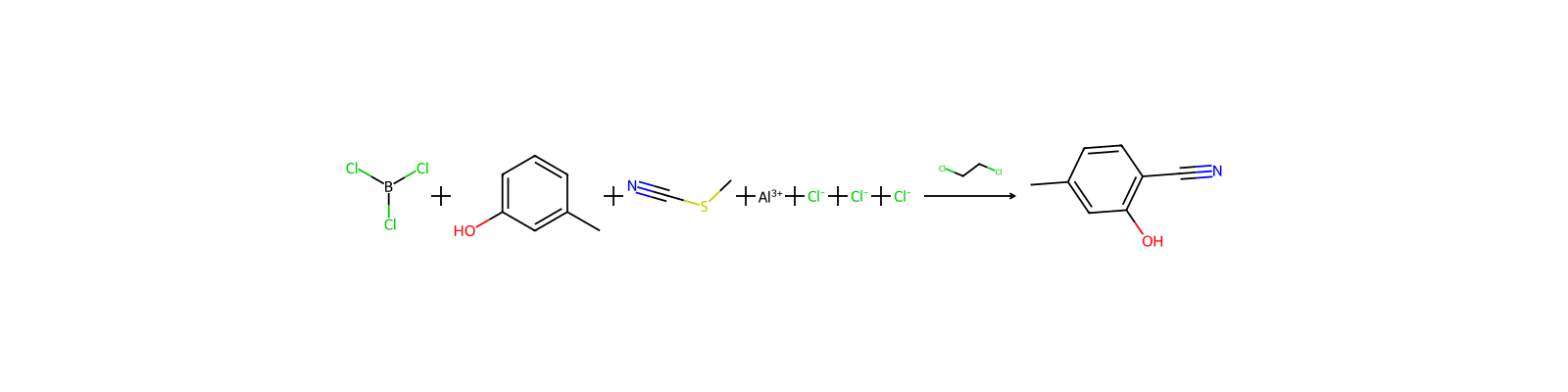
반응 기록 만들기
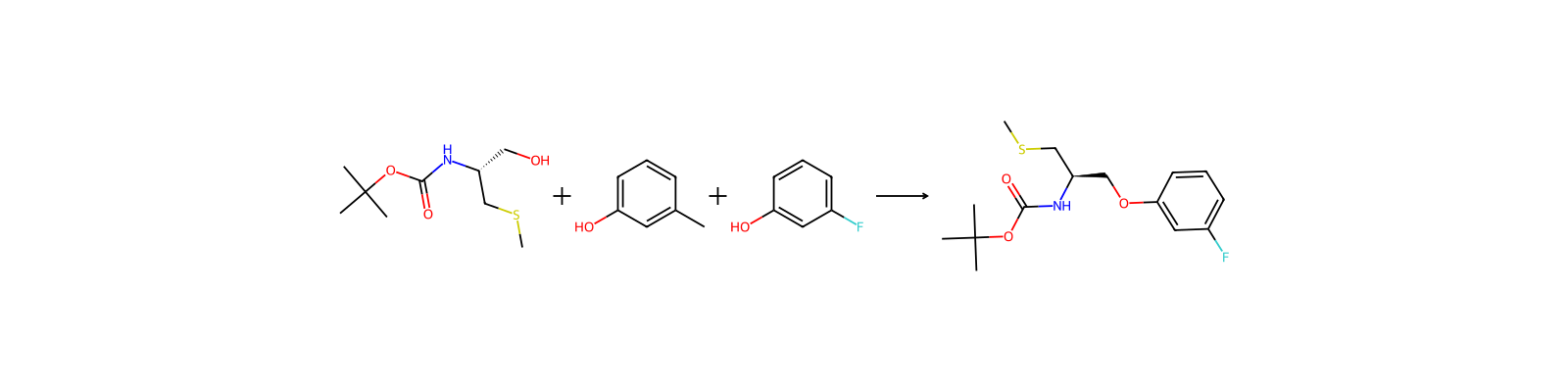
HRID 787 반응식
HRID 787반응물로uspto-grants-1998_03
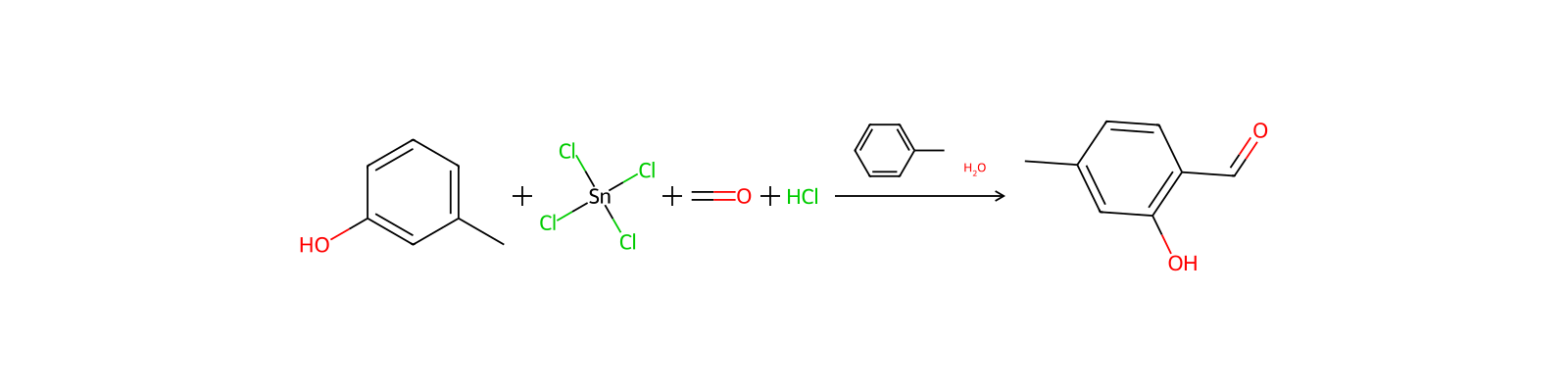
HRID 8915 반응식
HRID 8915반응물로uspto-grants-2006_08
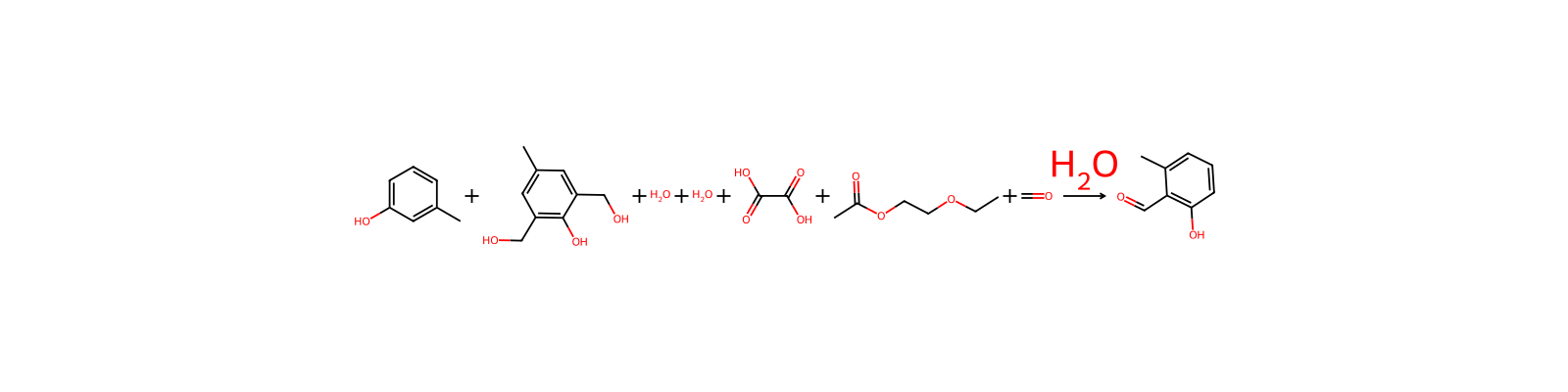
HRID 11852 반응식
HRID 11852반응물로uspto-grants-2006_08
HRID 12402 반응식
HRID 12402반응물로uspto-grants-2010_06
HRID 12412 반응식
HRID 12412반응물로uspto-grants-2010_06
HRID 19279 반응식
HRID 19279반응물로uspto-grants-2010_06
HRID 22928 반응식
HRID 22928반응물로uspto-grants-2005_02
HRID 23851 반응식
HRID 23851반응물로uspto-grants-2005_02
1 / 46 페이지

화합물 노트

불러오는 중…

이 페이지에서기본 정보개요이름 및 식별자물성안전 및 규제화학 및 산업관련 반응화합물 노트
더보기
새 노트새 반응견적 요청하기
FLAVORING AGENT OR ADJUVANT -> FDA Substance added to food
Density · 5건

1.0336 at 68 °F (USCG, 1999) - Denser than water; will sink

1.034 at 20 °C/4 °C

Relative density (water = 1): 1.03

1.028-1.033

1.03

Flavoring AgentsEU Flavoring substances

물리화학적 성질

녹는점
11 · 11-12 °C
끓는 점
202 °C · 202 °C
밀도
1.034 g/cm3 · 1.034 g/cm3
산도 계수 (pKa)
10.07 · 10.07±0.10(Predicted)

Combustible liquid

Health Hazards · 1건

INHALATION: Mucosal irritation and systemic poisoning EYES: Intense irritation and pain, swelling of conjunctiva, and corneal damage may occur. SKIN: Intense burning, loss of feeling, wrinkling, white discoloration, and softening. Gangrene may occur. INGESTION: Burning sensation in mouth and esophagus. Vomiting may result. Acute exposure by all routes may cause muscular weakness, gastroenteric disturbances, severe depression, collapse. Effects are primarily on CNS and edema of lungs. Injury of spleen and pancreas may occur. (USCG, 1999)

Hazards Summary · 2건

Causes burns; Inhalation may cause pulmonary edema; Exposure may cause CNS depression and hemolytic anemia; Can be absorbed through skin; [ICSC] May cause second degree burns after a few minutes contact; May cause liver and kidney injury; [CHRIS] Least toxic of the three cresol isomers; May cause skin sensitization; [HSDB] No evidence of skin sensitization in limited studies of humans and guinea pigs using p-cresol and m-/p-cresol; A survey reports hypersensitivity reactions of certain individuals to cresol (unspecified isomer); Neither isomer produced mortality or clinical signs of toxicity following exposure to saturated vapor concentrations, although inhalation of aerosols may be fatal; [OECD SIDS: m-/p-Cresol Category - 2003] Safe when used as a flavoring agent in food; [JECFA] Causes burns; Inhalation may cause corrosive injuries to upper respiratory tract and lungs; Toxic by ingestion and skin absorption; Targets the CNS, lungs, liver, kidney, and eyes; [Sigma-Aldrich MSDS] See Cresol, all isomers.

The major hazards encountered in the use and handling of m-cresol stem from its toxicologic properties. Toxic by all routes (ie, inhalation, ingestion, and dermal absorption), exposure to this colorless to yellowish, tar-smelling, liquid may occur from its use as a chemical intermediate in the production of fumigants, photographic developers, explosives, resins, herbicides, and disinfectants. Effects from exposure may include headache, nausea, dizziness, contact burns to skin and eyes, ventricular arrhythmias, pulmonary edema, seizures, coma, and death. Both the OSHA PEL and the ACGIH TLV have been set at a TWA of 5 ppm. In activities or situations where over exposure may occur, wear a self-contained breathing apparatus and full chemical protective clothing which is specifically recommended by the shipper or producer to prevent skin contact with m-cresol. If contact should occur, immediately flush affected skin or eyes with running water for at least 15 minutes, and remove contaminated clothing and shoes at the site. Eyewash and quick drench facilities should be readily available in m-cresol work areas. While m-cresol does not ignite easily, it can burn with the production of irritating and poisonous gases. Also, containers of m-cresol can explode violently in the heat of a fire. Fires involving m-cresol may be extinguished with dry chemical, CO2, Halon, or standard foam. Water spray, if used, should be applied with caution because it may cause frothing. Fight the fire from a maximum distance and dike runoff from fire control water. m-Cresol should be stored in iron or steel containers, in cool, well-ventilated areas, away from oxidizing materials, and sources of ignition and physical damage. m-Cresol may be shipped via air, rail, road, and water. Small spills of m-cresol may be taken up with sand or other noncombustible absorbent and placed into containers for later disposal. Large spills on land should be contained in excavated pits or other holding areas that are sealed with an impermeable flexible membrane liner. Any surface flow should be diked with sand bags, foamed concrete, or foamed polyurethane to prevent the material from entering water sources of sewers. Once contained, m-cresol can be neutralized with crushed limestone, soda ash, cement powder, or sawdust. For spills in bodies of water, trap the material at the bottom with sand bags, or add activated carbon, then use mechanical dredges to remove the immobilized masses. m-Cresol is a good candidate for fluidized bed and rotary kiln forms of incineration. Prior to implementing land disposal of m-cresol, consult with environmental regulatory agencies for guidance.

DOT ID and Guide2076 153
Reactive GroupPhenols and Cresols
EC ClassificationSymbol: T, C; R: 24/25-34; S: (1/2)-36/37/39-45; Note: C
UN ClassificationUN Hazard Class: 6.1; UN Subsidiary Risks: 8; UN Pack Group: II
Special Reports · 5건

HHS/ATSDR; Toxicological Profile for Cresols PB2009-100002 (September 2008). The ATSDR toxicological profile succinctly characterizes the toxicologic and adverse health effects information for the hazardous substance described here. Each peer-reviewed profile identifies and reviews the key literature that describes a hazardous substance's toxicologic properties. Other pertinent literature is also presented, but is described in less detail than the key studies.[Available from, as of March 18, 2015: http://www.atsdr.cdc.gov/toxprofiles/index.asp]

Gordon P; Air Pollution Assessment of Cresols; US NTIS, PB rep: 1-76 pP (1976) pb-256737. The toxic effects & removal of cresol from waste gases are discussed.

NIOSH; Criteria Document: Cresol (1978) DHEW Pub. NIOSH 78-133

USEPA/ECAO; Health and Environmental Effects Profile: Cresols (1985) ECAO-CIN-P138

For more Special Reports (Complete) data for m-CRESOL (14 total), please visit the HSDB record page.

안전 및 보호

Fire Fighting · 2건

Fire Extinguishing Agents: CO2, dry chemical, foam, water spray. (USCG, 1999)

Use water spray, foam, powder, carbon dioxide. In case of fire: keep drums, etc., cool by spraying with water.

First Aid Measures · 4건

Fresh air, rest. Half-upright position. Artificial respiration may be needed. Refer immediately for medical attention.

Remove contaminated clothes. Rinse skin with plenty of water or shower. Refer immediately for medical attention.

Rinse with plenty of water (remove contact lenses if easily possible). Refer immediately for medical attention.

Rinse mouth. Do NOT induce vomiting. Refer immediately for medical attention.

First Aid · 2건

EYES: First check the victim for contact lenses and remove if present. Flush victim's eyes with water or normal saline solution for 20 to 30 minutes while simultaneously calling a hospital or poison control center. Do not put any ointments, oils, or medication in the victim's eyes without specific instructions from a physician. IMMEDIATELY transport the victim after flushing eyes to a hospital even if no symptoms (such as redness or irritation) develop.

(General first aid procedures)

Safe StorageSeparated from strong oxidants and food and feedstuffs. Ventilation along the floor. Store in an area without drain or sewer access. Provision to contain effluent from fire extinguishing.
Firefighting Hazards · 2건

...Vapors will seek out low-lying areas where they can accumulate.

Sealed closed containers can build up pressure if exposed to heat (fire).

Fire Fighting Procedures · 5건

Wear goggles & self-contained breathing apparatus.

Use water spray, dry chemical, foam, or carbon dioxide. Use water spray to keep fire-exposed containers cool.

Water may be used to blanket fire.

If material on fire or involved in fire: Use water in flooding quantities as fog. Solid streams of water may be ineffective. Cool all affected containers with flooding quantities of water. Apply water from as far a distance as possible. Use foam, dry chemical, or carbon dioxide. Use water spray to knock-down vapors.

For more Fire Fighting Procedures (Complete) data for m-CRESOL (6 total), please visit the HSDB record page.

Storage Conditions · 5건

Keep container tightly closed in a dry and well-ventilated place.Containers which are opened must be carefully resealed and kept upright to prevent leakage.

Avoid loading together with explosives, oxidizing materials and organic peroxides.

Store in a cool, dry, well ventilated location. Separate from oxidizing materials.

All bulk containers that hold cresol shall carry, in a readily visible location, a label that bears the trade name of the product, if appropriate, and information on the effects of exposure to the compound on human health.

Cresol should be stored in iron or steel containers, properly labelled.

Cleanup Methods · 5건

Accidental release measures. Personal precautions, protective equipment and emergency procedures: Wear respiratory protection. Avoid breathing vapors, mist or gas. Ensure adequate ventilation. Remove all sources of ignition. Evacuate personnel to safe areas. Beware of vapors accumulating to form explosive concentrations. Vapors can accumulate in low areas.; Environmental precautions: Prevent further leakage or spillage if safe to do so. Do not let product enter drains. Discharge into the environment must be avoided.; Methods and materials for containment and cleaning up: Contain spillage, and then collect with an electrically protected vacuum cleaner or by wet-brushing and place in container for disposal according to local regulations ... Keep in suitable, closed containers for disposal.

Environmental considerations - Air spill: Apply water spray or mist to knock down vapors. Vapor knockdown water is corrosive or toxic and should be diked for containment.

Environmental considerations - Water spill: Use natural deep water pockets, excavated lagoons, or sand bag barriers to trap material at bottom. If dissolved, in region of 10 ppm or greater concentration, apply activated carbon at ten times the spilled amount. Use mechanical dredges or lifts to remove immobilized masses of pollutants and precipitates.

Environmental considerations - Land spill: Dig a pit, pond, lagoon, or holding area to contain liquid or solid material. /SRP: If time permits, pits, ponds, lagoons, soak holes, or holding areas should be sealed with an impermeable flexible membrane liner./ Dike surface flow using soil, sand bags, foamed polyurethane, or foamed concrete. Absorb bulk liquid with fly ash, cement powder, or commercial sorbents.

For more Cleanup Methods (Complete) data for m-CRESOL (6 total), please visit the HSDB record page.

Nonfire Spill Response · 1건

SMALL SPILLS AND LEAKAGE: If you spill this chemical, FIRST REMOVE ALL SOURCES OF IGNITION. Then, use absorbent paper to pick up all liquid spill material. Your contaminated clothing and absorbent paper should be sealed in a vapor-tight plastic bag for eventual disposal. Solvent wash all contaminated surfaces with 60-70% ethanol followed by washing with a soap and water solution. Do not reenter the contaminated area until the Safety Officer (or other responsible person) has verified that the area has been properly cleaned.

Disposal Methods · 5건

Generators of waste (equal to or greater than 100 kg/mo) containing this contaminant, EPA hazardous waste numbers F004, U052 and D024, must conform with USEPA regulations in storage, transportation, treatment and disposal of waste.

This combustible material may be burned in a chemical incinerator equipped with an afterburner and scrubber. Offer surplus and non-recyclable solutions to a licensed disposal company. Contact a licensed professional waste disposal service to dispose of this material.

Contaminated packaging: Dispose of as unused product.

Chemical Treatability of m-Cresol; Concentration Process: Biological Treatment; Chemical Classification: Phenols; Scale of Study: Unknown; Type of Wastewater Used: Pure (one solute in a solvent); Results of Study: 96% reduction based on chemical oxygen demand; rate of biodegradation 55 mg chemical oxygen demand/g hr. (Activated sludge process).

For more Disposal Methods (Complete) data for m-CRESOL (6 total), please visit the HSDB record page.

Spillage Disposal · 1건

Personal protection: chemical protection suit and filter respirator for organic gases and vapours adapted to the airborne concentration of the substance. Collect leaking liquid in sealable containers. Absorb remaining liquid in sand or inert absorbent. Then store and dispose of according to local regulations. Do NOT let this chemical enter the environment.

Preventive Measures · 5건

Avoid contact with skin and eyes. Avoid inhalation of vapor or mist. Keep away from sources of ignition - No smoking. Take measures to prevent the build up of electrostatic charge.

Avoid contact with skin, eyes and clothing. Wash hands before breaks and immediately after handling the product.

Gloves must be inspected prior to use. Use proper glove removal technique (without touching glove's outer surface) to avoid skin contact with this product. Dispose of contaminated gloves after use in accordance with applicable laws and good laboratory practices. Wash and dry hands.

The worker should immediately wash the skin when it becomes contaminated.

For more Preventive Measures (Complete) data for m-CRESOL (12 total), please visit the HSDB record page.

독성 정보

Toxicological InformationRanking: 307 (total points: 706.26)
Body BurdenUrine of 10 men exposed to approx 200 ppm toluene in the air for 4 hr: urinary m-cresol concn was <0.2 mg/L, mean before exposure; 0.599 mg/L, mean 4 hr after exposure(1).
Treatment · 1건

If the compound has been ingested, rapid gastric lavage should be performed using 5% sodium bicarbonate. For skin contact, the skin should be washed with soap and water. If the compound has entered the eyes, they should be washed with large quantities of isotonic saline or water. In serious cases, atropine and/or pralidoxime should be administered. Anti-cholinergic drugs work to counteract the effects of excess acetylcholine and reactivate AChE. Atropine can be used as an antidote in conjunction with pralidoxime or other pyridinium oximes (such as trimedoxime or obidoxime), though the use of '-oximes' has been found to be of no benefit, or possibly harmful, in at least two meta-analyses. Atropine is a muscarinic antagonist, and thus blocks the action of acetylcholine peripherally.

Interactions · 3건

Female Sutter mice (27 to 29/group) were dosed with a single application of dimethylbenzanthracene followed 1 wk later by 25 uL of a 20% solution of m-cresol in benzene twice weekly for 12 wk. Benzene-treated controls did not experience mortality, although many of the cresol-treated mice died. m-Cresol produced 7/17 tumors (papillomas) in surviving mice.

Mice were given a single dermal application of 9,10-dimethyl-1,2-benzanthracene (DMBA), a cancer initiator, followed by application of 20% solutions of o-, p-, or m-cresol in benzene twice a week for 12 weeks. This level of cresols exposure proved to be acutely toxic, producing relatively high nontumor-related mortality. Consequently, all tumor results were based on number of survivors (14-20 per group). Promotion with cresols led to increases in the average number of skin papillomas per mouse and the percentage of exposed mice with at least one papilloma. o-Cresol was the most potent isomer, and p-cresol the least. Carcinomas were not observed following cresols exposure, although the observed papillomas have the potential to develop into carcinomas. A problem with the study was use of benzene, a known carcinogen, as the solvent for the cresols. However, benzene controls in the cresols experiment did not develop papillomas, and neither did benzene controls in four parallel series of experiments (a few papillomas were observed in a fifth benzene control group). Therefore, the results of this study showing that all three cresol isomers are capable of promoting skin tumors initiated by DMBA appear to be valid.

In this study we found that insulin mixed with m-cresol, normally used as pharmaceutical preparation, shows an earlier and larger stimulating effect on transepithelial sodium transport than insulin alone. The action displayed by the m-cresol seems to be specific for insulin because m-cresol mixed with ADH, a hormone known to stimulate sodium transport, failed to show the potentiation seen for insulin. It is proposed that m-cresol could facilitate the interaction with its receptor by modifying the insulin molecule.

Target Organs · 2건

Nervous

Eyes, skin, respiratory system, central nervous system, liver, kidneys, pancreas, cardiovascular system

Health Effects · 1건

Acute exposure to cholinesterase inhibitors can cause a cholinergic crisis characterized by severe nausea/vomiting, salivation, sweating, bradycardia, hypotension, collapse, and convulsions. Increasing muscle weakness is a possibility and may result in death if respiratory muscles are involved. Accumulation of ACh at motor nerves causes overstimulation of nicotinic expression at the neuromuscular junction. When this occurs symptoms such as muscle weakness, fatigue, muscle cramps, fasciculation, and paralysis can be seen. When there is an accumulation of ACh at autonomic ganglia this causes overstimulation of nicotinic expression in the sympathetic system. Symptoms associated with this are hypertension, and hypoglycemia. Overstimulation of nicotinic acetylcholine receptors in the central nervous system, due to accumulation of ACh, results in anxiety, headache, convulsions, ataxia, depression of respiration and circulation, tremor, general weakness, and potentially coma. When there is expression of muscarinic overstimulation due to excess acetylcholine at muscarinic acetylcholine receptors symptoms of visual disturbances, tightness in chest, wheezing due to bronchoconstriction, increased bronchial secretions, increased salivation, lacrimation, sweating, peristalsis, and urination can occur. Certain reproductive effects in fertility, growth, and development for males and females have been linked specifically to organophosphate pesticide exposure. Most of the research on reproductive effects has been conducted on farmers working with pesticides and insecticdes in rural areas. In females menstrual cycle disturbances, longer pregnancies, spontaneous abortions, stillbirths, and some developmental effects in offspring have been linked to organophosphate pesticide exposure. Prenatal exposure has been linked to impaired fetal growth and development. Neurotoxic effects have also been linked to poisoning with OP pesticides causing four neurotoxic effects in humans: cholinergic syndrome, intermediate syndrome, organophosphate-induced delayed polyneuropathy (OPIDP), and chronic organophosphate-induced neuropsychiatric disorder (COPIND). These syndromes result after acute and chronic exposure to OP pesticides.

Ecotoxicity Values · 5건

LC50; Species: /Lepomis macrochirus/ (Bluegill); Concentration: 10 mg/L for 96 hr /Conditions of bioassay not specified in source examined/

EC50; Species: Daphnia magna (Water flea); Conditions: static; Concentration: 0.178 mmol/L for 24 hr (95% confidence limit: 0.148-0.208 mmol/L); Effect: intoxication, immobilization /formulated product/

LC50; Species: Daphnia magna (Water Flea) age <24 hr neonate; Conditions: freshwater, static, pH 8.2, hardness 170 mg/L CaCO3, alkalinity 110 mg/L CaCO3; Concentration: 18000 ug/L for 24 hr

LC50; Species: Oncorhynchus mykiss (Rainbow Trout) fry, weight 0.78 g, length 4.6 cm; Conditions: freshwater, static, 14 °C, pH 7.92 (6.60-8.20), dissolved oxygen 7.21 mg/L (6.1-7.6 mg/L); Concentration: 8130 ug/L for 24 hr /formulation/

For more Ecotoxicity Values (Complete) data for m-CRESOL (11 total), please visit the HSDB record page.

Environmental Fate · 3건

TERRESTRIAL FATE: Based on a classification scheme(1), a m-cresol Koc value of 34.58 in a clay loam soil(2) and a cresol Koc range of 27-251 in five different soils (para-isomer)(3) indicate that m-cresol is expected to have very high to moderate mobility in soil(SRC). Volatilization of m-cresol from moist soil surfaces may occur slowly(SRC) given a Henry's Law constant of 8.6X10⁻⁷ atm-cu m/mole(4). m-Cresol may volatilize from dry soil surfaces(SRC) based upon a vapor pressure of 0.11 mm Hg at 25 °C(5). Based upon available test results, including OECD screening methods, m-cresol can be considered as being readily biodegradable under aerobic conditions(6). m-Cresol is expected to biodegrade readily in soils based on biodegradation half-lives of 0.6 and 11.3 days reported for 2 agricultural soils(7).

AQUATIC FATE: Based on a classification scheme(1), a m-cresol Koc value of 34.58 in a clay loam soil(2) and a cresol Koc range of 27-251 in five different soils (para-isomer)(3) indicate that m-cresol is not expected to adsorb to suspended solids and sediment in water(SRC). Volatilization from water surfaces is expected to occur slowly(4) based upon a Henry's Law constant of 8.56X10⁻⁷ atm-cu m/mole(5). Using this Henry's Law constant and an estimation method(3), volatilization half-lives for a model river and model lake are 45 and 327 days, respectively(SRC). According to a classification scheme(6), BCF values of 20 and 10.7 reported for m-cresol in golden ide fish (Leuciscus idus melanotus)(7) and zebrafish (Danio rerio)(8), respectively, suggest that bioconcentration in aquatic organisms is low. Based upon available test results, including OECD screening methods, m-cresol can be considered as being readily biodegradable under aerobic conditions(7). Aerobic biodegradation is considered to be the major removal mechanism for m-cresol in the hydrosphere(7). m-Cresol is expected to biodegrade in water based on reported half-lives in the range of 2 to 29 days (aerobic water) and 15 to 49 days (anaerobic water)(9). m-Cresol is a phenol and phenols in surface waters exposed to sunlight react with photo-oxidants (such as hydroxyl radicals, peroxy radicals and singlet oxygen) with a half-life on the order of 13 days(10). m-Cresol is not expected to undergo hydrolysis in the environment due to the lack of functional groups that hydrolyze under environmental conditions(4).

ATMOSPHERIC FATE: According to a model of gas/particle partitioning of semivolatile organic compounds in the atmosphere(1), m-cresol, which has a vapor pressure of 0.11 mm Hg at 25 °C(2), is expected to exist solely as a vapor in the ambient atmosphere. Vapor-phase m-cresol is degraded in the atmosphere by reaction with photochemically-produced hydroxyl radicals(SRC); the half-life for this reaction in air is estimated to be 6 hours(SRC) from its rate constant of 5.88X10⁻¹¹ cu cm/molecule-sec at 21 °C(3). Vapor-phase m-cresol is also degraded in the atmosphere by reaction with nitrate radicals(SRC); the half-life for this reaction in air is estimated to be 4 minutes(SRC) from its rate constant of 1.21X10⁻¹¹ cu cm/molecule-sec at 25 °C(3). The nitrate radical is the dominant atmospheric oxidant during the night-time in most atmospheric environments(4), therefore, night-time degradation appears to be a major atmospheric loss process for m-cresol(SRC). m-Cresol absorbs at wavelengths >290 nm(5) and, therefore, may be susceptible to direct photolysis by sunlight(SRC). m-Cresol has been detected in rain water(6,7) indicating it may be removed from the air by wet deposition(SRC).

Food Survey Values · 1건

m-Cresol has been identified, not quantified, in the volatiles of cooked pork(1). Unspecified cresol isomers were detected in various brands of Scotch whiskey, whiskeys made outside of Scotland, cognac, armagnac, brandy other than cognac and armagnac, and white and dark rums at concentrations ranging from 0.01 to 0.20 ppm, 0.01 to 0.07 ppm, trace to 0.02 ppm, trace to 0.02 ppm, trace to 0.02 ppm, and trace to 0.20 ppm, respectively(2). m-Cresol was detected in the volatiles of Rambutan Fruit (Nephelium lappaceum L.) and in the concentrated juice at a level of 5.65 ug/L(3). m-Cresol is reportedly found in roasted barley, butter, can molasses, coconut oil, coffee, egg, roasted filberts, smoked fish, smoked herring, yellow passion fruit, mango, rum, hydrolyzed soy protein, Parmesan cheese, black tea, green tea, cognac and wine(4).

Adverse EffectsOccupational hepatotoxin - Secondary hepatotoxins: the potential for toxic effect in the occupational setting is based on cases of poisoning by human ingestion or animal experimentation.
Exposure Routes · 3건

The substance can be absorbed into the body by inhalation of its vapour, through the skin and by ingestion. Serious local effects by all routes of exposure.

inhalation, skin absorption, ingestion, skin and/or eye contact

Oral (L528) ; inhalation (L528) ; dermal (L528)

Toxicity Summary · 4건

The CIR Expert panel concludes Sodium p-Chloro-m-Cresol, p-Chloro-m-Cresol, Chlorothymol, m-Cresol, o-Cresol, Isopropyl Cresols, Thymol, o-Cymen-5-ol, Cavacrol are safe at concentrations up to 0.5% in cosmetics; however, the available data are insufficient to support the safety of p-Cresol and Mixed Cresols for use in cosmetic products.

Safe for use in cosmetics, with qualifications

IDENTIFICATION AND USE: m-Cresol is colorless, yellowish liquid. It is used as a bactericide for control of crown gall and olive knot on certain fruit and nut trees and ornamentals and the genetic/physiological disorder burr knot on apples. Currently, one product is registered which contains both m-cresol and xylenol. Used as disinfectant/bacteriocide/germicide for animal pathogenic bacteria (G- and G+ vegetative) in households, sickrooms, hospitals, veterinary clinics, and veterinary hospitals; on surgical instruments, diagnostic instruments/equipment and on hospital critical rubber/plastic items. Used as an insecticide and miticide on dogs for treatment of lice and fleas. It is also used for making synthetic resins; in photographic developers, explosives. Additionally, m-cresol is chemical intermediate for thymol used in cough/cold medicinals, synthetic pyrethroid insecticides, 3-methyl-6-t-butylphenol, trinitro-m-cresol for explosives, and phenolic resins; disinfectant ingredient; ore flotation agent; solvent. m-Cresol, either pure or mixed with p-cresol, is important in the production of contact herbicides. m-Cresol is also a precursor to the pyrethroid insecticides. Furthermore, many flavor and fragrance compounds, such as (-)-methanol and musk ambrette, are derived from m-cresol. Several important antioxidants including synthetic vitamin E are produced from m-cresol. Finally, m-cresol is used as a topical dental antiseptic, and it is also used in insulin preparations. HUMAN EXPOSURE AND TOXICITY: o-Cresol, m-Cresol, and p-Cresol are metabolites of toluene and urinary levels are often used to monitor exposure to and metabolism of toluene. m-Cresol, o-Cresol, and p-Cresol are biomarkers for phenol exposure. The ability of m-Cresol to increase the permeability of human lung fibroblast membranes was reported. m-Cresol is used for endodontic treatments in dentistry and is cytotoxic to human dental pulp cells (D824 cells). ANIMAL STUDIES: In an acute dermal toxicity study, technical grade m-cresol caused severe skin damage on at least 2/6 shaved, female, albino rabbits within 4 hours of application of 2830 mg/kg . m-Cresol, undiluted and in solution, can cause severe local irritation and corrosion following dermal and ocular exposure. Eye irritation can be severe and include corneal opacity. In other experiment, 215-464 mg/kg of m-cresol was given orally to rats in a single dose orally and resulted in hypoactivity, convulsions, GI tract inflammation, hyperemia, and death. 1,400-2,100 mg/kg of m-cresol was given to rabbits in a single dose orally and resulted in convulsions, coma, and death. 280-420 mg/kg of m-cresol was given to rabbits in a single dose iv and resulted in convulsions, coma and death. In a 28-day study, rats and mice of both sexes were given m-cresol at concentrations of from 300 to 30,000 ppm in the diet. All rats survived until study termination; some mice died at the 10,000 and 30,000 ppm dietary levels. Increased liver weights and kidney weights were noted in both species at doses as low as 3000 ppm. Bone marrow hyperplasia and atrophy of the uterus, ovary, and mammary gland were seen occasionally in both the 10,000- and 30,000-ppm groups. Groups of 10 rats of each sex were treated with m-cresol (0, 50, 150 or 450 mg/kg) in corn oil by gavage daily for 13 weeks. Convulsions were seen only in the groups treated with > 450 mg/kg. Hypoactivity, rapid labored respiration and excessive salivation were observed sporadically at doses of > 50 mg/kg. In spite of the observed clinical signs, few significant changes were found in rats performance on neurobehavioral test batteries, no brain weight changes were noted, and no gross or histopathological lesions in the brain or other nervous tissues were found. In developmental studies, m-Cresol caused maternal toxicity in rats and rabbits, but it caused no effects on the developing embryos at any dose. All three isomers of cresol are capable of promoting skin tumors initiated by a single dermal application of 9,10-dimethyl-1,2-benzanthracene (DMBA). m-Cresol did induce unscheduled DNA synthesis with metabolic activation, but not without. The results of SCE production, chromosome aberration, forward mutation, and dominant lethal mutation assays indicated no genotoxicity. m-Cresol was tested for ability to induce chromosomal aberrations in mouse bone marrow in vivo. No effect on chromosomal aberrations was found. ECOTOXICITY STUDIES: The acute toxicity of the three disinfectants to young daphnids and embryos were hypochlorite > formaldehyde > m-cresol. The effects on growth mostly occurred in the late stages of organogenesis. Growth studies have shown that m-cresol is moderately toxic to aquatic bacteria, cyanobacteria (blue-green algae) and protozoa.

규제 정보

RCRA Requirements · 3건

U052; As stipulated in 40 CFR 261.33, when cresol, as a commercial chemical product or manufacturing chemical intermediate or an off-specification commercial chemical product or a manufacturing chemical intermediate, becomes a waste, it must be managed according to Federal and/or State hazardous waste regulations. Also defined as a hazardous waste is any residue, contaminated soil, water, or other debris resulting from the cleanup of a spill, into water or on dry land, of this waste. Generators of small quantities of this waste may qualify for partial exclusion from hazardous waste regulations (40 CFR 261.5). /Cresol/

F004; When cresols are a spent solvent, they are classified as a hazardous waste from a nonspecific source (F004), as stated in 40 CFR 261.31, and must be managed according to State and/or Federal hazardous waste regulations.

D024; A solid waste containing m-cresol may become characterized as a hazardous waste when subjected to testing for toxicity as stipulated in 40 CFR 261.24, and if so characterized, must be managed as a hazardous waste. If o-, m-, and p-cresol concentrations cannot be differentiated, the total cresol (D026) concentration is used.

TSCA Requirements · 1건

Pursuant to section 8(d) of TSCA, EPA promulgated a model Health and Safety Data Reporting Rule. The section 8(d) model rule requires manufacturers, importers, and processors of listed chemical substances and mixtures to submit to EPA copies and lists of unpublished health and safety studies. m-Cresol is included on this list. Effective date: 10/04/82; Sunset date: 10/04/92.

FIFRA Requirements · 2건

Based on the reviews of the generic data for the active ingredients m-cresol and xylenol, the Agency has sufficient information on their health effects and on their potential for causing adverse effects in fish and wildlife and the environment. The Agency has determined that m-cresol and xylenol products, labeled and used as specified in this Reregistration Eligibility Decision, will not pose unreasonable risks or adverse effects to humans or the environment. Therefore, the Agency concludes that products containing m-cresol and xylenol for all uses are eligible for reregistration.

As the federal pesticide law FIFRA directs, EPA is conducting a comprehensive review of older pesticides to consider their health and environmental effects and make decisions about their continued use. Under this pesticide reregistration program, EPA examines newer health and safety data for pesticide active ingredients initially registered before November 1, 1984, and determines whether the use of the pesticide does not pose unreasonable risk in accordance to newer saftey standards, such as those described in the Food Quality Protection Act of 1996. Pesticides for which EPA had not issued Registration Standards prior to the effective date of FIFRA '88 were divided into three lists based upon their potential for human exposure and other factors, with List B containing pesticides of greater concern than those on List C, and with List C containing pesticides of greater concern than those on List D. Cresol is found on List D. Case No: 4027; Pesticide type: fungicide; Case Status: RED Approved 09/94; OPP has made a decision that some/all uses of the pesticide are eligible for reregistration, as reflected in a Reregistration Eligibility Decision (RED) document.; Active ingredient (AI): cresol; AI Status: OPP has completed a Reregistration Eligibility Decision (RED) document for the case/AI.

Atmospheric Standards · 1건

This action promulgates standards of performance for equipment leaks of Volatile Organic Compounds (VOC) in the Synthetic Organic Chemical Manufacturing Industry (SOCMI). The intended effect of these standards is to require all newly constructed, modified, and reconstructed SOCMI process units to use the best demonstrated system of continuous emission reduction for equipment leaks of VOC, considering costs, non air quality health and environmental impact and energy requirements. m-Cresol is produced, as an intermediate or a final product, by process units covered under this subpart.

CERCLA Reportable Quantities · 1건

Persons in charge of vessels or facilities are required to notify the National Response Center (NRC) immediately, when there is a release of this designated hazardous substance, in an amount equal to or greater than its reportable quantity of 100 lb or 45.4 kg. The toll free number of the NRC is (800) 424-8802. The rule for determining when notification is required is stated in 40 CFR 302.4 (section IV.D.3.b).

Clean Water Act Requirements · 1건

m-Cresol is designated as a hazardous substance under section 311(b)(2)(A) of the Federal Water Pollution Control Act and further regulated by the Clean Water Act Amendments of 1977 and 1978. These regulations apply to discharges of this substance. This designation includes any isomers and hydrates, as well as any solutions and mixtures containing this substance.

State Drinking Water Guidelines · 3건

(FL) FLORIDA 350 ug/L

(MN) MINNESOTA 30 ug/L

(ME) MAINE 35 ug/L

안전 데이터

ridadr
2076
포장분류
II
위험 등급
6.1

... /It has been/ reported that 20% of a subcutaneous dose of 7.2 to 10.0 mg m-Cresol was excreted unchanged via urine in guinea pigs.

Cellular LocationsMembrane

용도 및 제조

Uses · 6건

CIR ingredient: m-Cresol

Used to make synthetic resins; Also used in disinfectants, photographic developers, explosives, fungicides, and as an industrial solvent; [Merck Index] Used in combination with 2,4-xylenol (CAS# 105-67-9) as a bactericide/bacteriostat for the control of crown gall, olive knot, and burr knot in fruit, nut, and ornamental trees and vines; [EPA REDs] Used as flavoring agent or adjuvant; [FDA] Used in ore flotation, fumigation compounds, degreasing compounds, paintbrush cleaners, lubricating oils, as a wood preservative, engine and metal cleaner, and in the textile industry; [NTP] Naturally occurring in many plants, petroleum, and, coal tar, as well as emissions from the combustion of wastes, coal, wood, vehicles, and cigarettes; Used primarily as an intermediate for synthetic vitamin E, pesticides, fragrances, antioxidants, disinfectants, and preservatives; Used as a pharmaceutical bactericide and preservative; Uses for all cresol isomers include as preservatives or stabilizers in cleaning/washing agents, surface treatment products, paints, adhesives, binding agents, corrosion inhibitors, and impregnation materials; [OECD SIDS: m-/p-Cresol Category - 2003]

Metal Degreasing [Category: Clean]

For m-cresol (USEPA/OPP Pesticide Code: 022102) ACTIVE products with label matches. /SRP: Registered for use in the U.S., but approved pesticide uses may change periodically and so federal, state and local authorities must be consulted for currently approved uses./

m-Cresol and xylenol were registered by the Agency for use in the United States in 1980 for use as a bactericide for control of crown gall and olive knot on certain fruit and nut trees and ornamentals and the genetic/physiological disorder burr knot on apples. Currently, one product is registered which contains both m-cresol and xylenol.

For making synthetic resins; in disinfectants and fumigants; as industrial solvent; m-cresol in photographic developers, explosives.

U.S. Imports · 2건

(1977) At least 9.13X10+8 g

(1982) 7.76X10+8 g (Princpl Customs Districts)

U.S. Production · 6건

2023: 10,000,000 - <50,000,000 lb

(1977) AT LEAST 1.45X10+9 G

(1986) >10 million-50 million pounds

(1990) >10 million-50 million pounds

(1994) >10 million-50 million pounds

For more U.S. Production (Complete) data for m-CRESOL (9 total), please visit the HSDB record page.

Consumer UsesBinder
Industry UsesCatalyst
Methods of Manufacturing · 4건

m-Cresol is produced synthetically from toluene. Toluene is chlorinated and the resulting chlorotoluene is hydrolyzed to a mixture of methylphenols. Purification by distillation gives a mixture of 3-methylphenol and 4-methylphenol since they have nearly identical boiling points. Reaction of this mixture with isobutylene under acid catalysis forms 2,6-di-tert-butyl-4-methylphenol and 2,4-di-tert-butyl-5-methylphenol, which can then be separated by fractional distillation and debutylated to give the corresponding 3- and 4-methylphenols. A mixture of 3- and 4-methylphenols is also derived from petroleum crude and coal tars.

By fractional distillation of crude cresol (from coal tar), also synthetically. Method of purification: rectification.

m-Cresol is prepared from m-toluic acid or obtained from coal tar or petroleum. Crude cresol is obtained by distilling "gray phenic acid" at a temperature of 180 to 201 °C. The m-cresol may be separated from the crude or purified mixture by repeated fractional distillation in vacuo. It can also be prepared synthetically by diazotization of the specific toluidine, or by fusion of the corresponding toluenesulfonic acid with sodium hydroxide.

By-product of naphtha cracking recovered from the spent caustic liquor used to wash petroleum distillates & isolated by fractional distillation as mixed cresols or as higher purity grades.

Formulations/Preparations · 5건

Grade: Technical (95-98%)

Pure cresol is a mixture of ortho-, meta- & para-isomers. Crude cresol (commercial cresol) is a mixture of aromatic cmpd containing about 20% of o-cresol, 40% of m-cresol, & 30% of p-cresol with small amt of phenol & xylenols.

Franklin Cresolis, 50% m-cresol, 31% soap /cancelled/

Saponated Cresol Solution N.F., 50% m-cresol, 35% soap /cancelled/

For more Formulations/Preparations (Complete) data for m-CRESOL (9 total), please visit the HSDB record page.

Household Products · 2건

Cosmetics product ingredient: 3-Methylphenol (m-Cresol)

Information on 1 consumer products that contain M-Cresol in the following categories is provided:

Use Classification · 6건

Fragrance Ingredients

Flavouring Agent -> FLAVOURING_AGENT -> JECFA Functional Classes

Flavoring Agents -> JECFA Flavorings Index

Flavouring Agent -> FLAVOURING_AGENT -> JECFA Functional Classes

Flavouring Agent -> FLAVOURING_AGENT -> JECFA Functional Classes

Flavouring Agent -> FLAVOURING_AGENT -> JECFA Functional Classes

General Manufacturing Information · 4건

Oil and Gas Drilling, Extraction, and Support activities

Phenol, 3-methyl-: ACTIVE

Zeolite absorbants are used to separate p-cresol from m-cresol after coal tar distillation.

Pure cresol is a mixture of ortho-, meta- & para-isomers. Crude cresol (commercial cresol) is a mixture of aromatic cmpd containing about 20% of o-cresol, 40% of m-cresol, & 30% of p-cresol with small amt of phenol & xylenols.

m-Cresol is a cholinesterase or acetylcholinesterase (AChE) inhibitor. A cholinesterase inhibitor (or 'anticholinesterase') suppresses the action of acetylcholinesterase. Because of its essential function, chemicals that interfere with the action of acetylcholinesterase are potent neurotoxins, causing excessive salivation and eye-watering in low doses, followed by muscle spasms and ultimately death. Nerve gases and many substances used in insecticides have been shown to act by binding a serine in the active site of acetylcholine esterase, inhibiting the enzyme completely. Acetylcholine esterase breaks down the neurotransmitter acetylcholine, which is released at nerve and muscle junctions, in order to allow the muscle or organ to relax. The result of acetylcholine esterase inhibition is that acetylcholine builds up and continues to act so that any nerve impulses are continually transmitted and muscle contractions do not stop. Among the most common acetylcholinesterase inhibitors are phosphorus-based compounds, which are designed to bind to the active site of the enzyme. The structural requirements are a phosphorus atom bearing two lipophilic groups, a leaving group (such as a halide or thiocyanate), and a terminal oxygen.