HRID 111088반응물로
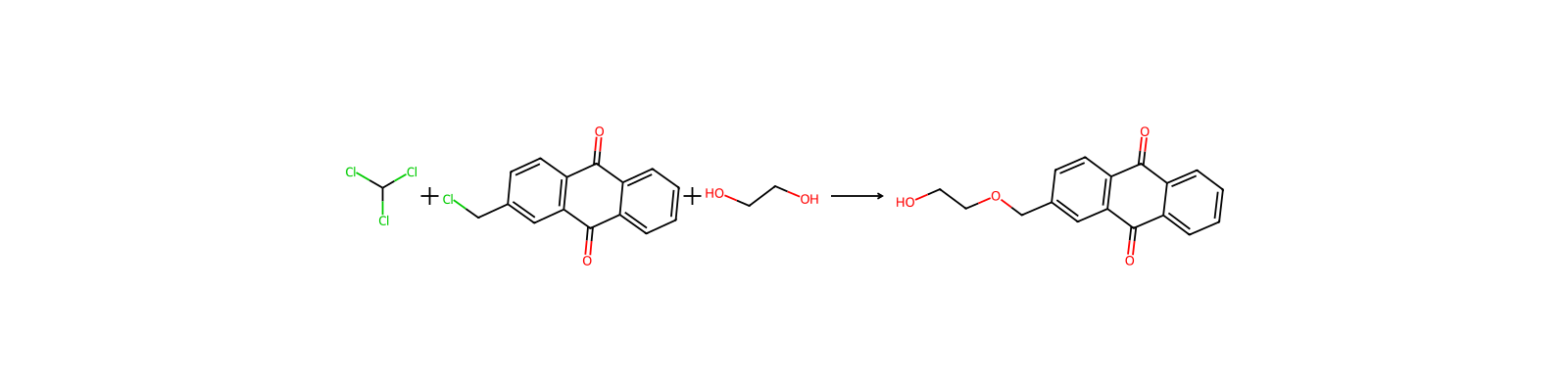
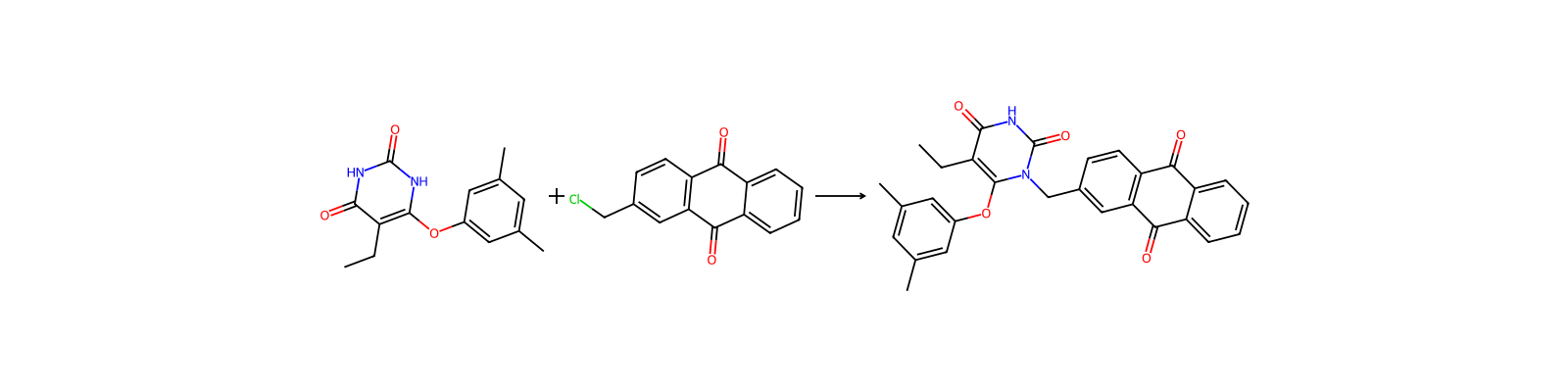
2-(Chloromethyl)anthraquinone
데이터를 보충하는 중입니다. 잠시 후 페이지를 새로 고치면 최신 내용을 볼 수 있습니다

6374-87-4O=C1c2ccccc2C(=O)c2cc(CCl)ccc21NVUYDKYMEMGYFP-UHFFFAOYSA-N6374-87-4DTXSID00322395CHEMBL21780안전 정보는 참고용이며, 공급업체의 물질안전보건자료(SDS), 관련 법규 및 전문가 평가를 대체하지 않습니다.
Danger
H314 (100%): Causes severe skin burns and eye damage [Danger Skin corrosion/irritation]
P260, P264, P280, P301+P330+P331, P302+P361+P354, P304+P340, P305+P354+P338, P316, P321, P363, P405, and P501 (click each P-code to see the statement)
Aggregated GHS information provided per 40 reports by companies from 1 notifications to the ECHA C&L Inventory.
용도2-(Chloromethyl)anthraquinone may be used in the following processes: Synthesis of 2-[methylamino-N-(1′-methyl-4′-N,N-diethylaminobutyl)]anthraquinone diphosphate. Synthesis of 2-(3,4-dicyano-phenyl)-2-(9,10-dioxo-9,10-dihydroantracen-2-yl-methyl)-malonic acid diethyl ester, starting reagent for the synthesis of tetra substituted metallophthalocyanines.To alter the glassy carbon (GC) electrode surface in order to investigate the oxygen reduction reaction (ORR) in alkaline medium.
일반 설명2-(Chloromethyl)anthraquinone is an anthraquinone derivative. It was utilized as a substrate to synthesize Cibanone yellow R, a vat dye. Its electrochemical behavior has been studied over a wide pH range.