하이드록시 리튬
Lithium Hydroxide
데이터를 보충하는 중입니다. 잠시 후 페이지를 새로 고치면 최신 내용을 볼 수 있습니다

기본 정보
- CAS
1310-65-2- 표준 SMILES
[Li+].[OH-]- InChIKey
WMFOQBRAJBCJND-UHFFFAOYSA-M- 분자식
- HLiO
- 평균 분자량
- 24 g/mol
- 단동위원소 질량
- 24.0187442
개요
Lithium hydroxide, solution appears as a clear to water-white liquid which may have a pungent odor. Contact may cause severe irritation to skin, eyes, and mucous membranes. It may be toxic by ingestion, inhalation and skin absorption. It is used to make other chemicals.
이름 및 식별자
- 우선 이름
- Lithium Hydroxide
- IUPAC
- lithium hydroxide
- 현지명
- 하이드록시 리튬
- 영어명
- Lithium hydroxide
- 분자식
- LiOH
- 분자량
- 23.95
이름 및 동의어
Lithium hydroxide1310-65-2Lithium hydrateLithium hydroxide anhydrousLithium hydroxide (Li(OH))903YL31JASCHEBI:33979DTXSID70893845215-183-4RefChem:5957DTXCID801323885G51XLP968G
이름 더 보기
리튬수화물하이드록시리튬히드록시리튬수산화리튬리튬하이드록사이드하이드록시리튬ithium hydroxideLithiuM hydroxide,anhydroLithium hydroxide ,99% [anhydrous]"Lithium hydroxide, anhydrous/ 99%"Lithium hydoxideHEXANE, 95+%, PRA GRADElithiumhydroxide(li(oh))lithiumhydroxideanhydrous
lithium;hydroxideLiOHLithiumhydroxidLithium hydroxide, anhydrousMFCD00011095HLiOLithium hydroxide flakeslithiumhydroxide
데이터베이스 식별자
- CAS
1310-65-2、64538-53-0- PubChem CID
- 3939
- DTXSID
DTXSID70893845- ChEBI
CHEBI:33979- UNII
- 903YL31JAS
- EC Number
- 215-183-4
- Nikkaji
- J43.856A
물성
구조 계산 물성보충 중
- 극성 표면적
- 1 Ų
- 수소 결합 공여자 수
- 1
- 수소 결합 수용자 수
- 1
- 회전 가능 결합 수
- 0
- 무거운 원자 수
- 2
- 형식 전하
- 0
- 복잡도
- 2
실험 및 물리화학적 성질
Chemical ClassesOther Classes -> Bases
PolymersPlastics -> N.a.
CosmeticsBuffering; Hair waving or straightening
Density
2.54 g/cm³
1.45 @25 °C
SolubilitySolubility in water, g/100ml at 20 °C: 12.8 (good)
Boiling Point1626 °C @760 [mm Hg]
Decomposition924 °C
Melting Point
450-471 °C
473 °C
Vapor PressureVapor pressure, Pa at 20 °C: (negligible)
Food Contact SubstancesFCS -> FDA Inventory of Food Contact Substances Listed in 21 CFR
Physical Description
Lithium hydroxide, solution appears as a clear to water-white liquid which may have a pungent odor. Contact may cause severe irritation to skin, eyes, and mucous membranes. It may be toxic by ingestion, inhalation and skin absorption. It is used to make other chemicals.
안전 및 규제
안전 정보는 참고용이며, 공급업체의 물질안전보건자료(SDS), 관련 법규 및 전문가 평가를 대체하지 않습니다.
GHS 분류
GHS Classification
This chemical does not meet GHS hazard criteria for 9.7% (95 of 980) of reports.
Danger
H301 (12.6%): Toxic if swallowed [Danger Acute toxicity, oral]
P260, P262, P264, P264+P265, P270, P280, P301+P316, P301+P317, P301+P330+P331, P302+P352, P302+P361+P354, P304+P340, P305+P354+P338, P316, P317, P321, P330, P361+P364, P363, P405, and P501 (click each P-code to see the statement)
Aggregated GHS information provided per 980 reports by companies from 28 notifications to the ECHA C&L Inventory. Each notification may be associated with multiple companies.
Danger
유해성 정보
Regulatory Information
Chemical: Lithium hydroxide (Li(OH))
Lithium hydroxide (Li(OH)) is listed on the EPA's Chemical Data Reporting (CDR) system. Manufacturers and importers of Lithium hydroxide (Li(OH)) are required to report information about their production and use of this chemical to the EPA under the Toxic Substances Control Act (TSCA). (40 eCFR Part 711)
Status: Active Update: 17-02-2023 https://echa.europa.eu/registration-dossier/-/registered-dossier/14855
Lithium hydroxide: Does not have an individual approval but may be used under an appropriate group standard
Other Safety InformationIMAP assessments - Lithium hydroxide: Human health tier II assessment
DOT LabelCorrosive
Fire Hazards
Excerpt from ERG Guide 154 [Substances - Toxic and/or Corrosive (Non-Combustible)]:
· Non-combustible, substance itself does not burn but may decompose upon heating to produce corrosive and/or toxic fumes.
· Non-combustible, substance itself does not burn but may decompose upon heating to produce corrosive and/or toxic fumes.
Not combustible.
Health Hazards
화학 및 산업
용도 및 제조
Uses
Used in photographic developing solutions, alkaline storage batteries, lithium-based greases, polymerization catalysts, carbon dioxide absorbents, alkyd paints, textile dye solubilizers, and copper electroplating baths; Produced along with lithium oxide when lithium-aluminum alloys are heated by welding or cutting; [AIHA] Used in cosmetics; [ExPub: EC]
Welding [Category: Weld]
U.S. Production2023: 10,000,000 - <25,000,000 lb
Consumer UsesLubricating agent
Industry UsesAbsorbent
Use Classification
Cosmetics -> Buffering; Hair waving or straightening
Plastics -> Polymer Type -> N.a.
General Manufacturing Information
Synthetic Dye and Pigment Manufacturing
Lithium hydroxide (Li(OH)): ACTIVE
응용 분야
용도Lithium hydroxide is an alkali metal hydroxide that is used in storage batteries and soaps and as CO2 absorber in spacecrafts.
일반 설명Lithium hydroxide, solution appears as a clear to water-white liquid which may have a pungent odor. Contact may cause severe irritation to skin, eyes, and mucous membranes. It may be toxic by ingestion, inhalation and skin absorption. It is used to make other chemicals.
상·하류 제품 정보
상류 원료
하류 제품
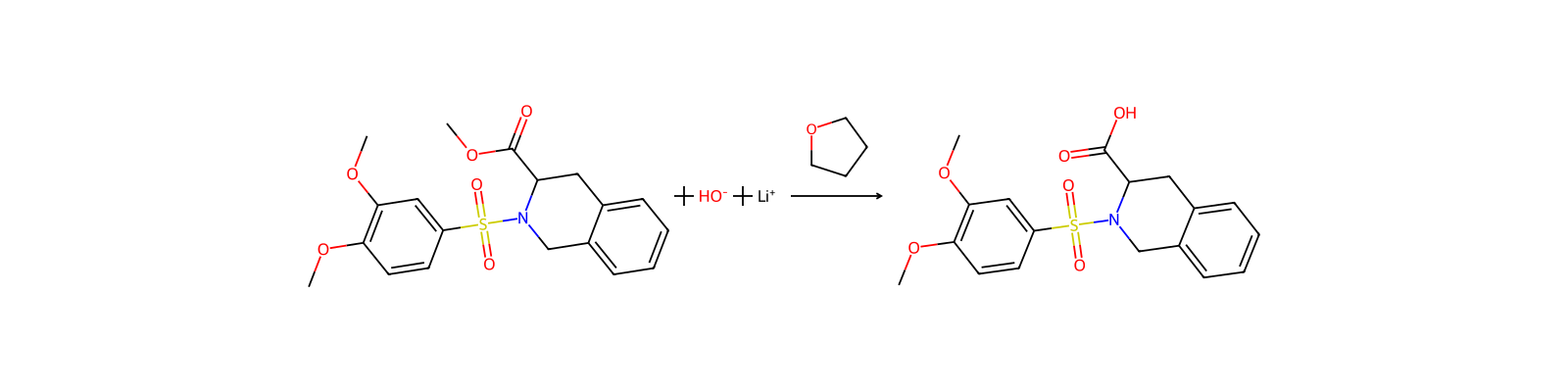
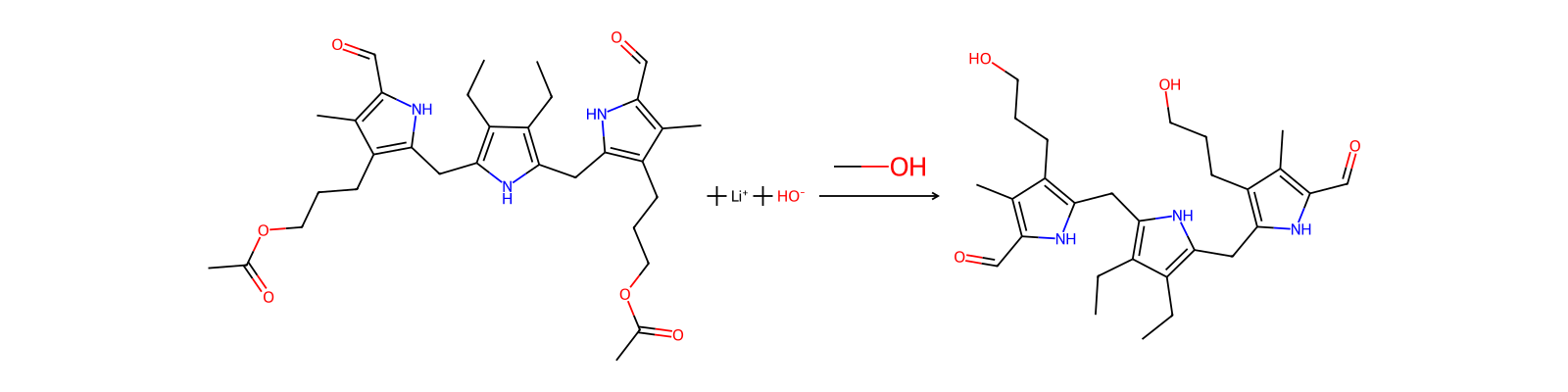
관련 반응
14,381건





화합물 노트
불러오는 중…