

기본 정보
- 표준 SMILES
COc1c2occc2cc2ccc(=O)oc12- InChIKey
QXKHYNVANLEOEG-UHFFFAOYSA-N- 분자식
- C12H8O4
- 평균 분자량
- 216.19 g/mol
- 단동위원소 질량
- 216.04225874
개요
8-Methoxypsoralen with ultraviolet A therapy can cause cancer according to California Labor Code.
이름 및 식별자
- 우선 이름
- 8-Methoxypsoralen
- IUPAC
- 9-methoxyfuro[3,2-g]chromen-7-one
- 현지명
- 메톡살렌
- 영어명
- 8-Methoxypsoralen
- 분자식
- C12H8O4
- 분자량
- 216.19
이름 및 동의어
methoxsalen8-Methoxypsoralen298-81-7XANTHOTOXIN8-MOPOxsoralen9-Methoxy-7H-furo[3,2-g]chromen-7-oneMeladinineOxypsoralenMeloxinePuvalenXanthotoxine
이름 더 보기
메톡살렌메톡살렌9-메톡시푸로[3,2-g]크로멘-7-온8-엠오피XanthoxinMethoxalenMethoxsale
AmmoidinMeladininMeladoxenAmmodinUvadex8-MethoxypsoraleneGeroxalenNew-Meladinin
데이터베이스 식별자
- CAS
298-81-7- PubChem CID
- 4114
- DTXSID
DTXSID8020830- ChEMBL
CHEMBL416- ChEBI
CHEBI:18358- UNII
- U4VJ29L7BQ
- EC Number
- 206-066-9
- Nikkaji
- J2.983A
물성
구조 계산 물성
- XLogP
- 1.9
- 극성 표면적
- 48.7 Ų
- 수소 결합 공여자 수
- 0
- 수소 결합 수용자 수
- 4
- 회전 가능 결합 수
- 1
- 무거운 원자 수
- 16
- 형식 전하
- 0
- 복잡도
- 325
실험 및 물리화학적 성질
Chemical ClassesOther Classes -> Other Organic Compounds
DrugsPharmaceuticals -> Listed in ZINC15
CosmeticsCosmetics ingredient -> Fragrance
pHpH = 5.5
SpringerMaterials PropertiesChemical shift
LogP
log Kow = 1.93
1.7
OdorOdorless
TasteBitter taste followed by tingling sensation
Color/Form
Silky needles from hot water or benzene + petroleum ether
Long rhombic prisms from alcohol + ether
White to cream-colored, crystalline solid
Solubility
less than 1 mg/mL at 59 °F (NTP, 1992)
In water, 47.6 mg/L at 30 °C
In water, 23 ug/mL
Practically insoluble in cold water; sparingly soluble in boiling water
Freely soluble in chloroform; sparingly soluble in liquid petrolatum, ether; soluble in boiling alcohol, acetone, acetic acid, vegetable fixed oils, propylene glycol, benzene
Human Drugs
Breast Feeding; Lactation; Milk, Human; Dermatologic Agents; Photosensitizing Agents; Coumarins; Furocoumarins; Psoralens; PUVA Therapy
FDA approved drugs -> Active ingredient
FDA approved drugs -> Active ingredient
Decomposition
Hazardous decomposition products formed under fire conditions: Carbon oxides
When heated to decomposition it emits acrid smoke and irritating fumes.
물리화학적 성질
- 녹는점
- 148 · 148-150 °C(lit.)
- 끓는 점
- 276.6 °C · 276.6°C (rough estimate)
- 밀도
- 1.1344 · 1.1344 (rough estimate)
- 굴절률
- 1.427 · 1.4270 (estimate)
- 저장 조건
- Sealed in dry,Room Temperature
- 용해도
- 2 O: · H2O: 약간 용해됨
- 물리적 상태
- 바늘 모양의 결정 또는 분말
- 색상
- 흰색에서 노란색으로
- 수용성
- 실질적으로 불용성
- Merck
- 14 · 14,5988
- BRN
- 196453 · 196453
- Henry's Law Constant
- 2.5 · 2.5×102 mol/(m3Pa) at 25℃, HSDB (2015)
- 주요 응용
- 청소용품화장품음식 및 음료개인 위생 관리
- InChI
- 1S/C12H8O4/c1-14-12-10-8(4-5-15-10)6-7-2-3-9(13)16-11(7)12/h2-6H,1H3
- InChIKey
- QXKHYNVANLEOEG-UHFFFAOYSA-N
- SMILES
- COc1c2OC(=O)C=Cc2cc3ccoc13
- LogP
- 1.523 · 1.523 (est)
- NIST
- Methoxsalen(298-81-7)
- EPA
- Methoxsalen (298-81-7)
화학적 성질
White to cream-colored, crystalline solid; odorless. Slightly soluble in alcohol; practically insoluble in water. Combustible.
안전 및 규제
GHS 분류
GHS Classification
This chemical does not meet GHS hazard criteria for 23.8% (36 of 151) of reports.
Warning
H302 (41.7%): Harmful if swallowed [Warning Acute toxicity, oral]
P261, P264, P270, P272, P280, P301+P317, P302+P352, P321, P330, P333+P317, P362+P364, and P501 (click each P-code to see the statement)
Aggregated GHS information provided per 151 reports by companies from 12 notifications to the ECHA C&L Inventory. Each notification may be associated with multiple companies.
Danger
유해성 정보
Regulatory Information
Hazard Traits - Carcinogenicity
Regulation (EC) No 1831/2003 (amended)
Other Safety InformationIMAP assessments - 7H-Furo[3,2-g][1]benzopyran-7-one, 9-methoxy-: Environment tier I assessment
DOT LabelCorrosive
Fire HazardsFlash point data for this chemical are not available; however, it is probably combustible. (NTP, 1992)
Health Hazards
SYMPTOMS: Symptoms of exposure to this compound may include burning sensation, coughing and wheezing. Inhalation may be fatal as a result of spasm, inflammation and edema of the larynx and bronchi, chemical pneumonitis and pulmonary edema. Corrosion of the skin, eyes, mucous membranes and upper respiratory tract may occur. Other symptoms include vomiting, headache, edema, dizziness, nervousness, insomnia, mental depression, blistering and hyperpigmentation. It can cause photosensitization, delayed erythema, serious skin burns on exposure to ultraviolet light, pruritus and damage to nail beds. It can also cause nausea, allergic skin reaction (rash), increased melanization, malaise, hypopigmentation, vesiculation and bulbae formation, miliaria, urticaria, folliculitis, gastrointestinal disturbances, leg cramps, hypotension and extension of psoriasis. Exposure can cause slight actinic-type keratitis (premature aging of the skin), photophobia and tunnel vision.
Hazards Summary
A phototoxic agent; Emergency treatment: Psoralens; Combining psoralens and UV light is called PUVA therapy; Therapeutic doses are 0.6 mg/kg; Toxic hepatitis has been reported after PUVA therapy; [HSDB] Embryotoxic in high-dose animal studies, but no evidence of increased risk in humans; [REPROTOX] An irritant; Effects in high-dose animal studies include, convulsions, photosensitivity (after systemic exposure), and hepatitis; May cause cancer; May cause heritable genetic damage; [MSDSonline]
FDA Requirements
The Approved Drug Products with Therapeutic Equivalence Evaluations identifies currently marketed prescription drug products, including methoxsalen, approved on the basis of safety and effectiveness by FDA under sections 505 of the Federal Food, Drug, and Cosmetic Act.
Reactive GroupEsters, Sulfate Esters, Phosphate Esters, Thiophosphate Esters, and Borate Esters
Special Reports
DHHS/National Toxicology Program; Report on Carcinogens, Fourteenth Edition: Methoxsalen with Ultraviolet A Therapy. The Report on Carcinogens is an informational scientific and public health document that identifies and discusses substances (including agents, mixtures, or exposure circumstances) that may pose a carcinogenic hazard to human health. Methoxsalen (298-81-7) is listed as known to be a human carcinogen only when used with Ultraviolet A (UVA) long-wave therapy (PUVA). First listed in the Fourth Annual Report on Carcinogens (1985). /Methoxsalen with Ultraviolet A Therapy (PUVA)/[Available from, as of December 27, 2018: http://ntp.niehs.nih.gov/go/roc]
DHHS/NTP; Toxicology & Carcinogenesis Studies of 8-Methoxypsoralen in F344/N Rats (Gavage Studies) Technical Report Series No. 359 (1989) NIH Publication No. 89-2814
Reactivity Profile8-METHOXYPSORALEN is incompatible with strong oxidizing agents. (NTP, 1992)
Air and Water ReactionsSensitive to light and air. Insoluble in water.
Other Hazardous ReactionsIncompatible materials: Strong oxidizing agents
안전 및 보호
Fire FightingFires involving this material can be controlled with a dry chemical, carbon dioxide or Halon extinguisher. A water spray may also be used. (NTP, 1992)
First Aid
EYES: First check the victim for contact lenses and remove if present. Flush victim's eyes with water or normal saline solution for 20 to 30 minutes while simultaneously calling a hospital or poison control center. Do not put any ointments, oils, or medication in the victim's eyes without specific instructions from a physician. IMMEDIATELY transport the victim after flushing eyes to a hospital even if no symptoms (such as redness or irritation) develop.
Fire Fighting ProceduresSuitable extinguishing media: Use water spray, alcohol-resistant foam, dry chemical or carbon dioxide. Advice for firefighters: Wear self-contained breathing apparatus for firefighting if necessary.
Storage Conditions
Keep container tightly closed in a dry and well-ventilated place. Light sensitive. Keep in a dry place. Storage class (TRGS 510): 13: Non Combustible Solids
Methoxsalen conventional capsules and topical lotion should be protected from light and stored in well-closed, light-resistant containers at 15-30 °C.
Cleanup Methods
ACCIDENTAL RELEASE MEASURES; Personal precautions, protective equipment and emergency procedures: Use personal protective equipment. Avoid dust formation. Avoid breathing vapors, mist or gas. Ensure adequate ventilation. Avoid breathing dust. Environmental precautions: Do not let product enter drains. Methods and materials for containment and cleaning up: Pick up and arrange disposal without creating dust. Sweep up and shovel. Keep in suitable, closed containers for disposal.
Nonfire Spill Response
SMALL SPILLS AND LEAKAGE: If a spill of this chemical occurs, FIRST REMOVE ALL SOURCES OF IGNITION, then you should dampen the solid spill material with acetone and transfer the dampened material to a suitable container. Use absorbent paper dampened with acetone to pick up any remaining material. Seal your contaminated clothing and the absorbent paper in a vapor-tight plastic bag for eventual disposal. Solvent wash all contaminated surfaces with acetone followed by washing with a soap and water solution. Do not reenter the contaminated area until the Safety Officer (or other responsible person) has verified that the area has been properly cleaned.
Disposal Methods
SRP: Recycle any unused portion of the material for its approved use or return it to the manufacturer or supplier. Ultimate disposal of the chemical must consider: the material's impact on air quality; potential migration in air, soil or water; effects on animal, aquatic and plant life; and conformance with environmental and public health regulations. If it is possible or reasonable use an alternative chemical product with less inherent propensity for occupational harm/injury/toxicity or environmental contamination.
Product: Offer surplus and non-recyclable solutions to a licensed disposal company. Contact a licensed professional waste disposal service to dispose of this material. Dissolve or mix the material with a combustible solvent and burn in a chemical incinerator equipped with an afterburner and scrubber. Contaminated packaging: Dispose of as unused product.
Preventive Measures
Gloves must be inspected prior to use. Use proper glove removal technique (without touching glove's outer surface) to avoid skin contact with this product. Dispose of contaminated gloves after use in accordance with applicable laws and good laboratory practices. Wash and dry hands.
Avoid contact with skin and eyes. Avoid formation of dust and aerosols. Further processing of solid materials may result in the formation of combustible dusts. The potential for combustible dust formation should be taken into consideration before additional processing occurs. Provide appropriate exhaust ventilation at places where dust is formed.
ACCIDENTAL RELEASE MEASURES; Personal precautions, protective equipment and emergency procedures: Use personal protective equipment. Avoid dust formation. Avoid breathing vapors, mist or gas. Ensure adequate ventilation. Avoid breathing dust. Environmental precautions: Do not let product enter drains.
Handle in accordance with good industrial hygiene and safety practice. Wash hands before breaks and at the end of workday.
SRP: Local exhaust ventilation should be applied wherever there is an incidence of point source emissions or dispersion of regulated contaminants in the work area. Ventilation control of the contaminant as close to its point of generation is both the most economical and safest method to minimize personnel exposure to airborne contaminants. Ensure that the local ventilation moves the contaminant away from the worker.
Isolation and EvacuationExcerpt from ERG Guide 154 [Substances - Toxic and/or Corrosive (Non-Combustible)]:
Personal Protective Equipment (PPE)
MINIMUM PROTECTIVE CLOTHING: If Tyvek-type disposable protective clothing is not worn during handling of this chemical, wear disposable Tyvek-type sleeves taped to your gloves.
Eye/face protection: Face shield and safety glasses. Use equipment for eye protection tested and approved under appropriate government standards such as NIOSH (US) or EN 166 (EU).
Skin protection: Handle with gloves.
Body Protection: Complete suit protecting against chemicals. The type of protective equipment must be selected according to the concentration and amount of the dangerous substance at the specific workplace.
Respiratory protection: For nuisance exposures use type P95 (US) or type P1 (EU EN 143) particle respirator. For higher level protection use type OV/AG/P99 (US) or type ABEK-P2 (EU EN 143) respirator cartridges. Use respirators and components tested and approved under appropriate government standards such as NIOSH (US) or CEN (EU).
독성 정보
Treatment
If the compound has been ingested, rapid gastric lavage should be performed using 5% sodium bicarbonate. For skin contact, the skin should be washed with soap and water. If the compound has entered the eyes, they should be washed with large quantities of isotonic saline or water. In serious cases, atropine and/or pralidoxime should be administered. Anti-cholinergic drugs work to counteract the effects of excess acetylcholine and reactivate AChE. Atropine can be used as an antidote in conjunction with pralidoxime or other pyridinium oximes (such as trimedoxime or obidoxime), though the use of '-oximes' has been found to be of no benefit, or possibly harmful, in at least two meta-analyses. Atropine is a muscarinic antagonist, and thus blocks the action of acetylcholine peripherally.
Interactions
Upon exposure to UVA light, psoralens can induce DNA interstrand cross-links (ICLs), which can block DNA replication and transcription. Among the psoralen derivatives, 8-methoxypsoralen (8-MOP) is conventionally applied for psoriasis therapy, and amotosalen S59 is used to inactivate bacterial and viral pathogens in blood components. In addition to the ICL formation, psoralens also readily form various monoadducts (MAs) with thymidine residues in DNA when exposed to UVA light, and the biological implications for these monoadducts remain unclear. Here, we reported a method that encompassed digestion with a single enzyme (nuclease P1) and LC-MS/MS, for the simultaneous quantification of ICL and MAs induced in human cells exposed with 8-MOP or S59 and UVA light. Our results showed that the yield of ICL induced by S59, which increased from 3.9 to 12.8 lesions/10(3) nucleotides as the dose of UVA light increased from 0.5 to 10.0 J/sq cm, was approximately 100 fold more than that induced by 8-MOP. In addition, three and five products were identified as 8-MOP- and S59-MAs, respectively, and the yields of MAs were significantly lower than that for ICL. The yields of the three 8-MOP-MAs were 7.6-2.2, 1.9-9.9, and 7.2-51 per 10(6) nucleotides and those of the five S59-MAs were 215-19, 106-39, 25-21, 32-146, and 22-26 per 10(6) nucleotides as the dose of UVA light increased from 0.5 to 10.0 J/sq cm. Although the yields of MAs induced by 8-MOP and S59 were lower than those of the respective ICLs under the same exposure conditions, the formation of appreciable amounts of MAs might account for some of the mutations induced by psoralens.
/The authors/ reported recently that the drug methoxsalen, a potent suicide inhibitor of hepatic cytochrome P-450, decreases the metabolic activation of acetaminophen and prevents its hepatotoxicity in mice. /Investigators/ have now studied the effects of methoxsalen on the metabolism of acetaminophen in humans. In vitro, 100 uM methoxsalen decreased by 40% the covalent binding of a (3)H-acetaminophen metabolite to microsomal proteins after incubation of (3)H-acetaminophen with human liver microsomes and an NADPH-generating system. In vivo, a single oral dose of methoxsalen (30 mg), given 3 hr before acetaminophen (1 g), decreased by 38% the partial apparent oral salivary clearance of acetaminophen into glutathione-derived conjugates (the end products of its oxidative metabolism) in nine human volunteers. These observations demonstrate that methoxsalen decreases the metabolic activation of acetaminophen in humans.
To determine the effect of methoxsalen on coumarin 7-hydroxylation in humans in vivo, five subjects were given 45 mg of methoxsalen and 5 mg of coumarin. Methoxsalen inhibited in vivo coumarin metabolism by 47 +/- 9.2% (mean +/- SEM). Methoxsalen was metabolized in human liver microsomes at the rate of 50-100 pmol/mg protein/min (approx. 30% of the activity in mouse liver microsomes). Metabolism was not inhibited by the anti-Cyp2a-5 antibody in human liver microsomes. NIH 3T3 cells stably expressing catalytically active CYP2A6 enzyme did not metabolize methoxsalen, indicating that CYP2A6 does not accept methoxsalen as a substrate. In pyrazole-induced mouse liver microsomes, methoxsalen metabolism was inhibited by the anti-Cyp2a-5 antibody. Cyp2a-5 protein expressed in the yeast Saccharomyces cerevisiae was capable of metabolizing methoxsalen, indicating that methoxsalen is a substrate of Cyp2a-5. Although kinetic studies indicated that the inhibition of coumarin 7-hydroxylation by methoxsalen is competitive in human liver microsomes, methoxsalen does not appear to be a substrate for CYP2A6. Methoxsalen and coumarin have the potential /for/ strong metabolic interactions in man.
Furanocoumarins increase the bioavailability of drugs that are CYP3A4 substrates. A possible interaction of methoxsalen with cyclosporine was evaluated in 12 healthy volunteers following oral administration of 40 mg methoxsalen, 200 mg cyclosporine, or a combination of both in a randomized crossover study. Methoxsalen increased area under the plasma concentration-time curve (AUC) and peak plasma concentration (Cmax) of cyclosporine by 29% (range, -20% to 172%; P < .05) and 8% (range, -10% to 26%; P < .05), respectively, compared to cyclosporine alone. The AUC geometric means ratio (95% confidence interval) for cyclosporine plus methoxsalen/cyclosporine alone was 1.14 (1.02, 1.27), and treatments were therefore not bioequivalent. Methoxsalen causes a clinically significant interaction with cyclosporine in some susceptible individuals. The reasons for susceptibility and the clinical implications for chronic cyclosporine administration have not been established. Caution is recommended in combination therapy, and more frequent monitoring of cyclosporine plasma levels and clinical monitoring is advised.
For more Interactions (Complete) data for 8-Methoxypsoralen (25 total), please visit the HSDB record page.
Health Effects
Acute exposure to cholinesterase inhibitors can cause a cholinergic crisis characterized by severe nausea/vomiting, salivation, sweating, bradycardia, hypotension, collapse, and convulsions. Increasing muscle weakness is a possibility and may result in death if respiratory muscles are involved. Accumulation of ACh at motor nerves causes overstimulation of nicotinic expression at the neuromuscular junction. When this occurs symptoms such as muscle weakness, fatigue, muscle cramps, fasciculation, and paralysis can be seen. When there is an accumulation of ACh at autonomic ganglia this causes overstimulation of nicotinic expression in the sympathetic system. Symptoms associated with this are hypertension, and hypoglycemia. Overstimulation of nicotinic acetylcholine receptors in the central nervous system, due to accumulation of ACh, results in anxiety, headache, convulsions, ataxia, depression of respiration and circulation, tremor, general weakness, and potentially coma. When there is expression of muscarinic overstimulation due to excess acetylcholine at muscarinic acetylcholine receptors symptoms of visual disturbances, tightness in chest, wheezing due to bronchoconstriction, increased bronchial secretions, increased salivation, lacrimation, sweating, peristalsis, and urination can occur. Certain reproductive effects in fertility, growth, and development for males and females have been linked specifically to organophosphate pesticide exposure. Most of the research on reproductive effects has been conducted on farmers working with pesticides and insecticdes in rural areas. In females menstrual cycle disturbances, longer pregnancies, spontaneous abortions, stillbirths, and some developmental effects in offspring have been linked to organophosphate pesticide exposure. Prenatal exposure has been linked to impaired fetal growth and development. Neurotoxic effects have also been linked to poisoning with OP pesticides causing four neurotoxic effects in humans: cholinergic syndrome, intermediate syndrome, organophosphate-induced delayed polyneuropathy (OPIDP), and chronic organophosphate-induced neuropsychiatric disorder (COPIND). These syndromes result after acute and chronic exposure to OP pesticides. Furocoumarins can cause photosensitization dermatitis especially if these compounds come into contact with the skin. Some furocoumarins, especially bifunctional furocoumarins, are known to be carcinogenic (A15105). Furocoumarin photochemotherapy is known to induce a number of side-effects including erythema, edema, hyperpigmentation, and premature aging of skin. All photobiological effects of furocoumarins result from their photochemical reactions. Because many dietary or water soluble furocoumarins are strong inhibitors of cytochrome P450s, they will also cause adverse drug reactions when taken with other drugs. Limited evidence of carcinogenic effect. (L579)
Environmental Fate
TERRESTRIAL FATE: Based on a classification scheme(1), an estimated Koc value of 96(SRC), determined from a log Kow of 1.93(2) and a regression-derived equation(3), indicates that 8-methoxypsoralen is expected to have high mobility in soil(SRC). Volatilization of 8-methoxypsoralen from moist soil surfaces is not expected to be an important fate process(SRC) given an estimated Henry's Law constant of 4.0X1-8 atm-cu m/mole(SRC), developed using a fragment constant estimation method(3). 8-Methoxypsoralen is not expected to volatilize from dry soil surfaces(SRC) based upon an estimated vapor pressure of 2.2X10⁻⁶ mm Hg at 25 °C(SRC), determined from a fragment constant method(3). A 0% of theoretical BOD using activated sludge in the Japanese MITI test(4) suggests that biodegradation is not an important environmental fate process in soil(SRC).
AQUATIC FATE: Based on a classification scheme(1), an estimated Koc value of 96(SRC), determined from a log Kow of 1.93(2) and a regression-derived equation(3), indicates that 8-methoxypsoralen is not expected to adsorb to suspended solids and sediment(SRC). Volatilization from water surfaces is not expected(4) based upon an estimated Henry's Law constant of 4.0X10⁻⁸ atm-cu m/mole(SRC), developed using a fragment constant estimation method(3). According to a classification scheme(5), an estimated BCF of 9(SRC), from its log Kow(2) and a regression-derived equation(3), suggests the potential for bioconcentration in aquatic organisms is low. A 0% of theoretical BOD using activated sludge in the Japanese MITI test(6) suggests that biodegradation is not an important environmental fate process in water(SRC).
ATMOSPHERIC FATE: According to a model of gas/particle partitioning of semivolatile organic compounds in the atmosphere(1), 8-methoxypsoralen, which has an estimated vapor pressure of 2.2X10⁻⁶ mm Hg at 25 °C(SRC), determined from a fragment constant method(2), is expected to exist in both the vapor and particulate phases in the ambient atmosphere. Vapor-phase 8-methoxypsoralen is degraded in the atmosphere by reaction with photochemically-produced hydroxyl radicals(SRC); the half-life for this reaction in air is estimated to be 4 hours(SRC), calculated from its rate constant of 1.1X10⁻¹⁰ cu cm/molecule-sec at 25 °C(SRC) that was derived using a structure estimation method(2). Particulate-phase 8-methoxypsoralen may be removed from the air by wet and dry deposition(SRC). 8-Methoxypsoralen absorbs UV light at wavelengths of 302 nm(3) and, therefore, is expected to be susceptible to direct photolysis by sunlight since sunlight consists of wavelengths above 290 nm(SRC).
Adverse EffectsOccupational hepatotoxin - Secondary hepatotoxins: the potential for toxic effect in the occupational setting is based on cases of poisoning by human ingestion or animal experimentation.
Toxicity Summary
IDENTIFICATION AND USE: 8-Methoxypsoralen (8-MOP) belongs to a group of compounds known as psoralens, or furocoumarins. It is used as suntan accelerator and sunburn protector. 8-MOP is used for photochemotherapy (PUVA, 8-MOP with long wave UVA radiation) for psoriasis. It is also used in conjunction with long wavelength UVA or sunlight to repigment vitiliginous skin in patients with idiopathic vitiligo. Oral 8-MOP is used in conjunction with photopheresis for the palliative treatment of the skin manifestations of cutaneous T-cell lymphoma. HUMAN STUDIES: In Indian patients treated for vitiligo, 12 percent developed keratoses, but not cancer. Of 52 patients under continued PUVA treatment,12 subjects had small superficial dermal amyloid deposits. Three of 20 healthy volunteers given increasing doses of topically applied 1% 8-MOP 3 times a week plus UV light developed photoallergy. Other adverse dermatologic effects associated with PUVA therapy include skin freckling, hypopigmentation, uneven or excessive tanning, dry skin, vesiculation and bullae formation, generalized exfoliation, nonspecific rash, urticaria, miliaria, folliculitis, acneiform eruption, aggravation or extension of psoriasis, hyperpigmentation of psoriatic lesions, cutaneous tenderness, severe skin pain, onycholysis, pigmentation of the nails, and exacerbation of latent photosensitive dermatoses. Kaposi's varicelliform eruption was reported after the initiation of PUVA therapy. Phototoxic reactions including severe edema and erythema, and painful blistering, burning, and peeling of skin may occur with methoxsalen and conventional UV light. In addition, PUVA therapy has produced severe burns requiring hospitalization, and marked hyperpigmentation and aging of skin. Nausea is the most common adverse effect of oral 8-MOP, occurring in about 10% of patients. GI disturbances may also occur with PUVA therapy utilizing 8-MOP. Pruritus occurs in about 10% of patients treated with PUVA therapy utilizing 8-MOP. A case of a bilateral macular toxicity was reported in a male treated with 8-MOP for vitiligo. A 59-year-old white woman developed a toxic hepatitis while on oral 8-MOP PUVA treatment. There are reports of carcinomas in patients treated with 8-MOP. In a cohort study of 1373 patients treated with 8-MOP plus UV light for psoriasis, 30 patients developed 19 basal-cell carcinomas and 29 squamous-cell carcinomas of the skin. There is increased risk for melanoma in PUVA patients. Some patients developing melanoma did so even after having ceased PUVA therapy over 5 years earlier. Treatment with 8-MOP plus UV irradiation resulted in significant increase of chromosomal aberrations in lymphocyte chromosomes of 1/8 patients, slight but non-significant increases in 6 and no increase in one patient, sister chromatid exchanges were also observed. No chromosome aberrations or sister chromatid exchanges were observed in psoriasis patients treated with the combination but when white blood cells removed from patients after treatment were irradiated with UV light in vitro, there was a significant increase in sister chromatid exchanges. More point mutations, as indicated by the increased incidence of 6-thioguanine-resistant lymphocytes, were observed in patients treated with psoralen drugs and UV irradiation than in healthy controls. ANIMAL STUDIES: Severe reactions were reported in guinea pigs given 40 mg of 8-MOP by i.p. injection one hour before they were exposed to long wavelength UV continuously for 24 hours. White guinea pigs developed ulceration of the lids, edema of the corneas, congestion of iris vessels, permanently dilated pupils, and multiple anterior cortical punctate opacities in the lenses. In black guinea pigs the lids and iris were less damaged. Guinea pigs given 8-MOP at 80 to 100 mg/kg showed no damage to the eyes unless they were also exposed to long wavelength UV. Topical or i.p. 8-MOP has been reported to be a potent photocarcinogen in albino mice and hairless mice. However, 8-MOP given by the oral route to albino mice exerted a protective effect against UV carcinogenesis. Mice given 8-MOP in their diet showed 38% ear tumors 180 days after the start of UV therapy compared to 62% for controls. Hairless mice were given daily skin applications of 40 ug of 8-MOP 30-60 minutes before a whole body 10 minute exposure to UV light (300-400 nm) 5 days a week. The number of tumors per mouse was significantly higher in animals given 8-MOP plus UV. Most of the tumors were squamous cell carcinomas; others were fibrosarcomas, lymphosarcomas, sebaceous adenomas and hemangiomas. In mice, ip injection of 4 mg/kg bw 8-MOP followed by exposure to long wave UV irradiation (320-400 nm) resulted in severe toxic effects including erythema, burns and liver damage. In 2 yr gavage studies in male rats using 8-MOP without UV radiation reported increased incidences of tubular cell hyperplasia, adenomas, and adenocarcinomas of the kidney and carcinomas of the Zymbal gland. Dose related nonneoplastic lesions in male rats included increased severity of nephropathy and mineralization of the kidney and forestomach lesions. There was no evidence of carcinogenic activity of 8-MOP for female rats given the chemical at 37.5 or 75 mg/kg/day for 2 yr. Doses of 80 to 160 mg/kg/day given during organogenesis caused significant fetal toxicity in rats, which was associated with significant maternal weight loss, anorexia and increased relative liver weight. 8-MOP caused an increase in skeletal malformation and variations at doses of 80 mg/kg/day and above. 8-MOP was mutagenic in the Ames test with metabolic activation. In the absence of metabolic activation and UV light, 8-MOP was clastogenic in vitro (sister chromatid exchange and chromosome aberrations in Chinese hamster ovary cells). 8-MOP also caused DNA damage, interstrand cross-links and errors in DNA repair.
Methoxsalen is a cholinesterase or acetylcholinesterase (AChE) inhibitor. A cholinesterase inhibitor (or 'anticholinesterase') suppresses the action of acetylcholinesterase. Because of its essential function, chemicals that interfere with the action of acetylcholinesterase are potent neurotoxins, causing excessive salivation and eye-watering in low doses, followed by muscle spasms and ultimately death. Nerve gases and many substances used in insecticides have been shown to act by binding a serine in the active site of acetylcholine esterase, inhibiting the enzyme completely. Acetylcholine esterase breaks down the neurotransmitter acetylcholine, which is released at nerve and muscle junctions, in order to allow the muscle or organ to relax. The result of acetylcholine esterase inhibition is that acetylcholine builds up and continues to act so that any nerve impulses are continually transmitted and muscle contractions do not stop. Among the most common acetylcholinesterase inhibitors are phosphorus-based compounds, which are designed to bind to the active site of the enzyme. The structural requirements are a phosphorus atom bearing two lipophilic groups, a leaving group (such as a halide or thiocyanate), and a terminal oxygen. The mechanism of action many furocoumarins is based on their ability to form photoadducts with DNA and other cellular components such as RNA, proteins, and several proteins found in the membrane such as phospholipases A2 and C, Ca-dependent and cAMPdependent protein-kinase and epidermal growth factor. Furocoumarins intercalate between base pairs of DNA and after ultraviolet-A irradiation, giving cycloadducts. (L579).
Plant Concentrations
8-Methoxypsoralen is present in the roots of Heracleum candicans (White-leaf hog weed (Apiaceae))(1). The compound was detected, not quantified in the fruit of Heracleum persicum, an annual Iranian herb known as Golpar which is used in folk medicine and flavoring agent(2).
Bioassay guided fractionation of an antimycobacterial extract of Arracacia tolucensis var. multifida (Umbelliferae) led to the isolation of isoimperatorin (1), osthol (2), suberosin (3), 8-methoxypsoralen (8-MOP) (4), herniarin (5), scoparone (6), umbelliferone (7), dihydroxypeucedanin (8), 5-methoxypsoralen (5-MOP) (9), isoscopoletin (10) and scopoletin (11).
8-Methoxypsoralen, reported as methoxsalen, was detected not quantified in Bishops weed (Amnis majus; Apiaceae)(1).
8-Methoxypsoralen concentrations in various plants(1). /Xanthotoxin/
Signs and SymptomsHarmful if swallowed. May cause sensitisation by skin contact. (L579)
Ongoing Test Status
EPA has released the Interactive Chemical Safety for Sustainability (iCSS) Dashboard. The iCSS Dashboard provides an interactive tool to explore rapid, automated (or in vitro high-throughput) chemical screening data generated by the Toxicity Forecaster (ToxCast) project and the federal Toxicity Testing in the 21st century (Tox21) collaboration. /The title compound was tested by ToxCast and/or Tox21 assays/[USEPA; ICSS Dashboard Application; Available from, as of February 4, 2019: http://actor.epa.gov/dashboard/]
The following link will take the user to the National Toxicology Program (NTP) Test Status of Agents Search page, which tabulates the results and current status of tests such as "Short-Term Toxicity Studies", "Long-term Carcinogenicity Studies", "Developmental Studies", "Genetic Toxicology Studies", etc., performed with this chemical. Testing status for 8-methoxypsoralen is available.[Available from, as of February 1, 2019: https://ntpsearch.niehs.nih.gov/?e=True&ContentType=Testing+Status]
Medical Surveillance
/PRECAUTIONS FOR ANTINEOPLASTIC AGENTS:/ There is no method available for routine monitoring of personnel for evidence of hazardous drug exposure. Tests for the presence of mutagens or chromosomal damage are not drug specific and are of value only in controlled studies. Chemical analysis of urine for the presence of hazardous drugs at the sensitivity level needed to detect occupational exposure is limited to a few drugs and is not yet commercially available. /Antineoplastic agents/
Soil Adsorption/Mobility
The Koc of 8-methoxypsoralen is estimated as 96(SRC), using a log Kow of 1.93(1) and a regression-derived equation(2). According to a classification scheme(3), this estimated Koc value suggests that 8-methoxypsoralen is expected to have high mobility in soil(SRC).
Natural Pollution Sources
8-Methoxypsoralen is a naturally occurring analog of psoralen found in certain species of Leguminosae, Umbelliferae, and Rutaceae(1).
Methoxsalen occurs naturally in several different plants including Ammi majus (Umbelliferae), Psorales coryfolia, and Ruta chalepensis ... .
Methoxsalen is a naturally occurring substance, produced by several plants, e.g. Psoralea corylifolia Leguminosae, Ammi majus Leguminosae, Ruta chalepensis Leguminosae, Ruta graveolens Leguminosae, and others which are found in both temperate and tropical regins. Ammi majus is a white umbellifer related to the wild carrot (Daucus carota); plants of the genus Ruta include rue, a perennial evergreen shrug with bitter, strong-scented leaves, once widely used as a medicine. It is also produced by the fungus Sclerotinia sclerotiorum, which causes 'pink rot' disease in celery.
규제 정보
FDA Requirements
The Approved Drug Products with Therapeutic Equivalence Evaluations identifies currently marketed prescription drug products, including methoxsalen, approved on the basis of safety and effectiveness by FDA under sections 505 of the Federal Food, Drug, and Cosmetic Act.
안전 데이터
- wgk
- 3
- tsca
- TSCA listed
- rtecs
- LV1400000
- ridadr
- 3216
- 독성
- LD50 i.p. in rats: 470 ±30 mg/kg (Hakim)
- HS 번호
- 29322090
- risk_code
- 22-43-46-45-34
- hazard_code
- Xn,T
- safety_code
- 36/37-53-45-36/37/39-26
- 기존화학 물질
- KE-23294
- F 고인화성물질
- 10
- Hazard Classifications
- Acute Tox. 4 OralCarc. 2Muta. 2Skin Sens. 1
- 스토리지 클래스
- 11 - Combustible Solids
- 유해 물질 데이터
- 298-81-7(Hazardous Substances Data)
- 중점관리물질 필터링
- 별표2-49
- 암, 돌연변이성물질 필터링
- 42
화학 및 산업
약리 정보
ATC Code
D - Dermatologicals
D - Dermatologicals
QD - Dermatologicals
QD - Dermatologicals
Pharmacodynamics
Methoxsalen selectively inhibits the synthesis of deoxyribonucleic acid (DNA). The guanine and cytosine content correlates with the degree of Methoxsalen-induced cross-linking. At high concentrations of the drug, cellular RNA and protein synthesis are also suppressed.
Mechanism of Action
After activation it binds preferentially to the guanine and cytosine moieties of DNA, leading to cross-linking of DNA, thus inhibiting DNA synthesis and function.
Methoxsalen, when activated by long wavelength UV light in the range of 320-400 nm, is strongly erythemogenic, melanogenic, and cytotoxic in the epidermis; the maximal erythemogenic activity occurs in the range of 330-360 nm. The mechanisms of action of methoxsalen in inducing repigmentation of vitiliginous skin have not been established. Repigmentation depends on the presence of functioning melanocytes and UV light. Methoxsalen may activate the few functional and dihydroxyphenylalanine-positive melanocytes present in vitiliginous skin. An increase in the activity of tyrosinase, the enzyme that catalyzes the conversion of tyrosine to dihydroxyphenylalanine (a precursor of melanin), has been shown in melanin-producing cells exposed in vitro to trioxsalen and UVA light. In addition, binding of photoactivated psoralens (in triplet states) to pyrimidine bases of nucleic acids, with subsequent inhibitions of DNA synthesis, cell division, and epidermal turnover, has been demonstrated. Following photoactivation, methoxsalen forms covalent bonds with DNA to produce monofunctional (addition to a single strand of DNA) and bifunctional adducts (crosslinking to both strands of DNA). Reactions with other proteins also occur. Psoralens may also increase melanin formation by producing an inflammatory reaction in the skin. Other mechanisms of increased pigmentation may include an increase in the number of functional melanocytes (and possibly activation of dormant melanocytes); enhancement of melanin granule synthesis; stimulation of the movement of melanocytes up hair follicles resulting in melanocytic repopulation of the epidermis; and/or hypertrophy of melanocytes and increased arborization of their dendrites.
Since psoriasis is a hyperproliferative disorder and other agents effective in the treatment of psoriasis are known to inhibit DNA synthesis, the therapeutic effect of methoxsalen in the treatment of psoriasis probably involves binding to DNA and inhibition of DNA synthesis resulting in decreased cell proliferation; other vascular, leukocyte, or cell regulatory mechanisms may also be involved.
Methoxsalen readily absorbs ultraviolet light, particularly UVA wavelengths (320 to 400 nm). As a photosensitizing agent, it can produce phototoxic erythema (a reaction similar to sunburn) when skin to which it has been applied receives excess exposure to UVA. Chronic reactions may result in hyperpigmentation and skin thickening. UVA causes a photochemical reaction that results in formation of adducts between methoxsalen and the pyrimidine bases of DNA.
Biological Half-Life
Approximately 2 hours
The elimination half-life of methoxsalen is reportedly about 0.75-2.4 hours.
Metabolism/Metabolites
After oral administration of 8-methoxypsoralen to rats, metabolites in urine were; 8-hydroxypsoralen, 5-hydroxy-8-methoxypsoralen, 5,8-dioxopsoralen, 5,8-dihydroxypsoralen, 4,6,7-trihydroxy-5-coumaranoyl-beta-acrylic acid, 4,6-dihydroxy-7-methoxy-5-coumaranoyl-beta-acrylic acid.
Although the exact metabolic fate of methoxsalen has not been fully established, the drug is rapidly and apparently almost completely metabolized. Methoxsalen is demethylated to 8-hydroxypsoralen (8-HOP), and methoxsalen and 8-HOP are conjugated with glucuronic acid and sulfate; other unidentified metabolites have also been detected. Methoxsalen and 8-hydroxypsoralen and their conjugates are excreted in urine. Following oral administration of methoxsalen, 80-90% of the drug is excreted in urine within 8 hours as hydroxylated, glucuronide, and sulfate metabolites; less than 0.1% of a dose is excreted in urine as unchanged drug. About 95% of the drug is excreted in urine within 24 hours as metabolites.
Methoxsalen is extensively metabolized, and less than 2% of the drug is excreted unchanged in the urine. Four urinary metabolites were isolated; 3 of them resulted from opening of the furan ring: these are 7-hydroxy-8-methoxy-2-oxo-2H-1-benzopyran-6-acetic acid, alpha,7-dihydroxy-8-methoxy-2-oxo-2H-1-benzopyran-6-acetic acid, and an unknown conjugate of the former at the 7-hydroxy position. The fourth metabolite, formed by opening of the pyrone ring, is an unknown conjugate of (Z)-3-(6-hydroxy-7-methoxybenzofuran-5-yl)-2-propenoic acid.
Methoxsalen has known human metabolites that include 9-Methoxy-5,7,11-trioxatetracyclo[8.4.0.03,8.04,6]tetradeca-1,3(8),9,13-tetraen-12-one.
Route of Elimination: In both mice and man, methoxsalen is rapidly metabolized. Approximately 95% of the drug is excreted as a series of metabolites in the urine within 24 hours (Pathak et al. 1977). Half Life: Approximately 2 hours
FDA Pharmacological Classification
U4VJ29L7BQ
METHOXSALEN
Mechanisms of Action [MoA] - Photoabsorption
Established Pharmacologic Class [EPC] - Photoactivated Radical Generator
Physiologic Effects [PE] - Photosensitizing Activity
Established Pharmacologic Class [EPC] - Psoralen
MeSH Pharmacological Classification
Reagents with two reactive groups, usually at opposite ends of the molecule, that are capable of reacting with and thereby forming bridges between side chains of amino acids in proteins; the locations of naturally reactive areas within proteins can thereby be identified; may also be used for other macromolecules, like glycoproteins, nucleic acids, or other.
Drugs that are pharmacologically inactive but when exposed to ultraviolet radiation or sunlight are converted to their active metabolite to produce a beneficial reaction affecting the diseased tissue. These compounds can be administered topically or systemically and have been used therapeutically to treat psoriasis and various types of neoplasms.
Absorption, Distribution and Excretion
In both mice and man, methoxsalen is rapidly metabolized. Approximately 95% of the drug is excreted as a series of metabolites in the urine within 24 hours (Pathak et al. 1977).
After oral admin of (3)H 8-methoxypsoralen to rats, it was absorbed rapidly and max blood level was observed at 10 min. Moderate radioactivity was found in liver and kidneys at 0.5-4 hr, and low levels in other tissues. ... 62.8% of radioactivity was excreted in urine and 20.4% in feces within 24 hr and 65.1% and 21.9% during 6 days, respectively. In bile, 30.0% was also recovered within 24 hr; this passed through enterohepatic circulation.
Improvement in effective bioavailability of methoxsalen was achieved when it was administered to rats and dogs in solution as compared to suspension. Much earlier and higher peak levels were observed for the solution in both animals.
Max serum concentration /in patients/ occurred between 0.5 and 2 hr after oral administration of 0.6 mg/kg methoxsalen. There was significant negative correlation between logarithm of serum concentration and minimum phototoxic dose. Hence degree of photosensitivity appears to be related to serum level of methoxsalen.
Single iv doses of 5 mg/kg body weight (14)C methoxsalen to dogs disappeared rapidly from plasma, although small levels of radioactivity persisted for 5 weeks after administration. Evidence suggested that the persistent plasma radioactivity was due to a metabolite bound to plasma protein. Elimination occurred in both urine and bile; 45% of the dose appeared in the urine and 40% in the feces within 72 hrs of administration.
For more Absorption, Distribution and Excretion (Complete) data for 8-Methoxypsoralen (8 total), please visit the HSDB record page.
Cellular LocationsCytoplasm
용도 및 제조
Uses
Used to enhance pigmentation and to repigment vitiliginous areas; [HSDB] Used either systemically or topically in combination with ultraviolet light; [REPROTOX]
Suntan accelerator, sunburn protector.
Psoralen-containing plant extracts were first used in photochemotherapy to treat vitiligo in Egypt and India as far back as 1500 B.C. The acronym PUVA was coined in 1974 following successful treatment of severe psoriasis with 8-methoxypsoralen and UVA. Methoxsalen is now used in combination with UVA in the treatment of vitiligo, severe psoriasis, atopic dermatitis, alopecia areata, lichen planus, urticaria pigmentosa, cutaneous T-cell lymphoma, and some forms of photosensitivity.
Topical, bath, oral, and extracorporeal (outside the body) treatments are available by prescription only. To treat vitiligo, the topical solution is applied to the affected area and allowed to dry for several minutes before a second application, and the treated area is exposed to UVA about 2 hours later. For bath treatment of small areas (e.g., hands and feet), the area to be treated is soaked in a dilute solution of methoxsalen for 30 minutes and then immediately exposed to UVA. Oral preparations include hard and soft gelatin capsules for treatment of mycosis fungoides, psoriasis, and vitiligo; they may be given two or three times per week with at least 48 hours between doses. Methoxsalen also is used along with UVA to treat white blood cells to control skin problems caused by cutaneous T-cell lymphoma, a cancer of the lymphatic system. The white blood cells are removed from the blood, treated in a process called "photopheresis," and returned to the body.
MEDICATION
It is used to increase skin pigmentation with sunlight in the treatment of depigmentation conditions such as vitiligo and may cause skin burns and liver damage. (L579). It is als used for the treatment of psoriasis and vitiligo.
Methods of Manufacturing
Methoxsalen is a naturally occurring compound that can be isolated from a variety of plants. ... ln one procedure ... geranoxypsoralen, obtained from fractionation of lemon oil, was treated with sulphuric acid to give 8-hydroxypsoralen, which, on treatment with diazomethane in methanol, gave methoxsalen. It is not known whether this is the process used for its commercial production.
Formulations/Preparations
Methoxsalen Capsules, USP (Soft Gelatin Capsules) are supplied as follows: 10 mg - A green, soft-gelatin and oval-shaped capsule. It contains a green solution, which is free from foreign matter. Capsules have a good sheen and seal. Every capsule has printed in black ink "A325" on one side. The capsules are available in an amber glass bottle of 50 (NDC 45963-325-50) with a child-resistant closure.
Capsules, 10 mg. Lotion (to be applied by a physician and not to be dispensed to patients), 1%.
Table: Preparations (Methoxsalen) [Table#3929]
Household ProductsCosmetics product ingredient: Methoxsalen (8-methoxypsoralen) plus ultraviolet A radiation
General Manufacturing Information
7H-Furo[3,2-g][1]benzopyran-7-one, 9-methoxy-: ACTIVE
Psoralens are natural furocoumarins well-known for their photosensitizing potential. Porphyrins, including hematoporphyrin derivatives (HPD), are also potent photosensitizers. ... Psoralens ... have an action spectrum in the UV-A range. /Psoralens/
Methoxsalen is produced naturally by several plants (e.g., limes, celery, figs, and parsnips) found in both temperate and tropical regions
응용 분야
개요8-Methoxypsoralen (8-MOP) and other psoralens are naturally found in plants, including common fruit and vegetable crops.
용도8-Methoxypsoralen, is used in Photochemotherapy (methoxsalen with long wave ultraviolet radiation) is indicated for the repigmentation of idiopathic vitiligo. It is also used in Photopheresis (methoxsalen with long wave ultraviolet radiation of white blood cells) is indicated for use with the UVAR* System in the palliative treatment of the skin manifestations of cutaneous T-cell lymphoma.
일반 설명Odorless white to cream-colored crystalline solid. Bitter taste followed by tingling sensation.
상·하류 제품 정보
상류 원료
하류 제품
공급사50 곳
国药集团化学试剂有限公司86-21-63210123 · [email protected]
北京华美互利生物化工010-56205725 · [email protected]
梯希爱(上海)化成工业发展有限公司021-67121386 · [email protected]
上海阿拉丁生化科技股份有限公司400-6206333 13167063860 · [email protected]
南通飞宇生物科技有限公司0513-68819626 15152877458 · [email protected]
INTATRADE GmbH+49 3493/605464 · [email protected]
上海如吉生物科技发展有限公司+86-21-65211385-8001 36031160 · [email protected]
上海赫文斯化工有限公司15721252604 17321035817 · [email protected]
Jai Radhe Sales+(91)-(79)-26431096/65255722 · [email protected]
科瑞迪化学400-821-5857 021-64326257 · [email protected]
LGM Pharma1-(800)-881-8210 · [email protected]
上海迈瑞尔生化科技有限公司4006356688 18621169109 · [email protected]
阿法埃莎(中国)化学有限公司400-6106006 · [email protected]
安耐吉化学&3A(安徽泽升科技股份有限公司)400-0056266 · [email protected]
上海诗丹德标准技术服务有限公司021-021-57127007-6622-6622 17621252073 · [email protected]
成都普思生物科技股份有限公司028-85370565-229 18080489829 · [email protected]
成都普菲德生物技术有限公司028-82610909 13388174823 · [email protected]
上海相辉医药科技有限公司13761987713 · [email protected]
深圳虹彩祥根生物科技有限公司+86-0755-89668383 · [email protected]
MedChemexpress LLC021-58955995 · [email protected]
武汉丰泰威远科技有限公司027-87465837 19945049750 · [email protected]
云南西力生物技术股份有限公司0871-65217109 · [email protected]
四川库利南科技有限公司400-1166-196 18981987031 · [email protected]
天津希恩思生化科技有限公司400 638 7771 · [email protected]
斯百全化学(上海)有限公司021-021-021-67601398-809-809-809 15221380277 · [email protected]
上海源叶生物科技有限公司13636370518 · [email protected]
艾科试剂4008-755-333 18080918076 · [email protected]
成都锦然生物科技有限公司028-83311324 1278112614 · [email protected]
上海思域化工科技有限公司86-21-34053660 · [email protected]
赛默飞世尔科技(中国)有限公司800-810-5118 · [email protected]
北京伊诺凯科技有限公司400-810-7969 010-59572699 · [email protected]
AdooQ BioScience, LLC+1 (866) 930-6790 · [email protected]
TOKYO CHEMICAL INDUSTRY CO., LTD.03-36680489 · [email protected]
上海贤鼎生物科技有限公司4009209199 · [email protected]
深圳振强药物研发有限公司0755-66853366 13670046396 · [email protected]
成都瑞芬思德丹生物科技有限公司2355253622; 18981954830 · [email protected]
上海倍卓生物科技有限公司021-61119791,13386096464 · [email protected]
上海将来实业股份有限公司021-61552785 · [email protected]
HBCChem, Inc.+1-510-219-6317 · [email protected]
四川省维克奇生物科技有限公司028-81700200 18116577057 · [email protected]
雷丁试剂0510-85629785 18013409632 · [email protected]
上海卓因生物科技有限公司021-61317773 · [email protected]
上海麦克林生化科技股份有限公司15221275939 15221275939 · [email protected]
上海永叶生物科技有限公司86-021-61559134 15921386130 · [email protected]
南京百鑫德诺生物科技有限公司025-58849295 · [email protected]
凯试(上海)科技有限公司021-50135380 · [email protected]
Sigma-Aldrich西格玛奥德里奇(上海)贸易有限公司021-61415566 800-8193336 · [email protected]
金匮(台州市)科技有限公司18969655221
武汉天植生物技术有限公司18607101326 15172504745 · [email protected]
上海皓之翔生物科技有限公司(原上海拓青化工有限公司)526763801 13301653310 · [email protected]
추가 설명
정의ChEBI: A member of the class of psoralens that is 7H-furo[3,2-g]chromen-7-one in which the 9 position is substituted by a methoxy group. It is a constituent of the fruits of Ammi majus. Like other psoralens, trioxsalen causes photosensitization of the skin. It is administered topically or orally in conjunction with UV-A for phototherapy treatment of vitiligo and severe psoriasis.
관련 반응
22건


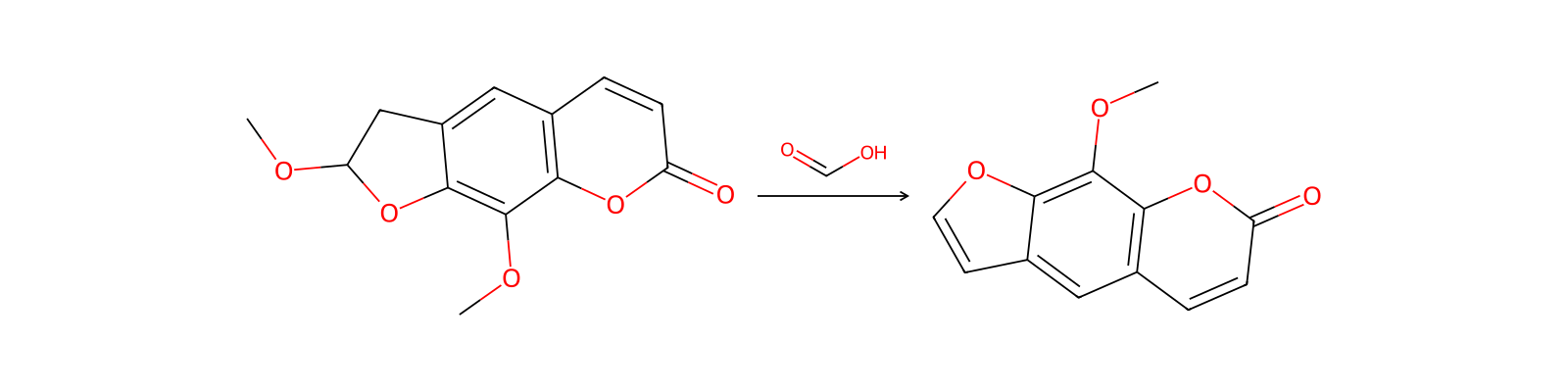
연결된 노트
불러오는 중…