
기본 정보
- 표준 SMILES
C/C=C/C=O- InChIKey
MLUCVPSAIODCQM-NSCUHMNNSA-N- 분자식
- C4H6O
- 평균 분자량
- 70.09 g/mol
- 단동위원소 질량
- 70.04186481
개요
Crotonaldehyde is a clear, colorless to straw colored liquid with a strong, suffocating odor. It is highly flammable and produces toxic vapors at room temperature. Crotonaldehyde is found naturally in emissions of some vegetation and volcanoes; many foods contain crotonaldehyde in small amounts. Crotonaldehyde is mainly used in the manufacture of sorbic acid, which is a yeast and mold inhibitor. Crotonaldehyde has been used as a warning agent in fuels, as alcohol denaturant, as stabilizer for tetraethyl-lead, in the preparation of rubber accelerators, and in leather tanning.
이름 및 식별자
- 우선 이름
- Crotonaldehyde
- IUPAC
- (E)-but-2-enal
- 현지명
- 크로톤알데하이드
- 영어명
- Crotonaldehyde (trans predominantly)
- 분자식
- C4H6O
- 분자량
- 70.09
이름 및 동의어
CROTONALDEHYDE2-ButenalCrotonalCrotylaldehyde(E)-but-2-enal(2E)-but-2-enalCrotonic aldehydeMethylpropenal1-Formylpropenebeta-MethylacroleinPropylene aldehyde2-Butenaldehyde
이름 더 보기
(E)-크로톤알데하이드크로톤알데하이드크로톤알데하이드,(E)-크로톤알데히드크로톤알데하이드,(E)-(2E)-2-뷰텐알(E)-2-뷰텐알(E)-뷰트-2-엔알2-뷰텐알, (2E)-베타-메틸아크롤레인크로텐알데하이드트랜스-2-뷰텐알트랜스-크로톤알데하이드2-Butenal, (E)-(E)-2-BUTENALBUTENALBDQ(E)-Crotonaldehydetrans-Crotonaldehyde
Krotonaldehydbeta-Methyl acrolein4170-30-3RCRA waste number U053trans-2-butenaldehydeUN 1143AI3-18303 (USDA)CHEBI:41607
데이터베이스 식별자
- CAS
123-73-9、4170-30-3- PubChem CID
- 447466
- DTXSID
DTXSID6020351- ChEMBL
CHEMBL1086445- ChEBI
CHEBI:41607- UNII
- 6PUW625907
- EC Number
- 204-647-1、224-030-0
- Nikkaji
- J118.444J、J9.294K
물성
구조 계산 물성
- XLogP
- 0.5
- 극성 표면적
- 17.1 Ų
- 수소 결합 공여자 수
- 0
- 수소 결합 수용자 수
- 1
- 회전 가능 결합 수
- 1
- 무거운 원자 수
- 5
- 형식 전하
- 0
- 복잡도
- 45.6
실험 및 물리화학적 성질
Chemical Classes
Toxic Gases & Vapors -> Other Toxic Gases & Vapors
Other Classes -> Aldehydes
Carcinogens
Mutagens
Volatile Organic Compound (VOC)
DrugsPharmaceuticals -> Listed in ZINC15
SpringerMaterials PropertiesSchoenflies notation
PesticidesPesticide -> EPA IRIS
LogP
0.63 (calculated)
0.6
Odor
Pungent, suffocating odor
Pungent, suffocating odor
Density
0.853 at 68 °F (EPA, 1998) - Less dense than water; will float
0.853 at 68 °F (EPA, 1998) - Less dense than water; will float
0.853 at 20 °C/20 °C
0.8516 g/cu cm at 20 °C
Relative density (water = 1): 0.85
0.87
Color/Form
Water-white, mobile liquid
Water-white to straw-colored liquid
Water-white liquid. [Note: Turns pale-yellow on contact with air.]
Liquid
Water-white, mobile liquid
Solubility
less than 0.1 mg/mL at 65.3 °F (NTP, 1992)
Heat capacity: 0.7 ca/g ... Dimerizes under strong acid conditions, slowly oxidizes to crotonic acid. Solubility of water in crotonaldehyde (g/100g) at 20 °C: 9.5; at 5 °C: 19.2
In water (g/100 g): 18.1 at 20 °C; 19.2 at 5 °C
In water, 1.81X10+5 mg/L at 20 °C
Soluble in chloroform; very soluble in ethanol, ethyl ether, acetone; miscible in benzene
Miscible with all proportions with alcohol, ether, toluene, kerosesne, gasolene, solvent naphtha
Flash Point
55 °F (EPA, 1998)
55.4 °F (EPA, 1998)
The Guide from the Emergency Response Guidebook is for "crotonaldehyde, inhibited." 13 °C
13 °C (55 °F) Closed cup
9 °C (48 °F) - closed cup
13 °C c.c.
Boiling Point
219 °F at 760 mmHg (EPA, 1998)
219.2 °F at 760 mmHg (EPA, 1998)
102.2 °C
102.2 °C
104.00 °C. @ 760.00 mm Hg
104 °C
Decomposition
Hazardous decomposition products formed under fire conditions. - Carbon oxides
When heated to decomposition it emits acrid smoke and fumes.
물리화학적 성질
- 녹는점
- 76 °C · −76 °C(lit.)
- 끓는 점
- 104 °C · 104 °C(lit.)
- 밀도
- 0.853 g/mL · 0.853 g/mL at 20 °C(lit.)
- 증기 밀도
- 2.41 · 2.41 (vs air)
- 증기압
- 32 mm · 32 mm Hg ( 20 °C)
- 굴절률
- 20 · n20/D 1.437
- 인화점
- 48 °F · 48 °F
- 저장 조건
- 2 · 2-8°C
- 용해도
- 20 °C에서 · 물: 20°C에서 용해성425.4g/L
- 물리적 상태
- 액체
- 색상
- 투명한
- 냄새
- 매운맛
- 폭발한계
- 19.5 % · 19.5%
- 수용성
- 150 g/L · 150g/L(20℃)
- Merck
- 14 · 14,2596
- BRN
- 906731 · 906731
- Henry's Law Constant
- 5.4 · 5.4×10-1 mol/(m3Pa) at 25℃, Brockbank (2013)
- 안정성
- 감광성
- 화장품 원료 기능
- 향기향수항산화제
- InChIKey
- MLUCVPSAIODCQM-NSCUHMNNSA-N
- LogP
- 0.6 · 0.600
- NIST
- Crotonaldehyde(123-73-9)
- EPA
- trans-Crotonaldehyde (123-73-9)
화학적 성질
Crotonaldehyde is water-white (turns paleyellow on contact with air) with an irritating, pungent, suffocating odor. The chemical can turn pale yellow when it contacts air. The chemical has a molecular weight of 70.1, a boiling point of 219°F, and a freezing point of -101°F. The vapor pressure is 30mm Hg at 25°C and the specific gravity is 0.87. The lower explosive limit is 2.1% and the upper explosive limit is 15.5%. Crotonaldehyde may be incompatible with caustics, ammonia, strong oxidizers, nitric acid, and amines. It also has the ability to polymerize at high temperatures.
안전 및 규제
GHS 분류
GHS Classification
Danger
H225: Highly Flammable liquid and vapor [Danger Flammable liquids]
P203, P210, P233, P240, P241, P242, P243, P260, P261, P262, P264, P264+P265, P270, P271, P273, P280, P284, P301+P316, P302+P352, P303+P361+P353, P304+P340, P305+P354+P338, P316, P317, P318, P319, P320, P321, P330, P332+P317, P361+P364, P362+P364, P370+P378, P391, P403+P233, P403+P235, P405, and P501 (click each P-code to see the statement)
Danger
H225 (100%): Highly Flammable liquid and vapor [Danger Flammable liquids]
P203, P210, P233, P240, P241, P242, P243, P260, P261, P262, P264, P264+P265, P270, P271, P273, P280, P284, P301+P316, P302+P352, P303+P361+P353, P304+P340, P305+P354+P338, P316, P317, P318, P319, P320, P321, P330, P332+P317, P361+P364, P362+P364, P370+P378, P391, P403+P233, P403+P235, P405, and P501 (click each P-code to see the statement)
유해성 정보
Hazards IdentificationToxic/poison by inhalation (TIH/PIH)
Regulatory Information
Chemical: 2-Butenal, (E)-
Chemical: 2-Butenal
Hazard Traits - Carcinogenicity
2-Butenal is listed on the EPA's Chemical Data Reporting (CDR) system. Manufacturers and importers of 2-Butenal are required to report information about their production and use of this chemical to the EPA under the Toxic Substances Control Act (TSCA). (40 eCFR Part 711)
Status: Active Update: 08-01-2020 https://echa.europa.eu/registration-dossier/-/registered-dossier/2037
Crotonaldehyde: HSNO Approval: HSR004461 Approved with controls
Other Safety Information
IMAP assessments - Crotonaldehyde: Human health tier II assessment
IMAP assessments - Crotonaldehyde: Human health tier II assessment
DOT Label
Poison Inhalation Hazard Flammable Liquid
Poison Inhalation Hazard Flammable Liquid
Fire Hazards
Flammable/combustible material; may be ignited by heat, sparks or flames. Vapor may travel to a source of ignition and flash back. Container may explode in heat of fire. Vapor explosion and poison hazard indoors, outdoors or in sewers. Runoff to sewer may create fire or explosion hazard. Readily converted by oxygen to hazardous peroxides and acids and is incompatible with caustics, ammonia, organic amines, mineral acids, and strong oxidizers. Readily resinifies to dimer when pure and slowly oxidizes to crotonic acid. Altered by light and air. Hazardous polymerization may occur. Polymerization may take place at high temperatures. (EPA, 1998)
Vapors form explosive mixtures in air or in sewers. Hazardous peroxides and acids emitted when heated to decomposition. Avoid nitric acid. Unstable, avoid oxygen, heat, elevated pressures. Hazardous polymerization may occur. Avoid contact with alkaline materials such as caustic ammonia or amines, or at elevated temperatures. (EPA, 1998)
· HIGHLY FLAMMABLE: Will be easily ignited by heat, sparks or flames.
Highly flammable. Many reactions may cause fire or explosion. Vapour/air mixtures are explosive.
Fire Potential
Flammable and combustible liquid.
Fire hazard ... when exposed to heat or flame; can react with oxidizing materials.
Dangerous fire hazard when exposed to heat or flame.
Health Hazards
This compound is an extreme eye, respiratory, and skin irritant and can cause corneal damage. A 15 minute exposure at 4.1 ppm is highly irritating to the nose and upper respiratory tract and causes tearing. Brief exposure at 45 ppm proved very disagreeable with prominent eye irritation. (EPA, 1998)
Although slightly less toxic, crotonaldehyde is similar chemically and toxicologically to acrolein, which is rated as extremely toxic. Toxic concentrations for human inhalation have been reported at 12 mg/m3/10 minutes. Irritant dose to human eye is 45 ppm. As with acrolein, vapor exposures cause severe and painful eye irritation, damage to cornea, lacrimation (tearing), irritation of nasal membranes, pulmonary edema (filling of lungs with fluid) and gastrointestinal distress when ingested. (EPA, 1998)
· TOXIC; may be fatal if inhaled, ingested or absorbed through skin.
Hazards Summary
Crotonaldehyde is a clear, colorless to straw colored liquid with a strong, suffocating odor. It is highly flammable and produces toxic vapors at room temperature. Crotonaldehyde is found naturally in emissions of some vegetation and volcanoes; many foods contain crotonaldehyde in small amounts. Crotonaldehyde is mainly used in the manufacture of sorbic acid, which is a yeast and mold inhibitor. Crotonaldehyde has been used as a warning agent in fuels, as alcohol denaturant, as stabilizer for tetraethyl-lead, in the preparation of rubber accelerators, and in leather tanning.
Rats exposed to 1500 ppm, a lethal concentration, develop pulmonary edema. [ACGIH] Liquid causes second degree burns after contact for a few minutes. [CHRIS] Also CAS # 123-73-9; A lachrymator; [CHEMINFO] Corrosive to the eyes; Causes lachrymation; Can cause pulmonary edema; [ICSC] Crotonaldehyde (UN1143) has warning of explosive polymerization; [ERG 2016]
A mutagen and mild skin irritant; Causes ataxia in mice and convulsions in rats in lethal-dose inhalation studies; [RTECS] An eye, nose, pharynx, and larynx irritant; A lachrymator; [HSDB] A nasal membrane and strong eye irritant that may cause damage to the cornea; Causes lacrimation and may cause lung edema after inhalation of high concentrations; [CAMEO] A skin and respiratory tract irritant; May cause serious eye injury; [eChemPortal: ESIS] An irritant; Can be absorbed through skin; Effects in high-dose animal studies include lacrimation and convulsions; [MSDSonline] See Crotonaldehyde.
DOT ID and Guide
1143 131P
1143 131P(inhibited)
Reactive Group
Aldehydes
Aldehydes
UN ClassificationUN Hazard Class: 6.1; UN Subsidiary Risks: 3; UN Pack Group: I
Special Reports
ATSDR; ToxFAQs for Crotonaldehyde (April 2002) answers the most frequently asked health questions about crotonaldehyde.
ATSDR; Medical Management Guidelines for Crotonaldehyde (C4H6O) provides a detailed description for the protection of emergency response workers, medical staff in the emergency room, and patients exposed to crotonaldehyde from an accidental or intentional release.
안전 및 보호
Fire Fighting
Wear positive pressure breathing apparatus and full protective clothing. Move container from fire area if you can do so without risk. Dike fire control water for later disposal; do not scatter the material. Spray cooling water on containers that are exposed to flames until well after fire is out. Withdraw immediately in case of rising sound from venting safety device or any discoloration of tank due to fire. Isolate for one-half mile radius if tank car or truck is involved in fire.
All exposed skin surfaces should be covered. Wear protective clothing including self-contained breathing apparatus, coat, pants, gloves, boots, and bands around arms, wrists, legs, and waist. Massive or advanced fires should be fought from a safe distance or protected location. Isolate area for one-half mile in all directions if tank car or truck involved in fire.
Use water spray, powder, alcohol-resistant foam, carbon dioxide. In case of fire: keep drums, etc., cool by spraying with water. Combat fire from a sheltered position.
First Aid Measures
Fresh air, rest. Half-upright position. Artificial respiration may be needed. Refer immediately for medical attention.
First rinse with plenty of water for at least 15 minutes, then remove contaminated clothes and rinse again. Refer immediately for medical attention .
Rinse with plenty of water for several minutes (remove contact lenses if easily possible). Refer immediately for medical attention.
Rinse mouth. Give one or two glasses of water to drink. Refer immediately for medical attention.
Accidental Release Measures
· CALL 911. Then call emergency response telephone number on shipping paper. If shipping paper not available or no answer, refer to appropriate telephone number listed on the inside back cover.
· ELIMINATE all ignition sources (no smoking, flares, sparks or flames) from immediate area.
First Aid
Warning: Effects may be delayed. Caution is advised.
Warning: Crotonaldehyde, (E)- is an extreme eye, respiratory, and skin irritant and can cause corneal damage. Caution is advised.
General First Aid:
(General first aid procedures)
Safe Storage
Fireproof. Separated from food and feedstuffs and incompatible materials. See Chemical Dangers. Cool. Keep in the dark. Well closed. Store only if stabilized. Store in an area without drain or sewer access. Provision to contain effluent from fire extinguishing.
Firefighting Hazards
Vapors are heavier than air and may travel to a source of ignition and flash back. Combustion may produce irritants & toxic gases. Closed containers may rupture violently when heated. May form explosive peroxides.
Severe health hazard. Flammable and corrosive liquid. May polymerize explosivly. Forms explosive peroxides.
Exposure Control and Personal Protection
· Wear positive pressure self-contained breathing apparatus (SCBA).
TIH (Toxic Inhalation Hazard) - Term used to describe gases and volatile liquids that are toxic when inhaled. Some are TIH materials themselves, e.g., chlorine, and some release TIH gases when spilled in water, e.g., chlorosilanes. [ERG 2016].
3.0 [ppm]
Fire Fighting Procedures
Suitable extinguishing media: Use water spray, alcohol-resistant foam, dry chemical or carbon dioxide. Advice for firefighters: Wear self-contained breathing apparatus for firefighting if necessary. Further information: Use water spray to cool unopened containers.
Approach fire from upwind to avoid hazardous vapors and toxic decomposition products. Use water spray, dry chemical, "alcohol resistant" foam, or carbon dioxide. Use water spray to keep fire-exposed containers cool. Fight fire from protected location or maximum possible distance.
Suitable extinguishing media: Use water spray, alcohol-resistant foam, dry chemical or carbon dioxide.
Advice for firefighters: Wear self-contained breathing apparatus for firefighting if necessary.
Use water spray to cool unopened containers.
To fight fire, use alcohol foam, carbon dioxide, dry chemical.
Storage Conditions
Outside or detached storage is preferred. Inside storage should be in a standard flammable liquids storage warehouse, room, or cabinet. Isolate from alkalies and oxidizing materials.
Store in cool place with containers tightly sealed & away from sources of ignition or heat.
Keep container tightly closed in a dry and well-ventilated place. Containers which are opened must be carefully resealed and kept upright to prevent leakage. Recommended storage temperature 2-8 °C Store under inert gas. Air sensitive. Storage class (TRGS 510): 3: Flammable liquids.
Keep container tightly closed in a dry and well-ventilated place. Containers which are opened must be carefully resealed and kept upright to prevent leakage. Recommended storage temperature 2 - 8 °C. Storage class (TRGS 510): Flammable liquids.
Cleanup Methods
1. Remove all ignition sources. 2. Ventilate area of spill or leak. 3. For small quantities, absorb on paper towels. Evaporate in a safe place (such as fume hood). Allow sufficient time for evaporating vapors to completely clear hood ductwork. Burn the paper in a suitable location away from /other/ combustible materials. Large quantities can be reclaimed or collected and atomized in a suitable combustion chamber. Liq crotonaldehyde should not be allowed to enter a confined space, such as a sewer, because of the possibility of an explosion.
Crotonaldehyde may be neutralized in chemical process waste water by adjusting the water to a pH of 8 with alkali hydroxide, such as NaOH, & heating for 15-30 min at 80-100 °C.
Releases may require isolation or evacuation. Eliminate all ignition sources. Stop or control the leak, if this can be done without undue risk. Use water spray to cool and disperse vapors and protect personnel. Control runoff and isolate discharged material for proper disposal.
ACCIDENTAL RELEASE MEASURES; Personal precautions, protective equipment and emergency procedures: Wear respiratory protection. Avoid breathing vapors, mist or gas. Ensure adequate ventilation. Remove all sources of ignition. Evacuate personnel to safe areas. Beware of vapours accumulating to form explosive concentrations. Vapors can accumulate in low areas. Environmental precautions: Prevent further leakage or spillage if safe to do so. Do not let product enter drains. Discharge into the environment must be avoided. Methods and materials for containment and cleaning up: Contain spillage, and then collect with an electrically protected vacuum cleaner or by wet-brushing and place in container for disposal according to local regulations.
ACCIDENTAL RELEASE MEASURES: Personal precautions, protective equipment and emergency procedures: Wear respiratory protection. Avoid breathing vapors, mist or gas. Ensure adequate ventilation. Remove all sources of ignition. Evacuate personnel to safe areas. Beware of vapors accumulating to form explosive concentrations. Vapors can accumulate in low areas. Environmental precautions: Prevent further leakage or spillage if safe to do so. Do not let product enter drains. Discharge into the environment must be avoided. Methods and materials for containment and cleaning up: Contain spillage, and then collect with an electrically protected vacuum cleaner or by wet-brushing and place in container for disposal according to local regulations.
1. Remove all ignition sources. 2. Ventilate area of spill or leak. 3. For small quantities, absorb on paper towels. Evaporate in a safe place (such as fume hood). Allow sufficient time for evaporating vapors to completely clear hood ductwork. Burn the paper in a suitable location away from/other/ combustible materials. Large quantities can be reclaimed or collected and atomized in a suitable combustion chamber. Liq crotonaldehyde should not be allowed to enter a confined space, such as a sewer, because of the possibility of an explosion. /Crotonaldehyde/
Nonfire Spill Response
Excerpt from ERG Guide 131 [Flammable Liquids - Toxic; polymerization hazard]:
Remove all ignition sources and ventilate area of spill. No flares, smoking, or flames in hazard area. Do not touch spilled material; stop leak if you can do so without risk. (EPA, 1998)
Disposal Methods
Generators of waste (equal to or greater than 100 kg/mo) containing this contaminant, EPA hazardous waste number U053, must conform with USEPA regulations in storage, transportation, treatment and disposal of waste.
SRP: Wastewater from contaminant suppression, cleaning of protective clothing/equipment, or contaminated sites should be contained and evaluated for subject chemical or decomposition product concentrations. Concentrations shall be lower than applicable environmental discharge or disposal criteria. Alternatively, pretreatment and/or discharge to a permitted wastewater treatment facility is acceptable only after review by the governing authority and assurance that "pass through" violations will not occur. Due consideration shall be given to remediation worker exposure (inhalation, dermal and ingestion) as well as fate during treatment, transfer and disposal. If it is not practicable to manage the chemical in this fashion, it must be evaluated in accordance with EPA 40 CFR Part 261, specifically Subpart B, in order to determine the appropriate local, state and federal requirements for disposal.
A good candidate for liquid injection incineration at a temperature range of 650 to 1,600 °C and a residence time of 0.1 to 2 seconds. A good candidate for rotary kiln incineration at a temperature range of 820 to 1,600 °C and residence times of seconds for liquids and gases, and hours for solids. Also, a good candidate for fluidized bed incineration at a temperature range of 450 to 980 °C and residence times of seconds for liquids and gases, and longer for solids.
Product: Burn in a chemical incinerator equipped with an afterburner and scrubber but exert extra care in igniting as this material is highly flammable. Offer surplus and non-recyclable solutions to a licensed disposal company. Contact a licensed professional waste disposal service to dispose of this material. Contaminated packaging: Dispose of as unused product.
SRP: Recycle any unused portion of the material for its approved use or return it to the manufacturer or supplier. Ultimate disposal of the chemical must consider: the material's impact on air quality; potential migration in air, soil or water; effects on animal, aquatic and plant life; and conformance with environmental and public health regulations. If it is possible or reasonable use an alternative chemical product with less inherent propensity for occupational harm/injury/toxicity or environmental contamination.
Product: Burn in a chemical incinerator equipped with an afterburner and scrubber but exert extra care in igniting as this material is highly flammable. Offer surplus and non-recyclable solutions to a licensed disposal company. Contact a licensed professional waste disposal service to dispose of this material; Contaminated packaging: Dispose of as unused product.
독성 정보
Body Burden
Crotonaldehyde was qualitatively detected in 1 of 8 human milk samples collected from volunteers in 4 US cities(1). Crotonaldehyde was detected in expired air from 62 non-smoking human subjects(2).
Crotonaldehyde (steric form not reported) was qualitatively detected in 1 of 8 human milk composite samples collected from volunteers in 4 US cities(1). Crotonaldehyde (steric form not reported) was detected in expired air from 62 non-smoking human subjects(2).
Interactions
Although a poor substrate for oxidation, crotonaldehyde is an effective inhibitor of the oxidation of acetaldehyde by mitochondrial aldehyde dehydrogenase, by intact mitochondria, and by isolated hepatocytes. Inhibition by crotonaldehyde was competitive with respect to acetaldehyde, and the Ki for crotonaldehyde was approx 5-20 uM ... Crotonaldehyde increased the accumulation of acetaldehyde >10-fold, indicating that crotonaldehyde, besides inhibiting the oxidation of added acetaldehyde, also inhibited the oxidation of acetaldehyde generated by the metabolism of ethanol. ... Crotonaldehyde was a potent inhibitor of mitochondrial oxidation of formaldehyde, but had no effect on the activity of formaldehyde dehydrogenase. In hepatocytes, crotonaldehyde produced approx 30-40% inhibition of formaldehyde oxidation , which was similar to the inhibition produced by cyanamide. ...
To study the toxic interaction between acetaldehyde and crotonaldehyde, the acute toxicity tests with mice intubated orally, the mutagenicity tests with Salmonella typhimurium LT2 his strains and, the DNA-synthesis inhibition tests with Hela cells were carried out. The combined acute toxic effects of the two aldehydes are additive. Acetaldehyde is not mutagenic in the Ames test, but slightly inhibits cell DNA synthesis at concentration 400 ug/mL, while crotonaldehyde shows the mutagenic effect on the strain TA100 without S-9 and inhibits DNA synthesis significantly. Both the mutagenic activity and inhibition effect on DNA synthesis of crotonaldehyde showed no change in the presence of acetaldehyde.
Cigarette smoke contains relatively large quantities of volatile organic toxicants or carcinogens such as benzene, acrolein, and crotonaldehyde. Among their detoxification products are mercapturic acids formed from glutathione conjugation, catalyzed in part by glutathione S-transferases (GST). A randomized phase II clinical trial with a crossover design was conducted to evaluate the effect of 2-phenethyl isothiocyanate (PEITC), a natural product formed from gluconasturtiin in certain cruciferous vegetables, on the detoxification of benzene, acrolein, and crotonaldehyde in 82 cigarette smokers. Urinary mercapturic acids of benzene, acrolein, and crotonaldehyde at baseline and during treatment were quantified. Overall, oral PEITC supplementation increased the mercapturic acid formed from benzene by 24.6% (P=0.002) and acrolein by 15.1% (P = 0.005), but had no effect on crotonaldehyde. A remarkably stronger effect was observed among subjects with the null genotype of both GSTM1 and GSTT1: in these individuals, PEITC increased the detoxification metabolite of benzene by 95.4% (P <0.001), of acrolein by 32.7% (P=0.034), and of crotonaldehyde by 29.8% (P=0.006). In contrast, PEITC had no effect on these mercapturic acids in smokers possessing both genes. PEITC had no effect on the urinary oxidative stress biomarker 8-iso-prostaglandin F2a or the inflammation biomarker prostaglandin E2 metabolite. This trial demonstrates an important role of PEITC in detoxification of environmental carcinogens and toxicants which also occur in cigarette smoke. The selective effect of PEITC on detoxification in subjects lacking both GSTM1 and GSTT1 genes supports the epidemiologic findings of stronger protection by dietary isothiocyanates against the development of lung cancer in such individuals.
INTRODUCTION: Acute inhalational exposure leads to rapidly progressive acute respiratory distress syndrome (ARDS). This report is the first one to present a patient with ARDS in relation to long-standing exposure to a high-concentration mixture of ethenone and crotonaldehyde. CASE REPORT: A male worker in a chemical plant was accidentally exposed to the mixture of high-concentrated ethenone and crotonaldehyde for 5 min in an open space and worked continuously in the polluted area for approximately 12 hr. On admission, he was conscious with the following vital parameters: blood pressure, 151/91 mmHg; pulse rate, 107 beats/min; respiratory rate, 30 breaths/min; temperature, 37.6 °C; oxygen saturation, 92% supported by mask saturation 10 L/min; arterial blood gases showed P/F oxygen ratio of less than 200. Physical examination disclosed decreased bilateral vesicular sounds. A chest computed tomography revealed bilateral nonsegmental ground-glass opacities. The patient was mechanically ventilated and treated with corticosteroid. The patient was discharged without any symptoms. CONCLUSION: Exposure to mixtures of ethenone and crotonaldehyde can cause severe pulmonary injury leading to delayed ARDS.
Thirteen chemicals present in tobacco smoke were assessed for their effect on viability and proliferation of mouse lymphocytes in vitro. Acetaldehyde, benzene, butyraldehyde, isoprene, styrene, and toluene produced no effect on either viability or proliferation after 3 hr of exposure. Formaldehyde, catechol, acrylonitrile, propionaldehyde, and hydroquinone significantly inhibited T-lymphocyte and B-lymphocyte proliferation with IC50 values ranging from 1.19x10(-5) M to 8.20x10(-4) M after 3 hr of exposure. Acrolein and crotonaldehyde not only inhibited T-cell and B-cell proliferation, but also acted on viability with IC50 values ranging from 2.06x10⁻⁵ M to 4.26x10⁻⁵ M. Mixtures of acrolein, formaldehyde, and propionaldehyde or crotonaldehyde were tested and interactive effects at 0.5 and 1 x IC50 were observed. Two mixtures significantly inhibited T-cell proliferation when compared to the control at 0.1 x IC50 concentration. The present study shows that some chemicals known to be present in tobacco smoke exert an effect on lymphocyte viability and proliferation in vitro.
Inappropriate use of ethanol (EtOH) had led to noticeable health problems, but a beneficial phenomenon was found that EtOH displayed unique influences for toxic trans-crotonaldehyde (TCA) derived from mitochondrial lipid peroxidation. The influences of EtOH on the structure of TCA were systematically probed by UV-vis & Raman spectroscopy in the absence and presence of mitochondria, respectively. The maximum UV-vis peak at 301 nm of TCA was red shifted by hydroxyl (-OH) and methyl (-CH3) of EtOH, respectively. Raman stretching band of aldehyde (-CH=O) of TCA (TCA-CH=O) was split by the -CH3 of EtOH. The -CH3 increased TCA-CH=O stretching frequency while the -OH induced it. The more exposed -OH, the less stretching frequency. The ectopic -CH3 red shifted the UV-vis peak at 301 nm and Raman band of TCA-CH=O. In mitochondria, EtOH red shifted Raman stretching band of TCA-CH=O. Raman stretching bands of C-H, C-O and C-C of EtOH were red shifted, while Raman stretching bands of -CH2 and C-C-O of EtOH disappeared. The paper unearths the influences of EtOH to trap and transform the structure of TCA-CH=O. This discovery has an important contribution to eliminate TCA in order to protect and repair mtDNA by means of the decrease of 8-oxoG.
Target OrgansEyes, skin, respiratory system
Ecotoxicity Values
LC50; Species: Lepomis macrochirus (Bluegill sunfish); Conditions: static bioassay in fresh water at 23 °C with mild aeration applied after 24 hr; Concentration: 3.5 ppm for 96 hr (85% aqueous)
LC50; Species: Menidia beryllina (Inland silverside); Conditions: static bioassay in synthetic seawater at 23 °C with mild aeration applied after 24 hr; Concentration: 1.3 ppm for 96 hr
EC50; Species: Tetrahymena pyriformis (Ciliate) exponential growth phase, 1000 cells/mL; Conditions: bacteria based medium, Escherichia coli (6 g/L), /static/, 28 °C, pH 7.35; Concentration: 1000000 ug/L for 46 hr; Effect: decreased population growth rate
EC50; Species: Tetrahymena pyriformis (Ciliate) exponential growth phase, 1000 cells/mL; Conditions: axenic (preferably proteose peptone-) medium, /static/, 28 °C, pH 7.35; Concentration: 1500000 ug/L for 46 hr; Effect: decreased population growth rate
For more Ecotoxicity Values (Complete) data for Crotonaldehyde (9 total), please visit the HSDB record page.
Environmental Fate
TERRESTRIAL FATE: Based on a classification scheme(1), an estimated Koc value of 2(SRC), determined from a structure estimation method(2), indicates that crotonaldehyde is expected to have very high mobility in soil(SRC). Volatilization of crotonaldehyde from moist soil surfaces is expected(SRC) given an estimated Henry's Law constant of 1.5X10⁻⁵ atm-cu m/mole(SRC), based upon its vapor pressure, 30 mm Hg(3), and water solubility, 1.81X10+5 mg/L(4). Crotonaldehyde is expected to volatilize from dry soil surfaces(SRC) based upon its vapor pressure(3). A 73% of Theoretical BOD using activated sludge in the Japanese MITI test(5) suggests that biodegradation is an important environmental fate process in soil(SRC).
AQUATIC FATE: Based on a classification scheme(1), an estimated Koc value of 2(SRC), determined from a structure estimation method(2), indicates that crotonaldehyde is not expected to adsorb to suspended solids and sediment(SRC). Volatilization from water surfaces is expected(3) based upon an estimated Henry's Law constant of 1.5X10⁻⁵ atm-cu m/mole(SRC), derived from its vapor pressure, 30 mm Hg(4), and water solubility, 1.81X10+5 mg/L(5). Using this Henry's Law constant and an estimation method(3), volatilization half-lives for a model river and model lake are 2.1 and 18 days, respectively(SRC). Crotonaldehyde is not expected to undergo hydrolysis in the environment due to the lack of functional groups that hydrolyze under environmental conditions(3). According to a classification scheme(6), an estimated BCF of 3(SRC), from an estimated log Kow of 0.60(2) and a regression-derived equation(2), suggests the potential for bioconcentration in aquatic organisms is low. The half-lives for olefinic structures (similar to crotonaldehyde) in sunlit natural waters are about 13 and 8 days with respect to reaction via hydroxyl radicals and singlet oxygen(7). Crotonaldehyde was observed to have a 5-day BODT of 37% using the AFNOR T.90 test protocol(8). Crotonaldehyde has been found to be degradable via anaerobic (methane fermentation) biotechnology(9,10).
ATMOSPHERIC FATE: According to a model of gas/particle partitioning of semivolatile organic compounds in the atmosphere(1), crotonaldehyde, which has a vapor pressure of 30 mm Hg at 20 °C(2), is expected to exist solely as a vapor in the ambient atmosphere. Vapor-phase crotonaldehyde is degraded in the atmosphere by reaction with photochemically-produced hydroxyl radicals(SRC); the half-life for this reaction in air is estimated to be 11 hours(SRC), calculated from an experimental rate constant for trans-crotonaldehyde of 3.6X10⁻¹¹ cu cm/molecule-sec(3) and an estimated rate constant for cis-crotonaldehyde of 3.6X10⁻¹¹ cu cm/molecule-sec(SRC) that was derived using a structure estimation method(4). The atmospheric reaction half-life of crotonaldehyde with ozone is estimated to be 6.3 and 12 days for the trans- and cis-isomers, respectively, based on estimated reaction rates of 1.8X10⁻¹⁸ and 9.1X10⁻¹⁹ cu cm/molecule-sec at 25 °C(SRC), derived using a structure estimation method(4), and an atmospheric concentration of 7X10+11 ozone molecules per cu cm(5). Crotonaldehyde absorbs at wavelengths >290 nm(6) and, therefore, may be susceptible to direct photolysis by sunlight(SRC).
TERRESTRIAL FATE: Based on a classification scheme(1), an estimated Koc value of 2(SRC), determined from a structure estimation method(2), indicates that (E)-crotonaldehyde is expected to have very high mobility in soil(SRC). Volatilization of (E)-crotonaldehyde from moist soil surfaces is expected(SRC) given a Henry's Law constant of 1.94X10⁻⁵ atm-cu m/mole(3). (E)-Crotonaldehyde is expected to volatilize from dry soil surfaces(SRC) based upon a vapor pressure of 38 mm Hg at 25 °C(4). A 73% of Theoretical BOD using activated sludge in the Japanese MITI test(5) suggests that biodegradation is an important environmental fate process in soil(SRC). Other biodegradation studies suggest that (E)-crotonaldehyde may be biodegradable in soil(6), especially in anaerobic conditions(7,8).
AQUATIC FATE: Based on a classification scheme(1), an estimated Koc value of 2(SRC), determined from a structure estimation method(2), indicates that (E)-crotonaldehyde is not expected to adsorb to suspended solids and sediment(SRC). Volatilization from water surfaces is expected(3) based upon a Henry's Law constant of 1.94X10⁻⁵ atm-cu m/mole(4). Using this Henry's Law constant and an estimation method(3), volatilization half-lives for a model river and model lake are 40 hours and 15 days, respectively(SRC). (E)-Crotonaldehyde is not expected to undergo hydrolysis in the environment due to the lack of functional groups that hydrolyze under environmental conditions(3). According to a classification scheme(5), an estimated BCF of 3(SRC), from an estimated log Kow of 0.60(2) and a regression-derived equation(2), suggests the potential for bioconcentration in aquatic organisms is low. Biodegradation studies suggest that (E)-crotonaldehyde may be biodegradable in water(6), especially in anaerobic conditions(7,8).
ATMOSPHERIC FATE: According to a model of gas/particle partitioning of semivolatile organic compounds in the atmosphere(1), (E)-crotonaldehyde, which has a vapor pressure of 38 mm Hg at 25 °C(2), is expected to exist solely as a vapor in the ambient atmosphere. Vapor-phase (E)-crotonaldehyde is degraded in the atmosphere by reaction with photochemically-produced hydroxyl radicals and ozone(SRC); the half-lives for these reactions in air are 11 hours and 15.5 days(SRC), calculated from respective rate constants of 3.6X10⁻¹¹(3) and 7.4X10⁻¹⁹(4) cu cm/molecule-sec. (E)-Crotonaldehyde contains chromophores that absorb at wavelengths >290 nm(5) and, therefore, may be susceptible to direct photolysis by sunlight(SRC).
Food Survey Values
Crotonaldehyde was found as a volatile component of roasted earth-almond (Cyperus esculentus L.)(1). Crotonaldehyde was not detected in whole musty sorghum, but was detected in ground musty sorghum(2). The concentration of crotonaldehyde in oils heated at 180 °C for 24 hours was 0.27-0.34, 1.26-1.50, 11.2-12.8, 0.60-0.72 and 33.3-35.5 ng/kg in coconut, olive, rapeseed, safflower and linseed oil, respectively(3). It was also detected in potato chips and donuts at respective concentrations of 12-25 and 8-19 ug/kg depending on the oil used to deep fry the foods(3). Crotonaldehyde was found in many fruits (apples, guavas, grapes, strawberries, tomatoes) at <0.01 ppm; in cabbage, cauliflower, Brussel sprouts, carrots and celery leaves at 0.02-0.1 ppm; in bread, cheese, milk, meat, fish and beer at 0-0.04 ppm; in wine at 0-0.7 ppm; various liquors at <0.02-0.21 ppm; wheat flavor essence and beef fat(4).
(E)-Crotonaldehyde was qualitatively detected in raw beef(1), chickpea(2), cucumber(3) and chicken(4). (E)-Crotonaldehyde was not detected in pure milk, but was detected in fish oil enriched milk after storage at 2 °C for 11 days(5).
Adverse Effects
Dermatotoxin - Skin burns.
Neurotoxin - Other CNS neurotoxin
Exposure Routes
The substance can be absorbed into the body by inhalation of its vapour, through the skin and by ingestion.
inhalation, ingestion, skin and/or eye contact
Milk Concentrations
Crotonaldehyde was qualitatively detected in 1 of 12 human milk samples collected from volunteers in 4 USA cities(1).
Crotonaldehyde (steric form not reported) was qualitatively detected in 1 of 8 human milk composite samples collected from volunteers in 4 US cities(1). (E)-Crotonaldehyde was not detected in pure pasteurized milk during cold storage (2 °C) for 14 days(2).
Toxicity Summary
IDENTIFICATION AND USE: Crotonaldehyde is a water-white, mobile liquid. Crotonaldehyde was formerly used in the manufacture of n-butanol, but currently, the most extensive use of crotonaldehyde is in the manufacture of sorbic acid. Crotonaldehyde has also been used as a warning agent in fuel gases, in the preparation of rubber accelerators, in leather tanning, as an alcohol denaturant, and as a stabilizer for tetraethyl-lead. HUMAN STUDIES: A 15-minute exposure to crotonaldehyde at 4.1 ppm was highly irritating to the nose and upper respiratory tract and produced lacrimation in human volunteers in 30 seconds. Crotonaldehyde is highly toxic by the dermal route. Direct contact with liquid crotonaldehyde causes rapid and severe eye and skin irritation or burns. Exposure to vapor produces inflammation of mucous membranes. Clinical cases of sensitization have occurred. Crotonaldehyde vapors may produce pulmonary edema at high concentrations. Crotonaldehyde, a mutagen and carcinogen, reacts with deoxyguanosine (dGuo) in DNA to generate a pair of diastereomeric adducts (Cro-dGuo). Cro-dGuo adducts inhibit DNA synthesis and induce miscoding in human cells. DNA from human liver, lung, and blood was analyzed. The Cro-dGuo adducts were detected more frequently in human lung DNA than in liver DNA but were not detected in DNA from blood. Immunological studies revealed enhanced binding of cancer autoantibodies with crotonaldehyde modified DNA, compared to the native form. Furthermore, lymphocyte DNA isolated from cancer patients demonstrated considerable recognition of anti-Cro-DNA IgG as compared to the DNA from healthy individuals. ANIMAL STUDIES: Crotonaldehyde liquid causes severe injury to rabbit eyes similar to that caused by acetic anhydride. Pulmonary edema was observed in the rats after a fatal exposure at 1500 ppm. Crotonaldehyde induced neoplastic lesions in the liver, hepatocellular carcinomas, neoplastic nodules, and liver damage when administered orally to rats over long periods of time. Crotonaldehyde was tested for the induction of sex-linked recessive lethal mutations in Drosophila melanogaster. Crotonaldehyde was negative for lethal mutations after feeding of 4000 ppm to males but positive for lethal mutations and translocations after injection of 3500 ppm. Oral or ip administration of crotonaldehyde damaged the spermatogenic cells of the mouse seminiferous tubules. Besides gross degeneration, polyploidy was observed at all stages of spermatogenesis. Abnormal pairing of sex chromosomes occurred at diakinesis or metaphase I. Genotoxicity of crotonaldehyde was evaluated by employing bone marrow and spermatocyte chromosomal aberration and dominant lethal mutation assays in mice. It was genotoxic in these tests. Crotonaldehyde has been proven mutagenic without metabolic activation. It can modify DNA by forming cyclic 1,N2-propanodeoxyguanosine adducts and can also induce micronuclei production and sister chromatid exchange.
IDENTIFICATION AND USE: (E)-Crotonaldehyde is a liquid. It is used in the manufacture of butyl alcohol, butyraldehyde, methoxybutyraldehyde, sorbic acid, maleic acid, crotonic acid, crotyl alcohol. In polymer chemistry, it is used in the manufacture of resins and polyvinyl acetals, as a solvent for polyvinyl chloride, as a rubber antioxidant, and it increases rubber strength with ketones. It is also used in preparation of insecticides and fertilizers, and in production of flavors. HUMAN STUDIES: (E)-Crotonaldehyde is a lacrymating material that is very dangerous to the eyes. It is a human skin and respiratory system irritant. Individuals with chronic respiratory disease, impaired pulmonary function, obstructive airway diseases, or skin disease may be at an increased risk from exposure to crotonaldehyde. ANIMAL STUDIES: Reported LD50 ranged from 140 mg/kg in rabbit to 1331 mg/kg in guinea pig, and LC50 for inhalation in rat was 4000 mg/cu m per 30 min exposure.
Plant Concentrations
Crotonaldehyde has been identified as a volatile emission product from the arboreous plant Chinese arbor vitae(1). Crotonaldehyde is reported in the plant of potato (Solanum tuberosum)(2). In plants exposed to 70-130 ppbv of crotonaldehyde, the normalized uptake rate was 19.1 mmol/sq m/s in peace lily (Spathiphyllum clevelandii), uptake by golden pothos (Epipremnum aureum) was not detected(3). Uptake of crotonaldehyde by broad leaf tree saplings was 29.5 and 25.4 mmol/sq m/s in Quercus myrsinaefolia and Quercus philyraeoides, respectively(4).
(E)-Crotonaldehyde was qualitatively detected in cucumber (Cucumis sativus)(1). Crotonaldehyde (steric form not reported) has been identified as a volatile emission product from the arboreous plant Chinese arbor vitae(2) and is reported in the plant of potato (Solanum tuberosum)(3).
Signs and Symptoms
Sore throat. Burning sensation behind the breastbone. Cough. Shortness of breath. Symptoms may be delayed.
Redness. Burning sensation. Pain.
Redness. Pain. Burns. Watering of the eyes.
Burning sensation. Nausea. Abdominal pain. Vomiting. Diarrhoea.
irritation eyes, respiratory system; In Animals: dyspnea (breathing difficulty), pulmonary edema, irritation skin
규제 정보
RCRA Requirements
U053; As stipulated in 40 CFR 261.33, when crotonaldehyde, as a commercial chemical product or manufacturing chemical intermediate or an off-specification commercial chemical product or a manufacturing chemical intermediate, becomes a waste, it must be managed according to Federal and/or State hazardous waste regulations. Also defined as a hazardous waste is any residue, contaminated soil, water, or other debris resulting from the cleanup of a spill, into water or on dry land, of this waste. Generators of small quantities of this waste may qualify for partial exclusion from hazardous waste regulations (40 CFR 261.5).
TSCA Requirements
Section 8(a) of TSCA requires manufacturers of this chemical substance to report preliminary assessment information concerned with production, exposure, and use to EPA as cited in the preamble in 51 FR 41329. Effective date 9/29/2006; Reporting date: 11/28/2006.
Pursuant to section 8(d) of TSCA, EPA promulgated a model Health and Safety Data Reporting Rule. The section 8(d) model rule requires manufacturers, importers, and processors of listed chemical substances and mixtures to submit to EPA copies and lists of unpublished health and safety studies. 2-Butenal is included on this list. Effective date 3/7/86; Sunset date: 12/19/95.
A testing consent order is in effect for crotonaldehyde for environmental effects and chemical fate testing. FR citation: 11/09/89.
Atmospheric Standards
This action promulgates standards of performance for equipment leaks of Volatile Organic Compounds (VOC) in the Synthetic Organic Chemical Manufacturing Industry (SOCMI). The intended effect of these standards is to require all newly constructed, modified, and reconstructed SOCMI process units to use the best demonstrated system of continuous emission reduction for equipment leaks of VOC, considering costs, non air quality health and environmental impact and energy requirements. Crotonaldehyde is produced, as an intermediate or a final product, by process units covered under this subpart.
This action promulgates standards of performance for equipment leaks of Volatile Organic Compounds (VOC) in the Synthetic Organic Chemical Manufacturing Industry (SOCMI). The intended effect of these standards is to require all newly constructed, modified, and reconstructed SOCMI process units to use the best demonstrated system of continuous emission reduction for equipment leaks of VOC, considering costs, non air quality health and environmental impact and energy requirements. Crotonaldehyde is produced, as an intermediate or a final product, by process units covered under this subpart. /Crotonaldehyde/
CERCLA Reportable Quantities
Persons in charge of vessels or facilities are required to notify the National Response Center (NRC) immediately, when there is a release of this designated hazardous substance, in an amount equal to or greater than its reportable quantity of 100 lb or 45.4 kg. The toll free number of the NRC is (800) 424-8802. The rule for determining when notification is required is stated in 40 CFR 302.4 (section IV. D.3.b).
Releases of CERCLA hazardous substances are subject to the release reporting requirement of CERCLA section 103, codified at 40 CFR part 302, in addition to the requirements of 40 CFR part 355. Crotonaldehyde is an extremely hazardous substance (EHS) subject to reporting requirements when stored in amounts in excess of its threshold planning quantity (TPQ) of 1000 lbs.
Persons in charge of vessels or facilities are required to notify the National Response Center (NRC) immediately, when there is a release of this designated hazardous substance, in an amount equal to or greater than its reportable quantity of 100 lb or 45.4 kg. The toll free number of the NRC is (800) 424-8802. The rule for determining when notification is required is stated in 40 CFR 302.4 (section IV. D.3.b).
Releases of CERCLA hazardous substances are subject to the release reporting requirement of CERCLA section 103, codified at 40 CFR part 302, in addition to the requirements of 40 CFR part 355. Crotonaldehyde, (E)- is an extremely hazardous substance (EHS) subject to reporting requirements when stored in amounts in excess of its threshold planning quantity (TPQ) of 1,000 lbs.
Clean Water Act Requirements
Crotonaldehyde is designated as a hazardous substance under section 311(b)(2)(A) of the Federal Water Pollution Control Act and further regulated by the Clean Water Act Amendments of 1977 and 1978. These regulations apply to discharges of this substance. This designation includes any isomers and hydrates, as well as any solutions and mixtures containing this substance.
Crotonaldehyde is designated as a hazardous substance under section 311(b)(2)(A) of the Federal Water Pollution Control Act and further regulated by the Clean Water Act Amendments of 1977 and 1978. These regulations apply to discharges of this substance. This designation includes any isomers and hydrates, as well as any solutions and mixtures containing this substance. /Crotonaldehyde/
DHS Chemicals of Interest (COI)
Crotonaldehyde
1
10000
Flammable chemical that can be released at a facility.
Crotonaldehyde, (E)-
1
안전 데이터
- OEB
- B
- OEL
- TWA: 2.0 ppm; 6.0 mg/m3
- wgk
- 3
- tsca
- TSCA listed
- rtecs
- GP9625000
- ridadr
- UN 1143 (CROTONALDEHYDE or CROTONALDEHYDE, STABILIZED)
- HS 번호
- 29121990
- risk_code
- 11-24/25-26-37/38-41-48/22-50-68-R68-R50-R48/22-R41-R37/38-R26-R24/25-R11
- hazard_code
- F,T+,N
- safety_code
- 26-28-36/37/39-45-61-28A-S61-S45-S36/37/39-S28A-S26-16
- 포장분류
- I
- 위험 등급
- 6.1
- 기존화학 물질
- KE-05-0369
- F 고인화성물질
- 9-13-23
- 자연 발화 온도
- 320 °F
- Hazard Classifications
- Acute Tox. 2 InhalationAcute Tox. 3 DermalAcute Tox. 3 OralAquatic Acute 1Eye Dam. 1Flam. Liq. 2Muta. 2Skin Irrit. 2STOT RE 2STOT SE 3
- 스토리지 클래스
- 3 - Flammable liquids
- 유해 물질 데이터
- 123-73-9(Hazardous Substances Data)
- 함량 및 규제정보
- 물질구분: 유독물질; 혼합물(제품)함량정보: 크로톤알데히드 및 이를 1% 이상 함유한 혼합물
- 유해화학물질 필터링
- 97-1-270
화학 및 산업
약리 정보
Mechanism of Action
Crotonaldehyde, a highly electrophilic a, b-unsaturated aldehyde, is a ubiquitous environmental pollutant and a risk factor for multiple respiratory diseases. Crotonaldehyde is highly volatile and hydrophilic, so it is efficiently absorbed in the respiratory tract. Alveolar macrophages are major effector cells of the nonspecific host defence in the lung. The aim of this study was to investigate the molecular mechanisms and signaling pathways responsible for cell death of alveolar macrophage induced by crotonaldehyde. Our results show that crotonaldehyde induces apoptosis in alveolar macrophages, as indicated by phosphatidylserine externalization and DNA fragmentation. Pretreatment of alveolar macrophages with N-acetylcysteine, ascorbic acid, a-tocopherol, superoxide dismutase inhibited crotonaldehyde-induced apoptosis. Crotonaldehyde-induced apoptosis was characterized by ROS generation, GSH depletion, loss of mitochondrial membrane potential, the release of cytochrome c from mitochondria, caspase-3/7 and caspase-9 activation, elevation of intracellular Ca(2+) concentration and the increase of p53 expression. Furthermore, pretreatment with either p53 inhibitor pifithrin-a or calcium chelator BAPTA-AM effectively attenuated apoptosis induced by crotonaldehyde. Taken together, our results showed that crotonaldehyde induce apoptosis in alveolar macrophages through intracellular calcium, mitochondria and p53 signaling pathways. These results would help to illustrate the mechanism of toxicity induced by crotonaldehyde and to look for a novel treatment for diseases induced by exposure to crotonaldehyde-rich pollutants such as cigarette smoke.
Metabolism/Metabolites
Rats dosed with crotonaldehyde excrete 3-hydroxy-1-methylpropylmercapturic acid, & occasionally smaller quantities of 2-carboxy-1-methylethylmercapturic acid.
Aldehydes are readily oxidized to organic acids ... Oxidation of aldehydes is catalyzed by aldehyde dehydrogenase, which has been found in the brain, erythrocytes, liver, kidney, heart, and placenta. /Aldehydes/
... The detoxification of aldehydes can be seen to proceed basically via two routes: (1) an oxidation to yield readily metabolized acids; (2) inactivation by reaction with sulfhydryl groups, particularly glutathione. Under conditions that either deplete glutathione levels, or that result in an inhibition of aldehyde dehydrogenase (for example, Antabuse treatment), the acute and chronic effects of aldehyde toxicity might be more fully expressed. /Aldehydes/
... Metabolism by rat liver microsomes /was examined/. Exposure of microsomes to butadiene resulted in the NADPH-dependent formation of butadiene monoxide, crotonaldehyde, 3-butene-1,2-diol, and one diastereomer of 3,4-epoxybutane-1,2-diol.
For more Metabolism/Metabolites (Complete) data for Crotonaldehyde (10 total), please visit the HSDB record page.
Absorption, Distribution and Excretion
Acetaldehyde and crotonaldehyde are genotoxic aldehydes present in tobacco smoke and vehicle exhaust. The reaction of these aldehydes with 2'-deoxyguanosine in DNA produces alpha-methyl-gamma-hydroxy-1,N(2)-propano-2'-deoxyguanosine (1,N(2)-propanodGuo). Online HPLC-tandem mass spectrometry was utilized to accurately quantify 1,N(2)-propanodGuo in human urinary samples from 47 residents of Sao Paulo City (SP) and 35 residents of the rural municipality of Sao Joao da Boa Vista (SJBV) in the state of Sao Paulo. Significantly higher 1,N(2)-propanodGuo levels were found in the samples from SP donors than in samples from SJBV donors.
Cellular LocationsCytoplasm
용도 및 제조
Uses
Used in the synthesis of other organic chemicals; [ACGIH]
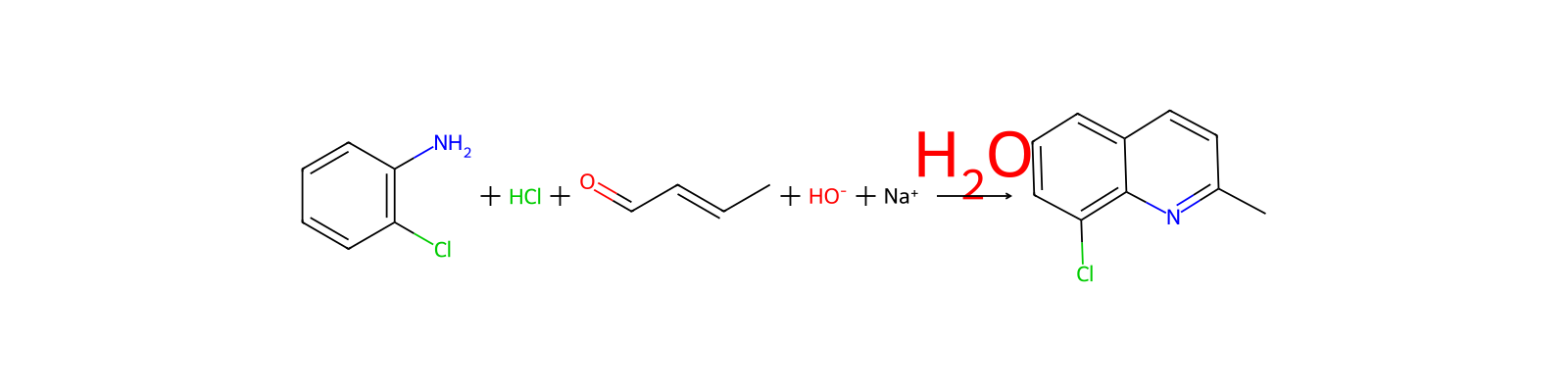
Used to make other chemicals (n-butyl alcohol, quinaldine, crotonic acid, 2-ethylhexyl alcohol, butyraldehyde, surface-active agents, resins, rubber antioxidants, textile and paper sizes, insecticides, and flavoring agents); Also used as a fuel-gas warning agent, solvent for polyvinyl chloride and purification of mineral oils, alcohol denaturant, leather tanning agent, to locate breaks and leaks in pipes, and in chemical warfare; [HSDB]
Petroleum Production and Refining [Category: Industry]
For crotonaldehyde (USEPA/OPP Pesticide Code: 202600) there are 0 labels match. /SRP: Not registered for current use in the U.S., but approved pesticide uses may change periodically and so federal, state and local authorities must be consulted for currently approved uses./
Crotonaldehyde was formerly used in the manufacture of n-butanol, but currently, the most extensive use of crotonaldehyde is in the manufacture of sorbic acid. Crotonaldehyde has also been used as a warning agent in fuel gases, in the preparation of rubber accelerators, in leather tanning, as an alcohol denaturant, and as a stabilizer for tetraethyl-lead.
Manufacture of butyl alcohol, butyraldehyde, methoxybutyraldehyde, sorbic acid, maleic acid, crotonic acid, crotyl alcohol. In polymer chemistry: manufacture of resins and polyvinyl acetals, solvent for polyvinyl chloride, rubber antioxidant, increases rubber strength with ketones. In prepatation of insecticides and fertilizers. In production of flavors.
Impurities2,6-di-tert-Butyl-p-cresol, CAS 128-37-0, 0.1 - 1%
U.S. Imports
(1984) 2.1X10+5 g
(1973) 6.02X10+6 GRAMS
U.S. Production
2023: 50,000 - <250,000 lb
(1975) PROBABLY GREATER THAN 9.1X10+5 GRAMS
2-Butenal is listed as a High Production Volume (HPV) chemical (65FR81686). Chemicals listed as HPV were produced in or imported into the U.S. in >1 million pounds in 1990 and/or 1994. The HPV list is based on the 1990 Inventory Update Rule. (IUR) (40 CFR part 710 subpart B; 51FR21438).
Production volumes for non-confidential chemicals reported under the Inventory Update Rule. [Table#955]
Non-confidential 2016 Chemical Data Reporting (CDR) information on the production and use of chemicals manufactured or imported into the United States. Chemical: Crotonaldehyde:
(1972) PROBABLY GREATER THAN 1.36X10+6 GRAMS
Consumption Patterns
88% IS USED AS AN INT FOR N-BUTANOL; 10% FOR N-BUTYRALDEHYDE; 2% FOR CROTONIC ACID AND SORBIC ACID (1964)
The largest use of crotonaldehyde has been in the mfr of n-butanol. This process is still used commercially but has been displaced partially by the oxo process.
Industry UsesIntermediate
Methods of Manufacturing
Aldol condensation of two molecules of acetaldehyde.
The usual method to produce crotonaldehyde is the aldol reaction of acetaldehyde followed by dehydration of the acetaldol and distillation. Typically the product is about 99% pure.
The usual method to produce crotonaldehyde is the aldol reaction of acetaldehyde followed by dehydration of the acetaldol and distillation. Typically the product is about 99% pure. /Crotonaldehyde/
Formulations/Preparations
Grades: Technical, 87% water-wet form
Liquid, Assay 92.5% grade /from Eastman Chemical/
Commercial product is a 95:5 mixture of trans:cis isomers
Commercial crotonaldehyde is the trans isomer.
Commercial product is a 95:5 mixture of trans:cis isomers. /Crotonaldehyde/
Household ProductsInformation on 1 consumer products that contain Crotonaldehyde in the following categories is provided:
General Manufacturing Information
Plastics Material and Resin Manufacturing
2-Butenal, (2E)-: ACTIVE
2-Butenal: ACTIVE
Crotonaldehyde ... exists in two stereoisomeric forms: cis-crotonaldehyde and trans-crotonaldehyde. Both isomers are contained in commercially available crotonaldehyde, in which the trans isomer predominates (> 95%) due to its higher thermodynamic stability.
Crotonaldehyde is also a byproduct in the synthesis of 1,3-butylene glycol and in acetic acid synthesis by methanol carbonylation. As a result of incomplete combustion, it is also contained in automobile exhaust gases.
Crotonaldehyde ... exists in two stereoisomeric forms: cis-crotonaldehyde and trans-crotonaldehyde. Both isomers are contained in commercially available crotonaldehyde, in which the trans isomer predominates (> 95%) due to its higher thermodynamic stability.
응용 분야
용도Crotonaldehyde (2-butenal, β-methyl acrolein, propylene aldehyde) is similar in structure to acrolein, as both are α,β-unsaturated aldehydes. This structural similarity leads to similar sensitizing and irritating properties of the two compounds. Crotonaldehyde is used industrially in the preparation of other chemicals (chiefly sorbic acid), flavoring agents, and can form endogenously and in the environment. Crotonaldehyde is used in the manufacture ofbutyl alcohol, butyraldehyde, and in severalorganic synthesis.
일반 설명Crotonaldehyde is a Water-white to straw-colored liquid with a pungent, suffocating odor. It is also used for the synthesis of butyl alcohol, butyraldehyde, quinaldine, thiophenes, pyridenes, dyes, pesticides, pharmaceuticals, rubber antioxidants, and chemical warfare agents and as a warning agent in locating breaks and leaks in pipes.
제조 방법
Crotonaldehyde is prepared by the liquid phase condensation of acetaldehyde under the catalysis of alkali or anion exchange resin to form butanol aldehyde, which is then heated in dilute acid for condensation and dehydration.
상·하류 제품 정보
상류 원료
하류 제품
공급사50 곳
国药集团化学试剂有限公司86-21-63210123 · [email protected]
Shandong chuangyingchemical Co., Ltd.18853181302 · [email protected]
武汉欣扬瑞和化学科技有限公司13720274133 · [email protected]
广州隽沐生物科技股份有限公司020-36607679; 13502246435 · [email protected]
山东金悦源新材料有限公司18615186228 · [email protected]
河北创海生物科技有限公司+86-86-13131129325 · [email protected]
环生美森医药技术(山东)有限公司0531-88762217 18301471076 · [email protected]
山东前元高分子材料有限公司18678041314 18765609661 · [email protected]
Hebei Yanxi Chemical Co., Ltd.+86-17531190177 · [email protected]
Syntechem Co.,Ltd[email protected]
山东穗泰生物科技有限公司15689727968 · [email protected]
安耐吉化学&3A(安徽泽升科技股份有限公司)400-0056266 · [email protected]
上海瀚鸿科技股份有限公司021-54306202 13764082696 · [email protected]
山东洛克化工有限公司17653113209 13065062079 · [email protected]
济南世纪通达化工有限公司15605418165
上海景颜化工科技有限公司13817811078 · [email protected]
上海竺钥化工有限公司021-33559231 18964673308 · [email protected]
玛雅试剂+86 (573) 82222445 (0)18006601000 452520369 · [email protected]
四川库利南科技有限公司400-1166-196 18981987031 · [email protected]
Xiamen AmoyChem Co., Ltd+86-86-5926051114 · [email protected]
艾科试剂4008-755-333 18080918076 · [email protected]
苏州思变化学技术有限公司0512-65617459 18915409046 · [email protected]
赛默飞世尔科技(中国)有限公司800-810-5118 · [email protected]
上海遐瑞医药科技有限公司+86 21 61551611
成都思天德生物科技有限公司028-83243028 19136088901 · [email protected]
深圳振强药物研发有限公司0755-66853366 13670046396 · [email protected]
山东博洛达生物科技有限公司0531-68659041 · [email protected]
上海倍卓生物科技有限公司021-61119791,13386096464 · [email protected]
HBCChem, Inc.+1-510-219-6317 · [email protected]
成都零六生物科技有限公司400-1166-196 13458535857 · [email protected]
雷丁试剂0510-85629785 18013409632 · [email protected]
杭州杰恒化工有限公司0571-87396432 · [email protected]
上海寰川实业有限公司021-61478794 · [email protected]
上海纳谦化学科技有限公司13598610367 13598610367 · [email protected]
上海嵩爰化工科技有限公司010-1234567 18521000990 · [email protected]
上海孚一生物科技有限公司+86 (21) 61124340
上海兴鲁化工科技有限公司02120970332 · [email protected]
南京协尊医药科技有限公司025-85629050 13912997845 · [email protected]
池州凯隆进出口贸易有限公司[email protected]
南京熙泽医药科技有限公司025-66023220 15250997978 · [email protected]
潍坊市前进精细化工有限公司18753684562 · [email protected]
九鼎化学(上海)科技有限公司4009209199 · [email protected]
武汉鑫儒化工有限公司15927387915 15337108568
山东智尚新材料有限公司+8617653113209 · [email protected]
湖北源梦生物科技有限公司027-68897569 18120462897 · [email protected]
成都润泽本土化工有限公司028-88469284 18000562381 · [email protected]
成都叮当时代医药科技有限公司028-86040038 · [email protected]
南京艾比克斯生化科技有限公司025-87193546 18652950785 · [email protected]
上海思言生物科技有限公司021-50908862,442785678,326799392 18721037013 · [email protected]
成都艾娜华化学制剂有限公司028-86612776; 13699069380 · [email protected]
관련 반응
227건


연결된 노트
불러오는 중…