홈MCP워크벤치Skills
홈워크벤치알림마이페이지
llms.txt · MCP 가이드개인정보처리방침 · 이용약관 · 지원v1.8.0
  1. 홈
  2. /화합물

옥틸알데히드

Octanal

HCID 454
새 노트새 반응견적 요청하기
인쇄 미리보기

데이터를 보충하는 중입니다. 잠시 후 페이지를 새로 고치면 최신 내용을 볼 수 있습니다

기본 정보개요이름 및 식별자물성안전 및 규제화학 및 산업관련 반응화합물 노트
부분 구조 검색유사 구조 찾기

기본 정보

CAS
124-13-0
표준 SMILES
CCCCCCCC=O
InChIKey
NUJGJRNETVAIRJ-UHFFFAOYSA-N
분자식
C8H16O
평균 분자량
128.21 g/mol
단동위원소 질량
128.12011513

개요

N-octylaldehyde is a colorless liquids with a strong fruity odor. Less dense than water and insoluble in water. Flash points 125 °F. Used in making perfumes and flavorings.

이름 및 식별자

우선 이름
Octanal
IUPAC
octanal
현지명
옥틸알데히드
영어명
Octanal
분자식
C8H16O
분자량
128.21

이름 및 동의어

Octanal124-13-0CaprylaldehydeCaprylic aldehyden-Octanal1-octanaln-Octyl aldehyden-Caprylaldehyden-OctaldehydeOctanaldehyden-OctylalAldehyde C-8
이름 더 보기
옥틸알데하이드옥탄알옥틸알데히드옥타날OCTYL ALDEHYDEFEMA 2797ORANGE ALDEHYDENatural Doctanal
Octanoic aldehydeOctaldehydeC-8 aldehydeOCTYLALDEHYDE1-Octylaldehyde1-Octaldehyde1-CaprylaldehydeOctanal, tech.

데이터베이스 식별자

CAS
124-13-0、9006-52-4
PubChem CID
454
DTXSID
DTXSID3021643
ChEMBL
CHEMBL18407
ChEBI
CHEBI:17935
UNII
XGE9999H19
EC Number
204-683-8、618-432-9
Nikkaji
J2.504F

물성

구조 계산 물성보충 중

XLogP
2.7
극성 표면적
17.1 Ų
수소 결합 공여자 수
0
수소 결합 수용자 수
1
회전 가능 결합 수
6
무거운 원자 수
9
형식 전하
0
복잡도
59.6

실험 및 물리화학적 성질

Chemical ClassesOther Classes -> Aldehydes
LipidsFatty Acyls [FA] -> Fatty aldehydes [FA06]
SpringerMaterials PropertiesBoiling point
FragrancesFragrance Ingredient (Octanal) -> IFRA transparency List
LogP · 2건

log Kow = 3.5 at pH 6.9 (by HPLC)

2.53

Odor · 3건

Strong, fruity odor

Fatty, citrus, honey odor on dilution

Pungent odor; citrus-like on dilution

TasteTaste characteristics at 25 ppm: aldehyde, green with a peely citrus orange note
Food AdditivesFLAVORING AGENT OR ADJUVANT -> FDA Substance added to food
Density · 5건

0.82 to 0.83 (USCG, 1999)

0.8211 g/cu cm at 20 °C

Density: 0.820-0.830

0.810-0.830

0.821 @ 20°C

Flavoring AgentsEU Flavoring substances

안전 및 규제

안전 정보는 참고용이며, 공급업체의 물질안전보건자료(SDS), 관련 법규 및 전문가 평가를 대체하지 않습니다.

GHS 분류

GHS Classification · 6건

This chemical does not meet GHS hazard criteria for < 0.1% (1 of 1971) of reports.

Warning

H226 (93.3%): Flammable liquid and vapor [Warning Flammable liquids]

P210, P233, P240, P241, P242, P243, P264, P264+P265, P273, P280, P302+P352, P303+P361+P353, P305+P351+P338, P321, P332+P317, P337+P317, P362+P364, P370+P378, P391, P403+P235, and P501 (click each P-code to see the statement)

Aggregated GHS information provided per 1971 reports by companies from 23 notifications to the ECHA C&L Inventory. Each notification may be associated with multiple companies.

Warning

유해성 정보

Regulatory Information · 4건

Chemical: Octanal

Octanal is listed on the EPA's Chemical Data Reporting (CDR) system. Manufacturers and importers of Octanal are required to report information about their production and use of this chemical to the EPA under the Toxic Substances Control Act (TSCA). (40 eCFR Part 711)

Status: Active Update: 30-09-2021 https://echa.europa.eu/registration-dossier/-/registered-dossier/5251

Octanal: Does not have an individual approval but may be used under an appropriate group standard

DOT LabelFlammable Liquid
Fire Hazards · 2건

Excerpt from ERG Guide 129 [Flammable Liquids (Water-Miscible / Noxious)]:

· HIGHLY FLAMMABLE: Will be easily ignited by heat, sparks or flames.

Fire Potential · 2건

Flammable liquid when exposed to heat, sparks, or flame

Moderate fire risk. Combustible.

Health Hazards · 2건

Inhalation may be irritating to mucous membrane; overexposure may cause dizziness and collapse. Ingestion causes irritation of mouth and stomach. Contact with eyes or skin causes irritation. (USCG, 1999)

화학 및 산업

약리 정보

Absorption, Distribution and Excretion · 1건

Rats were nose exposed to an atmosphere containing 11.4 ppm of (11)C-octanal for 2 min. Inhaled octanal was absorbed from the lungs in a biphasic manner and the greatest concentration of octanal occurred in most tissues at 5 min. Tissue activities calculated on the basis of the administered dose and on the radiolabel retained until the animal was killed indicated a redistribution of the radiolabel as metabolic products after 20 min. The labeled carbon was eliminated in a biphasic manner as (11)CO2, which accounted for essentially all of the activity lost by the exposed rats.

Cellular LocationsMembrane

용도 및 제조

Uses · 6건

Found in rose and orange oils; Used in perfumes, flavors, and fragrances; Used to make linear alcohols; [HSDB]

For octylaldehyde (USEPA/OPP Pesticide Code: 128948) there are 0 labels match. /SRP: Not registered for current use in the USA, but approved pesticide uses may change periodically and so federal, state and local authorities must be consulted for currently approved uses./

Perfumery, flavors.

Octanal is employed in the perfume industry for the preparation of synthetic citrus oils and for the synthesis of alpha-hexylcinnamaldehyde.

ingredient in some air fresheners

For more Uses (Complete) data for Octylaldehyde (6 total), please visit the HSDB record page.

U.S. Production · 6건

2023: 10,000,000 - <25,000,000 lb

(1975) 3.18X10+6 GRAMS

(1979) PROBABLY GREATER THAN 9.08X10+5 GRAMS

Octanal is listed as a High Production Volume (HPV) chemical (65FR81686). Chemicals listed as HPV were produced in or imported into the U.S. in >1 million pounds in 1990 and/or 1994. The HPV list is based on the 1990 Inventory Update Rule. (IUR) (40 CFR part 710 subpart B; 51FR21438).

Production volumes for non-confidential chemicals reported under the Inventory Update Rule. [Table#5197]

Non-confidential 2016 Chemical Data Reporting (CDR) information on the production and use of chemicals manufactured or imported into the United States. Chemical: Octanal:

관련 반응

63건
반응 기록 만들기
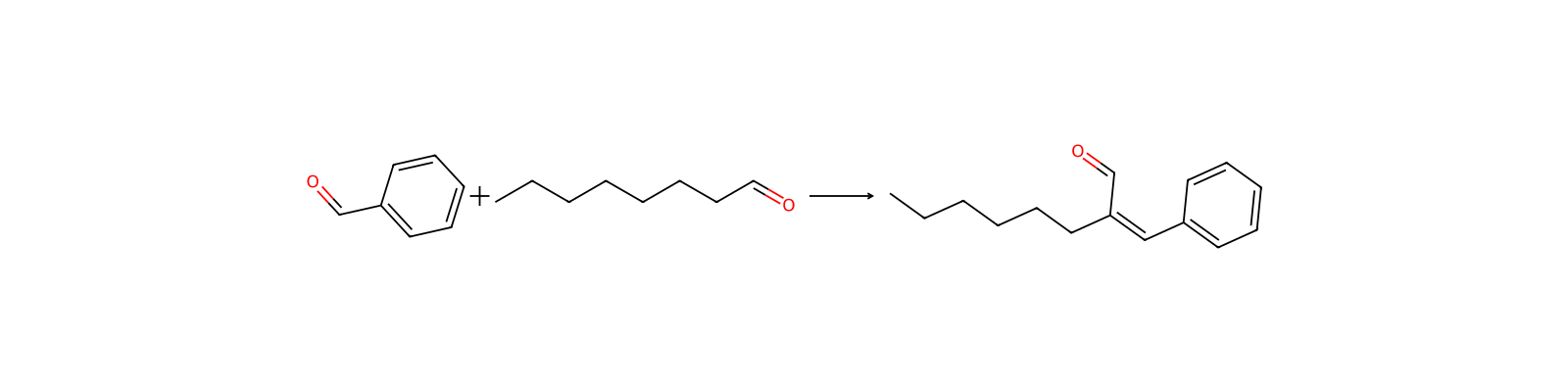
HRID 2402 반응식
HRID 2402생성물로반응물로uspto-grants-1998_03
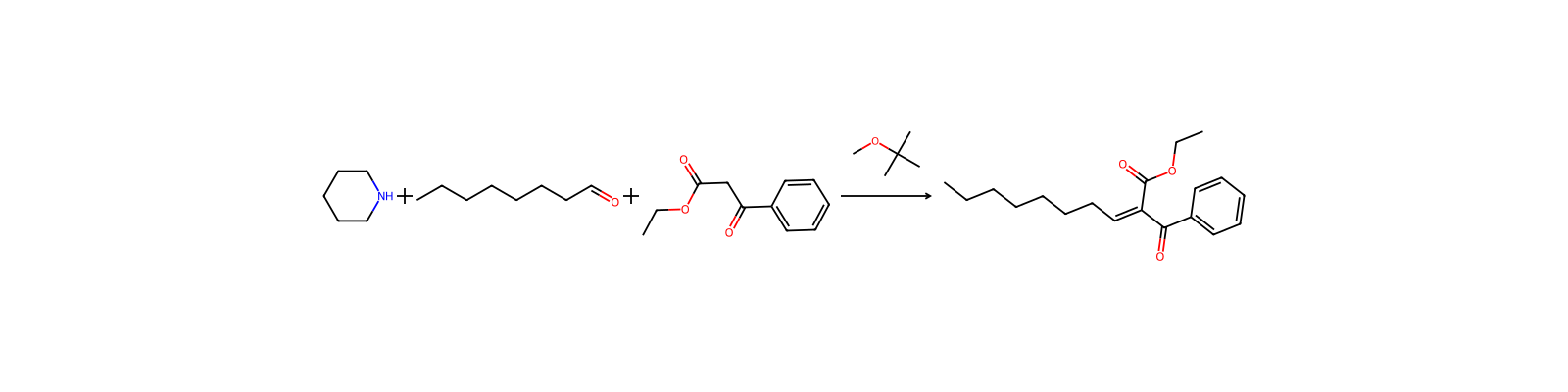
HRID 2403 반응식
HRID 2403반응물로uspto-grants-1998_03
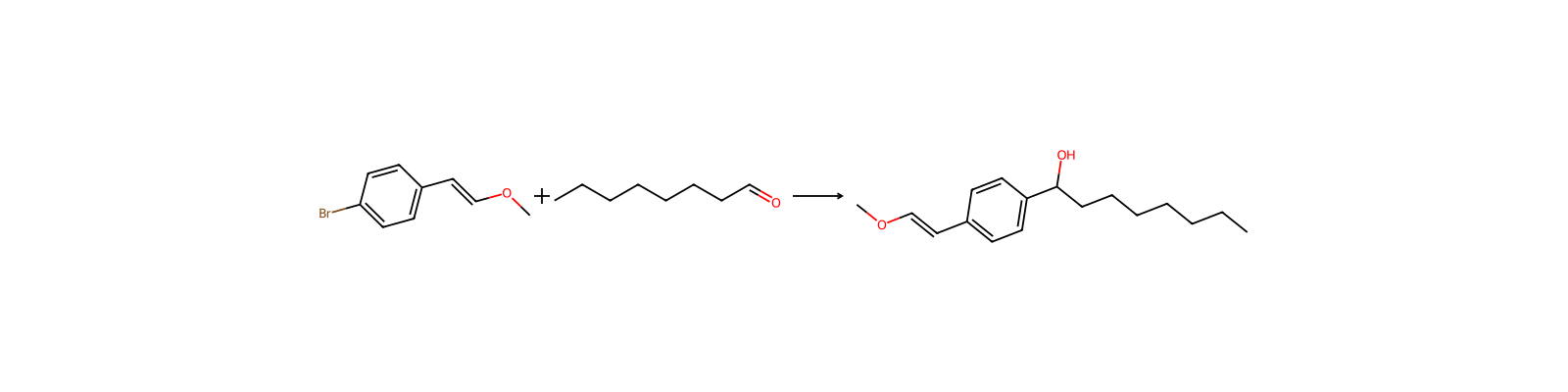
HRID 2404 반응식
HRID 2404반응물로uspto-grants-1998_03
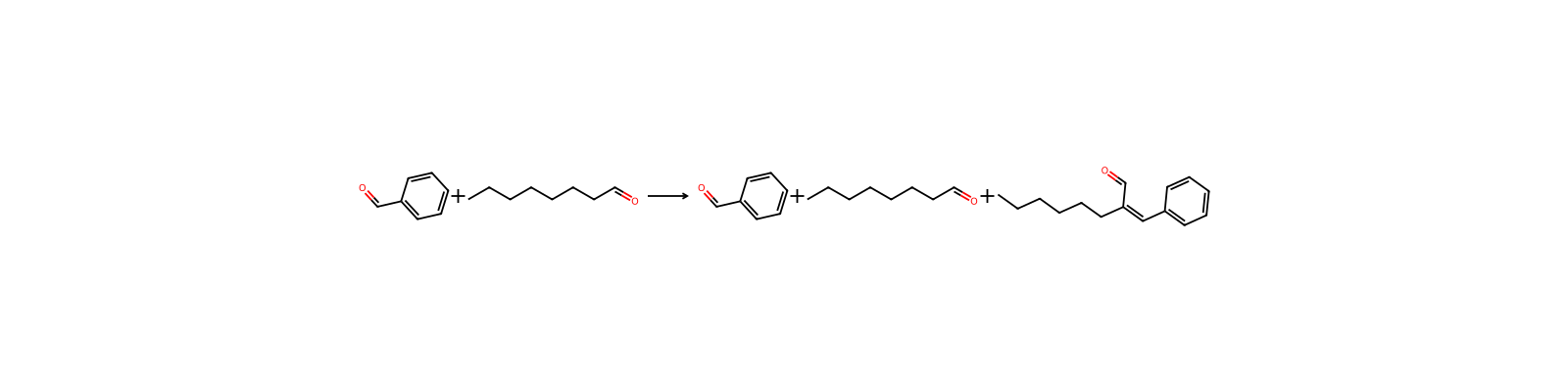
HRID 15622 반응식
HRID 15622반응물로uspto-grants-2010_06
HRID 64505 반응식
HRID 64505반응물로uspto-grants-2016_09
HRID 112049 반응식
HRID 112049반응물로Training data from https://doi.org/10.1039/C8SC04228D (2/10)
HRID 118646 반응식
HRID 118646반응물로Training data from https://doi.org/10.1039/C8SC04228D (2/10)
HRID 128796 반응식
HRID 128796반응물로uspto-grants-1995_11
1 / 8 페이지

화합물 노트

불러오는 중…

이 페이지에서기본 정보개요이름 및 식별자물성안전 및 규제화학 및 산업관련 반응화합물 노트
더보기
새 노트새 반응견적 요청하기
Color/Form · 2건

Colorless liquid

Colorless to light yellow liquid

Solubility · 6건

In water, 5.6X10+2 mg/L at 25 °C

In water, <0.01 wt% at 20 °C

Slightly soluble in water

Miscible with alcohol, ether

For more Solubility (Complete) data for Octylaldehyde (7 total), please visit the HSDB record page.

0.56 mg/mL

물리화학적 성질

녹는점
12 to · 12 to 15 °C (54 to 59 °F; 285 to 288 K)
끓는 점
171 °C · 171 °C (340 °F; 444 K)
밀도
0.821 g/cm3 · 0.821 g/cm3
증기압
2 mm · 2 mm Hg ( 20 °C)
FEMA
2797 · 2797 | OCTANAL
굴절률
1.42 · 1.42
인화점
51 °C · 51 °C (124 °F; 324 K)
저장 조건
30 °C · Store below +30°C.
용해도
0.21 g/L · 0.21g/L
물리적 상태
liquid
색상
Colorless or lightly yellow
냄새
지방 오렌지 냄새
냄새 유형
알데히드계
Odor Threshold
0.00001 ppm · 0.00001ppm
생물학적 소스
synthetic
폭발한계
1 · 1.0-6.5%(V)
수용성
약간 용해됨
Merck
14 · 14,1766
JECFA Number
98 · 98
BRN
1744086 · 1744086
Henry's Law Constant
2 · 2.0×10-2 mol/(m3Pa) at 25℃, Brockbank (2013)
안정성
안정적인. 가연성. 강한 산화제, 강한 환원제, 강한 염기와 호환되지 않습니다.
주요 응용
향료 및 향
화장품 원료 기능
향수
InChI
1S/C8H16O/c1-2-3-4-5-6-7-8-9/h8H,2-7H2,1H3
InChIKey
NUJGJRNETVAIRJ-UHFFFAOYSA-N
SMILES
[H]C(=O)CCCCCCC
LogP
3.5 at · 3.5 at 20℃
NIST
Octanal(124-13-0)
EPA
Octanal (124-13-0)
화학적 성질 · 1건

Octanal occurs in several citrus oils, for example, orange oil. It is a colorless liquid with a pungent odor, which becomes citrus-like on dilution. Octanal is used in perfumery in low concentrations, in eau de cologne, and in artificial citrus oils.

· May cause toxic effects if inhaled or absorbed through skin.

Hazards Summary · 1건

Category of C7-C9 aliphatic aldehydes and carboxylic acids: Members and supporting chemicals demonstrate low acute toxicity by oral, dermal, and inhalation exposures; toxicity in repeated-dose studies only at relatively high levels; no evidence of reproductive toxicity, developmental toxicity, or mutagenicity; [EPA ChAMP: Hazard Characterization] A skin, eye, and mucous membrane irritant; [CAMEO] A skin irritant; [eChemPortal: ERMA] An irritant; [MSDSonline]

DOT ID and Guide1191 129
FDA Requirements · 1건

Octanal is a food additive permitted for direct addition to food for human consumption as a synthetic flavoring substance and adjuvant in accordance with the following conditions: 1) the quantity added to food does not exceed the amount reasonably required to accomplish its intended physical, nutritive, or other technical effect in food, and 2) when intended for use in or on food it is of appropriate food grade and is prepared and handled as a food ingredient.

Reactive GroupAldehydes
TSCA Requirements · 2건

Section 8(a) of TSCA requires manufacturers of this chemical substance to report preliminary assessment information concerned with production, exposure, and use to EPA as cited in the preamble in 51 FR 41329. Effective date 9/30/91; Reporting date: 11/27/91.

Pursuant to section 8(d) of TSCA, EPA promulgated a model Health and Safety Data Reporting Rule. The section 8(d) model rule requires manufacturers, importers, and processors of listed chemical substances and mixtures to submit to EPA copies and lists of unpublished health and safety studies. Octanal is included on this list. Effective date 9/30/91; Sunset date: 6/30/98.

FIFRA Requirements · 3건

Residues of 1-octanal are exempted from the requirement of a tolerance when used in accordance with good agricultural practice as inert (or occasionally active) ingredients in pesticide formulations applied to growing crops or to raw agricultural commodities after harvest. Use: Odor masking agent. Limit: Not more than 0.2% of the pesticide formulation.

Residues of 1-octanal are exempted from the requirement of a tolerance when used in accordance with good agricultural practice as inert (or occasionally active) ingredients in pesticide formulations applied to animals. Use: Odor masking agent. Limit: Not more than 0.2% of the pesticide formulation.

Residues of the following chemical substances are exempted from the requirement of a tolerance when used in accordance with good manufacturing practice as ingredients in an antimicrobial pesticide formulation, provided that the substance is applied on a semi-permanent or permanent food-contact surface (other than being applied on food packaging) with adequate draining before contact with food. (a) The following chemical substances when used as ingredients in an antimicrobial pesticide formulation may be applied to: Food-contact surfaces in public eating places, dairy-processing equipment, and food-processing equipment and utensils. Octanal is included on this list. Limits: When ready for use, the end-use concentration is not to exceed 100 ppm.

Reactivity Profile · 1건

N-OCTYLALDEHYDE is an aldehyde. Aldehydes are frequently involved in self-condensation or polymerization reactions. These reactions are exothermic; they are often catalyzed by acid. Aldehydes are readily oxidized to give carboxylic acids. Flammable and/or toxic gases are generated by the combination of aldehydes with azo, diazo compounds, dithiocarbamates, nitrides, and strong reducing agents. Aldehydes can react with air to give first peroxo acids, and ultimately carboxylic acids. These autoxidation reactions are activated by light, catalyzed by salts of transition metals, and are autocatalytic (catalyzed by the products of the reaction). The addition of stabilizers (antioxidants) to shipments of aldehydes retards autoxidation.

안전 및 보호

Fire FightingExcerpt from ERG Guide 129 [Flammable Liquids (Water-Miscible / Noxious)]:
Accidental Release Measures · 2건

· CALL 911. Then call emergency response telephone number on shipping paper. If shipping paper not available or no answer, refer to appropriate telephone number listed on the inside back cover.

· ELIMINATE all ignition sources (no smoking, flares, sparks or flames) from immediate area.

First Aid · 2건

Call for medical aid.

General First Aid:

Exposure Control and Personal Protection· Wear positive pressure self-contained breathing apparatus (SCBA).
Fire Fighting Procedures · 3건

Suitable extinguishing media: Dry powder, dry sand. Unsuitable extinguishing media: Do NOT use water jet.

Advice for firefighters: Wear self-contained breathing apparatus for firefighting if necessary.

To fight fire, use foam, carbon dioxide, dry chemical.

Storage ConditionsKeep container tightly closed in a dry and well-ventilated place. Containers which are opened must be carefully resealed and kept upright to prevent leakage. Storage class (TRGS 510): 3: Flammable liquids
Cleanup Methods · 1건

ACCIDENTAL RELEASE MEASURES: Personal precautions, protective equipment and emergency procedures: Use personal protective equipment. Avoid breathing vapors, mist or gas. Ensure adequate ventilation. Remove all sources of ignition. Beware of vapors accumulating to form explosive concentrations. Vapors can accumulate in low areas. Environmental precautions: Prevent further leakage or spillage if safe to do so. Do not let product enter drains. Discharge into the environment must be avoided. Methods and materials for containment and cleaning up: Contain spillage, and then collect with non-combustible absorbent material, (e.g. sand, earth, diatomaceous earth, vermiculite) and place in container for disposal according to local/national regulations.

Nonfire Spill ResponseExcerpt from ERG Guide 129 [Flammable Liquids (Water-Miscible / Noxious)]:
Disposal Methods · 2건

SRP: Recycle any unused portion of the material for its approved use or return it to the manufacturer or supplier. Ultimate disposal of the chemical must consider: the material's impact on air quality; potential migration in air, soil or water; effects on animal, aquatic and plant life; and conformance with environmental and public health regulations. If it is possible or reasonable use an alternative chemical product with less inherent propensity for occupational harm/injury/toxicity or environmental contamination.

Product: Offer surplus and non-recyclable solutions to a licensed disposal company. Burn in a chemical incinerator equipped with an afterburner and scrubber but exert extra care in igniting as this material is highly flammable. Contact a licensed professional waste disposal service to dispose of this material. Contaminated packaging: Dispose of as unused product.

Preventive Measures · 5건

ACCIDENTAL RELEASE MEASURES: Personal precautions, protective equipment and emergency procedures: Use personal protective equipment. Avoid breathing vapors, mist or gas. Ensure adequate ventilation. Remove all sources of ignition. Beware of vapors accumulating to form explosive concentrations. Vapors can accumulate in low areas. Environmental precautions: Prevent further leakage or spillage if safe to do so. Do not let product enter drains. Discharge into the environment must be avoided.

Precautions for safe handling: Avoid contact with skin and eyes. Avoid inhalation of vapor or mist. Keep away from sources of ignition - No smoking. Take measures to prevent the build up of electrostatic charge.

Appropriate engineering controls: Handle in accordance with good industrial hygiene and safety practice. Wash hands before breaks and at the end of workday.

Gloves must be inspected prior to use. Use proper glove removal technique (without touching glove's outer surface) to avoid skin contact with this product. Dispose of contaminated gloves after use in accordance with applicable laws and good laboratory practices. Wash and dry hands.

SRP: The scientific literature for the use of contact lenses by industrial workers is inconsistent. The benefits or detrimental effects of wearing contact lenses depend not only upon the substance, but also on factors including the form of the substance, characteristics and duration of the exposure, the uses of other eye protection equipment, and the hygiene of the lenses. However, there may be individual substances whose irritating or corrosive properties are such that the wearing of contact lenses would be harmful to the eye. In those specific cases, contact lenses should not be worn. In any event, the usual eye protection equipment should be worn even when contact lenses are in place.

Isolation and Evacuation · 2건

Excerpt from ERG Guide 129 [Flammable Liquids (Water-Miscible / Noxious)]:

Immediate precautionary measure

Allowable Tolerances · 3건

Residues of 1-octanal are exempted from the requirement of a tolerance when used in accordance with good agricultural practice as inert (or occasionally active) ingredients in pesticide formulations applied to growing crops or to raw agricultural commodities after harvest. Use: Odor masking agent. Limit: Not more than 0.2% of the pesticide formulation.

Residues of 1-octanal are exempted from the requirement of a tolerance when used in accordance with good agricultural practice as inert (or occasionally active) ingredients in pesticide formulations applied to animals. Use: Odor masking agent. Limit: Not more than 0.2% of the pesticide formulation.

Residues of the following chemical substances are exempted from the requirement of a tolerance when used in accordance with good manufacturing practice as ingredients in an antimicrobial pesticide formulation, provided that the substance is applied on a semi-permanent or permanent food-contact surface (other than being applied on food packaging) with adequate draining before contact with food. (a) The following chemical substances when used as ingredients in an antimicrobial pesticide formulation may be applied to: Food-contact surfaces in public eating places, dairy-processing equipment, and food-processing equipment and utensils. Octanal is included on this list. Limits: When ready for use, the end-use concentration is not to exceed 100 ppm.

독성 정보

Body BurdenFour of eight samples of human milk, from women living in Bayonne and Jersey City, New Jersey; Pittsburgh, PA; Baton Rouge, LA; Charleston, WV, contained octylaldehyde at unreported concentrations(1).
Interactions · 1건

The effects of 16 aliphatic aldehydes with 3-10 carbons on the growth and patulin production of Penicillium expansum were examined. When P. expansum spores were inoculated into apple juice broth, some alkenals, including 2-propenal, (E)-2-butenal, (E)-2-pentenal, and (E)-2-hexenal, inhibited fungal growth and patulin production. Their minimal inhibitory concentrations were 5, 50, 80, and 80 ug/mL respectively. Vital staining indicated that these alkenals killed mycelia within 4 hr. Treatment of the spores with these aldehydes also resulted in rapid loss of germination ability, within 0.5-2 d. On the other hand, aliphatic aldehydes with 8-10 carbons significantly enhanced patulin production without affecting fungal growth: 300 ug/mL of octanal and 100 ug/mL of (E)-2-octenal increased the patulin concentrations in the culture broth by as much as 8.6- and 7.8-fold as compared to that of the control culture respectively. The expression of the genes involved in patulin biosynthesis in P. expansum was investigated in mycelia cultured in apple juice broth containing 300 ug/mL of octanal for 3.5, 5, and 7 d. Transcription of the msas gene, encoding 6-methylsalicylic acid synthase, which catalyzed the first step in the patulin biosynthetic pathway was remarkably high in the 3.5-d and 5-d-old cultures as compared with the control. However, octanal did not any increase the transcription of the msas in the 7-d-old culture or that of the other two genes, IDH and the peab1, in culture. Thus the enhanced patulin accumulation with supplementation with these aldehydes is attributable to the increased amount of the msas transcript.

Ecotoxicity Values · 3건

LC50; Species: Alburnus alburnus (Bleak) wild caught; Conditions: saltwater, static; Concentration: 16 mg/L for 96 hr (95% confidence interval: 15-17 mg/L) /data for metabolic precursor, 1-octanol dissolved in water and acetone/

LC50; Species: Pimephales promelas (Fathead minnow) juvenile 26-34 days old; Conditions: freshwater, flow through; Concentration: 13.5 mg/L for 96 hr /data for metabolic precursor, 1-octanol/

LC50; Species: Nitocra spinipes (Harpacticoid) 3-6 wk old; Conditions: saltwater, static; Concentration: 58 mg/L for 96 hr (95% confidence interval: 53-64 mg/L) /data for metabolic precursor, 1-octanol dissolved in acetone/water/

Environmental Fate · 3건

TERRESTRIAL FATE: Based on a classification scheme(1), an estimated Koc value of 290(SRC), determined from a log Kow of 3.5(2) and a regression-derived equation(3), indicates that octylaldehyde is expected to have moderate mobility in soil(SRC). Volatilization of octylaldehyde from moist soil surfaces is expected to be an important fate process(SRC) given a Henry's Law constant of 5.14X10⁻⁴ atm-cu m/mole(4). Octylaldehyde has a vapor pressure of 0.6 mm Hg(2) and exists as a liquid under environmental conditions; therefore, octylaldehyde may volatilize from dry soil. Utilizing the Zahn-Wellens test, 77% degradation was reached using an activated sludge inoculum after 28 days(5) which indicates this compound is expected to biodegrade under certain environmental conditions in soil(SRC).

AQUATIC FATE: Based on a classification scheme(1), an estimated Koc value of 290(SRC), determined from a log Kow of 3.5(2) and a regression-derived equation(3), indicates that octylaldehyde may adsorb to suspended solids and sediment(SRC). Volatilization from water surfaces is expected(4) based upon a estimated Henry's Law constant of 5.14X10⁻⁴ atm-cu m/mole(5). Using this Henry's Law constant and an estimation method(3), volatilization half-lives for a model river and model lake are 5 hours and 5 days, respectively(SRC). According to a classification scheme(6), an estimated BCF of 60(SRC), from its log Kow(2) and a regression-derived equation(3), suggests the potential for bioconcentration in aquatic organisms is moderate(SRC). Utilizing the Zahn-Wellens test, 77% degradation was reached using an activated sludge inoculum after 28 days(7) which indicates this compound is expected to biodegrade under certain environmental conditions in water(SRC).

ATMOSPHERIC FATE: According to a model of gas/particle partitioning of semivolatile organic compounds in the atmosphere(1), octylaldehyde, which has a vapor pressure of 0.6 mm Hg at 20 °C(2), will exist solely in the vapor phase in the ambient atmosphere. Vapor-phase octylaldehyde is degraded in the atmosphere by reaction with photochemically-produced hydroxyl radicals(SRC); the half-life for this reaction in air is estimated to be 12 hours(SRC), calculated from its rate constant of 3.2X10⁻¹¹ cu cm/molecule-sec at 25 °C(SRC) that was derived using a structure estimation method(3). Octylaldehyde does not contain chromophores that absorb at wavelengths >290 nm(4) and, therefore, is not expected to be susceptible to direct photolysis by sunlight(SRC).

Food Survey Values · 4건

Octylaldehyde has been reported in foods and beverages including, apple, apricot, many berries, guava, grapes, melon, papaya, celery, peas, potato, tomato, ginger, spearmint oil, hop oil, beer, rum, cider, white wine, cocoa, tea, roasted filberts and peanuts, pecans, oats, coconut products, soybean, avocado, passion fruit, starfruit, beans, mushroom, trassi, macadamia nut, sesame seed, mango, cauliflower, tamarind, loquat, angelica root oil and mastic gum oil(1).

Octylaldehyde was detected in peanut oil, heated to 200 °C, at unreported concentrations(1). Commercial rice cakes were found to contain 800-960 ppb of octylaldehyde(2). Octylaldehyde was identified in gari and farine, both products of cassava(3), in Beaufort cheese(4), roasted filberts(5), heated corn oil(6), kiwi fruit flowers(7), in both commercial and concentrated aqueous orange essences(8). Bisbee Delicious apples from Washington state emitted increasing concentrations of octylaldehyde through the end of August (to 1671.9 pL/kg-hr) but concentrations decreased in apples harvested after this point (to 32.4-141.9 pL/kg-hr)(9). Octylaldehyde was detected in raw and roasted earth almonds (Cyperus esculentus L.)(10). Octylaldehyde was detected in the emissions from heated rapeseed oil(11).Commercial samples of California navel orange, Florida Valencia orange, midseason orange, tangerine, and white grapefruit cold-pressed oils contained 0.161, 0.449, 0.358, 0.371, 0.493 wt% octylaldehyde, respectively(12). Octylaldehyde was detected in whole and ground musty sorghum with direct helium-purge method and with supercritical fluid extraction method(13).

Octylaldehyde was identified as a volatile component of raw beef(1) and in scrambled eggs(2) at unreported concentrations. Octylaldehyde was measured at 999 ng/g and 1080 ng/g in big eyed herring paste and hair tail viscera paste, and was not detected in anchovy paste or shrimp paste(3). Octylaldehyde was detected in full fat and reduced fat frankfurters(4), Italian-type dry-cured ham(5), and as an odorant in cooked mussels (Mytilus edulis)(6). Octylaldehyde was released from charbroiling meat at 146,000 ug/kg of cooked meat(7). Aroma concentrates of uncured beef and chicken contained 0.69 mg/kg and 5.08 mg/kg octylaldehyde, respectively(8). Octylaldehyde was isolated as a volatile component of duck meat at 9.3 ppb, duck fat at 13.64 ppb, Cantonese style roasted duck at 9.66 ppb and Cantonese style roasted duck gravy at 38.08 ppb(9).

Octylaldehyde has been reported in cooked eggs and meats(1). Octylaldehyde has been detected in foal meat at increasing levels upon aging(2).

Milk Concentrations · 1건

Octylaldehyde has been reported in cheeses, butter and milk(1). Four of eight samples of human milk, from women living in Bayonne and Jersey City, New Jersey; Pittsburgh, PA; Baton Rouge, LA; Charleston, WV, contained octylaldehyde at unreported concentrations(2).

Toxicity Summary · 1건

IDENTIFICATION AND USE: Octylaldehyde (Octanal) is a colorless liquid. It is employed in the perfume industry for the preparation of synthetic citrus oils and for the synthesis of alpha-hexylcinnamaldehyde. HUMAN STUDIES: In vitro in human A549 cells octanal affects the expression of several chemokines and inflammatory cytokines and increases the levels of interleukin 6 (IL-6) and IL-8 released. Microarray analysis identified 15 miRNAs that were differentially expressed in octanal-exposed A549 human alveolar cells. ANIMAL STUDIES: It induced a significant decrease in the number of live pups in rats but only at a dose which causes maternal toxicity. Octanal was tested in Salmonella typhimurium TA98, TA100, TA1535 and TA1537 with and without metabolic activation. No cytotoxic or genotoxic effects were observed. ECOTOXICITY STUDIES: A membrane damage mechanism involving membrane peroxidation might contribute to the antifungal activity of octanal against P. digitatum spores. Aflatoxin production by the fungus Aspergillus parasiticus was stimulated by octanal.

Plant Concentrations · 2건

Octylaldehyde was detected in raw earth almonds (Cyperus esculentus L.)(1). Octylaldehyde was detected in the emissions from northern red oak, dawn redwood, bass wood, eastern hemlock, iron wood, slippery elm, loblolly pine and black gum trees from Fernbank Forest, Atlanta, GA, from sugar maple, cotton grass, and yellow birch trees from Willow Springs, WI and apple, big sugar bush, willow, Gambell oak, service berry, snow berry and salt bush trees from Temple Ridge, Hayden, CO(2). Octylaldehyde was detected in the emissions of Quercus ilex (oak) from the Mediterranean(3). Octylaldehyde was emitted from rape during the blooming period at a rate of 0.04-0.15 and 0.06-0.19 ppbv on May 8 and 9, 1998(4). Octylaldehyde was detected in whole musty sorghum with direct helium-purge method and with supercritical fluid extraction method(5). Octylaldehyde was detected in Tahitian liverwort (Cyathodium foetidissimum)(6).

Octylaldehyde occurs in various plants and plant parts(1).[Table#5196]

Animal ConcentrationsOctylaldehyde has been reported in cooked eggs and meats(1). Octylaldehyde has been detected in foal meat at increasing levels upon aging(2).
Ongoing Test Status · 1건

EPA has released the Interactive Chemical Safety for Sustainability (iCSS) Dashboard. The iCSS Dashboard provides an interactive tool to explore rapid, automated (or in vitro high-throughput) chemical screening data generated by the Toxicity Forecaster (ToxCast) project and the federal Toxicity Testing in the 21st century (Tox21) collaboration. /The title compound was tested by ToxCast and/or Tox21 assays/[USEPA; ICSS Dashboard Application; Available from, as of February 4, 2019: http://actor.epa.gov/dashboard/]

Effluent Concentrations · 1건

Octylaldehyde was identified, not quantified, in rush hour traffic air samples taken at the Oakland-San Francisco Bay Bridge toll plaza April 23, 2001, 5-7PM, April 24, 2001, 6-10AM, and 3-7PM(1). Octylaldehyde was emitted in the exhaust gases from a diesel engine at unreported concentrations(2). Octylaldehyde was measured in the emissions of medium duty diesel trucks at a rate of 3,100 ug/km in the gas phase(3). Octylaldehyde was measured in the emissions of gasoline powered motor vehicles at a rate of 190 ug/km and 2,600 ug/km for catalyst equipped engines and non-catalyst equipped engines(4).

Soil Adsorption/Mobility · 1건

The Koc of octylaldehyde is estimated as 290(SRC), using a log Kow of 3.5(1) and a regression-derived equation(2). According to a classification scheme(3), this estimated Koc value suggests that octylaldehyde is expected to have moderate mobility in soil(SRC).

규제 정보

FDA Requirements · 1건

Octanal is a food additive permitted for direct addition to food for human consumption as a synthetic flavoring substance and adjuvant in accordance with the following conditions: 1) the quantity added to food does not exceed the amount reasonably required to accomplish its intended physical, nutritive, or other technical effect in food, and 2) when intended for use in or on food it is of appropriate food grade and is prepared and handled as a food ingredient.

TSCA Requirements · 2건

Section 8(a) of TSCA requires manufacturers of this chemical substance to report preliminary assessment information concerned with production, exposure, and use to EPA as cited in the preamble in 51 FR 41329. Effective date 9/30/91; Reporting date: 11/27/91.

Pursuant to section 8(d) of TSCA, EPA promulgated a model Health and Safety Data Reporting Rule. The section 8(d) model rule requires manufacturers, importers, and processors of listed chemical substances and mixtures to submit to EPA copies and lists of unpublished health and safety studies. Octanal is included on this list. Effective date 9/30/91; Sunset date: 6/30/98.

FIFRA Requirements · 3건

Residues of 1-octanal are exempted from the requirement of a tolerance when used in accordance with good agricultural practice as inert (or occasionally active) ingredients in pesticide formulations applied to growing crops or to raw agricultural commodities after harvest. Use: Odor masking agent. Limit: Not more than 0.2% of the pesticide formulation.

Residues of 1-octanal are exempted from the requirement of a tolerance when used in accordance with good agricultural practice as inert (or occasionally active) ingredients in pesticide formulations applied to animals. Use: Odor masking agent. Limit: Not more than 0.2% of the pesticide formulation.

Residues of the following chemical substances are exempted from the requirement of a tolerance when used in accordance with good manufacturing practice as ingredients in an antimicrobial pesticide formulation, provided that the substance is applied on a semi-permanent or permanent food-contact surface (other than being applied on food packaging) with adequate draining before contact with food. (a) The following chemical substances when used as ingredients in an antimicrobial pesticide formulation may be applied to: Food-contact surfaces in public eating places, dairy-processing equipment, and food-processing equipment and utensils. Octanal is included on this list. Limits: When ready for use, the end-use concentration is not to exceed 100 ppm.

안전 데이터

wgk
2
tsca
TSCA listed
rtecs
RG7780000
ridadr
UN 1191
독성
LD50 orally in Rabbit: 4616 mg/kg LD50 dermal Rabbit 5207 mg/kg
HS 번호
29121990
risk_code
10
safety_code
16
포장분류
III
위험 등급
3
기존화학 물질
KE-26609
F 고인화성물질
10
자연 발화 온도
190 °C
Hazard Classifications
Aquatic Chronic 3Eye Irrit. 2Flam. Liq. 3Skin Irrit. 2
스토리지 클래스
3 - Flammable liquids
유해 물질 데이터
124-13-0(Hazardous Substances Data)
Consumer UsesFragrance
Industry UsesFragrance
Methods of Manufacturing · 2건

By oxidation of the corresponding alcohol or reduction of the corresponding acid; also from coconut fatty acids via methyl-n-octoate.

Octanal can be obtained by hydroformylation of 1-heptene or by dehydrogenation of octanol.

Formulations/PreparationsGrade: Technical, FCC
Household ProductsInformation on 69 consumer products that contain Octanal in the following categories is provided:
Use Classification · 5건

Fragrance Ingredients

Flavouring Agent -> FLAVOURING_AGENT -> JECFA Functional Classes

Flavoring Agents -> JECFA Flavorings Index

Flavouring Agent -> FLAVOURING_AGENT -> JECFA Functional Classes

Flavouring Agent -> FLAVOURING_AGENT -> JECFA Functional Classes

General Manufacturing Information · 2건

All Other Chemical Product and Preparation Manufacturing

Octanal: ACTIVE

응용 분야 · 4건

개요May be prepared by oxidation of the corresponding alcohol or reduction of the corresponding acid; also from coconut fatty acids via methyl-n-octanoate.

출처Reported found in the essential oils of sweet orange, bitter orange, mandarin, tangerine, grapefruit, Mexican lime, lemon, Taiwan citronella, rose, lemongrass, Pinus sabiniana, Pinus jefferyi, Xanthoxylum rhetsa, lime petitgrain, clary sage, lavandin, and others. Also reported in over 180 foods and beverages including apple, apricot, many berries, guava, grapes, melon, papaya, celery, peas, potato, potato chips, tomato, ginger, spearmint oil, cheeses, butter, milk, cooked egg, fish and fish oil, meats, hop oil, beer, rum, cider, white wine, cocoa, tea, roasted filberts and peanuts, pecans, oats, coconut products, soybean, avocado, passion fruit, starfruit, beans, mushroom, trassi, macadamia nut, sesame seed, mango, cauliflower, tamarind, fig, calamus, rice, sweet potato, dill, lovage, caraway seed, corn oil, corn tortillas, loquat, shrimp, lobster, oyster, crab, crayfish, clam, maté, angelica root oil and mastic gum oil.

용도Octanal is an aromatic aldehyde often found in citrus oils. It is used commercially as a component in perfumes and in flavor production for the food industry.

일반 설명Colorless liquids with a strong fruity odor. Less dense than water and insoluble in water. Flash points 125°F. Used in making perfumes and flavorings.

제조 방법

By oxidation of the corresponding alcohol or reduction of the corresponding acid; also from coconut fatty acids via methyl-n-octoate.

옥탄알은 1 헵틴의 하이드로포밀화 또는 옥탄올의 탈수소에 의해 얻어질 수 있음

상·하류 제품 정보

상류 원료

옥타노익에시드Copper chromite금홍석다이카프릴릴에터

하류 제품

하이드록시카프릴산락통헥실신나믹알데히드1-옥타놀Hydroxycitronellol옥타노익에시드디메틸노르말옥틸아민옥테니딘에이치씨엘2-십진,2-헥실-옥틸피로리돈옥탄니트릴(노르말)헵틸 아이소사이안산Trioctyl borate옥틸옥탄산
추가 설명 · 4건

순도시험(1) 비중 : 이 품목의 비중은 0.810~0.830이어야 한다. (2) 굴절률 : 이 품목의 굴절률 은 1.417~1.425이어야 한다. (3) 용상 : 이 품목 1mL를 70% 에탄올 3mL에 녹일 때, 그 액은 징명하여야 한다. (4) 산가 : 이 품목의 산가는 향료시험법 중 산가측정법에 따라 시험할 때, 10 이하이어야 한다.

확인시험(1) 이 품목 1mL에 아황산수소나트륨시액 4mL를 넣고 흔들어 섞으면 곧 열을 발생하여 결정체가 생긴다. (2) 이 품목 1mL에 염산히드록실아민 1g, 에탄올 5mL 및 피리딘 5mL를 넣고 환류냉각기를 달아 수욕중에서 가끔 흔들어 섞으면서 30분간 가열한 다음 수욕 중에서 용매를 없애고 식히면 결정이 생긴다. 이에 물 10mL를 넣고 흔들어 섞은 다음 결정을 60% 에탄올을 용매로 하여 재결정할 때, 그 융점은 약 60℃이다.

정량법이 품목 약 1g을 정밀히 달아 향료시험법 중 알데히드류 및 케톤류함량측정법의 히드록실아민법 제1법에 따라 시험한다. 다만, 방치시간은 15분간으로 한다.0.5N 알콜성수산화칼륨용액 1mL = 64.11mg C8H16O

정의ChEBI: A fatty aldehyde formally arising from reduction of the carboxy group of caprylic acid (octanoic acid).