홈MCP워크벤치Skills
홈워크벤치알림마이페이지
llms.txt · MCP 가이드개인정보처리방침 · 이용약관 · 지원v1.8.0
  1. 홈
  2. /화합물

펜토바비탈

Pentobarbital

HCID 4737
새 노트새 반응견적 요청하기
인쇄 미리보기
기본 정보개요이름 및 식별자물성안전 및 규제화학 및 산업관련 반응화합물 노트
부분 구조 검색유사 구조 찾기

기본 정보

CAS
76-74-4
표준 SMILES
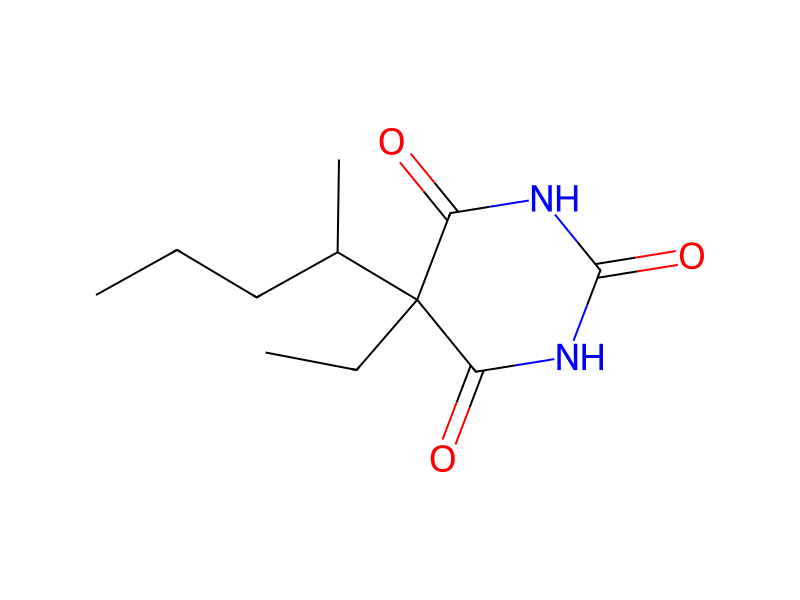
CCCC(C)C1(CC)C(=O)NC(=O)NC1=O
InChIKey
WEXRUCMBJFQVBZ-UHFFFAOYSA-N
분자식
C11H18N2O3
평균 분자량
226.27 g/mol
단동위원소 질량
226.13174244

개요

Pentobarbital is a member of the class of barbiturates, the structure of which is that of barbituric acid substituted at C-5 by ethyl and sec-pentyl groups. It has a role as a GABAA receptor agonist.

이름 및 식별자

우선 이름
Pentobarbital
IUPAC
5-ethyl-5-pentan-2-yl-1,3-diazinane-2,4,6-trione
현지명
펜토바비탈
영어명
Pentobarbital
분자식
C11H18N2O3
분자량
226.27

이름 및 동의어

pentobarbitalPentobarbitoneNembutalMebubarbitalPentobarbituric acidEthaminalDorsitalMebumal76-74-4RivadormPentobarbituratePentabarbitone
이름 더 보기
펜토바비탈C07422Neodormneodorm(new)
Neodorm (new)PentabarbitalPentobarbitalum5-Ethyl-5-(1-methylbutyl)barbituric acid5-Ethyl-5-(sec-pentyl)barbituric acid5-Ethyl-5-(1-methylbutyl)-2,4,6(1H,3H,5H)-pyrimidinetrione5-Ethyl-5-(1-methylbutyl)malonylureaNSC 28708

데이터베이스 식별자

CAS
76-74-4
PubChem CID
4737
DTXSID
DTXSID7023435
ChEMBL
CHEMBL448
ChEBI
CHEBI:7983
UNII
I4744080IR
EC Number
200-983-8
Nikkaji
J4.552G

물성

구조 계산 물성

XLogP
2.1
극성 표면적
75.3 Ų
수소 결합 공여자 수
2
수소 결합 수용자 수
3
회전 가능 결합 수
4
무거운 원자 수
16
형식 전하
0
복잡도
305

실험 및 물리화학적 성질

Drugs · 5건

DEA NFLIS-Drug Category -> Depressants and Tranquilizers

DEA Schedule II Controlled Substance -> Depressants

DEA Schedule III Controlled Substance -> Depressants

Pharmaceuticals -> Synthetic Cannabinoids or Psychoactive Compounds

Pharmaceuticals -> Diuretics (Barbiturates)

LogP · 3건

log Kow = 2.10

2.1

1.75

OdorPractically odorless
Color/Form · 3건

Crystals from alcohol

White to practically white, fine, powder

Needles from water

Solubility · 5건

A white, hygroscopic, crystalline powder or granules, odorless or with a slight characteristic odor, with a slightly bitter taste. Very sol in water and alcohol; practically insol in ether. A 10% soln in water has pH of 9.6 to 11 and slowly decomposes. /Pentobarbitone sodium/

A fine, white, odorless, crystalline powder with a slightly bitter taste. Sparingly sol in water; slightly sol in alcohol; practically insol in ether. A saturated soln in water has a pH of about 9.5. /Pentobarbital calcium/

Slightly soluble in water; soluble in ethanol, ethyl ether

Very slightly soluble in water and carbon tetrachloride; very soluble in acetone and methyl alcohol

1 part in 4.5 parts alcohol; 1 part in 4 parts chloroform; 1 part in 10 parts ether

안전 및 규제

안전 정보는 참고용이며, 공급업체의 물질안전보건자료(SDS), 관련 법규 및 전문가 평가를 대체하지 않습니다.

GHS 분류

GHS Classification · 4건

Danger

H301 (100%): Toxic if swallowed [Danger Acute toxicity, oral]

P203, P264, P270, P280, P301+P316, P318, P321, P330, P405, and P501 (click each P-code to see the statement)

Aggregated GHS information provided per 43 reports by companies from 5 notifications to the ECHA C&L Inventory. Each notification may be associated with multiple companies.

유해성 정보

Regulatory Information · 3건

DEA schedule II controlled substance

DEA schedule III controlled substance

REACH registered substance: Pentobarbital (EC: 200-983-8)

Other Safety InformationIMAP assessments - 2,4,6(1H,3H,5H)-Pyrimidinetrione, 5-ethyl-5-(1-methylbutyl)-: Environment tier I assessment
FDA Requirements · 5건

The Approved Drug Products with Therapeutic Equivalence Evaluations List identifies currently marketed prescription drug products, including pentobarbital, approved on the basis of safety and effectiveness by FDA under sections 505 of the Federal Food, Drug, and Cosmetic Act.

The Generic Animal Drug and Patent Restoration act requires that each sponsor of an approved animal drug must submit to the FDA certain information regarding patents held for the animal drug or its method of use. The Act requires that this information, as well as a list of all animal drug products approved for safety and effectiveness, be made available to the public. Pentobarbital is included on this list.

The Generic Animal Drug and Patent Restoration act requires that each sponsor of an approved animal drug must submit to the FDA certain information regarding patents held for the animal drug or its method of use. The Act requires that this information, as well as a list of all animal drug products approved for safety and effectiveness, be made available to the public. Pentobarbital sodium is included on this list. /Pentobarbital sodium/

Sodium pentobarbital injection. ... The drug is indicated for use as a general anesthetic in dogs and cats. Although it may be used as a general surgical anesthetic for horses, it is usually given at a lower dose to cause sedation and hypnosis and may be supplemented with a local anesthetic. It may also be used in dogs for the symptomatic treatment of strychnine poisoning. /Sodium pentobarbital/

화학 및 산업

약리 정보

ATC Code · 3건

N - Nervous system

QN - Nervous system

QN - Nervous system

Pharmacodynamics · 1건

Pentobarbital, a barbiturate, is used for the treatment of short term insomnia. It belongs to a group of medicines called central nervous system (CNS) depressants that induce drowsiness and relieve tension or nervousness. Little analgesia is conferred by barbiturates; their use in the presence of pain may result in excitation.

Mechanism of Action · 6건

Pentobarbital binds at a distinct binding site associated with a Cl- ionopore at the GABAA receptor, increasing the duration of time for which the Cl- ionopore is open. The post-synaptic inhibitory effect of GABA in the thalamus is, therefore, prolonged. All of these effects are associated with marked decreases in GABA-sensitive neuronal calcium conductance (gCa). The net result of barbiturate action is acute potentiation of inhibitory GABAergic tone. Barbiturates also act through potent (if less well characterized) and direct inhibition of excitatory AMPA-type glutamate receptors, resulting in a profound suppression of glutamatergic neurotransmission.

The exact mechanism(s) by which barbiturates exert their effect on the CNS, has not been fully elucidated. However, it is believed that such effects are related, at least partially, to the drugs' ability to enhance the activity of gamma-aminobutyric acid (GABA), the principal inhibitory neurotransmitter in the CNS, by altering inhibitory synaptic transmissions that are mediated by GABAA receptors. /Barbiturates General Statement/

Although the drugs act throughout the CNS, a site of particular sensitivity is the polysynaptic midbrain reticular formation which is concerned with the arousal mechanism. Barbiturates induce an imbalance in central inhibitory and facilitatory mechanisms influencing the cerebral cortex and the reticular formation. The significance of the effect of barbiturates on neurotransmitters is unclear. It appears that the drugs decrease the excitability of both presynaptic and postsynaptic membranes. It has not been determined which of the various actions of barbiturates at cellular and synaptic levels are responsible for their sedative and hypnotic effects. /Barbiturates General Statement/

Relatively low doses of the barbiturates depress the sensory cortex, decrease motor activity, and produce sedation and drowsiness. In some patients, however, drowsiness may be preceded by a period of transient elation, confusion, euphoria, or excitement, especially after subhypnotic doses of aprobarbital, pentobarbital, or secobarbital. /Barbiturates General Statement/

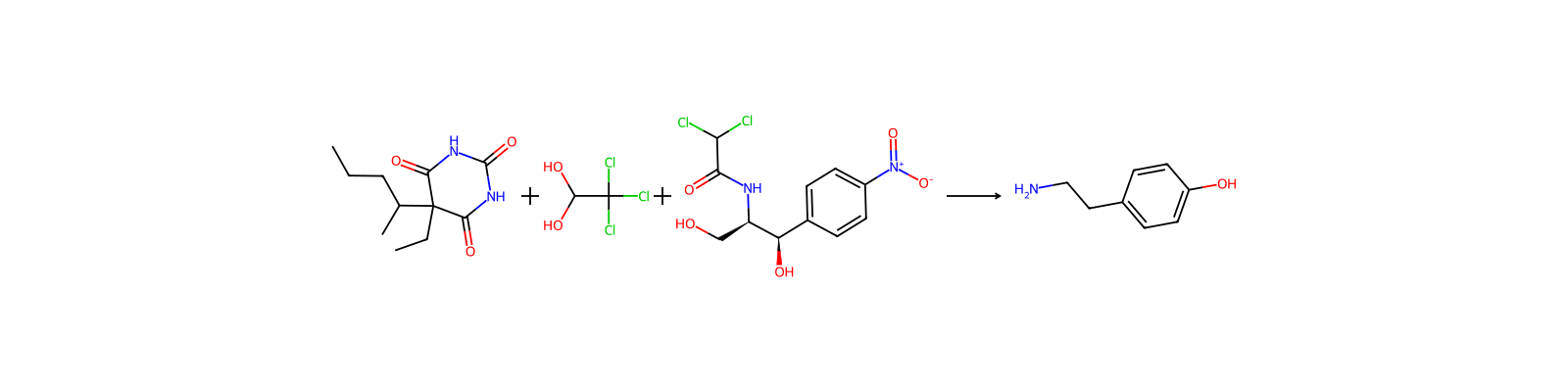
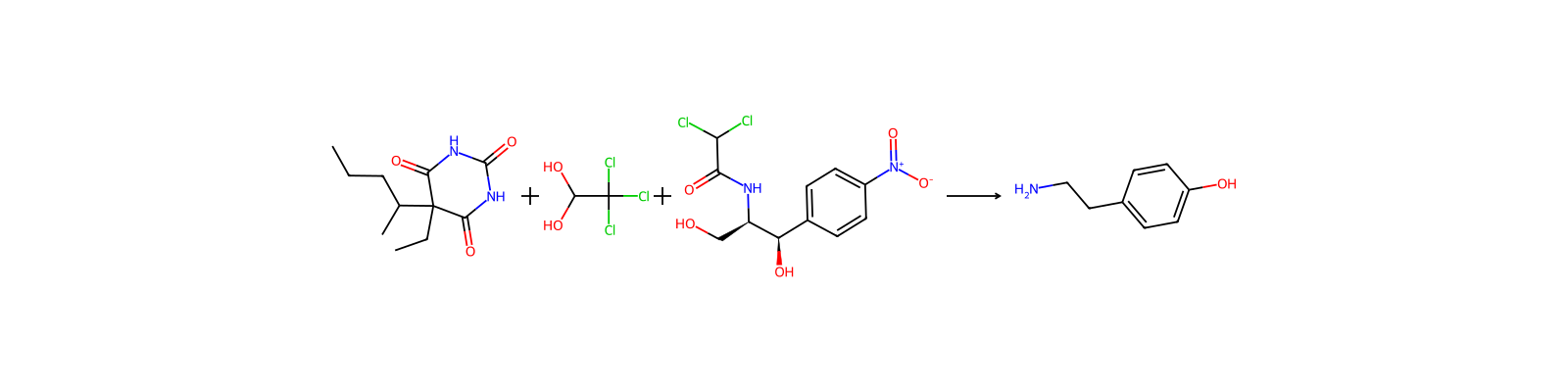
관련 반응

5건
반응 기록 만들기
HRID 442829 반응식
HRID 442829반응물로uspto-grants-1999_04
HRID 967860 반응식
HRID 967860반응물로uspto-grants-2005_10
HRID 987105 반응식
HRID 987105반응물로uspto-grants-2003_10
HRID 1450006 반응식
HRID 1450006반응물로uspto-grants-1997_02
HRID 1789945 반응식
HRID 1789945생성물로uspto-grants-2006_07

화합물 노트

불러오는 중…

이 페이지에서기본 정보개요이름 및 식별자물성안전 및 규제화학 및 산업관련 반응화합물 노트
더보기
새 노트새 반응견적 요청하기
Human Drugs · 2건

FDA approved drugs -> Active ingredient

FDA approved drugs -> Active ingredient

Animal Drugs · 2건

FDA approved animal drugs -> Active ingredient

Pharmaceuticals -> Animal Drugs -> Approved in Taiwan

DecompositionWhen heated to decomposition it emits toxic fumes of /nitric oxide/.
Melting Point · 2건

130 °C

129.5 °C

Physical DescriptionSolid
Stability/Shelf Life · 3건

Aqueous solutions of pentobarbital sodium are not stable, and solutions for injection should not be used if they contain a precipitate. The drug is more stable in propylene glycol, and this vehicle is used as a solvent in commercially available injections. Solutions of pentobarbital sodium should not be added to acidic solutions because precipitation of pentobarbital may occur. Pentobarbital sodium suppositories should be stored at 2-8 °C.

Sensitive to air & moisture /Pentobarbital sodium/

Alkaline soln decomp on storage & heating /Pentobarbital sodium/

Dissociation Constants · 3건

8.11 (at 25 °C)

pK value = 7.88 (Metabolic)

Soln is alkaline to litmus & to phenolphthalein; pKa1: 8.17; pKa2: 12.67 /Pentobarbital sodium/

물리화학적 성질

녹는점
129.5 °C · 129.5°C
끓는 점
367.89 °C · 367.89°C (rough estimate)
밀도
1.1376 · 1.1376 (rough estimate)
굴절률
1.462 · 1.4620 (estimate)
인화점
9 ℃ · 9℃
저장 조건
2 · 2-8°C
용해도
물에는 매우 약간 용해되고 에탄올에는 잘 용해됩니다. 알칼리 수산화물, 탄산염, 암모니아와 함께 수용성 화합물을 형성합니다.
산도 계수 (pKa)
1 · pK1:8.11(0) (25°C)
물리적 상태
A neat solid
수용성
679 mg/L · 679mg/L
Henry's Law Constant
1.2 · 1.2×107 mol/(m3Pa) at 25℃, HSDB (2015)
NIST
Pentobarbital(76-74-4)
EPA
Pentobarbital (76-74-4)

화학적 성질

A white or almost white, crystalline powder or colourless crystals

For more FDA Requirements (Complete) data for Pentobarbital (7 total), please visit the HSDB record page.

Special Reports · 5건

DHHS/NIDA; Research Monograph Series 52: Testing Drugs for Physical Dependence Potential and Abuse Liability (1984) DHHS Pub No. (ADM)87-1332[Available from, as of March 29, 2010: http://www.nida.nih.gov/pdf/monographs/download52.html]

DHHS/NIDA; Research Monograph Series 54: Mechanisms of Tolerance and Dependence (1984) DHHS Pub No. (ADM)88-1330[Available from, as of March 29, 2010: http://www.nida.nih.gov/pdf/monographs/download54.html]

DHHS/NIDA; Research Monograph Series 56: Etiology of Drug Abuse: Implications for Prevention (1987) DHHS Pub No. (ADM)87-1335[Available from, as of March 29, 2010: http://www.nida.nih.gov/pdf/monographs/download56.html]

DHHS/NIDA; Research Monograph Series 59: Current Research on the Consequences of Maternal Drug Abuse (1985) DHHS Pub No. (ADM)85-1400[Available from, as of March 29, 2010: http://www.nida.nih.gov/pdf/monographs/monograph59/download59.html]

For more Special Reports (Complete) data for Pentobarbital (8 total), please visit the HSDB record page.

Hazard Classes and CategoriesAcute Tox. 3 (100%)
Skin, Eye, and Respiratory IrritationsMay cause irritation. Remove to fresh air. Flush with copious quantities of water.

안전 및 보호

Fire Fighting Procedures · 2건

Water spray, dry chemical, carbon dioxide, or foam as appropriate for surrounding fire and materials.

As with all fires, evacuate personnel to a safe area. Firefighters should use self-contained breathing equipment and protective clothing.

Storage Conditions · 2건

Store in tight, light-resistant container as defined in the USP-NF. This material should be handled and stored per label instructions to ensure product integrity.

Pentobarbital sodium injection should be stored at room temperature; freezing and exposure of the injection to extreme heat should be avoided. Brief exposure to temperatures up to 40 °C will not adversely affect the injection.

Cleanup MethodsWipe up spillage or collect spillage using a high- efficiency vacuum cleaner. Avoid breathing dust. Place spillage in appropriately labeled container for disposal. Wash spill site.
Disposal Methods · 2건

SRP: Expired or waste pharmaceuticals shall carefully take into consideration applicable DEA, EPA, and FDA regulations. It is not appropriate to dispose by flushing the pharmaceutical down the toilet or discarding to trash. If possible return the pharmaceutical to the manufacturer for proper disposal being careful to properly label and securely package the material. Alternatively, the waste pharmaceutical shall be labeled, securely packaged and transported by a state licensed medical waste contractor to dispose by burial in a licensed hazardous or toxic waste landfill or incinerator.

SRP: At the time of review, regulatory criteria for small quantity disposal are subject to significant revision, however, household quantities of waste pharmaceuticals may be managed as follows: Mix with wet cat litter or coffee grounds, double bag in plastic, discard in trash.

Preventive Measures · 3건

This material is assumed to be combustible. As with all dry powders, it is advisable to ground mechanical equipment in contact with dry material to dissipate the potential buildup of static electricity.

As a general rule, when handling USP Reference Standards avoid all contact and inhalation of dust, mists, and/or vapors associated with the material. Wash thoroughly after handling.

/Use/ safety goggles /and/ protect exposed skin.

Personal Protective Equipment (PPE) · 2건

Engineering controls such as exhaust ventilation are recommended.

Use a NIOSH-approved respirator, if it is determined to be necessary by an industrial hygiene survey involving air monitoring. In the event that a respirator is not required, an approved dust mask should be used.

독성 정보

Treatment · 1건

Treatment of overdosage is mainly supportive and consists of maintaining an adequate airway, with assisted respiration and oxygen administration as necessary, monitoring of vital signs and fluid balance, and fluid therapy and other standard treatment for shock, if needed. If renal function is normal, forced diuresis may aid in the elimination of the barbiturate. Alkalinization of the urine increases renal excretion of some barbiturates, especially phenobarbital, also aprobarbital and mephobarbital (which is metabolized to phenobarbital). Although not recommended as a routine procedure, hemodialysis may be used in severe barbiturate intoxications or if the patient is anuric or in shock. The patient should be rolled from side to side every 30 minutes and antibiotics should be given if pneumonia is suspected. Appropriate nursing care to prevent hypostatic pneumonia, decubiti, aspiration, and other complications of patients with altered states of consciousness. (L1712)

Interactions · 5건

Acute dosage of mice with DDT prolonged pentobarbitone sleeping time, with inhibition of barbiturate metabolism, but chronic dosage of mice or rats shortened sleeping time because of enzyme induction.

Pentobarbital & streptomycin interact to induce vasodilation in the perfused kidney & other vessels of the dog.

During evaluations of a vaccine of killed suspensions of Corynebacterium parvum, iv injections of Corynebacterium parvum in mice rendered them lethally sensitive to normal safe anesthetic doses of pentobarbitone. Caution was recommended when both preparations might be used in man.

Therapeutic effects of acetaminophen may be decreased when the medication is used concurrently in patients receiving chronic barbiturate therapy because of increased metabolism resulting from induction of hepatic microsomal enzymes; risk of hepatotoxicity with single toxic doses or prolonged use of high doses of acetaminophen may be increased in alcoholics or in patients regularly using hepatic enzyme inducers such as barbiturates. /Barbiturates/

For more Interactions (Complete) data for Pentobarbital (42 total), please visit the HSDB record page.

Health EffectsThey cause slurred speech, disorientation and "drunken" behavior. They are physically and psychologically addictive. They cause slurred speech, disorientation and "drunken" behavior. They are physically and psychologically addictive.
Environmental Fate · 3건

TERRESTRIAL FATE: Based on a classification scheme(1), an estimated Koc value of 28(SRC), determined from a log Kow of 2.10(2) and a regression-derived equation(3), indicates that pentobarbital is expected to have very high mobility in soil(SRC). The pKa of pentobarbital is 7.8(4), indicating that this compound will exist partially in the anion form in the environment and anions generally do not adsorb more strongly to soils containing organic carbon and clay than their neutral counterparts(5). Volatilization of the neutral species from moist soil surfaces is not expected to be an important fate process(SRC) given an estimated Henry's Law constant of 8.4X10⁻¹³ atm-cu m/mole(SRC), using a fragment constant estimation method(6). Pentobarbital is not expected to volatilize from dry soil surfaces(SRC) based upon an estimated vapor pressure of 3.0X10⁻¹⁰ mm Hg at 25 °C(SRC), determined from a fragment constant method(7). Biodegradation data were not available(SRC, 2009).

AQUATIC FATE: Based on a classification scheme(1), an estimated Koc value of 28(SRC), determined from a log Kow of 2.10(2) and a regression-derived equation(3), indicates that pentobarbital is not expected to adsorb to suspended solids and sediment(SRC). Volatilization from water surfaces is not expected(4) based upon an estimated Henry's Law constant of 8.4X10⁻¹³ atm-cu m/mole(SRC), developed using a fragment constant estimation method(5). According to a classification scheme(6), an estimated BCF of 11(SRC), from its log Kow(2) and a regression-derived equation(7), suggests the potential for bioconcentration in aquatic organisms is low(SRC). Biodegradation data were not available(SRC, 2009).

ATMOSPHERIC FATE: According to a model of gas/particle partitioning of semivolatile organic compounds in the atmosphere(1), pentobarbital, which has an estimated vapor pressure of 3.0X10⁻¹⁰ Hg at 25 °C(SRC), determined from a fragment constant method(2), is expected to exist solely in the particulate phase in the ambient atmosphere. Particulate-phase pentobarbital may be removed from the air by wet or dry deposition(SRC). Pentobarbital does not contain chromophores that absorb at wavelengths >290 nm(3) and therefore is not expected to be susceptible to direct photolysis by sunlight(SRC).

Adverse Effects · 1건

The main adverse reactions surrounding pentobarbital use are CNS effects, including altered mental status, agitation, confusion, drowsiness, respiratory depression, bradycardia, hypotension, cardiovascular collapse, and syncope. Other significant adverse effects to be aware of include hallucinations, headache, insomnia, nausea, vomiting, hepatoxicity, megaloblastic anemia, angioedema, local injection site reactions, laryngospasm, bronchospasm, apnea, and hyperkinesia. At high doses of pentobarbital, total loss of neurological function is observed.

Exposure RoutesBarbiturates are absorbed in varying degrees following intravenous, oral, rectal, or parenteral administration.
Milk ConcentrationsPentobarbital is excreted into breast milk. Breast milk levels of 0.17 ug/mL have been detected 19 hours after a dose of 100 mg daily for 32 days.
Toxicity Summary · 2건

Pediatric neurotoxicity is reported with the use of pentobarbital. Barbiturates, including pentobarbital, can increase GABA activity, leading to increased neuronal apoptosis and impaired cognition when used for more than 3 hours. Treatment of pentobarbital toxicity involves supportive care, as no antidote exists. Overdose can lead to airway compromise, cardiovascular collapse, coma, and death. Treatment often requires intubation, hemodynamic support with vasopressors, and maintaining body temperature with warmers, commonly in an intensive care unit (ICU) setting. In mild or early cases of toxicity, activated charcoal and alkaline diuresis have been added but show minimal benefits. Always contact poison control if poisoning or overdose is suspected.

Pentobarbital binds at a distinct binding site associated with a Cl- ionopore at the GABAA receptor, increasing the duration of time for which the Cl- ionopore is open. The post-synaptic inhibitory effect of GABA in the thalamus is, therefore, prolonged. All of these effects are associated with marked decreases in GABA-sensitive neuronal calcium conductance (gCa). The net result of barbiturate action is acute potentiation of inhibitory GABAergic tone. Barbiturates also act through potent (if less well characterized) and direct inhibition of excitatory AMPA-type glutamate receptors, resulting in a profound suppression of glutamatergic neurotransmission.

Signs and SymptomsSymptoms of an overdose typically include sluggishness, incoordination, difficulty in thinking, slowness of speech, faulty judgment, drowsiness or coma, shallow breathing, staggering, and in severe cases coma and death.
Soil Adsorption/Mobility · 1건

The Koc of pentobarbital is estimated as 28(SRC), using a log Kow of 2.10(1) and a regression-derived equation(2). According to a classification scheme(3), this estimated Koc value suggests that pentobarbital is expected to have very high mobility in soil. The pKa of pentobarbital is 7.8(4), indicating that this compound will exist partially in the anion form in the environment and anions generally do not adsorb more strongly to soils containing organic carbon and clay than their neutral counterparts(5). The pK values of the hypnotically active barbituric acids range between 7.78 and 8.30. Disubstituted barbituric acids exist in the undissociated form at pH 7.4 and the degree of dissociation is strongly influenced by slight alterations in pH(4).

Human Toxicity Excerpts · 5건

/HUMAN EXPOSURE STUDIES/ To investigate the effect of sedative agents on visual processing in humans, /investigators/ analysed the BOLD contrast signal response to a visual stimulation paradigm in 15 healthy, adult volunteers using functional magnetic resonance imaging. The subjects were tested during alert state and under sedation following intravenous administration of pentobarbital. The injection of pentobarbital not only significantly reduced the response signal strength but the reduction in BOLD contrast signal was related to the ratio of amount of sedative administered and the subject's body weight. The three subjects with the highest relative sedative dosage even displayed an inverted (negative) BOLD contrast signal. A significant reduction in the number of positively correlating pixels was found 15 min after administration of pentobarbital. All measured parameters returned to near pre-sedative levels by the end of the experimental session. The relative dosage dependence of the strength of the BOLD signal the negative BOLD signal in the three subjects with the highest relative sedative dosage indicates that pentobarbital had a more pronounced effect on cerebral blood flow than on cerebral oxidative metabolism.

/HUMAN EXPOSURE STUDIES/ /Investigators/hypothesized that pentobarbital would improve upper airway mechanics based on an increase in: a) latency to arousal, b) amplitude of the phasic genioglossus electromyogram, and decrease in: c) the active upper-airway critical closing pressure (Pcrit).Twelve healthy subjects received pentobarbital 100 mg or placebo in a double-blind, cross-over protocol. During wakefulness, /investigators/ measured the genioglossus reflex response to negative-pressure pulses. During sleep, carbon dioxide was insufflated into the inspired air. Airway pressure was then decreased in a stepwise fashion until arousal from sleep.With basal breathing during sleep, flow-rate was lower in volunteers given pentobarbital, end-tidal carbon dioxide concentration and upper airway resistance were greater, and Pcrit was unaffected (pentobarbital: -11.7+/-4.5 vs. placebo: -10.25+/-3.6 cm H2O, p=0.11). Pentobarbital increased the time to arousal (297+/-63s vs. 232+/-67s p<0.05), at which time phasic genioglossus EMG was higher (6.2+/-4.8 %max vs. 3.1+/-3%, respectively, p<0.05) as were carbon dioxide levels. The increase in genioglossus electromyogram after carbon dioxide administration was greater after pentobarbital vs. placebo. Pentobarbital did not affect the genioglossus negative pressure reflex.Pentobarbital increases the time to arousal and stimulates genioglossus muscle activity, but it increases upper airway resistance during sleep.

/SIGNS AND SYMPTOMS/ Complications such as pneumonia, pulmonary edema, cardiac arrhythmias, congestive heart failure, and renal failure may occur. Uremia may increase CNS sensitivity to barbiturates.

/SIGNS AND SYMPTOMS/ In extreme overdose, all electrical activity in the brain may cease, in which case a "flat" EEG normally equated with clinical death cannot be accepted. This effect is fully reversible unless hypoxic damage occurs. Consideration should be given to the possibility of barbiturate intoxication even in situations that appear to involve trauma.

Artificial Pollution SourcesPentobarbital's production and use as a sedative(1) may result in its release to the environment through various waste streams(SRC).

규제 정보

FDA Requirements · 5건

The Approved Drug Products with Therapeutic Equivalence Evaluations List identifies currently marketed prescription drug products, including pentobarbital, approved on the basis of safety and effectiveness by FDA under sections 505 of the Federal Food, Drug, and Cosmetic Act.

The Generic Animal Drug and Patent Restoration act requires that each sponsor of an approved animal drug must submit to the FDA certain information regarding patents held for the animal drug or its method of use. The Act requires that this information, as well as a list of all animal drug products approved for safety and effectiveness, be made available to the public. Pentobarbital is included on this list.

The Generic Animal Drug and Patent Restoration act requires that each sponsor of an approved animal drug must submit to the FDA certain information regarding patents held for the animal drug or its method of use. The Act requires that this information, as well as a list of all animal drug products approved for safety and effectiveness, be made available to the public. Pentobarbital sodium is included on this list. /Pentobarbital sodium/

Sodium pentobarbital injection. ... The drug is indicated for use as a general anesthetic in dogs and cats. Although it may be used as a general surgical anesthetic for horses, it is usually given at a lower dose to cause sedation and hypnosis and may be supplemented with a local anesthetic. It may also be used in dogs for the symptomatic treatment of strychnine poisoning. /Sodium pentobarbital/

For more FDA Requirements (Complete) data for Pentobarbital (7 total), please visit the HSDB record page.

안전 데이터

wgk
3
rtecs
CQ5775000
ridadr
UN 2811 6.1/PG 3
독성
A barbiturate that causes CNS depression, apparently due to a facilitation of GABA-ergic inhibition. It appears that the site of action of pentobarbital may be the macromolecular complex made up of a GABA receptor, chloride channel, benzodiazepine-binding site, and picrotoxin-binding site. Barbiturates have been shown to compete for dihydropicrotoxinin-binding sites. In clinical use, barbiturates such as pentobarbital have been largely replaced as sedative-hypnotics by the much safer benzodiazepines. The sedative-hypnotic properties of barbiturates may lead to abuse, as tolerance and dependence are known to occur. In animals, pentobarbital is routinely used for its anesthetic and anticonvulsant properties, as well as for euthanasia. Pentobarbital, like other barbiturates, can induce the metabolism of other compounds by altering cytochrome P450 activity. The oral LD50 in rats is 118 mg/kg.
HS 번호
2933530000
risk_code
25-63-39/23/24/25-36/38-23/24/25-11
hazard_code
T,F
safety_code
7-16-36/37-45-36/37/39-22
포장분류
III
위험 등급
6.1(b)
유해 물질 데이터
76-74-4(Hazardous Substances Data)

Larger doses distort judgment, cloud perception, suppress motor activity, and produce drowsiness and sleep. Still larger doses induce anesthesia. Barbiturate-induced sleep differs from physiologic sleep. Barbiturates reduce the rapid eye movement (REM) or dreaming stage of sleep. Stages III and IV sleep are also decreased. Although tolerance develops to the REM-suppressant effects during chronic administration, REM rebound occurs when the drugs are withdrawn, and the patient may experience markedly increased dreaming, nightmares, and/or insomnia. /Barbiturates General Statement/

For more Mechanism of Action (Complete) data for Pentobarbital (22 total), please visit the HSDB record page.

Biological Half-Life · 4건

5 to 50 hours (dose dependent)

Plasma concentrations of pentobarbital decline in a biphasic manner with a half-life of about 4 hours for the first phase and 35-50 hours for the second phase.

The plasma half-life for pentobarbital in adults is 15 to 50 hours and appears to be dose dependent.

Following iv admin of pentobarbitone sodium 50 mg to 5 healthy subjects pentobarbitone was noted to have a distribution phase (alpha-phase) of about 4 hr, & elimination occurred with a harmonic mean beta-phase half-life of about 50 hr. This suggested that for pentobarbitone the body has a central plasma compartment & one or more extravascular compartments. ... /In another study/ findings of 7 healthy subjects /revealed/ an average beta-phase half-life of only 22.3 hr following iv admin of 100 mg pentobarbitone sodium. After oral admin the half-life was about the same. A more detailed knowledge of pentobarbitone pharmacokinetics was needed to explain the deviation ... /between these 2 different studies/. /Pentobarbitone sodium/

Metabolism/Metabolites · 6건

by hepatic microsomal enzyme system

Pentobarbital is metabolized by the liver chiefly by penultimate oxidation of the 1-methylbutyl substituent to a secondary alcohol, 5-ethyl-5-(3'-hydroxy-1'-methylbutyl) barbituric acid (hydroxypentobarbital) which is an inactive metabolite. Approximately 40-50% of an oral hypnotic dose of pentobarbital is excreted in urine as hydroxypentobarbital. The 1-methylbutyl substituent of pentobarbital can also be oxidized to form pentobarbital carboxylic acid, and small quantities of this metabolite have been found in urine.

The liver biotransforms most ... short acting barbiturates (90%-99%). Short-acting compounds /eg, pentobarbital & secobarbital/ are oxidized to more polar & inactive compounds (alcohols, ketones, phenol, or carboxylic acid). /Barbiturates/

Pentobarbital contains an asymmetric carbon atom in butyl side chain. Main route of metabolism is (omega-1)-oxidation to yield 5-ethyl-5-(3'-hydroxy-1'-methylbutyl)barbituric acid. This process creates a new center of asymmetry, thus giving rise to 4 possible diastereoisomeric metabolites.

Metabolized by liver by ... oxidation of 1-methylbutyl substituent to ... 5-ethyl-5-(3-hydroxy-1-methylbutyl)barbituric acid (hydroxypentobarbital) /and/ pentobarbital carboxylic acid ... Glucuronide conjugates of alcohols /and further unidentified oxidation products also found in urine of /humans/.

For more Metabolism/Metabolites (Complete) data for Pentobarbital (6 total), please visit the HSDB record page.

Absorption, Distribution and Excretion · 6건

Barbiturates are absorbed in varying degrees following oral, rectal, or parenteral administration.

Barbiturates are metabolized primarily by the hepatic microsomal enzyme system, and the metabolic products are excreted in the urine, and less commonly, in the feces. Approximately 25 to 50 percent of a dose of aprobarbital or phenobarbital is eliminated unchanged in the urine, whereas the amount of other barbiturates excreted unchanged in the urine is negligible.

Nearly all of an oral or rectal dose of pentobarbital is absorbed from the GI tract. Following oral administration of pentobarbital, peak plasma concentrations are usually reached in 30-60 minutes.

When pentobarbital is administered orally or rectally, the onset of action occurs within 15-60 minutes. The onset of action is within 1 minute following iv administration and within 10-25 minutes following im administration. Like secobarbital, pentobarbital probably has a duration of hypnotic effect of 1-4 hours following oral or rectal administration and about 15 minutes following iv administration.

Plasma pentobarbital concentrations of 1-5 ug/mL generally produce sedation, and plasma concentrations of 5-15 ug/mL produce sleep in most patients; however, plasma concentrations of greater than 10 ug/mL may produce deep coma, and those in excess of 30 mcg/mL are potentially lethal.

Approximately 35-45% of pentobarbital is bound to plasma proteins.

Cellular LocationsMembrane

용도 및 제조

Uses · 6건

This is a controlled substance.

THERAPEUTIC CATEGORY: Sedative, hypnotic

THERAPEUTIC CATEGORY (VET): Anesthetic (intravenous); for euthenasia

MEDICATION

MEDICATION (VET)

For the short-term treatment of insomnia.

Methods of Manufacturing · 3건

Ethyl cyanoacetate + methyl propyl ketone + ethyl bromide + dicyandiamide (Cope reaction/hydrogenation/dehydrobromination/cyclisation/nitrile hydrolysis/decarboxylation).

It is prepared by boiling ethyl-1-methylbutylcyanoacetic ester with guanidine in sodium ethoxide solution and saponifying the product with dilute sulfuric acid.

The 5,5-disubstituted barbituric acids are still synthesized by the classical condensation of substituted malonic esters, malonic amides, or cyanoacetic esters with urea, thiourea, guanidine, or dicyanodiamide, followed by the hydrolysis of the resulting imino- or cyanobarbiturate. /5,5-Disubstituted barbituric acids/

Formulations/Preparations · 3건

Pentobarbital sodium preparations: (AHFS, 2009)

Pentobarbital sodium, soluble pentobarbital, Carbrital, Narcoren, Nembutal, Pentone, Praecicalm, Somnopentyl, Sopental. /Sodium pentobarbital/.

Pentobarbital calcium, Repocal

Use ClassificationPharmaceuticals -> Animal Drugs -> Approved in Taiwan
응용 분야 · 2건

개요Pentobarbital (CRM) (Item No. 20966) is a certified reference material categorized as a barbiturate. Pentobarbital is regulated as a Schedule II compound in the United States. Pentobarbital (CRM) (Item No. 20966) is provided as a DEA exempt preparation. This product is intended for research and forensic applications.

용도Sedative-hypnotic.

상·하류 제품 정보

상류 원료

나트륨tert-부틸알코올요소에틸2-시아노-2-에틸-3-메틸헥스-3-에노에이트디에틸 에틸(1-메틸부틸)말로네이트guanidine2-펜타놀

하류 제품

펜토바르비탈 나트륨5- 에틸 -5- (1- 메틸 부틸) -2- 대한 TBA

추가 설명

정의ChEBI: A member of the class of barbiturates, the structure of which is that of barbituric acid substituted at C-5 by ethyl and sec-pentyl groups.

For more Human Toxicity Excerpts (Complete) data for Pentobarbital (17 total), please visit the HSDB record page.