
기본 정보
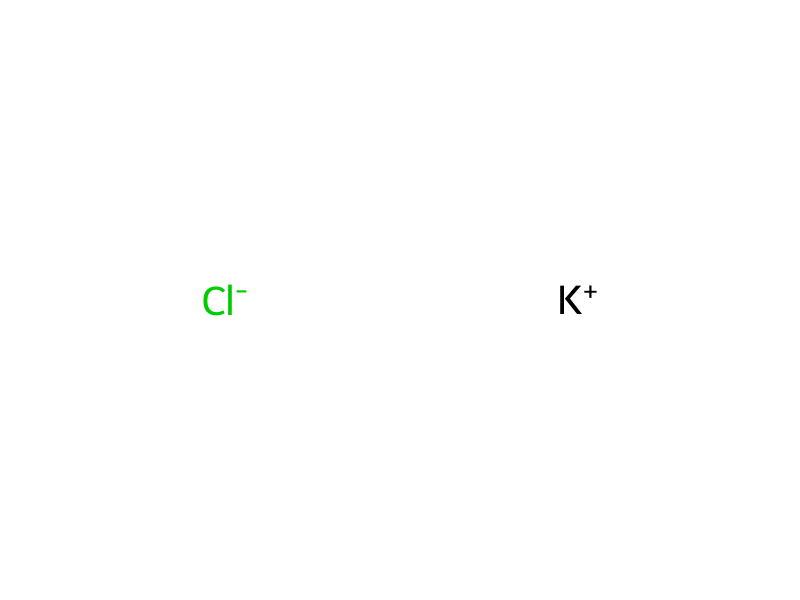
- 표준 SMILES
[Cl-].[K+]- InChIKey
WCUXLLCKKVVCTQ-UHFFFAOYSA-M- 분자식
- ClK
- 평균 분자량
- 74.55 g/mol
- 단동위원소 질량
- 73.93255936
개요
Potassium chloride appears as white colorless cubic crystals. Strong saline taste. (NTP, 1992)
이름 및 식별자
- 우선 이름
- Potassium Chloride
- IUPAC
- potassium chloride
- 영어명
- Potassium chloride
- 분자식
- ClK
- 분자량
- 74.5513
이름 및 동의어
potassium chloride7447-40-7KlotrixSylviteEnsealSlow-KMuriate of potashNeobakasalKlor-ConAcronitolChlorvescentPotavescent
이름 더 보기
KalitabsKaochlorPfiklorRekawanKlorenChloropotassurilPotassium monochlorideK-Contin
데이터베이스 식별자
- CAS
14336-88-0、7447-40-7- PubChem CID
- 4873
- DTXSID
DTXSID5021178- ChEMBL
CHEMBL1200731- ChEBI
CHEBI:32588- UNII
- 660YQ98I10
- EC Number
- 231-211-8、682-118-8
- Nikkaji
- J3.740K
물성
구조 계산 물성
- 극성 표면적
- 0 Ų
- 수소 결합 공여자 수
- 0
- 수소 결합 수용자 수
- 1
- 회전 가능 결합 수
- 0
- 무거운 원자 수
- 2
- 형식 전하
- 0
- 복잡도
- 2
실험 및 물리화학적 성질
Chemical ClassesMetals -> Metals, Inorganic Compounds
CosmeticsViscosity controlling
pHpH: about 7
OdorOdorless
TasteStrong saline taste
Food AdditivesENZYME, FLAVOR ENHANCER, FLAVORING AGENT OR ADJUVANT, MALTING OR FERMENTING AID, NUTRIENT SUPPLEMENT, PH CONTROL AGENT, PROCESSING AID, STABILIZER OR THICKENER -> FDA Substance added to food
Density
1.984 (NTP, 1992) - Denser than water; will sink
1.988 g/cu cm
Density of saturated aq soln at 15 °C: 1.172
1.98 g/cm³
Color/Form
White crystals or crystalline powder
Colorless crystals
Colorless, elongated, prismatic, or cubical crystals or as a white granular powder
Solubility
greater than 100 mg/mL at 68 °F (NTP, 1992)
Freely soluble
Freely soluble in water. Insoluble in ethanol
In water, 35.5 g/100 g water at 25 °C
1 g dissolves in 2.8 mL water, 1.8 mL boiling water ... /addtion of/ hydrochloric acid, or sodium chloride, or magnesium chloride, diminishes its solubility in water
Insoluble in ether, acetone
Human Drugs
FDA approved drugs -> Active ingredient
FDA approved drugs -> Active ingredient
Solutions correcting water, electrolyte and acid-base disturbances > Oral
Animal DrugsPharmaceuticals -> UK Veterinary Medicines Directorate List
Boiling Point
Sublimes at 2732 °F (NTP, 1992)
Sublimes 1500 °C
Specific heat = 693.7 J/kg-K; Heat of fusion = 337.7 kJ/mol; Enthalpy of formation = -436.7 kJ/mol; Entropy (S) = 82.55 J/mol-K; Dielectric constant (at 1X10+6 Hz) = 4.68; Thermal coeff of expansion (15-25 °C) = 33.7X10⁻⁶/K; Boiling point of saturated solution at 1.013 bar = 108.6 °C
안전 및 규제
GHS 분류
GHS Classification
This chemical does not meet GHS hazard criteria for 94.3% (825 of 875) of all reports.
Not Classified
Aggregated GHS information provided per 875 reports by companies from 14 notifications to the ECHA C&L Inventory.
Not Classified
유해성 정보
Regulatory Information
Chemical: Potassium chloride (KCl)
Regulation (EC) No 1333/2008 (amended)
Potassium chloride (KCl) is listed on the EPA's Chemical Data Reporting (CDR) system. Manufacturers and importers of Potassium chloride (KCl) are required to report information about their production and use of this chemical to the EPA under the Toxic Substances Control Act (TSCA). (40 eCFR Part 711)
Status: Active Update: 10-02-2023 https://echa.europa.eu/registration-dossier/-/registered-dossier/14341
Potassium chloride: Does not have an individual approval but may be used under an appropriate group standard
Other Safety InformationIMAP assessments - Potassium chloride (KCl): Human health tier I assessment
Fire Hazards
Flammability data is not available, but this compound is probably nonflammable. (NTP, 1992)
Not combustible.
Health Hazards
SYMPTOMS: Large doses of this chemical usually induce vomiting, so acute intoxication by mouth is rare. If no pre-existing kidney damage, it is rapidly excreted. Poisoning disturbs the rhythm of heart. Large doses by mouth can cause gastrointestinal irritation, purging, weakness, and circulatory disturbances. (NTP, 1992)
Hazards SummaryCauses vomiting after ingestion of large doses; [CAMEO] An eye irritant; [CHEMINFO]
FDA Requirements
Substance added directly to human food affirmed as generally recognized as safe (GRAS).
Potassium chloride used as a nutrient and/or dietary supplement in animal drugs, feeds, and related products is generally recognized as safe when used in accordance with good manufacturing or feeding practice.
The Approved Drug Products with Therapeutic Equivalence Evaluations identifies currently marketed prescription drug products, including potassium chloride, approved on the basis of safety and effectiveness by FDA under sections 505 of the Federal Food, Drug, and Cosmetic Act.
Reactive GroupNon-Redox-Active Inorganic Compounds
Special Reports
European Chemicals Bureau; IUCLID Dataset, Potassium Chloride (CAS No. 7447-40-7) (2000 CD-ROM edition).[Available from, as of November 15, 2006: http://esis.jrc.ec.europa.eu/]
International Programme on Chemical Safety (IPCS); Poisons Information Monograph: Potassium Chloride (PIM 430) (1992). A PIM is a concise, practical document designed to facilitate the work of poisons information specialists, clinicians, and analysts.[Available from, as of April 25, 2007: http://www.inchem.org/documents/pims/pharm/potasscl.htm]
EPA Safer ChemicalChemical: Potassium chloride
FIFRA Requirements
Unless specifically excluded, residues resulting from the use of the following substance as either an inert or an active ingredient in a pesticide chemical formulation, including antimicrobial pesticide chemicals, is exempted from the requirement of a tolerance under FFDCA section 408, if such use is in accordance with good agricultural or manufacturing practices. Potassium chloride is included on this list.
Reactivity Profile
POTASSIUM CHLORIDE is not in general strongly reactive. Violent reaction with BrF3 and with a mixture of sulfuric acid potassium permanganate mixture (NTP, 1992). Reacts with concentrated sulfuric acid to generate fumes of hydrogen chloride.
Air and Water ReactionsHygroscopic. Water soluble.
안전 및 보호
Fire FightingIn case of fire in the surroundings, use appropriate extinguishing media.
First Aid Measures
Fresh air, rest.
Rinse skin with plenty of water or shower.
First rinse with plenty of water for several minutes (remove contact lenses if easily possible), then refer for medical attention.
Rinse mouth. Induce vomiting (ONLY IN CONSCIOUS PERSONS!). Give one or two glasses of water to drink. Refer for medical attention .
First Aid
EYES: First check the victim for contact lenses and remove if present. Flush victim's eyes with water or normal saline solution for 20 to 30 minutes while simultaneously calling a hospital or poison control center. Do not put any ointments, oils, or medication in the victim's eyes without specific instructions from a physician. IMMEDIATELY transport the victim after flushing eyes to a hospital even if no symptoms (such as redness or irritation) develop.
Safe StorageDry.
Fire Fighting Procedures
Use water spray, alcohol-resistant foam, dry chemical or carbon dioxide.
Wear self-contained breathing appartus for firefighting if necessary.
Storage ConditionsKeep container tightly closed in a dry and well-ventilated place. Hygroscopic, keep in a dry place. Storage class (TRGS 510): Non combustible solids.
Cleanup Methods
Use personal protective equipment. Avoid dust formation. Avoid breathing vapors, mist or gas. Avoid breathing dust.
Pick up and arrange disposal without creating dust. Sweep up and shovel. Keep in suitable, closed containers for disposal.
Do not let product enter drains.
Nonfire Spill Response
SMALL SPILLS AND LEAKAGE: If you should spill this chemical, use absorbent paper to pick up all liquid spill material. Seal the absorbent paper, as well as any of your clothing which may be contaminated, in a vapor-tight plastic bag for eventual disposal. Wash any surfaces you may have contaminated with a strong soap and water solution. Do not reenter the contaminated area until the Safety Officer (or other responsible person) has verified that the area has been properly cleaned.
Disposal Methods
SRP: Recycle any unused portion of the material for its approved use or return it to the manufacturer or supplier. Ultimate disposal of the chemical must consider: the material's impact on air quality; potential migration in air, soil or water; effects on animal, aquatic and plant life; and conformance with environmental and public health regulations. If it is possible or reasonable use an alternative chemical product with less inherent propensity for occupational harm/injury/toxicity or environmental contamination.
Spillage Disposal
Sweep spilled substance into covered containers. Carefully collect remainder. Then store and dispose of according to local regulations. Personal protection: particulate filter respirator adapted to the airborne concentration of the substance.
Preventive Measures
Avoid formation of dust and aerosols. Further processing of solid materials may result in the formation of combustible dusts. The potential for combustible dust formation should be taken into consideration before additional processing occurs.
Eye PreventionWear safety goggles.
독성 정보
Treatment
EYES: irrigate opened eyes for several minutes under running water. INGESTION: do not induce vomiting. Rinse mouth with water (never give anything by mouth to an unconscious person). Seek immediate medical advice. SKIN: should be treated immediately by rinsing the affected parts in cold running water for at least 15 minutes, followed by thorough washing with soap and water. If necessary, the person should shower and change contaminated clothing and shoes, and then must seek medical attention. INHALATION: supply fresh air. If required provide artificial respiration.
Interactions
BACKGROUND AND OBJECTIVE: We have evaluated the effects of propofol and its relationship with K+ channels on human isolated umbilical vessels. METHODS: Umbilical vessel rings were suspended in isolated organ baths containing Krebs-Ringer solution. In the first series of experiments the effect of propofol (10(-9)-10(-4) M) was examined in a concentration-dependent manner on umbilical vessels precontracted with KCl (60 mmol). In the second series, these effects were studied in the presence of tetraethylammonium. RESULTS: A mild contraction was produced by low dose propofol in both precontracted umbilical artery and umbilical vein segments. 10(-4) M propofol caused significant relaxation in both umbilical artery and umbilical vein. The relaxation response was significantly reduced by the addition of 10(-1) M tetraethylammonium. CONCLUSION: These results suggested that the responses of propofol on KCl-induced contractions of both umbilical artery and vein were dose dependent, and this effect involved Ca2+ activated K+ channels.
The nature of KCl-induced relaxations of the rat anococcygeus muscle was investigated. 2. The relaxations were mimicked by other K+ salts, but not by NaCl. 3. The muscle was more susceptible to the relaxant effects of KCl than the contractile effects. 4. Addition of ouabain (100 micron) had no effect on the relaxations. 5. The relaxations were abolished by tetrodotoxin (5 microgram/mL), procaine (500 micron), and by section of the inhibitory nerves. 6. The results suggest that KCl-induced relaxations are due to stimulation of the inhibitory nerves by K+.
Twelve male mongrel dogs were used for this study; six were untreated (control) and six were given intravenous furosemide (1 mg/kg) daily for seven consecutive days before each study. Each animal received intravenous KCl 0.8, 1.6 or 3.2 mMol/kg/hr for one hour, but only one dose for each study and at least seven days were allowed between studies. The animals were given thiopentone for tracheal intubation and mechanically ventilated, maintaining a PaCO2 of 4.0 to 4.5 kPa (30-35 torr) and anaesthetized with nitrous oxide-oxygen and halothane. Daily administration of furosemide reduced serum potassium from 4.48 to 4.09 mMol/1 with no significant change in serum sodium. A greater number of furosemide-pretreated animals (6 vs 3) developed cardiac dysrhythmias during non-lethal intravenous KCl at 0.8, 1.6 mMol/kg/hr. The furosemide-pretreated group tended to succumb at a lower serum potassium concentration (12.2 vs 13.8 mMol/I, P less than 0.05) and developed earlier onset (44 vs 54 min, P less than 0.05) of cardiac standstill or ventricular fibrillation following intravenous KCl at 3.2 mMol/kg/hr. Cardiac output, heart rate and mean arterial pressure were significantly elevated during serum concentrations of 6.9-9.1 mMol/1, while no statistically significant changes were observed for stroke volume and peripheral resistance. There were no significant differences of urinary potassium excretion between the untreated and treated groups when like doses of KCl were infused. These data suggest that acute infusion of KCl in furosemide-pretreated dogs may not be an effective means of treating hypokalaemia and could be hazardous.
The effect of s.c. administration of deoxycorticosterone acetate (DOCA) plus p.o. treatment with NaCl solution on gastric carcinogenesis induced by N-methyl-N'-nitro-N-nitrosoguanidine and the effect of p.o. potassium supplementation on the enhanced induction of gastric carcinogenesis in DOCA-NaCl rats were investigated in Wistar rats. After 25 weeks of p.o. treatment with the carcinogen, rats received s.c. injections of DOCA (50 mg/kg) twice a week and were given 1% NaCl solution with and without 1% KCl as drinking water. In Week 52, the blood pressure, the incidence of gastric cancer, and the number of cancers per rat were significantly greater in DOCA-NaCl rats than in the untreated group. Prolonged p.o. treatment of DOCA-NaCl hypertensive rats with potassium significantly reduced their blood pressure, the incidence of gastric cancers, and their number per rat. All gastric tumors were in the glandular portions of the stomach. The norepinephrine concentration in the gastric wall and the labeling indices of gastric mucosa were significantly greater in DOCA-NaCl hypertensive rats than in the untreated group, but p.o. potassium supplementation significantly reduced the norepinephrine concentration in the gastric wall and the labeling indices of the gastric mucosa in DOCA-NaCl rats. Thus, administration of DOCA and NaCl increased the norepinephrine concentration in the gastric wall and promoted gastric carcinogenesis, and p.o. potassium supplementation decreased the norepinephrine concentration in the gastric rats. Inasmuch as the norepinephrine concentration has been used as a marker of sympathetic nervous activity, these findings suggest that the sympathetic nervous system plays an important role in gastric carcinogenesis, probably associated with cell proliferation of antral epithelial cells.
For more Interactions (Complete) data for POTASSIUM CHLORIDE (20 total), please visit the HSDB record page.
Health Effects
The administration of oral potassium salts to persons with normal excretory mechanisms for potassium rarely causes serious hyperkalemia. However, if excretory mechanisms are impaired, of if potassium is administered too rapidly intravenously, potentially fatal hyperkalemia can result. It is important to recognize that hyperkalemia is usually asymptomatic and may be manifested only by an increased serum potassium concentration (6.5-8.0 mEq/L) and characteristic electrocardiographic changes (peaking of T-waves, loss of P-wave, depression of S-T segment, and prolongation of the QT interval). Late manifestations include muscle paralysis and cardiovascular collapse from cardiac arrest (9-12 mEq/L).
Ecotoxicity Values
LC50; Species: Ceriodaphnia dubia (Water flea); Conditions: freshwater, static; Concentration: 630000 ug/L (95% confidence limit: 580000 to 670000 ug/L) for 48 hr /total/
LC50; Species: Ceriodaphnia dubia (Water flea); Conditions: freshwater, static; Concentration: 630000 ug/L (95% confidence limit: 580000 to 630000 ug/L) for 24 hr /total/
LC50; Species: Chironomus riparius (Midge); Conditions: freshwater, /conditions of bioassay not specified/; Concentration: 4.81 g/L (95% confidence limit: 3.93 to 5.68 g/L) for 96 hr /total/
LC50; Species: Chironomus tentans (Midge) size 1.56 mm, 1st instar; Conditions: freshwater, static; Concentration: 1250000 ug/L for 96 hr /total/
For more Ecotoxicity Values (Complete) data for POTASSIUM CHLORIDE (42 total), please visit the HSDB record page.
Adverse Effects
Adverse effects from normal use of KCl are typically related to the administration route. The FDA notes particular adverse effects for each administration route. In general, oral formulations most commonly correlate with GI irritation, including vomiting and diarrhea. Tablet and capsule forms may cause ulcerative/stenotic lesions with prolonged exposure to GI surfaces. Injectable KCl formulations have the potential to cause injection site complications (e.g., phlebitis, erythema, thrombosis, etc.). Also, rapid injection of KCl can precipitate mild hyperkalemia. This review discusses the symptoms of hyperkalemia in the Toxicity section.
Exposure Routes
The substance can be absorbed into the body by ingestion.
Potassium is a normal dietary constituent and under steady-state conditions the amount of potassium absorbed from the gastrointestinal tract is equal to the amount excreted in the urine.
Milk Concentrations
ENVIRONMENTAL: The normal potassium content of breast milk is approximately 13 mEq/L. As long as body potassium is not excessive, the contribution of potassium salts should have little or no effect on the level of breast milk. /Potassium-Oral/
Toxicity Summary
IDENTIFICATION AND USE: Potassium chloride (KCl) consists of odorless white crystals or crystalline powder or white granular powder or colorless crystals, with a strong saline taste. It is not registered for current pesticide use in the U.S., but approved pesticide uses may change periodically and so federal, state and local authorities must be consulted for currently approved uses. KCl is used as prevention and treatment of potassium deficiency, e.g. when thiazide diuretics or corticosteroids are used in case of excessive vomiting or diarrhea, or diets poor in potassium; in the treatment of cumulative digitalis poisoning; and as a component of lethal injections. It is also used in the fertilizer industry as potash and in buffer solutions for photography. Potassium chloride has been identified as being used in hydraulic fracturing as a clay stabilizer. HUMAN EXPOSURE AND TOXICITY: KCl is an essential constituent of the body for intracellular osmotic pressure and buffering, cell permeability, acid-base balance, muscle contraction and nerve function. In humans, acute oral toxicity is rare because large single doses induce nausea and vomiting, and because KCl is rapidly excreted in the absence of any pre-existing kidney damage. Symptoms of acute poisoning after ingestion of potassium chloride are usually mild. KCl oral overdoses manifests in neuromuscular signs in the form of hyperkalemia, general muscular weakness and ascending paralysis, listlessness, vertigo, mental confusion, hypotension, acute cardiovascular changes with ECG abnormalities, and heart block. Gastrointestinal symptoms manifest as nausea, vomiting, paralytic ileus, and local mucosal necrosis, which may lead to perforation. There are several case reports of accidental iv or ip administrations of KCl. Symptoms of acute poisoning after parenteral administration are similar to symptoms after oral exposure but can appear more promptly and be more severe. A case report of a subcutaneous injection of KCl reports chemical burns and skin lesions. During routine spinal anesthesia, an injection of 15 mL of 15% KCl (30 mM) mixed with bupivacaine epidurally caused permanent parapalegia and an ampule of potassium chloride, instead of bupivacaine, was mistakenly opened and inadvertently administered intrathecally to a patient, resulting in pain, cramps, and death within 2.5 hours of injection. Usual therapeutic doses of potassium for oral solution-adults are 1.5-3 g/day to prevent depletion, and 3-7.5 g/day for replacement. A threshold concentration for skin irritancy of 60 % was seen when KCl in aqueous solution was in contact with skin of human volunteers. The threshold concentration when applied to broken skin was 5 %. Gastro-intestinal irritant effects in humans caused by KCl administrated orally have been reported at doses from about 31 mg/kg bw/day. One epidemiological investigation among potash miners disclosed no evidence of predisposition of underground miners to any of the diseases evaluated, including lung cancer. ANIMAL STUDIES: No evidence of treatment-related carcinogenicity was observed in rats administered up to 1820 mg KCl/kg body weight/day through the food in a 2 year study. A developmental study revealed no fetotoxic or teratogenic effects of KCl in doses up to 235 mg/kg/day (mice) and 310 mg/kg/day (rats). No gene mutations were reported in bacterial tests, with and without metabolic activation. However, high concentrations of KCl showed positive results in a range of genotoxic screening assays using mammalian cells in culture. The action of KCl in culture seems to be an indirect effect associated with an increased osmotic pressure and concentration. ECOTOXICITY STUDIES: In short-term acute toxicity tests with fish, daphnia and algae the following results were found (lowest test result values): Ictalurus punctulus 48hr-LC50 = 720 mg/L; Daphnia magna: 48h-LC50 = 177 mg/L; Nitzschia linearis: 120 h-EC50 = 1337 mg/L. A chronic reproductive test with the invertebrate Daphnia magna gave a LOEC of 101 mg/L. All the studies compiled on the acute and chronic aquatic toxicity were > 100 mg/L. Thus it is concluded that KCl is not hazardous to freshwater organisms.
KCl toxicity is primarily a discussion of hyperkalemia. Like hypokalemia, the potentially fatal complication of hyperkalemia is cardiac arrhythmia. The risk for cardiac arrhythmia is significant at serum potassium levels greater than 6.0 to 6.5 mEq/L. Other manifestations of symptomatic hyperkalemia include ascending muscle weakness and GI disturbance (e.g., nausea, local mucosal necrosis, etc.).
Supplemental potassium in the form of high potassium food or potassium chloride may be able to restore normal potassium levels.
Ecotoxicity Excerpts
/AQUATIC SPECIES/ Indigenous species are less commonly used in laboratory aquatic toxicity tests compared with standard test species due to (1) limited availability lack of requisite information necessary for their acclimation and maintenance under laboratory conditions and (2) lack of information on their sensitivity and the reproducibility of toxicity test results. As part of the Natural Resource Damage Assessment aquatic toxicity program in response to the Deepwater Horizon Oil incident (2010), sensitive life stages of native Gulf of Mexico species were evaluated in laboratory toxicity tests to determine the potential effects of the spill. Fish (n = 5) and invertebrates (n = 2) selected for this program include the following: the Florida pompano (Trachinotus carolinus), red drum (Sciaenops ocellatus), spotted sea trout (Cynoscion nebulosus), cobia (Rachycentron canadum), red porgy (Pagrus pagrus), blue crab (Callinectes sapidus), and the common moon jellyfish (Aurelia aurita). Initially in the program, to establish part of the background information, acute tests with reference toxicants (CdCl2, KCl, CuSO4) were performed with each species to establish data on intraspecies variability and test precision as well as identify other factors that may affect toxicity results. Median lethal concentration (LC50) values were calculated for each acute toxicity test with average LC50 values ranging from 248 to 862 mg/L for fish exposures to potassium chloride. Variability between test results was determined for each species by calculating the coefficient of variation (%CV) based on LC50 values. CVs ranged from 11.2 % for pompano (96-hr LC50 value) to 74.8 % for red porgy 24-hr tests. Cadmium chloride acute toxicity tests with the jellyfish A. aurita had the lowest overall CV of 3.6 %. By understanding acute toxicity to these native organisms from a compound with known toxicity ranges and the variability in test results, acute tests with nonstandard species can be better interpreted and used appropriately when determining risk.
/AQUATIC SPECIES/ Various nutrients, including K+ and NO3-, are increasingly being discharged into aquatic systems via anthropogenic sources, which may impact marine organisms. The present study was conducted on blue swimmer crab (Portunus pelagicus) early juveniles to determine the acute toxicity of NaNO3, KNO3, and KCl; if a toxicity interaction exists between K+ and NO3-; the hemolymph Na+, K+, and Ca2+ changes; and the gill histopathological alterations following exposure to elevated NaNO3, KNO3, and KCl levels. A total of 20 replicate crabs were exposed to each of the five NaNO3, KNO3, and KCl concentrations for 96 h. After 96 hr, the surviving crabs were sampled for hemolymph Na+, K+, and Ca2+ levels and fixed for histological examination of the anterior gills. The 96-hr median lethal concentration of NaNO3-N, KNO3-N, KNO3-K, and KCl-K was 3,452, 112, 312, and 356 mg/L, respectively, for early P. pelagicus juveniles. The toxicity of NaNO3-N was significantly less (p < 0.01) than that of KNO3-N. Furthermore, at the same K+ levels, KNO3-K was significantly (p < 0.05) more toxic than KCl-K, indicating a toxicity interaction between K+ and NO3-. Following exposure to elevated KNO3 and KCl levels, the crabs had significantly higher (p < 0.01) hemolymph K+ levels compared to the control. Conversely, following exposure to elevated NaNO3 concentrations, the crabs had significantly higher (p < 0.01) hemolymph Na+ levels but significantly lower (p < 0.01) hemolymph K+ levels. Despite the markedly different hemolymph ionic changes following NaNO3 and KNO3/KCl exposure, the histopathological changes to the anterior gill lamellae of the crabs appeared to be similar, including lamellae swelling, epithelial thickening, pillar cell disruption, necrosis, and distortion.
Signs and Symptoms
Cough. Sore throat.
Redness. Pain.
Diarrhoea. Nausea. Vomiting. Weakness. Convulsions.
Natural Pollution Sources
Potassium chloride occurs in nature as the mineral sylvite(1,2). It is also present to a lesser extent in the minerals carnallite, kainite and langdeinite(2). Sylvite deposits are found most notably in New Mexico, Utah, California, Saskatchewan, Canada, Russia, France, Spain, Germany and the United Kingdom(2). Potash deposits occur worldwide in almost all geological systems(3).
/Potassium chloride/ makes up 4% of the salts in the Great Salt Lake, UT; present in the Bonneville Salt Flats, UT and Searles Lake and the Paradox Basin, UT/CO
ANOTHER SOURCE OF KCL WHICH HAS BEEN WORKED DURING PAST FEW YR IS DEAD SEA, WHERE CONSIDERABLE QUANTITIES ARE FOUND AS DISSOLVED CARNALLITE.
Human Toxicity Excerpts
/HUMAN EXPOSURE STUDIES/ Lethal injection of potassium chloride (KCl) can be used as a method of either suicide or homicide. As biological tests are still inadequate to differentiate endogenous from exogenous potassium, at the scene of death the cause can only be suspected. We wished to determine the usefulness of conventional pathological examination in this context and carried out a study in four fetuses after medical termination of pregnancy for serious disease. Pregnancy was terminated by KCl injection in two cases and by injection of lidocaine and sufentanil in the other two cases. In each of the two fetuses in which KCl injection was performed, macroscopic examination showed whitish deposits on the tissues and histological examination showed clumps of lanceolate crystals in the internal organs. In the two fetuses which received lidocaine and sufentanil injection, no deposits were visible on macroscopic examination and no crystals were seen on histological examination. These findings suggest that pathological study may have useful applications in forensic medicine when death by potassium injection is suspected.
/HUMAN EXPOSURE STUDIES/ Potassium chloride was compared with triamterene in a crossover trial involving 16 hypertensive patients with overt diuretic-induced hypokalemia. Potassium chloride, 24 to 96 mEq/day, normalized the plasma potassium (PK) level at 3.5 mEq/L or more in only eight of the patients. The average increase in PK level was 0.58 mEq/L. Triamterene, 50 to 200 mg daily, normalized PK level in ten of the patients. The average increase in PK level was 0.72 mEq/L, which was not significantly different than that with potassium therapy. Some patients who responded to potassium did not respond to triamterene, and vice versa. Most of the administered potassium was excreted in the urine even with persisting hypokalemia. Addition of triamterene to diuretic therapy resulted in a small but statistically significant increase in plasma creatinine level.
/HUMAN EXPOSURE STUDIES/ The effects of two dosage forms of wax-polymer matrix potassium chloride on the upper gastrointestinal mucosa were compared with placebo in 44 healthy volunteers. After 2 weeks of potassium chloride treatment, mucosal toxicity was observed. There was no correlation between the presence of lesions and symptoms. Six of seven volunteers with lesions healed spontaneously despite continuing treatment with potassium chloride.
/HUMAN EXPOSURE STUDIES/ OBJECTIVES: Induction of fetal demise before second-trimester termination is performed for a number of reasons. One method for inducing fetal demise is via sonographically guided intracardiac KCl (KCl) injection. We performed a retrospective cohort study to determine the efficacy and safety of intracardiac KCl injection as a method of second-trimester induced fetal demise. METHODS: We reviewed records from patients who were referred for induced fetal demise from October 2002 to October 2011. We excluded patients undergoing selective fetal reduction in multiple gestations. Procedural complications, the dose of KCl, and the number of failed procedures were determined. RESULTS: Of the 192 completed procedures, 191 were successful (99.5%). The median gestational age at termination was 22 weeks (range, 15.4-24.9 weeks), and most terminations were surgical (68.0%). Major indications for termination were fetal anomalies (41.6%), unwanted pregnancy (20.8%), and aneuploidy (15.7%). The median dose of KCl was 10 mL (range, 3-40 mL). We found a significant correlation between the dose of KCl and estimated fetal weight. There was no significant correlation between the dose of KCl and body mass index or gestational age. We had 1 maternal complication of a seizure after needle placement but before KCl injection.
For more Human Toxicity Excerpts (Complete) data for POTASSIUM CHLORIDE (48 total), please visit the HSDB record page.
규제 정보
FDA Requirements
Substance added directly to human food affirmed as generally recognized as safe (GRAS).
Potassium chloride used as a nutrient and/or dietary supplement in animal drugs, feeds, and related products is generally recognized as safe when used in accordance with good manufacturing or feeding practice.
The Approved Drug Products with Therapeutic Equivalence Evaluations identifies currently marketed prescription drug products, including potassium chloride, approved on the basis of safety and effectiveness by FDA under sections 505 of the Federal Food, Drug, and Cosmetic Act.
FIFRA Requirements
Unless specifically excluded, residues resulting from the use of the following substance as either an inert or an active ingredient in a pesticide chemical formulation, including antimicrobial pesticide chemicals, is exempted from the requirement of a tolerance under FFDCA section 408, if such use is in accordance with good agricultural or manufacturing practices. Potassium chloride is included on this list.
State Drinking Water Guidelines(CA) CALIFORNIA 250 ug/L (Recommended); 500 ug/L (Upper); Short-term 600 ug/L /Chorine ion/
Federal Drinking Water GuidelinesEPA 250,000 ug/L /Chloride ion/
화학 및 산업
약리 정보
ATC Code
A - Alimentary tract and metabolism
B - Blood and blood forming organs
QA - Alimentary tract and metabolism
QB - Blood and blood forming organs
A12BA01; B05XA01
BionecessityPotassium is involved in numerous enzymatic reactions, in nerve conduction, muscle contraction and carbohydrate metabolism.
Pharmacodynamics
The potassium ion is in the principle intracellular cation of most body tissues. Potassium ions participate in a number of essential physiological processes including the maintenance of intracellular tonicity, the transmission of nerve impulses, the contraction of cardiac, skeletal and smooth muscle, and the maintenance of normal renal function. The intracellular concentration of potassium is approximately 150 to 160 mEq per liter. The normal adult plasma concentration is 3.5 to 5 mEq per liter. An active ion transport system maintains this gradient across the plasma membrane. Potassium is a normal dietary constituent and under steady-state conditions the amount of potassium absorbed from the gastrointestinal tract is equal to the amount excreted in the urine. The usual dietary intake of potassium is 50 to 100 mEq per day. Potassium depletion will occur whenever the rate of potassium loss through renal excretion and/or loss from the gastrointestinal tract exceeds the rate of potassium intake. Such depletion usually develops as a consequence of therapy with diuretics, primarily or secondary hyperaldosteronism, diabetic ketoacidosis, or inadequate replacement of potassium in patients on prolonged parenteral nutrition. Depletion can develop rapidly with severe diarrhea, especially if associated with vomiting. Potassium depletion due to these causes is usually accompanied by concomitant loss of chloride and is manifested by hypokalemia and metabolic alkalosis. Potassium depletion may produce weakness, fatigue, disturbances of cardiac rhythm (primarily ectopic beats), prominent U-waves in the electrocardiogram, and, in advanced cases, flaccid paralysis and/or impaired ability to concentrate urine. If potassium depletion associated with metabolic alkalosis cannot be managed by correcting the fundamental cause of the deficiency, e.g., where the patient requires long-term diuretic therapy, supplemental potassium in the form of high potassium food or potassium chloride may be able to restore normal potassium levels. In rare circumstances (e.g., patients with renal tubular acidosis) potassium depletion may be associated with metabolic acidosis and hyperchloremia. In such patients, potassium replacement should be accomplished with potassium salts other than the chloride, such as potassium bicarbonate, potassium citrate, potassium acetate, or potassium gluconate.
Mechanism of Action
Supplemental potassium in the form of high potassium food or potassium chloride may be able to restore normal potassium levels.
K+ is the principal cation mediating the osmotic balance of the body fluids. In animals, the maintenance of normal cell volume and pressure depends on Na+ and K+ pumping. The K+/Na+ separation has allowed for evolution of reversible transmembrane electrical potentials essential for nerve and muscle action in animals, and both potassium and chloride are important in transmission of nerve impulses to the muscle fibers. /postasium/
The reported mutagenic effect of KCl most probably results from a disruption of osmotic balance of cells with a subsequent interference with chromosomal stability. This may result in the clastogenic effects (DNA breakage and chromosome structural instability) due to K+ effects on sequestering of Mg2+ ions required for normal maintenance of chromatin integrity. Other chemicals may also exert such effect (e.g. NaCl, sucrose).
Potassium and chloride is also important in the regulation of the acid-base balance of the body. Potassium is the principal base in tissues of blood cells, and Cl maintains electrochemical neutrality by anion exchange with bicarbonate (the chloride shift) in the CO2 transport in the blood red cells.
Metabolism/Metabolites
Route of Elimination: Potassium is a normal dietary constituent and, under steady-state conditions, the amount of potassium absorbed from the gastrointestinal tract is equal to the amount excreted in the urine. Potassium depletion will occur whenever the rate of potassium loss through renal excretion and/or loss from the gastrointestinal tract exceeds the rate of potassium intake.
FDA Pharmacological Classification
KALI MURIATICUM
Osmotic Laxative [EPC]; Potassium Compounds [CS]; Potassium Salt [EPC]; Increased Large Intestinal Motility [PE]; Osmotic Activity [MoA]; Inhibition Large Intestine Fluid/Electrolyte Absorption [PE]
POTASSIUM CHLORIDE
Osmotic Activity [MoA]; Inhibition Large Intestine Fluid/Electrolyte Absorption [PE]; Osmotic Laxative [EPC]; Potassium Compounds [CS]; Potassium Salt [EPC]; Increased Large Intestinal Motility [PE]
POTASSIUM CHLORIDE ER
Inhibition Large Intestine Fluid/Electrolyte Absorption [PE]; Osmotic Activity [MoA]; Increased Large Intestinal Motility [PE]; Potassium Salt [EPC]; Potassium Compounds [CS]; Osmotic Laxative [EPC]
Absorption, Distribution and Excretion
Potassium is a normal dietary constituent and under steady-state conditions the amount of potassium absorbed from the gastrointestinal tract is equal to the amount excreted in the urine.
Potassium is a normal dietary constituent and, under steady-state conditions, the amount of potassium absorbed from the gastrointestinal tract is equal to the amount excreted in the urine. Potassium depletion will occur whenever the rate of potassium loss through renal excretion and/or loss from the gastrointestinal tract exceeds the rate of potassium intake.
At steady state continuous excretion of potassium chloride in the urine and faeces equals the daily intake.
Orally and intravenously administered potassium chloride reaches an equilibrium between the extracellular fluid and intracellular space.
Almost all orally administered potassium chloride is absorbed. The peak level and its occurrence time after ingestion depend on the preparation administered.
About 90% of the ingested dose of potassium is absorbed by passive diffusion in the membrane of the upper intestine. Potassium is distributed to all tissues where it is the principal intracellular cation. Insulin, acid-base status, aldosterone, and adrenergic activity regulate cellular uptake of potassium. /potassium/
용도 및 제조
Uses
A white crystal or crystalline powder used as an electrolyte replenisher, in the treatment of hypokalemia, in buffer solutions, and in fertilizers and explosives. [ChemIDplus]
For potassium chloride (USEPA/OPP Pesticide Code: 013904) there are 0 labels match. /SRP: Not registered for current use in the U.S., but approved pesticide uses may change periodically and so federal, state and local authorities must be consulted for currently approved uses./
In photography. In buffer solutions, electrode cells.
Potassium chloride ... or muriate of potash (MOP) as it is known in the fertilizer industry (at about 97% purity), is the world's most commonly used potash. Chemical-grade potassium chloride (99.9%) is the basis for manufactured production of most potassium salts ... It is used in aluminum recycling, in the production of potassium hydroxide, in metal electroplating, oil-well drilling mud, snow and ice melting, steel heat-treating and water softening.
Fertilizer, source of potassium salts, pharmaceutical preparations, photography, spectroscopy; plant nutrient, salt substitute, lab reagent, buffer solutions, food additive.
For more Uses (Complete) data for POTASSIUM CHLORIDE (12 total), please visit the HSDB record page.
Impurities
Contaminants: Magnesium sulfate salts
/Chemical grade KCl/ Industrial & Refined grade: Na, Br, SO4, Ca, Ca & Mg, Pb, Fe, Cu, Ni, Cr, Mo, V, Ti
Impurities are usually sodium chloride and magnesium chloride
NaCl, bromide and alkaline earth sulfates, depending on the raw material and production process
U.S. Exports
(1974) 6.04X10+11 GRAMS
(1975) 5.6X10+11 G (EXCLUDES FERTILIZER)
(1980) 1.18X10+12 g
U.S. Imports
(1974) 3.90X10+12 GRAMS
(1975) 3.3X10+12 G (EXCLUDES FERTILIZER)
(1980) 8.08X10+12 g
U.S. Production
2023: 1,000,000,000 - <2,500,000,000 lb
(1974) 1.86X10+12 GRAMS
(1975) 1.8X10+12 G (EXCLUDES FERTILIZER)
(1980) 2.96X10+12 g
Production volumes for non-confidential chemicals reported under the Inventory Update Rule. [Table#3071]
For more U.S. Production (Complete) data for POTASSIUM CHLORIDE (6 total), please visit the HSDB record page.
Consumption Patterns
94-95% as a fertilizer component (primary plant nutrient); and 5-6% industrial use for other potassium salts (phosphate, hydroxide, permanganate, bromate, iodate, carbonate, & sulfate) (1975)
About 5% of the potassium chloride produced worldwide is used as an industrial chemical, mainly for the production of potassium hydroxide and chlorine by chloralkali electrolysis.
More than 90% of the potassium chloride produced is used in single- or multi-nutrient fertilizers, either directly or after conversion to potassium sulfate. The remainder has various industrial uses and is the raw material for the manfacture of potassium and its compounds.
Consumer UsesIntermediate
Industry UsesOther
Methods of Manufacturing
Potassium chloride is produced in large quantities from mined potash ores and from salt-containing surface waters.
Potassium chloride is produced mostly from solid ores occurring in underground deposits 300-1700 m deep. ... Conventional mining methods adapted from coal and hard-rock mining operations and machine mining are employed to mine ores to a depth of ca 1100 m. Solution mining is employed to recover potassium chloride from deposits exceeding ca 1100 m or from deposits that cannot be mined conventionally because of geological anomalies.
Although it is a relatively small source in terms of total world production of potassium chloride, significant tonnages of potassium chloride, ca 3% of world production, are produced by solar evaporation of natural brines.
(1) Mined from sylvite deposits in New Mexico and Saskatchewan, purified by fractional crystallization or floatation; (2) extracted from salt lake brines and purified by recrystallization.
Extracted from bedded deposits of salts, or from concentrated surface and/or subsurface brines, followed by milling, washing, screening, flotation, crystallization, refining and drying
Formulations/Preparations
Grades: Chemical (99.5 and 99.9%); agricultural grades sold as 60-62%, 48-52%, and 22% K2O; single crystals; United States Pharmacopeia; FCC.
Pure KCl-95 wt% KCl equivalent
Fertilizer grade is 95-96% KCl and is available in three sizes; standard, coarse and granular. Chemical or industrial grades are available in soluble grade 99% KCl, and chemical grade 99.9% KCl
Typical analyses: Industrial grade: KCl 99.0-99.5%, NaCl 0.8-0.3%; Chemical grade: KCl 99.8-99.9%, NaCl 0.05-0.03%
The three main grades differ in grain size: Standard 0.2-0.8 mm; Coarse 0.8-2.0 mm; and Granular 1.2-3.5 mm.
Household ProductsInformation on 267 consumer products that contain Potassium chloride in the following categories is provided:
Use Classification
EPA Safer Chemical Functional Use Classes -> Processing Aids and Additives
Safer Chemical Classes -> Green circle - The chemical has been verified to be of low concern
Food additives
Food Additives -> FLAVOUR_ENHANCER; GELLING_AGENT; YEAST_FOOD -> JECFA Functional Classes
Food Additives -> FLAVOUR_ENHANCER; GELLING_AGENT; YEAST_FOOD -> JECFA Functional Classes
Food Additives -> FLAVOUR_ENHANCER; GELLING_AGENT; YEAST_FOOD -> JECFA Functional Classes
공급사50 곳
国药集团化学试剂有限公司86-21-63210123 · [email protected]
北京华美互利生物化工010-56205725 · [email protected]
梯希爱(上海)化成工业发展有限公司021-67121386 · [email protected]
衢州润东化工有限公司0570-8789886 18892685668 · [email protected]
上海阿拉丁生化科技股份有限公司400-6206333 13167063860 · [email protected]
天津市恒兴化学试剂制造有限公司022-26772349 15822233318 · [email protected]
韶远科技(上海)有限公司021-50795510 4000665055 · [email protected]
上海迈瑞尔生化科技有限公司4006356688 18621169109 · [email protected]
武汉易泰科技有限公司上海分公司18930552037 · [email protected]
大连美仑生物技术有限公司0411-62910999 13889544652 · [email protected]
阿法埃莎(中国)化学有限公司400-6106006 · [email protected]
北京绿百草科技发展有限公司010-61136123 · [email protected]
上海瀚鸿科技股份有限公司021-54306202 13764082696 · [email protected]
上海诗丹德标准技术服务有限公司021-021-57127007-6622-6622 17621252073 · [email protected]
天津万象恒远科技有限公司15722085254 · [email protected]
徐州徐试化学科技有限公司0516-82282337 19709920092 · [email protected]
上海景颜化工科技有限公司13817811078 · [email protected]
上海泰坦科技股份有限公司400-6009262 15618770481 · [email protected]
济南圣丰工贸有限公司186-15597515 17615809616
合肥天健化工有限公司551-65418679 15856988503;15837135945 · [email protected]
天津金汇太亚化学试剂有限公司022-59582624 18622766592 · [email protected]
南京美博生物科技有限公司025-58619198 · [email protected]
山东西亚化学有限公司13355009207 13355009207 · [email protected]
四川库利南科技有限公司400-1166-196 18981987031 · [email protected]
天津希恩思生化科技有限公司400 638 7771 · [email protected]
湖南汇百侍生物科技有限公司0731-85526065 13308475853 · [email protected]
斯百全化学(上海)有限公司021-021-021-67601398-809-809-809 15221380277 · [email protected]
上海源叶生物科技有限公司13636370518 · [email protected]
艾科试剂4008-755-333 18080918076 · [email protected]
西安康培基生物科技有限公司86-029-85456576 · [email protected]
赛默飞世尔科技(中国)有限公司800-810-5118 · [email protected]
上海健超生物科技有限公司150-2103-5486 18017383231 · [email protected]
TOKYO CHEMICAL INDUSTRY CO., LTD.03-36680489 · [email protected]
潍坊沃腾进出口有限公司0536-2456718
南京杜莱生物技术有限公司025-84699383-8003;025-846993838003-8003 18013301590 · [email protected]
南京生利德生物科技有限公司025-57798810 18652991625 · [email protected]
陕西帕尼尔生物科技有限公司13720616393;029-84385017-8003 13720616393 · [email protected]
上海倍卓生物科技有限公司021-61119791,13386096464 · [email protected]
北京环宇世纪化学科技有限公司hysj_bj.com
上海将来实业股份有限公司400-0066400 13621662912 · [email protected]
HBCChem, Inc.+1-510-219-6317 · [email protected]
上海爱蝶实业有限公司021-58957966 18930537195 · [email protected]
成都零六生物科技有限公司400-1166-196 13458535857 · [email protected]
上海麦克林生化科技股份有限公司15221275939 15221275939 · [email protected]
杭州杰恒化工有限公司0571-87396432 · [email protected]
上海嵩爰化工科技有限公司010-1234567 18521000990 · [email protected]
天津锦耀翔承科技有限公司18822227517 18822227517 · [email protected]
成都润泽本土化工有限公司13096311329 028-88469284 616445927 · [email protected]
池州凯隆进出口贸易有限公司[email protected]
Sigma-Aldrich西格玛奥德里奇(上海)贸易有限公司021-61415566 800-8193336 · [email protected]
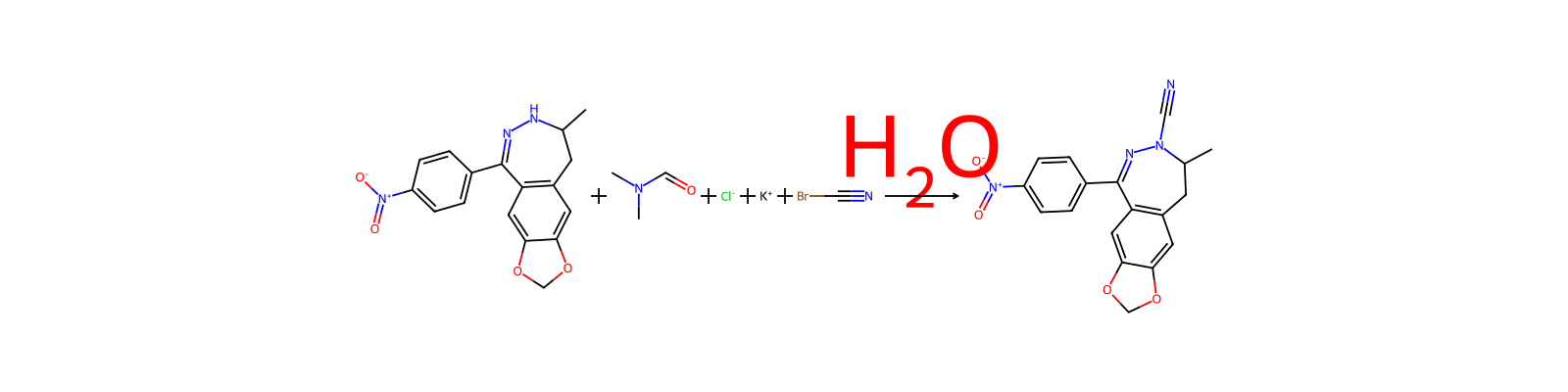
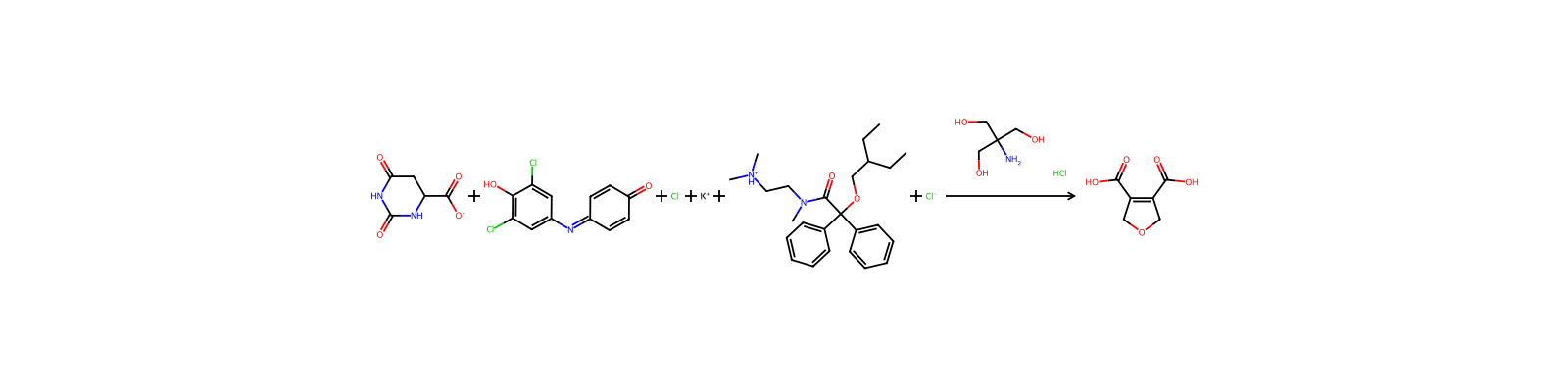
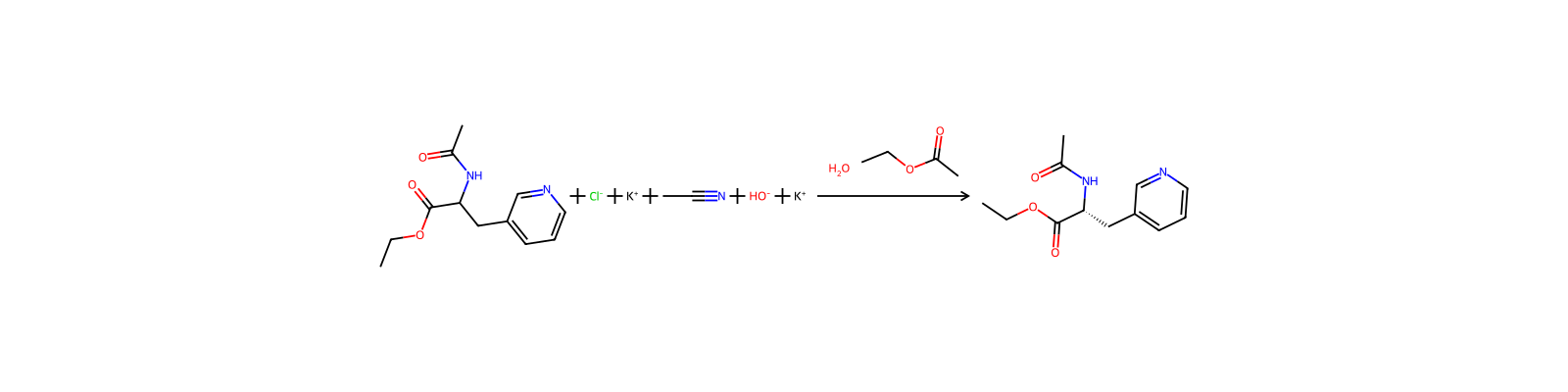
관련 반응
262건




연결된 노트
불러오는 중…