

기본 정보
- 표준 SMILES
O=C([O-])O.[K+]- InChIKey
TYJJADVDDVDEDZ-UHFFFAOYSA-M- 분자식
- CHKO3
- 평균 분자량
- 100.115 g/mol
- 단동위원소 질량
- 99.95627537
이름 및 식별자
- 우선 이름
- Potassium Bicarbonate
- IUPAC
- potassium hydrogen carbonate
이름 및 동의어
Potassium bicarbonate298-14-6Potassium hydrogen carbonatePotassium hydrogencarbonatePotassium acid carbonateMonopotassium carbonateCARBONIC ACID, MONOPOTASSIUM SALTArmicarbKHCO3KafyloxKaligreenMilstop
이름 더 보기
Purple kHM5Z15LEBNINS NO.501(II)INS-501(II)E-501(II)Potassium bicarbonate (USP)Potassium bicarbonate [USP]DTXSID0021177
데이터베이스 식별자
- CAS
17353-70-7、298-14-6- PubChem CID
- 516893
- DTXSID
DTXSID0021177- ChEMBL
CHEMBL2106975- ChEBI
CHEBI:81862- UNII
- HM5Z15LEBN
- EC Number
- 206-059-0
- Nikkaji
- J8.578B
물성
구조 계산 물성
- 극성 표면적
- 60.4 Ų
- 수소 결합 공여자 수
- 1
- 수소 결합 수용자 수
- 3
- 회전 가능 결합 수
- 0
- 무거운 원자 수
- 5
- 형식 전하
- 0
- 복잡도
- 33
실험 및 물리화학적 성질
Density2.17 @25 °C
Solubility
Soluble
Freely soluble in water. Insoluble in ethanol
Melting PointDecomposes before melting
Physical Description
CBI; Dry Powder; Liquid
Colourless crystals or white powder or granules
Colorless or white solid; [Merck Index] White odorless granules; [Alfa Aesar MSDS]
Dissociation Constants6.37
안전 및 규제
GHS 분류
GHS Classification
This chemical does not meet GHS hazard criteria for 99.7% (300 of 301) of all reports.
Not Classified;Reported as not meeting GHS hazard criteria by 300 of 301 companies (only 0.3% companies provided GHS information). For more detailed information, please visit ECHA C&L website.
Aggregated GHS information provided per 301 reports by companies from 3 notifications to the ECHA C&L Inventory.;Reported as not meeting GHS hazard criteria per 300 of 301 reports by companies.;There is 1 notification provided by 1 of 301 reports by companies with hazard statement code(s).;Information may vary between notifications depending on impurities, additives, and other factors. The percentage value in parenthesis indicates the notified classification ratio from companies that provide hazard codes. Only hazard codes with percentage values above 10% are shown. For more detailed information, please visit ECHA C&L website.
유해성 정보
Regulatory Information
Chemical: Carbonic acid, monopotassium salt
Commission Regulation No 844/2012
Carbonic acid, potassium salt (1:1) is listed on the EPA's Chemical Data Reporting (CDR) system. Manufacturers and importers of Carbonic acid, potassium salt (1:1) are required to report information about their production and use of this chemical to the EPA under the Toxic Substances Control Act (TSCA). (40 eCFR Part 711)
2008/127, Reg. (EU) 2017/195, Reg. (EU) 2020/1160, Reg. (EU) 2021/1452, Reg. (EU) 2021/745, Reg. (EU) No 540/2011, Reg. (EU) No 735/2012
Status: Active Update: 28-06-2021 https://echa.europa.eu/registration-dossier/-/registered-dossier/13190
Potassium bicarbonate: Does not have an individual approval but may be used under an appropriate group standard
Other Safety InformationIMAP assessments - Carbonic acid, monopotassium salt: Human health tier I assessment
Hazards Summary
Not irritating to skin or eyes of rabbits; Effects to bladder seen in feeding studies of rats due to alkalizing properties (urine pH > 8) and not to toxic properties of the compound itself; [IUCLID] Causes adrenal cortex hyperplasia and changes in tubules in 13-week oral study of rats (218,400 mg/kg); [RTECS] May cause irritation; [Alfa Aesar MSDS]
EPA Safer ChemicalChemical: Potassium bicarbonate; Green circle - The chemical has been verified to be of low concern based on experimental and modeled data.
Hazard Classes and CategoriesNot Classified
안전 및 보호
Protective Action Criteria (PAC)
6.2 [mg/m3]
68 [mg/m3]
410 [mg/m3]
독성 정보
Toxicity Summary
The CIR Expert Panel concluded that the following 6 carbonate salts are safe in the present practices of use and concentration, as described in this safety assessment, when formulated to be non-irritating...Potassium Bicarbonate...
Safe for use in cosmetics, with qualifications
규제 정보
Regulatory Information
Chemical: Carbonic acid, monopotassium salt
Commission Regulation No 844/2012
Carbonic acid, potassium salt (1:1) is listed on the EPA's Chemical Data Reporting (CDR) system. Manufacturers and importers of Carbonic acid, potassium salt (1:1) are required to report information about their production and use of this chemical to the EPA under the Toxic Substances Control Act (TSCA). (40 eCFR Part 711)
2008/127, Reg. (EU) 2017/195, Reg. (EU) 2020/1160, Reg. (EU) 2021/1452, Reg. (EU) 2021/745, Reg. (EU) No 540/2011, Reg. (EU) No 735/2012
Status: Active Update: 28-06-2021 https://echa.europa.eu/registration-dossier/-/registered-dossier/13190
Potassium bicarbonate: Does not have an individual approval but may be used under an appropriate group standard
화학 및 산업
약리 정보
ATC Code
A - Alimentary tract and metabolism;A12 - Mineral supplements;A12B - Potassium;A12BA - Potassium;A12BA04 - Potassium hydrogencarbonate
QA - Alimentary tract and metabolism;QA12 - Mineral supplements;QA12B - Potassium;QA12BA - Potassium;QA12BA04 - Potassium hydrogencarbonate
Pharmacodynamics
Potassium is the principal intracellular cation in most body tissues. The concentration of potassium ions is essential to conduct nerve impulses in specialized tissues like brain, heart and skeletal muscle, as well as to maintain normal renal function, acid-base balance, and cellular metabolic functions. The use of compounds containing bicarbonate is showed to produce the release of CO2. This effect has been one of the problems of the use of potassium bicarbonate as it can cause eructation.
Mechanism of Action
The antacid potential of potassium bicarbonate is attained by increasing the gastrointestinal pH by neutralizing hydrochloric acid. The increase in pH results in suppression of the action of pepsin which is the enzyme that exacerbates ulceration due to the presence of acid.
Biological Half-LifeSome reports have shown that after absorption, most body potassium exchanges rapidly with a half-life of less than 7 hours.
FDA Pharmacological Classification
POTASSIUM BICARBONATE
Osmotic Laxative [EPC]; Potassium Compounds [CS]; Potassium Salt [EPC]; Increased Large Intestinal Motility [PE]; Osmotic Activity [MoA]; Inhibition Large Intestine Fluid/Electrolyte Absorption [PE]
Absorption, Distribution and Excretion
Potassium bicarbonate intake is done mainly in the small intestine in which approximately 90% of the potassium will be absorbed by passive diffusion.
Approximately 90% of the exogenous potassium consumed is lost in the urine while the other 10% is excreted in feces and a very small amount can be found in the sweat. The excreted potassium is freely filtered by the glomerulus of the kidney.
용도 및 제조
Uses
CIR ingredient: Potassium Bicarbonate
Used in baking powders and as a potassium supplement; [Merck Index] Used in soft drinks, antacids, and fire extinguishers; [Hawley] Active pesticide product registrations in the US; [NPIRS] Approved for use as food additive in the EU; Active ingredient (85%) of the foliar fungicide Armicarb 85SP; [ExPub: EFSA]
Farming (Pesticides) [Category: Industry]
U.S. Production2023: 4,000,000 - <5,500,000 lb;2022: 1,000,000 - <5,000,000 lb;2021: 1,000,000 - <5,000,000 lb;2020: 1,000,000 - <5,000,000 lb
Consumer UsesNot Known or Reasonably Ascertainable;Fire extinguishing agent;Soil amendments (fertilizers);Cleaning agent;pH regulating agent;Surfactant (surface active agent);Processing aids not otherwise specified
Industry Uses
Flavoring and nutrient;Swelling agent;Processing aids not otherwise specified;Surfactant (surface active agent);pH regulating agent;Cleaning agent;Fire extinguishing agent;Soil amendments (fertilizers);Not Known or Reasonably Ascertainable;Intermediate
Household ProductsInformation on 6 consumer products that contain Potassium bicarbonate in the following categories is provided:;• Inside the Home;• Landscaping/Yard;• Pesticides
Use Classification
EPA Safer Chemical Functional Use Classes -> Processing Aids and Additives
Safer Chemical Classes -> Green circle - The chemical has been verified to be of low concern
Food additives
Food Additives -> ACIDITY_REGULATOR; LEAVENING_AGENT; RAISING_AGENT -> JECFA Functional Classes
Food Additives -> ACIDITY_REGULATOR; LEAVENING_AGENT; RAISING_AGENT -> JECFA Functional Classes
Plastics -> Other stabilisers
General Manufacturing Information
Petroleum Refineries;Not Known or Reasonably Ascertainable;All Other Chemical Product and Preparation Manufacturing;Miscellaneous Manufacturing;Food, beverage, and tobacco product manufacturing;Other (requires additional information);Pharmaceutical and Medicine Manufacturing;All Other Basic Inorganic Chemical Manufacturing;Pesticide, Fertilizer, and Other Agricultural Chemical Manufacturing;Soap, Cleaning Compound, and Toilet Preparation Manufacturing;Agriculture, Forestry, Fishing and Hunting;Wholesale and Retail Trade
Carbonic acid, potassium salt (1:1): ACTIVE
관련 반응
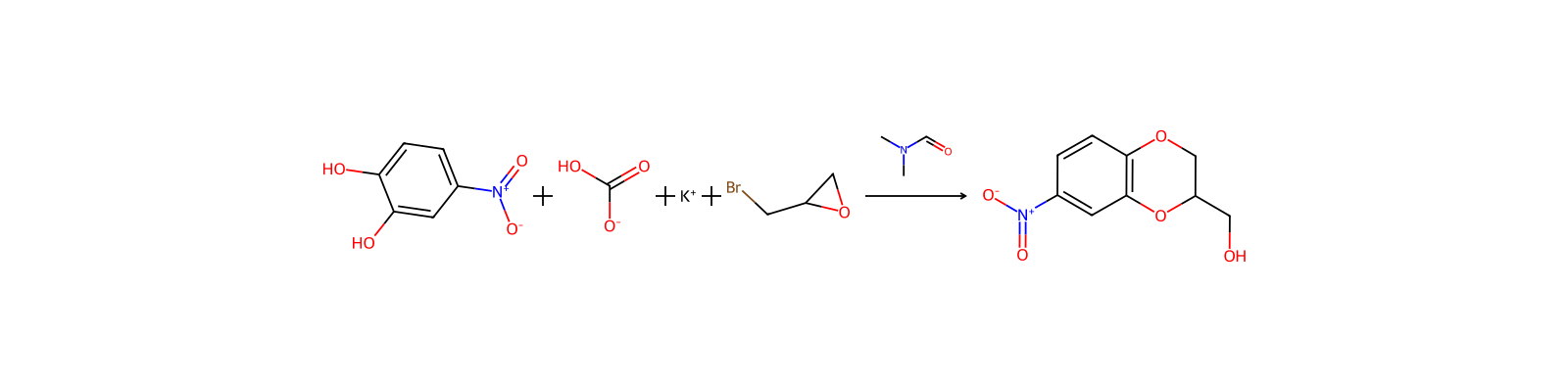
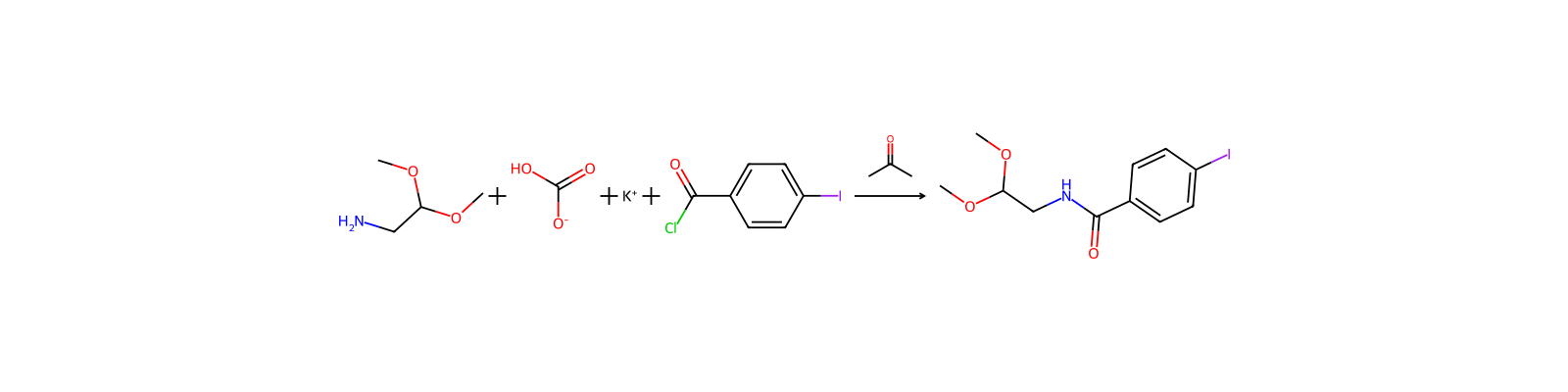
1,176건





연결된 노트
불러오는 중…