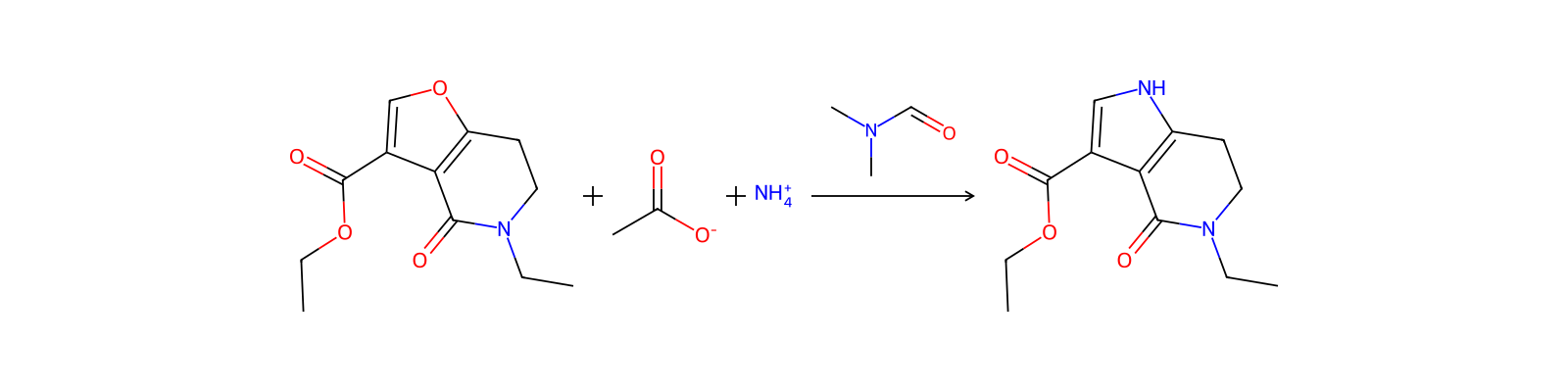
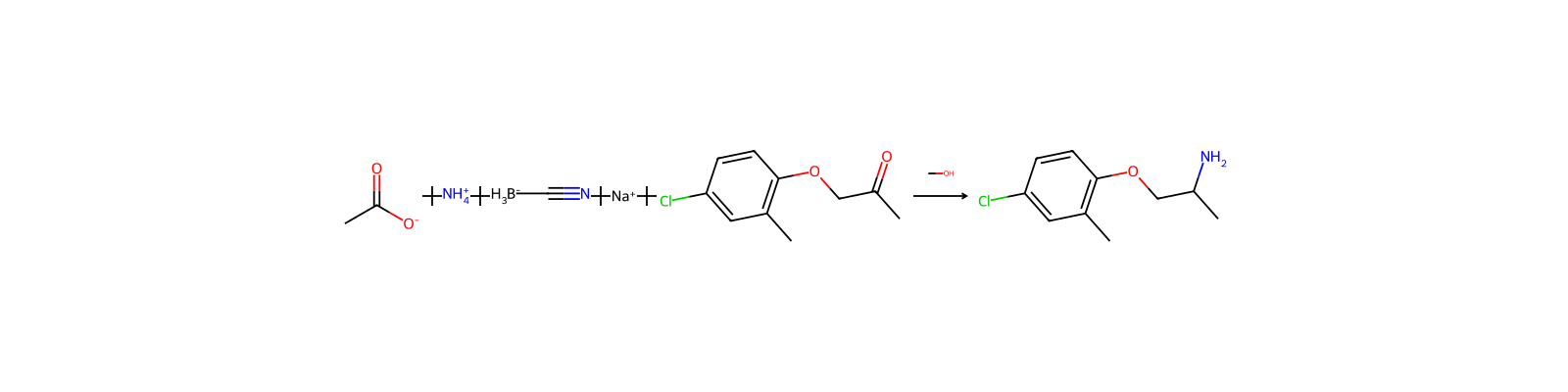
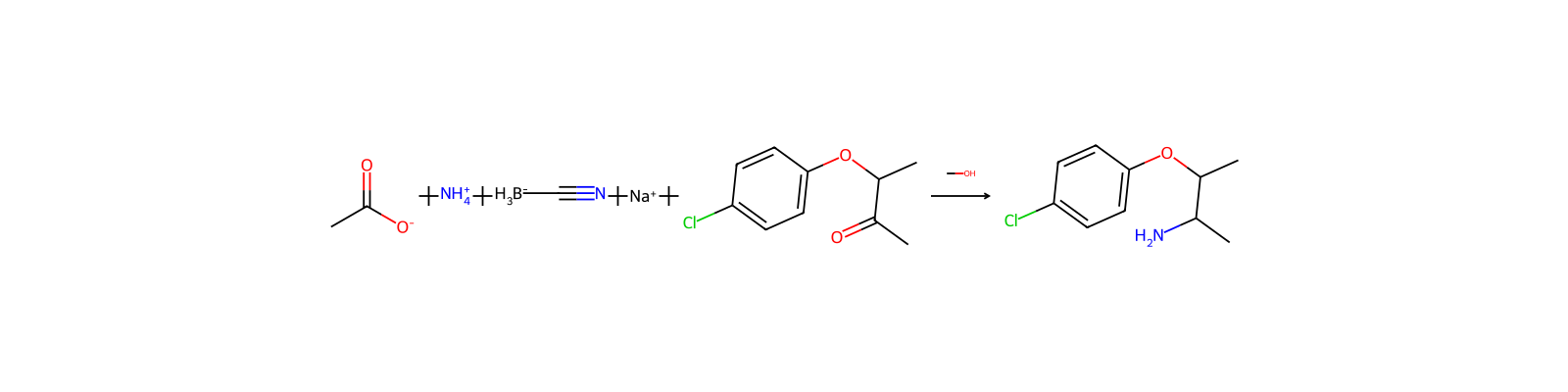
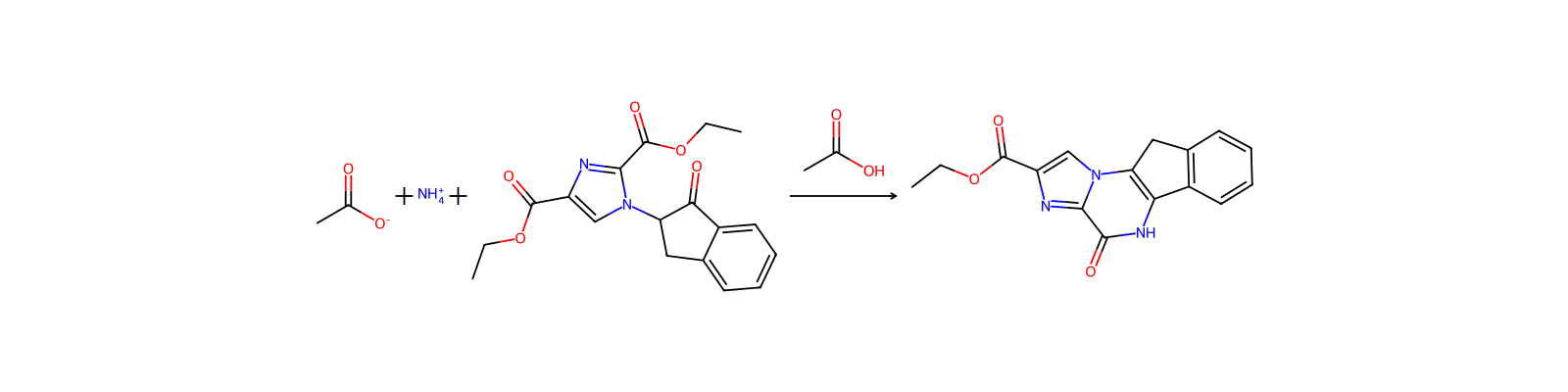
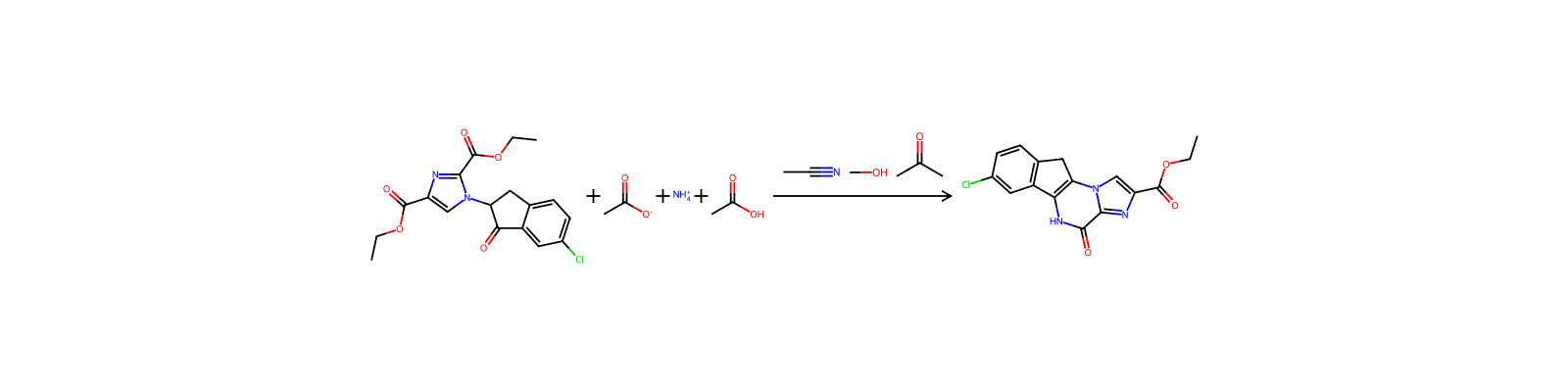
HRID 901반응물로
Ammonium Acetate

631-61-8CC(=O)[O-].[NH4+]USFZMSVCRYTOJT-UHFFFAOYSA-NAmmonium acetate appears as a white crystalline solid. The primary hazard is the threat to the environment. Immediate steps should be taken to limit its spread to the environment. It is used in chemical analysis, in pharmaceuticals, in preserving foods, and for other uses.
631-61-8DTXSID5023873CHEBI:62947Pesticide -> EPA IRIS
Synergists
Active substance -> EU Pesticides database: Not approved
1.17 at 68 °F (USCG, 1999) - Denser than water; will sink
SP GR: 1.17 AT 20 °C/4 °C
1.073 @25 °C
CRYSTALS OR CRYSTALLINE MASSES
WHITE CRYSTALS
SOL IN LESS THAN 1 PART WATER; FREELY SOL IN ALCOHOL; SLIGHTLY SOL IN ACETONE.
148 G/100 CC WATER AT 4 °C; 7.89 G/100 CC METHANOL AT 15 °C
237.2 °F (USCG, 1999)
114 °C
안전 정보는 참고용이며, 공급업체의 물질안전보건자료(SDS), 관련 법규 및 전문가 평가를 대체하지 않습니다.
This chemical does not meet GHS hazard criteria for 96.3% (2441 of 2536) of all reports.
Not Classified
Aggregated GHS information provided per 2536 reports by companies from 9 notifications to the ECHA C&L Inventory.
Chemical: Acetic acid, ammonium salt
Commission Regulation (EC) No 2229/2004
Acetic acid, ammonium salt (1:1) is listed on the EPA's Chemical Data Reporting (CDR) system. Manufacturers and importers of Acetic acid, ammonium salt (1:1) are required to report information about their production and use of this chemical to the EPA under the Toxic Substances Control Act (TSCA). (40 eCFR Part 711)
REACH registered substance: Ammonium acetate (EC: 211-162-9)
Ammonium acetate: Does not have an individual approval but may be used under an appropriate group standard
The New Jersey Worker and Community Right to Know Act requires public and private employers to provide information about hazardous substances at their workplaces. (N.J.S.A. 34:5A-1 et. seq.)
An eye, nose, and mouth irritant; A mild skin irritant; Emergency treatment: Ammonia; [HSDB] Intraperitoneal LD50 (rat) = 632 mg/kg; Effects on rats at lethal doses include convulsions; [RTECS] May cause irritation; [MSDSonline] See Ammonia.
ALTHOUGH PRECISE MECHANISM OF SYSTEMIC AMMONIA INTOXICATION REMAINS TO BE ELUCIDATED, EVIDENCE EXISTS TO SUGGEST THAT AN INTERFERENCE WITH CEREBRAL OXIDATIVE ENERGY METABOLISM IS INVOLVED. IN RATS MADE COMATOSE WITH AMMONIUM ACETATE, SAMPLES OF BASILAR BRAIN STRUCTURES SHOWED SIGNIFICANT DECR IN GLYCOGEN, GLUCOSE, ATP, & ESPECIALLY IN PHOSPHOCREATINE.
The effects of ammonium ions on the release of glutamic acid from the rat cerebral cortex were measured in vivo using cortical cups & multiple ion detection technique. The results indicate that ammonium ions increase the release & the formation of glutamic acid in the brain. The resulting increased concn of this amino acid in extracellular spaces may be one of the mechanisms of ammonia toxicity in vivo. /Ammonium ions/
Used in explosives, foam rubbers, vinyl plastics, and drugs; Also used for preserving meats, dyeing and stripping, determining lead and iron, and separating lead sulfate from other sulfates; [HSDB]
EXPLOSIVES, FOAM RUBBERS, VINYL PLASTICS, & DRUGS.
Preserving meats, dyeing, stripping; as a reagent in analytical chemistry, eg for determining lead and iron; separating lead sulfate from other sulfates.
MEDICATION (VET)
MEDICATION
2023: 1,000,000 - <2,500,000 lb
(1972) PROBABLY GREATER THAN 4.54X10+5 GRAMS
(1975) GREATER THAN 1.36X10+6 GRAMS
COMMERCIAL PRODUCT CONTAINS 95-97% SALT WITH ACETIC ACID & SOME WATER.
114 °C
Ammonium acetate appears as a white crystalline solid. The primary hazard is the threat to the environment. Immediate steps should be taken to limit its spread to the environment. It is used in chemical analysis, in pharmaceuticals, in preserving foods, and for other uses.
CBI; Dry Powder; Liquid; Other Solid; Liquid
White deliquescent solid; [Hawley] White crystalline solid; [MSDSonline]
Ammonium acetate is a white, deliquescent crystalline solid with a slightly acetic odor. It is used as a reagent in analytical chemistry for determining lead and iron content,a chemical intermediate in manufacturing acetamide. It is also a diuretic in veterinary medicine, in other drugs, in textile dyeing, in meat preservative, in foam rubbers, in vinyl plastics, in stripping explosives, and in determining lead and iron content.
Persons in charge of vessels or facilities are required to notify the National Response Center (NRC) immediately, when there is a release of this designated hazardous substance, in an amount equal to or greater than its reportable quantity of 5000 lb or 2270 kg. The toll free number of the NRC is (800) 424-8802; In the Washington D.C. metropolitan area (202) 426-2675. The rule for determining when notification is required is stated in 40 CFR 302.4 (section IV. D.3.b).
SRP: The scientific literature for the use of contact lenses in industry is conflicting. The benefit or detrimental effects of wearing contact lenses depend not only upon the substance, but also on factors including the form of the substance, characteristics and duration of the exposure, the uses of other eye protection equipment, and the hygiene of the lenses. However, there may be individual substances whose irritating or corrosive properties are such that the wearing of contact lenses would be harmful to the eye. In those specific cases, contact lenses should not be worn. In any event, the usual eye protection equipment should be worn even when contact lenses are in place.
3.8 [mg/m3]
42 [mg/m3]
250 [mg/m3]
Dust mask; goggles or face shield (do not wear contact lenses); rubber gloves; impervious protectiveclothing. (USCG, 1999)
DUST MASK; GOGGLES OR FACE SHIELD; RUBBER GLOVES.
AN EQUIMOLAR MIXTURE OF ORNITHINE & ASPARTIC ACID (1 MMOLE/KG) WAS EFFECTIVE IN PREVENTING TOXIC BLOOD LEVELS OF AMMONIA FROM OCCURRING IN ECK FISTULA DOGS WHEN ADMINISTERED 1 HR PRIOR TO AMMONIUM ACETATE ADMINISTRATION.
ADDITION OF OTHER AMINO ACIDS IN DIFFERENT COMBINATIONS WITH ARGININE HYDROCHLORIDE GREATLY ENHANCED THE PROTECTIVE ACTION OF ARGININE HYDROCHLORIDE AGAINST AMMONIUM ACETATE POISONING IN RATS.
CARBAMYLASPARTATE PROTECTED RATS AGAINST INTOXICATING EFFECTS BY DECR BLOOD AMMONIA LEVEL & INCR BLOOD UREA LEVEL SEEN AFTER THE INJECTION OF AMMONIUM ACETATE ALONE.
THE INJECTION OF A COMBINATION OF 1 MMOLE N-CARBAMOYL-L-GLUTAMATE/KG & 1 MMOLE L-ARGININE/KG GAVE 100% PROTECTION AGAINST HYPERAMMONEMIA TO RATS WHICH WERE SUBSEQUENTLY GIVEN LD99.9 DOSE (10.8 MMOLE/KG) AMMONIUM ACETATE.
For more Interactions (Complete) data for AMMONIUM ACETATE (7 total), please visit the HSDB record page.
NORMAL HUMAN SUBJECTS INFUSED WITH AMMONIUM ACETATE EXHIBIT FLACCIDITY OF FACIAL MUSCLES, TREMOR, GENERALIZED DISCOMFORT, ANXIETY, & IMPAIRMENT OF MOTOR PERFORMANCE, OF RECOGNITION & OF CRITICAL FLICKER FUSION.
... WITH LARGE DOSES OF AMMONIUM ... ACETATE ... THERE ARISES POSSIBILITY OF SUFFICIENT ABSORPTION TO PRODUCE DIURESIS & SYSTEMIC AMMONIA POISONING, PARTICULARLY IF ... ADMIN PARENTERALLY.
... RATS INJECTED INTRAPERITONEALLY ... DEVELOPED SPASTICITY & CONVULSIONS COINCIDENT WITH HIGH CONCN OF AMMONIA IN BLOOD & BRAIN.
WHEN AMMONIUM ACETATE WAS INFUSED INTRARUMINALLY (300 AND 400 MG AMMONIA/KG BODY WT), ACUTE TOXICITY WAS OBSERVED IN 3 HOLSTEIN STEERS.
AN IV GLUCOSE TOLERANCE TEST WAS PERFORMED IN 3 GROUPS OF 15 RATS 60 MIN AFTER THE BEGINNING OF A 95 MIN INFUSION OF EITHER 2 ML ISOTONIC SODIUM CHLORIDE SOLN (CONTROL GROUP) OR AMMONIUM ACETATE SOLN AT LOW (0.50 UMOL AMMONIUM ION/KG/MIN) OR HIGH DOSES (1.70 UMOL AMMONIUM ION/KG/MIN). HIGH AMMONIUM ION INFUSION PRODUCED INCR OF BLOOD AMMONIUM LEVELS NEAR 1000 UG/100 ML, SIGNIFICANT DECR IN POTASSIUM COEFFICIENT FOR GLUCOSE DISAPPEARANCE (2.53X10⁻² COMPARED TO 4.92X10⁻² IN CONTROL), & A SUPPRESSION OF RADIOIMMUNOL PLASMA, INSULIN (IRI) RESPONSE TO GLUCOSE. GLUCOSE INTOLERANCE INDUCED BY AMMONIUM ACETATE INFUSIONS MAY BE DUE TO DIRECT EFFECT OF AMMONIUM ION ON PANCREAS. THESE ABNORMALITIES IN GLUCOSE METABOLISM DEPEND OF INFUSED AMMONIUM.
Ammonia toxicity was induced by ip admin of ammonium acetate to frogs (Rana hexadactyla). The liver & brain ornithine transcarbamylase, argininosuccinate synthetase, & arginase showed different responses to ammonia. Brain had an elevated arginase activity after 5 min of ammonium acetate admin, while liver restored to urogenesis 120 min after admin.
For more Non-Human Toxicity Excerpts (Complete) data for AMMONIUM ACETATE (13 total), please visit the HSDB record page.
... A DISTINCT SYNDROME OF SYSTEMIC AMMONIA INTOXICATION IS RECOGNIZED IN ... MAN ... IN AN EXPERIMENTAL CONTEXT. ONLY A REMOTE POSSIBILITY EXISTS ... THAT IT MIGHT OCCUR IN MAN AS RESULT OF INGESTING ... AMMONIUM SALTS, EXCEPT IN THE PERSON WITH PREEXISTING LIVER DISEASE. /AMMONIUM SALTS/
Persons in charge of vessels or facilities are required to notify the National Response Center (NRC) immediately, when there is a release of this designated hazardous substance, in an amount equal to or greater than its reportable quantity of 5000 lb or 2270 kg. The toll free number of the NRC is (800) 424-8802; In the Washington D.C. metropolitan area (202) 426-2675. The rule for determining when notification is required is stated in 40 CFR 302.4 (section IV. D.3.b).
GRADES OR PURITY: REAGENT; CP; TECHNICAL, 97+%
The acid salt is a double compound of the neutral salt with acetic acid.
/Available as/ crystal; reagent, purified; 65% solution, purified grades
/Available as/ 8 mesh particle size, 99.9 & 99.999% purity grades
Food Additives -> ACIDITY_REGULATOR -> JECFA Functional Classes
Cosmetics -> Buffering
Pesticide, Fertilizer, and Other Agricultural Chemical Manufacturing
Acetic acid, ammonium salt (1:1): ACTIVE
용도암모늄 아세테이트 USP, BP, EP 아세트산 암모늄 염은 연료 산업에서 널리 사용됩니다. 암모늄 아세테이트 USP, BP, EP 아세트산 암모늄염은 종종 연료에 산 또는 다른 염과 함께 혼합됩니다. 그런데이 제품은 항생제 및 기타 금속 표면 처리와 같은 의약품 생산에도 적용될 수 있습니다. 암모늄 아세테이트 USP, BP, EP 아세트산 암모늄 염은 다른 다량의 유기 반응 (예 : 발포 고무 생산), 비닐 플라스틱 생산, 세제 및 제조 산업 분야에서 그 용도를 찾습니다.
용도의약, 직물 염색에 이용되며 또 분석 시약으로도 사용된다.
용도분석 용 시약, 약제로도 사용되는 육류 방부제로 사용됩니다. 또한 완충액 및 아세테이트 뿌리 리간드로 사용할 수 있습니다. 공업 제품에 아세트산 암모늄을 사용하면 염화물 및 중금속의 함량을 조절해야합니다. 알루미늄 및 철의 결정을위한 완충 용액을 준비하는데 사용됩니다. 다른 황산염으로부터 황산 납을 분리. 고기 살균, 전기 도금, 수처리, 의약품 등에 사용됩니다. 분석 용 시약, 색층 분석 용 시약 및 완충액으로 사용됩니다.
용도Ammonium acetate is used in the manufacture of acetamide and as a diuretic and diaphoretic in medical applications. The wool industry also uses this salt as a dye mordant. Buffer solution; determination of lead and iron; separating lead sulfate from other sulfates.
일반 설명A white crystalline solid. The primary hazard is the threat to the environment. Immediate steps should be taken to limit its spread to the environment. Ammonium acetate is used in chemical analysis, in pharmaceuticals, in preserving foods, and for other uses.
Ammonium acetate is manufactured by neutralizing acetic acid with ammonium carbonate or by passing ammonia gas into glacial acetic acid. Acidic ammonium acetate, CH3CO2NH4.CH3CO2H[25007-86-7], is manufactured by dissolving the neutral salt in acetic acid.
아세트산과 암모니아로 제조