

기본 정보
- 표준 SMILES
CC/C=C\C/C=C\C/C=C\CCCCCCCC(=O)O- InChIKey
DTOSIQBPPRVQHS-PDBXOOCHSA-N- 분자식
- C18H30O2
- 평균 분자량
- 278.4 g/mol
- 단동위원소 질량
- 278.2245802
이름 및 식별자
- 우선 이름
- Linolenic Acid
- IUPAC
- (9Z,12Z,15Z)-octadeca-9,12,15-trienoic acid
- 현지명
- 리놀렌산
- 영어명
- Linolenic acid
- 분자식
- C18H30O2
- 분자량
- 278.43
이름 및 동의어
linolenic acidalpha-Linolenic acid463-40-1(9Z,12Z,15Z)-octadeca-9,12,15-trienoic acid(Z,Z,Z)-9,12,15-Octadecatrienoic acidcis,cis,cis-9,12,15-Octadecatrienoic acidall-cis-9,12,15-Octadecatrienoic acidalpha Linolenic Acid9-cis,12-cis,15-cis-Octadecatrienoic acid9,12,15-Octadecatrienoic acid, (Z,Z,Z)-(9,12,15)-linolenic acidDTXSID7025506
이름 더 보기
리놀렌산리놀레닉애씨드α-Linolenic acid9,12,15-OCTADECATRIENOIC ACIDlinolenica-Linolenic acid(9Z,12Z,15Z)-9,12,15-Octadecatrienoic acidOCTADECA-9Z,12Z,15Z-TRIENOIC ACID18:3n-3
(9Z,12Z,15Z)-Octadecatrienoic acid9Z,12Z,15Z-Octadecatrienoic acidLinolenic acid, crude(Z,Z,Z)-Octadeca-9,12,15-trienoic acidKortacid 1499cis-delta9,12,15-Octadecatrienoic acidPrifrac 2942cis-Delta(9,12,15)-octadecatrienoic acid
데이터베이스 식별자
- CAS
463-40-1- PubChem CID
- 5280934
- DTXSID
DTXSID7025506- ChEMBL
CHEMBL8739- ChEBI
CHEBI:27432- UNII
- 0RBV727H71
- EC Number
- 207-334-8
- Nikkaji
- J5.773H
물성
구조 계산 물성
- XLogP
- 5.9
- 극성 표면적
- 37.3 Ų
- 수소 결합 공여자 수
- 1
- 수소 결합 수용자 수
- 2
- 회전 가능 결합 수
- 13
- 무거운 원자 수
- 20
- 형식 전하
- 0
- 복잡도
- 301
실험 및 물리화학적 성질
LogP
6.46
6.46
Density0.9164 at 68 °F (NTP, 1992) - Less dense than water; will float
Solubility
less than 1 mg/mL at 72 °F (NTP, 1992)
0.000124
Flash Pointgreater than 235 °F (NTP, 1992)
Boiling Point
446 °F at 17 mmHg (NTP, 1992)
231
Melting Point
11.7 °F (NTP, 1992)
-16.5
-16.5 °C
Vapor Pressure
0.05 mmHg at 257 °F (NTP, 1992)
0.00000054 [mmHg]
Physical Description
Linolenic acid is a clear colorless liquid. (NTP, 1992)
Liquid; Other Solid
Colorless liquid; [Merck Index]
Liquid
Kovats Retention Index
2122;2102;2120;2113;2115
2158.9;2143;2154;2134;2143;2099;2162;2159;2107;2116;2116;2127.9
3292;3292;3300;3250
Collision Cross Section
173.8 Ų [M-H]- [CCS Type: DT; Buffer gas: N2; Sample Type: Human bronchoalveolar lavage fluid (BALF); Dataset: Unambiguous Lipids]
174.88 Ų [M-H]- [CCS Type: DT; Method: stepped-field]
174.53 Ų [M-H]- [CCS Type: DT; Method: stepped-field]
173.07 Ų [M-H]- [CCS Type: DT; Method: single field calibrated with Agilent tune mix (Agilent)];170.7 Ų [M+H]+ [CCS Type: DT; Method: single field calibrated with Agilent tune mix (Agilent)]
170.9 Ų [M+Na]+;174.6 Ų [M-H]-;173.9 Ų [M-H]-
물리화학적 성질
- 녹는점
- -11 °C · -11 °C(lit.)
- 끓는 점
- 230 · 230-232 °C1 mm Hg(lit.)
- 밀도
- 0.914 g/mL · 0.914 g/mL at 25 °C(lit.)
- 굴절률
- 20 · n20/D 1.480(lit.)
- FEMA
- 3380 · 3380 | 9,12-OCTADECADIENOIC ACID (48%) AND 9,12,15-OCTADECATRIENOIC ACID (52%)
- 인화점
- 230 °F · >230 °F
- 저장 조건
- 2 · 2-8°C
- 용해도
- 클로로포름, 아세트산에틸(약간 용해됨), 메탄올(약간 용해됨)
- 산도 계수 (pKa)
- 4.78 · 4.78±0.10(Predicted)
- 물리적 상태
- 액체
- 색상
- 무색투명~연황색
- Specific Gravity
- 0.91 · 0.91
- 냄새
- 약간의 기름 냄새
- 수용성
- 불용성
- Merck
- 14 · 14,5506
- BRN
- 1727693 · 1727693
- 주요 응용
- 음식 및 음료
- 화장품 원료 기능
- 대전방지제계면활성제 - 세정향수세척제헤어 컨디셔닝피부 컨디셔닝피부 컨디셔닝 - 보습제
- InChI
- 1S/C18H30O2/c1-2-3-4-5-6-7-8-9-10-11-12-13-14-15-16-17-18(19)20/h3-4,6-7,9-10H,2,5,8,11-17H2,1H3,(H,19,20)/b4-3-,7-6-,10-9-
- InChIKey
- DTOSIQBPPRVQHS-PDBXOOCHSA-N
- SMILES
- CC/C=C\C/C=C\C/C=C\CCCCCCCC(O)=O
- LogP
- 6.52 · 6.52
- NIST
- 9 · 9,12,15-Octadecatrienoic acid, (Z,Z,Z)-(463-40-1)
- EPA
- Linolenic acid (463-40-1)
화학적 성질
clear light yellow to yellow liquid
안전 및 규제
GHS 분류
GHS Classification
This chemical does not meet GHS hazard criteria for 87.2% (2010 of 2305) of all reports.
Warning
H317 (10.4%): May cause an allergic skin reaction [Warning Sensitization, Skin]
P261, P272, P280, P302+P352, P321, P333+P317, P362+P364, and P501 (click each P-code to see the statement)
Aggregated GHS information provided per 2305 reports by companies from 9 notifications to the ECHA C&L Inventory.;Reported as not meeting GHS hazard criteria per 2010 of 2305 reports by companies.;There are 8 notifications provided by 295 of 2305 reports by companies with hazard statement code(s).;Information may vary between notifications depending on impurities, additives, and other factors. The percentage value in parenthesis indicates the notified classification ratio from companies that provide hazard codes. Only hazard codes with percentage values above 10% are shown. For more detailed information, please visit ECHA C&L website.
유해성 정보
Regulatory Information
Chemical: 9,12,15-Octadecatrienoic acid, (Z,Z,Z)-
9,12,15-Octadecatrienoic acid, (9Z,12Z,15Z)- is listed on the EPA's Chemical Data Reporting (CDR) system. Manufacturers and importers of 9,12,15-Octadecatrienoic acid, (9Z,12Z,15Z)- are required to report information about their production and use of this chemical to the EPA under the Toxic Substances Control Act (TSCA). (40 eCFR Part 711)
9,12,15-Octadecatrienoic acid, (9Z,12Z,15Z)-: Does not have an individual approval but may be used under an appropriate group standard
Other Safety InformationIMAP assessments - 9,12,15-Octadecatrienoic acid, (Z,Z,Z)-: Human health tier I assessment;Evaluation - Chemicals that are unlikely to require further regulation to manage risks to environment
Fire HazardsThis chemical is probably combustible. (NTP, 1992)
Health Hazards
SYMPTOMS: Exposure to this compound may cause blurred vision, coughing, abdominal pain, nausea, vomiting, respiratory distress, skin burns and irritation of the skin, eyes and respiratory tract. It may also cause decreased fibrinogen levels and increased platelet adhesiveness.;ACUTE/CHRONIC HAZARDS: This compound may cause irritation of the skin, eyes and respiratory tract. It may be harmful by inhalation, ingestion or skin absorption. When heated to decomposition it may emit toxic fumes of carbon monoxide and carbon dioxide. (NTP, 1992)
Hazards SummaryOxidized by air forming peroxides that may spontaneously combust; [CAMEO] Safe when used as a flavoring agent in food; [JECFA] May cause irritation; [Sigma-Aldrich MSDS]
Reactive GroupAcids, Carboxylic;Hydrocarbons, Aliphatic Unsaturated;Acids, Weak
EPA Safer ChemicalChemical: Linolenic acid; Green circle - The chemical has been verified to be of low concern based on experimental and modeled data.
Reactivity AlertsPeroxidizable Compound
Reactivity ProfileLINOLENIC ACID is incompatible with bases, oxidizing agents and reducing agents. Also incompatible with peroxides, oxygen and water. (NTP, 1992)
Air and Water ReactionsOxidizes in air to form peroxides, which spontaneously ignite. Insoluble in water. Sensitive to heat and moisture.
Hazard Classes and CategoriesSkin Sens. 1 (10.4%)
안전 및 보호
Fire FightingFires involving this material can be controlled with a dry chemical, carbon dioxide or Halon extinguisher. (NTP, 1992)
First Aid
EYES: First check the victim for contact lenses and remove if present. Flush victim's eyes with water or normal saline solution for 20 to 30 minutes while simultaneously calling a hospital or poison control center. Do not put any ointments, oils, or medication in the victim's eyes without specific instructions from a physician. IMMEDIATELY transport the victim after flushing eyes to a hospital even if no symptoms (such as redness or irritation) develop.;SKIN: IMMEDIATELY flood affected skin with water while removing and isolating all contaminated clothing. Gently wash all affected skin areas thoroughly with soap and water. If symptoms such as redness or irritation develop, IMMEDIATELY call a physician and be prepared to transport the victim to a hospital for treatment.;INHALATION: IMMEDIATELY leave the contaminated area; take deep breaths of fresh air. If symptoms (such as wheezing, coughing, shortness of breath, or burning in the mouth, throat, or chest) develop, call a physician and be prepared to transport the victim to a hospital. Provide proper respiratory protection to rescuers entering an unknown atmosphere. Whenever possible, Self-Contained Breathing Apparatus (SCBA) should be used; if not available, use a level of protection greater than or equal to that advised under Protective Clothing.;INGESTION: DO NOT INDUCE VOMITING. If the victim is conscious and not convulsing, give 1 or 2 glasses of water to dilute the chemical and IMMEDIATELY call a hospital or poison control center. Be prepared to transport the victim to a hospital if advised by a physician. If the victim is convulsing or unconscious, do not give anything by mouth, ensure that the victim's airway is open and lay the victim on his/her side with the head lower than the body. DO NOT INDUCE VOMITING. IMMEDIATELY transport the victim to a hospital. (NTP, 1992)
Nonfire Spill Response
SMALL SPILLS AND LEAKAGE: If you spill this chemical, FIRST REMOVE ALL SOURCES OF IGNITION. Then, use absorbent paper to pick up all liquid spill material. Your contaminated clothing and absorbent paper should be sealed in a vapor-tight plastic bag for eventual disposal. Solvent wash all contaminated surfaces with 60-70% ethanol followed by washing with a soap and water solution. Do not reenter the contaminated area until the Safety Officer (or other responsible person) has verified that the area has been properly cleaned.;STORAGE PRECAUTIONS: You should keep this material in a tightly closed container under an inert atmosphere, protect it from all oxidizing materials, and store it at refrigerated temperatures. (NTP, 1992)
Personal Protective Equipment (PPE)
RECOMMENDED RESPIRATOR: Where the neat test chemical is weighed and diluted, wear a NIOSH-approved half face respirator equipped with an organic vapor/acid gas cartridge (specific for organic vapors, HCl, acid gas and SO2) with a dust/mist filter. (NTP, 1992)
독성 정보
Toxicity Summary
The CIR Expert Panel concluded that the following ingredients are safe in the present practices of use andconcentration described in the safety assessment when formulated to be non-irritating and non-sensitizing, which may be basedon a QRA...Linolenic Acid...
Safe for use in cosmetics, with qualifications
Alpha Linolenic Acid or ALA is considered an essential fatty acid because it is required for human health, but cannot be synthesized by humans. It is in fact a plant-derived fatty acid. Humans can synthesize other omega-3 fatty acids from ALA, including eicosapentaenoic acid (EPA) and docosahexaenoic acid (DHA). EPA is a precursor of the series-3 prostaglandins, the series-5 leukotrienes and the series-3 thromboxanes. These eicosanoids have anti-inflammatory and anti-atherogenic properties. ALA metabolites may also inhibit the production of the pro-inflammatory eicosanoids, prostaglandin E2 (PGE2) and leukotriene B4 (LTB4), as well as the pro-inflammatory cytokines, tumor necrosis factor-alpha (TNF-alpha) and interleukin-1 beta (IL-1 beta). Omega-3 fatty acids like ALA and its byproducts can modulate the expression of a number of genes, including those involved with fatty acid metabolism and inflammation. They regulate gene expression through their effects on the activity of transcription factors including NF-kappa B and members of the peroxisome proliferator-activated receptor (PPAR) family. Incorporation of ALA and its metabolites in cell membranes can affect membrane fluidity and may play a role in anti-inflammatory activity, inhibition of platelet aggregation and possibly in anti-proliferative actions of ALA. ALA is first metabolized by delta6 desaturease into steridonic acid.
Carcinogen ClassificationNot listed by IARC.
규제 정보
Regulatory Information
Chemical: 9,12,15-Octadecatrienoic acid, (Z,Z,Z)-
9,12,15-Octadecatrienoic acid, (9Z,12Z,15Z)- is listed on the EPA's Chemical Data Reporting (CDR) system. Manufacturers and importers of 9,12,15-Octadecatrienoic acid, (9Z,12Z,15Z)- are required to report information about their production and use of this chemical to the EPA under the Toxic Substances Control Act (TSCA). (40 eCFR Part 711)
9,12,15-Octadecatrienoic acid, (9Z,12Z,15Z)-: Does not have an individual approval but may be used under an appropriate group standard
안전 데이터
- wgk
- 1
- tsca
- TSCA listed
- ridadr
- UN1170 - class 3 - PG 2 - Ethanol
- HS 번호
- 29161500
- risk_code
- 36/37/38
- safety_code
- 26-36-37/39
- 기존화학 물질
- KE-26427
- F 고인화성물질
- 8-10-23
- 스토리지 클래스
- 10 - Combustible liquids
화학 및 산업
약리 정보
Pharmacodynamics
Alpha Linolenic Acid (ALA) is an 18-carbon polyunsaturated fatty acid with three double bonds. It is also called an omega-3 fatty acid, and is essential for all mammals. Alpha-linolenic acid (or omega 3 fatty acid) intake can decrease the risk of cardiovascular diseases by 1) preventing arrhythmias that can lead to sudden cardiac death, 2) decreasing the risk of thrombosis (blood clot formation) that can lead to heart attack or stroke, 3) decreasing serum triglyceride levels, 4) slowing the growth of atherosclerotic plaque, 5) improving vascular endothelial function, 6) lowering blood pressure slightly, and 7) decreasing inflammation. ALA deficiencies can lead to visual problems and sensory neuropathy. Scaly and hemorrhagic skin or scalp inflammations may also develop.
Mechanism of Action
Alpha Linolenic Acid or ALA is considered an essential fatty acid because it is required for human health, but cannot be synthesized by humans. It is in fact a plant-derived fatty acid. Humans can synthesize other omega-3 fatty acids from ALA, including eicosapentaenoic acid (EPA) and docosahexaenoic acid (DHA). EPA is a precursor of the series-3 prostaglandins, the series-5 leukotrienes and the series-3 thromboxanes. These eicosanoids have anti-inflammatory and anti-atherogenic properties. ALA metabolites may also inhibit the production of the pro-inflammatory eicosanoids, prostaglandin E2 (PGE2) and leukotriene B4 (LTB4), as well as the pro-inflammatory cytokines, tumor necrosis factor-alpha (TNF-alpha) and interleukin-1 beta (IL-1 beta). Omega-3 fatty acids like ALA and its byproducts can modulate the expression of a number of genes, including those involved with fatty acid metabolism and inflammation. They regulate gene expression through their effects on the activity of transcription factors including NF-kappa B and members of the peroxisome proliferator-activated receptor (PPAR) family. Incorporation of ALA and its metabolites in cell membranes can affect membrane fluidity and may play a role in anti-inflammatory activity, inhibition of platelet aggregation and possibly in anti-proliferative actions of ALA. ALA is first metabolized by delta6 desaturease into steridonic acid.
Tissue LocationsAdipose Tissue;Epidermis;Fibroblasts;Intestine;Placenta;Platelet;Prostate;Skeletal Muscle
Cellular LocationsCytoplasm;Extracellular;Membrane
Metabolite Pathwaysalpha-Linolenic acid metabolism
용도 및 제조
Uses
CIR ingredient: Linolenic Acid
Essential fatty acid; Found in most drying oils; Used as a nutrient; [Merck Index] Used in biochemical research, drying oils, and cosmetics; [NTP]
Painting (Pigments, Binders, and Biocides) [Category: Paint]
For nutritional supplementation and for treating dietary shortage or imbalance.
U.S. Production2023: 1,000,000 - <5,000,000 lb;2022: 1,000,000 - <5,000,000 lb;2021: 1,000,000 - <5,000,000 lb;2020: 1,000,000 - <5,000,000 lb
Consumer UsesSoil amendments (fertilizers);Binder
Industry UsesBinder;Lubricating agent;Surfactant (surface active agent);Soil amendments (fertilizers);Anti-static agent
Household ProductsInformation on 17 consumer products that contain Linolenic acid in the following categories is provided:;• Auto Products;• Personal Care
Use Classification
EPA Safer Chemical Functional Use Classes -> Surfactants
Safer Chemical Classes -> Green circle - The chemical has been verified to be of low concern
Fragrance Ingredients
Cosmetics -> Surfactant; Cleansing; Emollient; Antistatic; Skin conditioning; Hair conditioning
General Manufacturing Information
Plastics Product Manufacturing;All Other Basic Organic Chemical Manufacturing;Miscellaneous Manufacturing;Paper Manufacturing;Food, beverage, and tobacco product manufacturing
9,12,15-Octadecatrienoic acid, (9Z,12Z,15Z)-: ACTIVE
응용 분야
개요Linolenic acid (LA), also known as Alpha-linolenic acid (ALA), is an omega-3 essential fatty acid with a wide range of biological activities such as cardiovascular protection, anticancer, neuroprotection, anti-osteoporosis, anti-inflammatory, and antioxidant.LA is mainly sourced from plants, such as nuts and seeds, and is used for the endogenous synthesis of LC omega-6 fatty acids. It is used medicinally as a nutritional supplement and to treat dietary deficiencies or imbalances.
출처linolenic acid occurs as the glyceride in many seed fats. It is an essential fatty acid in the diet.
용도linolenic acid is also known as alpha-linolenic acid; omega-3. An essential fatty acid found in most drying oils. It is slightly irritating to the mucous membranes. It may be used in a cosmetic preparation for any of the following broad uses: anti-static, cleansing, emollient, skin-conditioning, and surfactant properties.
일반 설명Linolenic acid is a clear colorless liquid. (NTP, 1992)
상·하류 제품 정보
상류 원료
추가 설명
정의ChEBI: Alpha-linolenic acid is a linolenic acid with cis-double bonds at positions 9, 12 and 15. Shown to have an antithrombotic effect. It has a role as a micronutrient, a nutraceutical and a mouse metabolite. It is an omega-3 fatty acid and a linolenic acid. It is a conjugate acid of an alpha-linolenate and a (9Z,12Z,15Z)-octadeca-9,12,15-trienoate.
관련 반응
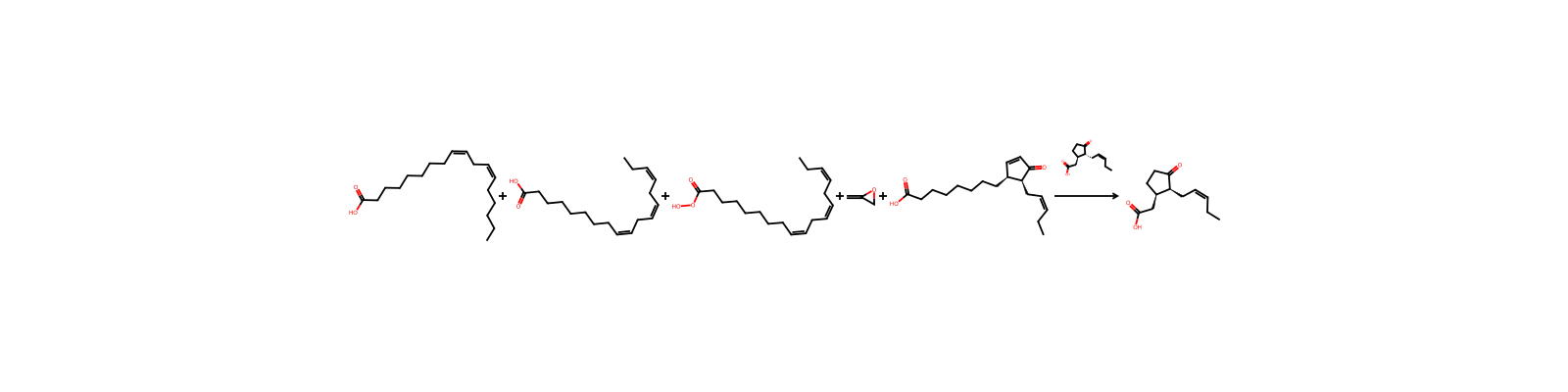
37건


연결된 노트
불러오는 중…