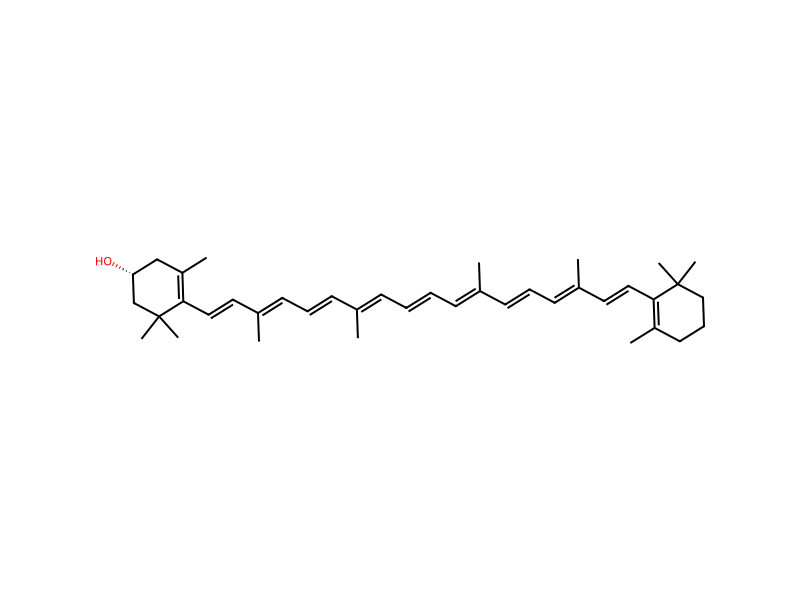
B-크립토잔틴
Cryptoxanthin
기본 정보
- CAS
472-70-8- 표준 SMILES
CC1=C(/C=C/C(C)=C/C=C/C(C)=C/C=C/C=C(C)/C=C/C=C(C)/C=C/C2=C(C)C[C@@H](O)CC2(C)C)C(C)(C)CCC1- InChIKey
DMASLKHVQRHNES-FKKUPVFPSA-N- 분자식
- C40H56O
- 평균 분자량
- 552.9 g/mol
- 단동위원소 질량
- 552.43311641
개요
Beta-cryptoxanthin is a carotenol that exhibits antioxidant activity. It has been isolated from fruits such as papaya and oranges. It has a role as an antioxidant, a biomarker, a provitamin A and a plant metabolite. It derives from a hydride of a beta-carotene.
이름 및 식별자
- 우선 이름
- Cryptoxanthin
- IUPAC
- (1R)-3,5,5-trimethyl-4-[(1E,3E,5E,7E,9E,11E,13E,15E,17E)-3,7,12,16-tetramethyl-18-(2,6,6-trimethylcyclohexen-1-yl)octadeca-1,3,5,7,9,11,13,15,17-nonaenyl]cyclohex-3-en-1-ol
- 현지명
- B-크립토잔틴
- 영어명
- B-CRYPTOXANTHIN
- 분자식
- C40H56O
- 분자량
- 552.87
이름 및 동의어
beta-CryptoxanthinCryptoxanthin472-70-8CryptoxanthineCryptoxantholbeta-Caroten-3-olCryptoxanthinsKryptoxanthinNeocryptoxanthinNeo-beta-cryptoxanthin3-Hydroxy-beta-carotene6ZIB13GI33
이름 더 보기
B-크립토잔틴β-CryptoxanthinE 161cCaricaxanthinβ-caroten-3-olB-CRYPTOXANTHIN
beta,beta-Caroten-3-ol, (3R)-(1R)-3,5,5-trimethyl-4-[(1E,3E,5E,7E,9E,11E,13E,15E,17E)-3,7,12,16-tetramethyl-18-(2,6,6-trimethylcyclohexen-1-yl)octadeca-1,3,5,7,9,11,13,15,17-nonaenyl]cyclohex-3-en-1-olCHEBI:10362DTXSID30912309Beta Caroten 3 olBeta Cryptoxanthin(1R)-3,5,5-trimethyl-4-((1E,3E,5E,7E,9E,11E,13E,15E,17E)-3,7,12,16-tetramethyl-18-(2,6,6-trimethylcyclohexen-1-yl)octadeca-1,3,5,7,9,11,13,15,17-nonaenyl)cyclohex-3-en-1-olRefChem:33778
데이터베이스 식별자
- CAS
472-70-8- PubChem CID
- 5281235
- DTXSID
DTXSID30912309- ChEBI
CHEBI:10362- UNII
- 6ZIB13GI33
- Nikkaji
- J5.952H
물성
구조 계산 물성
- XLogP
- 12.3
- 극성 표면적
- 20.2 Ų
- 수소 결합 공여자 수
- 1
- 수소 결합 수용자 수
- 1
- 회전 가능 결합 수
- 10
- 무거운 원자 수
- 41
- 형식 전하
- 0
- 복잡도
- 1,250
실험 및 물리화학적 성질
LipidsLipids -> Prenol Lipids [PR] -> Isoprenoids [PR01] -> C40 isoprenoids (tetraterpenes) [PR0107]
Melting Point172 - 173 °C
Physical DescriptionSolid
물리화학적 성질
- 녹는점
- 167 ℃ · 167℃
- 끓는 점
- 563.32 °C · 563.32°C (rough estimate)
- 밀도
- 0.974 · 0.974±0.06 g/cm3 (20 ºC 760 Torr)
- 굴절률
- 1.48 · 1.4800 (estimate)
- 저장 조건
- -20 °C · -20°C
- 용해도
- 1 mg/mL · 클로로포름: 가용성1mg/mL
- 산도 계수 (pKa)
- 14.9 · 14.90±0.70(Predicted)
- 물리적 상태
- Solid
- 색상
- Red to dark red
- InChIKey
- DMASLKHVQRHNES-FKKUPVFPSA-N
- SMILES
- CC(=C\C=C\C=C(C)\C=C\C=C(C)\C=C\C1=C(C)C[C@@H](O)CC1(C)C)/C=C/C=C(C)/C=C/C2=C(C)CCCC2(C)C
- LogP
- 13.67 · 13.670 (est)
화학적 성질
Garnet-red prisms with metallic luster. Soluble in chloroform, benzene, and pyridine; slightly soluble in alcohol and methanol.
안전 및 규제
안전 정보는 참고용이며, 공급업체의 물질안전보건자료(SDS), 관련 법규 및 전문가 평가를 대체하지 않습니다.
유해성 정보
Regulatory Information
Regulation (EC) No 178/2002 (amended)
.beta.,.beta.-Caroten-3-ol, (3R)-: Does not have an individual approval but may be used as a component in a product covered by a group standard. It is not approved for use as a chemical in its own right.
안전 데이터
- wgk
- 3
- HS 번호
- 29062990
- 스토리지 클래스
- 11 - Combustible Solids
화학 및 산업
약리 정보
MeSH Pharmacological ClassificationPrecursor forms of vitamins.
Cellular LocationsExtracellular
응용 분야
용도A natural caratenoid pigment that is converted to Vitamin A in the human body. It is an antioxidant and may help prevent free radical damage to cells and DNA, as well as stimulate the repair of oxidative damage to DNA. A potential chemopreventative agent against lung cancer as well as other types of cancer.
일반 설명β-Cryptoxanthin is an oxygen-containing carotenoid and is a member of the xanthophyll family. It is one of the major sources of vitamin A and is present in fruits such as oranges, tangerines and papayas. In addition, it is also found in corn, peas and some animal products such as egg yolk and butter.
상·하류 제품 정보
상류 원료
추가 설명
정의ChEBI: A carotenol that exhibits antioxidant activity. It has been isolated from fruits such as papaya and oranges.
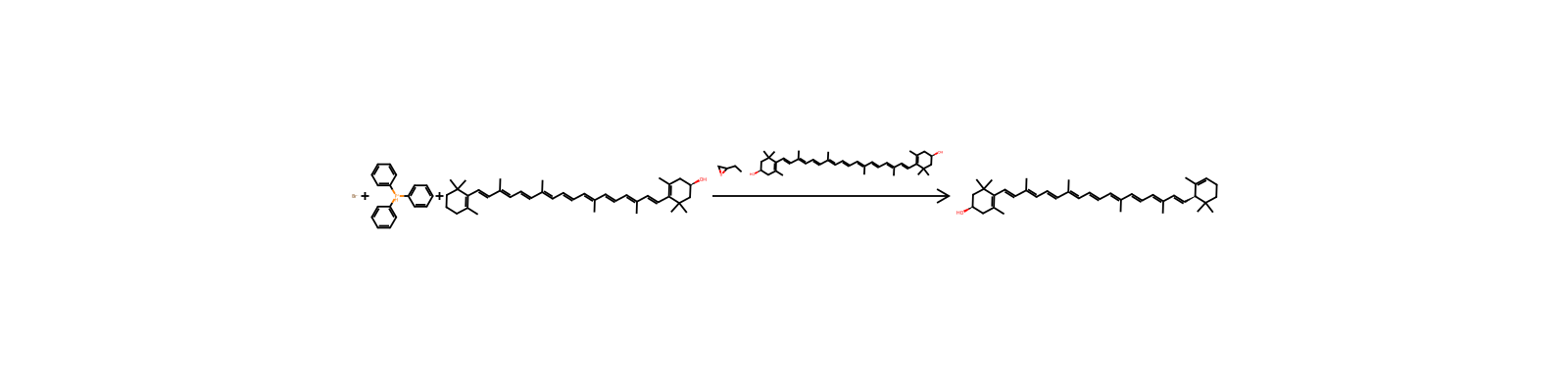
관련 반응
1건
화합물 노트
불러오는 중…