
HRID 378745생성물로

1191-04-4CCC/C=C/C(=O)ONIONDZDPPYHYKY-SNAWJCMRSA-N(2E)-hexenoic acid is the (E)-stereoisomer of hexenoic acid. It has a role as a metabolite. It is a conjugate acid of a (2E)-hexenoate.
1191-04-4、1289-40-3、13419-69-7DTXSID60884601CHEMBL2252747CHEBI:87721안전 정보는 참고용이며, 공급업체의 물질안전보건자료(SDS), 관련 법규 및 전문가 평가를 대체하지 않습니다.
Danger
H314 (100%): Causes severe skin burns and eye damage [Danger Skin corrosion/irritation]
P260, P264, P280, P301+P330+P331, P302+P361+P354, P304+P340, P305+P354+P338, P316, P321, P363, P405, and P501 (click each P-code to see the statement)
Aggregated GHS information provided per 1509 reports by companies from 5 notifications to the ECHA C&L Inventory.
Chemical: 2-Hexenoic acid, (E)-
2-Hexenoic acid, (2E)-: Does not have an individual approval but may be used under an appropriate group standard
Fragrance Ingredients
Flavouring Agent -> FLAVOURING_AGENT -> JECFA Functional Classes
개요trans-2-Hexenoic acid has a pleasant fatty characteristic and is long-lasting. This substance may be synthesized by condensation of butyraldehyde with malonic acid.
출처Reported found in Japanese peppermint oil, apple, banana, bilberry, guava, pork fat, white wine, tea, starfruit, loquat and loganberry.
By condensation of butyraldehyde with malonic acid
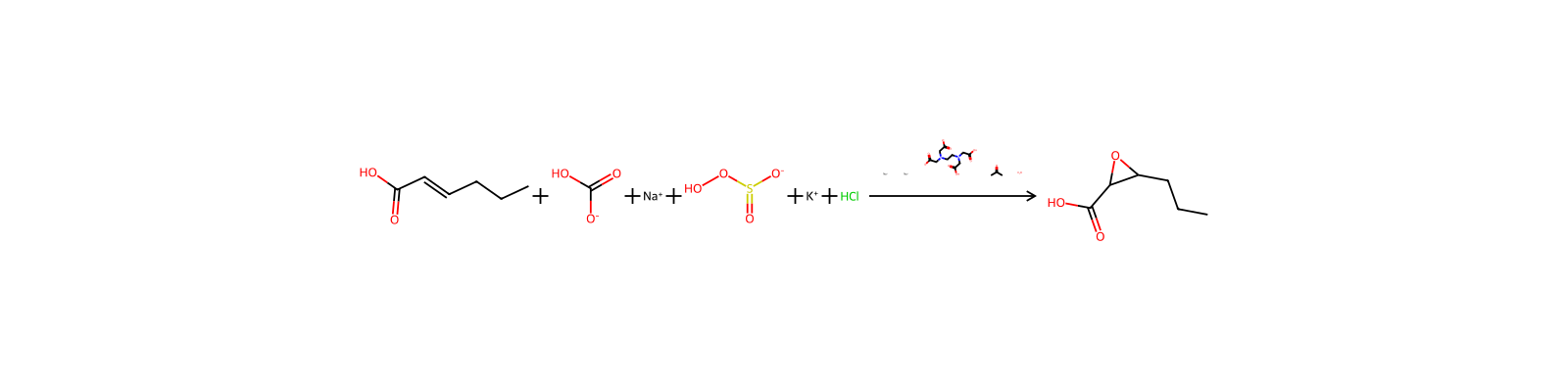


trans-2-Hexenoic acid has a pleasant, fatty, characteristic, long-lasting odor.
정의ChEBI: The (E)-stereoisomer of hexenoic acid.