시롤리무스
Sirolimus
데이터를 보충하는 중입니다. 잠시 후 페이지를 새로 고치면 최신 내용을 볼 수 있습니다

기본 정보
- CAS
53123-88-9- 표준 SMILES
CO[C@H]1C[C@@H]2CC[C@@H](C)[C@@](O)(O2)C(=O)C(=O)N2CCCC[C@H]2C(=O)O[C@H]([C@H](C)C[C@@H]2CC[C@@H](O)[C@H](OC)C2)CC(=O)[C@H](C)/C=C(\C)[C@@H](O)[C@@H](OC)C(=O)[C@H](C)C[C@H](C)/C=C/C=C/C=C/1C- InChIKey
QFJCIRLUMZQUOT-HPLJOQBZSA-N- 분자식
- C51H79NO13
- 평균 분자량
- 914.2 g/mol
- 단동위원소 질량
- 913.55514157
이름 및 식별자
- 우선 이름
- Sirolimus
- IUPAC
- (1R,9S,12S,15R,16E,18R,19R,21R,23S,24E,26E,28E,30S,32S,35R)-1,18-dihydroxy-12-[(2R)-1-[(1S,3R,4R)-4-hydroxy-3-methoxycyclohexyl]propan-2-yl]-19,30-dimethoxy-15,17,21,23,29,35-hexamethyl-11,36-dioxa-4-azatricyclo[30.3.1.04,9]hexatriaconta-16,24,26,28-tetraene-2,3,10,14,20-pentone
- 현지명
- 시롤리무스
- 영어명
- Rapamycin
- 분자식
- C51H79NO13
- 분자량
- 914.17
이름 및 동의어
rapamycinSirolimus(-)-Rapamycin53123-88-9RapamunerapalimusAY-22989WY-090217FYARROHYFTORsirolimusumNpc-12g
이름 더 보기
시롤리무스SirolomusRapamycin/Sirolimus CAS 53123-88-9Rapamycin from Streptomyces hygroscopicus,23,27-Epoxy-3H-pyrido[2,1-c][1,4]oxaazacyclohentriacontine, AY 22989, SirolimusRPMBCAR2CS-440TRERF1
Antibiotic AY 22989RAPARapammuneSILA 9268AW36ZG6FT64L04AA10NSC-226080CHEBI:9168
데이터베이스 식별자
- CAS
53123-88-9- PubChem CID
- 5284616
- DTXSID
DTXSID5023582- ChEMBL
CHEMBL413
물성
구조 계산 물성보충 중
- XLogP
- 6
- 극성 표면적
- 195 Ų
- 수소 결합 공여자 수
- 3
- 수소 결합 수용자 수
- 13
- 회전 가능 결합 수
- 6
- 무거운 원자 수
- 65
- 형식 전하
- 0
- 복잡도
- 1,760
물리화학적 성질
- 녹는점
- 183 · 183-185°C
- 끓는 점
- 799.83 °C · 799.83°C (rough estimate)
- 밀도
- 1.0352 · 1.0352 (rough estimate)
- 증기압
- 0.56 hPa · 0.56 hPa ( 20 °C)
- 굴절률
- 1.528 · 1.5280 (estimate)
- 인화점
- 87 °C · 87 °C
- 저장 조건
- -20 °C · -20°C
- 용해도
- 2 MM · 에탄올: 가용성2MM
- 물리적 상태
- 액체
- 산도 계수 (pKa)
- 10.4 · 10.40±0.70(Predicted)
- 색상
- 무색~황색
- 수용성
- 50 mg/ml의 · 50mg/ml의 DMSO 또는 25mg/ml의 메탄올에 용해됩니다. 알코올, 디메틸 설폭사이드 및 디메틸 포름아미드에 용해됩니다. 물에 불용성.
- Merck
- 14 · 14,8114
- 안정성
- 2 · 2년동안 안정됐나. 구입일로부터 공급된 대로. DMSO 또는 에탄올 용액은 -20°C에서 최대 2개월 동안 보관할 수 있습니다.
- InChIKey
- QFJCIRLUMZQUOT-HPLJOQBZSA-N
화학적 성질
White to Off-White Solid
안전 및 규제
안전 정보는 참고용이며, 공급업체의 물질안전보건자료(SDS), 관련 법규 및 전문가 평가를 대체하지 않습니다.
안전 데이터
- wgk
- 2
- rtecs
- VE6250000
- ridadr
- UN 1648 3 / PGII
- 독성
- LD50 in mice (mg/kg): 600 i.p.; >2,500 orally (Vézina)
- HS 번호
- 29349990
- risk_code
- 36/38-36-20/21/22-11
- hazard_code
- Xi,Xn,F
- safety_code
- 22-24/25-37/39-26-36/37-16
- 자연 발화 온도
- 301 °C
- Hazard Classifications
- Carc. 2Repr. 2
- 스토리지 클래스
- 11 - Combustible Solids
- 유해 물질 데이터
- 53123-88-9(Hazardous Substances Data)
화학 및 산업
응용 분야
출처Rapamycin was first discovered in 1972 in the soil of Easter Island produced by a bacterium called Streptomyces hygroscopicus. It takes its name from Rapa Nui, the indigenous name for the island. It is known clinically as sirolimus or Rapamune.
용도Labelled Rapamycin. A triene macrolide antibiotic isolated from Streptomyces hygroscopicus. Name derived from the native word for Easter Island, RapaNui. Used as an immunosuppressant; antirestenotic. This compound contains aproximately 2% d0.;Labeled Sir
일반 설명Rapamycin is an anti-fungal antibiotic isolated from Streptomyces hygroscopicus. This antibiotic is active against all strains of Candida albicans. It blocks the signal transduction pathways required for the activation of T-helper cells.
상·하류 제품 정보
하류 제품
추가 설명
정의ChEBI: A macrolide isolated from Streptomyces hygroscopicus consisting of a 29-membered ring containing 4 trans double bonds, three of which are conjugated. It is an antibiotic, immunosupressive and antineoplastic agent.
관련 반응
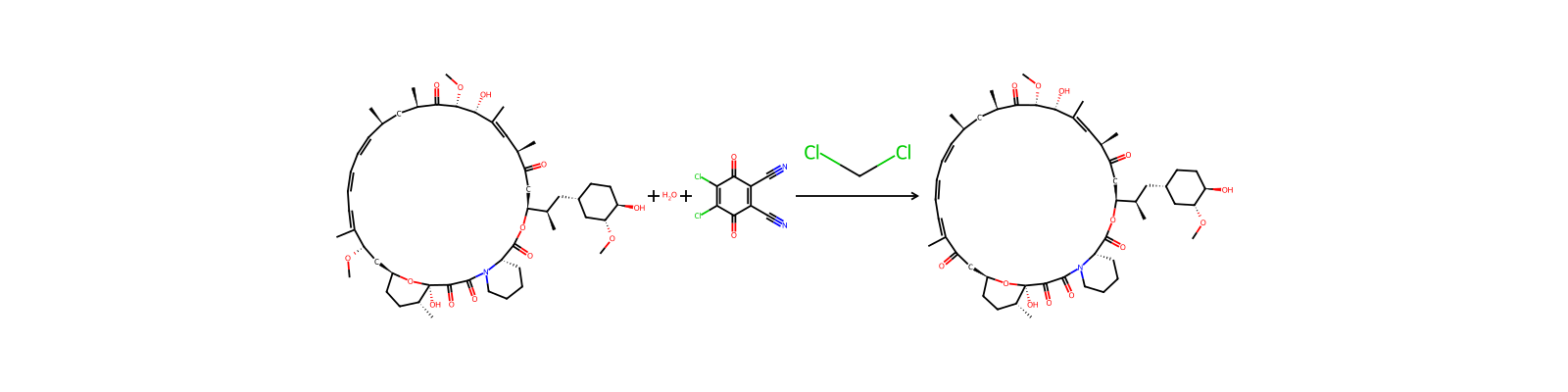
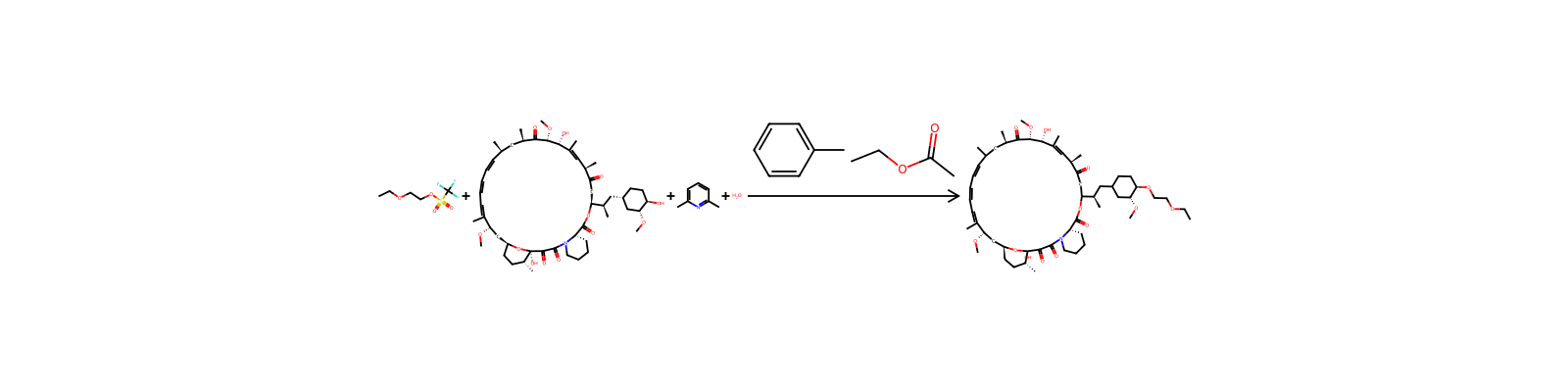
22건



화합물 노트
불러오는 중…