
L-glutamate(2-)
데이터를 보충하는 중입니다. 잠시 후 페이지를 새로 고치면 최신 내용을 볼 수 있습니다
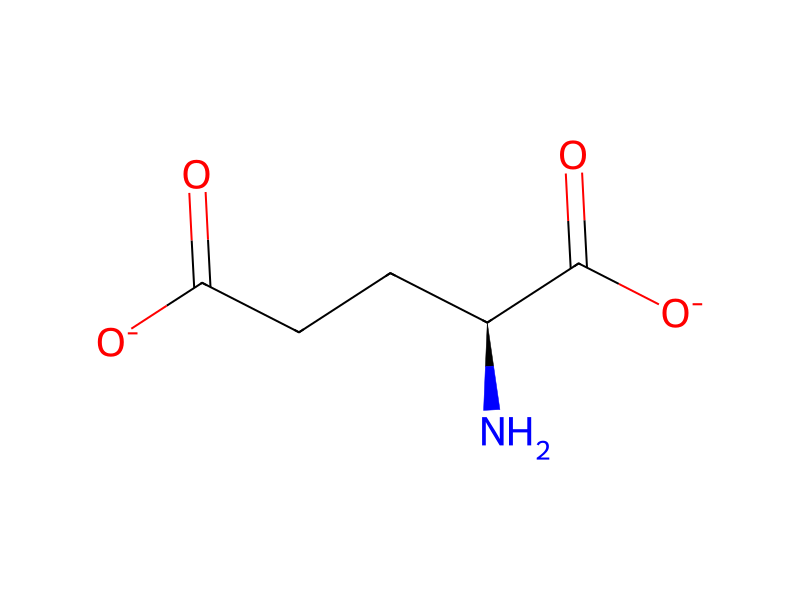
기본 정보
- CAS
138-18-1- 표준 SMILES
N[C@@H](CCC(=O)[O-])C(=O)[O-]- InChIKey
WHUUTDBJXJRKMK-VKHMYHEASA-L- 분자식
- C5H7NO4-2
- 평균 분자량
- 145.11 g/mol
- 단동위원소 질량
- 145.03860486
개요
L-glutamate(2-) is an L-alpha-amino acid anion that is the dianion obtained by the deprotonation of the both the carboxy groups of L-glutamic acid. It is a glutamate(2-) and a L-alpha-amino acid anion. It is a conjugate base of a L-glutamate(1-). It is an enantiomer of a D-glutamate(2-).
이름 및 식별자
- 우선 이름
- L-glutamate(2-)
- IUPAC
- (2S)-2-aminopentanedioate
이름 및 동의어
L-glutamate(2-)(2S)-2-aminopentanedioateCHEBI:29988RefChem:1088172glutamate(S)-2-Aminopentanedioic acid dianion138-18-1L-glutamic acid dianionL-Glutamic acid (2-)WHUUTDBJXJRKMK-VKHMYHEASA-LDTXSID201315375Q27110357
데이터베이스 식별자
- CAS
138-18-1- PubChem CID
- 5460544
- DTXSID
DTXSID201315375- ChEBI
CHEBI:29988- Nikkaji
- J2.338.013G
물성
구조 계산 물성보충 중
- XLogP
- -2.4
- 극성 표면적
- 106 Ų
- 수소 결합 공여자 수
- 1
- 수소 결합 수용자 수
- 5
- 회전 가능 결합 수
- 2
- 무거운 원자 수
- 10
- 형식 전하
- -2
- 복잡도
- 134
안전 및 규제
안전 정보는 참고용이며, 공급업체의 물질안전보건자료(SDS), 관련 법규 및 전문가 평가를 대체하지 않습니다.
독성 정보
Exposure RoutesAbsorbed from the lumen of the small intestine into the enterocytes.Absorption is efficient and occurs by an active transport mechanism.
Toxicity Summary
Glutamate activates both ionotropic and metabotropic glutamate receptors. The ionotropic ones being non-NMDA (AMPA and kainate) and NMDA receptors. Free glutamic acid cannot cross the blood-brain barrier in appreciable quantities; instead it is converted into L-glutamine, which the brain uses for fuel and protein synthesis. It is conjectured that glutamate is involved in cognitive functions like learning and memory in the brain, though excessive amounts may cause neuronal damage associated in diseases like amyotrophic lateral sclerosis, lathyrism, and Alzheimer's disease. Also, the drug phencyclidine (more commonly known as PCP) antagonizes glutamate at the NMDA receptor, causing behavior reminiscent of schizophrenia. Glutamate in action is extremely difficult to study due to its transient nature.
Carcinogen ClassificationNo indication of carcinogenicity to humans (not listed by IARC).
화학 및 산업
약리 정보
Metabolism/MetabolitesHepatic
용도 및 제조
UsesConsidered to be nature's "Brain food" by improving mental capacities; helps speed the healing of ulcers; gives a "lift" from fatigue; helps control alcoholism, schizophrenia and the craving for sugar.
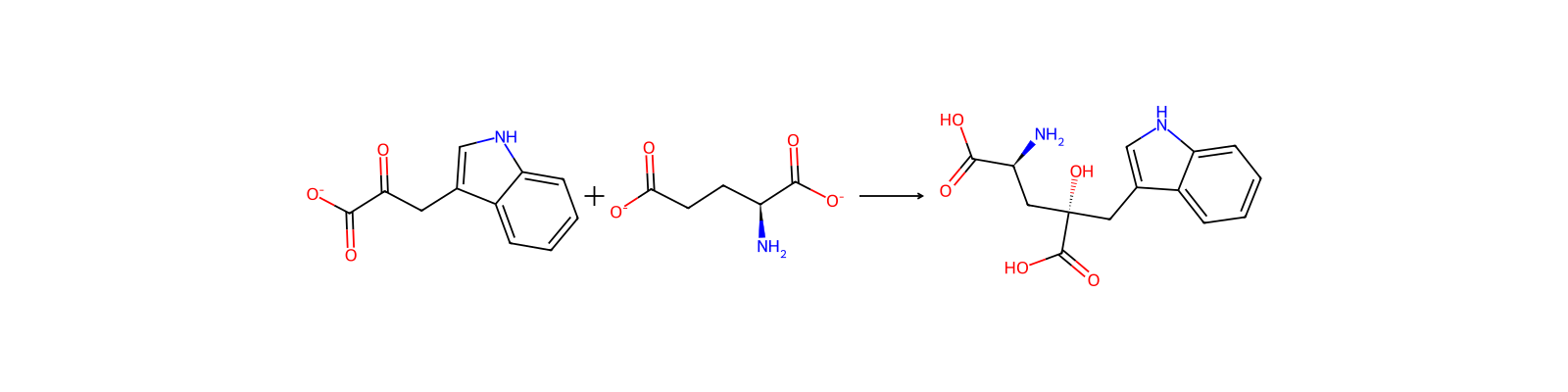
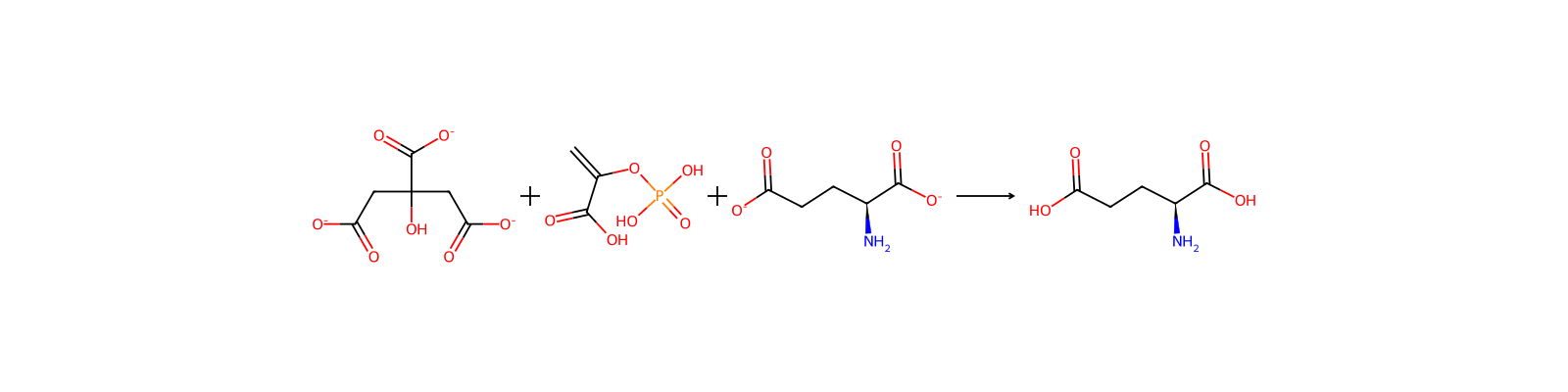
관련 반응
52건





화합물 노트
불러오는 중…