

기본 정보
- 표준 SMILES
C=C1C[C@@H]2[C@H](CC[C@]3(C)C(=O)CC[C@@H]23)[C@@]2(C)C=CC(=O)C=C12- InChIKey
BFYIZQONLCFLEV-DAELLWKTSA-N- 분자식
- C20H24O2
- 평균 분자량
- 296.4 g/mol
- 단동위원소 질량
- 296.17763
이름 및 식별자
- 우선 이름
- Exemestane
- IUPAC
- (8R,9S,10R,13S,14S)-10,13-dimethyl-6-methylidene-7,8,9,11,12,14,15,16-octahydrocyclopenta[a]phenanthrene-3,17-dione
- 현지명
- 엑스메스탄
- 영어명
- Exemestane
- 분자식
- C20H24O2
- 분자량
- 296.4
이름 및 동의어
EXEMESTANE107868-30-4Aromasin6-Methyleneandrosta-1,4-diene-3,17-dioneExemestanoFCE-24304ExemestanumAndrosta-1,4-diene-3,17-dione, 6-methylene-DTXSID5023037FCE24304PNU-155971NY22HMQ4BX
이름 더 보기
엑스메스탄EXALAMIDEExemestanExeMestineExeMestane(AroMasin)EXEROMASINIsimetanPNU155971
NSC713563NSC-758907CHEBI:4953DTXCID003037(8R,9S,10R,13S,14S)-10,13-dimethyl-6-methylidene-7,8,9,11,12,14,15,16-octahydrocyclopenta[a]phenanthrene-3,17-dioneexamestane(1S,2R,10R,11S,15S)-2,15-dimethyl-8-methylidenetetracyclo(8.7.0.0^(2,7).0^(11,15))heptadeca-3,6-diene-5,14-dione(1S,2R,10R,11S,15S)-2,15-dimethyl-8-methylidenetetracyclo[8.7.0.0^{2,7}.0^{11,15}]heptadeca-3,6-diene-5,14-dione
데이터베이스 식별자
- CAS
107868-30-4- PubChem CID
- 60198
- DTXSID
DTXSID5023037- ChEMBL
CHEMBL1200374- ChEBI
CHEBI:4953- UNII
- NY22HMQ4BX
- EC Number
- 643-090-2
- Nikkaji
- J367.471A
물성
구조 계산 물성
- XLogP
- 3.1
- 극성 표면적
- 34.1 Ų
- 수소 결합 공여자 수
- 0
- 수소 결합 수용자 수
- 2
- 회전 가능 결합 수
- 0
- 무거운 원자 수
- 22
- 형식 전하
- 0
- 복잡도
- 653
실험 및 물리화학적 성질
LogP
3.7
3.7
Color/Form... white to slightly yellow crystalline powder
Solubility
Non-soluble
Freely soluble in N,N-dimethylformamide; soluble in methanol; practically insoluble in water
6.83e-03 g/L
Melting Point
155.13
188-191 °C
155.13 °C
Physical DescriptionSolid
Collision Cross Section
171.1 Ų [M+H]+ [CCS Type: TW; Method: calibrated with polyalanine and drug standards]
194.63 Ų [M+Na]+ [CCS Type: TW; Method: calibrated with polyalanine and drug standards];162.92 Ų [M+H-H2O]+ [CCS Type: TW; Method: calibrated with polyalanine and drug standards];172.02 Ų [M+K]+ [CCS Type: TW; Method: calibrated with polyalanine and drug standards];169.5 Ų [M+H]+ [CCS Type: TW; Method: calibrated with polyalanine and drug standards]
물리화학적 성질
- 녹는점
- 155.13 °C · 155.13°C
- 끓는 점
- 453.7 · 453.7±45.0 °C(Predicted)
- 밀도
- 1.13 · 1.13±0.1 g/cm3(Predicted)
- 저장 조건
- 2 · 2-8°C
- 용해도
- 20 mg/mL · DMSO: ≥20mg/mL
- 물리적 상태
- 가루
- 색상
- 흰색에서 황백색까지
- InChI
- InChI=1S/C20H24O2/c1-12-10-14-15-4-5-18(22)20(15,3)9-7-16(14)19(2)8-6-13(21)11-17(12)19/h6,8,11,14-16H,1,4-5,7,9-10H2,2-3H3/t14-,15-,16-,19+,20-/m0/s1
- InChIKey
- BFYIZQONLCFLEV-DAELLWKTSA-N
- SMILES
- C1(=O)C=C2[C@](C)(C=C1)[C@]1([H])[C@]([H])([C@@]3([H])[C@@](CC1)(C)C(=O)CC3)CC2=C
화학적 성질
white to light yellow crystal powder
안전 및 규제
GHS 분류
GHS Classification
Danger
H319 (54%): Causes serious eye irritation [Warning Serious eye damage/eye irritation];H360 (98.9%): May damage fertility or the unborn child [Danger Reproductive toxicity];H411 (49.4%): Toxic to aquatic life with long lasting effects [Hazardous to the aquatic environment, long-term hazard]
P203, P264+P265, P273, P280, P305+P351+P338, P318, P337+P317, P391, P405, and P501 (click each P-code to see the statement)
Aggregated GHS information provided per 87 reports by companies from 12 notifications to the ECHA C&L Inventory. Each notification may be associated with multiple companies.;Information may vary between notifications depending on impurities, additives, and other factors. The percentage value in parenthesis indicates the notified classification ratio from companies that provide hazard codes. Only hazard codes with percentage values above 10% are shown. For more detailed information, please visit ECHA C&L website.
유해성 정보
Regulatory InformationExemestane: Does not have an individual approval but may be used under an appropriate group standard
FDA Requirements
The Approved Drug Products with Therapeutic Equivalence Evaluations List identifies currently marketed prescription drug products, incl exemestane, approved on the basis of safety and effectiveness by FDA under sections 505 of the Federal Food, Drug, and Cosmetic Act.
Hazard Classes and CategoriesEye Irrit. 2 (54%);Repr. 1B (98.9%);Aquatic Chronic 2 (49.4%)
Shipment Methods and Regulations
/PRECAUTIONS FOR ANTINEOPLASTIC AGENTS:/ Methods for transporting hazardous drugs to the health-care setting should be consistent with environmental protection and national or local regulations for transporting hazardous substances. When hazardous drugs are being transported to the home-care setting, appropriate containers (eg, lined cardboard boxes) and procedures should be used to prevent breakage and contain leakage. ... The drugs must be securely capped or sealed and properly packaged and protected during transport to reduce further the chance of breakage and spillage in a public area such as a corridor or elevator. /Antineoplastic agents/
안전 및 보호
Storage ConditionsStore at 25 °C (77 °F); excursions permitted to 15 to 30 °C (59 to 86 °F). Store in a well-closed container, unless otherwise specified by manufacturer.
Cleanup Methods
/PRECAUTIONS FOR ANTINEOPLASTIC AGENTS:/ Spill kits containing all materials needed to clean up spills of hazardous drugs should be assembled or purchased. These kits should be readily available in all areas where hazardous drugs are routinely handled. If hazardous drugs are being prepared or administered in a nonroutine area (home setting or unusual patient-care area), a spill kit should be obtained by the drug handler. The kit should include two pairs of disposable gloves (one outer pair of utility gloves and one inner latex pair); low-permeability, disposable protective garments (coveralls or gown and shoe covers); safety glasses or splash goggles; respirator; absorbent, plastic-backed sheets or spill pads; disposable toweling; at least 2 sealable thick plastic hazardous waste disposal bags (prelabeled with an appropriate warning label); a disposable scoop for collecting glass fragments; and a puncture-resistant container for glass fragments. All individuals who routinely handle hazardous drugs must be trained in proper spill management and cleanup procedures. Spills and breakages must be cleaned up immediately according to the following procedures. If the spill is not located in a confined space, the spill area should be identified and other people should be prevented from approaching and spreading the contamination. Wearing protective apparel from the spill kit, workers should remove any broken glass fragments and place them in the puncture-resistant container. Liquids should be absorbed with a spill pad; powder should be removed with damp disposable gauze pads or soft toweling. The hazardous material should be completely removed and the area rinsed with water and then cleaned with detergent. The spill cleanup should proceed progressively from areas of lesser to greater contamination. The detergent should be thoroughly rinsed and removed. All contaminated materials should be placed in the disposal bags provided and sealed and transported to a designated contain
/PRECAUTIONS FOR ANTINEOPLASTIC AGENTS:/ If hazardous drugs are routinely prepared or administered in carpeted areas, special equipment is necessary to remove the spill. Absorbent powder should be substituted for pads or sheets and left in place on the spill for the time recommended by the manufacturer. The powder should then be picked up with a small vacuum unit reserved for hazardous drug cleanup. The carpet should then be cleaned according to usual procedures. The vacuum bag should be removed and discarded or cleaned, and the exterior of the vacuum cleaner should be washed with detergent and rinsed before being covered and stored. The contaminated powder should be discarded into a sealable plastic bag and segregated with other contaminated waste materials. Alternatively, inexpensive wet or dry vacuum units may be purchased for this express use and used with appropriate cleaners. All such units are contaminated, once used, and must be cleaned, stored, and ultimately discarded /properly/ ... The circumstances and handling of spills should be documented. Health-care personnel exposed during spill management should also complete an incident report or exposure form. /Antineoplastic agents/
Disposal Methods
SRP: At the time of review, criteria for land treatment or burial (sanitary landfill) disposal practices are subject to significant revision. Prior to implementing land disposal of waste residue (including waste sludge), consult with environmental regulatory agencies for guidance on acceptable disposal practices.
/PRECAUTIONS FOR ANTINEOPLASTIC AGENTS:/ All contaminated disposables should be contained in sealable bags for transfer to larger waste containers. /Antineoplastic agents/
/PRECAUTIONS FOR ANTINEOPLASTIC AGENTS:/ All bottles must be discarded as contaminated waste after decontamination of the biohazard cabinet. All protective apparel (gown, gloves, goggles, and respirator) should be discarded as contaminated waste. /Antineoplastic agents/
/PRECAUTIONS FOR ANTINEOPLASTIC AGENTS:/ The contaminated filters must be removed, bagged in thick plastic and prepared for disposal in a hazardous waste dump site or incinerator licensed by the Environmental Protection Agency (EPA). /Antineoplastic agents/
For more Disposal Methods (Complete) data for EXEMESTANE (8 total), please visit the HSDB record page.
Preventive Measures
/PRECAUTIONS FOR ANTINEOPLASTIC AGENTS:/ Accidental contamination of the health-care environment, resulting in exposure of personnel, patients, visitors, and family members to hazardous substances, is prevented by maintaining the physical integrity and security of packages of hazardous drugs. 1. Access to all areas where hazardous drugs are stored is limited to specified authorized staff. 2. A method should be present for identifying to personnel those drugs that require special precautions (eg, cytotoxics). One way to accomplish this is to apply appropriate warning labels to all hazardous drug containers, shelves, and bins where the drug products are stored. ... 3. A method of identifying, for patients and family members, those drugs that require special precautions in the home should be in place. This may be accomplished in the health-care setting, by providing specific labeling for discharge medications, along with written instructions. 4. Methods for identifying shipping cartons of hazardous drugs should be required from manufacturers and distributors of these drugs. 5. Written procedures for handling damaged packages of hazardous drugs should be maintained. Personnel involved in shipping and receiving hazardous drugs should be trained in these procedures, including the proper use of protective garments and equipment. Damaged shipping cartons of hazardous drugs should be received and opened in an isolated area (eg, in a laboratory fume hood, if available, not in a vertical laminar airflow biological safety cabinet used for preparing sterile products). /Antineoplastic agents/
/PRECAUTIONS FOR ANTINEOPLASTIC AGENTS:/ Facilities (eg, shelves, carts, counters, and trays) for storing hazardous drugs are designed to prevent breakage and to limit contamination in the event of leakage. Bins, shelves with barriers at the front, or other design features that reduce the chance of drug containers falling to the floor should be used. Hazardous drugs requiring refrigeration should be stored separately from nonhazardous drugs in individual bins designed to prevent breakage and to contain leakage. /Antineoplastic agents/
/PRECAUTIONS FOR ANTINEOPLASTIC AGENTS:/ Until the reproductive risks (or lack thereof) associated with handling hazardous drugs within a safety program have been substantiated, staff who are pregnant or breast-feeding should be allowed to avoid contact with these drugs. Policies should be in effect that provide these individuals with alternative tasks or responsibilities if they so desire. /Antineoplastic agents/
/PRECAUTIONS FOR ANTINEOPLASTIC AGENTS:/ The pharmacy should provide access to information on toxicity, treatment of acute exposure (if available), chemical inactivators, solubility and stability of hazardous drugs (including investigational agents) used in the workplace. /Antineoplastic agents/
For more Preventive Measures (Complete) data for EXEMESTANE (19 total), please visit the HSDB record page.
Personal Protective Equipment (PPE)
/PRECAUTIONS FOR ANTINEOPLASTIC AGENTS:/ Protective apparel: Disposable closed-front gown or coveralls, disposable utility gloves over disposable latex gloves, NIOSH-approved air-purifying half-mask respirator equipped with a high efficiency filter, and eye protection should be worn. /Antineoplastic agents/
/PRECAUTIONS FOR ANTINEOPLASTIC AGENTS:/ Class 100 clean-air work stations, both horizontal and vertical airflow (with no containment characteristics), are inappropriate engineering controls for handling hazardous drugs because they provide no personnel protection and permit environmental contamination. Although there are no engineering controls designed specifically for the safe handling of hazardous chemicals as sterile products, Class II contained vertical-flow biological safety cabinets (biohazard cabinets) have been adopted for this use. Biohazard cabinetry is, however, designed for the handling of infectious agents, not hazardous chemicals. ... Based on design, ease of use, and cost considerations, Class II contained-vertical-flow biohazard cabinetry is currently recommended for use in preparing sterile doses of hazardous drugs. Class II cabinetry design and performance specifications are defined in NSF Standard 49. Biological safety cabinets selected for use with hazardous drugs should meet NSF Standard 49 specifications to ensure the maximum protection from these engineering controls. /Antineoplastic agents/
/PRECAUTIONS FOR ANTINEOPLASTIC AGENTS:/ Workers should wear powder free, disposable surgical latex gloves of good quality when preparing hazardous drugs. Selection criteria for gloves should include thickness (especially at the fingertips where stress is the greatest), fit, length, and tactile sensation. ... The practice of double gloving is supported by research that indicates that many glove materials vary in drug permeability even within lots; therefore, double gloving is recommended. ... In general, surgical latex gloves fit better, have appropriate elasticity for double gloving and maintaining the integrity of the glove-gown interface, and have sufficient tactile sensation (even during double gloving) for stringent aseptic procedures. ... Powdered gloves should be avoided. /Antineoplastic agents/
/PRECAUTIONS FOR ANTINEOPLASTIC AGENTS:/ Workers who are not protected by the containment environment of a biohazard cabinet should use respiratory protection when handling hazardous drugs. Respiratory protection should be an adjunct to and not a substitute for engineering controls. Surgical masks of all types provide no respiratory protection against powdered or liquid aerosols of hazardous drugs. In situations where workers may be exposed to potential eye contact with hazardous drugs, an appropriate plastic face shield or splash goggles should be worn. /Antineoplastic agents/
/PRECAUTIONS FOR ANTINEOPLASTIC AGENTS:/ During compounding of hazardous drugs (eg, crushing, dissolving, and preparing an ointment), workers should wear low permeability gowns and double gloves. Compounding should take place in a protective area such as a disposable glove box. If compounding must be done in the open, an area away from drafts and traffic must be selected, and the worker should use appropriate respiratory protection. /Antineoplastic agents/
독성 정보
Interactions
Co-medications that induce CYP 3A4 (e.g., phenytoin, carbamazepine, phenobarbital, or St. John's wort) may significantly decrease exposure to exemestane. Dose modification is recommended for patients who are also receiving a potent CYP 3A4 inducer.
In a pharmacokinetic interaction study of 10 healthy postmenopausal volunteers pretreated with potent CYP 3A4 inducer rifampicin 600 mg daily for 14 days followed by a single dose of exemestane 25 mg, the mean plasma C max and AUC 0-(infinity) of exemestane were decreased by 41% and 54%, respectively.
Estrogenic agents /have a/ potential pharmacodynamic interaction /with concurrent administration of exemestane. Co-administration produces/ antagonistic pharmacologic effects.
Hepatotoxicity
Serum enzymes are reported to be elevated in 4% to 11% of women treated with exemestane, but these elevations are usually mild, asymptomatic and self-limited, rarely requiring dose modification. There have been very rare instances of clinically apparent liver injury associated with exemestane therapy, typically arising withinone to four months of starting treatment and typically presenting with a cholestatic pattern of enzyme elevations. Immunoallergic features (fever, rash, eosinophilia) are uncommon as are autoantibody formation. Some instances have been severe with signs of hepatic failure, but most cases were self-limited. Unlike tamoxifen, exemestane has not been associated with development of fatty liver disease, steatohepatitis or cirrhosis.;Likelihood score: C (probable cause of clinically apparent liver injury).
Medical Surveillance
/PRECAUTIONS FOR ANTINEOPLASTIC AGENTS:/ There is no method available for routine monitoring of personnel for evidence of hazardous drug exposure. Tests for the presence of mutagens or chromosomal damage are not drug specific and are of value only in controlled studies. Chemical analysis of urine for the presence of hazardous drugs at the sensitivity level needed to detect occupational exposure is limited to a few drugs and is not yet commercially available. /Antineoplastic agents/
Human Toxicity Excerpts
/CASE REPORTS/ A male child (age unknown) accidentally ingested a 25-mg tablet of exemestane. The initial physical examination was normal, but blood tests performed 1 hour after ingestion indicated leucocytosis (WBC 25000/mm 3 with 90% neutrophils). Blood tests were repeated 4 days after the incident and were normal. No treatment was given.
/CASE REPORTS/ Only one death was considered possibly related to treatment with exemestane; an 80-year-old woman with known coronary artery disease had a myocardial infarction with multiple organ failure after 9 weeks on study treatment.
Drug Induced Liver Injury
Drug Induced Liver Injury Rank (DILIrank 2.0)
Exemestane
vMost-DILI-concern
4
Warnings & precautions
DOI:10.1016/j.drudis.2016.02.015
Non-Human Toxicity Excerpts
/LABORATORY ANIMALS: Acute Exposure/ In mice, mortality was observed after a single oral dose of exemestane of 3200 mg/kg, the lowest dose tested.[Physicians Desk Reference 60th ed, Thomson PDR, Montvale, NJ 2006., p. 2602]
/LABORATORY ANIMALS: Acute Exposure/ Convulsions were observed after single doses of exemestane of 400 mg/kg and 3000 mg/kg in mice and dogs, respectively.[Physicians Desk Reference 60th ed, Thomson PDR, Montvale, NJ 2006., p. 2602]
/LABORATORY ANIMALS: Acute Exposure/ In rats and dogs, mortality was observed after single oral doses of exemestane of 5000 mg/kg and of 3000 mg/kg, respectively.[Physicians Desk Reference 60th ed, Thomson PDR, Montvale, NJ 2006., p. 2602]
/LABORATORY ANIMALS: Chronic Exposure or Carcinogenicity/ A 2-year carcinogenicity study in mice at doses of 50, 150 and 450 mg/kg/day exemestane (gavage), resulted in an increased incidence of hepatocellular adenomas and/or carcinomas in both genders at the high dose level. Plasma AUCs (0-24 hr) at the high dose were 2575 +/- 386 and 5667 +/- 1833 ng·hr/mL in males and females. An increased incidence of renal tubular adenomas was observed in male mice at the high dose of 450 mg/kg/day.[Physicians Desk Reference 60th ed, Thomson PDR, Montvale, NJ 2006., p. 2601]
For more Non-Human Toxicity Excerpts (Complete) data for EXEMESTANE (9 total), please visit the HSDB record page.
Antidote and Emergency Treatment
There is no specific antidote to overdosage and treatment must be symptomatic. General supportive care, including frequent monitoring of vital signs and close observation of the patient, is indicated.
/SRP:/ Basic treatment: Establish a patent airway (oropharyngeal or nasopharyngeal airway, if needed). Suction if necessary. Watch for signs of respiratory insufficiency and assist ventilations if needed. Administer oxygen by nonrebreather mask at 10 to 15 L/min. Monitor for pulmonary edema and treat if necessary ... . Monitor for shock and treat if necessary ... . Anticipate seizures and treat if necessary ... . For eye contamination, flush eyes immediately with water. Irrigate each eye continuously with 0.9% saline (NS) during transport ... . Do not use emetics. For ingestion, rinse mouth and administer 5 ml/kg up to 200 ml of water for dilution if the patient can swallow, has a strong gag reflex, and does not drool ... . Cover skin burns with dry sterile dressings after decontamination ... . /Poisons A and B/
/SRP:/ Advanced treatment: Consider orotracheal or nasotracheal intubation for airway control in the patient who is unconscious, has severe pulmonary edema, or is in severe respiratory distress. Positive-pressure ventilation techniques with a bag valve mask device may be beneficial. Consider drug therapy for pulmonary edema ... . Consider administering a beta agonist such as albuterol for severe bronchospasm ... . Monitor cardiac rhythm and treat arrhythmias as necessary ... . Start IV administration of D5W /SRP: "To keep open", minimal flow rate/. Use 0.9% saline (NS) or lactated Ringer's if signs of hypovolemia are present. For hypotension with signs of hypovolemia, administer fluid cautiously. Watch for signs of fluid overload ... . Treat seizures with diazepam or lorazepam ... . Use proparacaine hydrochloride to assist eye irrigation ... . /Poisons A and B/
Effects During Pregnancy and Lactation
◉ Summary of Use during Lactation;No information is available on the use of exemestane during breastfeeding. Most sources consider breastfeeding to be contraindicated during maternal antineoplastic drug therapy. The manufacturer recommends that breastfeeding be discontinued during exemestane therapy and for 1 month after the last dose.;◉ Effects in Breastfed Infants;Relevant published information was not found as of the revision date.;◉ Effects on Lactation and Breastmilk;Relevant published information was not found as of the revision date.
규제 정보
Regulatory InformationExemestane: Does not have an individual approval but may be used under an appropriate group standard
FDA Requirements
The Approved Drug Products with Therapeutic Equivalence Evaluations List identifies currently marketed prescription drug products, incl exemestane, approved on the basis of safety and effectiveness by FDA under sections 505 of the Federal Food, Drug, and Cosmetic Act.
안전 데이터
- wgk
- 3
- HS 번호
- 29372900
- risk_code
- 60-61-51
- hazard_code
- T,N
- safety_code
- 53-22-36/37-57
- 유해 물질 데이터
- 107868-30-4(Hazardous Substances Data)
화학 및 산업
약리 정보
ATC Code
L02BG06
L - Antineoplastic and immunomodulating agents;L02 - Endocrine therapy;L02B - Hormone antagonists and related agents;L02BG - Aromatase inhibitors;L02BG06 - Exemestane
QL - Antineoplastic and immunomodulating agents;QL02 - Endocrine therapy;QL02B - Hormone antagonists and related agents;QL02BG - Aromatase inhibitors;QL02BG06 - Exemestane
Protein Binding90% (mainly α1-acid glycoprotein and albumin)
Pharmacodynamics
Aromatase is an enzyme that converts hormones to estrogen in the body's adrenal glands. The aromatase inhibitors (AIs) are drugs that reduce estrogen levels by blocking the action of aromatase in the adrenal glands. The selective AIs (SAIs) selectively reduce levels of estrogen without interfering with levels of other steroid hormones that are produced by the adrenal gland. Drugs in this class include anastrozole (Arimidex ™), letrozole (Femara ™) and exemestane (Aromasin ™).
Mechanism of Action
Breast cancer cell growth may be estrogen-dependent. Aromatase (exemestane) is the principal enzyme that converts androgens to estrogens both in pre- and postmenopausal women. While the main source of estrogen (primarily estradiol) is the ovary in premenopausal women, the principal source of circulating estrogens in postmenopausal women is from conversion of adrenal and ovarian androgens (androstenedione and testosterone) to estrogens (estrone and estradiol) by the aromatase enzyme in peripheral tissues. Estrogen deprivation through aromatase inhibition is an effective and selective treatment for some postmenopausal patients with hormone-dependent breast cancer. Exemestane is an irreversible, steroidal aromatase inactivator, structurally related to the natural substrate androstenedione. It irreversibly binds to the active site causing permanent inhibition necessitating de novo synthesis to restore enzymatic function. Exemestane significantly lowers circulating estrogen concentrations in postmenopausal women, but has no detectable effect on the adrenal biosynthesis of corticosteroids or aldosterone. This reduction in serum and tumor concentrations of estrogen delays tumor growth and disease progression. Exemestane has no effect on other enzymes involved in the steroidogenic pathway up to a concentration at least 600 times higher than that inhibiting the aromatase enzyme.
... exemestane is a potent aromatase inhibitor in men and an alternative to the choice of available inhibitors...
Estrogen deprivation through aromatase inhibition is an effective and selective treatment for some postmenopausal patients with hormone-dependent breast cancer. Exemestane is an irreversible, steroidal aromatase inactivator, structurally related to the natural substrate androstenedione. It acts as a false substrate for the aromatase enzyme, and is processed to an intermediate that binds irreversibly to the active site of the enzyme causing its inactivation, an effect also known as "suicide inhibition." Exemestane significantly lowers circulating estrogen concentrations in postmenopausal women, but has no detectable effect on adrenal biosynthesis of corticosteroids or aldosterone. Exemestane has no effect on other enzymes involved in the steroidogenic pathway up to a concentration at least 600 times higher than that inhibiting the aromatase enzyme.
... Treatment with exemestane suppressed whole body aromatization from a mean pretreatment value of 2.059% to 0.042% (mean suppression of 97.9%). Plasma levels of estrone, estradiol, and estrone sulfate were found to be suppressed by 94.5%, 92.2%, and 93.2%, respectively. This is the first study revealing near total aromatase inhibition in vivo with the use of a steroidal aromatase inhibitor. The observation that exemestane is a highly potent aromatase inhibitor, together with the fact that the drug is administered p.o. and causes limited side effects, suggests that exemestane is a promising new drug for the treatment of hormone sensitive breast cancer.
... Exemestane induces aromatase degradation in a dose-responsive manner (25-200 nmol/L), and the effect can be seen in as early as 2 hours. Metabolic labeling with S(35)-methionine was used to determine the half-life (t(1/2)) of aromatase protein. In the presence of 200 nmol/L exemestane, the t(1/2) of aromatase was reduced to 12.5 hours from 28.2 hours in the untreated cells. ...
Biological Half-Life
24 hours
Following oral administration to healthy postmenopausal women, exemestane is rapidly absorbed. After maximum plasma concentration is reached, levels decline polyexponentially with a mean terminal half-life of about 24 hours.
... The terminal half-life was 8.9 hr. Maximal estradiol suppression of 62 +/- 14% was observed at 12 hr.
Metabolism/Metabolites
Hepatic
Exemestane is extensively metabolized, with levels of the unchanged drug in plasma accounting for less than 10% of the total radioactivity. The initial steps in the metabolism of exemestane are oxidation of the methylene group in position 6 and reduction of the 17-keto group with subsequent formation of many secondary metabolites. Each metabolite accounts only for a limited amount of drug-related material. The metabolites are inactive or inhibit aromatase with decreased potency compared with the parent drug. One metabolite may have androgenic activity. Studies using human liver preparations indicate that cytochrome P-450 3A4 (CYP 3A4) is the principal isoenzyme involved in the oxidation of exemestane.
FDA Pharmacological Classification
NY22HMQ4BX
EXEMESTANE
Established Pharmacologic Class [EPC] - Aromatase Inhibitor
Mechanisms of Action [MoA] - Aromatase Inhibitors
Exemestane is an Aromatase Inhibitor. The mechanism of action of exemestane is as an Aromatase Inhibitor.
EXEMESTANE
MeSH Pharmacological Classification
Substances that inhibit or prevent the proliferation of NEOPLASMS.
Compounds that inhibit AROMATASE in order to reduce production of estrogenic steroid hormones.
Absorption, Distribution and Excretion
42%
Following oral administration of radiolabeled exemestane, at least 42% of radioactivity was absorbed from the gastrointestinal tract. Exemestane plasma levels increased by approximately 40% after a high-fat breakfast.
The pharmacokinetics of exemestane are dose proportional after single (10 to 200 mg) or repeated oral doses (0.5 to 50 mg). Following repeated daily doses of exemestane 25 mg, plasma concentrations of unchanged drug are similar to levels measured after a single dose.
Pharmacokinetic parameters in postmenopausal women with advanced breast cancer following single or repeated doses have been compared with those in healthy, postmenopausal women. Exemestane appeared to be more rapidly absorbed in the women with breast cancer than in the healthy women, with a mean tmax of 1.2 hours in the women with breast cancer and 2.9 hours in the healthy women. After repeated dosing, the average oral clearance in women with advanced breast cancer was 45% lower than the oral clearance in healthy postmenopausal women, with corresponding higher systemic exposure. Mean AUC values following repeated doses in women with breast cancer (75.4 ng·hr/mL) were about twice those in healthy women (41.4 ng·hr/mL).
Exemestane is distributed extensively into tissues. Exemestane is 90% bound to plasma proteins and the fraction bound is independent of the total concentration. Albumin and (alpha) 1 -acid glycoprotein both contribute to the binding. The distribution of exemestane and its metabolites into blood cells is negligible.
For more Absorption, Distribution and Excretion (Complete) data for EXEMESTANE (11 total), please visit the HSDB record page.
Cellular LocationsExtracellular;Membrane
용도 및 제조
Uses
THERAP CAT: Antineoplastic (hormonal)
Use (kg; approx.) in Germany (2009): >100;Use (kg; exact) in Germany (2009): 218;Consumption (g per capita; approx.) in Germany (2009): 0.00122;Consumption (g per capita; exact) in Germany (2009): 0.00267;Calculated removal (%): 14
Formulations/PreparationsTablets are round, biconvex, and off-white to slightly gray. Each tablet contains 25 mg exemestane.
Use ClassificationPharmaceuticals
응용 분야
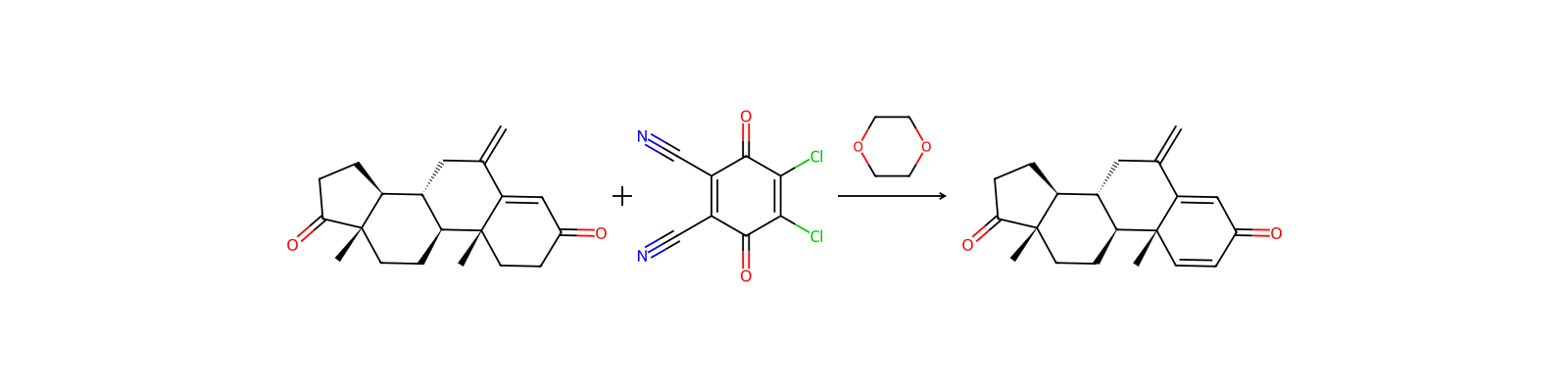
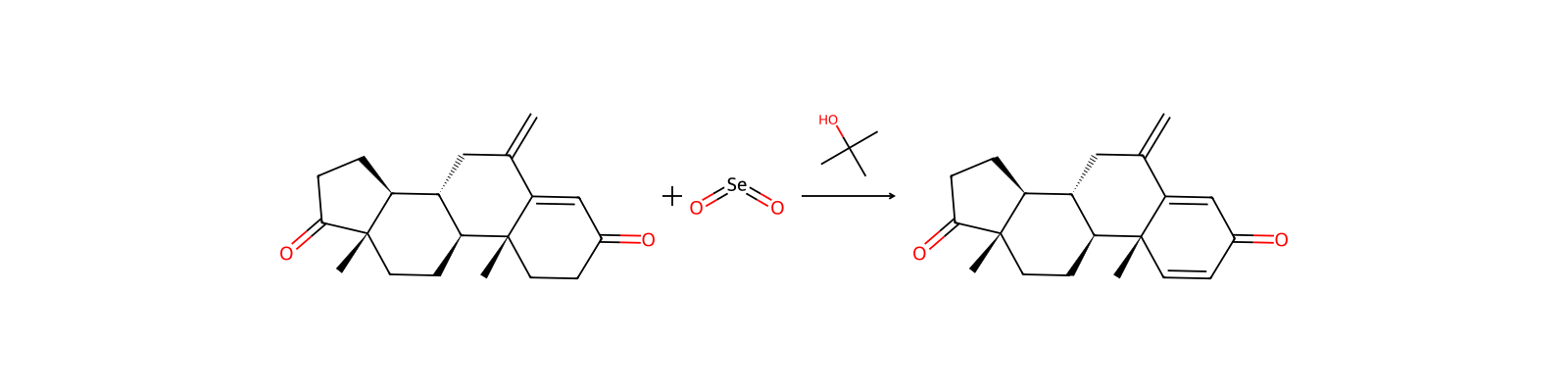
개요Exemestane was launched in US and other countries for the treatment of estrogendependent tumors and postmenopausal breast cancer. It is a novel steroidal compound structurally related to the natural substrate for the biosynthesis of estrogen, androstanedione, and can be synthesized by methylidenation of androsta-1, 4-dien- 17beta-ol-3-one in 6 position then oxidation of the alcohol function. Exemestane is an irreversible inactivator of the aromatase enzyme system, so inducing in vivo a dose-related sustained suppression of serum estrogen and minimal endocrine activity. It is the first steroidal representative of the third-generation of orally active aromatase inhibitors with a highly potent and selective mechanism of action, displaying good tolerability and safety profile. In rats with DMBA-induced mammary tumors, 10 to 100 mglkg of exemestan administered po twice-daily for 4 weeks resulted in 76 to 88% regression. In women failing anti-estrogen therapy with tamoxifen, this agent has demonstrated high activity in locally advanced or metastatic disease. In addition, it may also have potential for breast cancer prevention.
용도Labeled Exemestane, intended for use as an internal standard for the quantification of Exemestane by GC- or LC-mass spectrometry.
일반 설명Exemestane, 6-methylenandrosta-1,4-diene-3,17-dione (Aromasin), is the first steroid-basedaromatase inhibitor approved for the treatment of breastcancer in the United States. It is a mechanism-based inactivatorthat irreversibly inhibits the enzyme. Plasma estrogenlevels are reduced by 85% to 95% within 2 to 3 days, and effectslast 4 to 5 days. Exemestane does not inhibit any of themajor cytochromes P450 and has essentially no interactionwith steroid receptors, with only a very weak affinity for theAR. The 17β-hydroxyexemestane reduction product, however,has much higher affinity for the AR than the parent(still several fold less than DHT, 0.28% for parent vs. 30%for metabolite). The clinical significance of the affinity islikely minimal because of the low levels of the metaboliteproduced.
상·하류 제품 정보
상류 원료
공급사50 곳
国药集团化学试剂有限公司86-21-63210123 · [email protected]
北京华美互利生物化工010-56205725 · [email protected]
Shanghai Biolang Biotechnology Co., Ltd.+86-15970428662 +86-13397199602 · [email protected]
合肥翰刚医药科技有限公司+8618062405514 · [email protected]
Hong Kong Tiansheng New Material Trading Co., Ltd+8617320695765 · [email protected]
INTATRADE GmbH+49 3493/605464 · [email protected]
河北展药生物科技有限公司15369953316 +8615369953316 · [email protected]
Baoji Guokang Healthchem co.,ltd+8615604608665 15604608665 · [email protected]
Hunan Jibang Biological Technology Co., LTD13776644403 · [email protected]
Hebei Yanxi Chemical Co., Ltd.+86-17531190177 · [email protected]
LGM Pharma1-(800)-881-8210 · [email protected]
Syntechem Co.,Ltd[email protected]
河北秒变生物科技有限公司17733850068
武汉易泰科技有限公司上海分公司18930552037 · [email protected]
广州市亿邦医药科技有限公司+86 (20) 28996708,29078958,28139708,29076128,28133708,28139728,28139738,28133718,021-31663278,021-31663578,021-60538387
西安泽邦生物科技有限公司[email protected]
Pure Chemistry Scientific Inc.001-857-928-2050 or 1-888-588-9418 · [email protected]
MedChemexpress LLC021-58955995 · [email protected]
Zhejiang J&C Biological Technology Co.,Limited+1-2135480471 · [email protected]
云南西力生物技术股份有限公司0871-65217109 · [email protected]
武汉盈邦医药有限公司+86-13296627870; +86-13971566811 · [email protected]
Hebei Qige Biological Technology Co. Ltd+86 +8618733132031
Wuhan Demeikai Biotechnology Co., Ltd+8618942921723 · [email protected]
艾科试剂4008-755-333 18080918076 · [email protected]
上海思域化工科技有限公司86-21-34053660 · [email protected]
AdooQ BioScience, LLC+1 (866) 930-6790 · [email protected]
Wuhan NCE Biomedical Co.,Ltd.4000-027-021 |24 +86-13986109188 | +86-15623472865 | +81-08033611988
TOKYO CHEMICAL INDUSTRY CO., LTD.03-36680489 · [email protected]
TCI Europe320-37350700 · [email protected]
深圳振强药物研发有限公司0755-66853366 13670046396 · [email protected]
潍坊沃腾进出口有限公司0536-2456718
上海诺宝化工有限公司+86(0)21 60484900
Hubei Datong Bio-Chemical Technology Co.,Ltd027-87666700 · [email protected]
广州爱纯医药科技有限公司020-39119399 18927568969 · [email protected]
南京生利德生物科技有限公司025-57798810 18652991625 · [email protected]
湖北鑫源顺医药化工有限公司13971561712, 13995564702, 027-50664929 · [email protected]
成都零六生物科技有限公司400-1166-196 13458535857 · [email protected]
雷丁试剂0510-85629785 18013409632 · [email protected]
上海御略医药科技有限公司021-60345187 13671753212 · [email protected]
南京百鑫德诺生物科技有限公司025-58849295 · [email protected]
杭州拉凯生物技术有限公司0571-86403260 86403970 · [email protected]
广州市慈铭生物科技有限公司020-38082199,29065168,38082986,29878298,29866629,4000192398
凯试(上海)科技有限公司021-50135380 · [email protected]
池州凯隆进出口贸易有限公司[email protected]
Sigma-Aldrich西格玛奥德里奇(上海)贸易有限公司021-61415566 800-8193336 · [email protected]
武汉森威尔世纪化工有限公司027-86652399 · [email protected]
上海昕凯医药科技有限公司21-619849051-1 18521059765 · [email protected]
上海陶术生物科技股份有限公司+1-781-999-5354; +1-00000000000 · [email protected]
杭州鼎燕化工有限公司0571-87157530-8003 18267553885 · [email protected]
Qiuxian Baitai New Material Co., LTD+86-19932103556 · [email protected]
추가 설명
정의ChEBI: A 17-oxo steroid that is androsta-1,4-diene-3,17-dione in which the hydrogens at position 6 are replaced by a double bond to a methylene group. A selective inhibitor of the aromatase (oestrogen synthase) system, it is used in the treatment of advanced brea t cancer.
관련 반응
6건


연결된 노트
불러오는 중…