
기본 정보
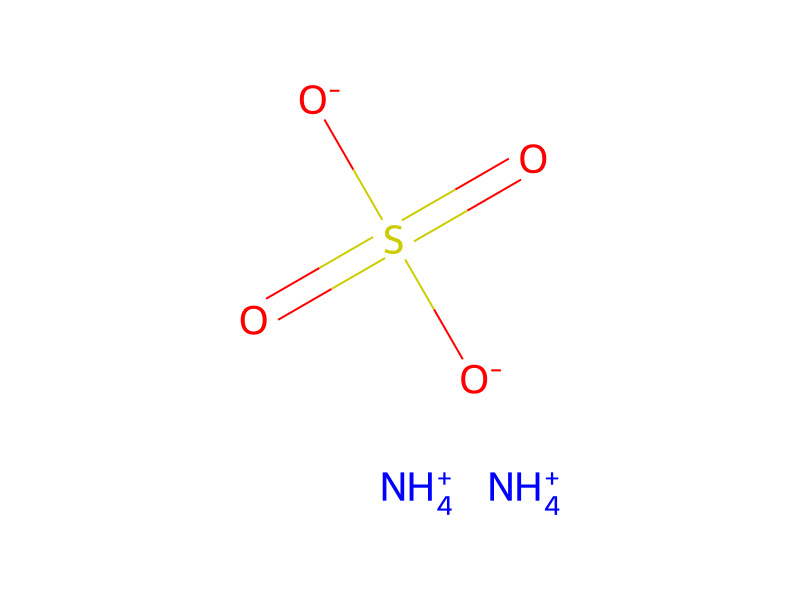
- 표준 SMILES
O=S(=O)([O-])[O-].[NH4+].[NH4+]- InChIKey
BFNBIHQBYMNNAN-UHFFFAOYSA-N- 분자식
- H8N2O4S
- 평균 분자량
- 132.14 g/mol
- 단동위원소 질량
- 132.02047791
이름 및 식별자
- 우선 이름
- Ammonium Sulfate
- IUPAC
- diazanium;sulfate
- 현지명
- 위트콜산염 AM
- 영어명
- AMMONIUM LAURYL SULFATE
- 분자량
- 0
이름 및 동의어
AMMONIUM SULFATE7783-20-2Ammonium sulphateDiammonium sulfateMascagniteSulfuric acid diammonium saltAmmonium sulfate (2:1)ActamasterDolaminDiammonium sulphateCaswell No. 048Sulfatom ammoniya
이름 더 보기
위트콜산염AM위트콜산염AM(WITCOLATEAM)암모늄로릴황산염WITCOLATE AMammonium mono-C10-16-alkyl sulfateC10-16-Alkylalcoholsulfuricacid,ammoniumsaltSulfuricacid,mono-C10-16-alkylesters,ammoniumsaltsAlkyl-(C10-C16)-alcohol sulfuric acid ammonium salt
Sulfuric acid, diammonium saltSulfuric acid ammonium salt (1:2)Ammonium sulfate ((NH4)2SO4)NSC 77671EPA Pesticide Chemical Code 005601SU46BAM238DTXSID1029704CHEBI:62946
데이터베이스 식별자
- CAS
68081-96-9、68187-17-7、7783-20-2- PubChem CID
- 6097028
- DTXSID
DTXSID1029704- ChEMBL
CHEMBL2107724- ChEBI
CHEBI:62946- UNII
- SU46BAM238
- EC Number
- 231-984-1
물성
구조 계산 물성
- 극성 표면적
- 90.6 Ų
- 수소 결합 공여자 수
- 2
- 수소 결합 수용자 수
- 4
- 회전 가능 결합 수
- 0
- 무거운 원자 수
- 7
- 형식 전하
- 0
- 복잡도
- 62
실험 및 물리화학적 성질
pHpH = 5.5 (0.1 M aqueous solution)
OdorOdorless
Density
1.78 at 59 °F (USCG, 1999) - Denser than water; will sink
1.77 g/cu cm
1.77 @25 °C
Color/Form
White or brown orthorhombic crystals
Orthorhombic crystals or white granules
Brownish gray to white crystals according to degree of purity
Solubility
Freely soluble in water, insoluble in ethanol
In water, 76.4 g/100 g water at 25 °C
In water: g ammonium sulfate/100 g saturated solution: 41.22 at 0 °C; 43.47 at 25 °C; 50.42 at 100 °C
In water (g/100 g H2O): 70.6 at 0 °C; 76.7 at 25 °C; 103.8 at 100 °C
Insoluble in acetone, ethanol
Solubility decreases with addition of ammonia: at 10 °C, from 73 g in 100 g of water, to 18 g in 100 g of 24.5% aqueous ammonia
CorrosivityDoes not attack iron or aluminum /Ammoniacal solutions/
Decomposition
When heated to decomposition it emits very toxic fumes of /sulfur oxides, nitrogen oxides and ammonia/.
On heating in an open system, the compound begins to decompose at about 150 °C, yielding ammonium bisulfate (NH4HSO4), and releasing ammonia.
Melting Point280 °C (decomposes)
Vapor PressureVapor pressure of saturated solution: 0.901 kPa at 10 °C; 1.319 kPa at 15 °C; 1.871 kPa at 20 °C; 2.573 kPa at 25 °C; 3.439 kPa at 30 °C; 4.474 kPa at 35 °C
Refractive IndexIndex of refraction: 1.521, 1.523, 1.533
Physical Description
Ammonium sulfate is a white odorless solid. Sinks and dissolves in water. (USCG, 1999)
Dry Powder; Large Crystals; Liquid; Liquid; Dry Powder; Liquid; Liquid; Other Solid; Dry Powder; Other Solid; Wet Solid; Large Crystals; CBI; Large Crystals; Other Solid
White powder, shining plates or crystalline fragments
White solid that dissolves in water to produce an acidic solution; [CAMEO] Availble in solutions of 7%, 20%, and 40%; [CHEMINFO]
Stability/Shelf LifeStable under recommended storage conditions.
물리화학적 성질
- 화장품 원료 기능
- 계면활성제 - 세정
- EPA
- 10 · Sulfuric acid, mono-C10-16-alkyl esters, ammonium salts (68081-96-9)
안전 및 규제
GHS 분류
GHS Classification
This chemical does not meet GHS hazard criteria for 72.5% (1182 of 1630) of all reports.
Warning
H302 (11.1%): Harmful if swallowed [Warning Acute toxicity, oral];H315 (25.6%): Causes skin irritation [Warning Skin corrosion/irritation];H319 (25.6%): Causes serious eye irritation [Warning Serious eye damage/eye irritation];H335 (20.2%): May cause respiratory irritation [Warning Specific target organ toxicity, single exposure; Respiratory tract irritation]
P261, P264, P264+P265, P270, P271, P280, P301+P317, P302+P352, P304+P340, P305+P351+P338, P319, P321, P330, P332+P317, P337+P317, P362+P364, P403+P233, P405, and P501 (click each P-code to see the statement)
Aggregated GHS information provided per 1630 reports by companies from 30 notifications to the ECHA C&L Inventory. Each notification may be associated with multiple companies.;Reported as not meeting GHS hazard criteria per 1182 of 1630 reports by companies.;There are 27 notifications provided by 448 of 1630 reports by companies with hazard statement code(s).;Information may vary between notifications depending on impurities, additives, and other factors. The percentage value in parenthesis indicates the notified classification ratio from companies that provide hazard codes. Only hazard codes with percentage values above 10% are shown. For more detailed information, please visit ECHA C&L website.
유해성 정보
Regulatory Information
Chemical: Sulfuric acid, diammonium salt
Hazard Traits - Respiratory Toxicity;Authoritative List - OEHHA RELs;Report - if used as a fragrance or flavor ingredient
Regulation (EC) No 1333/2008 (amended)
Sulfuric acid ammonium salt (1:2) is listed on the EPA's Chemical Data Reporting (CDR) system. Manufacturers and importers of Sulfuric acid ammonium salt (1:2) are required to report information about their production and use of this chemical to the EPA under the Toxic Substances Control Act (TSCA). (40 eCFR Part 711)
2004/129/EC
Status: Active Update: 01-05-2023 https://echa.europa.eu/registration-dossier/-/registered-dossier/15571
Other Safety InformationIMAP assessments - Sulfuric acid, diammonium salt: Environment tier I assessment;IMAP assessments - Sulfuric acid, diammonium salt: Human health tier I assessment
Hazards SummaryMay cause diuresis (increased urination) if ingested in large amounts; [HSDB]
FDA Requirements
Substance added directly to human food affirmed as generally recognized as safe (GRAS).
Ammonium sulfate used as a general purpose food additive in animal drugs, feeds, and related products is generally recognized as safe when used in accordance with good manufacturing or feeding practice.
Reactive GroupSalts, Acidic
Special Reports
European Chemicals Agency (ECHA); Registered Substances, Ammonium sulphate (CAS Number: 7783-20-2) (EC Number: 231-984-1) (January 19, 2015). Contains information on manufacture, use, physical and chemical properties, environmental fate and pathways, ecotoxicological data, toxicological information, and guidance on safe use.[Available from, as of January 29, 2015: http://echa.europa.eu/en/information-on-chemicals]
European Commission, ESIS; IUCLID Dataset, Ammonium sulphate (7783-20-2) (2000 CD-ROM edition) contains information on use, toxicology, and environmental effects of this chemical as supplied to the European Union by industry.[Available from, as of May 13, 2010: http://esis.jrc.ec.europa.eu/]
Organization for Economic Cooperation and Development; Screening Information Data Set for Ammonium sulfate, CAS #7783-20-2 (October 2004). This OECD Initial Assessment is part of a series of OECD SIDS documents published by UNEP Chemicals to facilitate the access to information needed for health and environmental risk assessments of chemicals.[Available from, as of May 6, 2010: http://www.chem.unep.ch/irptc/sids/OECDSIDS/sidspub.html]
FIFRA Requirements
Residues of ammonium sulfate are exempted from the requirement of a tolerance when used as a solid diluent or carrier in accordance with good agricultural practices as inert (or occasionally active) ingredients in pesticide formulations applied to growing crops or to raw agricultural commodities after harvest.
Reactivity ProfileAMMONIUM SULFATE is acidic in aqueous solution. When a little ammonium sulfate is added to fused potassium nitrite, a vigorous reaction occurs attended by flame [Mellor 2:702 1946-47].
DOT Emergency Guidelines
/GUIDE 154: SUBSTANCES - TOXIC AND/OR CORROSIVE (NON-COMBUSTIBLE)/ Health: TOXIC; inhalation, ingestion, or skin contact with material may cause severe injury or death. Contact with molten substance may cause severe burns to skin and eyes. Avoid any skin contact. Effects of contact or inhalation may be delayed. Fire may produce irritating, corrosive and/or toxic gases. Runoff from fire control or dilution water may be corrosive and/or toxic and cause pollution. /Ammonium hydrogen sulfate/
/GUIDE 154: SUBSTANCES - TOXIC AND/OR CORROSIVE (NON-COMBUSTIBLE)/ Fire or Explosion: Non-combustible, substance itself does not burn but may decompose upon heating to produce corrosive and/or toxic fumes. Some are oxidizers and may ignite combustibles (wood, paper, oil, clothing, etc.). Contact with metals may evolve flammable hydrogen gas. Containers may explode when heated. /Ammonium hydrogen sulfate/
/GUIDE 154: SUBSTANCES - TOXIC AND/OR CORROSIVE (NON-COMBUSTIBLE)/ Public Safety: CALL Emergency Response Telephone Number ... As an immediate precautionary measure, isolate spill or leak area in all directions for at least 50 meters (150 feet) for liquids and at least 25 meters (75 feet) for solids. Keep unauthorized personnel away. Stay upwind. Keep out of low areas. Ventilate enclosed areas. /Ammonium hydrogen sulfate/
/GUIDE 154: SUBSTANCES - TOXIC AND/OR CORROSIVE (NON-COMBUSTIBLE)/ Protective Clothing: Wear positive pressure self-contained breathing apparatus (SCBA). Wear chemical protective clothing that is specifically recommended by the manufacturer. It may provide little or no thermal protection. Structural firefighters' protective clothing provides limited protection in fire situations ONLY; it is not effective in spill situations where direct contact with the substance is possible. /Ammonium hydrogen sulfate/
For more DOT Emergency Guidelines (Complete) data for Ammonium sulfate (8 total), please visit the HSDB record page.
Air and Water ReactionsDissolves in water with evolution of some heat.
NFPA Hazard Classification
0 - Materials that, under emergency conditions, would offer no hazard beyond that of ordinary combustible materials.
0 - Materials that will not burn under typical fire conditions, including intrinsically noncombustible materials such as concrete, stone, and sand.
0 - Materials that in themselves are normally stable, even under fire conditions.
Toxic Combustion ProductsSpecial hazards arising from the substance or mixture: nitrogen oxides (NOx), Sulphur oxides
안전 및 보호
Fire Fighting Procedures
Suitable extinguishing media: Use extinguishing measures that are appropriate to local circumstances and the surrounding environment.
Wear self contained breathing apparatus for fire fighting if necessary.
The product itself does not burn.
Storage Conditions
Conditions for safe storage, including any incompatibilities: Keep container tightly closed in a dry and well-ventilated place.
Store in a dry area separated from strong bases.
Cleanup Methods
SRP: Wastewater from contaminant suppression, cleaning of protective clothing/equipment, or contaminated sites should be contained and evaluated for subject chemical or decomposition product concentrations. Concentrations shall be lower than applicable environmental discharge or disposal criteria. Alternatively, pretreatment and/or discharge to a permitted wastewater treatment facility is acceptable only after review by the governing authority and assurance that "pass through" violations will not occur. Due consideration shall be given to remediation worker exposure (inhalation, dermal and ingestion) as well as fate during treatment, transfer and disposal. If it is not practicable to manage the chemical in this fashion, it must be evaluated in accordance with EPA 40 CFR Part 261, specifically Subpart B, in order to determine the appropriate local, state and federal requirements for disposal.
Accidental release measures. Personal precautions, protective equipment and emergency procedures: Use personal protective equipment. Avoid dust formation. Avoid breathing vapors, mist or gas. Ensure adequate ventilation. Avoid breathing dust.; Environmental precautions: Prevent further leakage or spillage if safe to do so. Do not let product enter drains. Discharge into the environment must be avoided.; Methods and materials for containment and cleaning up: Pick up and arrange disposal without creating dust. Sweep up and shovel. Keep in suitable, closed containers for disposal.
Waste water containing ammonium sulfate and soluble metal sulfates is treated with calcium sulfide and calcium oxide and with ammonium sulfite and diammonium sulfite.
Waste diammonium sulfate which was obtained in the removal of sulfur dioxide from stack gases by absorption with ammonia solutions is reduced by bacteria to hydrogen sulfide and ammonium sulfate which is recycled to the absorption process.
Disposal Methods
SRP: Recycle any unused portion of the material for its approved use or return it to the manufacturer or supplier. Ultimate disposal of the chemical must consider: the material's impact on air quality; potential migration in air, soil or water; effects on animal, aquatic and plant life; and conformance with environmental and public health regulations. If it is possible or reasonable use an alternative chemical product with less inherent propensity for occupational harm/injury/toxicity or environmental contamination.
Product: Offer surplus and non-recyclable solutions to a licensed disposal company.
Contaminated packaging: Dispose of as unused product.
Neutralize with soda ash or dilute hydrochloric acid.
Preventive Measures
Precautions for safe handling: Avoid formation of dust and aerosols. Provide appropriate exhaust ventilation at places where dust is formed.
Appropriate engineering controls: Handle in accordance with good industrial hygiene and safety practice. Wash hands before breaks and at the end of workday.
Gloves must be inspected prior to use. Use proper glove removal technique (without touching glove's outer surface) to avoid skin contact with this product. Dispose of contaminated gloves after use in accordance with applicable laws and good laboratory practices. Wash and dry hands.
SRP: The scientific literature for the use of contact lenses by industrial workers is inconsistent. The benefits or detrimental effects of wearing contact lenses depend not only upon the substance, but also on factors including the form of the substance, characteristics and duration of the exposure, the uses of other eye protection equipment, and the hygiene of the lenses. However, there may be individual substances whose irritating or corrosive properties are such that the wearing of contact lenses would be harmful to the eye. In those specific cases, contact lenses should not be worn. In any event, the usual eye protection equipment should be worn even when contact lenses are in place.
SRP: Local exhaust ventilation should be applied wherever there is an incidence of point source emissions or dispersion of regulated contaminants in the work area. Ventilation control of the contaminant as close to its point of generation is both the most economical and safest method to minimize personnel exposure to airborne contaminants. Ensure that the local ventilation moves the contaminant away from the worker.
Allowable Tolerances
Residues of ammonium sulfate are exempted from the requirement of a tolerance when used as a solid diluent or carrier in accordance with good agricultural practices as inert (or occasionally active) ingredients in pesticide formulations applied to growing crops or to raw agricultural commodities after harvest.
Protective Action Criteria (PAC)
9.0 [mg/m3]
99 [mg/m3]
590 [mg/m3]
Personal Protective Equipment (PPE)
Eye/face protection: Use equipment for eye protection tested and approved under appropriate government standards such as NIOSH (US) or EN 166(EU).
Skin protection: Handle with gloves.
Body Protection: Choose body protection in relation to its type, to the concentration and amount of dangerous substances, and to the specific work-place. The type of protective equipment must be selected according to the concentration and amount of the dangerous substance at the specific workplace.
Respiratory protection is not required. Where protection from nuisance levels of dusts are desired, use type N95 (US) or type P1 (EN 143) dust masks. Use respirators and components tested and approved under appropriate government standards such as NIOSH (US) or CEN (EU).
독성 정보
Interactions
Several inhaled atmospheres were tested for effects on the rat respiratory defense system. Materials studied included ozone and aerosols of ammonium sulfate, ferric sulfate, and sulfuric acid; relative humidity was also a controlled experimental variable. Each sulfate was studied alone as a submicrometer aerosol at a concentration of 3.5 mg/cu m in air and combined with ozone at 0.8 ppm. Results were compared with those for sham-exposed animals and for rats exposed to ozone alone. Air pollutant exposures, inside stainless steel chambers, were one time only for 4 hr. The end points for evaluation of effects were measurements of early and late rates of clearance of radiolabeled insoluble tracer particles. Tracer particles were inhaled before air pollutant exposures and particle clearance was followed for about 2 wk. Ozone alone slowed the early (0-50 hr after exposure) particle clearance and stimulated clearance during the later phase (2-17 d). High humidity usually amplified these effects of ozone as well as many of the other atmospheres studied. Sulfate aerosols alone tended to produce relatively small effects on early or late clearance. Combinations of ozone and aerosols resulted in effects that were similar to those of ozone alone. The data do not support the hypotheses that sulfate aerosols synergize with ozone in altering respiratory tract clearance, sulfuric acid being a probable exception. These data alone cannot be used to predict the overall health effects of the materials studied.
The effect of inhaled ammonium sulfate on benzo[a]pyrene carcinogenesis in the lungs of Syrian golden hamsters was studied. Exposure to ammonium sulfate at an airborne concentration 20 times average United States ambient levels resulted in a significant depression (p less than 0.05) of benzo[a]pyrene carcinogenesis in the first 6 mo of the study. However, at 2 yr, the termination of the study, there were no differences in cancer incidence between groups receiving benzo[a]pyrene and benzo[a]pyrene plus ammonium sulfate. In addition, at the concentration studied, inhaled ammonium sulfate did not significantly increase the incidence or severity of pneumonitis or pulmonary fibrosis in the hamster. However, this inhalation did increase the incidence of emphysema but not the severity. The decreased incidence of cancer during the first 6 mo of this study in animals receiving both benzo[a]pyrene and ammonium sulfate suggests that interaction between sulfate and benzo[a]pyrene does occur, but is insufficient to afford long-term protection against the development of cancer. No enhancement of carcinogenesis by benzo[a]pyrene occurs in the presence of inhaled sulfate.
A hitherto unexpected synergism between the oxidant air pollutants ozone or nitrogen dioxide and a respirable-sized aerosol of ammonium sulfate was observed during controlled exposures of rats to these substances. Response of rat lungs to these pollutants was quantitated by measurement of apparent collagen synthesis rates in vitro by lung minces from exposed animals. Dose-response curves to either O3 or NO2 were altered in the presence of 5 mg/cu m of (NH4)2SO4 aerosol. Morphometric and histologic observations of lungs from rats exposed to high levels of ozone, with and without concurrent exposure to the (NH4)2SO4 particles, confirmed such synergistic effects. In a separate set of experiments, rats were exposed at near ambient levels to mixtures of ozone and sulfuric acid aerosol (submicron-sized aerosol). Potentiation of ozone effects on lung collagen synthesis rates was also observed in these experiments. These observations may have broad implications for the appropriate evaluation of laboratory data in the setting of ambient air quality standards and/or threshold limit values for occupational safety.
A synergistic effect of ammonium sulfate (5 mg/cu m) and ozone (0.2 ppm) has been reported for rat lung when the animals were exposed continuously for 7 days.
For more Interactions (Complete) data for Ammonium sulfate (7 total), please visit the HSDB record page.
Ecotoxicity Values
LC50; Species: Agonus cataphractus (hooknose); Conditions: static, 15 °C, pH 6.0-8.0; Concentration: 210 mg/L for 96 hr
LC50; Species: Alburnus alburnus (common bleak); Conditions: static, pH 7.8; Concentration: 310 mg/L for 96 hr
LC50; Species: Barbus ambassis (barb); Concentration: 566 mg/L for 24 hr /Conditions of bioassay not specified/
LC50; Species: Barbus ambassis (barb); Concentration: 546 mg/L for 48 hr /Conditions of bioassay not specified/
For more Ecotoxicity Values (Complete) data for Ammonium sulfate (76 total), please visit the HSDB record page.
Food Survey ValuesBaked goods, mean usual concentration 0.033%; gelatins, puddings, custard, mean usual concentration 0.075%.
Toxicity Summary
IDENTIFICATION AND USE: Ammonium sulfate is a white solid. Ammonium sulfate is used primarily as a nitrogen source in commercial fertilizer mixtures or as a direct application fertilizer, which accounts for > 90 % of the total amount. It is further used in a variety of industrial applications and is also approved as a direct food additive in the EU. It is registered for use in the USA but approved pesticide uses may change periodically and so federal, state and local authorities must be consulted for currently approved uses. Non-agricultural products containing ammonium sulfate which are intended for use by the general public (e.g. cleaning products, paints); contain ammonium sulfate levels up to 50%. Ammonium sulfate has been identified as being used in hydraulic fracturing as a breaker. HUMAN EXPOSURE AND TOXICITY: In humans, inhalation exposure to 0.1 to 0.5 mg ammonium sulfate/cu m aerosol for two to four hours produced no pulmonary effects. At 1 mg ammonium sulfate/cu m very slight pulmonary effects in the form of a decrease in expiratory flow, in pulmonary flow resistance and dynamic lung compliance were found in healthy volunteers after acute exposure. 18 people who drank water polluted with ammonium sulfate fertilizer (1500 - 2000 mg/L) suffered gastrointestinal pain similar to acute enteritis. All symptoms passed after 24 hr. It did not induce chromosomal aberrations in mammalian or human cell cultures. Ammonium is also an endogenous substance that serves a major role in the maintenance of the acid-base balance. Minor amounts of ammonium nitrogen are incorporated in the physiological N-pool. Sulfate is a normal intermediate in the metabolism of endogenous sulfur compounds, and is excreted unchanged or in conjugated form in urine. ANIMAL STUDIES: Ammonium sulfate is of relatively low acute toxicity (LD50, oral, rat: 2000 - 4250 mg/kg bw; LD50 dermal, rat/mouse > 2000 mg/kg bw; 8-hr LC50, inhalation, rat > 1000 mg/cu m). Clinical signs after oral exposure inc
Ecotoxicity Excerpts
/AQUATIC SPECIES/ Subchronic toxicity of composite inorganic fertilizers such as ammonium sulfate [fertilizer A; (NH(4))(2)SO(4); 21% NH(4)-N)], composite fertilizer 15-15-15 (fertilizer B; commercial formulation: 15% NH(4)-N, 15% phosphorus, and 15% potassium oxide), and composite fertilizer 25-5-10 (fertilizer C; commercial formulation: 25% NH(4)-N, 5% phosphorus, and 10% potassium oxide) on the skin, liver, kidney, pancreas, and gills of the juvenile rainbow trout (Oncorhynchus mykiss) was studied in two-week toxicity tests under static-renewal test conditions. Fish exposed to sublethal concentrations of fertilizers did not show any behavioral abnormality compared to control groups. Histological lesions were observed in skin, gills, liver, pancreas, and trunk kidney of the fish. In the epidermis, degenerated/vacuolated epithelial cells, microcystic dilatations, and intracellular edema of mucus cell were observed. Liver had swollen and degenerated hepatocytes without losing adenoid structure. Hematopoietic tissues had necrosis and vacuolar degeneration on proximal tubules of the kidney. In order, the most affected organs were skin, liver, and kidney.
/AQUATIC SPECIES/ The acute toxic effects of ammonium sulphate to fresh-water catfish, Heteropneustes fossilis (H. fossilis) have been studied by determining LC50 values with 95% confidence limits, by the graphic method, the logistic method, the Spearman and Karber method and the trimmed Spearman-Karber method. The trimmed Spearman-Karber method was found the most ideal for ammonium salt toxicity test. The flaws in the trimmed Spearman-Karber method are also discussed.
/AQUATIC SPECIES/ Ionized ammonia was not lethal at concentrations up to 1.787 mg /with Ictalurus punctatus (Channel catfish)./. Hematocrit increased with decreased pH indicating an effect of osmoregulation (isotonic dehydration). Common physiological salts elicited similar blood and lethality responses from this species at pH 6 when compared on an equimolar basis to ammonium salt solution.
/AQUATIC SPECIES/ Chronic toxicity to fish: effects on hematological parameters were reported when adult fish (Labeo umbratus) were treated with sublethal concentrations (no value reported) of ammonium sulfate for 72 hr. The lethal dose was quoted to be 420 mg/L, a concentration at which mortality occurred within 4 hr. Sublethal doses caused statistically significant changes such as an increase in the number of white blood cells, dimension, decrease in MCV (Mean Corpuscular Volume) and ACH (Acetylcholine) when compared to control. Other parameters, such as hematocrit, number of red blood cells, hemoglobin, and total plasma proteins were decreased and MCHC (Mean Corpuscular Hemoglobin Concentration) increased, but without statistical significance.
For more Ecotoxicity Excerpts (Complete) data for Ammonium sulfate (12 total), please visit the HSDB record page.
Effluent ConcentrationsIn a study of toxic substances discharged from industrial and municipal sites into estuarine drainage areas of the Gulf of Mexico, ammonium sulfate was detected in 6 occurrences in 1989(1).
Atmospheric Concentrations
... Results /were reported/ from a detailed chemical and meteorological data base that has been accumulated for New York City subregion. Aerosol sampling during Aug 1976 and Feb 1977 sampling periods was done only in an urban New York site and a background site at High Point, New Jersey. The sampling program was expanded to Brookhaven (Long Island) and New Haven, Connecticut sites during summer 1977 and winter 1978 sampling. Parameters measured incl chem constituents (NH4)2SO4; aerosol size distributions; chem-speciated size classification; trace metals; and hydrocarbons at some locations. Based on impactor data, approx 85% of the aerosol sulfate mass was in the fine particle fraction.
Measurements of the chemical composition and degree of hydration of haze particles in rural Virginia during the summer of 1980 were reported. The particle composition in terms of the NH4+/SO42- M ratio ranged from 0.5-2 with strong diurnal variation.
Human Toxicity Excerpts
/HUMAN EXPOSURE STUDIES/ ... A panel of 16 laboratory workers (mean age 27 years) inhaled a control NaCl aerosol and the following sulfates: ammonium sulfate, sodium bisulfate, ammonium bisulfate and sulfuric acid. All subjects were non-smokers. A Lovelace generator produced particles with an average MMAD of approximately 0.5-1.0 um (GSD 1.5-2.2) and concentrations of 0.1 and 1 mg/cu m (as sulfate). At 1 mg/cu m, none of the inhaled sulfates produced significant decreases in specific airway conductance (SGaw) in normal subjects but did produce small changes in flow on the maximum expiratory flow-volume (MEFV) and partial expiratory flow-volume (PEFV) curves. Carbachol bronchoconstriction (decreases in specific airway conductance) was enhanced in relation to the acidity of the sulfates.
/HUMAN EXPOSURE STUDIES/ ... Both healthy and asthmatic adult men were exposed for 2-hour periods (with intermittent exercise) to ammonium sulfate /(0.1 - 0.3 mg/cu m; MMAD 0.3 - 0.6 um)/, ammonium bisulfate, and sulfuric acid of particle size distributions and concentrations intended to simulate "worst case" exposures during Los Angeles smog episodes. Lung function tests were performed by the subjects on entering and before exiting from a carefully controlled environmental chamber. Subject symptoms were evaluated in a standardized manner. Aerosol concentrations and size distributions were determined by an on-line computer/aerometric monitoring system; gravimetric and chemical analyses were performed on impactor and total filter samples after test exposures. We found little or no evidence of adverse health effects from 2-hour multiple-day exposures to any of the compounds at "worst case" ambient concentrations.
/HUMAN EXPOSURE STUDIES/ The effects of sulfate aerosols upon pulmonary function was studied. Normal and asthmatic adult males were exposed for 2 hr on 2 or 3 successive days to diammonium sulfate of size distribution and concentration intended to simulate the worst cases likely to occur in ambient pollution episodes. Little or no evidence of adverse health effects were observed.
/HUMAN EXPOSURE STUDIES/ In a survey of effects of gaseous and aerosol pollutants in male volunteers, no effect of ammonium sulfate (0.116 mg/cu m) on pulmonary function (19 parameters were measured) was noted. Men were exposed for 4 hr, including 15 min treadmill exercise, at 30 °C and 60% relative humidity.
For more Human Toxicity Excerpts (Complete) data for Ammonium sulfate (23 total), please visit the HSDB record page.
Non-Human Toxicity Excerpts
/LABORATORY ANIMALS: Acute Exposure/ The effects of one-hour inhalation exposures to 0.3-0.6 micrometer H2SO4 and (NH4)2SO4 aerosols in the donkey were studied in terms of alterations in pulmonary flow resistance and dynamic compliance, and changes in the regional deposition and tracheobronchial mucocilliary clearance of an inert test aerosol. Short-term slowing of clearance followed certain single exposures to H2SO4 at 194-1364 microgram/cu m in three of four animals, while two of the four demonstrated a more persistent slowing of their clearance. These exposure levels produced no measurable change in resistance, compliance or regional deposition. Exposures to (NH4)SO4 up to approximately 2000 microgram/cu m had no measurable effect upon resistance, compliance, regional deposition or mucociliary clearance.
/LABORATORY ANIMALS: Acute Exposure/ In conscious sheep, tracheal mucous velocity was not altered by exposure to the submicron aerosols of the sulfate compounds /including ammonium sulfate/. None of these compounds, injected iv in a dose of 1 mg, had adverse effects on mechanics of breathing, pulmonary and systemic hemodynamics, or arterial blood gases. ... It is concluded that submicron aerosols of sulfate salts do not have adverse cardiopulmonary effects when administered in high concentrations for up to 4 hr ...
/LABORATORY ANIMALS: Acute Exposure/ Pulmonary mechanics of anesthetized dogs were not changed or were minimally altered by breathing the following compounds as submicron aerosols in concentrations up to 17.3 mg/cu m for 7.5 min: (1) sodium chloride (as a control), (2) sodium sulfate, (3) ammonium sulfate, (4) zinc sulfate, (5) zinc ammonium sulfate, (6) ammonium bisulfate, (7) aluminum sulfate, (8) manganese sulfate, (9) nickel sulfate, (10) copper sulfate, (11) ferrous sulfate, and (12) ferric sulfate. Submicron aerosols of these compounds in concentrations of 4.1-8.8 mg/cu m, administered for 4 hr to anesthetized dogs, did not affect mechanics of breathing, hemodynamics, and arterial blood gases.
/LABORATORY ANIMALS: Acute Exposure/ The acute inhalation toxicity of ammonium sulfate aerosols (average diameter 1 - 3 um) is very low with 8 hr LC50 values of greater than 900 mg/cu m for guinea pigs. Rats were exposed repeatedly for 8 hr/day to 1000 - 1200 mg/cu m (average diameter 2 - 3 um) without mortality. No specific signs of toxicity were reported from these studies.
For more Non-Human Toxicity Excerpts (Complete) data for Ammonium sulfate (47 total), please visit the HSDB record page.
Probable Routes of Human Exposure
According to the 2012 TSCA Inventory Update Reporting data, 53 reporting facilities estimate the number of persons reasonably likely to be exposed in the manufacturing, processing, or use of ammonium sulfate in the United States may be as low as <10 workers and as high as 9999 workers per plant; the data may be greatly underestimated due to confidential business information (CBI) or unknown values(1).
NIOSH (NOES Survey 1981-1983) has statistically estimated that 159,582 workers (47,852 of these were female) were potentially exposed to ammonium sulfate in the US(1). The NOES survey does not include farm workers.
Antidote and Emergency Treatment
Immediate first aid: Ensure that adequate decontamination has been carried out. If patient is not breathing, start artificial respiration, preferably with a demand valve resuscitator, bag-valve-mask device, or pocket mask, as trained. Perform CPR if necessary. Immediately flush contaminated eyes with gently flowing water. Do not induce vomiting. If vomiting occurs, lean patient forward or place on the left side (head-down position, if possible) to maintain an open airway and prevent aspiration. Keep patient quiet and maintain normal body temperature. Obtain medical attention. /Ammonia and related compounds/
Basic treatment: Establish a patent airway (oropharyngeal or nasopharyngeal airway, if needed). Suction if necessary. Watch for signs of respiratory insufficiency and assist ventilations if necessary. Administer oxygen by nonrebreather mask at 10 to 15 L/min. Monitor for signs of pulmonary edema and treat if necessary ... . Monitor for shock and treat if necessary ... . For eye contamination, flush eyes immediately with water. Irrigate each eye continuously with 0.9% saline (NS) during transport ... . Do not use emetics. For ingestion, rinse mouth and administer 5 mL/kg up to 200 mL of water for dilution if the patent can swallow, has a strong gag reflex, and does not drool ... . Do not attempt to neutralize. /Ammonia and related compounds/
Advanced treatment: Consider orotracheal or nasotracheal intubation for airway control in the patient who is unconscious, has severe pulmonary edema, or is in severe respiratory distress. Positive-pressure ventilation techniques with a bag-valve-mask device may be beneficial. Consider drug therapy for pulmonary edema ... . Consider administering a beta agonist such as albuterol for severe bronchospasm ... . Monitor cardiac rhythm and treat arrhythmias if necessary ... . Start IV administration of D5W /SRP: "To keep open", minimal flow rate/. Use 0.9% saline (NS) or lactated Ringer's (LR) if signs of hypovolemia are present. For hypotension with signs of hypovolemia, administer fluid cautiously. Consider vasopressors if patient is hypotensive with a normal fluid volume. Watch for signs of fluid overload ... . Use proparacaine hydrochloride to assist eye irrigation ... . /Ammonia and related compounds/
Immediate first aid: Ensure that adequate decontamination has been carried out. If patient is not breathing, start artificial respiration, preferably with a demand-valve resuscitator, bag-valve-mask device, or pocket mask, as trained. Perform CPR as necessary. Immediately flush contaminated eyes with gently flowing water. Do not induce vomiting. If vomiting occurs, lean patient forward or place on left side (head-down position, if possible) to maintain an open airway and prevent aspiration. Keep patient quiet and maintain normal body temperature. Obtain medical attention. /Sulfur and related compounds/
For more Antidote and Emergency Treatment (Complete) data for Ammonium sulfate (6 total), please visit the HSDB record page.
Non-Human Toxicity Values
LD50 Rat oral 3000 mg/kg
LD50 Rat oral 4250 mg/kg bw (95% confidence limits: 3788 - 4769 mg/kg bw)
LD50 Rat dermal > 2000 mg/kg bw
LD50 Mouse oral 3040 mg/kg bw
For more Non-Human Toxicity Values (Complete) data for Ammonium sulfate (8 total), please visit the HSDB record page.
규제 정보
Regulatory Information
Chemical: Sulfuric acid, diammonium salt
Hazard Traits - Respiratory Toxicity;Authoritative List - OEHHA RELs;Report - if used as a fragrance or flavor ingredient
Regulation (EC) No 1333/2008 (amended)
Sulfuric acid ammonium salt (1:2) is listed on the EPA's Chemical Data Reporting (CDR) system. Manufacturers and importers of Sulfuric acid ammonium salt (1:2) are required to report information about their production and use of this chemical to the EPA under the Toxic Substances Control Act (TSCA). (40 eCFR Part 711)
2004/129/EC
Status: Active Update: 01-05-2023 https://echa.europa.eu/registration-dossier/-/registered-dossier/15571
FDA Requirements
Substance added directly to human food affirmed as generally recognized as safe (GRAS).
Ammonium sulfate used as a general purpose food additive in animal drugs, feeds, and related products is generally recognized as safe when used in accordance with good manufacturing or feeding practice.
FIFRA Requirements
Residues of ammonium sulfate are exempted from the requirement of a tolerance when used as a solid diluent or carrier in accordance with good agricultural practices as inert (or occasionally active) ingredients in pesticide formulations applied to growing crops or to raw agricultural commodities after harvest.
안전 데이터
- tsca
- TSCA listed
- 기존화학 물질
- KE-32606
화학 및 산업
약리 정보
Bionecessity
Ammonium is also an endogenous substance that serves a major role in the maintenance of the acid-base balance. Minor amounts of ammonium nitrogen are incorporated in the physiological N-pool. Sulfate is a normal intermediate in the metabolism of endogenous sulfur compounds, and is excreted unchanged or in conjugated form in urine.
Absorption, Distribution and Excretion
In aqueous environments, such as the body the ammonium sulfate is completely dissociated into the ammonium (NH4 +) and the sulfate (SO4 2-) ions. At physiological pH in aqueous media, the ammonium ion is in equilibrium with un-ionized ammonia ... The ammonium ion serves a major role in the maintenance of the acid-base balance. In the normal pH range of blood, the NH4+/NH3 /ratio/ is about 100. An ammonium ion via the equilibrium with ammonia is readily taken up. Some evidence exists also for an active transport of the ammonium ion from the intestinal tract. It was shown that ammonia transport by the human colon still occurred when the luminal pH was reduced to 5, where nonionized ammonia would be virtually absent. Absorbed ammonium is transported to the liver and metabolized to urea and excreted via the kidneys. Minor amounts of nitrogen are incorporated in the physiological N-pool. Absorption of sulfate depends on the amount ingested. 30 - 44 % of sulfate was excreted in the 24 hr urine after oral administration of magnesium or sodium sulfate (5.4 g sulfate) in volunteers. At high sulfate doses that exceed intestinal absorption, sulfate is excreted in feces. Intestinal sulfate may bind water into the lumen and cause diarrhea in high doses. Sulfate is a normal constituent of human blood and does not accumulate in tissues. Sulfate levels are regulated by the kidney through a reabsorption mechanism. Sulfate is usually eliminated by renal excretion. It has also an important role in the detoxification of various endogenous and exogenous compounds, as it may combine with these to form soluble sulfate esters that are excreted in the urine.
In rabbit, hamster and guinea pig studies it was demonstrated that (35)S-labeled ammonium sulfate aerosols with a size of 0.3 and 0.6 um (MMAD) reached the lung. However a substantial proportion of the compound was found in the nose. The clearance from the lung (via the blood and urinary tract) was determined to be 18 to 20 min. From the collectable sulfate in the urinary tract 95 % was excreted within 6 hr. The results of clearance studies suggested that there was no species difference. The induction of aryl hydrocarbon hydroxylase (an enzyme that acts in the metabolism of benzo(a)pyrene and other carcinogens) in the lung is not inhibited by ammonium sulfate (there are reports of other air pollutants that cause this effect).
용도 및 제조
Uses
Used to produce aluminum ammonium sulfate, H2SO4, and viscose silk; Also used in fabrics and paper (flame proofing), tanning, galvanizing, protein fractionation, and fertilizer (commercial grade); [Merck Index] Also used as a food additive and water purification agent; [Hawley] Used as a dough strengthener at <0.15% for baked goods and at <0.1% for gelatins and puddings; [CFR: Food Substances Generally Recognized as Safe]
Pulp and Paper Processing [Category: Industry];Sewer and Wastewater Treatment [Category: Industry];Leather Tanning and Processing [Category: Industry];Textiles (Printing, Dyeing, or Finishing) [Category: Industry]
Applying metallic patinas [Category: Hobbies]
For ammonium sulfate (USEPA/OPP Pesticide Code: 005601) ACTIVE products with label matches. /SRP: Registered for use in the USA but approved pesticide uses may change periodically and so federal, state and local authorities must be consulted for currently approved uses./
Various ... uses include applications as: cattle feed; in cellulose insulation; in the chemical industry (for the production of persulfates); for the production of fire extinguisher powder and flame proofing agents; in the production of metals (e.g. chromium), and noble metals (e.g. gold), and as a flotation auxiliary in the treatment of ores; in the woodworking industry for the production of curing agents for urea-formaldehyde and melamine-formaldehyde resins used in the manufacture of chipboard; in the pharmaceutical industry as a nutrient for microorganisms; in the textile industry as an additive to dye baths, wadding and wicks, and in the production of auxiliaries for textiles processing; in the wood pulp industry in the production of yeast and sulfite liquor. Further uses reported in the literature include in shale stabilization and drilling fluids, and for analytical purposes. It is also used in the manufacturing of ammonia alum, and hydrogen sulfide, wash- and cleaning agents and disinfectants.
Manufacture of ammonia alum; in the manufacture of H2SO4 to free it from nitrogen oxides; analytical uses; freezing mixtures, flameproofing fabrics and paper; manufacture of viscose silk; tanning, galvanizing iron; in fractionation of proteins; as fertilizer.
ImpuritiesToday`s commercial ammonium sulfate is generally of high purity (> 99 %), with a water content of < or = 0.2% w/w, heavy metals < or = 5 mg/kg and iron < or = 5 mg/kg, and free acid < or = 0.01% w/w.
U.S. Exports
(1972) 4.71 X 10+11 g
(1975) 6.58 X 10+8 g
U.S. Imports
(1972) 2.34 X 10+11 g
(1975) 1.99 X 10+8 g
(1984) 1.85 X 10+8 g
U.S. Production
2023: 7,000,000,000 - <8,500,000,000 lb;2022: 7,000,000,000 - <8,500,000,000 lb;2021: 8,500,000,000 - <10,000,000,000 lb;2020: 8,500,000,000 - <10,000,000,000 lb
(1972) 2.22 X 10+12 g
(1975) 2.36 X 10+9 g
(1985) 1.86 X 10+12 g
(1990) 5.08 billion lb
For more U.S. Production (Complete) data for Ammonium sulfate (11 total), please visit the HSDB record page.
Consumption PatternsApprox. 90% of ammonium sulfate was used directly as fertilizer or processed as multicomponent mixtures. Approx. 10% was used in the chemical industries or processed at metal producing. (2002)
Consumer UsesOther;Processing aids not otherwise specified;Soil amendments (fertilizers);Not Known or Reasonably Ascertainable;Oxidizing agent;Laboratory chemicals;Flocculating agent
Industry Uses
Viscosity modifiers;Soil amendments (fertilizers);Not Known or Reasonably Ascertainable;Flame retardant;Oxidizing agent;Flocculating agent;Intermediate;Other;Flavoring and nutrient;pH regulating agent;Processing aids not otherwise specified;Tanning agents not otherwise specified
Methods of Manufacturing
From Coke-Oven Gas: ... In the direct process the unpurified coke-oven gas is introduced into sulfuric acid to yield ammonium sulfate contaminated by colored tar products. In the indirect process the ammonia is washed out of the coke-oven gas with water, released with a lime suspension, and finally introduced into sulfuric acid.
From Ammonia and Sulfuric Acid: ... In the saturator process, neutralization and crystallization are carried out in one and the same apparatus. The sulfuric acid is delivered to the suction side and the ammonia to the pressure side of the forced circulation pump. Crystallization of the metastable solution gives particle sizes generally between 0.5 and 3 mm. The salt is continuously discharged at the lower end of the saturator. The salt is separated in centrifuges, dried, and cooled. The mother liquor is returned to the saturator.
From Gypsum: ... Finely ground gypsum is reacted with ammonium carbonate solution in a cascade of stirred vessels. The residence time is several hours. The reaction mixture of calcium carbonate and ammonium sulfate solution is filtered on rotary vacuum filters. ... The slightly cloudy ammonium sulfate solution is filtered in filter presses, acidified with H2SO4, and processed in multistage evaporation crystallizers to form coarse-grained ammonium sulfate. ... An alternate method for converting gypsum into ammonium sulfate and calcium carbonate is the Continental Engineering Process, in which NH3 and CO2 are directly introduced into a gypsum slurry in a tall, cylindrical stirred vessel.
Ammonium sulfate is coproduct in the production of synthetic fiber intermediates, such as caprolactam, acrylonitrile, and methyl methacrylate, and in the production of formic acid and acrylamide. The most important source is the production of caprolactam, which is required for nylon. The conventional caprolactam process produces 2.5 - 4.5 tons of ammonium sulfate per ton of lactam. Of that, 0.3 - 2.8 tons are formed in the hydroxylamine - oximation stage and approx. 1.7 tons in the Beckmann rearrangement stage. Crystallizers are used in the evaporation of ammonium sulfate solutions that result from caprolactam production.
(1) Ammoniacal vapors from destructive distillation of coal reacted with sulfuric acid, followed by crystallization and drying. (2) Synthetic ammonia is neutralized with sulfuric acid. (3) By-product of manufacture of caprolactam. (4) From gypsum by reaction with ammonia and carbon dioxide.
Formulations/Preparations
Dry powder, water soluble.
Grades: Commercial; technical; chemically pure; enzyme (no heavy metals); FCC.
The "pure" grade of commerce contains at least 99% ammonium sulfate.
Nalco 60620 (Nalco Company): Active ingredient: ammonium sulfate 20.0%.
Fennosurf 586 (Kemira Chemicals, Inc.): Active ingredient: ammonium sulfate 7.59%.
Household Products
Cosmetics product ingredient: Ammonium sulfate;Product count: 6
Information on 163 consumer products that contain Ammonium sulfate in the following categories is provided:;• Auto Products;• Commercial / Institutional;• Inside the Home;• Landscaping/Yard;• Personal Care;• Pesticides
Use Classification
Food additives
Cosmetics -> Reducing; Viscosity controlling
공급사2 곳
河北枫嘉新材料科技有限公司+86-0311-87836622 +86-18712993135 · [email protected]
陕西缔都医药化工有限公司029-029-029-81148696 18161915376 · [email protected]
관련 반응
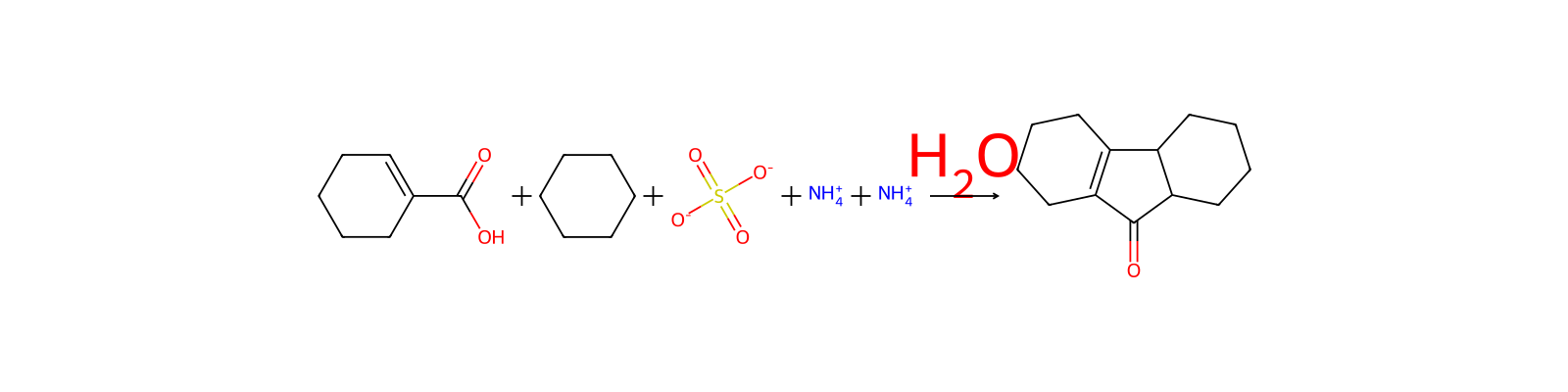
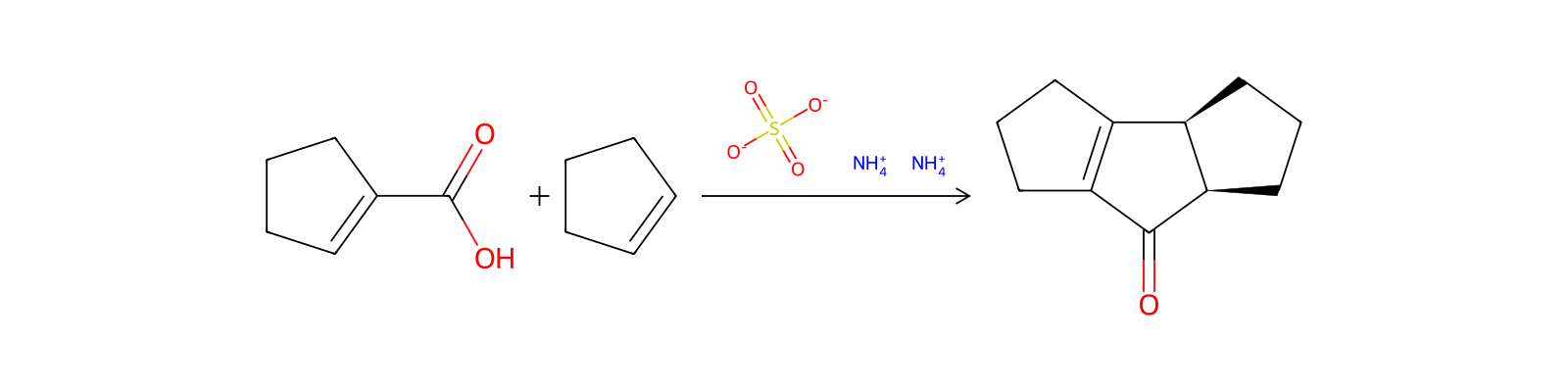
369건


연결된 노트
불러오는 중…