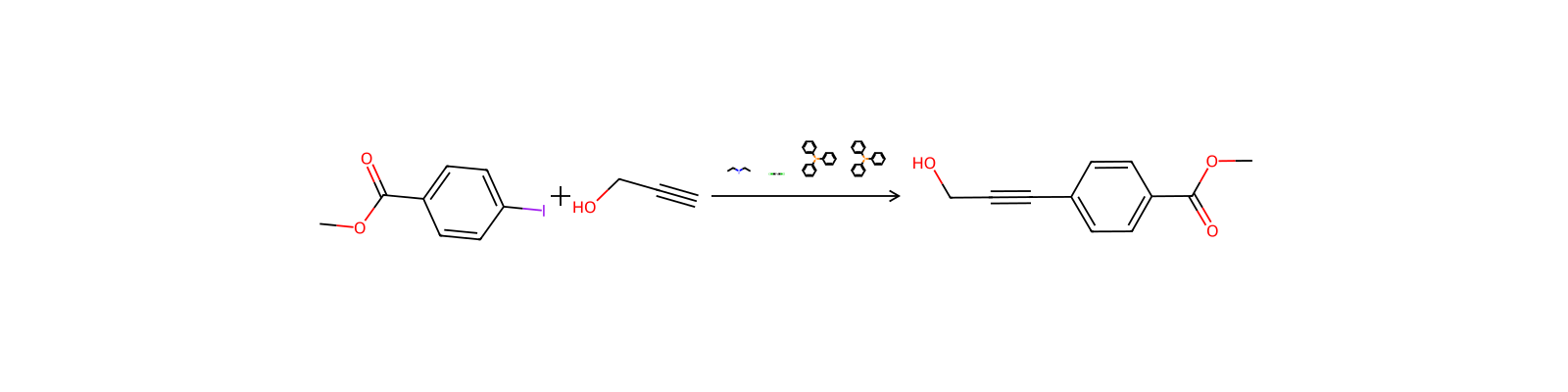
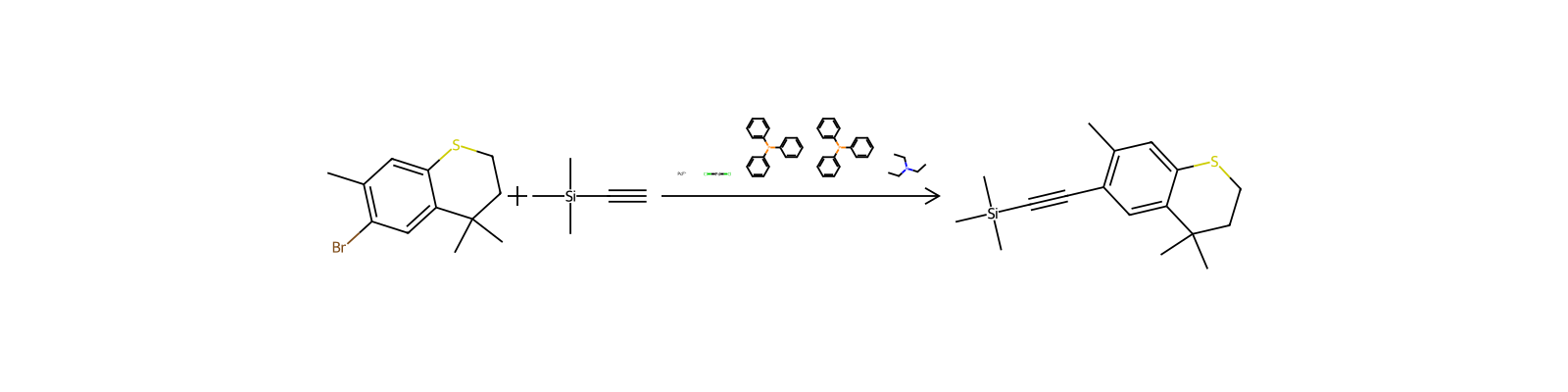
HRID 1456촉매로

13965-03-2[Cl][Pd][Cl].c1ccc(P(c2ccccc2)c2ccccc2)cc1.c1ccc(P(c2ccccc2)c2ccccc2)cc1YNHIGQDRGKUECZ-UHFFFAOYSA-Ltrans-Dichlorobis-(triphenylphosphine) palladium(II) is a chemical compound of palladium. Palladium is a chemical element with the chemical symbol Pd and an atomic number of 46. It is found as a free metal alloyed with gold and other platinum group metals and in the rare minerals cooperite and polarite. (L794)
Bis(triphenylphosphine)palladium chloride is a coordination compound of palladium containing two triphenylphosphine and two chloride ligands. This yellow solid is insoluble in water but can dissolve in some organic solvents, such as toluene and benzene, and is slightly soluble in acetone and chloroform. It is used for palladium-catalyzed coupling reactions, e.g. the Sonogashira–Hagihara reaction. The complex adopts a square planar geometry and numerous similar complexes are known, with different phosphine ligands.
안전 정보는 참고용이며, 공급업체의 물질안전보건자료(SDS), 관련 법규 및 전문가 평가를 대체하지 않습니다.
This chemical does not meet GHS hazard criteria for 19.7% (46 of 233) of reports.
Warning
H302 (18.5%): Harmful if swallowed [Warning Acute toxicity, oral]
P261, P264, P264+P265, P270, P272, P273, P280, P301+P317, P302+P352, P305+P351+P338, P321, P330, P332+P317, P333+P317, P337+P317, P362+P364, and P501 (click each P-code to see the statement)
Aggregated GHS information provided per 233 reports by companies from 16 notifications to the ECHA C&L Inventory. Each notification may be associated with multiple companies.
REACH registered substance: Dichlorobis(triphenylphosphine)palladium (EC: 237-744-2)
Bis(triphenylphosphine)palladium (II) chloride: Does not have an individual approval but may be used under an appropriate group standard
Due to their ability to form strong complexes with both inorganic and organic ligands, palladium ions can disturb cellular equilibria, replace other essential ions, and interact with functional groups of macromolecules, such as proteins or DNA. Palladium complexes binding to DNA and RNA leads to strand breakage. Palladium ions are able to inhibit most major cellular functions, including DNA and RNA synthesis. Palladium compounds have been shown to bind to and inhibit various enzymes, including creatine kinase and prolyl hydroxylase. (L798)
Palladium may be absorbed through oral, dermal, and inhalation exposure. Once in the body it distributes to the kidney, liver, spleen, lymph nodes, adrenal gland, lung and bone. Palladium's ability to form complexes allows it the bind to amino acids, proteins, DNA, and other macromolecules. Palladium and its metabolites are excreted in the urine and faeces. (A21)
용도Bis(triphenylphosphine)palladium(II) chloride is used primarily in organometallic catalytic reactions due to the palladium content of the compound. It is also involved in crystalized structures of me tallacyclic complexes which show antiinflammatory and antifungal properties.
일반 설명Bis(triphenylphosphine)palladium(II) dichloride is an organometallic complex. It is an efficient cross-coupling catalyst for C-C coupling reaction, such as Negishi coupling, Suzuki coupling, Sonogashira coupling and Heck coupling reaction. Detection of bis(triphenylphosphine)palladium(II) dichloride by electrospray ionization quadrupole ion trap mass spectrometry using different imidazolium salts as the charge carrier has been reported. It is employed as catalyst for the Heck reaction medium.
13965-03-2