홈MCP워크벤치Skills
홈워크벤치알림마이페이지
llms.txt · MCP 가이드개인정보처리방침 · 이용약관 · 지원v1.8.0
  1. 홈
  2. /화합물

Propyl isocyanate

HCID 61033
새 노트새 반응견적 요청하기
인쇄 미리보기
기본 정보개요이름 및 식별자물성안전 및 규제화학 및 산업관련 반응화합물 노트
부분 구조 검색유사 구조 찾기

기본 정보

CAS
110-78-1
표준 SMILES
CCCN=C=O
InChIKey
OQURWGJAWSLGQG-UHFFFAOYSA-N
분자식
C4H7NO
평균 분자량
85.1 g/mol
단동위원소 질량
85.05276384

개요

N-propyl isocyanate appears as a colorless liquid with a pungent odor. Very toxic by ingestion. May be toxic by skin absorption and inhalation. Insoluble in water but reacts with water to produce a toxic vapor. Used to make other chemicals.

이름 및 식별자

우선 이름
Propyl isocyanate
IUPAC
1-isocyanatopropane
영어명
Propyl isocyanate
분자식
C4H7NO
분자량
85.1

이름 및 동의어

Propyl isocyanate1-Isocyanatopropanen-Propyl isocyanatePROPANE, 1-ISOCYANATO-m-Propyl isocyanateEINECS 203-803-6EW62LG5TQ7NSC 89688UN2482AI3-28281NSC-89688Isocyanic acid n-propyl ester
이름 더 보기
Isocyanatopropanen-picWLN: OCN3Desmodur RNPropyl carbimideN-PROPYLCARBIMIDEn-Propylisocyanat
DTXSID5051571OQURWGJAWSLGQG-UHFFFAOYSA-UN 24821IsocyanatopropanemPropyl isocyanate1Propyl isocyanatePropane, 1isocyanatoRefChem:176498

데이터베이스 식별자

CAS
110-78-1
PubChem CID
61033
DTXSID
DTXSID5051571
ChEMBL
CHEMBL441027
UNII
EW62LG5TQ7
EC Number
203-803-6
Nikkaji
J36.792C

물성

구조 계산 물성

XLogP
1.9
극성 표면적
29.4 Ų
수소 결합 공여자 수
0
수소 결합 수용자 수
2
회전 가능 결합 수
2
무거운 원자 수
6
형식 전하
0
복잡도
63.9

실험 및 물리화학적 성질

Chemical Classes · 2건

Toxic Gases & Vapors -> Monoisocyanates

Flammable agents - 3rd degree

SpringerMaterials PropertiesSchoenflies notation
Physical Description · 2건

N-propyl isocyanate appears as a colorless liquid with a pungent odor. Very toxic by ingestion. May be toxic by skin absorption and inhalation. Insoluble in water but reacts with water to produce a toxic vapor. Used to make other chemicals.

Colorless liquid with pungent odor; [CAMEO]

물리화학적 성질

녹는점
-30 °C · -30 °C
끓는 점
83 · 83-84 °C(lit.)
밀도
0.908 g/mL · 0.908 g/mL at 25 °C(lit.)
굴절률
20 · n20/D 1.394(lit.)
인화점
32 °F · 32 °F
저장 조건
Flammables area
물리적 상태
액체
색상
맑은 노란색
수용성
격렬하게 반응한다
BRN
1098489 · 1098489
InChI

안전 및 규제

안전 정보는 참고용이며, 공급업체의 물질안전보건자료(SDS), 관련 법규 및 전문가 평가를 대체하지 않습니다.

GHS 분류

GHS Classification · 4건

Danger

H225 (100%): Highly Flammable liquid and vapor [Danger Flammable liquids]

P210, P233, P240, P241, P242, P243, P260, P261, P264, P264+P265, P270, P271, P272, P280, P284, P301+P317, P302+P352, P303+P361+P353, P304+P340, P305+P354+P338, P317, P319, P321, P330, P332+P317, P333+P317, P342+P316, P362+P364, P370+P378, P403, P403+P233, P403+P235, P405, and P501 (click each P-code to see the statement)

Aggregated GHS information provided per 42 reports by companies from 5 notifications to the ECHA C&L Inventory. Each notification may be associated with multiple companies.

유해성 정보

Hazards IdentificationToxic/poison by inhalation (TIH/PIH)
Regulatory InformationThe New Jersey Worker and Community Right to Know Act requires public and private employers to provide information about hazardous substances at their workplaces. (N.J.S.A. 34:5A-1 et. seq.)
DOT LabelPoison Inhalation Hazard Flammable Liquid
Fire Hazards · 2건

Excerpt from ERG Guide 155 [Substances - Toxic and/or Corrosive (Flammable / Water-Sensitive); polymerization hazard]:

· HIGHLY FLAMMABLE: Will be easily ignited by heat, sparks or flames.

Health Hazards · 2건

Excerpt from ERG Guide 155 [Substances - Toxic and/or Corrosive (Flammable / Water-Sensitive); polymerization hazard]:

· TOXIC and/or CORROSIVE; inhalation, ingestion or contact (skin, eyes) with vapors, dusts or substance may cause severe injury, burns or death.

Hazards SummaryHighly flammable; May cause burns and death; Reacts with water to slowly produce cyanide vapor; Corrosive gases and flammable hydrogen may be released; [CAMEO]

화학 및 산업

용도 및 제조

UsesUsed to make other chemicals; [CAMEO]
General Manufacturing InformationPropane, 1-isocyanato-: ACTIVE

응용 분야

일반 설명A colorless liquid with a pungent odor. Very toxic by ingestion. May be toxic by skin absorption and inhalation. Insoluble in water but reacts with water to produce a toxic vapor. Flash point 30°F. Used to make other chemicals.

상·하류 제품 정보

상류 원료

이소프로필이소시아네이트질소이소프로필아민

하류 제품

클로르프로파마이드

관련 반응

263건
반응 기록 만들기
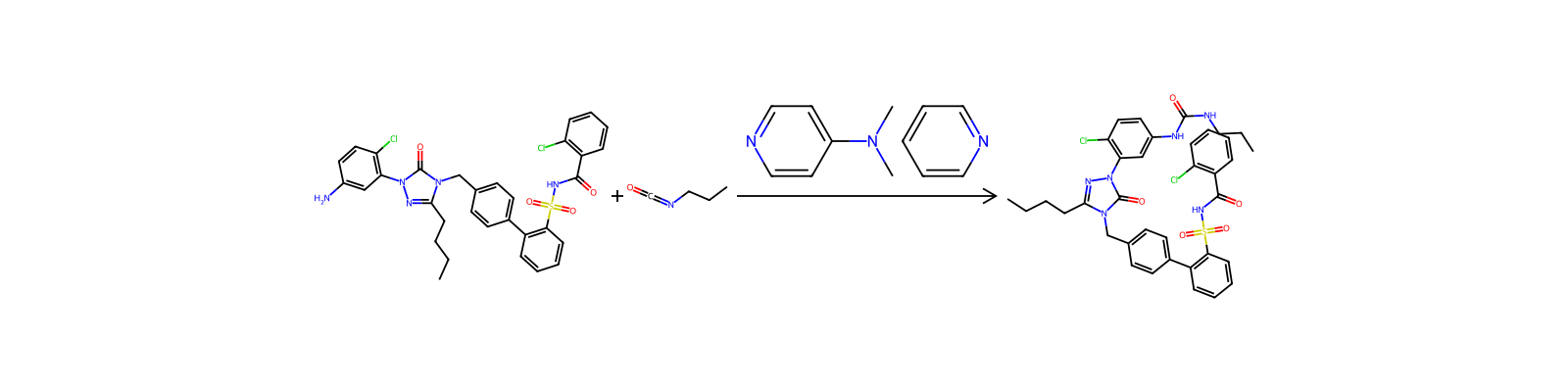
HRID 10022 반응식
HRID 10022반응물로uspto-grants-2006_08
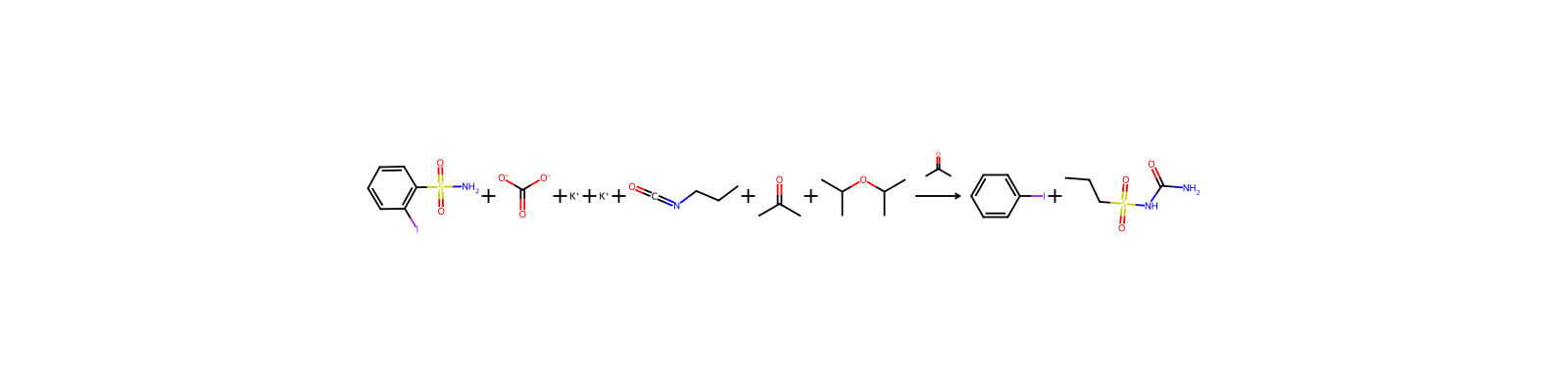
HRID 17804 반응식
HRID 17804반응물로uspto-grants-2010_06
HRID 36255 반응식
HRID 36255반응물로uspto-grants-1995_05
HRID 37288 반응식
HRID 37288반응물로uspto-grants-1995_05
HRID 37956 반응식
HRID 37956반응물로uspto-grants-2013_09
HRID 47351 반응식
HRID 47351반응물로uspto-grants-2004_03
HRID 52291 반응식
HRID 52291반응물로uspto-grants-1997_04
HRID 53407 반응식
HRID 53407반응물로uspto-grants-1997_04
1 / 33 페이지

화합물 노트

불러오는 중…

이 페이지에서기본 정보개요이름 및 식별자물성안전 및 규제화학 및 산업관련 반응화합물 노트
더보기
새 노트새 반응견적 요청하기
InChI=1S/C4H7NO/c1-2-3-5-4-6/h2-3H2,1H3
InChIKey
OQURWGJAWSLGQG-UHFFFAOYSA-N
SMILES
C(N=C=O)CC
NIST
1 · Propane, 1-isocyanato-(110-78-1)
EPA
1 · Propane, 1-isocyanato- (110-78-1)

화학적 성질

clear yellow liquid

DOT ID and Guide
2482 155P
Reactive GroupIsocyanates and Isothiocyanates
Reactivity AlertsHighly Flammable
Reactivity Profile · 1건

Isocyanates and thioisocyanates, such as N-PROPYL ISOCYANATE, are incompatible with many classes of compounds, reacting exothermically to release toxic gases. Reactions with amines, aldehydes, alcohols, alkali metals, ketones, mercaptans, strong oxidizers, hydrides, phenols, and peroxides can cause vigorous releases of heat. Acids and bases initiate polymerization reactions in these materials. Some isocyanates react with water to form amines and liberate carbon dioxide.

DOT Hazard Classification · 5건

n-Propyl isocyanate

UN2482

Div 6.1 Poisonous materials (49 eCFR § 173.132)

Div 6.1 Poisonous materials (49 eCFR § 173.132)

PG I: the degree of danger presented by the material is great

Air and Water ReactionsHighly flammable. May react with water slowly to produce a toxic cyanide vapor. Insoluble in water.

안전 및 보호

Fire FightingExcerpt from ERG Guide 155 [Substances - Toxic and/or Corrosive (Flammable / Water-Sensitive); polymerization hazard]:
Accidental Release Measures · 2건

· CALL 911. Then call emergency response telephone number on shipping paper. If shipping paper not available or no answer, refer to appropriate telephone number listed on the inside back cover.

· ELIMINATE all ignition sources (no smoking, flares, sparks or flames) from immediate area.

First Aid · 2건

Excerpt from ERG Guide 155 [Substances - Toxic and/or Corrosive (Flammable / Water-Sensitive); polymerization hazard]:

General First Aid:

Exposure Control and Personal Protection · 2건

· Wear positive pressure self-contained breathing apparatus (SCBA).

TIH (Toxic Inhalation Hazard) - Term used to describe gases and volatile liquids that are toxic when inhaled. Some are TIH materials themselves, e.g., chlorine, and some release TIH gases when spilled in water, e.g., chlorosilanes. [ERG 2016].

Nonfire Spill ResponseExcerpt from ERG Guide 155 [Substances - Toxic and/or Corrosive (Flammable / Water-Sensitive); polymerization hazard]:
Isolation and Evacuation · 4건

Excerpt from ERG Guide 155 [Substances - Toxic and/or Corrosive (Flammable / Water-Sensitive); polymerization hazard]:

Immediate precautionary measure

Small spill:

Small spill:

Personal Protective Equipment (PPE)Excerpt from ERG Guide 155 [Substances - Toxic and/or Corrosive (Flammable / Water-Sensitive); polymerization hazard]:
Emergency Response Planning Guidelines· Note: Most foams will react with the material and release corrosive/toxic gases.
Acute Exposure Guideline Levels (AEGLs)The compound is currently at the Holding Status AEGLs which have been reviewed by the NAC/AEGL Committee and are on hold due to insufficient data to develop AEGL values.
AEGLs NotesAEGLs Status: Holding

독성 정보

Adverse EffectsDermatotoxin - Skin burns.

안전 데이터

wgk
1
tsca
TSCA listed
rtecs
NR0190000
ridadr
UN 2482
HS 번호
29291090
risk_code
11-20/21/22-37/38-41-42/43-42-34-26-22-14
hazard_code
F,Xn,T+
safety_code
23-26-36/37/39-45-38-16
포장분류
I
위험 등급
6.1
기존화학 물질
KE-21484
F 고인화성물질
19
Hazard Classifications
Acute Tox. 4 DermalAcute Tox. 4 InhalationAcute Tox. 4 OralEye Dam. 1Flam. Liq. 2Resp. Sens. 1Skin Irrit. 2Skin Sens. 1STOT SE 3
스토리지 클래스
3 - Flammable liquids